
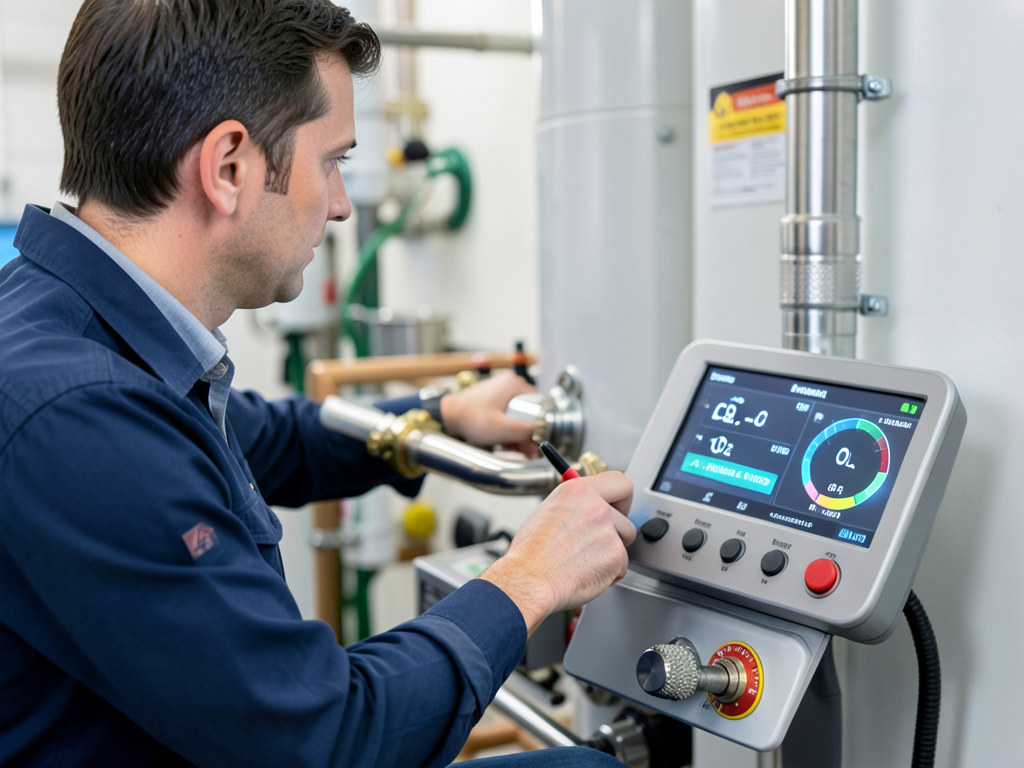
Why Every Williamsville Homeowner Needs a Professional Boiler Tune-Up This Fall
The first cold snap in Williamsville hits hard when your boiler fails. Steam radiators go silent. Baseboards stop warming. Your home turns into an icebox while repair calls flood local HVAC companies. This fall, before National Fuel prices spike and Erie County nights dip below freezing, a professional boiler tune-up isn’t just maintenance—it’s protection for your home and wallet. National Fuel.
Williamsville’s historic homes along Main Street and the Glen Falls area were built when boilers ran on coal, then oil, now natural gas. These systems weren’t designed for today’s efficiency standards or the freeze-thaw cycles that stress older pipes. A neglected boiler wastes 15-30% more fuel, according to National Fuel data, and that inefficiency compounds each winter. The question isn’t whether you can afford a tune-up. It’s whether you can afford to skip one.. Read more about Expert Boiler Repair Services for South Buffalo Residents.
Williamsville’s Unique Heating Challenges
Williamsville sits in a climate zone where winter temperatures regularly drop below zero. The Village’s older housing stock—particularly the 1920s and 1930s bungalows near Glen Falls—features original cast-iron radiators and aging steel pipes. These systems face specific threats:. Read more about Why Williamsville Families are Switching to High-Efficiency Furnaces.
- Freeze-thaw expansion that cracks soldered joints
- Mineral buildup in hard water areas that clogs heat exchangers
- Drafty Victorian-style homes that overwork boilers
- Combined sewer systems in older sections that can back up during heavy snowmelt
The New York State Uniform Fire Prevention and Building Code (Section 1301.2) requires annual inspections for commercial boilers, but residential systems need the same attention to prevent carbon monoxide leaks and catastrophic failures.
The 21-Point Professional Boiler Inspection Checklist
A proper tune-up goes far beyond checking the pilot light. Our technicians use a systematic approach developed for Western New York’s specific boiler types:
- Heat Exchanger Examination
Using a combustion analyzer, we measure CO2 and O2 levels to verify proper burner efficiency. A reading outside 7-10% CO2 indicates dirty burners or improper air-to-fuel ratio.
- Pressure Relief Valve Testing
We manually lift the lever to ensure the valve opens at 30 psi. A stuck valve can cause dangerous pressure buildup.
- Expansion Tank Inspection
Using a tire gauge, we check pre-charge pressure. Most residential systems require 12-15 psi when cold.
- Circulator Pump Assessment
We listen for bearing noise and check amperage draw. A pump drawing 20% above normal wattage needs replacement.. Read more about Same Day Water Heater Replacement Services in Tonawanda.
- Flue Pipe Examination
We inspect for corrosion, proper slope, and secure connections. Any rust-through requires immediate repair. EPA ENERGY STAR program.
- Carbon Monoxide Testing
We use a digital CO detector near the boiler and throughout the home. Readings above 9 ppm indicate venting problems.
- Low Water Cut-Off Verification
We test the LWCO by simulating low water conditions. This safety device prevents boiler damage.
- Gas Valve and Ignition System Check
We verify proper gas pressure (typically 3.5-4.0 inches water column) and clean igniter electrodes.
- Vent Damper Operation
We ensure the damper opens fully during burner operation and closes when off.
- Zone Valve Testing
We cycle each zone to verify proper end-switch operation and valve travel.
- Radiator Vent Inspection
We check steam vents for proper operation and replace any that hiss continuously.
- Water pH Testing
We test boiler water pH. Levels below 7.0 or above 10.0 indicate corrosion potential.
- Pressure Gauge Accuracy
We compare the system gauge to our calibrated test gauge.
- Safety Control Verification
We test high-limit controls and resettable safety switches.
- Electrical Connection Inspection
We check all terminals for tightness and signs of overheating.
- Condensate Drain Check
For condensing boilers, we verify proper drainage and check for acidic condensate.
- Outdoor Reset Control Programming
We verify outdoor temperature sensors and adjust heating curves for efficiency.
- Air Separator Cleaning
We remove and clean air separators to maintain system efficiency.
- Makeup Water System Check
We inspect backflow preventers and pressure-reducing valves.
- Documentation Review
We review previous service records for recurring issues.
- Final Combustion Analysis
We verify all adjustments improved efficiency by 5-15%.
Image Placeholder 1: Technician using combustion analyzer on boiler burner, showing digital readout with CO2 and O2 levels.
Cost Benefits of Annual Maintenance in Western New York
A well-maintained boiler operates at 80-95% efficiency, while a neglected system can drop to 60-70%. For a typical Williamsville home using 800 therms per winter at $1.50/therm, that efficiency gap costs $360-720 annually in wasted fuel.
Beyond fuel savings, annual tune-ups prevent expensive emergency repairs. A failed circulator pump on a -10°F night costs $600-800 for emergency service plus potential water damage from frozen pipes. Regular maintenance extends boiler life from 15-20 years to 25-30 years, delaying the $6,000-10,000 replacement cost.. Read more about Essential Maintenance Tips for Your Hamburg Home Heating System.
National Fuel offers rebates up to $500 for high-efficiency boiler installations, but you must maintain your system to qualify for these programs. The NYSERDA Clean Heat Program also provides incentives for systems meeting specific efficiency thresholds.
Warning Signs Your Boiler Needs Immediate Attention
Don’t wait for complete failure. These symptoms indicate your boiler needs professional service now:. Read more about Quick and Professional Air Conditioner Tune-Ups in Lancaster.
- Kettling noises – Sounds like a tea kettle boiling indicate scale buildup in heat exchangers
- Yellow pilot light – Instead of blue, this signals incomplete combustion and carbon monoxide risk
- Rising energy bills – Unexplained 20%+ increases often mean declining efficiency
- Uneven heating – Some rooms hot, others cold suggests circulation problems
- Water leaks – Any moisture around the boiler indicates failing seals or corrosion
- Frequent cycling – Short on-off cycles waste energy and stress components
The EPA recommends immediate shutdown if you smell gas or detect carbon monoxide. Evacuate and call your utility company from outside the home.
Image Placeholder 2: Close-up of corroded boiler heat exchanger showing scale buildup and rust damage.
Steam vs. Hot Water Boilers: What Williamsville Homes Use
Williamsville’s housing stock primarily uses two boiler types, each with distinct maintenance needs:. Read more about Ranking the Top HVAC Maintenance Plans in the Buffalo Area.
| System Type | Common in Williamsville | Maintenance Focus | Typical Age |
|---|---|---|---|
| Steam Boilers | Historic district, Glen Falls | Vent valve replacement, water level control | 40-80 years |
| Hot Water Boilers | Post-war developments, Transit Road area | Circulator pumps, expansion tanks | 15-40 years |
| Condensing Boilers | New construction, recent replacements | Condensate drains, stainless steel heat exchangers | 0-15 years |
Steam systems require more frequent vent valve replacement (every 5-7 years) due to constant thermal cycling. Hot water systems need expansion tank checks more often, as waterlogged tanks cause pressure fluctuations.
Service Areas Near Williamsville
We serve the entire Williamsville area including zip codes 14221, 14231, and 14260. Our technicians regularly work in these nearby communities:
- Amherst – Transit Road corridor and North Forest Road homes
- Clarence – East of Transit Road, newer developments
- Snyder – Main Street area west of Williamsville
- East Amherst – North of Maple Road, larger properties
Each area has unique heating challenges. Amherst homes often have original 1960s boilers needing efficiency upgrades. Clarence properties may have well water causing mineral buildup. Snyder’s older homes require careful handling of asbestos-wrapped pipes.
Frequently Asked Questions
How much does a boiler tune-up cost in Williamsville?
Professional boiler tune-ups typically range from $150-300 depending on system complexity. Steam systems often cost more due to additional vent valve inspections and water level control testing.
When is the best time to schedule a boiler tune-up?
Schedule between September and early November before the first freeze. This timing ensures your system is ready for peak winter demand and gives you priority scheduling before the rush.
How long does a professional boiler tune-up take?
A thorough 21-point inspection takes 1.5-2.5 hours. Complex steam systems or those with multiple zones may require 3-4 hours for complete service.
Can I perform my own boiler maintenance?
Basic tasks like bleeding radiators are safe, but combustion analysis, gas pressure testing, and carbon monoxide checks require professional equipment and training. DIY attempts often void manufacturer warranties.
What’s included in a National Fuel boiler rebate?
National Fuel offers up to $500 for installing high-efficiency boilers (90%+ AFUE). You must provide proof of professional installation and maintain the system according to manufacturer guidelines to qualify.
Why Choose Local Expertise
Williamsville’s heating systems face challenges that generic HVAC companies miss. Our technicians understand:
- The specific pressure requirements for older cast-iron radiators
- How Williamsville’s hard water affects heat exchanger longevity
- The proper venting methods for homes near the airport flight path
- How to work with Erie County’s permit requirements for boiler replacements
We stock common parts for Williamsville homes, including steam vent valves, circulator pumps, and pressure-reducing valves. This means faster repairs when problems arise.
Emergency vs. Preventative Maintenance Cost Analysis
Consider the real costs of waiting:
| Scenario | Preventative Cost | Emergency Cost | Additional Costs |
|---|---|---|---|
| Annual Tune-up | $200 | N/A | None |
| Failed Circulator | N/A | $800 emergency service | Potential frozen pipe damage: $2,000-5,000 |
| Heat Exchanger Failure | N/A | $1,200-2,500 | Water damage, temporary heating: $3,000-7,000 |
| Carbon Monoxide Leak | N/A | $150 testing | Medical costs, home evacuation: $5,000+ |
The math is clear: preventative maintenance costs 10-15% of potential emergency repairs and protects your family’s safety.
National Fuel Efficiency Standards and Your Boiler
The EPA’s ENERGY STAR program sets minimum efficiency standards for residential boilers. Current requirements:
- Gas steam boilers: 82% AFUE minimum
- Gas hot water boilers: 84% AFUE minimum
- Oil boilers: 84% AFUE minimum
Older Williamsville boilers often operate at 60-70% efficiency. A professional tune-up can improve efficiency by 5-15%, but systems below 75% may need replacement to meet modern standards and qualify for utility rebates.
National Fuel’s energy efficiency programs require proof of proper maintenance for rebate eligibility. Skipping annual service could cost you hundreds in lost incentives.
Preparing Your Boiler for Winter
Before winter hits, take these steps:
- Test your thermostat now, not during the first cold snap
- Check for any water around the boiler base
- Listen for unusual noises during a test cycle
- Verify your carbon monoxide detectors have fresh batteries
- Clear the area around your boiler of stored items
If you notice any issues during these checks, call immediately. Small problems become emergencies when temperatures plummet.
Local Building Codes and Boiler Safety
Erie County follows the New York State Mechanical Code, which requires:
- Proper combustion air supply (typically 50 square inches per 1,000 BTU input)
- Approved venting materials for exhaust gases
- Safety shutoff valves on gas supply lines
- Proper clearance to combustibles (typically 6 inches minimum)
Section 1005.5 of the Mechanical Code specifically addresses boiler room ventilation requirements. Many older Williamsville homes need upgrades to meet current standards, especially in finished basements where original combustion air openings were sealed.
Professional tune-ups include code compliance checks to identify potential safety issues before they become violations or hazards.
The Bottom Line: Don’t Wait Until It’s Too Late
Williamsville winters don’t wait for convenient timing. When your boiler fails during a blizzard, every hour without heat risks frozen pipes, water damage, and dangerous living conditions. A $200-300 tune-up this fall prevents $2,000-10,000 emergency repairs and keeps your family safe.
Our 21-point inspection catches problems while they’re minor and inexpensive to fix. We test for carbon monoxide, verify safety controls, and optimize efficiency to save you money all winter long.
Call (716) 317-7757 today to schedule your boiler tune-up. Our technicians are booking fast for the fall season. Don’t wait until the first cold snap when emergency calls flood our lines and wait times stretch to days.
Pick up the phone and call (716) 317-7757 before the next storm hits. Your family’s comfort and safety depend on a properly functioning boiler. Let us handle the technical details while you enjoy worry-free heating all winter long.
Image Placeholder 3: Before and after comparison of cleaned boiler burner showing carbon buildup removal and restored blue flame.
Don’t gamble with your home’s heating system this winter. Professional maintenance isn’t an expense—it’s insurance against the worst of Western New York’s weather. Call now and join the hundreds of Williamsville homeowners who trust us to keep their homes warm and safe all season long.
{
“@context”: “https://schema.org”,
“@type”: “BlogPosting”,
“headline”: “Why Every Williamsville Homeowner Needs a Professional Boiler Tune-Up This Fall”,
“description”: “Don’t wait for your boiler to fail this winter. Learn why Williamsville homeowners trust professional tune-ups to prevent breakdowns and save on heating costs.”,
“wordCount”: 1934,
“datePublished”: “2026-02-16T09:53:00.000Z”,
“dateModified”: “2026-02-16T09:53:00.000Z”,
“inLanguage”: “en-US”,
“mainEntityOfPage”: {
“@type”: “WebPage”,
“@id”: “https://unitedhvacbuffalo.com”
},
“publisher”: {
“@type”: “LocalBusiness”,
“name”: “United HVAC Buffalo”,
“url”: “https://unitedhvacbuffalo.com”
},
“author”: {
“@type”: “Organization”,
“name”: “United HVAC Buffalo”,
“url”: “https://unitedhvacbuffalo.com”
},
“image”: {
“@type”: “ImageObject”,
“url”: “https://unitedhvacbuffalo.com/wp-content/uploads/2026/03/why-every-williamsville-homeowner-needs-a-professi-1.png”
}
}
{
“@context”: “https://schema.org”,
“@type”: “HVACBusiness”,
“name”: “United HVAC Buffalo”,
“url”: “https://unitedhvacbuffalo.com”,
“address”: {
“@type”: “PostalAddress”,
“addressLocality”: “Buffalo”
},
“areaServed”: {
“@type”: “City”,
“name”: “Buffalo”
}
}
{
“@context”: “https://schema.org”,
“@type”: “FAQPage”,
“mainEntity”: [
{
“@type”: “Question”,
“name”: “How much does a boiler tune-up cost in Williamsville?”,
“acceptedAnswer”: {
“@type”: “Answer”,
“text”: “Professional boiler tune-ups typically range from $150-300 depending on system complexity. Steam systems often cost more due to additional vent valve inspections and water level control testing.”
}
},
{
“@type”: “Question”,
“name”: “When is the best time to schedule a boiler tune-up?”,
“acceptedAnswer”: {
“@type”: “Answer”,
“text”: “Schedule between September and early November before the first freeze. This timing ensures your system is ready for peak winter demand and gives you priority scheduling before the rush.”
}
},
{
“@type”: “Question”,
“name”: “How long does a professional boiler tune-up take?”,
“acceptedAnswer”: {
“@type”: “Answer”,
“text”: “A thorough 21-point inspection takes 1.5-2.5 hours. Complex steam systems or those with multiple zones may require 3-4 hours for complete service.”
}
},
{
“@type”: “Question”,
“name”: “Can I perform my own boiler maintenance?”,
“acceptedAnswer”: {
“@type”: “Answer”,
“text”: “Basic tasks like bleeding radiators are safe, but combustion analysis, gas pressure testing, and carbon monoxide checks require professional equipment and training. DIY attempts often void manufacturer warranties.”
}
},
{
“@type”: “Question”,
“name”: “What’s included in a National Fuel boiler rebate?”,
“acceptedAnswer”: {
“@type”: “Answer”,
“text”: “National Fuel offers up to $500 for installing high-efficiency boilers (90%+ AFUE). You must provide proof of professional installation and maintain the system according to manufacturer guidelines to qualify.”
}
}
]
}
{
“@context”: “https://schema.org”,
“@type”: “HowTo”,
“name”: “Professional Boiler Inspection Process”,
“step”: [
{
“@type”: “HowToStep”,
“position”: 1,
“name”: “Heat Exchanger Examination”,
“text”: “Using a combustion analyzer, we measure CO2 and O2 levels to verify proper burner efficiency. A reading outside 7-10% CO2 indicates dirty burners or improper air-to-fuel ratio.”
},
{
“@type”: “HowToStep”,
“position”: 2,
“name”: “Pressure Relief Valve Testing”,
“text”: “We manually lift the lever to ensure the valve opens at 30 psi. A stuck valve can cause dangerous pressure buildup.”
},
{
“@type”: “HowToStep”,
“position”: 3,
“name”: “Expansion Tank Inspection”,
“text”: “Using a tire gauge, we check pre-charge pressure. Most residential systems require 12-15 psi when cold.”
},
{
“@type”: “HowToStep”,
“position”: 4,
“name”: “Circulator Pump Assessment”,
“text”: “We listen for bearing noise and check amperage draw. A pump drawing 20% above normal wattage needs replacement.”
},
{
“@type”: “HowToStep”,
“position”: 5,
“name”: “Flue Pipe Examination”,
“text”: “We inspect for corrosion, proper slope, and secure connections. Any rust-through requires immediate repair. EPA ENERGY STAR program.”
},
{
“@type”: “HowToStep”,
“position”: 6,
“name”: “Carbon Monoxide Testing”,
“text”: “We use a digital CO detector near the boiler and throughout the home. Readings above 9 ppm indicate venting problems.”
},
{
“@type”: “HowToStep”,
“position”: 7,
“name”: “Low Water Cut-Off Verification”,
“text”: “We test the LWCO by simulating low water conditions. This safety device prevents boiler damage.”
},
{
“@type”: “HowToStep”,
“position”: 8,
“name”: “Gas Valve and Ignition System Check”,
“text”: “We verify proper gas pressure (typically 3.5-4.0 inches water column) and clean igniter electrodes.”
},
{
“@type”: “HowToStep”,
“position”: 9,
“name”: “Vent Damper Operation”,
“text”: “We ensure the damper opens fully during burner operation and closes when off.”
},
{
“@type”: “HowToStep”,
“position”: 10,
“name”: “Zone Valve Testing”,
“text”: “We cycle each zone to verify proper end-switch operation and valve travel.”
},
{
“@type”: “HowToStep”,
“position”: 11,
“name”: “Radiator Vent Inspection”,
“text”: “We check steam vents for proper operation and replace any that hiss continuously.”
},
{
“@type”: “HowToStep”,
“position”: 12,
“name”: “Water pH Testing”,
“text”: “We test boiler water pH. Levels below 7.0 or above 10.0 indicate corrosion potential.”
},
{
“@type”: “HowToStep”,
“position”: 13,
“name”: “Pressure Gauge Accuracy”,
“text”: “We compare the system gauge to our calibrated test gauge.”
},
{
“@type”: “HowToStep”,
“position”: 14,
“name”: “Safety Control Verification”,
“text”: “We test high-limit controls and resettable safety switches.”
},
{
“@type”: “HowToStep”,
“position”: 15,
“name”: “Electrical Connection Inspection”,
“text”: “We check all terminals for tightness and signs of overheating.”
},
{
“@type”: “HowToStep”,
“position”: 16,
“name”: “Condensate Drain Check”,
“text”: “For condensing boilers, we verify proper drainage and check for acidic condensate.”
},
{
“@type”: “HowToStep”,
“position”: 17,
“name”: “Outdoor Reset Control Programming”,
“text”: “We verify outdoor temperature sensors and adjust heating curves for efficiency.”
},
{
“@type”: “HowToStep”,
“position”: 18,
“name”: “Air Separator Cleaning”,
“text”: “We remove and clean air separators to maintain system efficiency.”
},
{
“@type”: “HowToStep”,
“position”: 19,
“name”: “Makeup Water System Check”,
“text”: “We inspect backflow preventers and pressure-reducing valves.”
},
{
“@type”: “HowToStep”,
“position”: 20,
“name”: “Documentation Review”,
“text”: “We review previous service records for recurring issues.”
},
{
“@type”: “HowToStep”,
“position”: 21,
“name”: “Final Combustion Analysis”,
“text”: “We verify all adjustments improved efficiency by 5-15%.”
}
],
“image”: “https://unitedhvacbuffalo.com/wp-content/uploads/2026/03/why-every-williamsville-homeowner-needs-a-professi-1.png”
}
{
“@context”: “https://schema.org”,
“@type”: “BreadcrumbList”,
“itemListElement”: [
{
“@type”: “ListItem”,
“position”: 1,
“name”: “Home”,
“item”: “https://unitedhvacbuffalo.com”
},
{
“@type”: “ListItem”,
“position”: 2,
“name”: “Blog”,
“item”: “https://unitedhvacbuffalo.com/blog”
},
{
“@type”: “ListItem”,
“position”: 3,
“name”: “Why Every Williamsville Homeowner Needs a Professional Boiler Tune-Up This Fall”
}
]
}
{
“@context”: “https://schema.org”,
“@type”: “Service”,
“serviceType”: “HVAC”,
“provider”: {
“@type”: “LocalBusiness”,
“name”: “United HVAC Buffalo”,
“url”: “https://unitedhvacbuffalo.com”
},
“areaServed”: {
“@type”: “City”,
“name”: “Buffalo”
},
“description”: “Don’t wait for your boiler to fail this winter. Learn why Williamsville homeowners trust professional tune-ups to prevent breakdowns and save on heating costs.”
}