
menu

Air Purification Systems in Buffalo – Whole-Home Solutions for Year-Round Indoor Air Quality

Advanced air filtration systems designed for Buffalo's seasonal allergens, lake-effect humidity, and temperature extremes to protect your family's health and extend HVAC equipment life.

Slider Image 1
Slider Image 2
Slider Image 3
Slider Image 4
Slider Image 5
Slider Image 7
Slider Image 8
Slider Image 9
Slider Image 10
Slider Image 11

Why Buffalo Homes Need More Than Standard Air Filters

Buffalo's location on Lake Erie creates unique indoor air quality challenges that standard HVAC filters cannot address. The lake-effect moisture drives seasonal mold growth in ductwork and basement spaces. Spring pollen from regional maple and oak trees saturates the air. Winter temperature swings force you to seal your home tight, trapping volatile organic compounds, pet dander, and dust mites with nowhere to escape.

You run your furnace and air conditioner harder here than in most cities. That constant cycling stirs up particulates and recirculates them through every room. If someone in your household deals with asthma, allergies, or respiratory sensitivity, you already know the problem. The scratchy throat in February. The congestion that never quite clears. The dust on furniture two days after cleaning.

Whole-house air purifiers integrate directly into your existing HVAC system to filter contaminants before they reach your living spaces. Central air cleaners capture particles as small as 0.3 microns, including bacteria, viruses, and fine dust that bypass standard pleated filters. Air filtration systems reduce the load on your furnace and AC by keeping coils and blower motors cleaner, which extends equipment life and lowers energy costs.

Buffalo's older housing stock, particularly in North Buffalo and the Elmwood Village, often features tight attic insulation and minimal ventilation. Air cleaning systems compensate by removing airborne irritants without requiring you to crack windows in January. For homes near high-traffic corridors like the I-190 or Niagara Street, HVAC air purifiers actively filter out vehicle exhaust particulates and industrial emissions that infiltrate through gaps in building envelopes.

You deserve to breathe clean air without sacrificing comfort or efficiency.

Why Buffalo Homes Need More Than Standard Air Filters
How Professional Air Purification Integration Works

How Professional Air Purification Integration Works

Installing air purification systems is not a one-size-fits-all process. We start by measuring your home's total conditioned square footage, duct layout, and blower motor capacity. A 1,200-square-foot ranch requires different filtration specs than a 3,000-square-foot two-story colonial. We calculate air changes per hour based on occupancy, pets, and any known indoor air quality complaints.

Next, we evaluate your existing HVAC infrastructure. Older furnaces with lower-capacity blower motors may struggle with high-MERV filters that restrict airflow. In those cases, we recommend electronic air cleaners or media filters with larger surface areas that provide superior filtration without choking your system. If your ductwork shows gaps or poor sealing, we address those leaks first. Filtered air only helps if it stays inside the ducts long enough to reach your rooms.

We match purification technology to your specific concerns. HEPA-grade filters excel at trapping allergens and mold spores. Activated carbon filters neutralize odors and chemical vapors. UV germicidal lights kill bacteria and viruses on contact. Some systems combine multiple technologies for comprehensive protection.

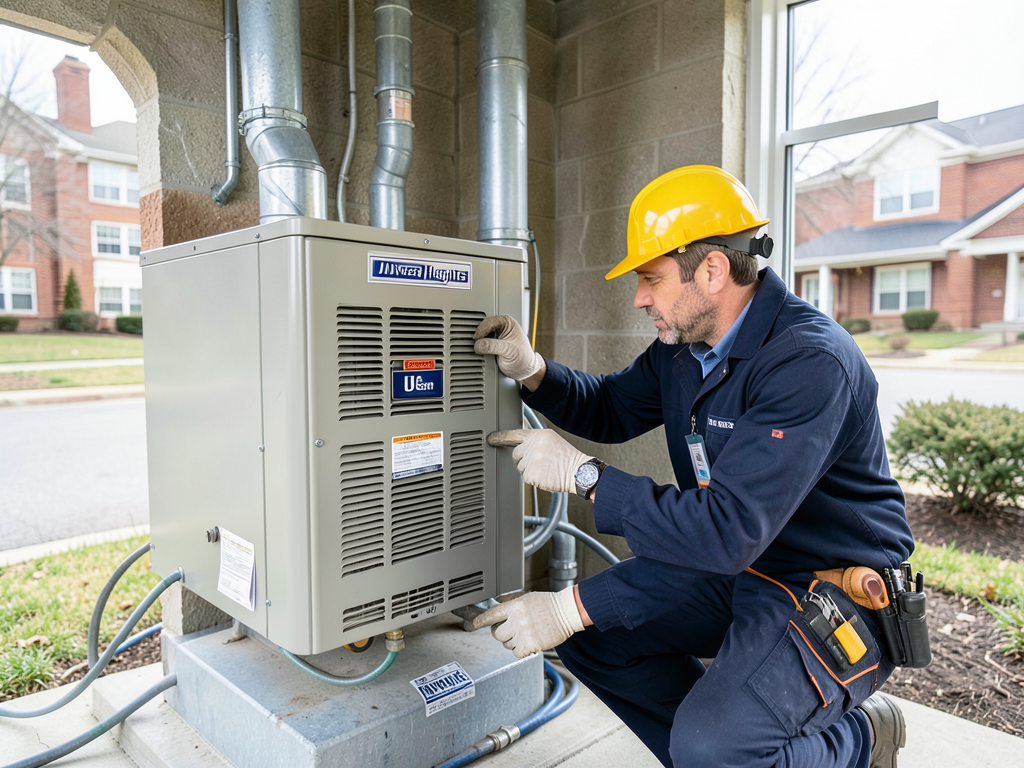
Installation involves mounting the purification unit in the main return plenum or at the air handler, depending on your system configuration. We wire electronic units to your furnace or AC so they operate automatically during heating and cooling cycles. Bypass configurations allow airflow even when the blower is off, providing continuous filtration in milder weather.

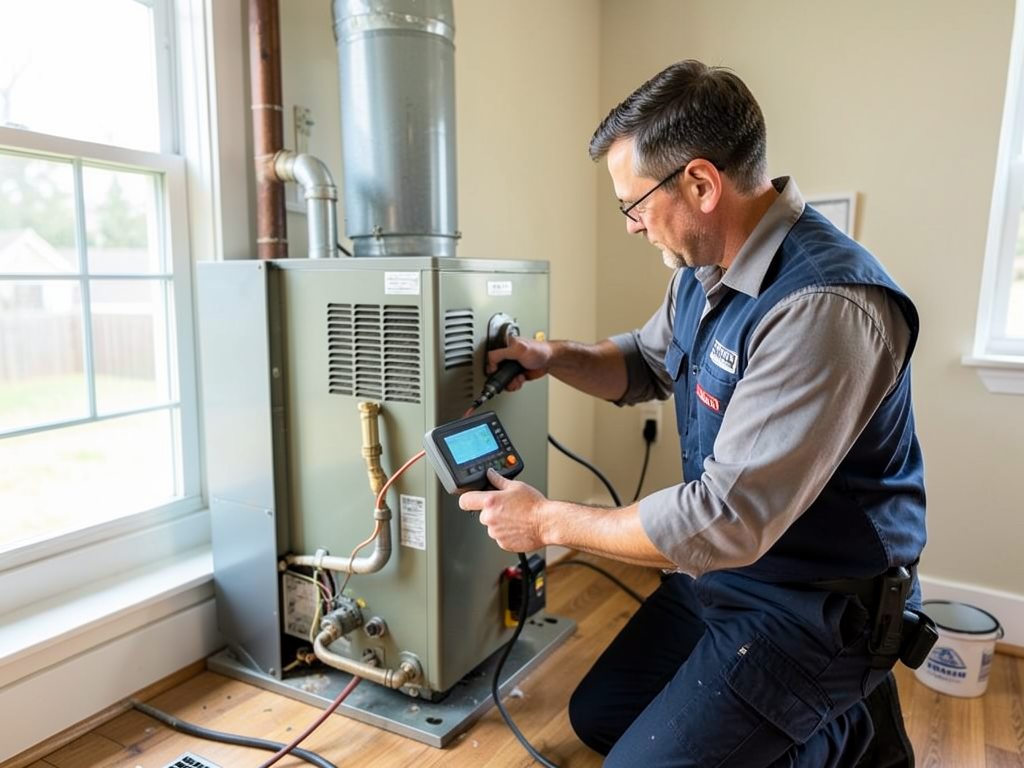
We test the completed installation with a manometer to verify static pressure remains within manufacturer specs. Excessive resistance damages blower motors and reduces system efficiency. We walk you through filter replacement schedules and show you how to check the system yourself between service visits. Most whole-house air purifiers require filter changes every six to twelve months, depending on usage and environmental conditions.

What Happens During Your Air Purification System Installation

Air Purification Systems in Buffalo – Whole-Home Solutions for Year-Round Indoor Air Quality
01

Indoor Air Quality Assessment

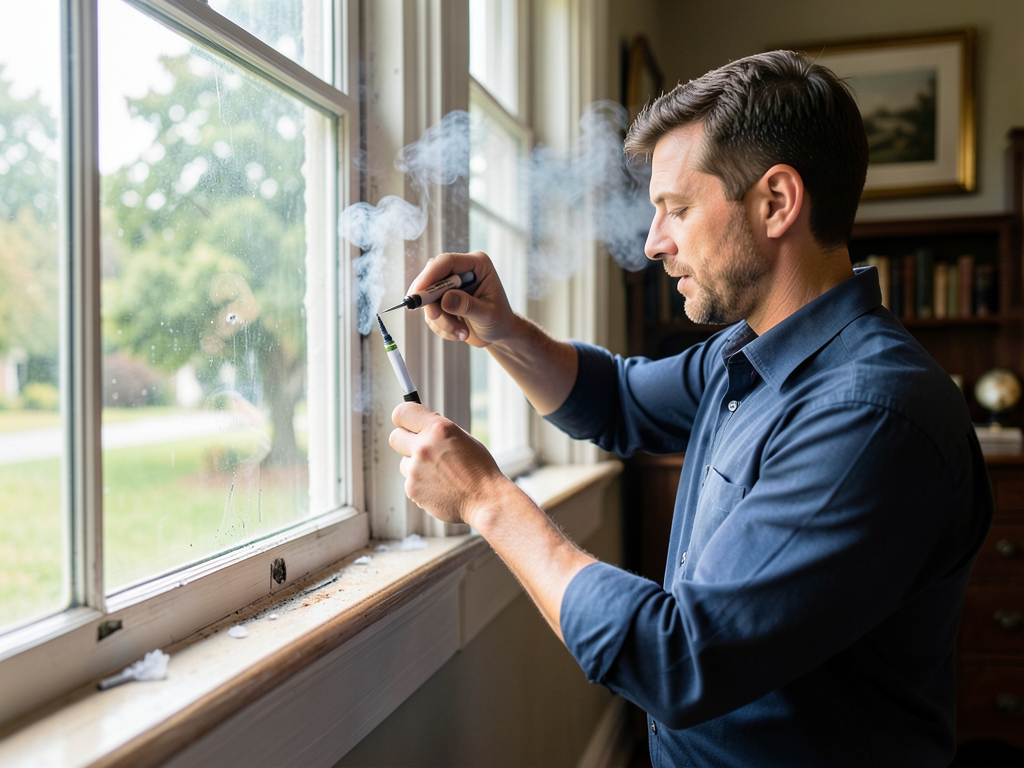
We measure particulate levels in your home, inspect ductwork for contamination, and identify pollutant sources like mold growth, poor ventilation, or construction dust. This diagnostic determines which air cleaning systems will deliver the best results for your specific situation. We also evaluate your HVAC system's compatibility with different purification technologies to avoid airflow restrictions or equipment strain.
02

System Selection and Installation

Based on your assessment results, we install the appropriate whole-house air purifier directly into your HVAC system's return or supply plenum. Electronic air cleaners integrate with your existing thermostat for automatic operation. Media filters mount in custom cabinets sized to your ductwork. UV lights position near the evaporator coil to prevent biological growth. We secure all electrical connections and verify proper airflow using calibrated instruments.
03

Performance Verification and Training

After installation, we run your system through multiple cycles to confirm the air filtration system operates correctly without affecting heating or cooling performance. We test static pressure to ensure the new equipment does not restrict airflow. You receive a complete walkthrough of maintenance requirements, filter replacement procedures, and system monitoring. We document baseline performance metrics for future service comparisons.

Why Buffalo Residents Trust United HVAC Buffalo for Air Purification

You need a contractor who understands how Buffalo's climate interacts with home comfort systems. We work in these neighborhoods every day. We know that homes in South Buffalo deal with different challenges than properties in Kenmore. We understand how lake-effect humidity saturates basements in Riverside and how temperature inversions trap pollution in the Fruit Belt.

Our technicians complete manufacturer-specific training on every air purification system we install. We do not push one brand or technology. Electronic air cleaners work better for some homes. Media filters make more sense for others. UV germicidal lights solve specific biological contamination problems. We recommend solutions based on your actual needs, not our inventory.

We handle the complete integration process. That includes verifying your electrical panel can support additional load, sizing ductwork modifications correctly, and ensuring your existing HVAC equipment can accommodate the new filtration without performance loss. If your furnace or AC is too old or underpowered to support advanced air cleaning systems, we tell you upfront and explain your options.

Buffalo's building codes and mechanical standards guide every installation we complete. We pull permits when required and coordinate inspections with the city. Our work passes scrutiny because we follow ACCA Manual D duct design principles and ASHRAE ventilation standards. You receive documentation of all equipment specs, filter replacement schedules, and maintenance requirements.

We service what we install. When you call for a filter change or system check, we already know your equipment, your home layout, and your air quality goals. We track seasonal performance and adjust settings as needed. If pollen counts spike in May or mold spores increase after a wet October, we help you optimize your central air cleaners for current conditions. That continuity matters when you are managing respiratory health or trying to reduce HVAC operating costs.

What to Expect from Your Air Purification System Installation

Installation Timeline and Scheduling

Most whole-house air purifier installations take four to six hours, depending on your HVAC configuration and ductwork accessibility. We schedule appointments that fit your availability and arrive on time with all necessary equipment. If we encounter unexpected issues like damaged ductwork or electrical deficiencies, we explain the problem, provide options, and adjust the timeline accordingly. You will not be surprised by delays or additional work you did not approve. We complete installations in a single visit whenever possible to minimize disruption to your routine.

Initial Air Quality Evaluation

Before recommending any air filtration system, we test your current indoor air quality and inspect your HVAC system for existing problems. We check for duct leaks, dirty coils, and improper airflow that could undermine purification efforts. We ask about specific concerns like allergies, odors, or respiratory issues to tailor our recommendations. This consultation takes 30 to 45 minutes and gives you a clear picture of what technology will deliver the best results. We explain filtration efficiency ratings, maintenance requirements, and operating costs so you can make an informed decision.

The Quality of Filtered Air

You will notice cleaner air within days of installation. Dust accumulation on furniture slows. Allergic reactions decrease. Odors from cooking or pets dissipate faster. The specific improvements depend on which air cleaning systems we install and what contaminants we are targeting. HEPA filters reduce airborne particles by up to 99.97 percent. Activated carbon removes volatile organic compounds and chemical odors. UV lights eliminate mold spores and bacteria on surfaces they contact. We set realistic expectations based on your home's conditions and equipment capabilities.

Ongoing Maintenance and Support

Air purification systems require regular filter changes and periodic inspections to maintain performance. We provide a maintenance schedule specific to your equipment and usage patterns. Most filters need replacement every six to twelve months. Electronic air cleaners require cleaning two to four times per year. UV lamps lose effectiveness after 12 to 18 months and need replacement. We offer maintenance agreements that include scheduled service visits, priority emergency response, and discounts on parts. You can also handle basic maintenance yourself with the training we provide at installation.

Frequently Asked Questions

You Have Questions,
We Have Answers

What is the best home air purifying system? +

The best home air purifying system depends on your specific needs in Buffalo. For whole-home protection, HEPA filtration integrated into your HVAC system removes 99.97% of airborne particles, including pollen, mold spores, and dander. UV-C light systems kill bacteria and viruses in your ductwork. For Buffalo homes dealing with high humidity and seasonal allergens from Lake Erie, a combination system works best. Look for true HEPA filters, not HEPA-type. Choose systems sized correctly for your square footage. Portable units work for single rooms, but whole-home systems protect every space you breathe in.

Is there a downside to air purifiers? +

Yes, some downsides exist. Ozone-generating air purifiers damage your lungs and should be avoided completely. Even quality units require filter replacements every 6-12 months, adding maintenance costs. HEPA filters restrict airflow in your HVAC system if not installed correctly, forcing your furnace to work harder. In Buffalo's cold winters, this means higher heating bills. Cheap units create noise that disrupts sleep. Ionizers leave residue on walls and furniture. Units undersized for your space waste electricity without cleaning air effectively. The key is choosing the right technology and proper installation by qualified technicians.

What is an air purification system? +

An air purification system removes contaminants from indoor air through mechanical or electronic filtration. Most systems use HEPA filters that trap particles as small as 0.3 microns, including dust, pollen, pet dander, and mold spores. Some add activated carbon filters to remove odors and volatile organic compounds. UV-C light systems kill airborne pathogens. Buffalo homes benefit from whole-house systems integrated into existing HVAC ductwork, cleaning air as it circulates through your furnace or air conditioner. Portable units handle single rooms. The goal is reducing allergens, bacteria, viruses, and pollutants that trigger respiratory issues.

How much is a whole-house air purification system? +

Whole-house air purification systems vary widely in price based on technology and home size. Basic HEPA filter systems start lower, while advanced UV-C and multi-stage filtration costs more. Installation complexity affects total investment, especially in Buffalo homes with older ductwork requiring modifications. Replacement filters add ongoing costs, typically needed twice yearly in high-pollen areas near Lake Erie. Your existing HVAC system compatibility matters. A 2,000-square-foot home needs more capacity than a 1,200-square-foot ranch. Get quotes from licensed Buffalo HVAC contractors who calculate proper sizing and explain filter replacement schedules before committing.

What to avoid when buying an air purifier? +

Avoid ozone generators marketed as air purifiers. Ozone irritates lungs and worsens asthma. Skip HEPA-type filters, which are not true HEPA and miss smaller particles. Undersized units waste money without cleaning air properly. Calculate your square footage first. Avoid units without CADR ratings, which measure cleaning effectiveness. In Buffalo, skip systems that cannot handle high humidity and mold spores from Lake Erie moisture. Ignore brands with expensive proprietary filters that lock you into one supplier. Avoid ionizers if you hate cleaning residue off walls. Check decibel ratings if noise bothers you.

Do house air purifiers really work? +

Yes, house air purifiers work when properly sized and maintained. Clinical studies show HEPA filtration removes 99.97% of particles 0.3 microns or larger. Buffalo residents with allergies see measurable relief from seasonal pollen and mold spores. Air purifiers reduce asthma triggers, pet dander, and dust mites. UV-C systems kill airborne viruses and bacteria. However, they do not eliminate all indoor air quality problems. You still need proper ventilation and humidity control. Effectiveness drops dramatically with dirty filters. Portable units only clean the room they occupy. Whole-house systems deliver consistent results throughout your home.

What are signs you need an air purifier? +

You need an air purifier if you experience frequent sneezing, congestion, or itchy eyes indoors, especially during Buffalo's high pollen seasons. Visible dust accumulation within days of cleaning signals poor air quality. Lingering cooking odors or pet smells indicate inadequate filtration. If someone in your home has asthma or allergies, purification helps. Mold smells in humid Buffalo basements require both moisture control and air cleaning. You wake up congested but feel better outside. Family members get sick frequently. You live near high-traffic roads where vehicle exhaust enters your home. Any respiratory discomfort that improves outdoors suggests indoor air problems.

Is it okay to sleep with an air purifier on all night? +

Yes, you should run your air purifier all night for maximum benefit. Your bedroom air gets contaminated from dust mites in bedding, pet dander, and outdoor allergens that enter through windows. Breathing clean air for eight hours helps if you have allergies or asthma. Modern units consume minimal electricity, similar to a light bulb. Choose a unit with a sleep mode that reduces fan speed and noise. In Buffalo, running purifiers overnight during high pollen counts from ragweed season prevents morning congestion. Place the unit three feet from your bed for optimal airflow without direct drafts disrupting sleep.

Do air purifiers remove dust? +

Yes, air purifiers remove dust effectively when equipped with true HEPA filters. HEPA filtration captures dust particles, dust mite debris, and skin cells that make up household dust. However, purifiers only clean airborne dust, not settled dust on furniture and floors. In Buffalo homes, dust accumulates quickly from Lake Erie moisture carrying particles and from forced-air heating systems circulating contaminants. Run your purifier continuously for best results. You still need to vacuum and dust surfaces regularly. Whole-house systems filter dust before it circulates through ductwork. Replace filters on schedule because clogged filters lose effectiveness and strain your HVAC system.

Do you let air purifiers run all the time? +

Yes, run air purifiers continuously for optimal indoor air quality. Air constantly gets contaminated from cooking, pets, outdoor pollutants, and normal activities. Turning purifiers on and off allows particle buildup between uses. Continuous operation maintains consistent clean air and prevents concentration spikes. Buffalo homes benefit from 24/7 operation during high pollen seasons and humid summers when mold spores proliferate near Lake Erie. Modern units use minimal electricity. Set lower fan speeds during quiet times to reduce noise and energy use while maintaining filtration. Clean air happens through constant circulation, not occasional treatment. Replace filters on schedule to maintain efficiency.

How Lake Erie Humidity and Seasonal Allergies Make Air Purification Critical in Buffalo

Buffalo sits in a microclimate zone where Lake Erie moisture collides with regional pollen and urban air pollution. Spring winds carry tree pollen from southern Ontario and Pennsylvania. Summer humidity creates ideal conditions for mold proliferation in basements and crawl spaces. Fall ragweed counts spike as farmers harvest surrounding agricultural areas. Winter forces you to seal your home against subzero temperatures, trapping stale air and volatile organic compounds indoors. Whole-house air purifiers address these seasonal challenges by continuously filtering contaminants regardless of outdoor conditions. Homes near the waterfront in Black Rock or along the Niagara River face additional moisture infiltration that accelerates biological growth in ductwork and on HVAC components.

Buffalo's residential heating and cooling contractors must understand local building construction and environmental stressors to recommend effective air filtration systems. Older homes in Allentown and the Elmwood Village feature plaster walls and minimal insulation, which allows outdoor pollutants to infiltrate more easily. Newer construction in Amherst and Clarence offers tighter building envelopes but requires mechanical ventilation to prevent indoor air stagnation. We design air purification solutions around these realities, not generic recommendations pulled from national product catalogs. That local expertise protects your investment and ensures the system performs as intended through every Buffalo season.
HVAC Services in The Buffalo Area

We are proud to serve the entire Buffalo area and its surrounding communities with our expert HVAC services. Our centrally located team allows us to respond quickly to your needs, whether you are in the city or a nearby suburb. We are committed to being your local, trusted resource for all things heating and cooling, and we look forward to serving you right where you are.

Address:
United HVAC Buffalo, 360 Delaware Ave, Buffalo, NY, 14202

Additional Services We Offer

Our news updates

Latest Articles & News from The Blogs

Managing Excessive Dust in Your South Buffalo Home During High Wind Events South Buffalo homes face unique dust challenges when…

Managing Excessive Dust in Your South Buffalo Home During High Wind Events

Managing Excessive Dust in Your South Buffalo Home During High Wind Events South Buffalo homes face unique dust challenges when…

Is it Better to Pay for a Monthly HVAC Maintenance Plan or Just Call When Something Breaks?

Is it Better to Pay for a Monthly HVAC Maintenance Plan or Just Call When Something Breaks? When your furnace…

The Homeowners Guide to Buying a New HVAC System for a Rental Property in University Heights

The Homeowners Guide to Buying a New HVAC System for a Rental Property in University Heights University Heights landlords face…

Contact Us

Stop tolerating poor indoor air quality. Call United HVAC Buffalo at (716) 317-7757 to schedule your air purification consultation. We will assess your home, recommend the right system, and install it correctly the first time.