menu

Furnace Maintenance Checklist Buffalo – Protect Your System Before Lake Effect Winter Hits

Our preventative heating maintenance guide walks you through every critical inspection step to avoid mid-winter breakdowns when Buffalo's brutal cold arrives and repair calls skyrocket.

Slider Image 1
Slider Image 2
Slider Image 3
Slider Image 4
Slider Image 5
Slider Image 7
Slider Image 8
Slider Image 9
Slider Image 10
Slider Image 11

Why Buffalo Furnaces Need Fall Maintenance More Than Most Cities

Buffalo's lake effect snow and prolonged heating season put unique stress on furnaces. Your system runs harder and longer than units in warmer climates. From October through April, your furnace operates continuously through temperature swings from 10 degrees to 40 degrees in a single week. This cycle creates thermal expansion stress on heat exchangers and blower motors.

Neglecting your annual furnace inspection list means gambling on equipment that must perform flawlessly when you need it most. A furnace that fails inspection in November gets scheduled for repair immediately. A furnace that fails at 2 AM on a January night when it's 5 degrees outside becomes an emergency that costs three times more.

Buffalo's older housing stock, particularly in neighborhoods like Elmwood Village and Allentown, contains furnaces operating in basement environments with poor ventilation. Dust accumulation happens faster here. Humidity from Lake Erie accelerates corrosion on components. Your furnace tune-up checklist needs to address these specific challenges.

The heating system maintenance steps you take in September and October determine whether you stay warm in February or scramble for space heaters when the polar vortex arrives. Your seasonal furnace service schedule should begin before the first snow, not after. Most breakdowns happen during the season's first cold snap because homeowners skip preventative checks. We see this pattern every year. Residents wait until they hear grinding noises or smell burning dust, then call for emergency service when technicians are already booked solid.

You can prevent this cycle by following a systematic preventative heating maintenance guide before winter demands arrive.

Why Buffalo Furnaces Need Fall Maintenance More Than Most Cities
The 12-Point Furnace Inspection You Need Before Winter

The 12-Point Furnace Inspection You Need Before Winter

A proper furnace maintenance checklist goes beyond changing filters. United HVAC Buffalo follows a systematic approach that identifies problems before they cause failures.

We start by inspecting the heat exchanger for cracks. This component separates combustion gases from breathable air. A cracked heat exchanger leaks carbon monoxide into your home. Visual inspection combined with combustion analysis detects issues early. We check for rust patterns and metal fatigue that indicate imminent failure.

Next, we test the ignition system. Modern furnaces use hot surface igniters or electronic spark ignition instead of pilot lights. These components degrade over time. We measure igniter resistance and verify proper flame sensing. A weak igniter causes delayed ignition, creating small explosions inside the combustion chamber that damage your furnace.

The blower motor and capacitor get tested under load. We measure amp draw and compare it to manufacturer specifications. High amp draw indicates bearing wear. A failing capacitor causes the motor to overheat and shut down randomly. We catch these problems during maintenance, not during the coldest week of January.

We inspect the flue pipe for proper venting. High-efficiency furnaces produce condensate that can corrode PVC vent pipes. We check for blockages from bird nests or ice dams. Blocked vents cause furnaces to shut down on safety limits.

Gas pressure testing verifies proper fuel delivery. We measure manifold pressure and adjust the gas valve if needed. Incorrect pressure creates incomplete combustion, wasting fuel and producing carbon monoxide.

Thermostat calibration ensures accurate temperature control. We verify proper communication between your thermostat and furnace control board.

How Our Technicians Execute Your Furnace Maintenance

Furnace Maintenance Checklist Buffalo – Protect Your System Before Lake Effect Winter Hits
01

System Diagnostics and Documentation

We begin every maintenance visit by documenting your current system performance. Our technicians record your furnace model, installation date, and previous service history. We run a complete heating cycle while measuring temperature rise, static pressure, and combustion efficiency. This baseline data reveals problems that develop gradually over multiple seasons. We photograph components that show wear patterns, creating a maintenance timeline that predicts future repairs before they become emergencies.
02

Component Cleaning and Testing

After diagnostics, we clean the blower assembly, flame sensor, and burner ports. Buffalo's dust and humidity create buildup that reduces efficiency by 15 to 25 percent. We test safety controls including the limit switch, pressure switch, and flame rollout sensor. Each component gets verified against manufacturer specifications. We replace air filters and check ductwork connections for air leaks. Loose duct joints waste heated air into unfinished basements or crawl spaces.
03

Performance Verification and Reporting

After cleaning and testing, we run your furnace through multiple cycles to verify proper operation. We measure carbon monoxide levels in your flue gas and living space. You receive a detailed service report listing every component we inspected, measurements we recorded, and recommendations for future service. We explain which items need attention now and which components to budget for replacement in the next one to three years.

Why Buffalo Homeowners Trust Local Expertise for Furnace Care

Choosing a Buffalo-based HVAC company means working with technicians who understand the specific challenges your heating system faces. National chains rotate technicians through our market without developing expertise in local conditions. Our team knows how Lake Erie humidity affects indoor air quality and furnace longevity.

We understand Buffalo's building stock. Many homes in North Buffalo and South Buffalo were built between 1900 and 1950 with gravity furnaces later converted to forced air. These systems require different maintenance approaches than modern equipment. We know which ductwork configurations create problems and how to optimize airflow in homes with unusual layouts.

Our familiarity with local utility providers helps you maximize efficiency. National Grid offers rebates for high-efficiency furnace installations and certain maintenance services. We help you navigate these programs and document qualifying work. Many homeowners leave money on the table because they don't know which upgrades qualify for incentives.

We stock parts for furnace brands common in Buffalo. When we identify a worn component during maintenance, we often have the replacement part on our truck. This eliminates the delay of ordering parts and scheduling return visits. Other companies discover problems during maintenance but can't fix them for weeks because they lack local inventory.

Our response time matters when maintenance reveals urgent problems. If we find a cracked heat exchanger or dangerous carbon monoxide levels during your tune-up, we prioritize your repair immediately. We don't tell you to wait three weeks for an available appointment. We understand that furnace problems in Buffalo become life-threatening quickly when temperatures drop below freezing.

What Happens During Your Scheduled Maintenance Visit

Appointment Scheduling and Arrival Windows

We schedule maintenance appointments from September through November before the emergency season begins. You receive a two-hour arrival window, and our dispatcher calls 30 minutes before your technician arrives. Most maintenance visits take 60 to 90 minutes depending on your system's condition and age. We offer evening and Saturday appointments for homeowners who work during standard business hours. If we discover problems requiring immediate attention, we discuss options before performing additional work. You never receive surprise charges for services you didn't approve.

Comprehensive System Evaluation

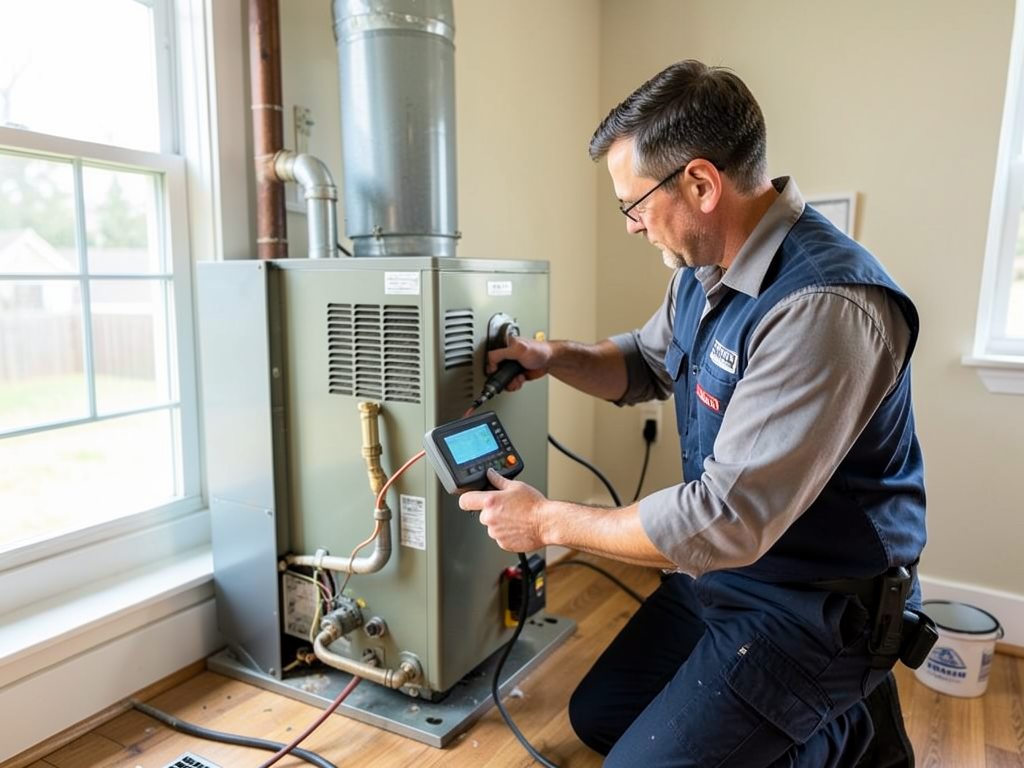
Our technician performs a 12-point inspection covering safety controls, combustion efficiency, electrical connections, and mechanical components. We use diagnostic tools including manometers for pressure testing, combustion analyzers for efficiency measurement, and infrared thermometers for temperature verification. You stay informed throughout the process. We explain what we're inspecting and why each component matters to your system's performance. If you have questions about noises you've heard or concerns about your heating bills, we investigate those issues during the maintenance visit. Most common problems get identified and resolved during this initial inspection.

Immediate Results and Long-Term Planning

You receive improved heating performance immediately after maintenance. Clean burners and properly adjusted gas pressure improve efficiency by 10 to 20 percent. Better airflow from a clean blower means more consistent temperatures throughout your home. You also get a written report detailing your system's condition and our recommendations for future service. We identify components showing wear and estimate their remaining lifespan. This information helps you budget for repairs or replacement before you face an emergency. Our goal is to prevent surprise breakdowns, not profit from them.

Priority Service and Maintenance Plans

Annual maintenance customers receive priority scheduling if their furnace fails during winter. You move to the front of the service queue when you need emergency repairs. Our maintenance plans include annual tune-ups, priority emergency service, and discounts on repairs. You pay a fixed annual fee and receive reminders when your maintenance appointment is due. Plan members avoid the rush of calling for service in September when everyone else remembers their furnace needs attention. We schedule your appointment months in advance and honor that commitment regardless of how busy we get during peak season.

Frequently Asked Questions

You Have Questions,
We Have Answers

What maintenance should be done on a furnace? +

Furnace maintenance includes inspecting the heat exchanger for cracks, testing the ignition system, cleaning or replacing the air filter, checking gas pressure and connections, lubricating the blower motor, and calibrating the thermostat. Technicians also inspect the flue pipe for blockages, test carbon monoxide levels, and verify proper airflow. In Buffalo, where furnaces run heavily from October through April, annual maintenance prevents mid-winter breakdowns. A thorough inspection identifies worn parts before they fail, improves efficiency, and extends equipment life. This work ensures safe operation and consistent heat during frigid lake-effect weather.

What is included in furnace tune up? +

A furnace tune up covers filter replacement, blower cleaning, burner inspection and adjustment, electrical connection tightening, thermostat calibration, and safety control testing. Technicians measure gas pressure, check for carbon monoxide leaks, inspect the heat exchanger for cracks, and test the ignition system. They also examine venting, lubricate moving parts, and verify proper airflow throughout your home. In Buffalo, where furnaces cycle frequently during harsh winters, a comprehensive tune up catches small issues before they escalate. This preventive service optimizes performance, reduces energy waste, and ensures reliable operation when temperatures drop.

What is the average cost to service a furnace? +

Furnace service typically costs between $80 and $200 for a standard maintenance visit. The price varies based on system age, type, and accessibility. Older units or those requiring additional cleaning may run higher. Buffalo area pricing reflects regional labor rates and travel considerations. Many companies offer maintenance agreements that bundle annual service with priority scheduling and discounts on repairs. While costs vary, skipping service often leads to expensive breakdowns during peak heating season. Regular maintenance saves money long-term by improving efficiency, preventing emergency repairs, and extending furnace life.

What parts of a furnace need to be cleaned? +

The burner assembly, blower wheel, flame sensor, and heat exchanger all require cleaning during furnace maintenance. Dust and debris accumulate on the blower wheel, reducing airflow and forcing the motor to work harder. The burner assembly needs cleaning to ensure proper combustion and flame pattern. The flame sensor must be free of buildup to signal ignition correctly. In Buffalo, where furnaces run continuously during winter months, these components collect significant dust. Technicians also clean the flue pipe and inspect venting. Proper cleaning prevents efficiency loss, reduces breakdowns, and ensures safe operation.

What is the $5000 rule? +

The $5,000 rule is a repair-versus-replace guideline. Multiply your furnace age by the repair cost. If the result exceeds $5,000, replacement makes better financial sense than repair. For example, a 15-year-old furnace needing a $400 repair equals $6,000, suggesting replacement. This rule accounts for the diminishing returns of repairing aging equipment. Buffalo homeowners should also consider efficiency gains from newer models, which offset heating costs during long winters. The rule provides a practical framework, but you should also weigh remaining lifespan, energy savings, and whether the furnace meets current heating demands.

How do I service my furnace myself? +

You can change filters monthly, keep vents clear, and ensure the area around your furnace stays clean. Check the thermostat batteries and verify the pilot light or ignition works. However, most furnace servicing requires professional tools and training. Gas pressure testing, heat exchanger inspection, electrical diagnostics, and carbon monoxide checks need licensed technicians. Buffalo homeowners should not attempt burner adjustments or gas line work. DIY maintenance beyond filter changes risks safety hazards, code violations, and voided warranties. Professional service catches dangerous conditions like cracked heat exchangers before they create carbon monoxide risks.

What is the average cost of a full tune up? +

A full furnace tune up typically costs $100 to $250, depending on the system complexity and service provider. This includes comprehensive inspection, cleaning, testing, and minor adjustments. Buffalo area pricing reflects regional market rates and the thoroughness of the service. Some companies offer flat-rate pricing, while others charge hourly. Maintenance agreements often reduce per-visit costs and include perks like priority scheduling. The investment prevents costly mid-winter breakdowns and improves efficiency, which lowers monthly heating bills. Given Buffalo winters, annual tune ups deliver strong returns through improved reliability and reduced energy consumption.

What is the most expensive part to fix on a furnace? +

The heat exchanger is the most expensive furnace component to replace, often costing $1,200 to $2,500 in parts and labor. Because replacement requires significant disassembly and reassembly, labor drives costs higher. Heat exchangers crack from thermal stress, corrosion, or age. In Buffalo, where furnaces endure constant cycling during harsh winters, heat exchanger failure often signals replacement rather than repair. Other expensive components include the blower motor and control board. When facing heat exchanger replacement on an aging furnace, most homeowners choose full system replacement to avoid throwing money into outdated equipment.

How do I know if my furnace needs a tune up? +

Your furnace needs a tune up if you notice uneven heating, rising energy bills, strange noises, frequent cycling, yellow pilot light flames, or dusty air. Visible rust, soot around vents, or persistent furnace odors also signal problems. If your last service was over a year ago, schedule maintenance regardless of symptoms. Buffalo homeowners should service furnaces before heating season begins, typically in early fall. Waiting until problems appear risks mid-winter breakdowns when technicians face high demand. Annual tune ups catch developing issues early, maintain efficiency, and prevent emergency service calls during frigid weather.

How long does furnace maintenance take? +

Standard furnace maintenance takes 60 to 90 minutes for a thorough inspection and cleaning. Complex systems, older units, or those requiring additional repairs may take longer. Technicians need time to access components, test safety systems, measure performance, and clean critical parts properly. In Buffalo, where furnace reliability matters during extended cold snaps, rushing through service creates risks. A comprehensive visit includes combustion analysis, electrical testing, airflow measurement, and detailed inspection. While quick check-ups exist, proper maintenance requires adequate time to identify developing problems and ensure safe, efficient operation throughout winter.

How Buffalo's Six-Month Heating Season Accelerates Furnace Wear

Buffalo furnaces operate almost twice as long as systems in moderate climates. Your furnace runs from October through April, logging 4,000 to 5,000 operating hours each year. Compare that to furnaces in cities like Charlotte or Atlanta that run 2,000 hours annually. This extended operation accelerates wear on blower motors, heat exchangers, and ignition systems. Components rated for 15 years in moderate climates fail at 10 years in Buffalo. Your heating system maintenance steps need to account for this accelerated wear cycle. Regular inspection catches component degradation before it causes mid-winter failures when replacement parts are scarce and technicians are overbooked.

Choosing a local HVAC company means working with technicians who live in Buffalo and face the same heating challenges you do. We understand the urgency when your furnace fails during a lake effect snowstorm. We stock inventory for the furnace brands common in Western New York homes. Our response time reflects our commitment to this community. National chains prioritize markets with warmer climates because they generate higher profit margins on air conditioning service. Buffalo-based companies like United HVAC Buffalo build our business on reliable heating system service because we know that's what keeps families safe through winter.
HVAC Services in The Buffalo Area

We are proud to serve the entire Buffalo area and its surrounding communities with our expert HVAC services. Our centrally located team allows us to respond quickly to your needs, whether you are in the city or a nearby suburb. We are committed to being your local, trusted resource for all things heating and cooling, and we look forward to serving you right where you are.

Address:
United HVAC Buffalo, 360 Delaware Ave, Buffalo, NY, 14202

Additional Services We Offer

Our news updates

Latest Articles & News from The Blogs

Managing Excessive Dust in Your South Buffalo Home During High Wind Events South Buffalo homes face unique dust challenges when…

Managing Excessive Dust in Your South Buffalo Home During High Wind Events

Managing Excessive Dust in Your South Buffalo Home During High Wind Events South Buffalo homes face unique dust challenges when…

Is it Better to Pay for a Monthly HVAC Maintenance Plan or Just Call When Something Breaks?

Is it Better to Pay for a Monthly HVAC Maintenance Plan or Just Call When Something Breaks? When your furnace…

The Homeowners Guide to Buying a New HVAC System for a Rental Property in University Heights

The Homeowners Guide to Buying a New HVAC System for a Rental Property in University Heights University Heights landlords face…

Contact Us

Don't wait until your furnace fails on the coldest night of the year. Call United HVAC Buffalo at (716) 317-7757 to schedule your preventative maintenance appointment. Our September and October calendar fills quickly as homeowners prepare for winter.