menu

Furnace Blowing Cold Air in Buffalo – Expert Diagnosis and Fast Repair Within Hours

When your heating system blows cold air during a Buffalo winter, every minute counts. Our technicians diagnose ignition failures, pilot light issues, and thermostat malfunctions fast so you get heat back before frozen pipes become your next emergency.

Slider Image 1
Slider Image 2
Slider Image 3
Slider Image 4
Slider Image 5
Slider Image 7
Slider Image 8
Slider Image 9
Slider Image 10
Slider Image 11

Why Your Furnace Blows Cold Air in Buffalo's Brutal Winter Climate

You turn up the thermostat. The furnace kicks on. But ice cold air pours through your vents instead of heat.

This is not just annoying. In Buffalo, where January temperatures routinely drop into the teens and wind chills cut to the bone, a heater blowing cold air is a threat to your pipes, your safety, and your sanity.

Buffalo's freeze-thaw cycles create specific furnace problems. When outdoor units ice over or condensate lines freeze, your heating system struggles to generate heat. Older homes in Elmwood Village and Allentown often have undersized ductwork that compounds airflow problems. When your furnace blows cool air, it signals ignition failure, a faulty flame sensor, or a tripped limit switch.

The most common culprits are pilot light failures and dirty flame sensors. Gas furnaces require a steady pilot flame to ignite the burners. When that flame goes out or the sensor gets coated in carbon buildup, your furnace cycles on but produces no heat. You hear the blower running. You feel air moving. But the furnace not blowing hot air means the burners never fired.

Thermostat failures compound the problem. If your thermostat reads the wrong temperature or loses its connection to the furnace, your heating system blowing cold air is a communication breakdown, not a mechanical failure.

Buffalo winters do not wait. When your furnace blows unheated air, you need a technician who understands lake-effect moisture, older home ductwork, and the specific furnace models common to Western New York.

Why Your Furnace Blows Cold Air in Buffalo's Brutal Winter Climate
How We Diagnose and Fix Furnaces Blowing Cold Air

How We Diagnose and Fix Furnaces Blowing Cold Air

We do not guess. We test.

When your furnace blows cold air, our technicians start with a systematic diagnostic protocol. We check thermostat calibration first. A thermostat set to "fan only" mode runs the blower without firing the burners. We verify your system is set to "auto" and calling for heat.

Next, we inspect the flame sensor. This rod sits in the burner assembly and confirms ignition. When coated in carbon residue, it cannot detect the flame. The furnace shuts down as a safety measure. Your heater blowing cold air is the result. We clean or replace the sensor and test ignition cycles.

We examine the pilot light assembly on older furnaces. Buffalo's humidity causes corrosion in pilot orifices. A weak or inconsistent pilot flame cannot ignite the main burners. We clear blockages, adjust gas flow, and confirm reliable ignition.

Limit switches protect your furnace from overheating. When ductwork gets restricted or filters clog, airflow drops. The furnace overheats and the limit switch trips. The blower continues running, but burners shut off. Your furnace not blowing hot air is a safety response. We test airflow, replace filters, and reset the switch.

For furnaces with electronic ignition, we test the igniter itself. A cracked hot surface igniter glows but cannot reach ignition temperature. Burners fail to light. We replace faulty igniters and verify proper voltage delivery.

United HVAC Buffalo technicians carry replacement sensors, igniters, and thermocouples on every truck. We fix most heating system blowing cold air problems in one visit.

What Happens During Your Cold Air Furnace Repair

Furnace Blowing Cold Air in Buffalo – Expert Diagnosis and Fast Repair Within Hours
01

Emergency Dispatch and Arrival

You call. We dispatch a technician within the hour for emergency furnace repairs. Our trucks carry diagnostic tools, replacement igniters, flame sensors, thermocouples, and gas valves. We arrive ready to fix your furnace blowing cold air, not schedule a follow-up visit. You get a text with technician name, photo, and estimated arrival time.
02

Systematic Diagnostic Testing

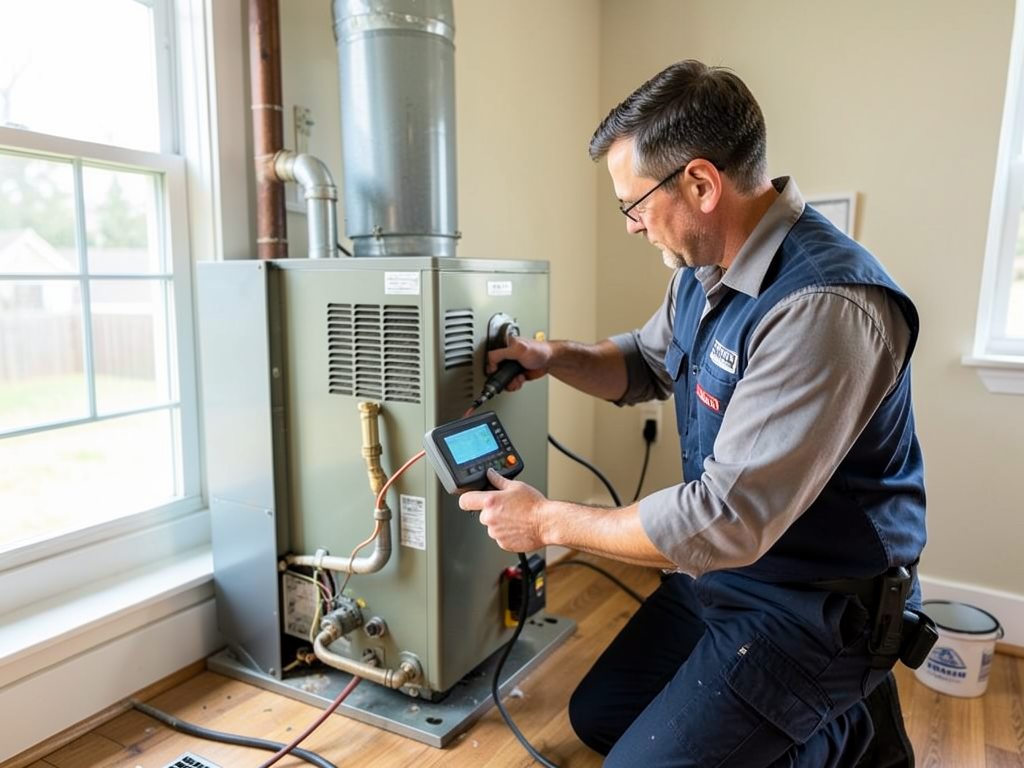
We test thermostat function, inspect the flame sensor for carbon buildup, verify pilot light operation, and check limit switch continuity. We measure gas pressure at the manifold and test voltage to the igniter. This diagnostic sequence isolates the exact component causing your heater to blow cold air. We explain findings in plain terms before performing any repair work.
03

Repair and Heat Restoration

We replace faulty components, clean sensors, adjust pilot assemblies, or recalibrate thermostats based on diagnostic results. After repairs, we run multiple heating cycles to confirm burners ignite properly and hot air flows through every vent. We measure supply air temperature to verify your furnace delivers the heat output your home requires. You get warm air, not false promises.

Why Buffalo Homeowners Trust Us With Cold Air Furnace Emergencies

Buffalo's housing stock presents specific heating challenges. Homes in North Buffalo and Black Rock were built between 1920 and 1950. These properties have cast iron radiators, converted steam systems, or retrofit forced air units installed decades ago. When your furnace blows cool air, the problem often traces to outdated components or improper conversions.

We understand these systems because we work on them every day. Our technicians know the difference between a standing pilot furnace common in older Buffalo homes and modern electronic ignition systems. We carry parts for both. When your heating system blowing cold air stems from a 40-year-old thermocouple, we replace it immediately, not order parts for next week.

Lake-effect snow creates moisture problems most HVAC companies ignore. Condensate lines freeze. Outdoor condensing units ice over. Flue pipes corrode faster in Buffalo's humid climate. We inspect these components during every cold air diagnosis because we know Buffalo weather attacks furnaces in specific ways.

United HVAC Buffalo technicians live in the neighborhoods we serve. We respond to furnace emergencies in Kenmore, Tonawanda, and Cheektowaga year-round. We understand the urgency when your furnace not blowing hot air threatens frozen pipes and family safety.

You will not get an answering service or a callback tomorrow. You get a technician with a fully stocked truck who fixes your heater blowing cold air tonight. We do not upsell unnecessary replacements. We fix what broke.

Buffalo winters demand heating systems that work. We make that happen.

What to Expect When You Call for Cold Air Furnace Repair

Same-Day Emergency Response

We dispatch technicians within 60 minutes for furnace emergencies. Most cold air repairs take two to four hours from arrival to restored heat. We prioritize homes with children, elderly residents, or vulnerable pipes. You get a confirmed arrival window, not a vague promise. Our trucks carry the sensors, igniters, and thermocouples needed to fix 90 percent of furnace blowing cold air problems in one visit.

Transparent Diagnostic Process

Before we touch a single component, we explain what we are testing and why. You watch as we check thermostat settings, inspect flame sensors, test pilot assemblies, and measure gas pressure. We show you the failed part. We explain how it caused your heater to blow cold air. We provide a written estimate before performing repairs. No surprises. No pressure. Just clear information so you make informed decisions.

Verified Heat Restoration

We do not leave until hot air flows from every vent. After repairs, we run your furnace through multiple heating cycles. We measure supply air temperature at the plenum to confirm proper heat output. We check airflow at distant vents to verify ductwork delivers heat throughout your home. You feel the difference immediately. Your furnace not blowing hot air becomes a solved problem, not a recurring nightmare.

Prevention-Focused Maintenance Recommendations

After fixing your heating system blowing cold air, we explain what caused the failure and how to prevent it. We recommend filter change schedules based on your home's dust levels. We identify components nearing end of life so you can plan replacements before they fail mid-winter. We offer maintenance plans that include annual flame sensor cleaning, pilot assembly inspection, and thermostat calibration to keep your furnace reliable through Buffalo's coldest months.

Frequently Asked Questions

You Have Questions,
We Have Answers

How do you reset a furnace that blows cold air? +

Turn off your thermostat and locate the furnace power switch near the unit. Flip it off, wait 30 seconds, then flip it back on. Check your circuit breaker panel for any tripped breakers and reset if needed. Turn the thermostat back to heat mode and set it five degrees above room temperature. Listen for the blower to start. If cold air persists after five minutes, you likely have a faulty ignitor, flame sensor, or gas valve. Buffalo winters demand a working furnace, so call a technician if the reset fails.

Why is cold air blowing when the heat is on? +

Your furnace blows cold air for several reasons. The pilot light or ignitor may have failed, preventing gas burners from lighting. A dirty flame sensor can shut off burners prematurely after ignition. Your thermostat might be set to fan mode instead of auto, running the blower constantly without heat. In Buffalo's cold climate, a cracked heat exchanger can also cause this issue and poses a carbon monoxide risk. Low gas pressure or a tripped limit switch are other culprits. You need a diagnostic check to pinpoint the exact cause.

Why is my furnace blowing air but not warm? +

Your blower motor runs, but the burners are not igniting. This happens when the ignitor fails to spark or glow hot enough to light the gas. A malfunctioning flame sensor may detect heat briefly, then shut the burners off as a safety measure. Clogged burners from dust buildup can prevent proper combustion. Buffalo homes with older furnaces often face ignitor wear from frequent cycling during harsh winters. The gas valve may also be stuck or receiving no signal from the control board. A technician can identify which component failed.

What does it mean when your furnace blows out cold air? +

Cold air from your furnace signals a heating failure. The burners are not igniting or staying lit. Your ignitor, flame sensor, or gas valve may have failed. If the thermostat is set to fan mode rather than auto, the blower runs without activating the heating cycle. A tripped high limit switch can cut power to the burners when the furnace overheats, often due to a dirty filter restricting airflow. In Buffalo, where furnaces run hard from November through March, component wear accelerates. Address this quickly to avoid frozen pipes.

Should I turn off my furnace if it blows cold air? +

Yes, turn off your furnace if it blows cold air for more than 10 minutes after a reset. Continuing to run the blower wastes energy and can spread cold air throughout your home, making Buffalo winters even more uncomfortable. More importantly, if a cracked heat exchanger is the cause, running the system risks carbon monoxide exposure. Switch the thermostat to off and call a qualified technician. Use space heaters safely in the meantime, keeping them away from flammable materials and never leaving them unattended overnight.

What is the most expensive part to fix on a furnace? +

The heat exchanger is the most expensive furnace component to replace, costing as much as a full system replacement in many cases. This metal chamber transfers heat from combustion gases to your home's air. Cracks develop from years of expansion and contraction, especially in Buffalo where furnaces cycle frequently during long heating seasons. Control boards and gas valves also carry high price tags. Compressor replacement on heat pump systems can exceed two thousand dollars. Variable-speed blower motors cost more than single-speed versions. Regular maintenance prevents premature failure of these costly parts.

How do you fix your heater when it's blowing out cold air? +

First, check your thermostat settings and replace the air filter if it looks dirty. Reset the furnace by cutting power for 30 seconds. If cold air continues, the problem requires professional repair. A failed ignitor, bad flame sensor, or faulty gas valve needs replacement. Clogged burners need cleaning. In Buffalo, where furnace reliability matters from October through April, do not attempt DIY repairs on gas components. Improper work risks gas leaks or carbon monoxide poisoning. Call a licensed HVAC technician who can diagnose the issue safely and restore heat quickly.

What are signs of furnace failure? +

Watch for these furnace failure signs: frequent cycling on and off, yellow or flickering burner flames instead of steady blue, unusual noises like banging or screeching, and rising utility bills without increased usage. Visible soot around registers signals incomplete combustion. Persistent cold spots in your Buffalo home despite the furnace running indicate failing heat distribution. Frequent pilot light outages or error codes flashing on the control board warn of component failure. Musty odors or excessive dust suggest ductwork problems. Age matters too. Furnaces older than 15 years show higher failure rates during Buffalo's demanding winters.

How can I tell if my heat pump is low on refrigerant? +

Low refrigerant in your heat pump causes reduced heating capacity and longer run times. You will notice ice buildup on the outdoor coil even when temperatures are above freezing. The unit may blow lukewarm air instead of hot air. Listen for hissing sounds near refrigerant lines, indicating a leak. Buffalo heat pumps work harder in cold weather, making refrigerant pressure drops more noticeable. Your energy bills climb as the system runs constantly without reaching the set temperature. Frozen refrigerant lines or a coil covered in frost during heating mode confirms low charge. Only certified technicians can legally add refrigerant.

Can a bad thermostat cause cold air? +

Yes, a faulty thermostat can cause your furnace to blow cold air. If it sends incorrect temperature readings to the furnace, the heating cycle may never start. A thermostat stuck in fan mode runs the blower continuously without triggering the burners. Loose wiring or dead batteries can interrupt the signal to your furnace. In older Buffalo homes with outdated thermostats, temperature sensor drift causes erratic behavior. Dust inside the thermostat affects accuracy. A simple test: raise the temperature setting 10 degrees and listen for the furnace to ignite. If nothing happens, the thermostat likely needs replacement or rewiring.

How Buffalo's Lake-Effect Moisture Causes Furnace Cold Air Problems

Buffalo receives 95 inches of snow annually, most of it driven by lake-effect systems that dump moisture across Erie and Niagara counties. This constant humidity corrodes flame sensors faster than dry climates. Condensate lines freeze when temperatures drop below 20 degrees. Outdoor condensing units ice over during prolonged cold snaps. When your furnace blows cold air during January, the problem often traces to moisture damage invisible to homeowners. Flame sensors coated in white calcium deposits fail to detect ignition. Frozen condensate lines trigger safety shutoffs. We diagnose these Buffalo-specific problems daily.

Buffalo's older neighborhoods require technicians who understand vintage heating systems. Homes in Parkside, Hamlin Park, and Delaware District often have furnaces installed in the 1970s and 1980s. These systems use standing pilot lights, mechanical thermostats, and belt-driven blowers. When your heater blows cold air, you need someone who can diagnose mercury bulb thermostat failures and clean pilot orifices, not just technicians trained on modern equipment. United HVAC Buffalo works on every furnace type common to Western New York. We carry parts for systems other companies abandon.
HVAC Services in The Buffalo Area

We are proud to serve the entire Buffalo area and its surrounding communities with our expert HVAC services. Our centrally located team allows us to respond quickly to your needs, whether you are in the city or a nearby suburb. We are committed to being your local, trusted resource for all things heating and cooling, and we look forward to serving you right where you are.

Address:
United HVAC Buffalo, 360 Delaware Ave, Buffalo, NY, 14202

Additional Services We Offer

Our news updates

Latest Articles & News from The Blogs

Managing Excessive Dust in Your South Buffalo Home During High Wind Events South Buffalo homes face unique dust challenges when…

Managing Excessive Dust in Your South Buffalo Home During High Wind Events

Managing Excessive Dust in Your South Buffalo Home During High Wind Events South Buffalo homes face unique dust challenges when…

Is it Better to Pay for a Monthly HVAC Maintenance Plan or Just Call When Something Breaks?

Is it Better to Pay for a Monthly HVAC Maintenance Plan or Just Call When Something Breaks? When your furnace…

The Homeowners Guide to Buying a New HVAC System for a Rental Property in University Heights

The Homeowners Guide to Buying a New HVAC System for a Rental Property in University Heights University Heights landlords face…

Contact Us

Your family should not suffer through another freezing night. Call United HVAC Buffalo now at (716) 317-7757 for emergency furnace repair. We dispatch technicians fast, diagnose accurately, and restore heat the same day. Stop waiting for your furnace to blow hot air again.