menu

HVAC Maintenance & Tune-Ups in Buffalo – Protect Your System From Lake Effect Freeze-Thaw Cycles

United HVAC Buffalo delivers comprehensive seasonal HVAC checkups that prevent mid-winter failures and costly emergency repairs caused by Buffalo's extreme temperature swings and heavy snow loads.

Slider Image 1
Slider Image 2
Slider Image 3
Slider Image 4
Slider Image 5
Slider Image 7
Slider Image 8
Slider Image 9
Slider Image 10
Slider Image 11

Why Buffalo's Climate Demands Year-Round HVAC Preventative Maintenance

Buffalo's position on the eastern shore of Lake Erie creates punishing conditions for heating and cooling systems. Lake effect snow dumps feet of accumulation on outdoor units, while freeze-thaw cycles stress refrigerant lines and condensate drains. Your furnace runs harder and longer than systems in moderate climates. Your air conditioner battles high summer humidity that accelerates coil corrosion.

Most Buffalo homeowners discover HVAC problems in January when the furnace quits at 2 a.m. or in July when the AC stops cooling during a heatwave. These failures happen because small issues compound over months. A dirty flame sensor causes ignition delays. Refrigerant leaks reduce cooling capacity. Blower motors wear out from constant cycling.

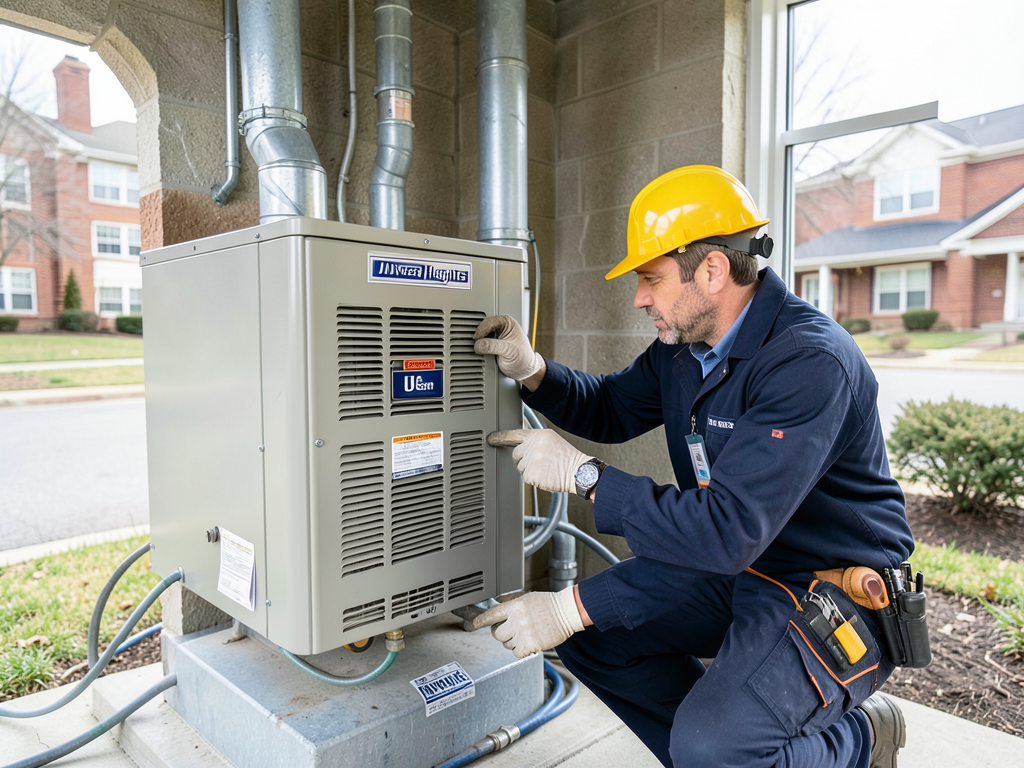
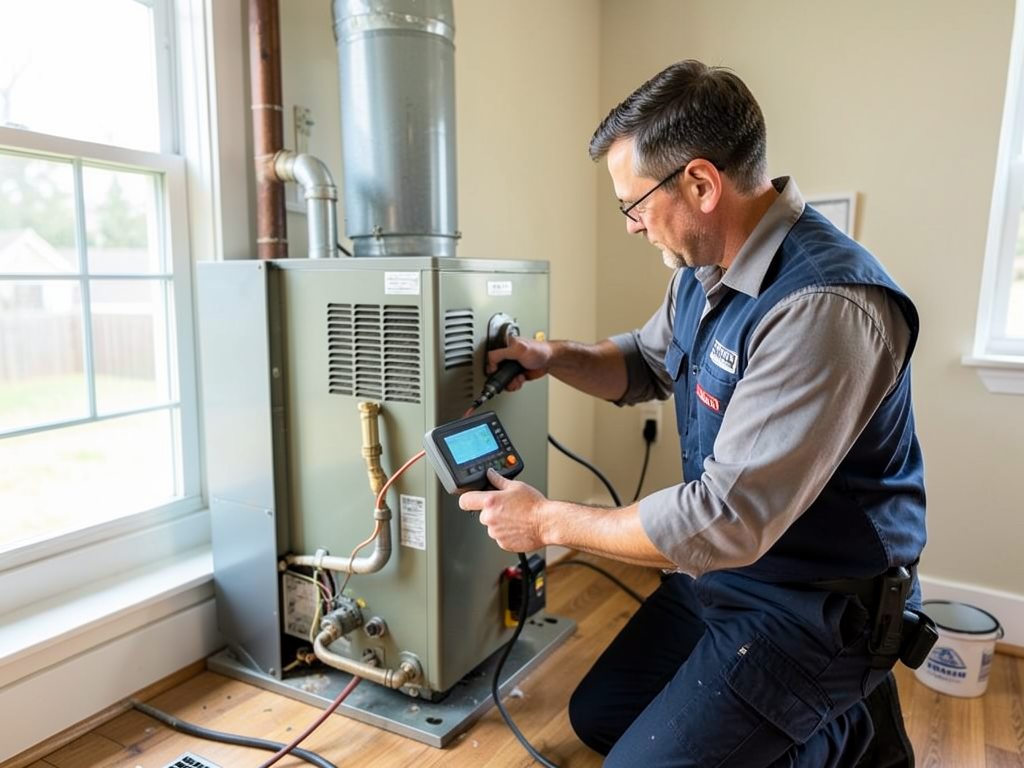
A seasonal HVAC checkup catches these problems before they escalate. During a heating and cooling tune up, technicians measure airflow, test electrical connections, inspect heat exchangers for cracks, and verify refrigerant charge. They clean condenser coils caked with cottonwood seeds from Delaware Park and check condensate lines for ice blockages common in Buffalo basements.

Regular AC and furnace maintenance extends equipment life by three to five years. You avoid the scramble to find a contractor during peak season when wait times stretch to days. HVAC system inspection identifies safety hazards like carbon monoxide leaks or electrical shorts that threaten your family. Preventative maintenance costs a fraction of emergency repairs and keeps your system running when you need it most.

Why Buffalo's Climate Demands Year-Round HVAC Preventative Maintenance
How United HVAC Buffalo Delivers Complete System Protection

How United HVAC Buffalo Delivers Complete System Protection

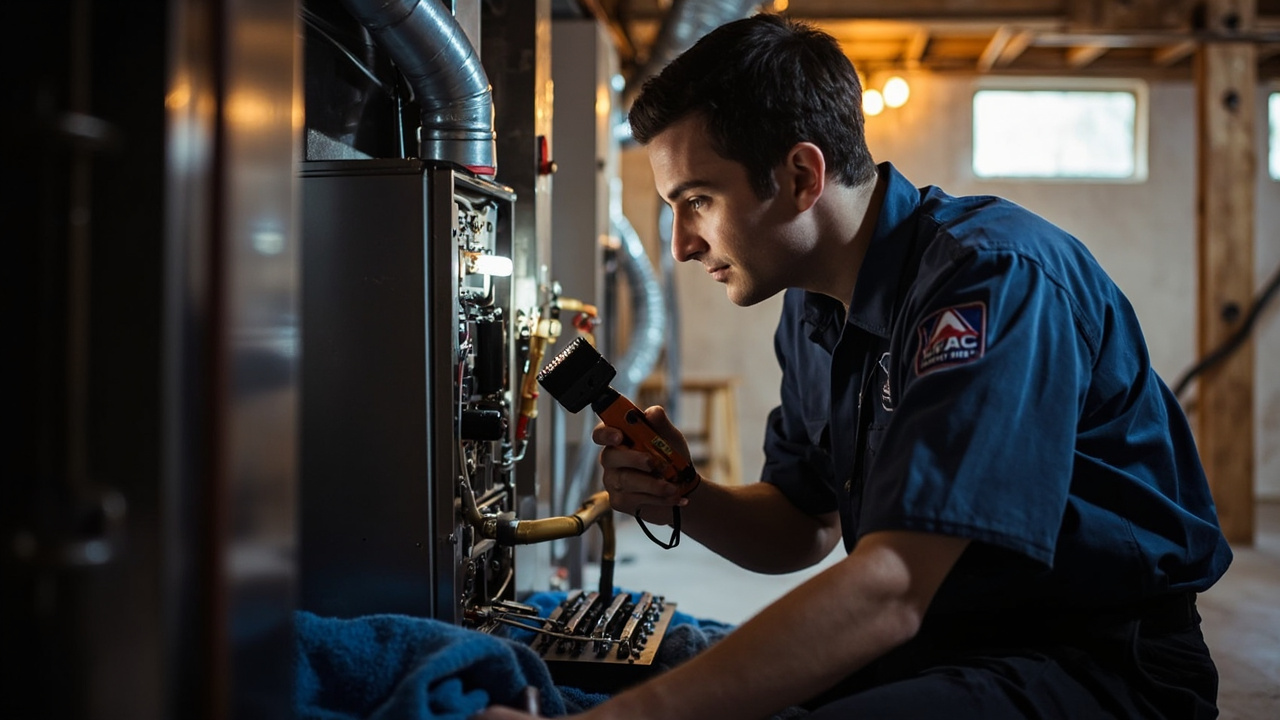
We approach HVAC preventative maintenance as a diagnostic process, not a checkbox routine. Our technicians arrive with combustion analyzers, refrigerant gauges, and thermal imaging cameras. We test furnace heat exchangers for cracks using visual inspection and pressure testing. Cracked heat exchangers leak carbon monoxide into your home. This is not theoretical. It happens in Buffalo homes every winter.

For cooling systems, we measure superheat and subcool to verify refrigerant charge accuracy. Low refrigerant makes your compressor work harder and shortens its life. We test capacitors that start the compressor and blower motor. Capacitors fail frequently in Buffalo because temperature extremes degrade their internal components. A failing capacitor causes hard starts that damage the compressor.

We inspect ductwork in your attic and basement for air leaks. Leaky ducts waste 20 to 30 percent of conditioned air. In Buffalo homes with uninsulated attics, this waste is magnified. We check return air pathways because inadequate return air reduces system efficiency and causes uneven heating or cooling between floors.

Our seasonal HVAC checkup includes cleaning or replacing filters, lubricating motor bearings, tightening electrical connections, and testing thermostat calibration. We verify proper combustion efficiency in gas furnaces. Poor combustion wastes fuel and creates soot buildup that clogs heat exchangers. We clear condensate drains and verify they slope correctly to prevent water backup. Every measurement goes into a report you receive before we leave.

What Happens During Your Buffalo HVAC Tune Up

HVAC Maintenance & Tune-Ups in Buffalo – Protect Your System From Lake Effect Freeze-Thaw Cycles
01

System Performance Testing

We start by running your system through complete heating and cooling cycles while monitoring temperatures, pressures, and electrical draw. This reveals how your equipment performs under load. We measure supply and return air temperatures to calculate temperature split, which tells us if your system delivers adequate heating or cooling capacity. We check static pressure in your ductwork to identify restrictions that reduce airflow and strain your blower motor.
02

Component Inspection and Cleaning

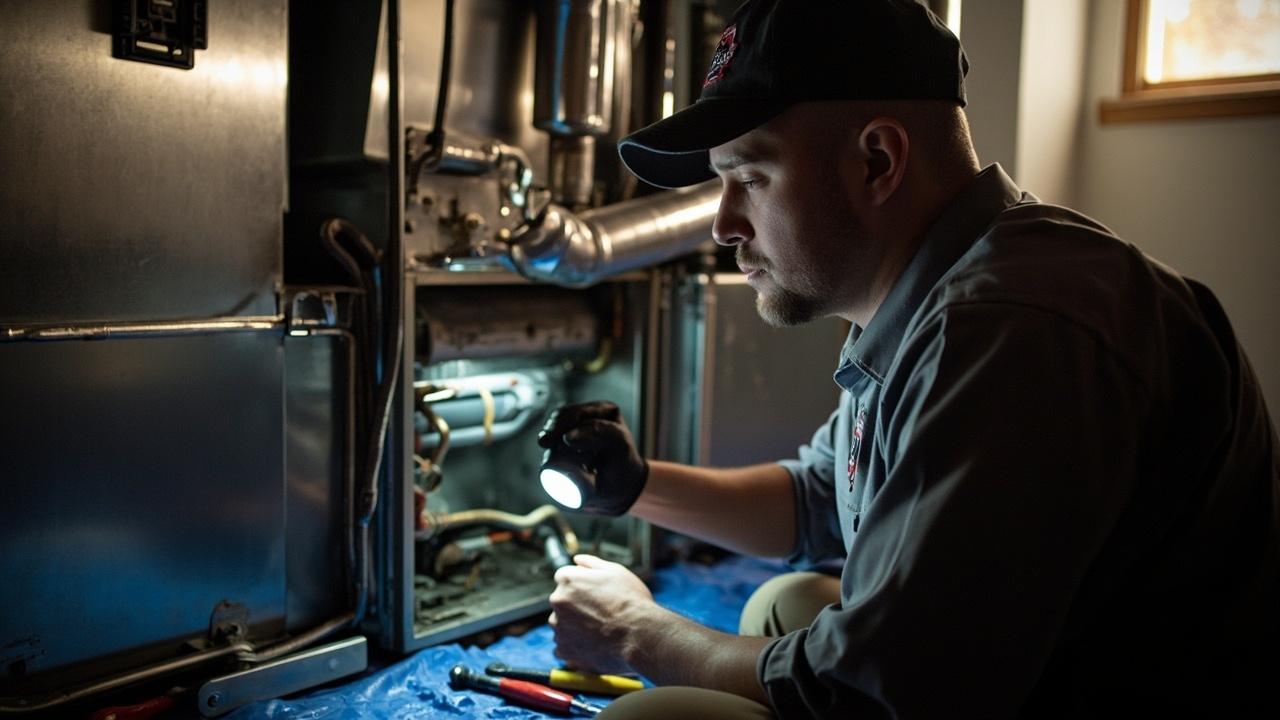
Our technicians disassemble and clean critical components. We remove debris from condenser coils, clean flame sensors, and vacuum burner assemblies. We inspect electrical contactors for pitting and measure resistance across connections. We test safety controls including pressure switches, limit switches, and flame sensors. In Buffalo, we pay special attention to condensate systems because freezing temperatures cause blockages that shut down equipment or flood basements.
03

Adjustment and Documentation

We adjust blower speed, calibrate thermostats, and optimize combustion settings for maximum efficiency. You receive a detailed report showing all measurements, photos of components we inspected, and recommendations ranked by urgency. We explain what needs immediate attention versus what to monitor. If we find a cracked heat exchanger or refrigerant leak, we walk you through options and help you understand the safety implications and repair costs.

Why Buffalo Homeowners Choose United HVAC for System Maintenance

We understand Buffalo HVAC systems because we service them year-round in Elmwood Village, North Buffalo, South Buffalo, and West Side neighborhoods. We know the common failures in older homes with cast iron radiators converted to forced air. We recognize the ductwork problems in post-war Cape Cods with undersized returns. We have seen every brand of furnace and air conditioner installed in Buffalo over the past 30 years.

Our technicians receive ongoing training in new refrigerants, variable speed equipment, and communicating thermostats. HVAC technology changes rapidly. Equipment installed five years ago uses different refrigerants and control systems than current models. We invest in diagnostic tools that read fault codes from circuit boards and measure airflow with precision instruments. This is not guesswork. We diagnose problems with data.

Buffalo's building codes require specific venting materials for high-efficiency furnaces. We know these requirements. We understand how to prevent condensate freezing in exterior vent pipes. We recognize when furnaces need combustion air upgrades to meet current safety standards. Many contractors skip these details. We document them in every inspection.

You receive transparent pricing before we perform any work beyond the standard tune up. If we find a problem, we explain what failed, why it failed, and what happens if you delay the repair. We do not upsell unnecessary services. We focus on safety, reliability, and efficiency. Our goal is to keep your system running through Buffalo winters and humid summers without surprise failures.

What to Expect From Your HVAC Maintenance Visit

Scheduling and Timing

Schedule your heating system maintenance in late summer or early fall before the winter rush. Air conditioning maintenance works best in spring before cooling season starts. Each visit takes 60 to 90 minutes depending on system complexity and accessibility. We offer flexible scheduling including evenings and Saturdays. If we discover a problem requiring parts, we source them quickly and return to complete repairs without charging a second trip fee for maintenance customers.

Comprehensive System Evaluation

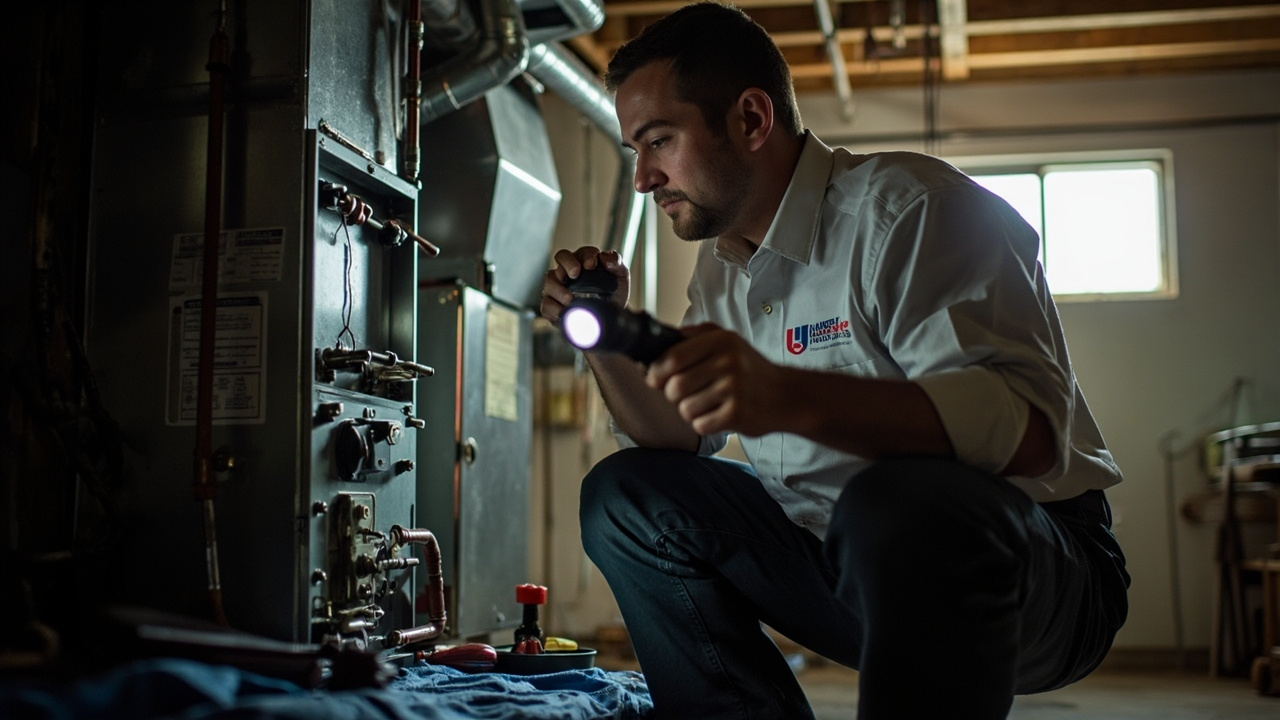
Our inspection covers every component that affects performance and safety. We test gas valve operation, inspect flue pipes for corrosion, check electrical connections for proper torque, measure voltage and amperage, verify refrigerant charge, inspect contactors and capacitors, clean coils and burners, test safety switches, and calibrate thermostats. You watch the process and ask questions. We explain what we find in plain language and show you components that need attention.

Detailed Performance Report

You receive a written report with temperature measurements, pressure readings, electrical values, and photos of components we inspected. The report includes specific recommendations with priority rankings. Critical safety issues get flagged immediately. We explain the consequences of delaying repairs so you make informed decisions. This documentation helps you budget for future maintenance and provides a service history that increases home value if you sell.

Ongoing Maintenance Support

We offer maintenance plans that include two visits per year plus priority emergency service and discounts on repairs. Plan members move to the front of the schedule during heat waves and cold snaps. We track your equipment history and remind you when seasonal maintenance is due. Between visits, you can call with questions about unusual noises, thermostat settings, or filter changes. We help you avoid problems before they require service calls.

Frequently Asked Questions

You Have Questions,
We Have Answers

What does a HVAC tune-up include? +

A HVAC tune-up includes a thorough inspection of your heating and cooling system. The technician cleans or replaces air filters, checks refrigerant levels, inspects electrical connections, and tests thermostat accuracy. They lubricate moving parts, clean condenser coils, and examine ductwork for leaks. In Buffalo, where freeze-thaw cycles stress systems year-round, the technician also checks heat exchanger cracks and ensures proper airflow. Blower motor performance gets evaluated, drain lines get cleared, and safety controls get tested. This preventive service catches small problems before they become expensive emergencies during harsh Western New York winters.

What is the $5000 rule for HVAC? +

The $5000 rule helps you decide whether to repair or replace your HVAC system. Multiply the age of your unit by the repair cost. If the result exceeds $5000, replacement makes more financial sense than repair. For example, a 15-year-old system needing $400 in repairs equals $6000, suggesting replacement. Buffalo's extreme temperature swings accelerate wear on aging systems. Units over 10 years old often lack efficiency standards that newer models meet. This rule balances short-term repair costs against long-term energy savings and reliability. It prevents you from pouring money into systems nearing end-of-life.

Is a HVAC tune-up worth it? +

Yes, a HVAC tune-up delivers measurable value. Regular maintenance reduces energy bills by up to 15 percent through improved efficiency. It extends equipment lifespan by preventing premature failure of components. In Buffalo, where systems work overtime during July humidity and January cold snaps, tune-ups prevent mid-winter breakdowns. The service catches carbon monoxide risks, refrigerant leaks, and electrical hazards before they endanger your family. Most manufacturers require annual maintenance to keep warranties valid. The modest tune-up cost prevents expensive emergency repairs. Systems that receive regular maintenance last 40 percent longer than neglected units.

How much is a HVAC tuneup? +

HVAC tune-ups in the Buffalo metro typically range from $80 to $200, depending on system type and service scope. Basic maintenance on a single unit costs less than comprehensive service for complex systems with multiple zones. Pricing varies by company experience, included services, and whether you have a maintenance agreement. Some providers charge more for emergency scheduling or after-hours service. The investment pays for itself through lower energy bills and prevented breakdowns. Avoid unusually cheap offers that skip critical inspection steps. Quality tune-ups include detailed system testing, not just filter changes.

What is the average cost of a full tune-up? +

A full HVAC tune-up averages $100 to $200 for most residential systems in Western New York. This includes both heating and cooling inspection, cleaning, and adjustment. Older systems or those needing extra attention may cost more. Dual-fuel systems or homes with zoned heating require additional time and expertise. Service agreements often reduce per-visit costs while guaranteeing priority scheduling. The price covers labor, basic supplies like filters, and performance testing. Commercial buildings pay more due to equipment complexity and size. Spring and fall tune-ups prevent costly failures during peak summer and winter demand when repair costs spike.

What are the four types of maintenance HVAC? +

The four HVAC maintenance types are preventive, predictive, corrective, and emergency. Preventive maintenance includes scheduled tune-ups that stop problems before they start. Predictive maintenance uses performance data to identify failing components early. Corrective maintenance fixes known issues during routine visits before they worsen. Emergency maintenance addresses sudden failures requiring immediate attention. Buffalo homeowners benefit most from preventive maintenance twice yearly, before cooling season and heating season. This approach handles the stress that lake-effect snow and summer humidity place on systems. Regular preventive service reduces the need for expensive emergency calls during temperature extremes.

What is the average lifespan of an HVAC? +

HVAC systems last 15 to 20 years on average, though Buffalo's climate can shorten this timeline without proper maintenance. Furnaces typically last 15 to 20 years, while air conditioners run 10 to 15 years. Heat pumps, working year-round in moderate climates, last 10 to 15 years but face harder conditions here during winter temperature swings. Lifespan depends on installation quality, maintenance frequency, and usage patterns. Systems in homes with good insulation and programmable thermostats last longer. Regular tune-ups, prompt repairs, and clean filters significantly extend equipment life beyond average expectations.

What is the 3 minute rule for AC? +

The 3-minute rule prevents compressor damage by requiring a 3-minute wait between AC cycles. When your air conditioner shuts off, refrigerant pressure needs time to equalize throughout the system. Restarting too quickly forces the compressor to work against high pressure, causing excessive wear and potential failure. Most modern thermostats and AC units include built-in delay timers. This protection matters in Buffalo homes where frequent temperature adjustments during unpredictable spring and fall weather can trigger rapid cycling. Short cycling also reduces efficiency and increases energy costs. The brief wait protects your investment in expensive compressor components.

Is HVAC system cost tax deductible? +

HVAC system costs may qualify for tax deductions or credits under specific conditions. Energy-efficient upgrades meeting federal standards often qualify for tax credits, reducing your tax liability dollar-for-dollar. The Inflation Reduction Act extended credits for high-efficiency heat pumps and central air systems through 2032. Standard repairs and maintenance are not deductible for residential properties. Home office users may deduct a portion of HVAC costs based on office square footage. Rental property owners can deduct system costs as business expenses. Consult a tax professional familiar with New York State requirements, as state and federal rules differ significantly.

How long does a HVAC tune-up take? +

A standard HVAC tune-up takes 60 to 90 minutes for most residential systems. Complex systems with multiple zones, heat pumps, or older equipment may require two hours. The technician needs time to inspect electrical connections, test refrigerant levels, clean components, and verify safe operation. Buffalo homes with both furnaces and central air require separate heating and cooling inspections, extending service time. First-time tune-ups on neglected systems take longer due to accumulated dirt and deferred maintenance issues. Rushed tune-ups miss critical problems. Quality service cannot be rushed. Schedule appointments when you can be present for questions.

How Lake Effect Weather and Buffalo Building Stock Affect HVAC Maintenance Needs

Buffalo receives 95 inches of snow annually with sudden temperature drops that stress heating systems. Lake effect bands stall over the metro area and dump feet of snow on outdoor AC units. This snow load bends fan blades and damages electrical connections. Freeze-thaw cycles cause condensate lines to crack and refrigerant lines to develop leaks at brazed joints. Many Buffalo homes were built between 1900 and 1950 with additions and HVAC retrofits that create ductwork problems. These older systems need more frequent inspection because components wear faster under constant heavy use.

United HVAC Buffalo maintains systems in Allentown's Victorian homes, the dense housing of West Side, and the ranch homes of Kenmore. We understand the ductwork configurations in Buffalo basements where low clearances and tight spaces complicate maintenance access. We know which furnace brands local contractors installed during the housing boom of the 1990s and their common failure points. This local knowledge helps us diagnose problems faster and recommend solutions that fit Buffalo's building stock and climate. We are part of this community and invested in keeping your home comfortable through every season.

HVAC Services in The Buffalo Area

We are proud to serve the entire Buffalo area and its surrounding communities with our expert HVAC services. Our centrally located team allows us to respond quickly to your needs, whether you are in the city or a nearby suburb. We are committed to being your local, trusted resource for all things heating and cooling, and we look forward to serving you right where you are.

Address:
United HVAC Buffalo, 360 Delaware Ave, Buffalo, NY, 14202

Additional Services We Offer

Our news updates

Latest Articles & News from The Blogs

Managing Excessive Dust in Your South Buffalo Home During High Wind Events South Buffalo homes face unique dust challenges when…

Managing Excessive Dust in Your South Buffalo Home During High Wind Events

Managing Excessive Dust in Your South Buffalo Home During High Wind Events South Buffalo homes face unique dust challenges when…

Is it Better to Pay for a Monthly HVAC Maintenance Plan or Just Call When Something Breaks?

Is it Better to Pay for a Monthly HVAC Maintenance Plan or Just Call When Something Breaks? When your furnace…

The Homeowners Guide to Buying a New HVAC System for a Rental Property in University Heights

The Homeowners Guide to Buying a New HVAC System for a Rental Property in University Heights University Heights landlords face…

Contact Us

Prevent costly breakdowns with professional maintenance. Call United HVAC Buffalo at (716) 317-7757 to book your seasonal system checkup. We offer same-week appointments and flexible scheduling for your convenience.