menu

Signs of Carbon Monoxide in Buffalo – Recognize the Symptoms Before It's Too Late

Learn to identify carbon monoxide warning signs specific to Buffalo homes, where aging heating systems and harsh winters create elevated risk for this silent threat.

Slider Image 1
Slider Image 2
Slider Image 3
Slider Image 4
Slider Image 5
Slider Image 7
Slider Image 8
Slider Image 9
Slider Image 10
Slider Image 11

Why Buffalo Homes Face Higher Carbon Monoxide Risk

Buffalo's brutal winters force furnaces, boilers, and water heaters to run continuously for months. When these systems operate under sustained load in homes built before modern ventilation standards, the risk of incomplete combustion increases dramatically. Older homes in neighborhoods like Elmwood Village and Allentown often have original heating equipment and chimneys designed for coal conversion, creating unique hazards.

Carbon monoxide poisoning symptoms appear gradually. You might dismiss early carbon monoxide warning signs as winter flu or seasonal fatigue. Headaches that improve when you leave the house. Nausea that affects everyone in the family simultaneously. Dizziness that seems worse in rooms near your furnace or water heater.

The signs of a carbon monoxide leak often mirror conditions Buffalo residents already battle during winter. Persistent fatigue could be vitamin D deficiency from limited sunlight. Confusion might seem like cabin fever. Shortness of breath could be attributed to dry indoor air.

Buffalo's housing stock compounds the problem. Many homes still use atmospheric venting systems that rely on natural draft. When ice dams block roof vents or snow covers exterior air intakes, combustion gases back-draft into living spaces. Indicators of carbon monoxide become critical when furnaces cycle on during subzero nights and ventilation pathways freeze shut.

The colorless, odorless nature of carbon monoxide makes visual detection impossible. Your heating system might show no obvious problems while producing dangerous exhaust levels. Carbon monoxide symptoms in pets often appear before human family members show distress. Watch for lethargy in dogs or cats that spend time near heating equipment.

Why Buffalo Homes Face Higher Carbon Monoxide Risk
How to Identify Carbon Monoxide Exposure in Your Home

How to Identify Carbon Monoxide Exposure in Your Home

Recognizing carbon monoxide poisoning symptoms requires understanding exposure levels and duration. Low-level exposure produces chronic symptoms that mimic other conditions. High-level exposure causes acute medical emergencies.

Mild carbon monoxide symptoms appear at concentrations around 70 parts per million. You experience dull headaches, typically frontal. Nausea without vomiting. Fatigue disproportionate to activity level. These indicators often worsen at night when heating systems run continuously and homes seal tight against Buffalo's cold.

Moderate exposure brings intense headaches, vomiting, confusion, and vision problems. You might notice symptoms improve dramatically when you leave for work, then return each evening. This pattern indicates a carbon monoxide leak tied to your heating system's operational cycle.

Severe carbon monoxide warning signs demand immediate evacuation and emergency medical care. Loss of consciousness, seizures, chest pain, and rapid heart rate indicate dangerous exposure levels. Brain damage occurs within minutes at concentrations above 400 parts per million.

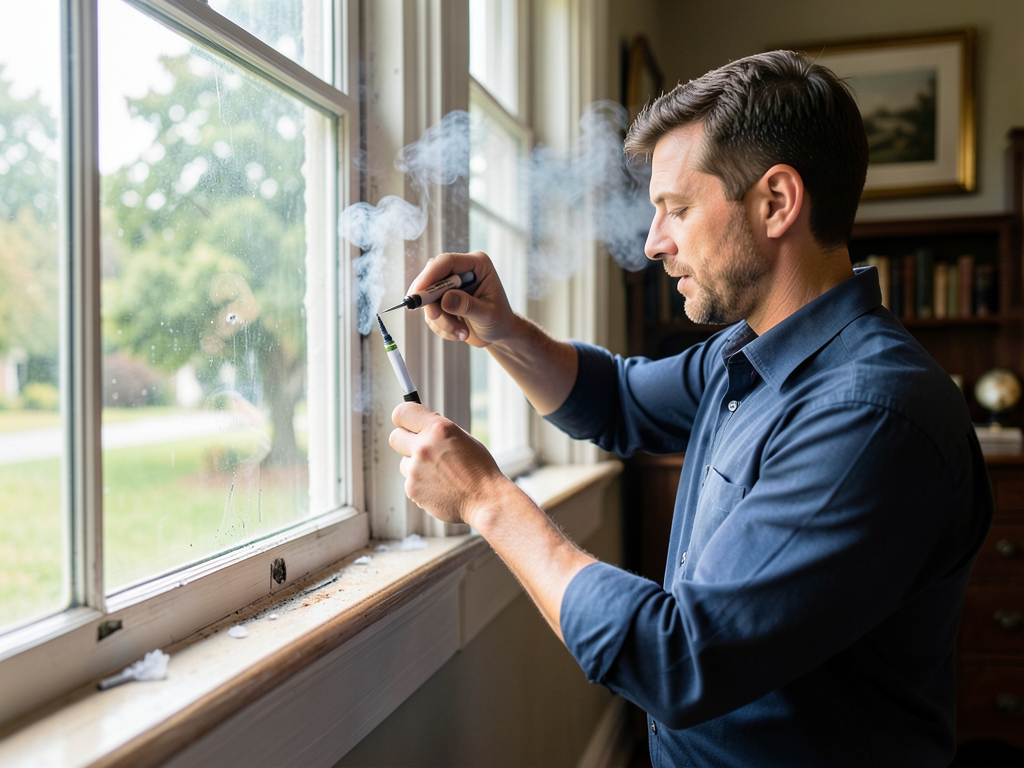
Physical signs in your home also reveal combustion problems. Yellow or orange furnace flames instead of blue indicate incomplete combustion. Excessive moisture on windows near heating equipment suggests ventilation failure. Soot accumulation around furnace registers shows exhaust gases entering living spaces.

Your body's response varies by age and health status. Children and elderly family members show carbon monoxide poisoning symptoms at lower concentrations than healthy adults. Pregnant women face fetal development risks even from mild exposure. Anyone with cardiovascular disease experiences accelerated symptom onset.

Carbon monoxide detectors provide the only reliable early warning system. Install units on each floor, particularly near sleeping areas and adjacent to fuel-burning equipment.

What Happens During a Carbon Monoxide Safety Inspection

Signs of Carbon Monoxide in Buffalo – Recognize the Symptoms Before It's Too Late
01

Combustion Analysis Testing

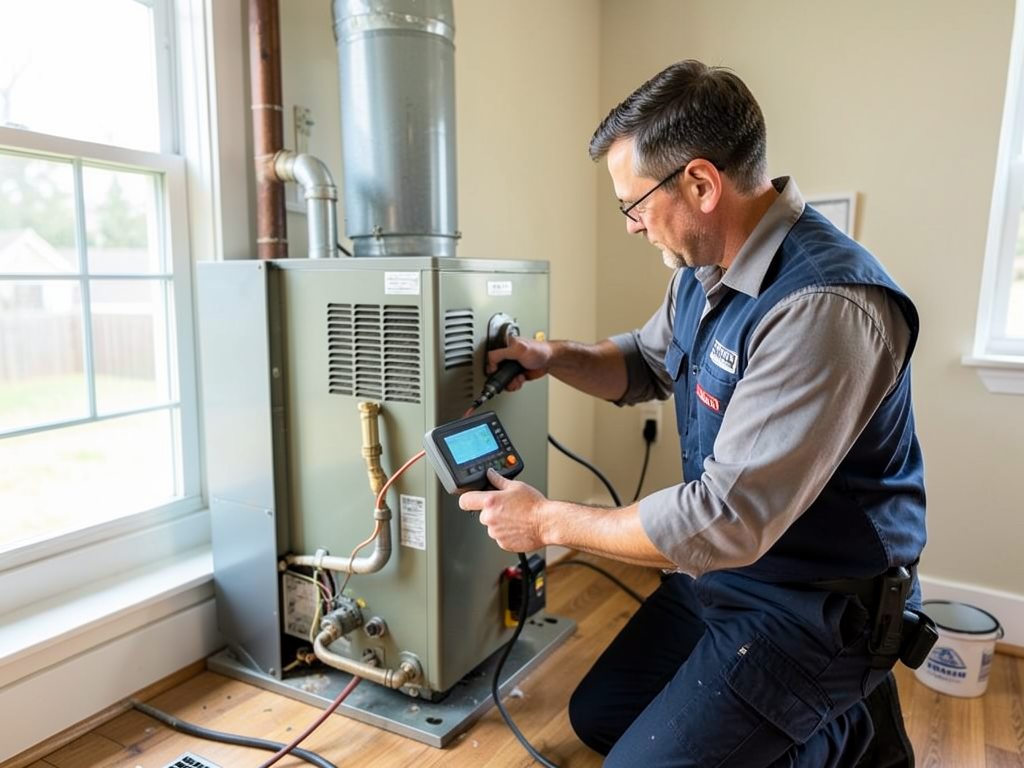
Technicians use digital analyzers to measure carbon monoxide levels in flue gases and ambient air throughout your home. We test each fuel-burning appliance under operating conditions, measuring combustion efficiency and identifying draft problems. This diagnostic process reveals whether your furnace, boiler, or water heater produces safe exhaust levels or generates carbon monoxide that escapes into living spaces.
02

Ventilation System Inspection

We examine flue pipes, chimneys, and air intake pathways for blockages, corrosion, or improper sizing. Buffalo homes often have chimneys serving multiple appliances, creating back-drafting risks when one system operates. Technicians verify proper clearances, check for animal nests or ice blockages, and confirm adequate combustion air supply. We document any venting deficiencies that compromise safe exhaust removal.
03

Safety Certification and Recommendations

You receive detailed documentation of all test results, including measured carbon monoxide levels and equipment performance data. We provide specific recommendations for repairs, replacements, or ventilation improvements needed to eliminate hazards. For homes showing elevated readings, we explain immediate mitigation steps and outline long-term solutions. This creates a prioritized action plan based on actual risk assessment, not generic checklists.

Why Buffalo Residents Trust United HVAC Buffalo for Carbon Monoxide Safety

United HVAC Buffalo technicians understand how Western New York's climate affects heating system safety. We service homes built across every era of Buffalo's development, from Victorian mansions in Delaware Park to post-war bungalows in South Buffalo. This experience matters when diagnosing carbon monoxide issues in buildings with unique construction and antiquated heating configurations.

Our team knows Buffalo's building code evolution. Homes built before 1980 often lack proper combustion air provisions. Additions and renovations frequently create negative pressure conditions that pull exhaust gases back into living spaces. We identify these structural factors during inspections because we have worked in thousands of local homes and recognize patterns other contractors miss.

Buffalo's heating season runs seven months. Your furnace operates under sustained stress that reveals weaknesses other climates never expose. We see how lake effect snow blocks vents, how freeze-thaw cycles crack heat exchangers, and how extended runtime accelerates component failure. This regional knowledge informs our diagnostic approach.

Carbon monoxide detection requires calibrated instruments and proper testing protocols. We invest in professional-grade analyzers that measure parts per million with precision. Many contractors rely on simple detector readings or visual inspections that miss developing problems. Our combustion analysis identifies trends before they become emergencies.

We also understand the financial pressure Buffalo homeowners face. Heating system repairs compete with property taxes, winter utility bills, and other regional expenses. Our assessments distinguish between immediate safety hazards and deferred maintenance, helping you allocate resources effectively. You get honest evaluations, not fear-based sales tactics designed to maximize our revenue.

What You Can Expect From Our Carbon Monoxide Services

Same-Day Emergency Response

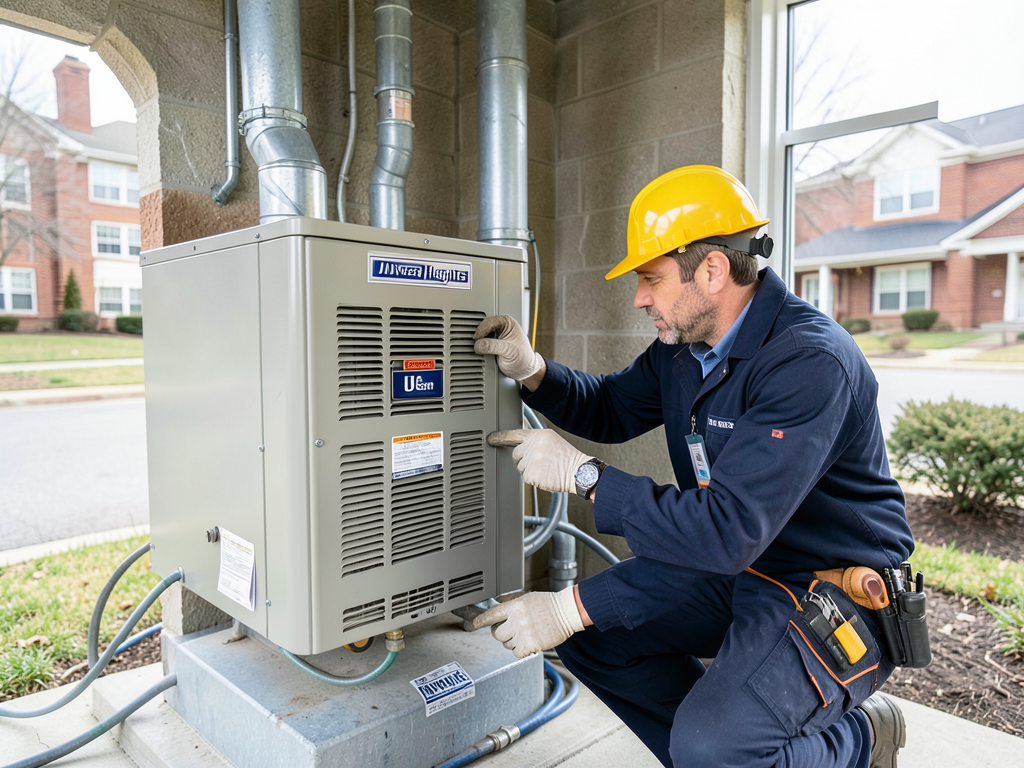
If your carbon monoxide detector alarms or family members show poisoning symptoms, we dispatch a technician immediately. Our trucks carry combustion analyzers and emergency repair supplies to address urgent situations the same day you call. For non-emergency inspections, we typically schedule within 48 hours. Buffalo's heating season creates high demand, but carbon monoxide concerns receive priority status. We also offer annual safety inspections before winter to identify problems while you still have scheduling flexibility.

Comprehensive System Evaluation

Our inspection covers every fuel-burning appliance in your home. We test furnaces, boilers, water heaters, gas ranges, and fireplaces. Each unit receives combustion analysis under normal operating conditions. Technicians check heat exchangers for cracks, examine burner flame characteristics, verify proper venting, and measure ambient carbon monoxide levels in surrounding rooms. You receive documentation showing measured values and comparisons to safety thresholds. This complete assessment reveals system-wide issues that single-appliance inspections miss.

Clear Diagnosis and Solutions

We explain findings in direct language without technical jargon. You learn what caused elevated carbon monoxide levels, what risks exist, and what fixes eliminate the hazard. Our written reports include test data, photographs of problem areas, and itemized repair recommendations. For complex issues involving multiple systems or structural modifications, we outline options at different price points. You make informed decisions based on actual safety data and your specific home configuration.

Post-Repair Verification Testing

After completing repairs or replacements, technicians retest all affected equipment. We verify combustion efficiency meets manufacturer specifications and carbon monoxide levels fall within safe parameters. You receive updated documentation confirming your heating system operates safely. We also provide guidance on detector placement, maintenance schedules, and warning signs that indicate future problems. For older systems approaching end-of-service life, we recommend monitoring intervals to catch deterioration before it creates hazards.

Frequently Asked Questions

You Have Questions,
We Have Answers

What are signs of carbon monoxide in the house? +

Common signs include headache, dizziness, nausea, confusion, and fatigue. You might notice symptoms worsen in enclosed spaces or when heating systems run. Buffalo homes with older furnaces or gas appliances face higher risk during cold months when windows stay closed. Watch for multiple people feeling sick simultaneously. Pets may show distress first. Flu-like symptoms without fever are a red flag. If your symptoms improve when you leave the house and return indoors, evacuate immediately and call 911. Install carbon monoxide detectors on every level of your home, especially near bedrooms.

How long after carbon monoxide exposure do you get symptoms? +

Symptoms can appear within minutes of high-level exposure or take several hours with low-level leaks. Mild exposure causes headache and dizziness within 1-2 hours. Moderate exposure brings confusion and chest pain within 30-60 minutes. Severe exposure causes unconsciousness in minutes. Buffalo residents running furnaces continuously during harsh winters face prolonged low-level exposure risk. The danger is cumulative. You may not notice gradual poisoning until symptoms become severe. Children and elderly adults show symptoms faster than healthy adults. Never wait to see if symptoms develop. Exit immediately if you suspect carbon monoxide.

How can I check if I have carbon monoxide? +

Install UL-listed carbon monoxide detectors with digital displays on every floor and near sleeping areas. Test detectors monthly and replace batteries twice yearly. Professional HVAC inspections catch furnace issues before leaks start. Buffalo homes need annual heating system checks before winter. Look for physical signs like yellow or orange furnace flames instead of blue, soot buildup around appliances, or excess moisture on windows. Never rely on your senses alone. Carbon monoxide is odorless and invisible. If your detector alarms, evacuate immediately and call 911 from outside. Do not re-enter until cleared by professionals.

Can a small gas leak make you feel sick? +

Yes. Even small natural gas leaks cause headaches, nausea, dizziness, and breathing problems. Natural gas contains added mercaptan for the rotten egg smell, but you may not detect small leaks immediately. Buffalo's aging housing stock and freeze-thaw ground shifts can crack gas lines. Symptoms mimic flu or allergies. Long-term exposure causes chronic fatigue and respiratory issues. If you smell gas or feel sick near appliances, open windows, avoid electrical switches and flames, evacuate, and call your gas company from outside. Small leaks worsen over time and create explosion risk.

Can a phone app detect carbon monoxide? +

No. Smartphone apps cannot detect carbon monoxide. Your phone lacks the required electrochemical sensor. Apps claiming detection ability are scams or only provide educational information. Some apps connect to Bluetooth-enabled carbon monoxide detectors but do not detect gas themselves. Buffalo residents must rely on proper UL-listed carbon monoxide detectors with electrochemical sensors. These detectors cost between $20-50 and save lives. Digital displays show real-time CO levels. Smart home systems can integrate actual detectors for remote monitoring. Never trust your phone to detect this deadly gas. Install real detectors immediately.

How can I detect carbon monoxide without a detector? +

You cannot safely detect carbon monoxide without a detector. The gas is colorless, odorless, and tasteless. Physical symptoms appear only after dangerous exposure begins. Some people look for yellow furnace flames, excessive moisture on cold windows, or soot around appliances, but these signs are unreliable. Buffalo's cold climate means heating systems run constantly, increasing leak risk. By the time you feel symptoms like headache or nausea, poisoning has started. Professional HVAC inspections identify potential sources but cannot detect active leaks without instruments. Install detectors on every level of your home. This is not optional.

Can I go to sleep after carbon monoxide exposure? +

No. Never go to sleep after suspected carbon monoxide exposure. Sleeping increases poisoning risk because you breathe deeper and cannot recognize worsening symptoms. Carbon monoxide binds to hemoglobin and prevents oxygen transport. You could lose consciousness or die during sleep. Evacuate immediately if you suspect exposure. Call 911 and seek medical evaluation even if symptoms seem mild. Buffalo's tight, weather-sealed homes trap carbon monoxide during winter months. Healthcare providers can check carboxyhemoglobin levels through blood tests. Stay in fresh air until cleared by medical professionals. Do not return home until the source is identified and repaired.

What happens if you breathe in a little carbon monoxide? +

Even low-level carbon monoxide exposure causes headache, fatigue, and nausea. Your blood oxygen decreases as carbon monoxide binds to hemoglobin. Brief exposure may feel like mild flu without fever. Some people experience no immediate symptoms but suffer cumulative damage with repeated exposure. Buffalo residents face this during heating season when furnaces cycle frequently. Brain and heart tissue are most vulnerable to oxygen deprivation. Pregnant women, children, elderly adults, and people with heart conditions face higher risk from small amounts. Exit to fresh air immediately. Seek medical evaluation to check carboxyhemoglobin levels and prevent long-term neurological damage.

Can you recover from mild carbon monoxide poisoning on your own? +

Most people recover from mild carbon monoxide poisoning with fresh air and time. Your body clears carbon monoxide naturally, but this takes 4-6 hours breathing normal air. Symptoms like headache and dizziness typically resolve within hours of leaving the contaminated environment. However, you must identify and fix the source before returning home. Buffalo's cold weather makes DIY repairs tempting, but improper fixes worsen leaks. Some people experience lingering neurological effects weeks after exposure. Seek medical evaluation even after mild symptoms improve. Healthcare providers can administer oxygen therapy to speed carbon monoxide elimination and prevent delayed complications.

What does carbon dioxide poisoning feel like? +

You likely mean carbon monoxide, not dioxide. Carbon dioxide poisoning is rare and different. Carbon monoxide poisoning feels like bad flu without fever. You experience throbbing headache, dizziness, weakness, nausea, vomiting, chest pain, and confusion. Vision blurs and coordination fails. Some people describe pressure in the head or feeling drunk. Buffalo residents often mistake symptoms for winter illness or furnace dust reactions. Unlike flu, symptoms improve rapidly in fresh air and worsen indoors. Multiple household members getting sick simultaneously is a critical warning sign. Severe poisoning causes loss of consciousness. Evacuate immediately and call 911 if you suspect poisoning.

How Buffalo's Aging Housing Stock Increases Carbon Monoxide Danger

Buffalo ranks among the oldest housing markets in the Northeast. More than 60 percent of residential structures were built before 1960, when natural draft venting was standard and combustion air requirements were poorly understood. These homes rely on gravity and temperature differentials to exhaust combustion gases. Modern energy efficiency improvements like new windows and added insulation create tighter building envelopes that starve furnaces of combustion air. The result is incomplete combustion and carbon monoxide production in homes where systems operated safely for decades under leakier conditions.

Buffalo's HVAC contractors who understand local building characteristics provide safer service than national chains unfamiliar with regional construction. We recognize cast iron radiator systems that indicate steam boiler configurations. We know which neighborhoods have homes with shared chimneys serving multiple units. We understand how lakefront properties face different ventilation challenges than inland homes. This local expertise matters when diagnosing carbon monoxide sources in buildings with unique features and non-standard installations that newer markets never encounter.
HVAC Services in The Buffalo Area

We are proud to serve the entire Buffalo area and its surrounding communities with our expert HVAC services. Our centrally located team allows us to respond quickly to your needs, whether you are in the city or a nearby suburb. We are committed to being your local, trusted resource for all things heating and cooling, and we look forward to serving you right where you are.

Address:
United HVAC Buffalo, 360 Delaware Ave, Buffalo, NY, 14202

Additional Services We Offer

Our news updates

Latest Articles & News from The Blogs

Managing Excessive Dust in Your South Buffalo Home During High Wind Events South Buffalo homes face unique dust challenges when…

Managing Excessive Dust in Your South Buffalo Home During High Wind Events

Managing Excessive Dust in Your South Buffalo Home During High Wind Events South Buffalo homes face unique dust challenges when…

Is it Better to Pay for a Monthly HVAC Maintenance Plan or Just Call When Something Breaks?

Is it Better to Pay for a Monthly HVAC Maintenance Plan or Just Call When Something Breaks? When your furnace…

The Homeowners Guide to Buying a New HVAC System for a Rental Property in University Heights

The Homeowners Guide to Buying a New HVAC System for a Rental Property in University Heights University Heights landlords face…

Contact Us

Do not wait for symptoms to appear. Call United HVAC Buffalo at (716) 317-7757 to schedule a comprehensive combustion safety inspection. Our technicians provide same-day emergency response for active carbon monoxide concerns and routine appointments for preventive testing.