

menu

High Energy Bills in Buffalo – Expert HVAC Diagnosis Stops the Bleed

Expensive electricity bills and skyrocketing energy costs don't fix themselves. Our precision HVAC diagnostics identify the exact inefficiency draining your wallet and deliver measurable savings.

Slider Image 1
Slider Image 2
Slider Image 3
Slider Image 4
Slider Image 5
Slider Image 7
Slider Image 8
Slider Image 9
Slider Image 10
Slider Image 11

Why Buffalo Homeowners Face Rising Utility Costs Year After Year

You open the utility bill and the number makes your stomach drop. Again. The thermostat settings haven't changed. Your habits haven't changed. But somehow, your heating and cooling costs keep climbing.

Buffalo's brutal temperature swings put unique stress on HVAC systems. We experience subzero January nights and humid July afternoons that push 90 degrees. That 120-degree annual temperature range forces your furnace and air conditioner into constant overdrive. When one component starts failing, the entire system compensates by burning more energy.

Most homeowners blame the utility company. The real culprit sits in your basement or attic. A furnace with a cracked heat exchanger loses 30 percent efficiency but keeps running. An air conditioner low on refrigerant runs twice as long to cool the same space. Ductwork with gaps at the seams dumps conditioned air into your crawlspace instead of your living room.

The Lake Erie humidity compounds the problem. Moisture infiltration corrodes electrical connections and degrades insulation inside your equipment. Dirty evaporator coils from our seasonal pollen blooms restrict airflow. Your system works harder and costs more to deliver less comfort.

Rising utility costs don't announce themselves with strange noises or complete breakdowns. The equipment keeps running. The house stays comfortable enough. Meanwhile, costly utility expenses bleed your budget month after month. By the time you notice the pattern, you've already thrown away hundreds of dollars on inefficient operation.

Why Buffalo Homeowners Face Rising Utility Costs Year After Year
How United HVAC Buffalo Identifies Energy Waste Other Companies Miss

How United HVAC Buffalo Identifies Energy Waste Other Companies Miss

Generic tune-ups don't find the problems causing increased heating and cooling costs. A technician changes your filter, checks the thermostat batteries, and leaves. Your bill stays high because the real issue goes undiagnosed.

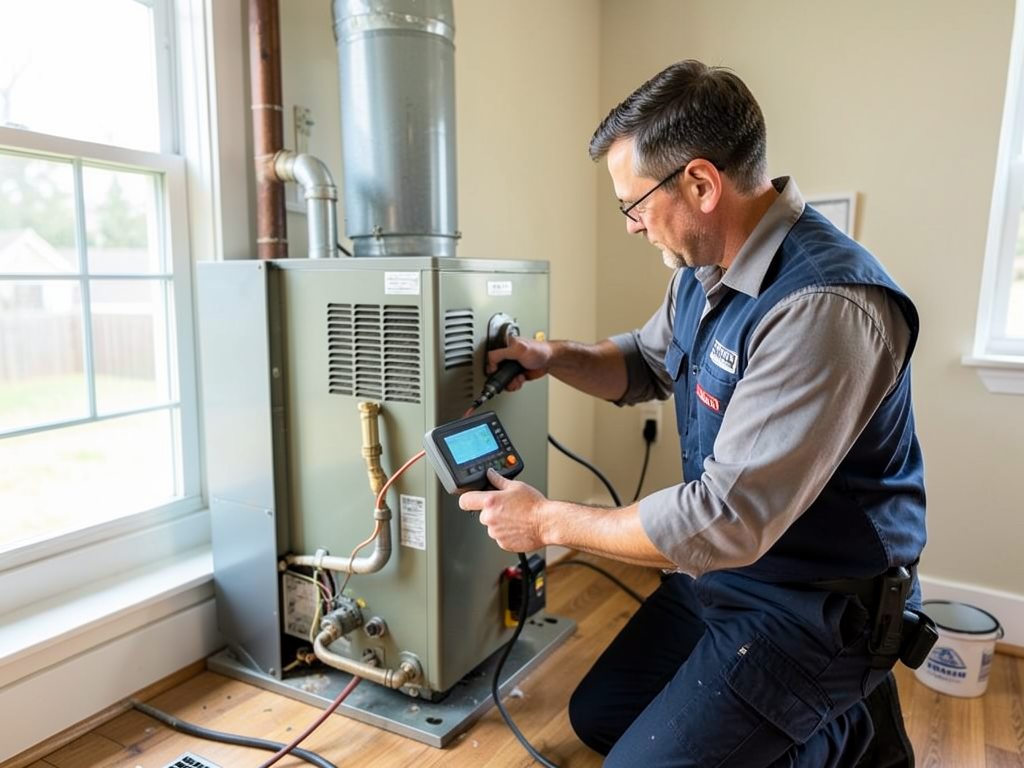
We perform systematic efficiency audits using calibrated instruments. A digital manometer measures static pressure across your ductwork to detect restrictions. A refrigerant scale verifies your charge weight to the ounce. An amp clamp tests compressor draw against manufacturer specifications. A combustion analyzer measures flue gas composition to calculate your furnace's true efficiency percentage.

The data tells the story. High static pressure means crushed ducts or a clogged filter rack. Low suction pressure indicates a refrigerant leak. Elevated amp draw signals a failing capacitor forcing your compressor to work harder. High carbon monoxide readings in the flue gas mean incomplete combustion and wasted fuel.

We inspect what standard service calls ignore. The blower wheel accumulates years of dust buildup that cuts airflow by 40 percent. The condensate drain develops biofilm that backs up and trips your safety switch repeatedly. The outdoor coil packs with cottonwood seeds every June and starves your compressor for airflow.

Buffalo's freeze-thaw cycles create another layer of complexity. Foundation settling shifts ductwork and opens seams. Ice dams on your roof damage attic insulation around your air handler. These structural issues create energy loss that basic HVAC maintenance never addresses.

We map your system's performance against engineering benchmarks, not just against whether it turns on. That precision diagnosis reveals exactly where your expensive electricity bills originate. No guessing. No assumptions. Just measurable data that guides effective repairs.

What Happens During Your Energy Efficiency Evaluation

High Energy Bills in Buffalo – Expert HVAC Diagnosis Stops the Bleed
01

System Performance Testing

We start with baseline measurements across your entire HVAC system. Temperature differential across the heat exchanger. Airflow volume at each register. Refrigerant pressures at the service ports. Voltage and amperage at the disconnect. These numbers establish your current efficiency level and highlight components operating outside specifications. Testing takes 45 minutes and covers both heating and cooling systems regardless of season.
02

Hidden Loss Detection

The second phase targets energy waste in distribution and ventilation. We measure duct leakage using a calibrated blower door. Infrared cameras locate insulation gaps and air infiltration points. Hygrometers check for moisture problems degrading equipment performance. Many Buffalo homes lose 25 percent of conditioned air before it reaches living spaces. These losses never show up on standard service calls but directly increase your skyrocketing energy bills.
03

Prioritized Repair Plan

You receive a written report ranking repairs by energy savings impact. Sealing a 6-inch duct gap saves more money than replacing a thermostat. Cleaning evaporator coils delivers better returns than upgrading your filter. We calculate approximate monthly savings for each recommendation so you make informed decisions. No pressure. No upselling. Just honest guidance on stopping rising utility costs with repairs that actually matter for your specific system.

Why Buffalo Residents Trust United HVAC Buffalo With Energy Problems

Energy audits require specialized training most HVAC companies skip. Any technician can swap a capacitor. Reading a psychrometric chart and calculating sensible heat ratios demands deeper expertise. Our technicians complete manufacturer certification programs on system efficiency analysis. We invest in diagnostic equipment that costs more than most competitors' entire tool inventory.

Buffalo's housing stock presents unique challenges. Homes in Elmwood Village have radiator heating with window air conditioners added later. North Buffalo bungalows feature gravity furnaces converted to forced air decades ago. Amherst subdivisions have builder-grade equipment pushed past its design life. West Seneca split-levels have additions that overwhelm undersized systems. We've diagnosed energy problems across every architectural style and equipment configuration this region offers.

Local climate knowledge matters. We understand how Lake Erie's lake-effect snow patterns create ice buildup around outdoor units. We recognize how spring pollen from Delaware Park clogs outdoor coils faster than inland locations. We account for how the humidity off the Niagara River affects dehumidification loads. Generic advice from national chains doesn't address these Buffalo-specific factors driving your costly utility expenses.

Building code familiarity prevents expensive mistakes. Erie County requirements for combustion air differ from surrounding jurisdictions. Sealed combustion furnaces require specific venting configurations in our snow load zone. We pull permits correctly and coordinate inspections so your repairs meet local standards. That protects your home's resale value and prevents insurance headaches.

You need someone who shows up prepared to fix the actual problem, not just sell you equipment. We carry diagnostic tools, not just sales brochures. That difference saves you money immediately.

What You Can Expect When We Investigate Your High Energy Bills

Same-Week Availability

Energy audits don't require emergency response, but waiting weeks extends your financial losses. We schedule efficiency evaluations within five business days of your call. Morning and afternoon appointments accommodate work schedules. The evaluation takes two to three hours depending on your home's size and system complexity. We work year-round because energy waste happens in every season. January furnace inefficiency costs just as much as July air conditioning waste. You pick the timeframe that works for your schedule and budget planning.

Comprehensive Efficiency Assessment

The evaluation covers every component affecting energy consumption. We test airflow, measure temperature differentials, check refrigerant charge, inspect ductwork integrity, examine insulation, verify thermostat accuracy, and assess ventilation balance. You receive photos documenting problem areas and meter readings proving performance deficiencies. The report includes manufacturer specifications so you see exactly how far your system deviates from design efficiency. We explain findings in plain language without technical jargon meant to confuse you into unnecessary purchases.

Measurable Cost Reduction

Repairs target the highest-impact inefficiencies first. Sealing duct leaks typically reduces heating and cooling costs by 20 to 30 percent. Cleaning coils and restoring proper airflow saves another 10 to 15 percent. Correcting refrigerant charge eliminates the efficiency penalty of low-side restrictions. Most homeowners notice lower bills within the first month after repairs. We provide before-and-after performance data so you verify the improvement. The goal is measurable savings, not vague promises about efficiency.

Ongoing Efficiency Monitoring

Efficiency degrades over time without maintenance. We offer annual tune-ups focused on preserving the improvements from your initial repairs. Spring and fall visits catch minor issues before they become expensive problems. Cleaning coils, checking refrigerant, and measuring airflow takes 90 minutes per visit. These preventive appointments cost less than one month of inflated utility bills from neglected equipment. You protect your investment in efficiency and avoid watching your energy costs creep back up over the following years.

Frequently Asked Questions

You Have Questions,
We Have Answers

Why is my power bill so high suddenly? +

A sudden spike in your power bill often points to HVAC issues. Buffalo winters force your furnace to work harder when filters clog or ducts leak. A failing heat exchanger or struggling blower motor draws extra power. Check your thermostat settings first. If someone bumped it to emergency heat mode, you are burning through electricity fast. Older units lose efficiency and consume more energy to maintain the same temperature. Programmable thermostats malfunction and run systems nonstop. Air leaks around windows or poor attic insulation make your system cycle constantly. Schedule an HVAC inspection to pinpoint the culprit before next month's bill arrives.

Why is your energy bill suddenly so much more expensive? +

Buffalo rate hikes hit hard, but equipment failure costs more. When heating systems age past 15 years, efficiency drops sharply. Your furnace works longer to reach set temperatures, consuming more electricity per cycle. Extreme cold snaps force equipment to run continuously. A refrigerant leak in heat pumps cuts performance and spikes consumption. Dirty coils act like insulation, blocking heat transfer and forcing compressors to overwork. Ductwork separation in crawl spaces wastes conditioned air. Thermostat drift causes systems to overshoot temperature targets. National Grid adjusts delivery charges seasonally, but mechanical problems amplify every rate increase you face.

What runs your electric bill up the most? +

Your HVAC system dominates electric bills in Buffalo homes, accounting for 40 to 60 percent of consumption. Heating during January and February runs nonstop when temperatures drop below 20 degrees. Central air conditioning battles summer humidity. Electric water heaters rank second, cycling frequently in larger households. Older refrigerators and freezers in basements or garages work harder in uninsulated spaces. Pool pumps and well pumps run for hours daily. Space heaters supplement inadequate central heating but draw 1,500 watts continuously. Clothes dryers cycle multiple times weekly. Electric ranges and ovens add up during meal prep. Focus on HVAC efficiency first for maximum savings.

What is the average electric bill in RI? +

Rhode Island electric bills average $130 to $180 monthly, but this question does not apply to Buffalo residents. New York rates differ significantly from New England markets. Buffalo customers served by National Grid face different rate structures and delivery charges. Winter heating loads in Western New York create higher consumption patterns than coastal Rhode Island. Buffalo homes built before 1980 have different insulation standards and heating system types. Compare your bill to local Buffalo averages, which range from $110 to $200 depending on home size and HVAC efficiency. Focus on local energy audits and Buffalo-specific weatherization programs for accurate cost reduction strategies.

Why is my electric bill over $400? +

A $400 electric bill signals serious HVAC problems or extreme weather response. Buffalo cold snaps force furnaces into continuous operation when outdoor temps hit single digits. A failing heat pump stuck in auxiliary heat mode burns through kilowatts. Duct leaks in attics or crawl spaces waste 30 percent of heated air before it reaches living spaces. Thermostat wiring shorts cause systems to ignore off commands. Frozen heat pump coils trigger defrost cycles every 30 minutes, each drawing massive power. Space heaters running 24/7 add $150 monthly. Check your furnace filter first, then call an HVAC tech to inspect airflow, refrigerant levels, and electrical components.

How to figure out what is causing a high electric bill? +

Start with your HVAC system. Replace the furnace filter and listen for unusual sounds like grinding or squealing that indicate motor problems. Check your thermostat for correct settings and consider upgrading to a programmable model. Walk your home during system operation and feel for hot air leaking from duct joints. Inspect your attic insulation depth. Buffalo homes need R-49 to R-60 to combat winter heat loss. Turn off breakers one at a time to isolate problem circuits, but leave HVAC breakers for professionals. Schedule a professional load test on your heating system. An HVAC tech uses amp meters to measure actual draw versus rated specifications.

How to find out what is using so much electricity? +

Request a usage report from National Grid showing hourly consumption patterns. Spikes during specific times point to appliances or systems cycling on. Turn off all breakers except one circuit and monitor your meter. If the disk spins or digital display climbs, you found your problem circuit. For HVAC issues, watch your outdoor condenser or furnace. It should cycle off periodically. Continuous operation means airflow restrictions, refrigerant problems, or thermostat failure. Thermal cameras reveal heat loss areas forcing your system to overwork. Buffalo HVAC contractors use these during energy audits. Check electric water heater temperature settings. Anything above 120 degrees wastes energy.

Why am I using so much electricity all of a sudden? +

Buffalo weather changes force HVAC systems to adjust. Sudden cold snaps make furnaces run longer cycles. A clogged air filter dropped last month now chokes airflow and doubles runtime. Refrigerant leaks develop gradually until systems lose capacity and run continuously. Ductwork tape fails after years of temperature swings, creating leaks that waste conditioned air. Thermostat batteries die and cause erratic cycling. Someone adjusted settings without telling you. Humidifiers attached to furnaces increase electrical load during dry winter months. Old age catches up as motors wear and draw more amps. Schedule immediate HVAC diagnostics to prevent equipment failure and higher bills next month.

What contributes most to my electric bill? +

Heating and cooling dominate your bill. Buffalo homes battle temperature extremes from January through August. Your furnace or heat pump runs constantly during polar vortex events when temps drop below zero. Air conditioning fights 90-degree days with 80 percent humidity. Blower motors move air through ductwork for 12 to 16 hours daily during peak seasons. Compressors draw the most power at startup. Poor insulation forces systems to cycle more frequently. Leaky ductwork wastes energy before air reaches living spaces. Programmable thermostats reduce consumption by adjusting temperatures during sleep and work hours. Target HVAC efficiency through maintenance, filter changes, and duct sealing for immediate savings.

How Buffalo's Extreme Seasonal Swings Accelerate HVAC Efficiency Loss

Buffalo ranks among the top 10 U.S. cities for annual temperature variation. Your HVAC system transitions from heating mode at 0 degrees in February to cooling mode at 88 degrees in July. That 88-degree operational swing stresses components in ways milder climates never experience. Expansion and contraction cycles fatigue metal. Refrigerant pressures swing from 70 PSI to 350 PSI. Blower motors that run continuously seven months a year wear out bearings faster. These extreme conditions mean Buffalo HVAC systems develop efficiency-killing problems 30 percent faster than national averages. Your rising utility costs reflect this accelerated wear pattern.

Local codes and regional expertise matter when efficiency is the goal. Erie County adopted stricter energy standards for HVAC replacements in 2018. Combustion efficiency minimums exceed state requirements. Duct sealing must meet IECC specifications for new installations. United HVAC Buffalo stays current on these local regulations because we work exclusively in Western New York. We understand which efficiency upgrades qualify for NFEC rebates. We know which local suppliers stock the diagnostic parts that fix problems instead of masking symptoms. National chains rotate technicians through Buffalo without building that regional knowledge base. You need someone who understands this market's specific challenges.

HVAC Services in The Buffalo Area

We are proud to serve the entire Buffalo area and its surrounding communities with our expert HVAC services. Our centrally located team allows us to respond quickly to your needs, whether you are in the city or a nearby suburb. We are committed to being your local, trusted resource for all things heating and cooling, and we look forward to serving you right where you are.

Address:
United HVAC Buffalo, 360 Delaware Ave, Buffalo, NY, 14202

Additional Services We Offer

Our news updates

Latest Articles & News from The Blogs

Managing Excessive Dust in Your South Buffalo Home During High Wind Events South Buffalo homes face unique dust challenges when…

Managing Excessive Dust in Your South Buffalo Home During High Wind Events

Managing Excessive Dust in Your South Buffalo Home During High Wind Events South Buffalo homes face unique dust challenges when…

Is it Better to Pay for a Monthly HVAC Maintenance Plan or Just Call When Something Breaks?

Is it Better to Pay for a Monthly HVAC Maintenance Plan or Just Call When Something Breaks? When your furnace…

The Homeowners Guide to Buying a New HVAC System for a Rental Property in University Heights

The Homeowners Guide to Buying a New HVAC System for a Rental Property in University Heights University Heights landlords face…

Contact Us

Your next utility bill arrives in three weeks. You can keep wondering why it's high or find out exactly what's wrong. Call United HVAC Buffalo at (716) 317-7757 to schedule your efficiency evaluation. We identify the real problems and fix them.