menu

AC Repair Services in Buffalo – Expert Diagnostics and Year-Round Climate Control Solutions

Comprehensive air conditioning repair for Buffalo homes and businesses, from single-stage unit troubleshooting to multi-zone system restoration, backed by technicians who understand Lake Erie humidity and winter heating transitions.

Slider Image 1
Slider Image 2
Slider Image 3
Slider Image 4
Slider Image 5
Slider Image 7
Slider Image 8
Slider Image 9
Slider Image 10
Slider Image 11

Why Buffalo Air Conditioners Fail When You Need Them Most

Buffalo's position on the eastern shore of Lake Erie creates a unique climate challenge for air conditioning systems. Summer humidity routinely climbs above 70 percent, forcing your compressor to cycle constantly as it battles moisture-laden air. This humidity doesn't just make your home uncomfortable. It corrodes electrical connections, promotes mold growth in evaporator coils, and causes condensate drain lines to clog with algae.

The city's dramatic temperature swings add another layer of stress. A system that sits idle through six months of freezing temperatures develops refrigerant leaks at valve stems and service ports. Expansion and contraction crack soldered joints. Capacitors lose their charge during long dormancy periods. When you flip the thermostat to cool in May, components that seemed fine in October suddenly fail.

Air conditioner repair becomes urgent when these Lake Erie climate factors converge. You cannot predict which component will fail first, but you can recognize the warning signs. Weak airflow means a struggling blower motor or collapsed ductwork. Ice on refrigerant lines indicates low charge or restricted airflow. Strange odors suggest biological growth or overheating wiring.

Buffalo residents in neighborhoods from Elmwood Village to North Buffalo face the same reality. Your HVAC system must handle both heating and cooling extremes, often within the same week during spring and fall. Central air repair addresses not just the immediate breakdown but the underlying stress factors that caused it. AC service in this region requires understanding how lake-effect weather patterns accelerate wear on every component from the outdoor condenser to the indoor air handler.

Why Buffalo Air Conditioners Fail When You Need Them Most
How Professional AC Diagnostics Identify the Real Problem

How Professional AC Diagnostics Identify the Real Problem

Surface symptoms rarely tell the complete story. A system that won't cool might have a failed compressor, but it might also have a restriction in the metering device, a kinked refrigerant line, or a control board sending incorrect signals. United HVAC Buffalo approaches air conditioning repair through systematic elimination, not guesswork.

We start with electrical diagnostics. A digital multimeter tests voltage at the disconnect, the contactor, and the capacitor. Low voltage indicates a problem upstream at the breaker panel or thermostat wiring. Correct voltage at the disconnect but not at the contactor means a failed control signal. These measurements take three minutes but prevent replacing parts that work fine.

Refrigerant analysis comes next. Subcooling and superheat measurements reveal whether your system has the correct charge and whether that charge is circulating properly. High superheat with low subcooling indicates undercharge or restriction. Normal superheat with high subcooling points to overcharge or a failing expansion valve. These numbers guide repairs instead of letting technicians dump in refrigerant until something changes.

Airflow testing completes the diagnostic triangle. Static pressure readings upstream and downstream of the air handler quantify restrictions in your ductwork or filter system. A system designed for 400 cubic feet per minute that delivers 280 will freeze its evaporator coil regardless of refrigerant charge. We measure actual performance against manufacturer specifications, then trace the cause.

This methodical approach to HVAC repair eliminates the trial-and-error cycle that wastes your time and money. Every component gets tested under load, not just visually inspected. The result is an accurate diagnosis that addresses root causes, not just symptoms.

What Happens During Your AC Repair Appointment

AC Repair Services in Buffalo – Expert Diagnostics and Year-Round Climate Control Solutions
01

System Assessment and Testing

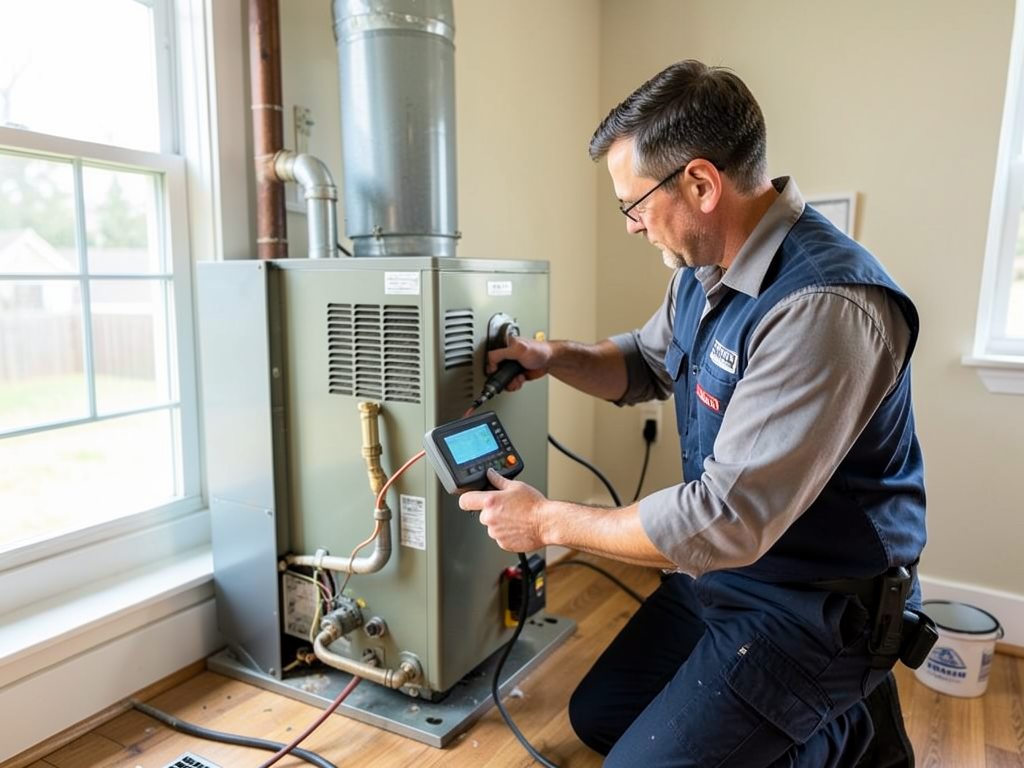
Your technician arrives with calibrated diagnostic equipment, not just a parts truck. We test electrical components with a multimeter, measure refrigerant pressures with manifold gauges, and check airflow with a manometer. This baseline data reveals what failed and why. You receive a clear explanation of findings before any repair work begins, with measurements that justify the recommended fix.
02

Targeted Component Repair

Repairs focus on failed components identified during testing. Compressor replacement requires recovering refrigerant, evacuating the system, and pressure testing before recharge. Capacitor replacement takes minutes but gets verified with load testing. Evaporator coil replacement means accessing the air handler, sometimes requiring ductwork modification. Each repair follows manufacturer specifications and local mechanical code requirements for Buffalo installations.
03

Performance Verification and Documentation

After repairs, we retest the entire system under operating conditions. Temperatures at supply and return registers confirm adequate cooling capacity. Refrigerant pressures verify correct charge. Amp draw measurements ensure components run within specification. You receive documentation of all test results, creating a baseline for future service calls. This verification step separates complete repairs from temporary fixes.

Why Buffalo Property Owners Choose Local HVAC Expertise

Air conditioning repair in Buffalo requires more than generic HVAC knowledge. It requires understanding how Lake Erie humidity affects condensate management, how winter dormancy stresses components, and how the city's housing stock creates unique installation challenges.

Most Buffalo homes were built before central air became standard. Adding AC to a house with radiator heat means working around existing ductwork limitations, basement ceiling heights, and electrical service capacity. A technician from outside the region sees these as obstacles. A Buffalo technician sees them as standard conditions requiring specific solutions.

United HVAC Buffalo knows the difference between a straight-cool system and a heat pump installation. We understand when a window unit makes more sense than adding ductwork to a historic home in Allentown. We recognize that a three-story Victorian needs zone control to avoid cooking the top floor while freezing the basement.

Local building codes affect every repair decision. The City of Buffalo requires permits for refrigerant handling above certain quantities. Electrical work on AC systems must meet National Electrical Code standards as adopted by New York State. A technician unfamiliar with these requirements creates liability for you, the property owner.

Our familiarity with Buffalo's neighborhoods guides service recommendations. We know which areas experience voltage fluctuations that damage compressor motors. We understand how proximity to industrial zones affects outdoor coil maintenance requirements. We recognize which HVAC brands hold up best under Lake Erie weather conditions because we have tracked their performance across hundreds of local installations.

This accumulated knowledge base makes repairs faster and more reliable. We stock parts specific to equipment common in Western New York. We maintain relationships with local supply houses for same-day component access. When your AC fails on a 90-degree afternoon, this local infrastructure means repair completion in hours, not days.

What to Expect From Professional AC Service

Response Time and Scheduling

Emergency AC repairs receive same-day response during business hours, with evening and weekend availability when temperatures exceed 85 degrees. Non-emergency service calls schedule within 48 hours. You receive a two-hour arrival window, not an all-day block, because your time has value. Technicians call 30 minutes before arrival to confirm you're ready. This scheduling reliability means you can plan your day around the appointment instead of waiting helplessly for a service truck that might appear anytime between 8 AM and 5 PM.

Diagnostic Process and Estimates

Initial diagnostics take 30 to 60 minutes depending on system complexity. The technician explains findings in plain language, not technical jargon designed to confuse. You receive a written estimate before any repair work begins. This estimate includes parts, labor, and any additional costs like refrigerant or electrical upgrades. No hidden fees appear on the final invoice. If diagnostics reveal a problem too expensive to justify repair, we tell you honestly instead of selling unnecessary work on a system ready for replacement.

Repair Quality and Component Selection

Replacement components meet or exceed original equipment specifications. Universal parts get used only when original manufacturer parts are unavailable or when upgraded components provide better performance. Refrigerant recharge follows EPA protocols with recovery and recycling of existing charge. Electrical connections receive proper termination, not wire nuts and electrical tape. Condensate drains get flushed and tested under load to prevent future overflow. These details separate lasting repairs from temporary fixes that fail again in three months.

Post-Repair Support and Maintenance

Completed repairs include operation verification under normal load conditions. The technician confirms adequate cooling, proper airflow, and correct refrigerant pressures before leaving your property. You receive maintenance recommendations based on system age and condition, not aggressive upselling. Optional maintenance agreements provide priority scheduling and discounted service rates for future calls. If a repaired component fails prematurely, we return to diagnose why instead of charging you again for the same problem. This accountability builds long-term relationships instead of one-time transactions.

Frequently Asked Questions

You Have Questions,
We Have Answers

What is the $5000 AC rule? +

The $5000 AC rule is an IRS guideline for deciding if you repair or capitalize a major AC expense. If your repair costs less than $5000 and does not extend the unit's life beyond one year, you can deduct it as a maintenance expense in that tax year. If it costs more or significantly improves the system, you must capitalize it and depreciate over time. Buffalo homeowners facing compressor failures or full system replacements often hit this threshold. Always consult a tax professional to apply this rule to your specific situation.

How much is an AC service charge? +

AC service charges in Buffalo typically range from diagnostic fees to full tune-up costs. A diagnostic visit runs around $75 to $150, which covers the technician's time to identify the problem. Many contractors apply this fee toward the repair if you proceed. A full preventive maintenance service typically costs more but includes cleaning coils, checking refrigerant levels, testing electrical connections, and inspecting ductwork. Given Buffalo's humid summers and cold winters, regular service prevents breakdowns during peak demand and extends your system's lifespan.

How much is an AC repair? +

AC repair costs in Buffalo depend on the problem. Minor fixes like replacing a capacitor or cleaning a drain line cost less than major repairs like replacing a compressor or evaporator coil. Refrigerant leaks, blower motor replacements, and electrical control issues fall in the middle. Buffalo's freeze-thaw cycles can stress outdoor units, causing premature component wear. Labor rates, parts availability, and system age also influence pricing. Get a written estimate before authorizing work. Technicians should diagnose first, explain the issue clearly, and provide transparent pricing before starting repairs.

Can I write off my new AC unit on my taxes? +

You may qualify for tax deductions or credits when installing a new AC unit. The Residential Clean Energy Credit applies if you install a high-efficiency heat pump system that meets IRS standards. Standard AC replacements typically do not qualify unless they are part of a major home improvement that increases property value, which you capitalize and depreciate if it is a rental property. Energy-efficient upgrades may also qualify for state or utility rebates in New York. Consult a tax professional to determine your eligibility based on your specific system and filing status.

What is the 3 minute rule for AC? +

The 3-minute rule for AC prevents compressor damage during rapid cycling. After your unit shuts off, wait at least three minutes before restarting it. This delay allows refrigerant pressure to equalize throughout the system. Starting too soon forces the compressor to work against high pressure, which can cause mechanical failure or electrical overload. Buffalo homeowners often encounter this during spring startups or after power outages. Modern thermostats usually have built-in delay timers. If your system short-cycles frequently, you likely have a bigger issue requiring professional diagnosis.

Is it cheaper to repair or replace an AC unit? +

It depends on the unit's age, efficiency, and repair cost. If your AC is under 10 years old and the repair costs less than half the replacement price, repair makes sense. If your system is over 15 years old, uses outdated refrigerant, or needs a major component like a compressor replaced, replacement often delivers better long-term value. Buffalo's climate demands reliable cooling during humid summers. Factor in energy savings from newer, high-efficiency models. A trusted technician should provide honest guidance, not upsell you unnecessarily.

What is the average lifespan of an AC unit? +

The average AC unit lasts 15 to 20 years with proper maintenance. Buffalo's climate accelerates wear due to seasonal extremes. Units run hard during humid summers, then sit idle through harsh winters, which can cause component degradation. Factors affecting lifespan include installation quality, regular filter changes, annual tune-ups, and usage patterns. Coastal humidity and salt air in nearby areas can corrode outdoor units faster. If your system is approaching 15 years and requires frequent repairs, plan for replacement. Investing in preventive maintenance maximizes your system's usable life.

What is the most expensive repair on an AC unit? +

Compressor replacement is the most expensive AC repair. The compressor is the heart of your cooling system, circulating refrigerant and enabling heat exchange. Replacing it involves recovering refrigerant, removing the old unit, installing the new compressor, leak-testing, and recharging the system. Labor and parts costs add up quickly. In Buffalo, compressor failures often result from electrical issues, refrigerant leaks, or poor maintenance. If your unit is older, replacing the entire system may make more financial sense than investing in a compressor alone. Get multiple opinions before deciding.

Is AC repair covered by home insurance? +

Home insurance typically does not cover AC repair or replacement unless damage results from a covered peril like fire, vandalism, or storm damage. Normal wear, lack of maintenance, or mechanical breakdown are excluded. If a lightning strike fries your compressor or a tree falls on your outdoor unit during a Buffalo storm, you may have coverage. Review your policy and document damage thoroughly. Some homeowners purchase separate home warranty plans that cover HVAC systems, but read the fine print for exclusions and service fees.

What are common AC problems? +

Common AC problems include refrigerant leaks, frozen evaporator coils, dirty filters, faulty capacitors, blower motor failures, and thermostat malfunctions. Buffalo's humidity can cause drain line clogs, leading to water damage. Electrical issues like tripped breakers or bad contactors prevent systems from starting. Dirty outdoor coils reduce efficiency and cause overheating. Ductwork leaks waste energy and reduce comfort. Short-cycling often signals oversized equipment or failing components. Regular maintenance catches most issues early. If you notice weak airflow, warm air, strange noises, or higher energy bills, call a qualified technician immediately.

How Lake Erie Humidity Accelerates AC Wear in Buffalo Homes

Buffalo's location 20 miles from Lake Erie's eastern shore creates persistent humidity that stresses air conditioning systems year-round. Summer dew points regularly reach 65 to 70 degrees, forcing evaporator coils to remove massive amounts of moisture while cooling. This constant condensate production corrodes drain pans, clogs drain lines with biological growth, and creates standing water that damages surrounding components. Winter brings the opposite problem. Heating systems dry indoor air, but that moisture-laden air from Lake Erie condenses inside idle AC equipment, rusting electrical connections and degrading insulation. Central air repair in this region must address both the mechanical failures and the environmental factors that caused them.

United HVAC Buffalo has serviced air conditioning systems across Western New York for years, building expertise specific to Lake Erie climate challenges. We understand how quickly algae grows in condensate lines during humid summers. We know which capacitor brands fail earliest under Buffalo's temperature cycling. We stock parts for the equipment most common in Buffalo's housing stock, from pre-war homes in Delaware District to 1970s split-levels in Amherst. This local knowledge base makes diagnostics faster and repairs more reliable because we have seen how Buffalo's unique environment affects every major HVAC brand and model configuration.

HVAC Services in The Buffalo Area

We are proud to serve the entire Buffalo area and its surrounding communities with our expert HVAC services. Our centrally located team allows us to respond quickly to your needs, whether you are in the city or a nearby suburb. We are committed to being your local, trusted resource for all things heating and cooling, and we look forward to serving you right where you are.

Address:
United HVAC Buffalo, 360 Delaware Ave, Buffalo, NY, 14202

Additional Services We Offer

Our news updates

Latest Articles & News from The Blogs

Managing Excessive Dust in Your South Buffalo Home During High Wind Events South Buffalo homes face unique dust challenges when…

Managing Excessive Dust in Your South Buffalo Home During High Wind Events

Managing Excessive Dust in Your South Buffalo Home During High Wind Events South Buffalo homes face unique dust challenges when…

Is it Better to Pay for a Monthly HVAC Maintenance Plan or Just Call When Something Breaks?

Is it Better to Pay for a Monthly HVAC Maintenance Plan or Just Call When Something Breaks? When your furnace…

The Homeowners Guide to Buying a New HVAC System for a Rental Property in University Heights

The Homeowners Guide to Buying a New HVAC System for a Rental Property in University Heights University Heights landlords face…

Contact Us

Your comfort should not wait days for a repair appointment. Call United HVAC Buffalo now at (716) 317-7757 for same-day AC service throughout the Buffalo metro area. Our technicians carry diagnostic equipment and common repair parts to complete most fixes in a single visit.