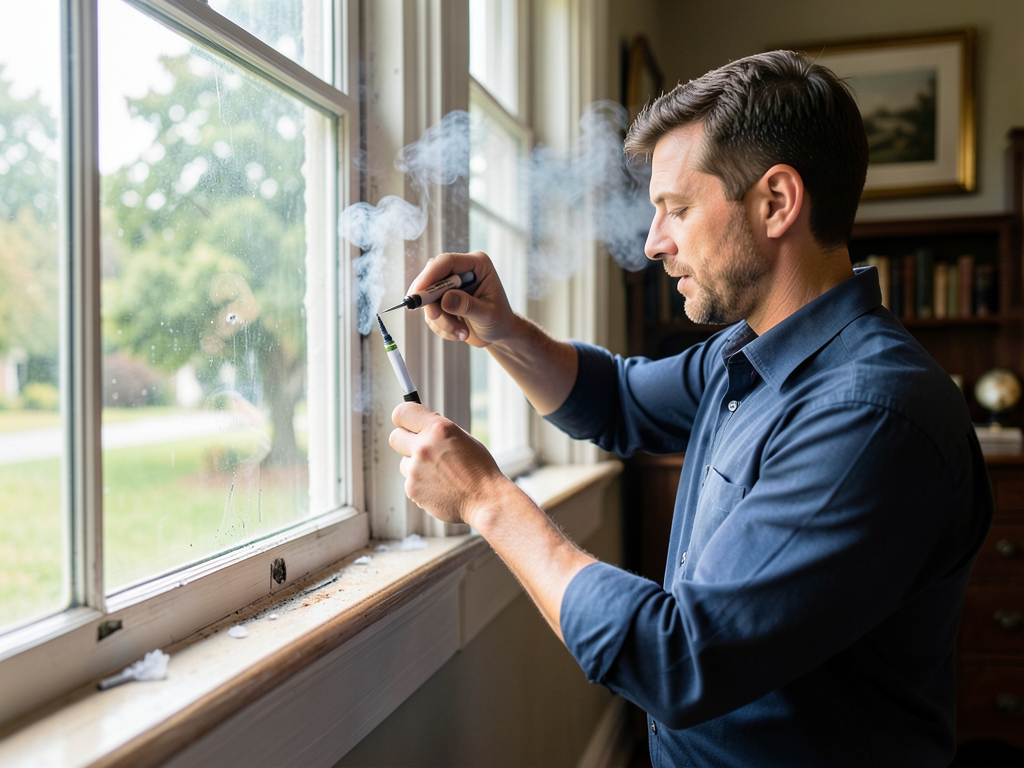
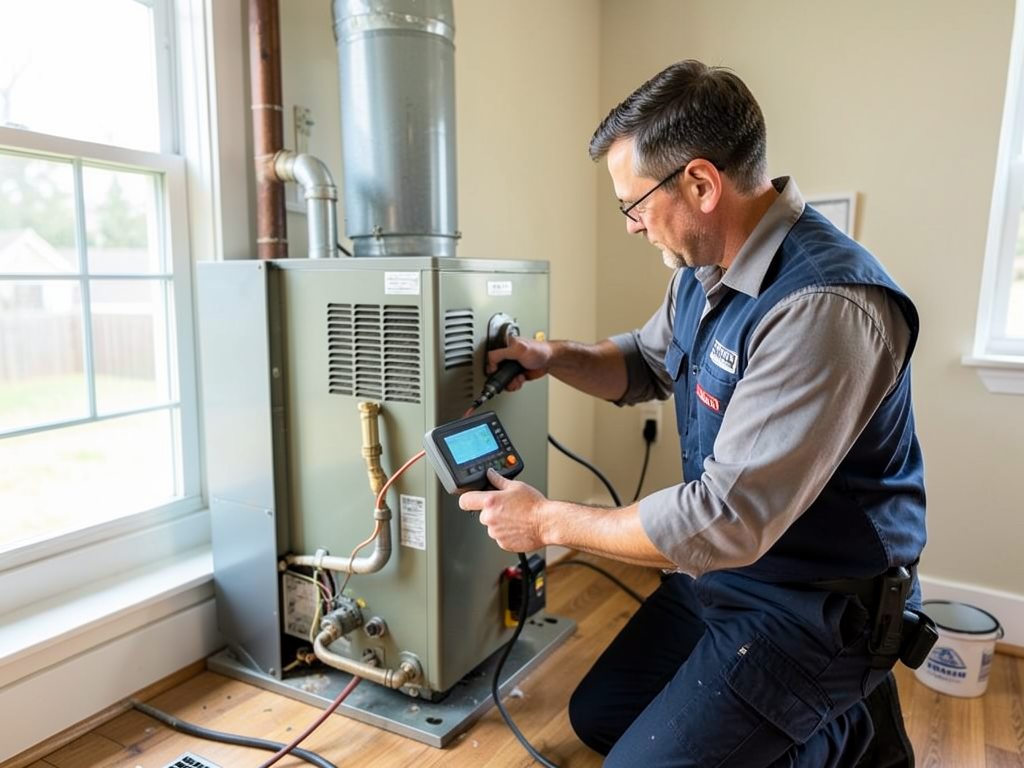
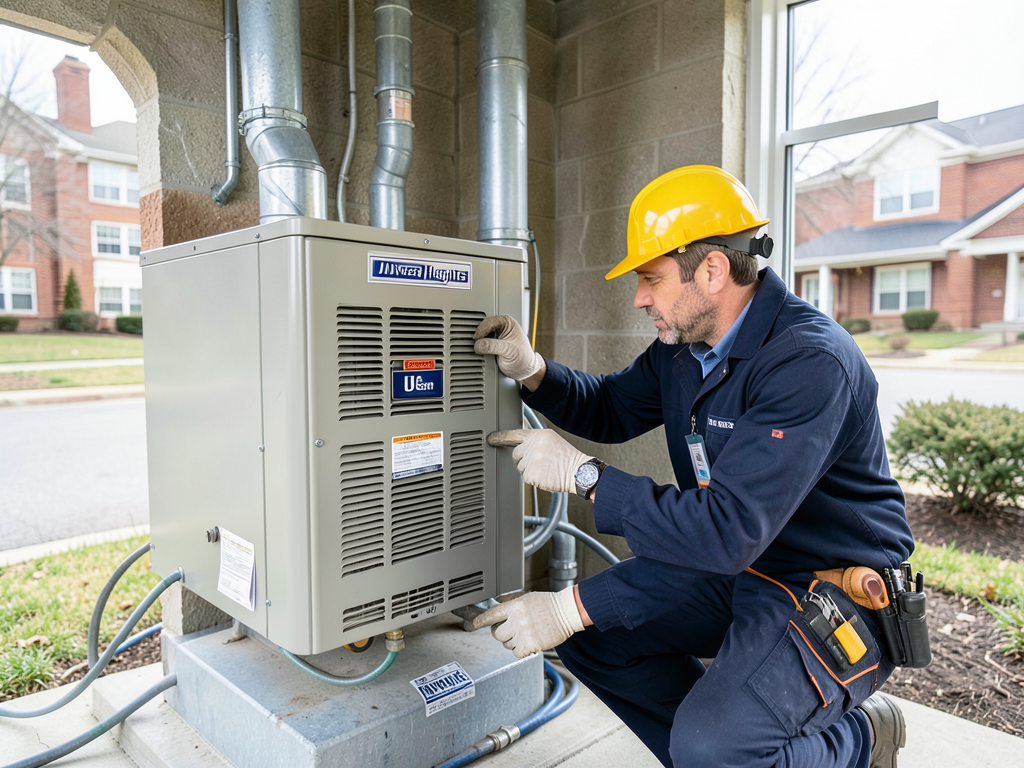
Buffalo receives an average of 95 inches of snow annually, with most falling as intense lake effect bands that dump multiple feet in hours. These weather events create challenges that heating systems in other cities never face. Snow buries exterior vents and fresh air intakes. Ice dams form on roofs, trapping moisture that increases humidity inside your home and stresses your furnace. Sub-zero wind chills freeze condensate lines that were not properly insulated. Your furnace runs continuously during these cold snaps, cycling 30 to 40 times per day instead of the normal 8 to 12 cycles. This extreme duty cycle reveals weaknesses in components that seemed fine during moderate weather. Proper winter HVAC preparation addresses these specific Buffalo conditions by insulating vulnerable components, protecting exterior vents, and stress-testing your system under simulated extreme load conditions.
Buffalo's residential HVAC systems must comply with New York State energy codes that mandate specific efficiency standards and safety requirements. These codes exist because Buffalo's climate demands reliable heating for resident safety. United HVAC Buffalo stays current with all code requirements and manufacturer technical service bulletins specific to cold climate operation. We understand which furnace models perform well in Buffalo conditions and which ones struggle. Our technicians receive factory training on the high-efficiency condensing furnaces that have become standard in new construction throughout Erie County. This local expertise matters because heating system winterization is not a generic service. The preparation your furnace needs in Buffalo differs significantly from what works in milder climates. We tailor every winterization service to address the specific challenges your system will face during Buffalo's winter season.