


Grand Island sits in a brutal microclimate between the upper and lower Niagara River, creating unique HVAC challenges most mainland neighborhoods never face. The island's position creates higher humidity levels year-round, forcing air conditioners to work harder removing moisture. Winter wind off the water drops temperatures 5-8 degrees colder than Buffalo proper, pushing furnaces beyond their rated capacity during polar vortex events.
Spring freeze-thaw cycles happen more frequently here than inland areas. Your outdoor condenser unit faces repeated expansion and contraction that cracks coils and loosens connections. Salt air from the river accelerates corrosion on metal components. Homes near Beaver Island State Park or along River Road face even harsher conditions.
The island's older housing stock in neighborhoods like Beaver Island Parkway and Town Hall Terrace means many systems were sized for 1970s insulation standards but now struggle with modern thermal loads. Add in the fact that Grand Island experiences more power fluctuations due to its isolated electrical grid, and you understand why HVAC systems here fail 30% more often than comparable units in Amherst or Clarence.
We keep trucks on the island. Not in Buffalo with a promise to "get there soon." On Grand Island. That means when your heat dies at midnight, we're at your door in minutes, not after a 20-minute bridge crossing. Our dispatch system prioritizes island calls because we understand the isolation factor. You can't just walk to a neighbor's house when you live on River Oaks Drive in winter.
Our technicians carry island-specific inventory. We stock the obsolete parts needed for older Luxaire and Rheem systems common in Ferry Village homes. We carry corrosion-resistant components for waterfront properties. We know that a standard condenser coil won't last three years near the river, so we install marine-grade alternatives that handle salt air.
We've mapped every HVAC challenge on this island. The Foundation at Grand Island housing development uses geothermal systems that most companies won't touch. We service them. The commercial buildings on Grand Island Boulevard require specialized rooftop unit expertise. We have it. The historic homes near Whitehaven require ductless solutions because retrofitting ducts would destroy original architecture. We install more mini-splits on Grand Island than any competitor.
Other companies treat Grand Island like an inconvenient service area. We built our reputation here. When you call United HVAC Buffalo, you're calling the team that responds to your neighbors, your local businesses, and the facilities that keep this community running.

We station service vehicles on Grand Island year-round. No bridge delays. No waiting for mainland dispatch. When your system fails, our closest truck is already on the island, stocked with parts specific to the equipment installed in Grand Island homes and businesses.

Standard HVAC parts corrode fast near the Niagara River. We install components rated for coastal environments on waterfront properties. Our technicians understand salt air degradation and spec equipment that survives Grand Island's unique microclimate instead of failing within warranty periods.
Grand Island has more geothermal installations than most Western New York communities. We're one of the few contractors who service these systems properly. Our technicians are certified on ground-source heat pumps and understand the unique diagnostic requirements these systems demand.
Many Grand Island homes predate central air. We specialize in ductless mini-split installations that provide modern comfort without destroying historic architecture. We've retrofitted dozens of River Road properties with heating and cooling that respects original construction while delivering contemporary performance.
United HVAC Buffalo handles every heating and cooling need across Grand Island's diverse property types. From emergency furnace repair in winter to central air installation before summer, we deliver fast, permanent solutions. Our service range covers residential emergencies, commercial maintenance contracts, and specialized installations that other contractors avoid.
We divide our expertise into three core service categories because Grand Island properties have distinct needs. Emergency repair requires different skills than system replacement. Commercial buildings demand different solutions than residential homes. We've structured our team to deliver expert service regardless of your situation, equipment type, or timeline. Whether you need a cracked heat exchanger replaced tonight or you're planning a whole-home HVAC upgrade for next month, we have the crew, the parts, and the expertise ready.
When your furnace quits at 3 AM or your AC fails during a heatwave, you need a truck immediately. We dispatch emergency crews 24/7/365 with fully-stocked vehicles. Our technicians diagnose fast and carry the parts to complete most repairs on the first visit. We fix failed igniters, cracked heat exchangers, refrigerant leaks, seized compressors, and every other failure mode that strikes Grand Island systems. No trip charges. No diagnostic delays. Just fast diagnosis and immediate repair to restore comfort.
Old systems fail. When repair costs approach replacement value, we install new high-efficiency equipment sized precisely for your home. We handle complete furnace installations, central air conditioning system replacement, and heat pump conversions. Our installations include proper load calculations, ductwork modifications when needed, and upgraded thermostats. We pull permits, coordinate inspections, and ensure your new system delivers rated efficiency. Every installation includes startup, airflow verification, and refrigerant charge confirmation to manufacturer specifications.
Regular maintenance prevents expensive failures. Our tune-up service includes full system inspection, cleaning, and adjustment. We check electrical connections, test capacitors, measure refrigerant charge, inspect heat exchangers for cracks, clean condensers, and verify airflow. Annual maintenance catches small problems before they become emergency repairs. We offer maintenance contracts that include priority emergency service, discounted repairs, and scheduled tune-ups that keep your system running efficiently through Grand Island's temperature extremes.
Grand Island's climate and housing stock create predictable HVAC failures. The island's high humidity loads, salt air exposure, and temperature extremes stress systems beyond normal wear patterns. Older homes lack proper insulation, forcing equipment to run longer cycles. Newer construction often has undersized ductwork from value-engineering during the building boom. We respond to these failures daily across every Grand Island neighborhood.
Understanding these common issues helps you recognize warning signs before complete system failure. Ignoring early symptoms turns a $300 repair into a $5,000 replacement. These four problems represent 70% of emergency calls we receive on Grand Island.
Salt air from the Niagara River accelerates corrosion on outdoor AC units. Condenser coils pit and leak refrigerant within 5-7 years on waterfront properties. Standard coils fail fast here. We see this constantly on River Road, Whitehaven Road, and properties near Beaver Island State Park. Marine-grade coils last three times longer.
Many Grand Island furnaces are oversized for their homes. Short-cycling creates thermal stress that cracks heat exchangers prematurely. We find cracked exchangers in 10-year-old furnaces that should last 20 years. This is dangerous because cracks allow carbon monoxide into your home. Yellow flames or soot around burners signal trouble.
Grand Island homes with original ductwork often have undersized returns. Restricted airflow freezes evaporator coils. You'll notice ice on refrigerant lines or weak airflow from vents. This destroys compressors if ignored. The problem compounds in humid weather when coils ice up faster. Dirty filters accelerate the problem. We fix dozens of these every summer.
Grand Island's isolated electrical grid experiences voltage fluctuations that kill capacitors. These failures prevent compressors and fan motors from starting. Your system hums but won't run. Capacitors are inexpensive parts but cause complete system failure. We carry every capacitor size used in Grand Island equipment for same-visit repair.
We answer the phone. A real person. Not a voicemail system. Not an answering service that takes a message. When you call United HVAC Buffalo, you talk to someone who can dispatch a truck immediately. Our intake process takes two minutes. We ask what's broken, where you're located on Grand Island, and what symptoms you're experiencing. Then we give you an honest arrival time and stick to it.
Our technicians arrive in fully-stocked trucks. We carry the parts needed to fix 90% of failures on the first visit. No "need to order parts" delays. We diagnose the problem, explain what failed and why, then provide upfront pricing before starting work. You approve the repair. We complete it. You have heat or air conditioning restored. That's the process.
When we say 45 minutes, we mean 45 minutes. Our dispatch system tracks truck locations on Grand Island in real time. We don't overbook and make you wait four hours. We give accurate arrival windows and call if anything changes. For true emergencies like failed heat in winter or no AC with elderly family members, we prioritize and arrive faster.
Our technicians explain what failed in plain language. No jargon. No scare tactics. We show you the broken part when possible. We provide written pricing before starting repairs. No hidden fees. No surprise charges. You know exactly what you're paying and why. If we find additional problems, we explain them and let you decide whether to address them now or later.
Every repair includes a warranty on parts and labor. If the same component fails within the warranty period, we return and fix it at no charge. We follow up after major repairs to verify the system is performing correctly. For complex repairs or installations, we schedule a return visit to check operation and answer questions. Your satisfaction determines our reputation on Grand Island.
We built this process around speed and certainty. You need heat or cooling restored, not a complicated multi-day process. Our three-step approach gets most systems running within hours of your call.
You call. We dispatch immediately. Our closest available truck heads to your Grand Island location while you're still on the phone. You receive a text with technician name, photo, and arrival time. Our trucks carry diagnostic tools and common replacement parts. We're not showing up to "take a look." We're arriving ready to fix the problem.
Our technician inspects your entire system, not just the obvious problem. We test electrical components, measure airflow, check refrigerant levels, and inspect heat exchangers. We identify the root cause and any related issues that could cause future failures. You get a complete picture of your system's condition and written pricing for recommended repairs.
Once you approve the repair, we complete it. Most jobs finish during the same visit. We test the system thoroughly, verify proper operation, and confirm you have full heating or cooling restored. You receive documentation of the work completed, warranty information, and maintenance recommendations. We clean up completely and answer any questions before leaving your property.
Grand Island falls under New York State Uniform Fire Prevention and Building Code enforcement with local amendments adopted by the Town of Grand Island Building Department. All HVAC installations require permits and inspections. We pull permits for every job that requires them and coordinate inspections with the Grand Island Building Department on Town Hall Terrace.
Furnace installations must meet ANSI Z21.47 venting standards and National Fuel Gas Code requirements. Heat exchangers require CO testing after installation. We use combustion analyzers to verify proper draft and safe operation. Air conditioning installations follow AHRI 210/240 certification standards for efficiency ratings. We perform refrigerant charge verification using superheat and subcooling measurements, not just operating pressure.
Ductwork modifications must meet ACCA Manual D standards for sizing and SMACNA construction standards for residential installations. Grand Island's older homes often have undersized return ducts that restrict airflow. We calculate required duct sizes based on actual CFM requirements, not guesswork. Undersized ducts cause frozen coils, reduced efficiency, and premature compressor failure.
Electrical work follows NEC Article 440 for air conditioning and refrigeration equipment. We install proper disconnect switches, correctly sized conductors, and GFCI protection where required. Many Grand Island homes have outdated electrical panels that need upgrades before installing modern high-efficiency equipment. We coordinate with licensed electricians when panel upgrades are needed.
Refrigerant handling follows EPA Section 608 protocols. Our technicians hold universal EPA certification for refrigerant recovery and charging. We recover old refrigerant before repairs, evacuate systems properly, and charge to manufacturer specifications using digital scales and gauges. Improper refrigerant charge reduces efficiency by 20% and shortens compressor life.
The Town of Grand Island requires permits for furnace replacement, AC installation, and major duct modifications. We handle all permit applications and schedule required inspections. Final inspection verifies proper installation, venting, electrical connections, and code compliance. Installing without permits creates liability and problems when selling your home.
Proper sizing requires Manual J load calculations based on your home's square footage, insulation, windows, and orientation. Oversized equipment short-cycles and fails early. Undersized equipment runs constantly and never reaches comfort. We perform room-by-room load calculations for every installation to ensure proper capacity and efficiency.
Quality installation determines equipment lifespan. We follow manufacturer specifications for clearances, venting, condensate drainage, and refrigerant line installation. We pressure-test refrigerant lines before charging, verify proper airflow using anemometers, and test all safety controls. Poor installation voids warranties and causes premature failure regardless of equipment quality.
R-22 refrigerant is phased out. Older AC systems using R-22 face expensive refrigerant costs when repairs require recharging. We explain replacement options versus repair for R-22 systems. New equipment uses R-410A refrigerant that requires different components and cannot be mixed with R-22. System age and refrigerant type affect repair versus replacement decisions.
Educational video explaining why HVAC systems on Grand Island NY fail faster than mainland properties due to salt air exposure, river humidity, and temperature fluctuations. Covers common failure modes including corroded condenser coils, cracked heat exchangers, frozen evaporator coils, and failed capacitors. Presented by United HVAC Buffalo technicians with specific examples from Grand Island neighborhoods and waterfront properties. Includes maintenance recommendations and warning signs for homeowners.
United HVAC Buffalo services every corner of Grand Island from Beaver Island State Park to the southern tip near the South Grand Island Bridge. We respond to emergency calls in the Town Hall Terrace area near Grand Island Boulevard, the established neighborhoods along Whitehaven Road, and the waterfront properties on River Road facing the Niagara River. Our trucks regularly service the residential communities around Ferry Village, the newer construction developments near The Foundation at Grand Island, and the historic homes scattered throughout the island's interior.
The northern sections of Grand Island near Beaver Island Parkway face harsher weather exposure and salt air that accelerates HVAC corrosion. We stock marine-grade components specifically for these properties. The central island neighborhoods along Bedell Road and Baseline Road have a mix of older and newer construction with varying duct systems and equipment ages. We've worked on practically every street in these areas and know the common installation types.
Properties along East River Road and West River Road face unique challenges from river proximity. Higher humidity, temperature fluctuations from water effects, and increased corrosion require different maintenance approaches than inland properties. We adjust our service recommendations based on your specific location because what works for a home on Stony Point Road won't necessarily work for a property on Love Road near the water.
The southern portions of Grand Island near Interstate 190 include both residential and commercial properties requiring different service approaches. We handle commercial HVAC for businesses along Grand Island Boulevard while maintaining residential systems in surrounding neighborhoods. Our familiarity with Grand Island's geography means faster response times and better parts stocking because we know what equipment types dominate each area. When you call from Huth Road, we know what systems are common there. When you call from a waterfront property, we bring corrosion-resistant components.
HVAC system replacement expenses in Grand Island depend on your home size, system type, and efficiency rating. A standard system for a typical home runs several thousand dollars, while high-efficiency units increase the investment. Factors affecting price include ductwork modifications, removal of old equipment, and installation complexity. Get multiple quotes from local contractors. They will assess your home and provide accurate estimates. Most contractors offer financing options to spread payments over time. Energy-efficient systems save money on utility bills, which offsets the initial investment over the system's lifespan.
Your Grand Island home needs a properly sized HVAC system based on square footage, insulation quality, window count, and ceiling height. A professional load calculation determines the right size. Systems range from 1.5 to 5 tons for residential homes. Oversized systems cycle on and off frequently, wasting energy and reducing comfort. Undersized systems run constantly and struggle to maintain temperature. Most Grand Island homes between 1,500 and 2,000 square feet need a 2.5 to 3-ton system. Schedule an assessment with a local contractor for accurate sizing recommendations.
Schedule furnace maintenance once per year in Grand Island, preferably in early fall before heating season begins. Annual service includes cleaning burners, checking gas connections, testing safety controls, and inspecting the heat exchanger. Regular maintenance prevents mid-winter breakdowns and extends equipment life. Technicians catch small problems before they become expensive repairs. Clean furnaces run more efficiently, lowering your heating bills. If you have an older furnace or notice unusual sounds or smells, schedule service immediately. Some contractors offer maintenance plans with priority service and discounts on repairs.
HVAC system replacement expenses in Grand Island depend on your home size, system type, and efficiency rating. A standard system for a typical home runs several thousand dollars, while high-efficiency units increase the investment. Factors affecting price include ductwork modifications, removal of old equipment, and installation complexity. Get multiple quotes from local contractors. They will assess your home and provide accurate estimates. Most contractors offer financing options to spread payments over time. Energy-efficient systems save money on utility bills, which offsets the initial investment over the system's lifespan.
Your Grand Island home needs a properly sized HVAC system based on square footage, insulation quality, window count, and ceiling height. A professional load calculation determines the right size. Systems range from 1.5 to 5 tons for residential homes. Oversized systems cycle on and off frequently, wasting energy and reducing comfort. Undersized systems run constantly and struggle to maintain temperature. Most Grand Island homes between 1,500 and 2,000 square feet need a 2.5 to 3-ton system. Schedule an assessment with a local contractor for accurate sizing recommendations.
Schedule furnace maintenance once per year in Grand Island, preferably in early fall before heating season begins. Annual service includes cleaning burners, checking gas connections, testing safety controls, and inspecting the heat exchanger. Regular maintenance prevents mid-winter breakdowns and extends equipment life. Technicians catch small problems before they become expensive repairs. Clean furnaces run more efficiently, lowering your heating bills. If you have an older furnace or notice unusual sounds or smells, schedule service immediately. Some contractors offer maintenance plans with priority service and discounts on repairs.
Several issues cause air conditioners to stop cooling Grand Island homes effectively. Low refrigerant from leaks prevents proper cooling. Dirty air filters restrict airflow and reduce efficiency. Frozen evaporator coils indicate airflow problems or refrigerant issues. Thermostat malfunctions send wrong signals to your system. Clogged condensate drains shut systems down for safety. Outdoor units blocked by debris or vegetation struggle to release heat. Aging systems lose efficiency over time. Check your air filter first. If the problem persists, call a local technician to diagnose and repair the issue.
Grand Island requires building permits for HVAC system replacements. Your contractor typically handles permit applications and scheduling inspections. Permits ensure installations meet local building codes and safety standards. The process involves submitting plans, paying permit fees, and passing final inspection. Work without permits risks fines and complications when selling your home. Inspectors verify proper installation, adequate ventilation, and correct electrical connections. The permit process usually adds a few days to your project timeline. Choose licensed contractors familiar with Grand Island requirements to ensure smooth permit processing and code compliance.
HVAC installations in Grand Island typically take one to three days. Simple system replacements in homes with existing ductwork finish in one day. Complex installations requiring ductwork modifications, electrical upgrades, or structural changes take longer. Factors affecting timeline include system type, accessibility, and weather conditions. Your contractor provides a specific timeline after assessing your home. Most residential installations complete in one full day. Crews remove old equipment, install new systems, test operation, and clean up. You will have heating or cooling restored the same day in most situations.
Grand Island contractors frequently recommend Carrier, Trane, Lennox, Rheem, and Goodman for residential HVAC systems. These brands offer reliable performance, strong manufacturer support, and readily available parts. Carrier and Trane provide premium options with advanced features. Lennox offers excellent efficiency ratings. Rheem and Goodman deliver solid performance at accessible price points. Your contractor will recommend brands they service and stock parts for locally. Focus on proper installation and regular maintenance rather than brand alone. A correctly installed mid-range system outperforms a poorly installed premium unit. Ask contractors which brands they trust for Grand Island weather conditions.
Lower your Grand Island heating bills by sealing air leaks around windows, doors, and outlets. Add insulation to attics and walls to reduce heat loss. Install a programmable thermostat to lower temperatures when you sleep or leave home. Change furnace filters monthly during winter. Keep vents and registers clear of furniture and drapes. Close blinds at night to reduce heat loss through windows. Open them during sunny days for free heat. Schedule annual furnace maintenance for peak efficiency. Consider upgrading to a high-efficiency furnace if yours is over 15 years old.
Replace your Grand Island furnace if it exceeds 15 years old, requires frequent repairs, or shows declining efficiency. Calculate your repair expenses over the past two years. If repairs approach half the replacement expense, invest in a new system. Warning signs include yellow pilot light flames, strange noises, uneven heating, or rising utility bills. New furnaces offer better efficiency, lower operating expenses, and improved comfort. Repair makes sense for newer furnaces with minor issues. Get quotes for both options from local contractors. They will assess your furnace condition and help you make an informed decision.
SEER measures air conditioning efficiency. Higher numbers mean lower operating expenses. SEER stands for Seasonal Energy Efficiency Ratio. Modern systems range from 14 to 25 SEER. Grand Island homeowners benefit from higher SEER ratings during hot summers. The minimum legal SEER for new systems is 14 in New York. Each SEER point above the minimum reduces cooling expenses by about five percent. Systems rated 16 SEER or higher qualify for utility rebates. Balance upfront investment with long-term savings. Most Grand Island homes find 16 to 18 SEER systems offer the best value.
Several issues cause air conditioners to stop cooling Grand Island homes effectively. Low refrigerant from leaks prevents proper cooling. Dirty air filters restrict airflow and reduce efficiency. Frozen evaporator coils indicate airflow problems or refrigerant issues. Thermostat malfunctions send wrong signals to your system. Clogged condensate drains shut systems down for safety. Outdoor units blocked by debris or vegetation struggle to release heat. Aging systems lose efficiency over time. Check your air filter first. If the problem persists, call a local technician to diagnose and repair the issue.
Grand Island requires building permits for HVAC system replacements. Your contractor typically handles permit applications and scheduling inspections. Permits ensure installations meet local building codes and safety standards. The process involves submitting plans, paying permit fees, and passing final inspection. Work without permits risks fines and complications when selling your home. Inspectors verify proper installation, adequate ventilation, and correct electrical connections. The permit process usually adds a few days to your project timeline. Choose licensed contractors familiar with Grand Island requirements to ensure smooth permit processing and code compliance.
HVAC installations in Grand Island typically take one to three days. Simple system replacements in homes with existing ductwork finish in one day. Complex installations requiring ductwork modifications, electrical upgrades, or structural changes take longer. Factors affecting timeline include system type, accessibility, and weather conditions. Your contractor provides a specific timeline after assessing your home. Most residential installations complete in one full day. Crews remove old equipment, install new systems, test operation, and clean up. You will have heating or cooling restored the same day in most situations.
Grand Island contractors frequently recommend Carrier, Trane, Lennox, Rheem, and Goodman for residential HVAC systems. These brands offer reliable performance, strong manufacturer support, and readily available parts. Carrier and Trane provide premium options with advanced features. Lennox offers excellent efficiency ratings. Rheem and Goodman deliver solid performance at accessible price points. Your contractor will recommend brands they service and stock parts for locally. Focus on proper installation and regular maintenance rather than brand alone. A correctly installed mid-range system outperforms a poorly installed premium unit. Ask contractors which brands they trust for Grand Island weather conditions.
Lower your Grand Island heating bills by sealing air leaks around windows, doors, and outlets. Add insulation to attics and walls to reduce heat loss. Install a programmable thermostat to lower temperatures when you sleep or leave home. Change furnace filters monthly during winter. Keep vents and registers clear of furniture and drapes. Close blinds at night to reduce heat loss through windows. Open them during sunny days for free heat. Schedule annual furnace maintenance for peak efficiency. Consider upgrading to a high-efficiency furnace if yours is over 15 years old.
Replace your Grand Island furnace if it exceeds 15 years old, requires frequent repairs, or shows declining efficiency. Calculate your repair expenses over the past two years. If repairs approach half the replacement expense, invest in a new system. Warning signs include yellow pilot light flames, strange noises, uneven heating, or rising utility bills. New furnaces offer better efficiency, lower operating expenses, and improved comfort. Repair makes sense for newer furnaces with minor issues. Get quotes for both options from local contractors. They will assess your furnace condition and help you make an informed decision.
SEER measures air conditioning efficiency. Higher numbers mean lower operating expenses. SEER stands for Seasonal Energy Efficiency Ratio. Modern systems range from 14 to 25 SEER. Grand Island homeowners benefit from higher SEER ratings during hot summers. The minimum legal SEER for new systems is 14 in New York. Each SEER point above the minimum reduces cooling expenses by about five percent. Systems rated 16 SEER or higher qualify for utility rebates. Balance upfront investment with long-term savings. Most Grand Island homes find 16 to 18 SEER systems offer the best value.
We are proud to serve the entire Buffalo area and its surrounding communities with our expert HVAC services. Our centrally located team allows us to respond quickly to your needs, whether you are in the city or a nearby suburb. We are committed to being your local, trusted resource for all things heating and cooling, and we look forward to serving you right where you are.
Address:
Grand Island, NY, 14072
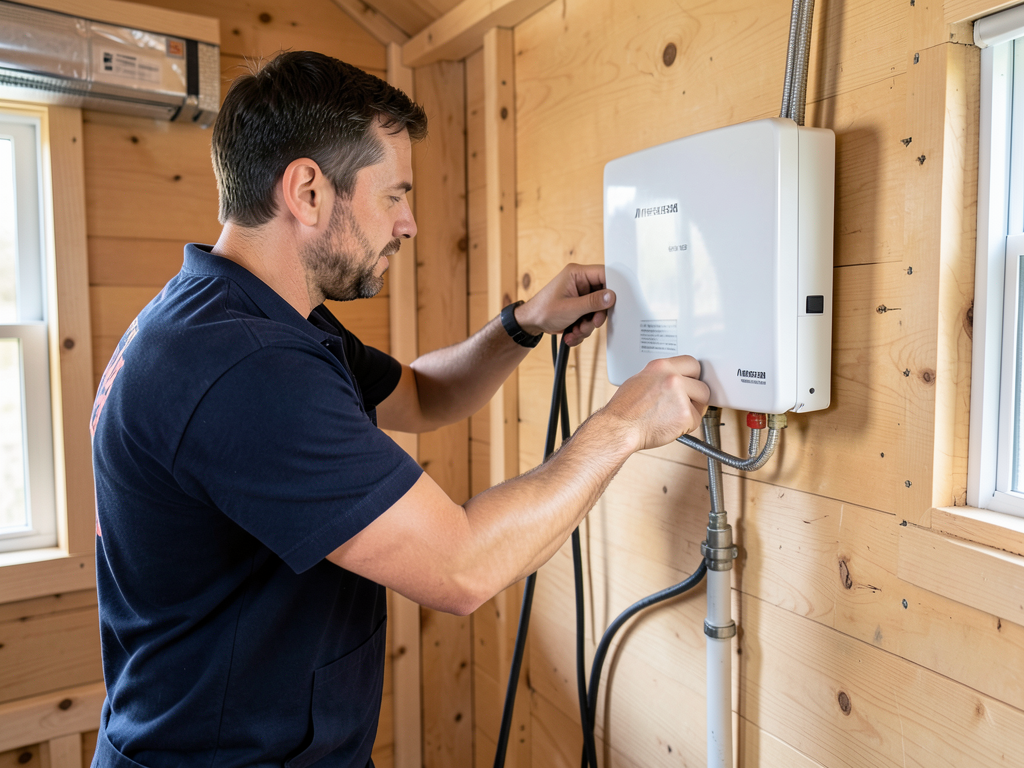
How to Heat a Small Accessory Dwelling Unit or Tiny Home in Williamsville Keeping a tiny home or accessory dwelling unit warm in Williamsville means understanding both the extreme Western New York climate and the…
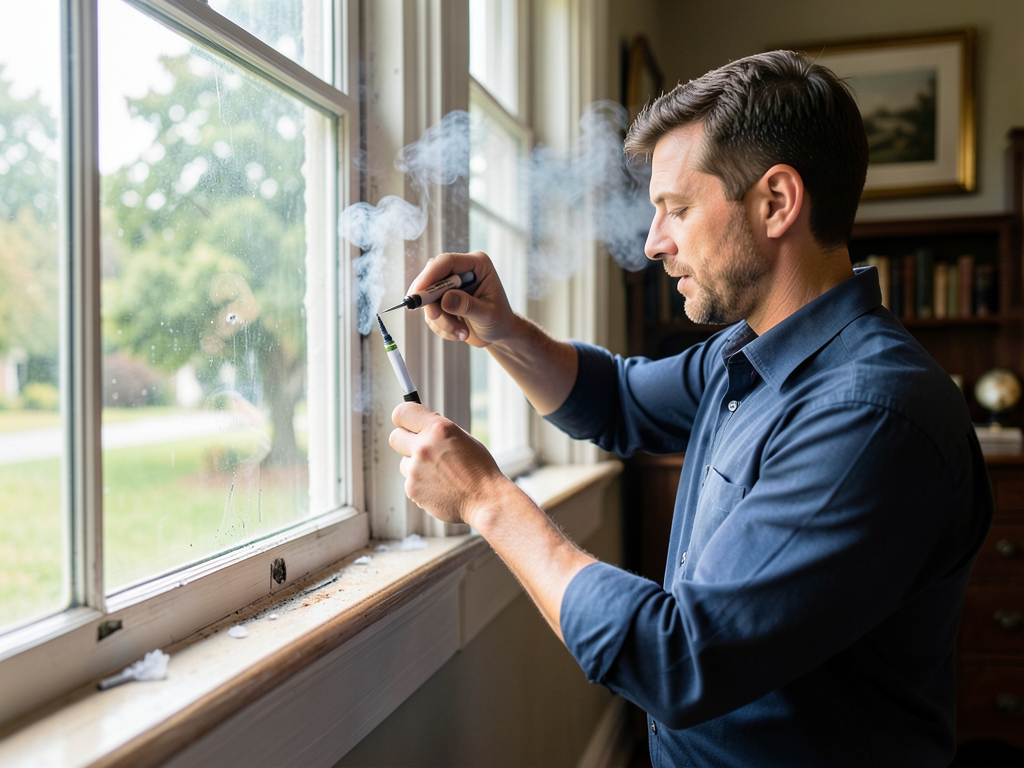
Managing Excessive Dust in Your South Buffalo Home During High Wind Events South Buffalo homes…
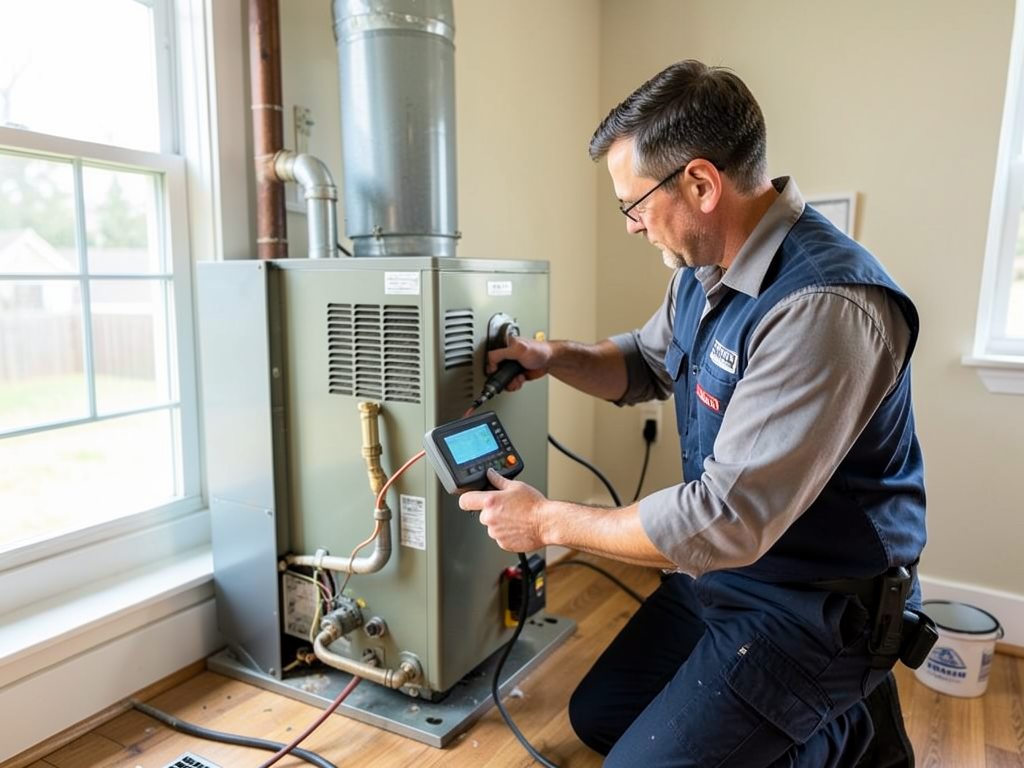
Is it Better to Pay for a Monthly HVAC Maintenance Plan or Just Call When…
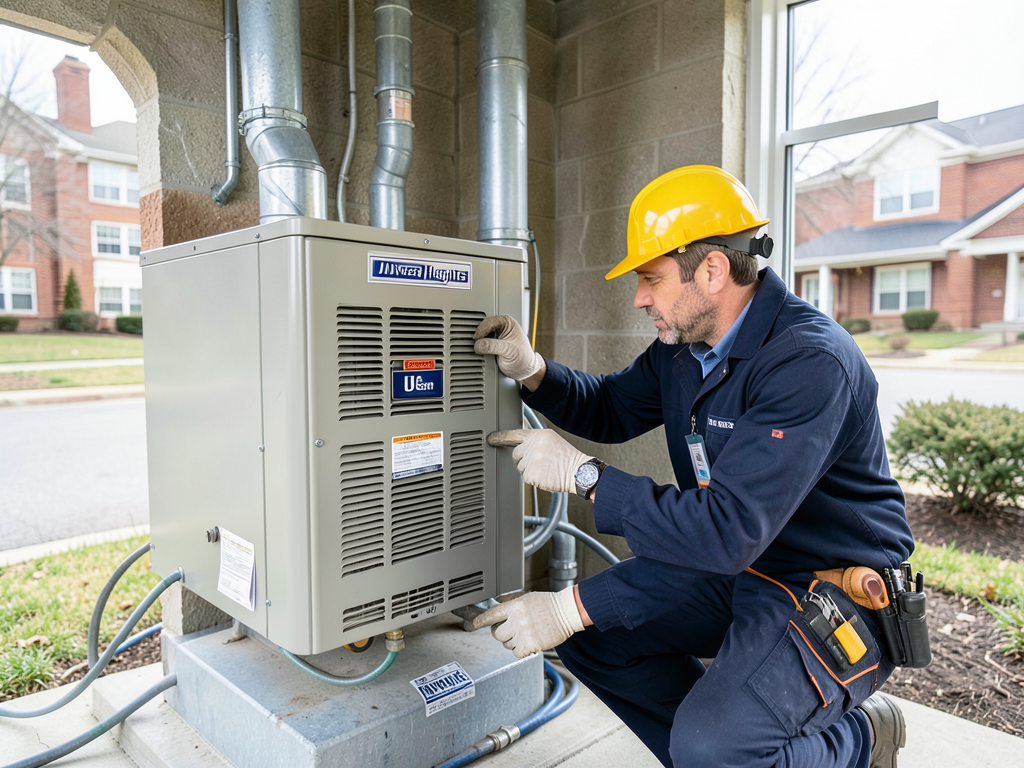
The Homeowners Guide to Buying a New HVAC System for a Rental Property in University…
Don't wait until tomorrow. Don't suffer through the night without heat or cooling. Call United HVAC Buffalo right now at (716) 317-7757. We dispatch immediately, arrive fast, and fix it right. Real technicians. Real trucks on Grand Island. Real solutions tonight.