menu

AC Blowing Warm Air in Buffalo – Get Expert Diagnosis and Fast Repairs Today

When your air conditioning stops working right, you need a technician who can pinpoint the exact cause and fix it correctly the first time, not someone who guesses and replaces parts you don't need.

Slider Image 1
Slider Image 2
Slider Image 3
Slider Image 4
Slider Image 5
Slider Image 7
Slider Image 8
Slider Image 9
Slider Image 10
Slider Image 11

Why Your AC Blowing Warm Air Is More Than Just Annoying in Buffalo

You turn down the thermostat. Nothing changes. Your air conditioner blowing hot air feels like a betrayal when you need it most. You stand at the vents, confused, because your AC is running but not cooling. The compressor hums outside. The blower moves air. But your air conditioning not blowing cold air makes your home unbearable.

Buffalo's summer humidity compounds the problem. When central air blowing warm air combines with 80 percent humidity, your home becomes a swamp. Mold starts growing faster. Sleep becomes impossible. Your electric bill climbs because the system runs constantly while accomplishing nothing.

Most warm air problems stem from five causes. Refrigerant leaks top the list. A leak drops your refrigerant charge, and your evaporator coil can't absorb heat. The compressor runs, but the physics fail. AC vents blowing hot air is the result.

Frozen evaporator coils rank second. When airflow drops due to a clogged filter or failed blower motor, the coil temperature plummets below freezing. Ice builds. The ice blocks airflow. Your system blows warm air because no air passes over the cold coil.

Failed compressors, reversed reversing valves (in heat pumps), and broken thermostats round out the common causes. Each requires different diagnostics. Guessing wastes your money. Proper troubleshooting identifies the real problem in minutes.

Buffalo's lake effect weather creates unique challenges. Temperature swings from 30 degrees in May to 90 degrees in July stress HVAC systems harder than moderate climates. Components fail faster. Regular maintenance catches these failures before they leave you sweating.

Why Your AC Blowing Warm Air Is More Than Just Annoying in Buffalo
How We Diagnose AC Blowing Warm Air the Right Way

How We Diagnose AC Blowing Warm Air the Right Way

We don't guess. We use a systematic diagnostic process that eliminates variables one by one until we isolate the exact failure point. This saves you money because we only fix what's broken.

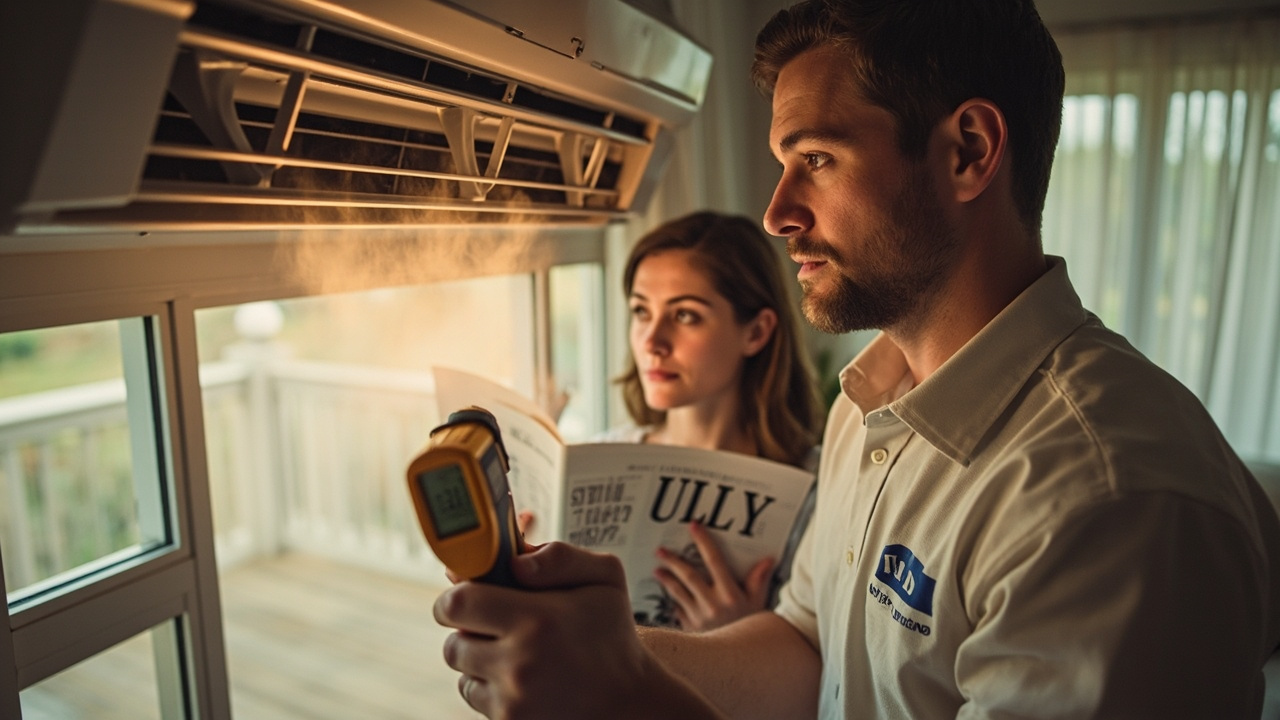
First, we measure supply and return air temperatures. A properly functioning AC should show a 15 to 20 degree temperature drop across the evaporator coil. If we measure 78 degrees at the return and 76 degrees at the supply, we know the refrigeration cycle has failed. If we see 78 degrees return and 55 degrees supply, the system works fine and the problem lies elsewhere, possibly in ductwork or zoning.

Next, we check refrigerant pressures at both the suction and discharge lines. Low suction pressure combined with low superheat indicates a refrigerant leak. High suction pressure with low superheat points to an overcharge or failed expansion device. We use these pressure readings to create a refrigerant saturation curve that tells us exactly what's happening inside your system.

We inspect electrical components with voltage and amperage measurements. A compressor drawing 30 amps on a 20 amp rated circuit indicates a mechanical failure inside the compressor. A blower motor pulling low amperage suggests bearing failure or capacitor problems.

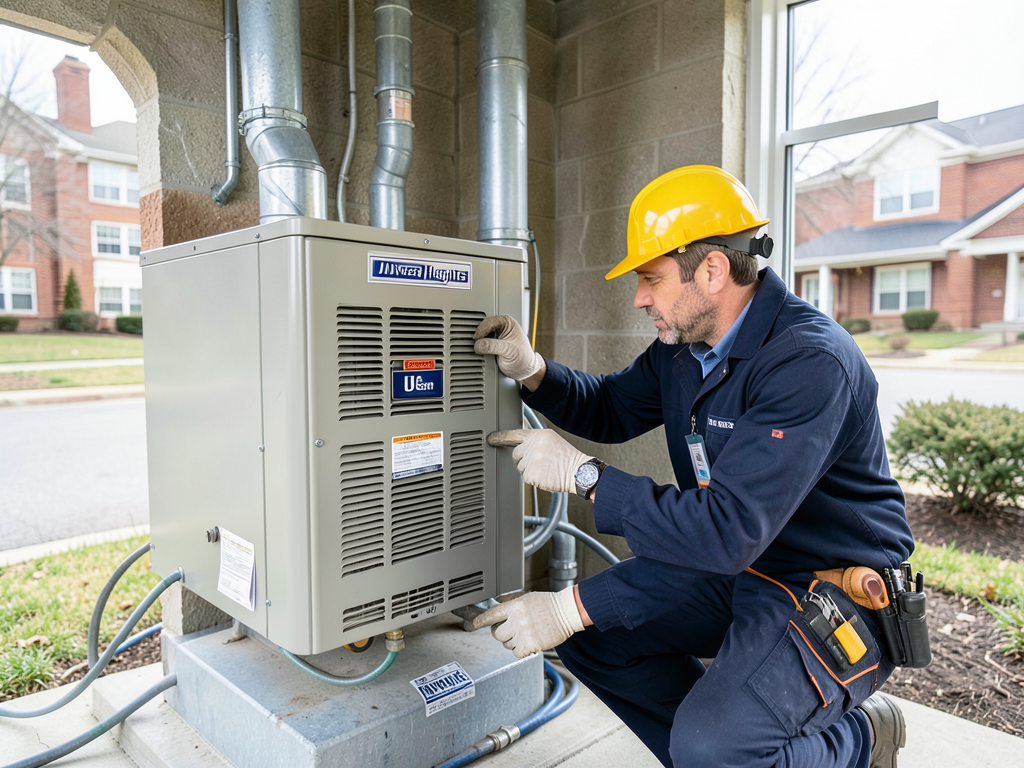
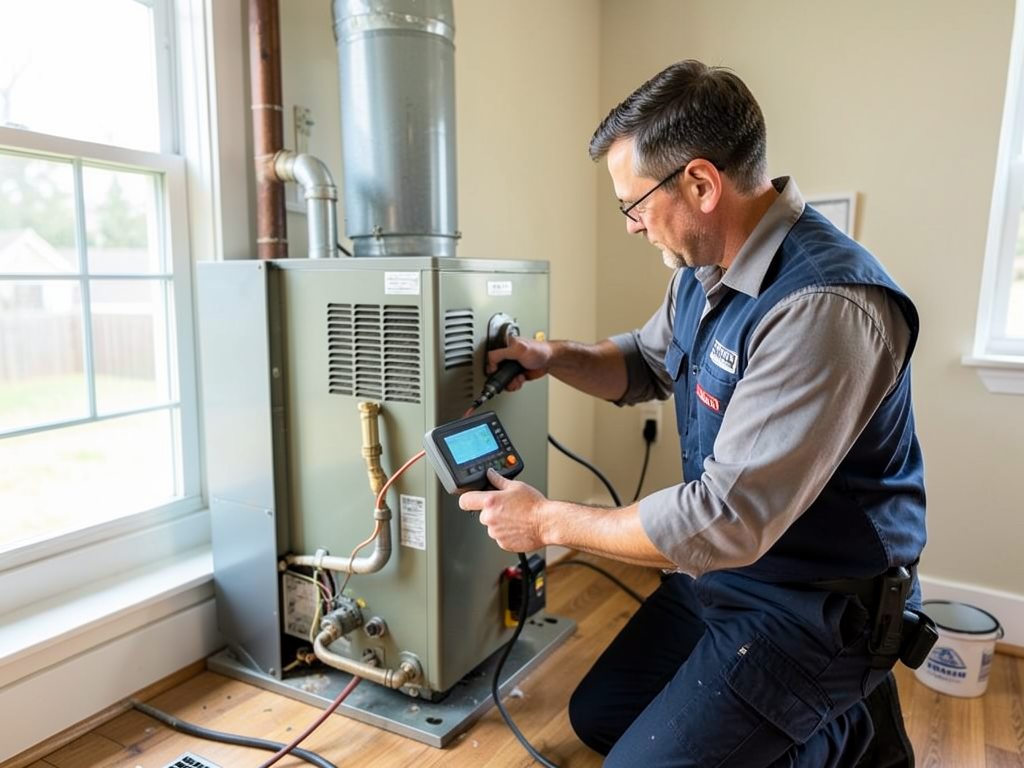
United HVAC Buffalo technicians carry diagnostic tools most competitors skip. Our digital manifold gauges read subcooling and superheat automatically. Our combustion analyzers (for heat pump systems with auxiliary heat) verify safe operation. Our thermal imaging cameras spot hot spots in electrical panels before they cause fires.

We document everything. You get a written diagnostic report showing actual measurements, not vague descriptions. You see the failed component. You understand why it failed. You make informed decisions about repairs.

What Happens When You Call Us About Warm Air

AC Blowing Warm Air in Buffalo – Get Expert Diagnosis and Fast Repairs Today
01

Immediate Phone Diagnosis

When you call, we ask specific questions that narrow down the problem before we arrive. Is the outdoor unit running? Is the indoor blower moving air? When did you last change the filter? These answers tell us which tools to bring and which parts to stock on the truck. We schedule a two-hour arrival window, not a vague "sometime today" promise. You get a text when the technician is 15 minutes away.
02

On-Site System Analysis

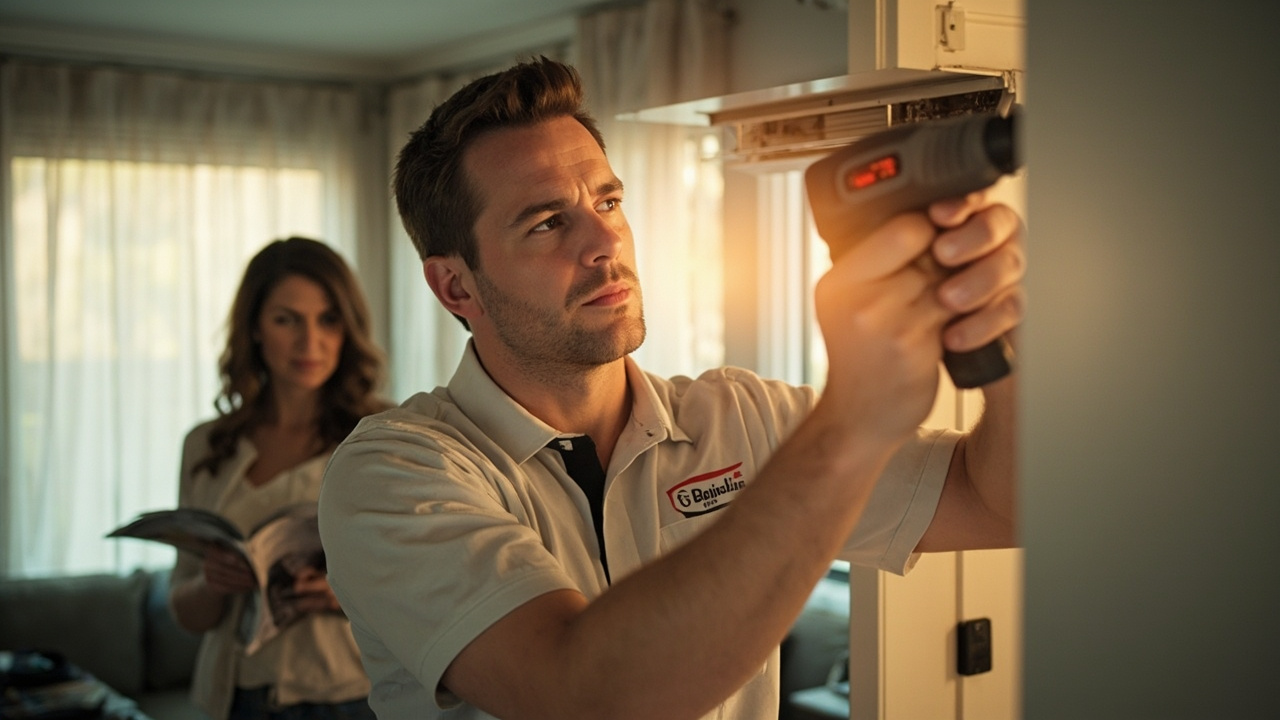
We test your system under load, not just static conditions. We measure temperatures, pressures, voltages, and amperages while your AC runs. We check airflow with a manometer across the evaporator coil. We inspect refrigerant lines for oil stains that indicate leaks. We pull the disconnect and inspect contactor pitting. We examine capacitor microfarad ratings with a meter. This process takes 30 to 45 minutes and identifies the exact failure point.
03

Repair and Verification

After you approve the repair, we fix it right. If we replace a compressor, we also replace the filter drier and flush the lines. If we repair a refrigerant leak, we pressure test the system before recharging. After repairs, we run the system for 15 minutes and re-measure all parameters to verify proper operation. You get cold air before we leave. We don't come back tomorrow to "see if it holds."

Why Buffalo Residents Trust Us with AC Repairs

Buffalo's building stock creates unique HVAC challenges. Homes built in the 1920s through 1940s often have undersized ductwork added during later renovations. Split level homes from the 1960s have bizarre zoning issues. Modern construction in Amherst and Clarence uses high-velocity mini-duct systems that most technicians have never seen.

We work on all of them. Our technicians train on legacy systems and cutting-edge equipment. We stock parts for 20-year-old Carrier units and brand new Mitsubishi mini-splits. When we say we can fix it, we mean it.

Local building codes in Erie County require specific refrigerant handling procedures. Refrigerant recovery isn't optional. It's law. We follow EPA Section 608 protocols on every job. Our technicians hold universal refrigerant certifications. We document refrigerant recovery weights and disposal. Fly-by-night companies skip these steps. You pay the fine when code enforcement shows up.

We understand Buffalo's seasonal patterns. Your AC breaks in July, not October. We staff accordingly. Our call volume in summer is triple our winter volume. Other companies let calls go to voicemail. We answer. We dispatch. We fix it today.

United HVAC Buffalo maintains relationships with local supply houses. We get parts same-day that other companies wait three days to receive. A compressor failure doesn't mean a week without AC. We pull strings. We call in favors. We get you up and running fast.

You also get straight answers about repair versus replacement. A 15-year-old builder-grade AC with a failed compressor probably isn't worth repairing. We'll tell you that. A five-year-old premium unit with a bad capacitor? That's a 20-minute fix. We don't upsell. We give you options and let you decide.

What to Expect When We Fix Your AC

Same-Day Service Availability

We dispatch technicians seven days a week during cooling season, May through September. Most service calls get scheduled within four hours of your call. Emergency situations like total system failure in extreme heat get priority dispatch. We stock common failure parts on every truck, including capacitors, contactors, thermostats, and refrigerant. Simple repairs happen on the first visit. Complex repairs requiring specialty parts get scheduled within 24 hours once parts arrive. You're never waiting a week for a fix. We understand Buffalo summers are short. You don't want to waste three of them waiting for AC repair.

Transparent Diagnostic Process

You pay a trip charge that covers the first hour of diagnostics. If you proceed with repairs, we credit that charge toward the work. The technician shows you the failed component and explains why it failed. You see the pressure readings. You see the temperature measurements. You get a written estimate before any repair work starts. The estimate includes parts, labor, and any code-required upgrades like refrigerant recovery or electrical disconnects. No surprise charges appear later. The price we quote is the price you pay. If diagnostics reveal multiple problems, we prioritize them by urgency and cost so you can make informed decisions about what to fix now versus later.

Quality Parts and Workmanship

We install OEM or equivalent-quality parts, not cheap aftermarket components that fail in six months. Capacitors are rated for 10,000-hour operation minimums. Contactors meet NEMA specifications. Refrigerant is virgin, not reclaimed. When we braze refrigerant lines, we flow nitrogen to prevent scale buildup inside the pipes. When we replace compressors, we install new filter driers and flush the system with refrigerant to remove contaminants. These steps take extra time. They prevent callbacks. Your system runs reliably for years after our repairs. We also test safety controls like high pressure switches and verify proper condenser fan operation to prevent future failures.

Post-Repair Support and Maintenance

Every repair includes a follow-up call three days later to verify the system still runs correctly. If you notice any issues after we leave, you call us back at no additional trip charge within seven days. We stand behind our work. We also offer maintenance agreements that include annual inspections, priority scheduling, and discounts on future repairs. Regular maintenance prevents most AC failures. A yearly inspection costs less than one emergency compressor replacement. We check refrigerant levels, clean coils, test capacitors, inspect electrical connections, and verify proper airflow. These simple steps extend your system's life by five to seven years and cut your cooling costs by 15 percent.

Frequently Asked Questions

You Have Questions,
We Have Answers

Why is my AC suddenly blowing warm air? +

Your AC blows warm air due to refrigerant leaks, a dirty air filter restricting airflow, a frozen evaporator coil, or a failed compressor. In Buffalo's humid summers, a clogged condensate drain can also cause the system to freeze and shut down cooling. Thermostat issues or electrical failures trigger warm air too. Check your air filter first. If it looks clean and the outdoor unit runs but produces no cool air, you have a mechanical or refrigerant problem. Turn the system off and call a technician to diagnose before the heat causes internal damage.

Should I turn off the AC if it is blowing warm air? +

Yes. Turn off your AC if it blows warm air for more than 30 minutes. Continuing to run the system wastes electricity and can damage the compressor. In Buffalo's summer humidity, a frozen evaporator coil often causes warm air. Running the system while frozen makes the problem worse. Switch to fan-only mode or turn the system off completely for 2-4 hours to let ice melt. If warm air persists after thawing, you have a deeper issue like low refrigerant or compressor failure. Schedule a repair call instead of cycling the system on and off.

Why is my AC running but not cooling? +

Your AC runs but does not cool because of low refrigerant, a dirty condenser coil, a failed compressor, or a broken reversing valve stuck in heating mode. Buffalo's pollen and tree debris clog outdoor coils fast, blocking heat transfer. A tripped breaker to the outdoor unit leaves only the indoor blower running. Check that both units operate. If the outdoor fan spins but the compressor stays silent, the compressor or capacitor failed. If the outdoor unit is off completely, reset the breaker. Persistent issues require refrigerant testing and component replacement.

How to reset AC not blowing cold air? +

Turn off the AC at the thermostat. Flip the circuit breaker for the air handler and outdoor unit to off. Wait 5 minutes to let internal pressures equalize and electrical components reset. Flip breakers back on. Wait another 5 minutes before turning the thermostat to cool. This reset clears minor electrical glitches and allows the compressor to restart safely. If cool air does not return within 15 minutes, the problem is mechanical, not electrical. You need a technician to check refrigerant levels, the compressor, and the expansion valve before further damage occurs.

What is the 3 minute rule for AC? +

The 3 minute rule means you must wait 3 minutes after shutting off your AC before restarting it. This delay lets refrigerant pressures balance between the high and low sides of the system. Restarting too soon forces the compressor to start against high pressure, which can burn out the motor or trip the breaker. Most modern thermostats have a built-in delay. If you manually reset the system or power returns after an outage, wait the full 3 minutes. Buffalo's summer storms cause frequent power flickers, so this rule protects your compressor from voltage stress.

What are signs of a failing AC compressor? +

A failing compressor makes loud grinding, clicking, or banging noises from the outdoor unit. The unit struggles to start, trips the breaker, or hums without running. You notice warm air, reduced airflow, or the system short cycles on and off every few minutes. In Buffalo's freeze-thaw climate, compressor valves weaken over time. Refrigerant leaks often accompany compressor failure. You may see ice on refrigerant lines or the outdoor coil. If the compressor runs hot to the touch or the unit vibrates excessively, shut the system down and call for diagnostics immediately.

Can I fix warm AC myself? +

You can replace a dirty air filter, clear debris from the outdoor unit, and check the thermostat batteries. These fixes solve minor airflow problems. You cannot fix refrigerant leaks, compressor failures, or frozen coils yourself. Refrigerant handling requires EPA certification. Opening the refrigerant system without proper tools causes further leaks and environmental violations. In Buffalo, attempting DIY refrigerant work in humid conditions increases the risk of moisture contamination, which destroys the compressor. If cleaning the filter and outdoor coil does not restore cool air within an hour, stop troubleshooting and schedule a professional repair.

What is the $5000 rule for AC? +

The $5000 rule is an HVAC replacement guideline. Multiply the repair cost by the age of your system. If the result exceeds $5000, replace the unit instead of repairing it. For example, a $500 repair on a 12 year old system equals $6000, so replacement makes sense. A $300 repair on a 5 year old unit equals $1500, so repair it. In Buffalo's climate, systems older than 12 years struggle with humidity control and efficiency. This rule helps you avoid sinking money into a system nearing failure, but evaluate insulation and ductwork condition too.

How to tell if AC is low on refrigerant? +

Low refrigerant causes ice buildup on the evaporator coil or refrigerant lines, reduced airflow, hissing sounds near the outdoor unit, and warm air from vents. Your system runs constantly but never reaches the set temperature. In Buffalo's humid summers, low refrigerant reduces dehumidification, leaving your home clammy. You may see oil stains near refrigerant connections, which indicate a leak. Refrigerant does not deplete naturally. Low levels always mean a leak exists. A technician must find the leak, repair it, vacuum the system, and recharge it to the correct pressure. Do not just add refrigerant without fixing the leak.

What should my AC be set at if it's 100 degrees outside? +

Set your thermostat to 75-78 degrees when outdoor temperatures hit 100 degrees. Your AC can realistically cool 15-20 degrees below the outdoor temperature. Setting it lower forces the system to run nonstop without reaching the target, which wastes energy and risks compressor burnout. In Buffalo, extreme heat days are rare but humidity compounds the load. Close blinds, run ceiling fans, and avoid using heat-generating appliances during peak afternoon hours. If your home cannot reach 78 degrees, you have an undersized system, poor insulation, or ductwork leaks that need addressing before the next heatwave.

How Buffalo's Lake Erie Humidity Accelerates AC Failures

Buffalo sits on the eastern shore of Lake Erie, and that proximity creates humidity levels that punish air conditioning systems. Summer dew points regularly hit 70 degrees, which means your evaporator coil works overtime removing moisture from the air. This constant moisture removal causes faster corrosion on aluminum fins and copper tubes. Drain pans rust through. Condensate pumps fail from continuous operation. Evaporator coils develop pinhole leaks where moisture combines with airborne contaminants to create acidic condensation. Systems in drier climates last 18 to 20 years. In Buffalo, 15 years is typical. The warm air problem you're experiencing today might trace back to a coil leak caused by years of high-humidity operation that finally depleted your refrigerant charge below functional levels.

Erie County mechanical codes require specific installation practices that directly affect system reliability. Condensate drains must include traps to prevent sewer gas backflow, and those traps need proper venting to work correctly. Many older installations skip these requirements. The result is drain clogs that cause water backup, which floods the blower compartment and damages motors and controls. We see this constantly in homes built before 2000. United HVAC Buffalo knows these local code requirements because we work with Erie County inspectors regularly. We fix installations correctly so they pass inspection and function reliably. Choosing a contractor who understands Buffalo-specific building requirements means your repair gets done right the first time, not redone after a failed inspection.
HVAC Services in The Buffalo Area

We are proud to serve the entire Buffalo area and its surrounding communities with our expert HVAC services. Our centrally located team allows us to respond quickly to your needs, whether you are in the city or a nearby suburb. We are committed to being your local, trusted resource for all things heating and cooling, and we look forward to serving you right where you are.

Address:
United HVAC Buffalo, 360 Delaware Ave, Buffalo, NY, 14202

Additional Services We Offer

Our news updates

Latest Articles & News from The Blogs

Managing Excessive Dust in Your South Buffalo Home During High Wind Events South Buffalo homes face unique dust challenges when…

Managing Excessive Dust in Your South Buffalo Home During High Wind Events

Managing Excessive Dust in Your South Buffalo Home During High Wind Events South Buffalo homes face unique dust challenges when…

Is it Better to Pay for a Monthly HVAC Maintenance Plan or Just Call When Something Breaks?

Is it Better to Pay for a Monthly HVAC Maintenance Plan or Just Call When Something Breaks? When your furnace…

The Homeowners Guide to Buying a New HVAC System for a Rental Property in University Heights

The Homeowners Guide to Buying a New HVAC System for a Rental Property in University Heights University Heights landlords face…

Contact Us

Your AC blowing warm air won't fix itself. Call United HVAC Buffalo at (716) 317-7757 right now for same-day diagnosis and repair. We answer calls seven days a week and dispatch technicians fast. Get your cold air back today.