menu

Winterizing Your HVAC System in Buffalo – Protect Your Heating Equipment Before Lake Effect Snow Hits

Expert winterizing services for Buffalo homeowners preparing for the coldest months. Get your heating system ready for brutal lake effect weather, freezing temperatures, and extended heating demands with proven winter maintenance protocols.

Slider Image 1
Slider Image 2
Slider Image 3
Slider Image 4
Slider Image 5
Slider Image 7
Slider Image 8
Slider Image 9
Slider Image 10
Slider Image 11

Why Buffalo's Harsh Winters Demand Professional HVAC Winterization

Buffalo's extreme winter conditions create unique stress on heating systems. The city averages 95 inches of snowfall annually, with lake effect storms dumping feet of snow in hours. Temperatures regularly drop below zero, and your furnace or boiler will run continuously for months.

This constant demand exposes weaknesses in your heating system that moderate climates never reveal. A furnace that seemed fine in October will fail on the coldest January night because you skipped preparing hvac for winter. Cracks in heat exchangers expand. Blower motors seize from dust buildup. Pilot lights fail from dirty thermocouples. Emergency service calls spike when temperatures plummet because homeowners ignored heating system winterization.

The freeze-thaw cycles in Buffalo create another problem. When outdoor units or condensate lines freeze, water expands and cracks components. Your heating system sits idle all summer, collecting dust and debris in the ductwork. Ignition systems corrode from humidity. Gas valves stick. These issues surface when you need heat most.

Getting heating system ready for winter means addressing these vulnerabilities before they become midnight emergencies. A professional inspection catches problems early. You avoid carbon monoxide risks from cracked heat exchangers. You prevent frozen pipes from system failures. You protect your investment in expensive heating equipment.

Winter hvac preparation is not optional in Buffalo. It is survival planning for five months of relentless cold. Your heating system will either perform flawlessly or fail catastrophically. The difference is hvac winter maintenance done right, before the first major storm.

Why Buffalo's Harsh Winters Demand Professional HVAC Winterization
The Technical Process Behind Proper Heating System Winterization

The Technical Process Behind Proper Heating System Winterization

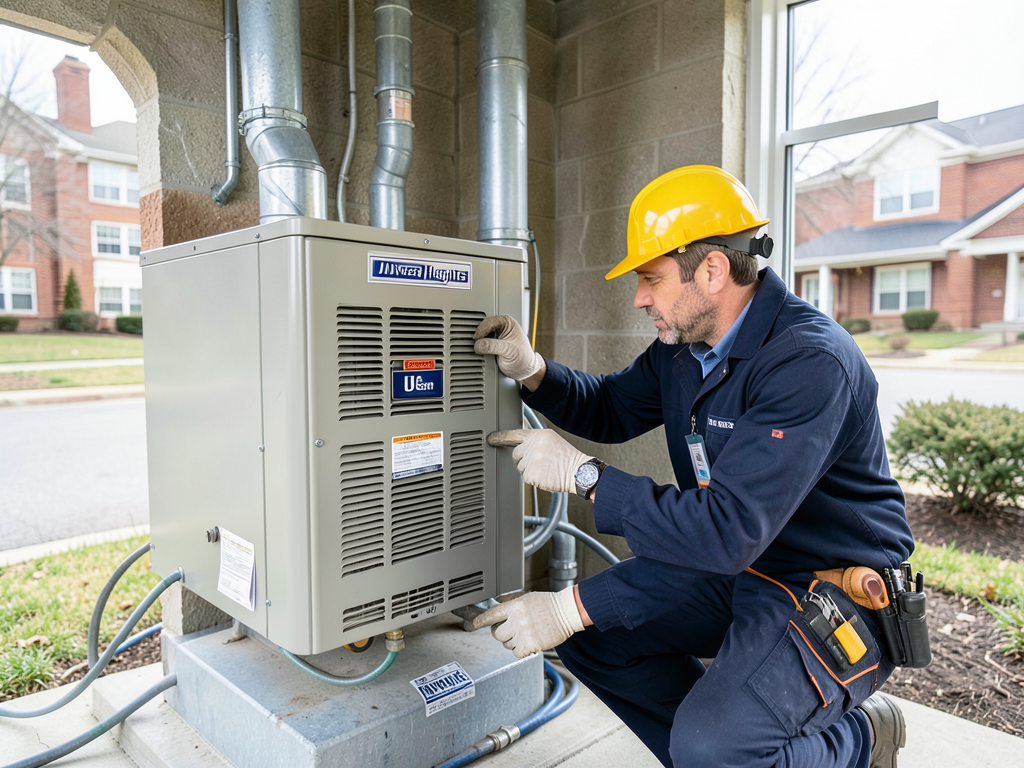
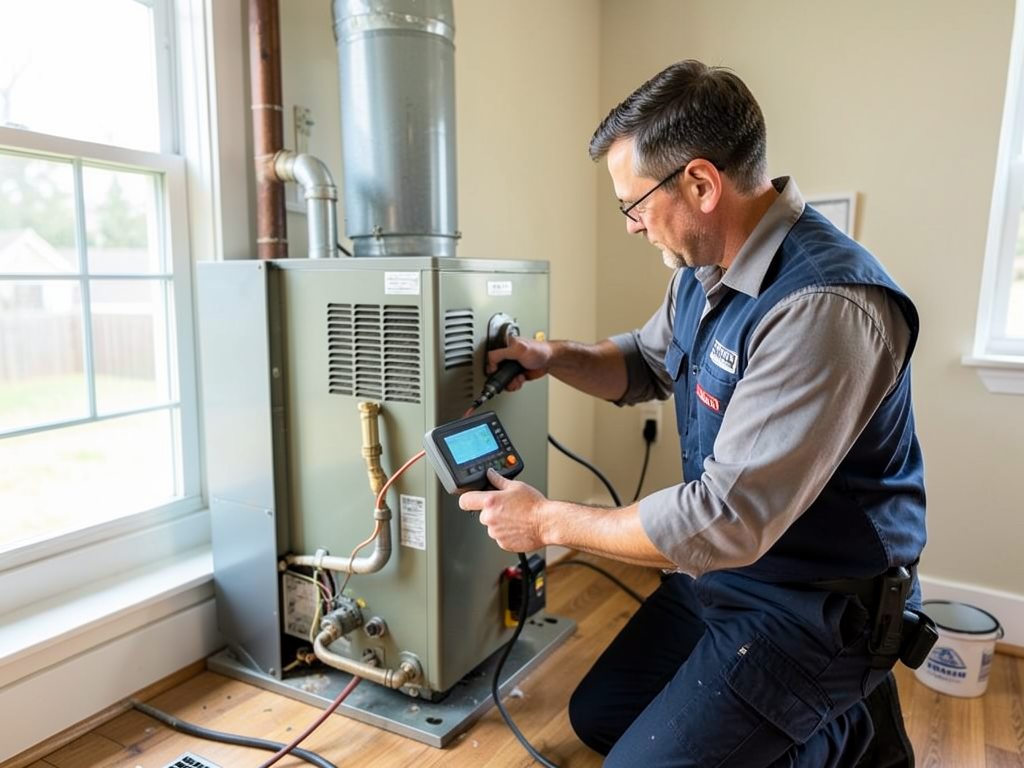
Professional winterizing your hvac system starts with combustion analysis. We measure oxygen levels, carbon monoxide output, and draft pressure in your furnace or boiler. These readings tell us if your heat exchanger has cracks or if the burner assembly needs adjustment. A combustion analyzer detects dangerous conditions before they threaten your family.

Next, we inspect the blower assembly and motor bearings. Buffalo's heating season demands continuous operation. A blower motor drawing excessive amperage will fail mid-winter. We measure amp draw, check capacitors, and lubricate bearings. We clean the blower wheel because dust buildup reduces airflow and overheats the motor.

The ignition system receives focused attention. We clean flame sensors and test ignitor resistance. A weak ignitor will fail when outside temperatures drop and your furnace cycles frequently. We inspect gas valves for proper operation and check all electrical connections for corrosion.

For boilers, we test circulator pumps, check expansion tanks, and verify pressure relief valve operation. We bleed air from radiators and inspect zone valves. Buffalo's older homes often have hydronic heating systems that require specialized knowledge.

Thermostat calibration matters more than homeowners realize. A thermostat reading two degrees off causes short cycling and temperature swings. We verify accurate temperature sensing and test heat anticipator settings on older mechanical thermostats.

We inspect condensate drains and install auxiliary drain pans where needed. Frozen condensate lines cause water damage and system shutdowns. We check flue pipes for rust and proper pitch. We test safety switches and limit controls.

This systematic approach to winter hvac preparation catches failures before they happen. We document baseline performance so you know exactly how your system operates. You get a detailed report with photos showing component condition and recommendations prioritized by urgency.

What Happens During Your Buffalo Heating System Winter Prep

Winterizing Your HVAC System in Buffalo – Protect Your Heating Equipment Before Lake Effect Snow Hits
01

Complete System Diagnostics

We start with a 32-point inspection covering every heating system component. This includes combustion testing, electrical measurements, and safety control verification. You receive a detailed condition report with photographs showing exactly what we found. We identify potential failures before they happen and prioritize repairs by risk level. This diagnostic phase typically takes 60 to 90 minutes for a thorough evaluation of your entire heating system and ventilation components.
02

Cleaning and Component Service

We clean blower assemblies, flame sensors, and burner components using specialized tools. Dust and debris get removed from heat exchangers and ductwork near the furnace. We lubricate motor bearings and adjust belt tension on belt-drive systems. Filter replacement happens with high-quality media appropriate for Buffalo's environment. Every electrical connection gets inspected and tightened. This hands-on service restores your system to proper operating condition and maximizes efficiency for the heating season ahead.
03

Performance Verification and Documentation

After service, we run your heating system through complete operating cycles. We measure temperature rise across the heat exchanger and verify proper airflow. Thermostat operation gets tested in all modes. Safety controls get verified through induced failure testing. You receive written documentation of all measurements, service performed, and component condition. We explain any recommended repairs and provide options with clear explanations. Your system leaves our hands ready for months of reliable winter operation.

Why Buffalo Homeowners Trust Local HVAC Expertise for Winter Preparation

Buffalo's heating demands require technicians who understand lake effect weather patterns and how they stress hvac systems. We have serviced heating equipment through some of the worst winters on record. We know which components fail first during extended cold snaps. We understand how Buffalo's older housing stock, with its mix of Victorian homes and post-war construction, creates unique heating challenges.

Many Buffalo homes have heating systems installed in tight spaces with limited access. Technicians unfamiliar with local construction methods struggle with these installations. We navigate cramped basements and awkward mechanical room layouts daily. We know the quirks of heating systems common to Western New York.

Buffalo's building codes and installation standards matter when evaluating your heating system. We spot code violations from improper past repairs. We identify safety hazards that generic maintenance checklists miss. Our technicians receive ongoing training specific to cold climate hvac operation.

The relationship between your heating system and Buffalo's humidity levels requires local knowledge. Lake effect snow creates high indoor humidity when improperly managed. We check for condensation problems and verify proper ventilation. We understand how Buffalo homes breathe and how that affects heating system performance.

We stock parts for heating equipment common in Buffalo. When we find a problem during winterization, we often have the component on our truck. You get same-visit repairs instead of waiting days for parts to arrive. Our supplier relationships mean we access hard-to-find components for older systems still operating in Buffalo homes.

Emergency availability matters when your heat fails at midnight during a blizzard. We maintain emergency service capacity because we know Buffalo winters. Choosing a local provider means choosing someone invested in this community, someone whose reputation depends on keeping Buffalo homes warm when it matters most.

What to Expect From Professional Heating System Winterization

Service Timing and Scheduling

Schedule your heating system winterization between late September and mid-November. Early scheduling ensures availability before the rush when temperatures drop. Most residential winterization appointments take 90 minutes to two hours depending on system complexity and access. We offer flexible scheduling including evening appointments for working homeowners. If we discover problems requiring repairs, we provide options immediately rather than requiring a second visit. Emergency winterization service is available when early cold snaps catch homeowners unprepared. Same-day and next-day appointments fill quickly once forecasts show approaching winter storms, so planning ahead protects your schedule and your comfort.

Comprehensive System Assessment

Your winterization begins with a complete visual inspection of all heating system components. We use diagnostic tools including combustion analyzers, infrared thermometers, and amp meters to measure actual performance against manufacturer specifications. Every safety control gets tested through simulated failure conditions. We document findings with photographs and written notes. You receive a detailed report explaining system condition in plain language. We identify immediate safety concerns, components nearing end of life, and efficiency improvements. This assessment gives you a complete picture of your heating system health and helps you plan for future repairs or replacement strategically rather than reactively.

Improved Reliability and Efficiency

Proper winterization delivers measurable improvements in heating system performance. Clean heat exchangers transfer heat more efficiently, reducing fuel consumption. Properly adjusted burners achieve complete combustion, lowering utility bills and reducing carbon monoxide risk. Lubricated motors and cleaned blowers move air quietly and efficiently. Your home heats more evenly because airflow reaches designed levels. System cycling becomes more consistent, improving comfort and reducing wear. Most homeowners notice lower heating bills and better temperature control immediately. The investment in professional winterization typically pays for itself through the first heating season while dramatically reducing the risk of expensive mid-winter failures.

Ongoing Support and Service Plans

After winterization, you receive priority scheduling for any needed repairs or service calls. We maintain detailed service records for your equipment, tracking performance trends and component life. Many homeowners choose annual maintenance agreements that include fall winterization and spring air conditioning preparation. These plans provide scheduling priority, discounted repairs, and extended coverage on parts and labor. You receive reminder calls when seasonal maintenance is due. Our service history for your equipment means faster diagnosis if problems occur because we know your system intimately. Emergency service receives priority response for maintenance plan members, ensuring you never wait long when heat fails during extreme cold.

Frequently Asked Questions

You Have Questions,
We Have Answers

How do you winterize your HVAC system? +

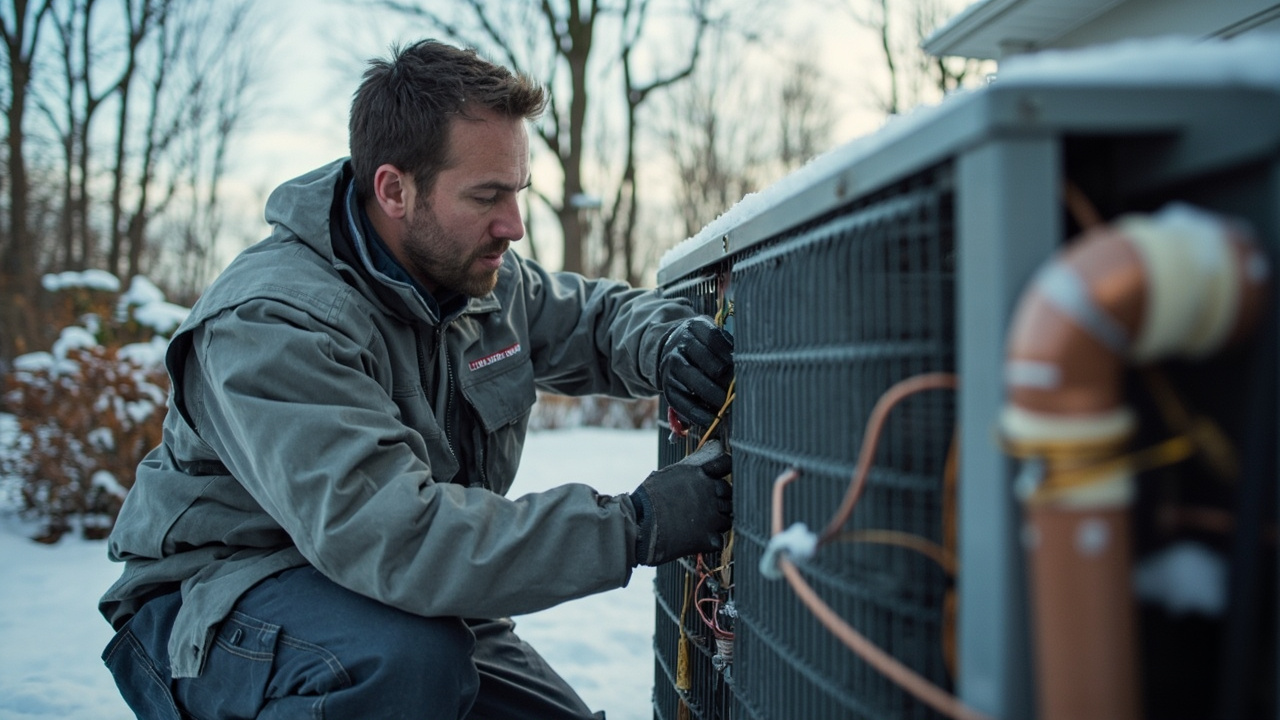
Start by turning off power to your outdoor AC unit at the breaker. Remove debris from around the condenser and cover it with a breathable tarp to protect against snow and ice. Replace your furnace filter and check the blower motor and belt for wear. Clean vents and registers inside your home. Test your thermostat by switching to heat mode. Inspect ductwork for leaks, especially in unheated spaces like attics or crawlspaces. Schedule a professional tune-up to check refrigerant levels, burners, and heat exchangers. Buffalo's freeze-thaw cycles make proper winterization critical to avoid costly mid-winter breakdowns.

What is the $5000 rule for HVAC? +

The $5000 rule is a repair-or-replace guideline. Multiply the cost of the repair by your system's age in years. If that number exceeds $5000, replacement often makes better financial sense than repair. For example, a $400 repair on a 10-year-old furnace equals $4000, so repair is reasonable. A $600 repair on a 12-year-old system equals $7200, suggesting replacement. This rule helps Buffalo homeowners avoid throwing money at aging equipment that will continue to fail. Factor in energy efficiency gains and utility savings when deciding. Always get a second opinion before replacing major components.

What is the 3 minute rule for AC? +

The 3-minute rule prevents compressor damage. After your AC shuts off, wait at least three minutes before restarting it. This delay allows refrigerant pressure to equalize between the high and low sides of the system. Restarting too quickly forces the compressor to start against high pressure, causing strain and potential burnout. Many modern thermostats have built-in delay timers. This rule matters year-round in Buffalo, even during shoulder seasons when you switch between heating and cooling. Ignoring it shortens compressor life and can lead to expensive repairs or full system replacement.

How to prepare your HVAC system for winter? +

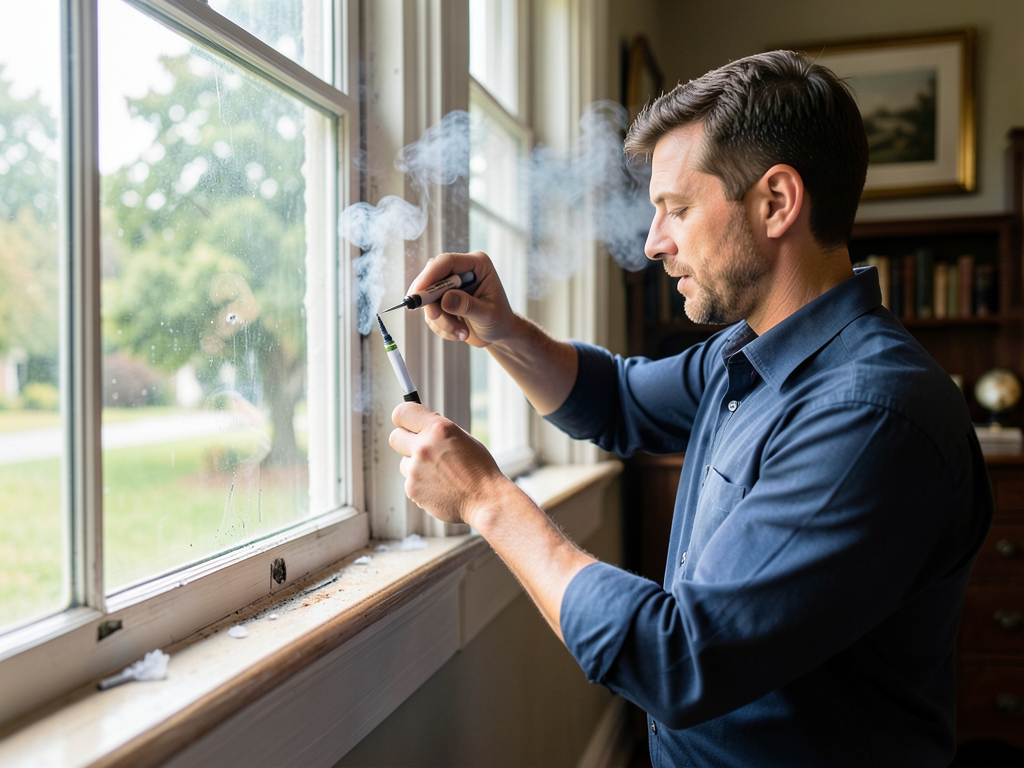
Schedule a professional inspection before temperatures drop. A technician will clean burners, check the heat exchanger for cracks, test carbon monoxide levels, and verify proper airflow. Replace your filter and clean supply and return vents throughout your home. Test your thermostat and replace batteries if needed. Check weatherstripping around windows and doors to reduce heating load. Inspect insulation in your attic and crawlspace, common weak points in Buffalo homes. Reverse ceiling fans to push warm air down. Clear snow and ice from outdoor units and vents. These steps prevent breakdowns during Buffalo's harsh winter months.

How Buffalo's Lake Effect Climate Makes Heating System Winterization Critical

Buffalo sits at the eastern end of Lake Erie, directly in the path of prevailing westerly winds. This geography creates lake effect snow bands that dump enormous snow loads on the metro area. Your heating system will operate continuously for days during these events, revealing any weakness in components or installation. The temperature swings between lake effect storms and cold Canadian air masses stress expansion joints and controls. Outdoor air intake systems ice over from blowing snow. Exhaust flues accumulate frost that restricts draft. These conditions simply do not exist in other climates, which is why generic maintenance advice fails Buffalo homeowners. Professional winter hvac preparation accounts for these specific challenges.

Buffalo's hvac contractors understand local heating demands because they live here. We have maintained heating systems through the Blizzard of '77, the October Surprise Storm of 2006, and countless brutal winters. We know which furnace brands perform reliably in extended cold operation and which ones fail. We understand the relationship between Buffalo's housing stock and heating system sizing. Many Buffalo homes have oversized heating systems installed by contractors who understood our climate. We respect that sizing even when efficiency calculators suggest smaller equipment. Local expertise means understanding why things are done certain ways in Buffalo, not blindly following national standards that ignore our unique conditions.
HVAC Services in The Buffalo Area

We are proud to serve the entire Buffalo area and its surrounding communities with our expert HVAC services. Our centrally located team allows us to respond quickly to your needs, whether you are in the city or a nearby suburb. We are committed to being your local, trusted resource for all things heating and cooling, and we look forward to serving you right where you are.

Address:
United HVAC Buffalo, 360 Delaware Ave, Buffalo, NY, 14202

Additional Services We Offer

Our news updates

Latest Articles & News from The Blogs

Managing Excessive Dust in Your South Buffalo Home During High Wind Events South Buffalo homes face unique dust challenges when…

Managing Excessive Dust in Your South Buffalo Home During High Wind Events

Managing Excessive Dust in Your South Buffalo Home During High Wind Events South Buffalo homes face unique dust challenges when…

Is it Better to Pay for a Monthly HVAC Maintenance Plan or Just Call When Something Breaks?

Is it Better to Pay for a Monthly HVAC Maintenance Plan or Just Call When Something Breaks? When your furnace…

The Homeowners Guide to Buying a New HVAC System for a Rental Property in University Heights

The Homeowners Guide to Buying a New HVAC System for a Rental Property in University Heights University Heights landlords face…

Contact Us

Do not wait until your furnace fails on the coldest night of the year. Call United HVAC Buffalo at (716) 317-7757 now to schedule professional heating system winterization. Our technicians are ready to prepare your equipment for another Buffalo winter.