menu

Iced Up Evaporator Coil in Buffalo – Expert Diagnosis and Fast Repair to Restore Your Cooling

When your air conditioner coil freezes up, you need accurate troubleshooting and the right fix the first time. United HVAC Buffalo identifies the root cause of frozen cooling coils and restores efficient cooling without guesswork or return trips.

Slider Image 1
Slider Image 2
Slider Image 3
Slider Image 4
Slider Image 5
Slider Image 7
Slider Image 8
Slider Image 9
Slider Image 10
Slider Image 11

Why Your AC Evaporator Coil Freezes in Buffalo Homes

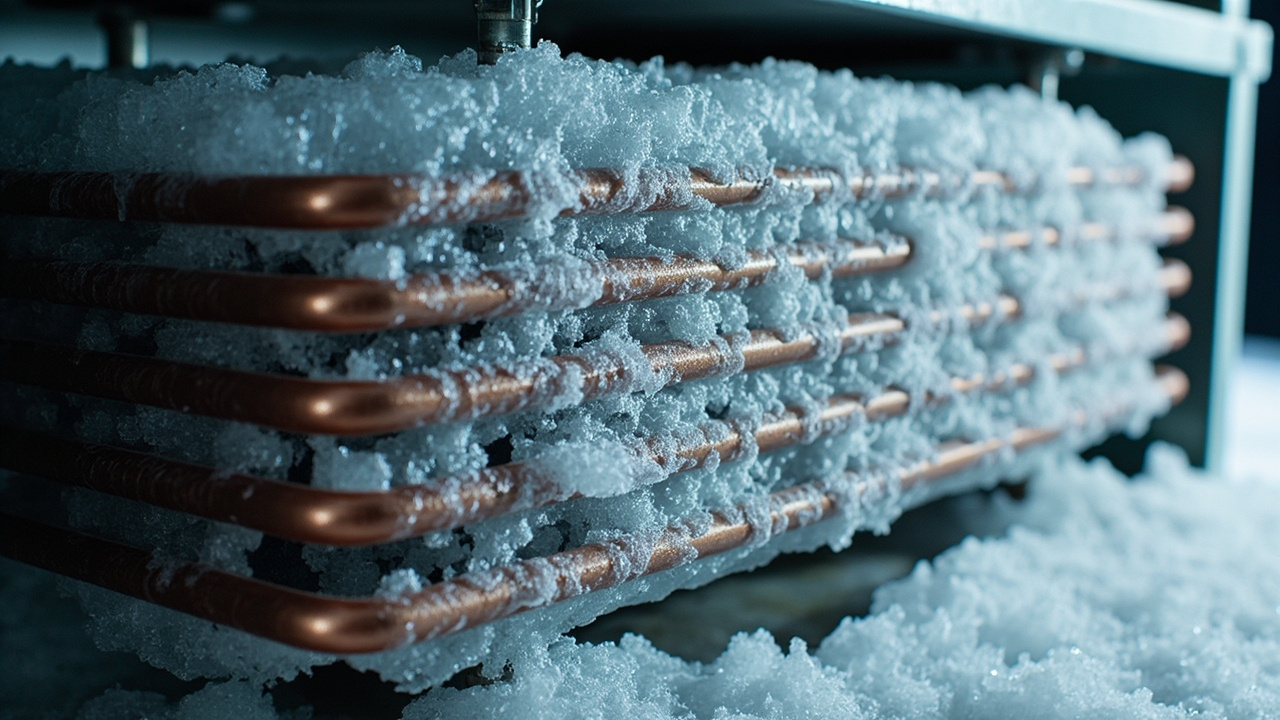
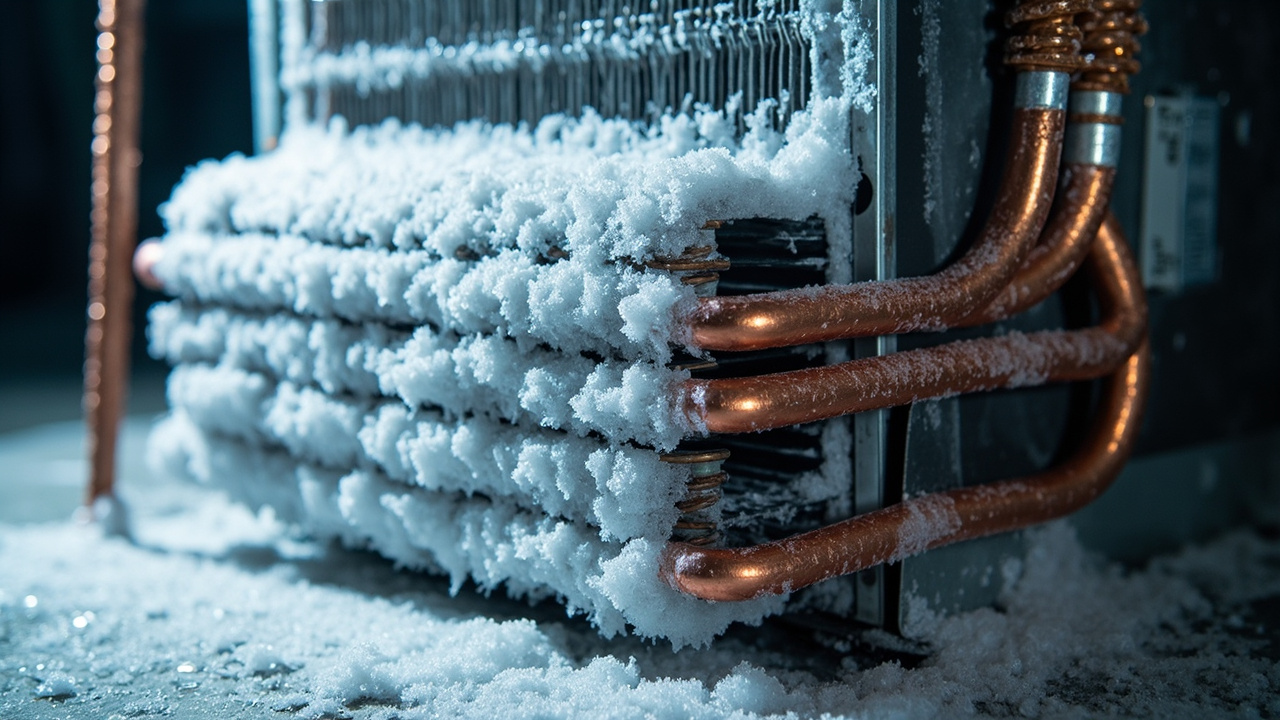
You walk past your air handler and see ice creeping across the coil. The air coming from your vents feels weak and warm. Your frozen ac evaporator coil is not a mystery. It is a symptom of a specific failure in your cooling system, and Buffalo's climate makes the problem worse.

Buffalo summers bring high humidity that forces your system to work harder to remove moisture from indoor air. When refrigerant flow drops due to a clogged filter, a failing blower motor, or a restricted metering device, the evaporator coil temperature plummets below freezing. Moisture in the air condenses and freezes on contact. The ice blocks airflow, which causes the coil to freeze even more. The cycle continues until the system stops cooling completely.

Low refrigerant from a leak creates the same problem. When refrigerant charge drops, the pressure in the evaporator coil falls. The coil gets colder than it should, and condensation turns to ice. A frozen cooling coil is not a refrigerant issue in every case, but it is common enough that you need a technician who checks refrigerant levels with a manifold gauge set, not someone who guesses based on ice buildup alone.

Homes in North Buffalo and Elmwood Village with older ductwork see this problem frequently. Undersized return ducts starve the evaporator of airflow. The coil cannot absorb heat fast enough, so it freezes. You cannot fix this by letting the ice melt. The underlying cause remains, and the ac evaporator iced over condition will return within hours or days.

Why Your AC Evaporator Coil Freezes in Buffalo Homes
How We Diagnose and Repair Air Conditioner Coil Freezing Up

How We Diagnose and Repair Air Conditioner Coil Freezing Up

We start by shutting down the system and switching the blower to fan-only mode to accelerate thawing. Forcing the system to run while ice on evaporator coil remains damages the compressor and bends coil fins. We do not guess. We measure.

We check static pressure across the evaporator using a manometer to confirm whether restricted airflow is the culprit. If static pressure exceeds 0.5 inches of water column, airflow is insufficient. We inspect the filter, blower wheel, and ductwork for obstructions. A blower wheel caked with dust reduces CFM by 30 percent or more, which drops coil temperature below the dew point.

Next, we verify refrigerant charge using superheat and subcooling measurements. We do not add refrigerant without confirming a leak first. A system low on charge has a leak somewhere, and adding refrigerant without sealing the leak guarantees the same problem in six months. We use electronic leak detectors and nitrogen pressure testing to find leaks in line sets, coil joints, and service valves. Once we locate the leak, we repair it with silver solder or replace the damaged section entirely.

We also inspect the metering device. A clogged thermostatic expansion valve or a restricted piston reduces refrigerant flow into the evaporator, which causes localized freezing. If the TXV bulb loses its charge, the valve stays closed and starves the coil. Replacing a failed metering device requires recovering refrigerant, cutting the line, installing the new device, pressure testing, evacuating to 500 microns, and recharging to manufacturer specifications.

Buffalo homes with high indoor humidity benefit from evaporator coil cleaning as part of the repair. Dirt and biological growth insulate the coil and reduce heat transfer, which leads to freezing even when airflow and refrigerant charge are correct.

What Happens During Your Frozen Evaporator Coil Repair

Iced Up Evaporator Coil in Buffalo – Expert Diagnosis and Fast Repair to Restore Your Cooling
01

System Shutdown and Thawing

We power down the compressor and activate fan-only mode to thaw the evaporator safely. Running the compressor while ice remains on the coil causes liquid refrigerant to flood back to the compressor, which damages internal valves and bearings. Thawing takes 30 to 90 minutes depending on ice buildup. We inspect the drain pan during this phase to confirm the condensate line is not clogged.
02

Diagnostic Testing and Measurement

We measure airflow using static pressure readings and verify blower motor amperage. We check refrigerant charge with manifold gauges and calculate superheat and subcooling based on outdoor temperature and system design. If we find low charge, we perform electronic leak detection and nitrogen pressure testing. We inspect the metering device, blower assembly, and ductwork for restrictions or failures that reduce system performance.
03

Repair and System Restart

We complete the necessary repairs, whether that means replacing a clogged filter, cleaning the blower wheel, sealing a refrigerant leak, or replacing a failed metering device. After repairs, we restart the system and monitor evaporator temperature and airflow for 15 to 20 minutes to confirm normal operation. We verify the coil stays dry and that supply air temperature drops to the correct range for your system.

Why Buffalo Homeowners Trust United HVAC Buffalo for Evaporator Coil Repairs

You need a technician who knows the difference between a symptom and a cause. Too many service calls end with a recharged system and no leak repair. The ice returns in weeks, and you pay again. We do not work that way.

United HVAC Buffalo uses digital manifold gauges, electronic leak detectors, and micron gauges to diagnose frozen evaporator coils correctly the first time. We do not sell you a refrigerant top-off when your system needs a blower motor or a new filter. We explain what failed, why it failed, and what we will do to fix it permanently.

Buffalo's housing stock includes century-old homes in Allentown and post-war bungalows in South Buffalo. Ductwork in these homes was often installed without proper return air design. Undersized returns starve the evaporator of airflow, and adding more refrigerant makes the problem worse. We assess your entire air distribution system, not just the refrigerant circuit. If your ductwork is undersized, we tell you. If your filter is too restrictive, we recommend a lower MERV rating that maintains airflow without sacrificing filtration.

We also understand how Buffalo's humidity affects system performance. High indoor humidity increases latent cooling load, which means your evaporator works harder to condense moisture. A coil that freezes repeatedly in July and August may need a larger return grille or a multi-speed blower upgrade to handle the load. We provide solutions that match your home's specific airflow and cooling demands.

When we repair a frozen ac evaporator coil, we address the root cause. You get a system that cools properly without ice buildup, and you avoid the cycle of repeated service calls that drain your wallet and leave you frustrated.

What to Expect When You Call United HVAC Buffalo for a Frozen Evaporator Coil

Same-Day Service for Cooling Failures

We dispatch technicians the same day you call for frozen evaporator coil repairs. Buffalo summers are short, and you cannot afford to wait three days for a technician who may not diagnose the problem correctly. We arrive with the tools and parts needed to complete most repairs on the first visit, including refrigerant, leak sealant, TXVs, and blower motors. You get your cooling restored quickly without multiple appointments or guesswork.

Comprehensive Airflow and Refrigerant Testing

We perform a full system evaluation that includes static pressure measurement, blower motor amperage testing, and refrigerant charge verification using superheat and subcooling calculations. If your system has a leak, we locate it using electronic detection and nitrogen pressure testing. If airflow is restricted, we identify the cause and recommend the correct fix. You get a complete diagnosis, not a quick visual inspection that misses the real problem.

Permanent Repairs That Stop Ice Buildup

We repair the underlying cause of your frozen cooling coil, whether that means replacing a failed blower motor, sealing a refrigerant leak, cleaning the evaporator coil, or upgrading undersized ductwork. We do not add refrigerant and leave without fixing the leak. We do not tell you to change your filter and hope the problem goes away. You get a repair that eliminates ice buildup and restores efficient cooling for the rest of the season.

Post-Repair Verification and Maintenance Guidance

After completing repairs, we monitor your system to confirm normal operation. We verify evaporator temperature, airflow, and supply air temperature before we leave. We also provide guidance on filter replacement intervals, thermostat settings, and signs of future problems. If your system needs a seasonal tune-up to prevent future freezing, we explain what that service includes and why it matters for homes in Buffalo's humid climate.

Frequently Asked Questions

You Have Questions,
We Have Answers

What causes ice on an evaporator coil? +

Ice forms on your evaporator coil when airflow gets restricted or refrigerant levels drop. The coil needs steady airflow to absorb heat properly. When air cannot pass through, the coil temperature drops below freezing and moisture in the air crystallizes into ice. Common culprits include dirty air filters, blocked return vents, or a failing blower motor. In Buffalo homes, excessive humidity during summer can accelerate ice buildup if airflow is already compromised. Low refrigerant from a leak also causes the coil to run too cold. Ice formation is not normal and requires professional diagnosis.

What is the best way to thaw out an iced up evaporator coil? +

Turn off your system immediately to prevent compressor damage. Switch to fan-only mode or turn the system off completely and let the coil thaw naturally for 4 to 8 hours. Place towels under the unit to catch condensation. Never chip or scrape ice off the coil, you will damage the delicate aluminum fins. After thawing, replace your air filter and check all return vents for blockages. Do not restart the system until you identify the root cause. Buffalo's humid summers mean ice problems usually point to airflow restrictions or refrigerant loss that need professional repair.

Will low refrigerant cause an evaporator to ice up? +

Yes. Low refrigerant is a leading cause of evaporator coil icing. When refrigerant charge drops below specifications, the remaining refrigerant expands too much in the evaporator coil, causing excessive temperature drop. This freezes moisture in the air passing over the coil. Refrigerant does not get used up, so low levels always indicate a leak somewhere in your system. You will notice reduced cooling performance before ice appears. Buffalo technicians use leak detection tools and pressure tests to locate the source, repair it, then recharge the system to factory specifications. Simply adding refrigerant without fixing the leak wastes money.

What is the likely cause for heavy icing in the evaporator coil? +

Heavy icing typically points to severely restricted airflow or major refrigerant loss. A completely clogged air filter, closed supply dampers, or ductwork collapse starves the coil of air. Blower motor failure stops airflow entirely. On the refrigerant side, a large leak drops system pressure fast and causes rapid icing. In Buffalo homes with older ductwork, collapsed flex ducts in attics or crawl spaces often go unnoticed until heavy ice forms. Multiple closed vents in unused rooms also compound the problem. Heavy ice means the system has been struggling for days and needs immediate professional attention to prevent compressor failure.

Can I turn my AC back on after it thaws? +

Not until you fix the underlying problem. Restarting after a thaw without addressing the root cause will ice the coil again within hours. You risk damaging the compressor when it tries to pump liquid refrigerant instead of gas. Check and replace your air filter first. Open all supply vents and ensure return grilles are unobstructed. If the coil ices again after these steps, you have a refrigerant leak or mechanical failure that requires a technician. Buffalo's summer humidity makes repeat icing cycles particularly damaging because moisture accelerates corrosion on the coil and electrical components.

What are the six common causes of evaporator freezing? +

The six common causes are dirty air filters, blocked return air grilles, closed or blocked supply vents, low refrigerant from leaks, failed blower motors, and dirty evaporator coils. Each restricts airflow or drops refrigerant pressure below safe thresholds. Dirty filters are the most common culprit in Buffalo homes because pollen and seasonal dust load up quickly. Blocked returns happen when furniture or drapes cover grilles. Closed vents in unused rooms force remaining vents to work harder. Low refrigerant always indicates a leak. Blower motor failure stops airflow completely. Dirty coils compound all other issues by restricting airflow further.

How Buffalo's Humidity and Older Homes Contribute to Frozen AC Coils

Buffalo's summer humidity levels regularly exceed 70 percent, which increases the latent cooling load on residential air conditioners. When your system struggles to remove moisture from indoor air, the evaporator coil temperature drops as it works harder to condense water vapor. Homes in Allentown, Elmwood Village, and North Buffalo with older HVAC systems and undersized ductwork experience frozen ac evaporator coils more frequently because airflow cannot keep up with cooling demand. Restricted airflow combined with high humidity creates the perfect conditions for ice buildup on the coil surface.

United HVAC Buffalo understands how Buffalo's housing stock affects air conditioning performance. Century-old homes with retrofitted ductwork and post-war bungalows with minimal return air grilles need technicians who assess the entire airflow system, not just refrigerant levels. We know the common ductwork mistakes made in Buffalo homes, and we provide solutions that match your home's specific design. When you call us for a frozen evaporator coil repair, you get a technician who understands local construction practices and climate challenges.

HVAC Services in The Buffalo Area

We are proud to serve the entire Buffalo area and its surrounding communities with our expert HVAC services. Our centrally located team allows us to respond quickly to your needs, whether you are in the city or a nearby suburb. We are committed to being your local, trusted resource for all things heating and cooling, and we look forward to serving you right where you are.

Address:
United HVAC Buffalo, 360 Delaware Ave, Buffalo, NY, 14202

Additional Services We Offer

Our news updates

Latest Articles & News from The Blogs

Managing Excessive Dust in Your South Buffalo Home During High Wind Events South Buffalo homes face unique dust challenges when…

Managing Excessive Dust in Your South Buffalo Home During High Wind Events

Managing Excessive Dust in Your South Buffalo Home During High Wind Events South Buffalo homes face unique dust challenges when…

Is it Better to Pay for a Monthly HVAC Maintenance Plan or Just Call When Something Breaks?

Is it Better to Pay for a Monthly HVAC Maintenance Plan or Just Call When Something Breaks? When your furnace…

The Homeowners Guide to Buying a New HVAC System for a Rental Property in University Heights

The Homeowners Guide to Buying a New HVAC System for a Rental Property in University Heights University Heights landlords face…

Contact Us

Ice on your evaporator coil will not fix itself. Call United HVAC Buffalo at (716) 317-7757 for same-day diagnosis and repair. We find the cause, fix it permanently, and restore your cooling without return trips or guesswork.