menu

Commercial AC Repair in Buffalo – Minimize Downtime and Protect Your Bottom Line

When your business cooling system fails, every minute offline costs revenue. Our industrial-grade commercial AC repair gets Buffalo facilities back to optimal temperature fast with minimal business disruption.

Slider Image 1
Slider Image 2
Slider Image 3
Slider Image 4
Slider Image 5
Slider Image 7
Slider Image 8
Slider Image 9
Slider Image 10
Slider Image 11

Why Buffalo's Climate Demands Reliable Commercial Cooling Systems

Buffalo's extreme temperature swings create unique stress on commercial HVAC systems. Winter temperatures routinely drop below 20°F, forcing heating systems to work overtime. Then summer humidity spikes to 75 percent, pushing commercial air conditioning units to capacity while employees and customers demand consistent comfort.

The lake-effect moisture from Lake Erie accelerates corrosion on exterior condenser units. Salt spray during winter maintenance penetrates coil fins and electrical connections. This accelerated wear pattern means commercial hvac repair needs in Buffalo occur 40 percent more frequently than in drier climates.

Your facility cannot afford downtime. A failed cooling system in a data center causes server crashes. Restaurant walk-in coolers that fail mean inventory loss within hours. Manufacturing floors become unsafe when temperatures exceed OSHA guidelines. Retail customers leave when indoor temperatures climb above 78°F.

The economic impact is immediate. A single day without climate control in a 10,000 square foot commercial space can mean thousands in lost productivity, spoiled inventory, or liability exposure. Buffalo's business district sees peak cooling demand from June through September, exactly when aging compressors fail under load.

Your commercial cooling system works differently than residential units. Tonnage capacity ranges from 5 to 50 tons. Ductwork spans hundreds of feet. Rooftop units face direct weather exposure. Industrial ac repair requires diagnostic equipment that measures refrigerant pressures, amp draw on three-phase power, and airflow across multiple zones.

When your business ac system shows signs of failure, the clock starts immediately.

Why Buffalo's Climate Demands Reliable Commercial Cooling Systems
How Professional Commercial AC Repair Restores Business Operations

How Professional Commercial AC Repair Restores Business Operations

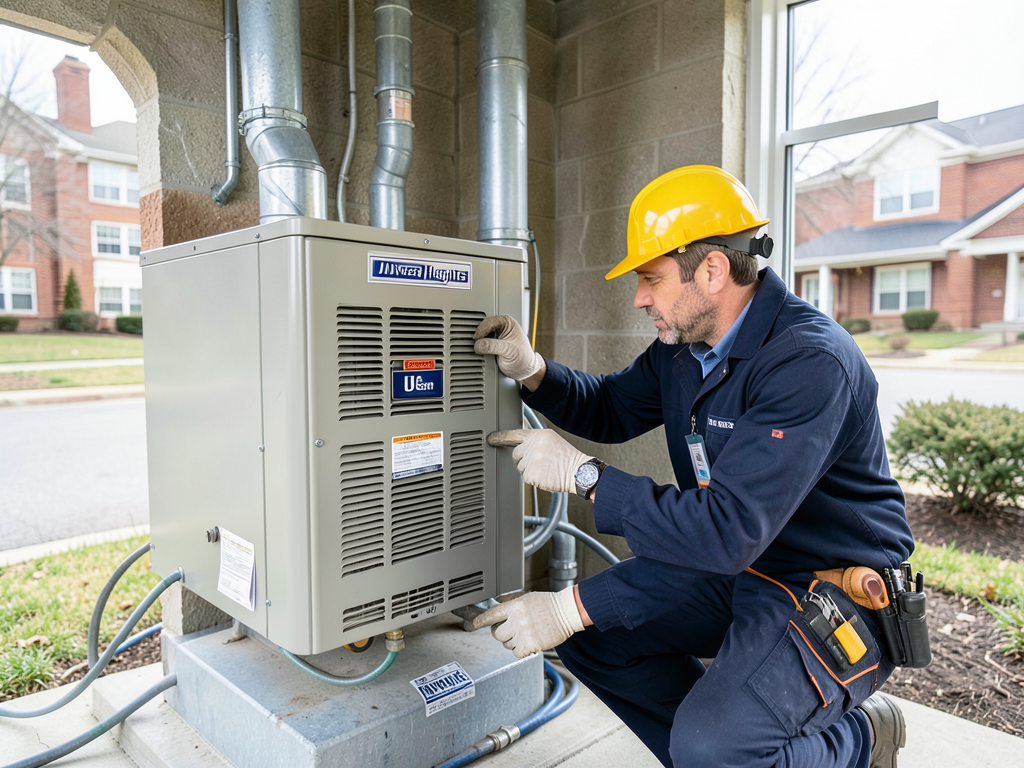
Commercial air conditioning repair demands a different approach than residential service. United HVAC Buffalo deploys technicians trained on package units, split systems, and variable refrigerant flow configurations common in Buffalo's commercial buildings.

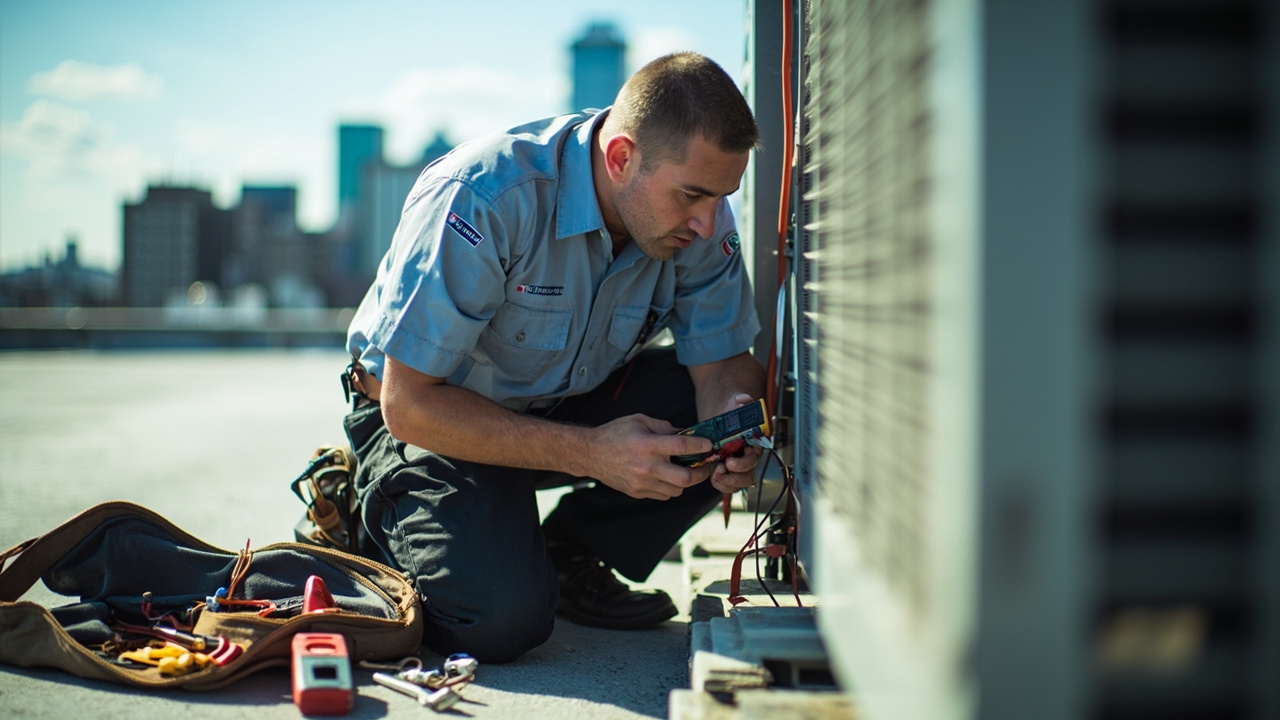
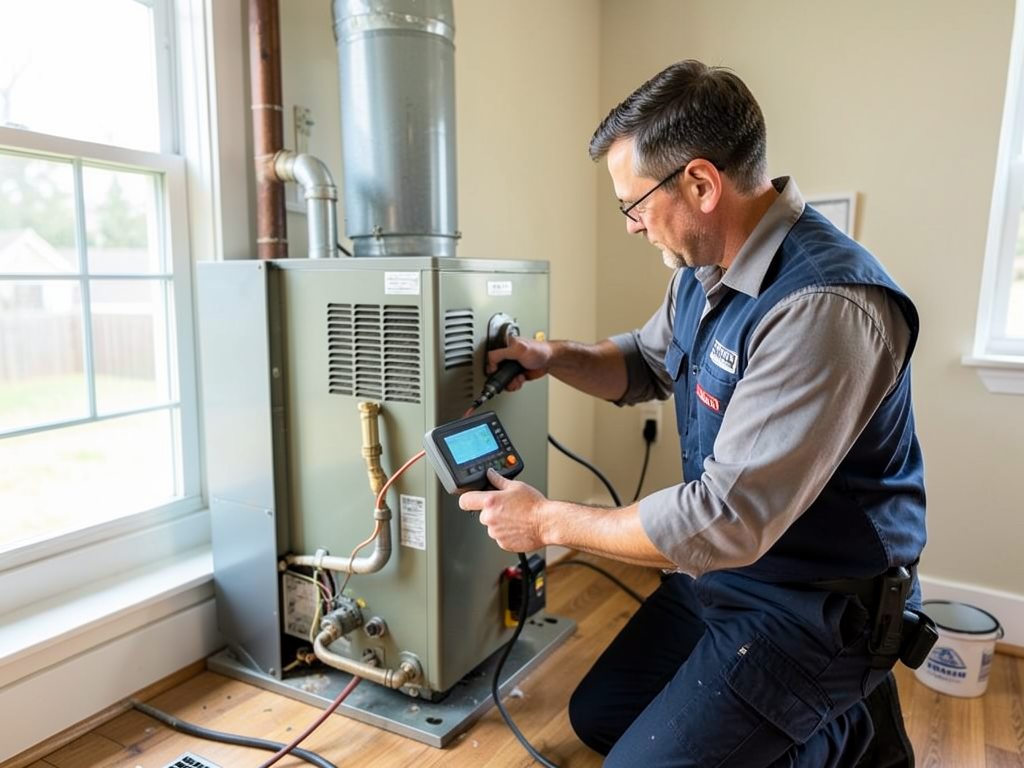
The diagnostic phase uses manifold gauges to check refrigerant charge across both high and low pressure sides. We measure superheat and subcooling to identify compressor efficiency loss. Amperage readings on each phase reveal motor winding problems before catastrophic failure. Static pressure testing across the duct system identifies restriction points that reduce airflow by 30 percent or more.

Rooftop units face unique challenges. Curb adapter gaskets deteriorate from freeze-thaw cycles, allowing water infiltration that corrodes electrical components. Economizer dampers seize from lack of lubrication, forcing the compressor to handle loads the free cooling cycle should manage. We inspect every mechanical linkage and control transformer to prevent cascade failures.

Commercial cooling repair often involves components you will not find in residential systems. Three-phase scroll compressors require specific electrical diagnostics. Modulating gas valves on heating sections need precise calibration. Building automation systems that control multiple zones require network diagnostics to identify sensor failures or programming errors.

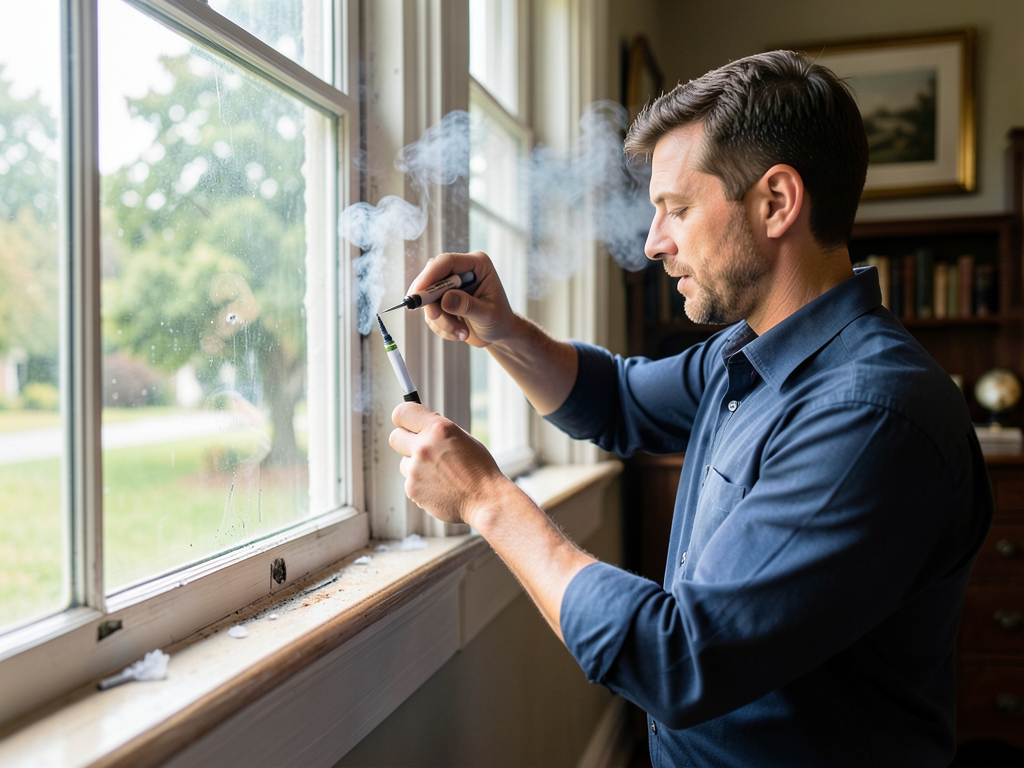
Refrigerant leaks in commercial systems mean significant financial exposure. A 10-ton unit holds 40 pounds of R-410A refrigerant. At current rates, replacing that charge costs more than the compressor repair itself. We use electronic leak detectors and nitrogen pressure testing to find pinhole leaks in coil joints before adding refrigerant.

Business ac repair cannot wait for parts to arrive next week. We stock contactors, capacitors, and fan motors for the commercial brands installed throughout Buffalo's downtown corridor and industrial parks along the waterfront.

What Happens During Your Commercial AC Service Call

Commercial AC Repair in Buffalo – Minimize Downtime and Protect Your Bottom Line
01

Immediate System Assessment

Our technician arrives with commercial diagnostic tools and begins reading system pressures while interviewing your facility manager about failure symptoms. We check electrical connections at the disconnect, measure voltage imbalance across phases, and document current operating temperatures in affected zones. This baseline data identifies whether you face a simple fix or need emergency equipment rental to maintain business operations during repair.
02

Component Testing and Diagnosis

We isolate each system component to identify the root cause. Compressor windings get tested for shorts to ground. Condenser fan motors get checked for bearing wear. Thermostatic expansion valves get evaluated for proper superheat control. Control boards get inspected for burned traces or failed relays. You receive a detailed explanation of what failed, why it failed, and what additional wear patterns we identified that could cause problems during peak season.
03

Repair Execution and Verification

Once you approve the repair scope, we complete the work using OEM or equivalent commercial-grade parts. After repair, we run the system through a complete cooling cycle while monitoring pressures, temperatures, and amp draw. You receive documentation showing the system now operates within manufacturer specifications. We provide a maintenance checklist highlighting the quarterly service tasks that will prevent future failures during your peak business season.

Why Buffalo Businesses Choose United HVAC Buffalo for Commercial Cooling

Commercial facilities throughout Buffalo's Elmwood Village, downtown business district, and industrial parks along Route 5 face specific cooling challenges that require local expertise. United HVAC Buffalo understands how Lake Erie humidity affects coil performance and how winter salt exposure degrades outdoor unit components.

Buffalo operates under New York State mechanical codes that mandate specific refrigerant handling procedures and ventilation requirements for commercial spaces. Our technicians maintain the certifications required for industrial ac repair in facilities with ammonia refrigeration, chilled water systems, and high-pressure steam heating. We understand the documentation requirements for buildings subject to Local Law inspections.

Your business cannot afford an HVAC company that treats commercial service like scaled-up residential work. A restaurant kitchen requires different approach velocities than an office building. A medical facility needs humidity control that retail spaces do not. Manufacturing environments with heat-generating equipment demand calculations that account for process loads, not just building envelope losses.

We maintain relationships with commercial equipment distributors throughout Western New York, which means same-day access to three-phase compressors, commercial-grade contactors, and control boards for the Carrier, Trane, and Lennox systems common in Buffalo's commercial buildings. When a critical component fails on Friday afternoon, we have the supply chain access to prevent a weekend shutdown.

United HVAC Buffalo provides commercial cooling repair for facilities from 2,000 to 50,000 square feet. We service office buildings, restaurants, retail stores, medical clinics, light manufacturing facilities, and mixed-use developments. Our technicians carry the diagnostic equipment and technical knowledge to service both legacy systems installed in Buffalo's historic buildings and modern high-efficiency equipment in new construction along the waterfront development areas.

What Your Business Can Expect from Our Commercial AC Service

Response Time and Availability

Commercial HVAC failures do not respect business hours. We prioritize commercial service calls because we understand that downtime directly impacts your revenue. Most commercial ac repair calls in the Buffalo metro area receive same-day response during normal business hours. For facilities with critical cooling needs like data centers, medical offices, or food service operations, we provide emergency dispatch outside standard hours. Our goal is to minimize the window between your call and our technician's arrival with the tools needed to diagnose your specific system type.

Diagnostic Process and Transparency

You receive a clear explanation of what we find during diagnostics. Our technicians walk facility managers through the testing process, showing pressure readings, temperature differentials, and electrical measurements that identify the problem. Before beginning any repair work, you receive a detailed scope outlining the failed components, the repair process, and realistic timeframes. We identify whether your situation requires a simple repair, a major component replacement, or temporary cooling solutions while we source specialized parts. This transparency allows you to make informed decisions about repair versus replacement for aging equipment.

Completed System Performance

After completing business ac repair, we verify the system operates within manufacturer specifications. You see documented proof that refrigerant pressures, superheat values, and electrical measurements fall within acceptable ranges. We test the system under load to confirm it maintains setpoint temperatures in all zones. For multi-zone commercial systems, we verify that damper controls respond properly and that building automation systems communicate correctly with the HVAC equipment. You receive a written summary of the repairs completed, parts installed, and the current operational status of your commercial cooling system.

Ongoing Maintenance Recommendations

Commercial hvac systems require different maintenance schedules than residential equipment. We provide specific recommendations based on your equipment type, facility use, and Buffalo's seasonal demands. You learn which quarterly tasks prevent compressor failures, how often to change filters in high-traffic environments, and when to schedule refrigerant analysis before problems develop. For businesses that want to avoid emergency repairs, we offer structured maintenance agreements that include priority scheduling, discounted service rates, and seasonal tune-ups timed before Buffalo's peak cooling season when demand spikes and equipment failures increase across the region.

Frequently Asked Questions

You Have Questions,
We Have Answers

What is the $5000 AC rule? +

The $5000 rule is an IRS guideline for businesses deciding between repair or replacement. If your commercial AC repair costs less than $5000, you can typically deduct it as a maintenance expense in the current tax year. If the repair exceeds $5000 or significantly extends the unit's life, the IRS may require you to capitalize it and depreciate over several years. This threshold helps Buffalo business owners make smart financial decisions about aging rooftop units. Consult your accountant before major repairs, as rules vary based on your system's total value and depreciation schedule.

What are common commercial HVAC problems? +

Commercial HVAC systems in Buffalo face specific challenges. Refrigerant leaks reduce cooling capacity and drive up electric bills. Compressor failures occur from overwork during humid summer months. Thermostat miscalibration creates hot and cold zones across your facility. Clogged condensate drains cause water damage, especially in older buildings downtown. Electrical contactors fail from constant cycling. Dirty evaporator coils reduce airflow and efficiency. Blower motor bearings wear out from continuous operation. Fan belt deterioration is common in belt-driven systems. Ductwork leaks waste conditioned air. Regular inspections catch these issues before they escalate into costly downtime.

What are the costs of commercial HVAC repair? +

Commercial HVAC repair costs in Buffalo vary widely based on system size and complexity. Minor fixes like capacitor replacement or thermostat recalibration run lower. Mid-range repairs include refrigerant leak detection and sealing or blower motor replacement. Major repairs like compressor replacement or heat exchanger work approach the $5000 capitalization threshold. Emergency service during business hours costs more. Rooftop unit access adds labor time. Older systems require harder-to-source parts. Multi-zone buildings need extensive diagnostics. Your total depends on system tonnage, age, accessibility, and repair urgency. Preventive maintenance contracts reduce unexpected repair expenses.

What is the average life of a commercial air conditioner? +

Commercial air conditioners in Buffalo typically last 15 to 20 years with proper maintenance. Rooftop units face harsh weather exposure, including freeze-thaw cycles, heavy snow loads, and summer humidity that accelerates wear. Systems running year-round in retail or healthcare facilities age faster than seasonal operations. Quality matters. Premium commercial-grade compressors outlast budget models. Buildings near Lake Erie experience more corrosive conditions. Deferred maintenance cuts lifespan significantly. Regular filter changes, coil cleaning, and refrigerant checks extend equipment life. Most Buffalo businesses plan replacement around year 15 to avoid unexpected failures during peak cooling season.

What is the 3 minute rule for AC? +

The 3 minute rule prevents compressor damage during rapid cycling. After your commercial AC shuts down, refrigerant pressure equalizes between the high and low sides. Restarting before equalization forces the compressor to start against high head pressure, straining the motor and electrical components. Modern commercial systems include time-delay relays that enforce this minimum off-cycle. If your system short-cycles in Buffalo's humid summers, you have a serious problem. Oversized equipment, refrigerant issues, or failing controls cause this. Short-cycling reduces efficiency, increases wear, and spikes energy costs. Address it immediately to prevent compressor failure.

Can I write off my new AC unit on my taxes? +

Yes, businesses can typically write off commercial AC units, but the method varies. Section 179 allows immediate expensing of qualifying equipment up to annual limits, ideal for smaller Buffalo businesses. Bonus depreciation offers another accelerated option. Standard depreciation spreads the deduction over 39 years for HVAC permanently attached to commercial buildings. Energy-efficient systems may qualify for additional tax credits under federal programs. Repairs under $5000 usually qualify as current-year expenses. Tax treatment depends on your business structure, system cost, and installation type. Consult a CPA familiar with commercial property in Erie County for guidance.

What is the 2 foot rule for HVAC? +

The 2 foot rule requires minimum clearance around outdoor condensing units for proper airflow and service access. Commercial rooftop units need 2 feet of clear space on all sides for unrestricted air intake and discharge. Buffalo buildings often violate this during rooftop additions or HVAC expansions. Blocked airflow reduces efficiency, causes high head pressure, and shortages compressor life. Technicians need access for routine maintenance and emergency repairs. Snow accumulation during Buffalo winters makes clearance even more critical. Ductwork, exhaust vents, and storage equipment placed too close create hotspots and service delays. Maintain proper spacing to protect your investment.

What is the most common part to fail on an AC unit? +

Capacitors fail more frequently than any other AC component. These cylindrical components start the compressor and fan motors. Buffalo's temperature swings and humidity accelerate capacitor degradation. Failed capacitors prevent startup or cause hard starting, stressing motors. Symptoms include humming sounds without startup or intermittent operation. Capacitors are inexpensive parts but cause complete system failure. Run capacitors fail gradually. Start capacitors fail suddenly. Annual inspections catch weak capacitors before failure. Commercial systems use multiple capacitors across compressors, condenser fans, and blower motors. Proactive replacement during maintenance visits prevents after-hours emergency calls and business disruption.

How often should a commercial HVAC system be serviced? +

Commercial HVAC systems need professional service twice yearly, spring and fall. Pre-cooling season inspections in April or May catch issues before Buffalo's humid summer heat. Pre-heating checks in September or October prepare systems for winter operation. High-use facilities like restaurants, data centers, or healthcare require quarterly service. Inspections include refrigerant level checks, electrical connection tightening, coil cleaning, belt inspection, filter replacement, and control calibration. Rooftop units in Buffalo need post-winter debris removal. Regular service prevents 85 percent of emergency breakdowns, extends equipment life, maintains warranty coverage, and keeps energy costs predictable.

What is the most expensive repair on an AC unit? +

Compressor replacement ranks as the most expensive commercial AC repair. Compressors are the system's heart, circulating refrigerant through evaporator and condenser coils. Failure stems from refrigerant loss, electrical issues, or contamination. Replacement involves refrigerant recovery, compressor removal from often-cramped rooftop installations, brazing new units into refrigerant lines, evacuation, and recharge. Large commercial compressors require cranes or specialized rigging in downtown Buffalo buildings. Labor-intensive diagnostics confirm compressor failure versus electrical problems. Costs approach new equipment prices. Most businesses replace entire condensing units rather than invest in compressor-only repairs on systems over 10 years old.

How Buffalo's Lake Effect Climate Accelerates Commercial AC Deterioration

Buffalo receives over 90 inches of snow annually, much of it lake-effect precipitation from Lake Erie. This constant moisture exposure creates corrosion problems for commercial rooftop units that residential systems rarely face. Salt spray from winter road treatments settles on condenser coils, creating galvanic corrosion that eats through copper tubing in five to seven years instead of the typical fifteen-year lifespan. The freeze-thaw cycling common from November through March causes expansion and contraction that loosens flare fittings and cracks brazed joints. Commercial facilities near the waterfront or along major trucking routes see even faster deterioration from the combination of industrial emissions and salt exposure.

Buffalo's commercial buildings include structures dating back to the early 1900s, particularly in the Theater District and along Main Street. These facilities present unique challenges for commercial air conditioning repair because modern HVAC systems must integrate with historic architecture and antiquated electrical services. United HVAC Buffalo understands the mechanical constraints of buildings with limited roof access, undersized electrical panels, and ductwork that cannot be easily modified without compromising structural elements. We regularly work with commercial property managers who need cooling solutions that respect both historic preservation requirements and modern comfort standards for tenants and customers.
HVAC Services in The Buffalo Area

We are proud to serve the entire Buffalo area and its surrounding communities with our expert HVAC services. Our centrally located team allows us to respond quickly to your needs, whether you are in the city or a nearby suburb. We are committed to being your local, trusted resource for all things heating and cooling, and we look forward to serving you right where you are.

Address:
United HVAC Buffalo, 360 Delaware Ave, Buffalo, NY, 14202

Additional Services We Offer

Our news updates

Latest Articles & News from The Blogs

Managing Excessive Dust in Your South Buffalo Home During High Wind Events South Buffalo homes face unique dust challenges when…

Managing Excessive Dust in Your South Buffalo Home During High Wind Events

Managing Excessive Dust in Your South Buffalo Home During High Wind Events South Buffalo homes face unique dust challenges when…

Is it Better to Pay for a Monthly HVAC Maintenance Plan or Just Call When Something Breaks?

Is it Better to Pay for a Monthly HVAC Maintenance Plan or Just Call When Something Breaks? When your furnace…

The Homeowners Guide to Buying a New HVAC System for a Rental Property in University Heights

The Homeowners Guide to Buying a New HVAC System for a Rental Property in University Heights University Heights landlords face…

Contact Us

Your business loses money every hour your cooling system stays offline. Call United HVAC Buffalo now at (716) 317-7757 for immediate commercial AC repair. We dispatch technicians equipped to diagnose and fix the commercial cooling systems throughout Buffalo's business districts.