menu

AC Unit Leaking Water in Buffalo – Expert Diagnosis and Same-Day Repairs

When your air conditioner drips water across your floors or walls, you need a technician who understands Buffalo's humidity swings and condensate drain challenges. We diagnose the root cause fast and fix AC water leaks correctly the first time.

Slider Image 1
Slider Image 2
Slider Image 3
Slider Image 4
Slider Image 5
Slider Image 7
Slider Image 8
Slider Image 9
Slider Image 10
Slider Image 11

Why Your AC System Is Leaking Water in Buffalo Homes

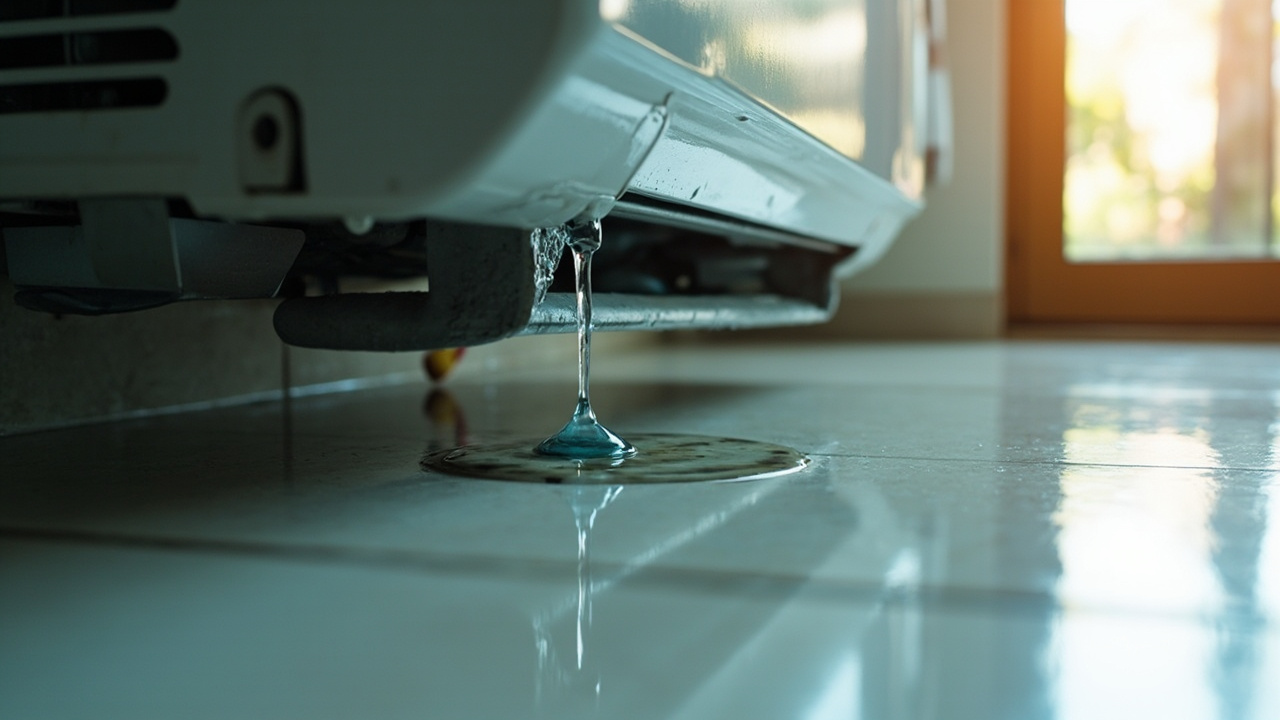
You walk into your basement or utility room and see a puddle forming under your air conditioner. Water drips from the AC unit onto the floor. You grab towels, but the leak does not stop.

Buffalo's climate creates the perfect conditions for air conditioning leaking water. Summer humidity levels spike above 70 percent, forcing your evaporator coil to work overtime. The coil pulls moisture from the air, and that water collects in the condensate pan. When the drain line clogs with algae, mold, or debris, water backs up. The pan overflows. You get an AC water leak.

Freeze-thaw cycles during Buffalo's shoulder seasons can crack condensate pans or split drain lines. Winter temperatures drop below freezing, while summer heat pushes systems to their limits. That thermal stress creates weak points. A cracked pan cannot hold water. A split drain line cannot move water outdoors.

Older homes in neighborhoods like Elmwood Village or North Buffalo often have HVAC systems installed in tight crawlspaces or unfinished basements. Access gets limited. Homeowners do not check drain lines. Algae grows unchecked. The clog forms. The air conditioner dripping water becomes a flood.

Ignoring an AC system leaking water leads to mold growth, ceiling stains, and damaged drywall. Water ruins subflooring and insulation. Electrical components corrode. The compressor works harder to compensate for poor airflow, driving up your utility bills. You pay more to cool less space.

You need a technician who knows how Buffalo's humidity and temperature swings affect condensate systems. You need someone who can diagnose the problem in minutes and fix it before water damages your home.

Why Your AC System Is Leaking Water in Buffalo Homes
How We Stop AC Water Leaks at the Source

How We Stop AC Water Leaks at the Source

We do not guess. We diagnose the exact failure point in your condensate system before recommending any repair.

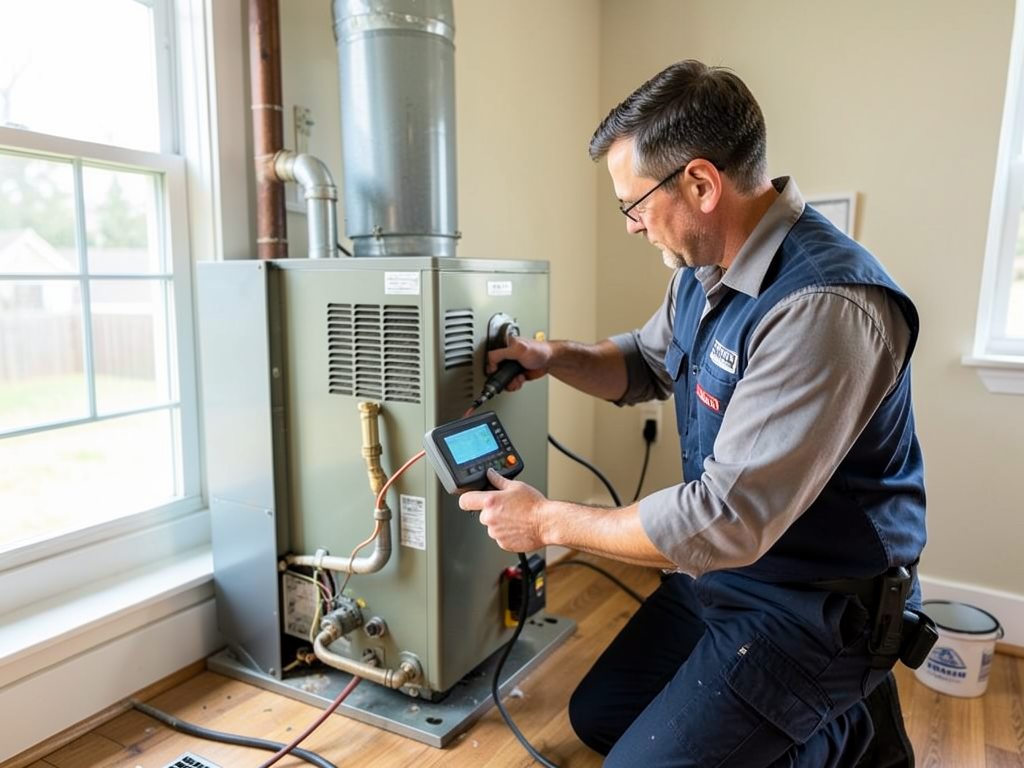
Our technicians inspect the evaporator coil for ice buildup. Ice forms when refrigerant levels drop or airflow gets restricted. The ice melts during the off cycle, overwhelming the drain pan. We check refrigerant pressure with manifold gauges. We pull the filter and inspect the blower wheel for dust accumulation. Restricted airflow causes coil icing.

We trace the condensate drain line from the pan to the outdoor discharge point. We use a wet-dry vacuum to clear clogs. We flush the line with a vinegar solution to kill algae and dissolve biofilm. If the line is cracked or improperly pitched, we replace it with PVC rated for condensate applications. We ensure the line slopes at least one-quarter inch per foot to promote gravity drainage.

We inspect the condensate pan for rust, cracks, or improper installation. Metal pans corrode over time in humid environments. Plastic pans crack when exposed to thermal stress. If the pan is damaged, we replace it with a manufacturer-approved part. We do not patch pans with sealant. Patches fail.

We test the condensate pump if your system uses one. Pumps move water upward when the outdoor discharge point sits above the drain pan. We check the float switch, motor, and discharge tubing. A failed pump cannot move water. The pan overflows.

We verify the air handler is level. A tilted unit causes water to pool in the wrong area of the pan. Water spills over the edge instead of flowing toward the drain outlet. We use a torpedo level to check the installation and shim the unit if needed.

We fix the problem correctly. You get a dry floor and peace of mind.

What Happens When You Call Us for a Water Leak

AC Unit Leaking Water in Buffalo – Expert Diagnosis and Same-Day Repairs
01

Emergency Dispatch and Assessment

You call us. We answer. You describe the water dripping from your AC unit, and we ask targeted questions about the location, volume, and duration of the leak. We schedule a same-day visit if you call before 3 PM. Our technician arrives with diagnostic tools, a wet-dry vacuum, and common replacement parts. We shut off your system to prevent further water damage, then begin the inspection.
02

Systematic Leak Diagnosis

We trace every component in your condensate system. We inspect the evaporator coil, drain pan, drain line, and condensate pump. We check refrigerant levels and airflow. We use a flashlight and mirror to examine hard-to-reach areas in your basement or crawlspace. We identify the failure point and explain what caused the AC water leak. You get a clear diagnosis, not a sales pitch.
03

Repair and Verification Testing

We clear clogs, replace damaged components, and correct installation errors. We flush the drain line and test the condensate pump. We pour water into the pan to verify proper drainage. We restart your system and monitor it through a full cooling cycle. We confirm the evaporator coil reaches target temperature, airflow is adequate, and water flows freely to the outdoor discharge point. You see the repair work with your own eyes.

Why Buffalo Homeowners Trust Us with Their AC Systems

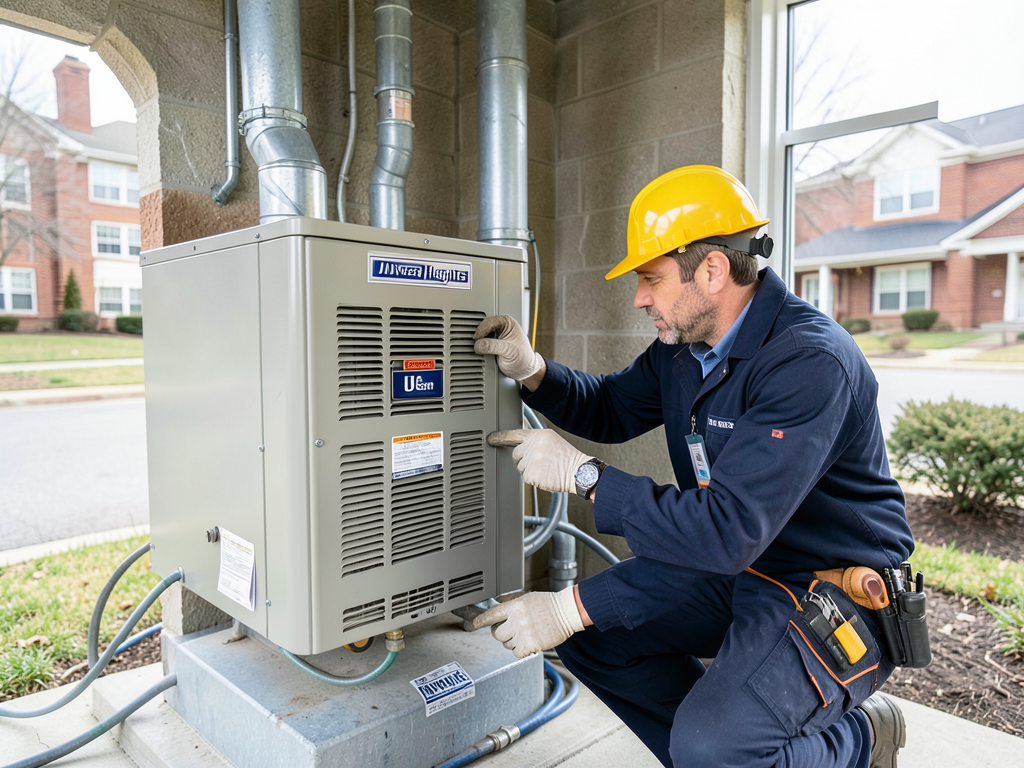
We understand Buffalo homes. We know the older housing stock in Allentown and the West Side often has HVAC systems installed in tight basements with limited headroom. We bring compact tools and work efficiently in cramped spaces. We know how to navigate challenging installations without damaging finished ceilings or walls.

We know Buffalo's building codes. The city requires proper condensate drainage for all air conditioning systems. Drain lines must discharge to an approved location, not into the sanitary sewer. We install drain lines that meet city requirements. We do not cut corners. You avoid code violations and failed inspections.

We stock parts for the brands Buffalo homeowners use. Carrier, Trane, Lennox, Rheem, and Goodman systems dominate the market here. We carry condensate pans, drain line fittings, float switches, and pumps for these brands on every service truck. We do not need to order parts or schedule a second visit. We fix your air conditioner dripping water on the first trip.

We work in Buffalo year-round. We know how quickly humidity spikes after a summer thunderstorm. We know how freeze-thaw cycles affect outdoor drain line terminations. We know the mold risks in poorly ventilated basements near the Niagara River. We tailor our repairs to Buffalo's climate.

United HVAC Buffalo technicians live in this community. We service systems in the same neighborhoods where we raise our families. We respond quickly because we are already nearby. We stand behind our work because our reputation depends on your satisfaction.

You get honest answers and quality repairs. You do not get upselling or scare tactics. You get a technician who knows Buffalo HVAC systems inside and out.

What to Expect When We Service Your Leaking AC

Same-Day Response for Active Leaks

We prioritize water leaks because they cause immediate damage. If you call before mid-afternoon, we schedule a same-day visit. Our technicians carry the tools and parts needed to stop most leaks on the first trip. We do not make you wait three days while water ruins your floors. We understand the urgency. We clear clogs, replace pans, and fix drain lines the day you call. You get fast service without sacrificing quality.

Thorough Condensate System Inspection

We examine every part of your condensate system. We inspect the evaporator coil for ice or debris. We check the drain pan for cracks and rust. We trace the drain line from the air handler to the outdoor termination point. We test the condensate pump and float switch. We measure refrigerant levels and airflow. We identify the root cause of the water dripping from your AC unit. You get a complete diagnosis, not a quick guess.

Lasting Repairs with Quality Parts

We use manufacturer-approved parts for all condensate system repairs. We install PVC drain lines rated for continuous water contact. We use condensate pans made from corrosion-resistant materials. We replace pumps with units designed for HVAC applications. We do not use duct tape, silicone patches, or improvised fixes. We repair your air conditioning leaking water correctly so the problem does not come back next month. You get reliable performance.

Preventive Maintenance for Future Peace of Mind

After we fix your AC water leak, we recommend annual condensate system maintenance. We flush drain lines with a biocide treatment to prevent algae growth. We inspect pans for early signs of corrosion. We test pumps and replace worn float switches before they fail. Regular maintenance prevents clogs and extends the life of your condensate components. You avoid emergency repairs and water damage. You keep your system running efficiently through every Buffalo summer.

Frequently Asked Questions

You Have Questions,
We Have Answers

How do I stop my air conditioner from leaking water? +

First, turn off your AC to prevent further water damage. Check if your condensate drain line is clogged. This is the most common cause in Buffalo homes. You can pour a cup of white vinegar down the drain line to clear minor blockages. Replace your air filter if it's dirty, as restricted airflow causes the evaporator coil to freeze and leak when it thaws. Check the drain pan for cracks. If the leak continues or you see ice on the refrigerant lines, call a licensed HVAC technician. Buffalo's humid summers put extra strain on condensate systems.

Can I still use my AC if it's leaking water? +

No. Turn your AC off immediately. Running a leaking unit risks electrical damage, mold growth, and ceiling or floor damage. The leak signals a problem with your condensate drain line, frozen evaporator coil, or damaged drain pan. Continuing to run the system makes the problem worse and drives up repair costs. Buffalo's high humidity means your AC produces significant condensate during normal operation. If that water can't drain properly, it floods your system. Use fans for temporary cooling and schedule a service call to diagnose the root cause.

Should I turn off my AC if it's leaking water but? +

Yes. Turn off your AC if it's leaking water. The leak indicates your condensate system is not working correctly. Common causes include a clogged drain line, frozen evaporator coil, or cracked drain pan. Running the unit continues to produce condensate that can't drain, causing water damage to your ceilings, walls, and floors. You also risk electrical shorts or mold growth. Buffalo homes produce substantial condensate during cooling season due to our humid climate. Turn off the unit, clean up visible water, and call an HVAC technician to diagnose the issue safely.

Is a leaking AC unit an emergency? +

It depends on the severity. A small drip is not an emergency, but you should address it quickly to prevent mold and water damage. Turn off your AC and inspect the area. If water is pouring out, flooding your ceiling, or pooling near electrical components, that's urgent. Buffalo's older homes with plaster ceilings are especially vulnerable to water damage. If the leak happens during a heat wave and you have vulnerable family members, it becomes more urgent. Most leaks stem from clogged drain lines, which a technician can clear quickly. Don't wait until water damages your home.

Is AC leaking water expensive to fix? +

Most AC water leaks are inexpensive to fix. A clogged condensate drain line cleaning costs far less than major repairs. If you just need a drain line flush or new air filter, expect a service call fee. More complex issues like a cracked drain pan, broken condensate pump, or refrigerant leak that caused coil freezing cost more. Buffalo's freeze-thaw cycles can crack drain pans over time, especially in older systems. The longer you wait, the more expensive it gets. Water damage to ceilings and walls adds significant cost. Address leaks immediately to keep repair bills low.

How do I unclog my AC condensate drain line? +

Locate your condensate drain line. It's a PVC pipe near your indoor unit, usually with a small opening. Turn off your AC. Pour one cup of white vinegar or a mix of hot water and vinegar down the drain line. Wait 30 minutes. Flush with water. For stubborn clogs in Buffalo homes, use a wet/dry vacuum on the outdoor drain opening to suck out debris. You can also use a drain snake carefully. If the clog won't clear or you see standing water in the drain pan, call a technician. Improper clearing can damage the line.

What is the 3 minute rule for AC? +

The 3 minute rule protects your compressor from damage. After shutting off your AC, wait at least 3 minutes before restarting it. This allows refrigerant pressure to equalize in the system. Restarting too quickly forces the compressor to start against high pressure, which strains the motor and can cause premature failure. This rule applies whether you're troubleshooting a water leak, switching between settings, or experiencing a power outage. Buffalo's temperature swings and frequent storm-related power issues make this rule especially important. Always wait the full 3 minutes to protect your equipment.

Can I fix a leaking AC myself? +

You can handle basic fixes. Replace a dirty air filter, pour vinegar down the drain line to clear minor clogs, and check for visible cracks in the drain pan. These are safe DIY tasks. However, refrigerant leaks, frozen coils requiring thawing, condensate pump replacement, or electrical issues require a licensed technician. Buffalo's building codes and safety regulations require proper HVAC licensing for refrigerant work. You also risk voiding warranties or causing expensive damage if you guess wrong. Start with simple checks, but call a professional if the leak continues or you see ice buildup.

What happens if I ignore an AC leak? +

Ignoring an AC leak creates expensive problems. Water damages ceilings, walls, and floors. Buffalo's humid climate accelerates mold growth, which threatens your family's health and requires costly remediation. Water near electrical components creates fire and shock hazards. The underlying problem worsens. A simple clogged drain line becomes a burned-out condensate pump or cracked drain pan. Your system works harder, driving up energy bills and shortening its lifespan. What starts as a minor leak becomes thousands in repairs and water damage restoration. Address leaks immediately to protect your home and HVAC investment.

How much water dripping from AC is normal? +

Your AC should not drip water inside your home. All condensate should drain outside through the condensate line. During Buffalo's humid summers, your outdoor drain line may drip continuously or produce small puddles, which is normal. A properly functioning system produces 5 to 20 gallons of condensate daily, depending on humidity and usage. If you see water pooling around your indoor unit, dripping from ceilings, or staining walls, that's a problem. Check your outdoor drain line. It should drip steadily during operation. No indoor water is normal. Any indoor water requires immediate attention.

How Buffalo's Lake-Effect Humidity Causes Frequent AC Drain Clogs

Buffalo sits 20 miles south of Lake Erie, and lake-effect weather does not stop in winter. Summer humidity from the lake drives condensate production in residential air conditioning systems. Your evaporator coil pulls gallons of water from the air every day. That water flows through a three-quarter-inch drain line. Algae thrives in warm, dark, wet environments. Buffalo's summer conditions create the perfect breeding ground. A biofilm forms inside your drain line. The clog builds slowly until water backs up into the pan. Your AC system leaking water starts as a minor issue and becomes a flood.

We have serviced HVAC systems in Buffalo for years. We understand the condensate challenges in older homes in Parkside, Black Rock, and South Buffalo. We know how basement installations in pre-war homes complicate drain line routing. We know the building inspectors at City Hall and the code requirements for condensate drainage. We know the local wholesale suppliers who stock quality replacement parts. You get a technician who understands Buffalo homes and Buffalo weather. You get repairs that last through humid summers and cold winters.
HVAC Services in The Buffalo Area

We are proud to serve the entire Buffalo area and its surrounding communities with our expert HVAC services. Our centrally located team allows us to respond quickly to your needs, whether you are in the city or a nearby suburb. We are committed to being your local, trusted resource for all things heating and cooling, and we look forward to serving you right where you are.

Address:
United HVAC Buffalo, 360 Delaware Ave, Buffalo, NY, 14202

Additional Services We Offer

Our news updates

Latest Articles & News from The Blogs

Managing Excessive Dust in Your South Buffalo Home During High Wind Events South Buffalo homes face unique dust challenges when…

Managing Excessive Dust in Your South Buffalo Home During High Wind Events

Managing Excessive Dust in Your South Buffalo Home During High Wind Events South Buffalo homes face unique dust challenges when…

Is it Better to Pay for a Monthly HVAC Maintenance Plan or Just Call When Something Breaks?

Is it Better to Pay for a Monthly HVAC Maintenance Plan or Just Call When Something Breaks? When your furnace…

The Homeowners Guide to Buying a New HVAC System for a Rental Property in University Heights

The Homeowners Guide to Buying a New HVAC System for a Rental Property in University Heights University Heights landlords face…

Contact Us

Water damage gets worse every hour you wait. Call United HVAC Buffalo now at (716) 317-7757 for same-day service. We diagnose your AC unit leaking water fast and fix it right. Your floors stay dry and your system runs efficiently.