
menu

Benefits of Inverter Technology in Buffalo – Cut Your Energy Bills by Up to 40% Year-Round

Inverter HVAC systems use variable speed compressors to maintain precise temperature control while consuming dramatically less electricity than traditional units, making them perfect for Buffalo's extreme seasonal swings and rising utility costs.

Slider Image 1
Slider Image 2
Slider Image 3
Slider Image 4
Slider Image 5
Slider Image 7
Slider Image 8
Slider Image 9
Slider Image 10
Slider Image 11

Why Buffalo Homeowners Are Switching to Inverter Technology

Buffalo's climate punishes traditional HVAC systems. Your furnace battles subzero January nights while your air conditioner fights 90-degree July humidity. Conventional single-speed units cycle on and off constantly, burning electricity and wearing out components faster.

Every time your old system kicks on, it draws maximum power to reach full capacity, then shuts off completely when the temperature hits setpoint. This creates wild temperature swings, wasted energy, and stress on mechanical parts. In neighborhoods like Elmwood Village and North Buffalo, where older homes lack modern insulation, these inefficiencies compound quickly.

Inverter technology changes the equation completely. Variable speed compressors adjust output in real time, running continuously at the exact capacity needed to maintain comfort. Instead of cycling between 0% and 100%, inverter systems modulate between 25% and 100% based on actual demand.

The advantages of inverter air conditioners become clear during Buffalo's muggy summers. Traditional AC units blast cold air, overshooting the target temperature, then shut off. Humidity creeps back in during the off cycle. Inverter heat pumps maintain steady dehumidification while using 30-50% less electricity.

During winter, inverter HVAC energy efficiency shows even more dramatic results. When temperatures drop near Lake Erie, conventional furnaces struggle to keep up, running at full capacity for hours. Inverter technology power savings come from intelligent modulation. The system runs longer at lower speeds, maintaining even heat without the energy spikes.

The pros of inverter heat pumps extend beyond utility bills. You get quieter operation, longer equipment life, and consistent comfort without hot and cold spots.

Why Buffalo Homeowners Are Switching to Inverter Technology
How Inverter Compressor Technology Actually Works

How Inverter Compressor Technology Actually Works

Traditional compressors operate like a light switch. They are either off or running at 100%. Inverter-driven compressors use variable frequency drives to control motor speed electronically, allowing precise capacity modulation.

The variable speed compressor benefits start at the molecular level. Refrigerant flow adjusts continuously based on temperature differential between indoor and outdoor coils. Electronic expansion valves respond in milliseconds, optimizing superheat and subcooling for maximum heat transfer efficiency.

When you first start an inverter system, the compressor ramps up gradually to avoid inrush current spikes. This soft-start capability reduces electrical demand and mechanical stress on bearings, pistons, and scroll sets. Once the space approaches setpoint, the inverter controller reduces frequency to maintain equilibrium.

The DC inverter board monitors multiple sensors simultaneously. Indoor temperature, outdoor ambient, refrigerant pressure, and coil temperatures all feed into the algorithm. The system calculates optimal compressor speed hundreds of times per second, making micro-adjustments invisible to occupants.

In Buffalo's shoulder seasons (April and October), this precision matters most. When outdoor temperatures fluctuate between 40°F and 65°F throughout the day, conventional systems short-cycle constantly. Inverter units throttle down to 30% capacity, matching the building's actual load without cycling off.

The electronic controls also enable advanced defrost strategies. During winter heating mode, inverter heat pumps can reverse refrigerant flow briefly to clear ice from outdoor coils without completely stopping heat delivery to the home. This maintains comfort during Buffalo's freeze-thaw cycles that plague traditional heat pumps.

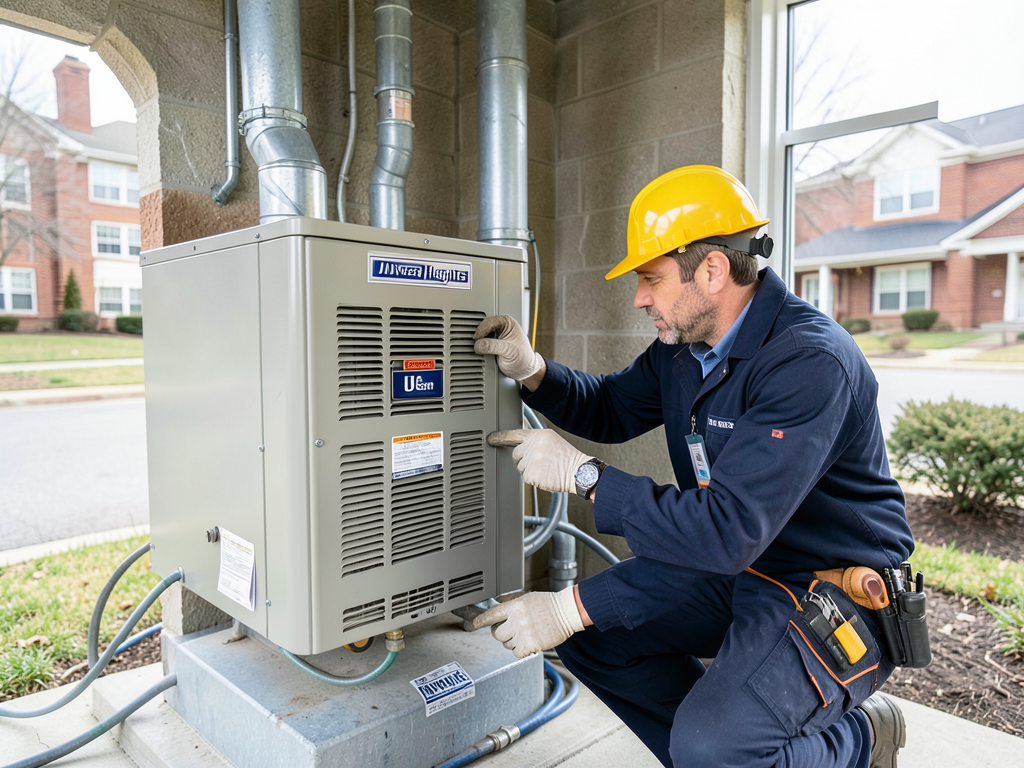
United HVAC Buffalo installs inverter systems with properly sized refrigerant line sets and matched indoor coils. Undersized or mismatched components negate the efficiency gains, which is why professional installation matters.

Getting the Most From Your Inverter System

Benefits of Inverter Technology in Buffalo – Cut Your Energy Bills by Up to 40% Year-Round
01

Load Calculation and Sizing

We perform Manual J load calculations specific to your home's insulation, window orientation, and occupancy patterns. Oversized inverter systems lose efficiency advantages because they cannot modulate low enough to match Buffalo's mild weather periods. Proper sizing ensures the compressor operates in its optimal efficiency range across all four seasons, maximizing inverter technology power savings.
02

System Configuration and Controls

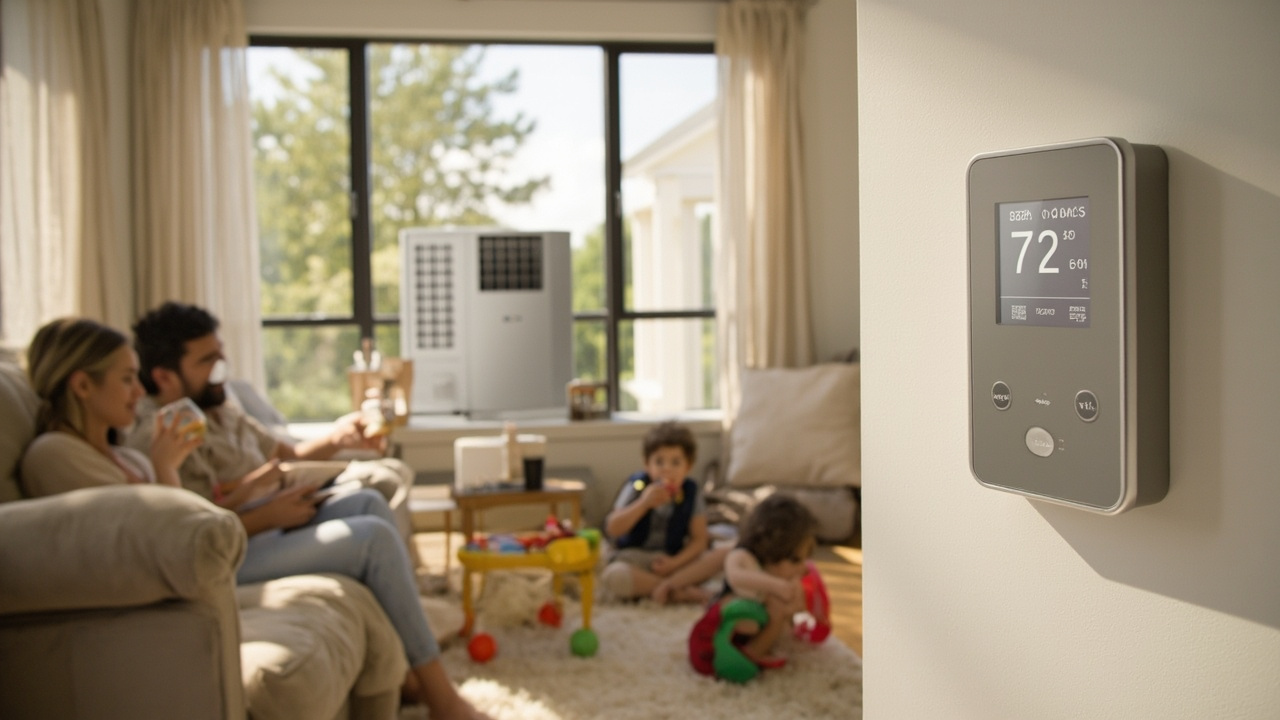
Inverter systems require compatible thermostats that communicate with variable speed equipment. We install controls that enable demand response, occupancy scheduling, and remote monitoring. The setup includes configuring acceleration rates, minimum speed thresholds, and defrost algorithms tuned to Buffalo's climate. Incorrect programming wastes the advantages of inverter air conditioners by forcing unnecessary high-speed operation.
03

Ongoing Performance Verification

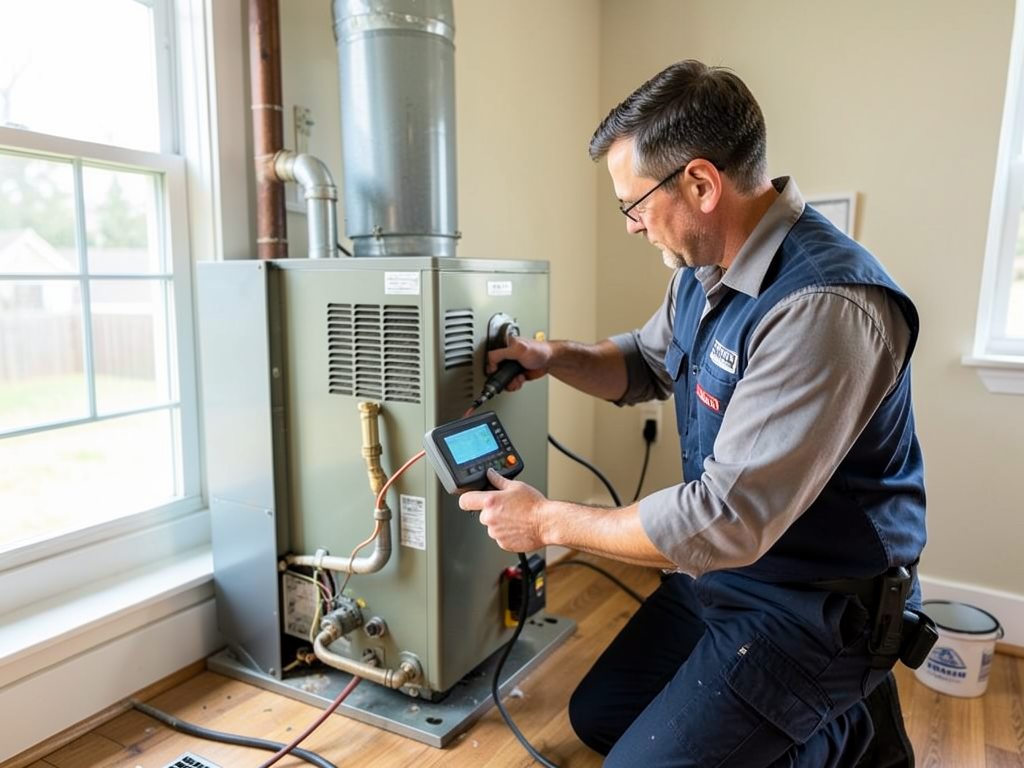
After installation, we measure actual energy consumption against baseline projections and verify refrigerant charge at multiple outdoor temperatures. Inverter systems are sensitive to incorrect refrigerant levels, which reduce efficiency and damage compressors. We provide homeowners with monitoring tools to track real-time energy use and ensure you are capturing the full variable speed compressor benefits throughout the system's lifespan.

Why Buffalo Conditions Make Inverter Technology Essential

Buffalo experiences temperature ranges exceeding 130 degrees from winter lows to summer highs. This extreme variability punishes single-speed equipment designed for steady-state operation. Inverter systems adapt to these conditions without the mechanical fatigue that shortens equipment life.

Lake Erie creates microclimates across Erie and Niagara counties. Homes in Lackawanna face different humidity patterns than properties in Amherst. Tonawanda's proximity to the Niagara River creates localized fog and moisture issues. Inverter HVAC energy efficiency addresses these variations through continuous adaptation rather than blunt on-off cycling.

United HVAC Buffalo understands these local patterns because we have been installing and servicing systems across Western New York for years. We know which inverter models handle lake-effect snow country best and which struggle with prolonged subzero operation.

The pros of inverter heat pumps become critical during Buffalo's unpredictable spring and fall. When daytime temperatures hit 70°F but nights drop to 40°F, traditional systems cannot maintain comfort without constant thermostat adjustment. Inverter technology tracks these swings automatically, maintaining setpoint without user intervention.

Buffalo's aging housing stock presents another challenge. Many homes in Allentown and the West Side have original windows, minimal insulation, and air leakage. Inverter systems compensate for these deficiencies better than conventional equipment because they can deliver low-level heating and cooling that matches the building's actual needs.

Local utility rates make efficiency investments pay back faster. National Grid's tiered pricing structure penalizes high consumption during peak hours. Inverter systems reduce peak demand by spreading energy use more evenly throughout the day, potentially dropping you into lower rate tiers.

We also navigate local permit requirements and inspection processes for HVAC upgrades, ensuring installations meet current energy codes.

What to Expect When You Upgrade to Inverter Technology

Installation Timeline and Process

Most residential inverter system installations complete in one to two days depending on existing infrastructure. We remove old equipment, install new mounting pads or brackets for outdoor units, run refrigerant lines, install indoor air handlers or furnace coils, and wire new thermostats. If your electrical panel lacks capacity for the new system, we coordinate with licensed electricians to upgrade service. We test all components under load before leaving the site, ensuring proper refrigerant charge, airflow, and control communication.

Energy Monitoring and Verification

After installation, we provide baseline energy consumption data and teach you how to read the system's diagnostic displays. Many inverter units include smartphone apps that show real-time energy use, runtime hours, and efficiency metrics. We recommend monitoring your first full billing cycle and comparing it to the same period last year. Most Buffalo homeowners see 25-45% reductions in heating and cooling costs immediately. We return after 30 days to verify refrigerant levels and make any necessary adjustments.

Comfort and Noise Improvements

You will notice quieter operation within the first week. Inverter compressors running at partial speed generate 50-60% less noise than conventional units cycling on at full capacity. Temperature consistency improves dramatically. Instead of 4-5 degree swings between thermostat cycles, inverter systems maintain setpoint within one degree. Humidity control becomes automatic during summer months. The continuous low-speed operation removes moisture steadily rather than creating the clammy feeling that happens when traditional AC short-cycles.

Maintenance and Longevity

Inverter systems require the same annual maintenance as conventional equipment, filter changes, coil cleaning, and refrigerant pressure checks, but mechanical components last longer due to reduced start-stop cycling. Compressors are the most expensive component to replace, and inverter units experience 40-60% fewer start cycles over their lifetime. We recommend annual professional inspections before heating and cooling seasons. Most manufacturers provide extended warranties on inverter compressors, some up to 10 years, because the technology reduces warranty claims. We maintain detailed service records and remind you when maintenance is due.

Frequently Asked Questions

You Have Questions,
We Have Answers

What are the benefits of inverter technology? +

Inverter technology adjusts compressor speed to match your exact heating or cooling demand. Traditional systems run at full blast then shut off, wasting energy. Inverters ramp up or down smoothly, cutting energy bills by up to 30 percent. You get consistent comfort without temperature swings. Buffalo winters demand reliable heat, and inverter heat pumps maintain efficiency even in sub-zero conditions. They run quieter, reduce wear on components, and extend equipment lifespan. For homes dealing with lake-effect cold and humid summers, inverter systems deliver year-round performance without the energy waste of older single-stage units.

What is the disadvantage of an inverter? +

Inverter systems cost more upfront than conventional HVAC equipment. The technology requires specialized components and advanced electronics, raising initial investment. Repairs can be more expensive if the control board or variable-speed compressor fails. Not all technicians in Buffalo are trained on inverter diagnostics, which may limit service options. In extreme cold below negative 15 degrees, some heat pump inverters lose efficiency and require backup heat sources. However, the energy savings and comfort gains typically offset these drawbacks within a few years for most Buffalo homeowners who heat and cool year-round.

What should you not plug into an inverter? +

Never plug high-surge appliances into a power inverter. Motor-driven tools like circular saws, air compressors, and shop vacuums draw massive startup current that overwhelms inverters. Laser printers and microwave ovens also spike demand beyond rated capacity. Sensitive medical equipment should connect to hospital-grade power supplies, not inverters. Buffalo homes using backup inverters during outages should avoid connecting sump pumps or well pumps without verifying wattage capacity. Stick to electronics, laptops, LED lights, and small chargers. Always check the inverter's continuous wattage rating and surge capacity before connecting any device.

Which one is better, AC or inverter? +

This question compares apples to oranges. AC refers to air conditioning, while inverter describes compressor control technology. You can have an inverter-driven AC or a traditional fixed-speed AC. Inverter AC systems outperform conventional units by adjusting output to match demand, saving energy and maintaining steady temperatures. In Buffalo, where summer humidity and winter heating stress HVAC systems, inverter technology delivers superior efficiency and comfort. If choosing between a standard AC and an inverter AC, go inverter for lower operating costs, quieter performance, and better humidity control during muggy lake-effect summers.

Can an inverter run a fridge? +

Yes, a properly sized inverter can run a refrigerator. Most residential fridges need 100 to 800 watts running power but require 2,000 to 3,000 watts at startup when the compressor kicks on. Your inverter must handle that surge. A 2,000-watt pure sine wave inverter works for most standard refrigerators. Buffalo residents using inverters for backup power during outages should verify their fridge's nameplate wattage and startup draw. Modified sine wave inverters can damage compressor motors over time. Use pure sine wave inverters for refrigeration to protect your appliance and maintain food safety.

How long will a 12V battery last with an inverter? +

Battery runtime depends on inverter load and battery capacity. A 100 amp-hour 12V battery stores roughly 1,200 watt-hours of usable energy. Running a 100-watt device drains it in about 10 hours. A 600-watt load kills it in two hours. Factor in inverter efficiency losses of 10 to 15 percent. Buffalo homeowners using inverters for emergency power should calculate total wattage of connected devices, then divide battery capacity by that load. Deep-cycle batteries handle discharge better than car batteries. Add solar panels or a generator to recharge batteries during extended outages.

Are inverters bad for batteries? +

Inverters themselves do not damage batteries, but improper use does. Over-discharging a battery below 50 percent capacity shortens lifespan. Cheap modified sine wave inverters create electrical noise that stresses battery chemistry. Running high loads generates heat, accelerating degradation. Buffalo residents storing batteries in unheated garages face freeze damage in winter if batteries discharge too low. Use a low-voltage cutoff feature to prevent deep discharge. Match inverter size to battery bank capacity. Keep connections tight and clean. Pure sine wave inverters paired with proper charge controllers protect battery health and maximize cycle life.

What is the 3 minute rule for AC? +

The three-minute rule prevents compressor damage after shutdown. When your AC or heat pump stops, refrigerant pressure equalizes between the high and low sides. Starting the compressor before pressures balance forces it to work against high resistance, risking motor burnout. Wait at least three minutes before restarting. Modern inverter systems and thermostats have built-in delay timers. Buffalo homeowners should never rapidly cycle their thermostat up and down. Power outages that flicker on and off stress compressors. This rule protects your equipment investment and prevents costly emergency repairs during peak cooling or heating season.

What is the lifespan of an inverter? +

Quality inverter systems last 10 to 15 years with proper maintenance. The inverter board and variable-speed compressor are the most critical components. Cheaper units may fail after five to seven years. Buffalo's temperature extremes and high humidity stress electronics, so professional annual maintenance extends lifespan. Keep outdoor units clear of snow and ice. Replace air filters monthly during heavy use. Power surges from summer storms damage inverter boards, so use whole-home surge protection. Heat pump inverters work harder year-round than AC-only systems, potentially shortening service life. Expect replacement around the same time as traditional HVAC equipment.

What appliances should not be used with an inverter? +

Avoid connecting high-inrush appliances to inverters. Electric heaters, space heaters, and resistance heat strips draw constant high wattage that drains batteries fast. Washing machines and dishwashers spike during motor startup and heating cycles. Hair dryers, curling irons, and toaster ovens pull heavy loads. Buffalo homeowners using inverters for backup power should skip the electric stove, electric water heater, and central AC compressor unless they have a large battery bank and generator recharge system. Stick to essentials like refrigeration, lighting, phone chargers, and furnace blowers. Prioritize life-safety and food preservation over convenience appliances during outages.

How Buffalo's Lake-Effect Weather Patterns Maximize Inverter System Value

Buffalo receives 95 inches of snow annually, much of it from lake-effect bands that stall over specific neighborhoods for hours. These localized storms create rapid temperature drops that force traditional HVAC systems into constant high-output mode, burning energy and stressing components. Inverter technology power savings become most visible during these events because the variable speed compressor ramps up gradually to meet demand, then throttles back as the building envelope stabilizes. Homes in Orchard Park and Hamburg see the greatest advantages of inverter air conditioners during summer thunderstorms rolling off Lake Erie, which create sudden cooling loads that inverter systems handle without the energy spikes of conventional equipment.

United HVAC Buffalo works with homeowners throughout Erie County who understand that generic HVAC advice from national companies does not account for our unique conditions. We size systems for actual Buffalo weather data, not textbook assumptions. We know which inverter models perform reliably at -10°F outdoor temperatures and which manufacturers stand behind their equipment when lake-effect humidity corrodes outdoor coils. Our technicians live in the same neighborhoods we serve, from Kenmore to Lancaster to Cheektowaga, and we understand how older home construction affects system performance. When you choose local expertise for inverter HVAC energy efficiency, you get installations optimized for the reality of Western New York winters and summers.

HVAC Services in The Buffalo Area

We are proud to serve the entire Buffalo area and its surrounding communities with our expert HVAC services. Our centrally located team allows us to respond quickly to your needs, whether you are in the city or a nearby suburb. We are committed to being your local, trusted resource for all things heating and cooling, and we look forward to serving you right where you are.

Address:
United HVAC Buffalo, 360 Delaware Ave, Buffalo, NY, 14202

Additional Services We Offer

Our news updates

Latest Articles & News from The Blogs

Managing Excessive Dust in Your South Buffalo Home During High Wind Events South Buffalo homes face unique dust challenges when…

Managing Excessive Dust in Your South Buffalo Home During High Wind Events

Managing Excessive Dust in Your South Buffalo Home During High Wind Events South Buffalo homes face unique dust challenges when…

Is it Better to Pay for a Monthly HVAC Maintenance Plan or Just Call When Something Breaks?

Is it Better to Pay for a Monthly HVAC Maintenance Plan or Just Call When Something Breaks? When your furnace…

The Homeowners Guide to Buying a New HVAC System for a Rental Property in University Heights

The Homeowners Guide to Buying a New HVAC System for a Rental Property in University Heights University Heights landlords face…

Contact Us

Call United HVAC Buffalo at (716) 317-7757 for a free load calculation and inverter system analysis. We will show you exact savings projections based on your home and current energy bills. Stop wasting money on outdated technology.