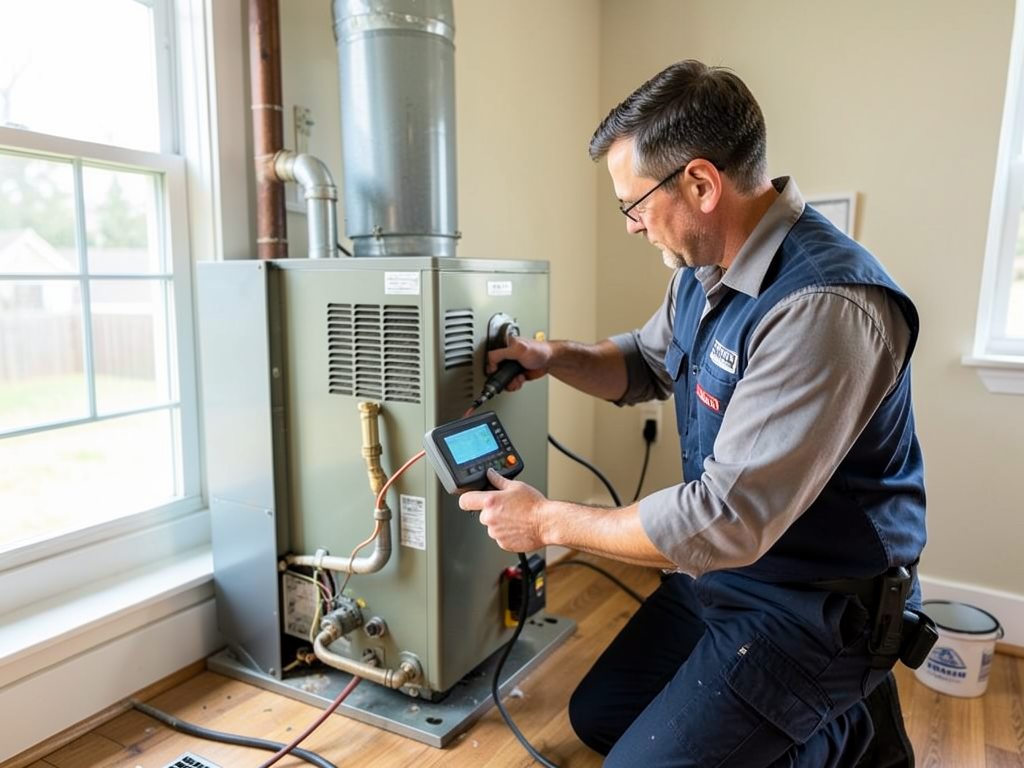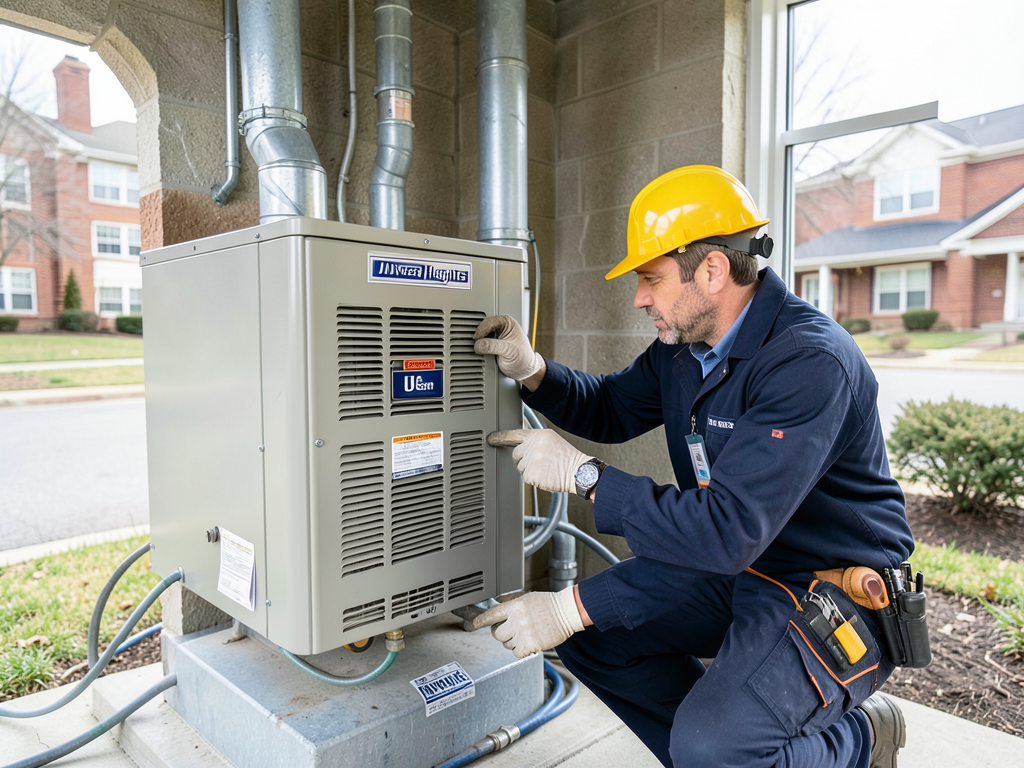

Buffalo receives an average 95 inches of snow annually with lake effect bands creating localized accumulations exceeding 150 inches in southtowns neighborhoods. This precipitation pattern creates unique challenges for new HVAC installation pricing 2026 that moderate climates never encounter. Condensing furnaces and high efficiency air conditioners produce condensate that must drain properly year round. Standard drain lines freeze solid during January cold snaps, causing system shutdowns and potential water damage. Proper installations include heat trace cable on exterior drain routing, secondary condensate pumps with battery backup, and overflow switches that prevent flooding if primary drainage fails. These components add cost but prevent emergency service calls during blizzards when response times extend to days rather than hours.
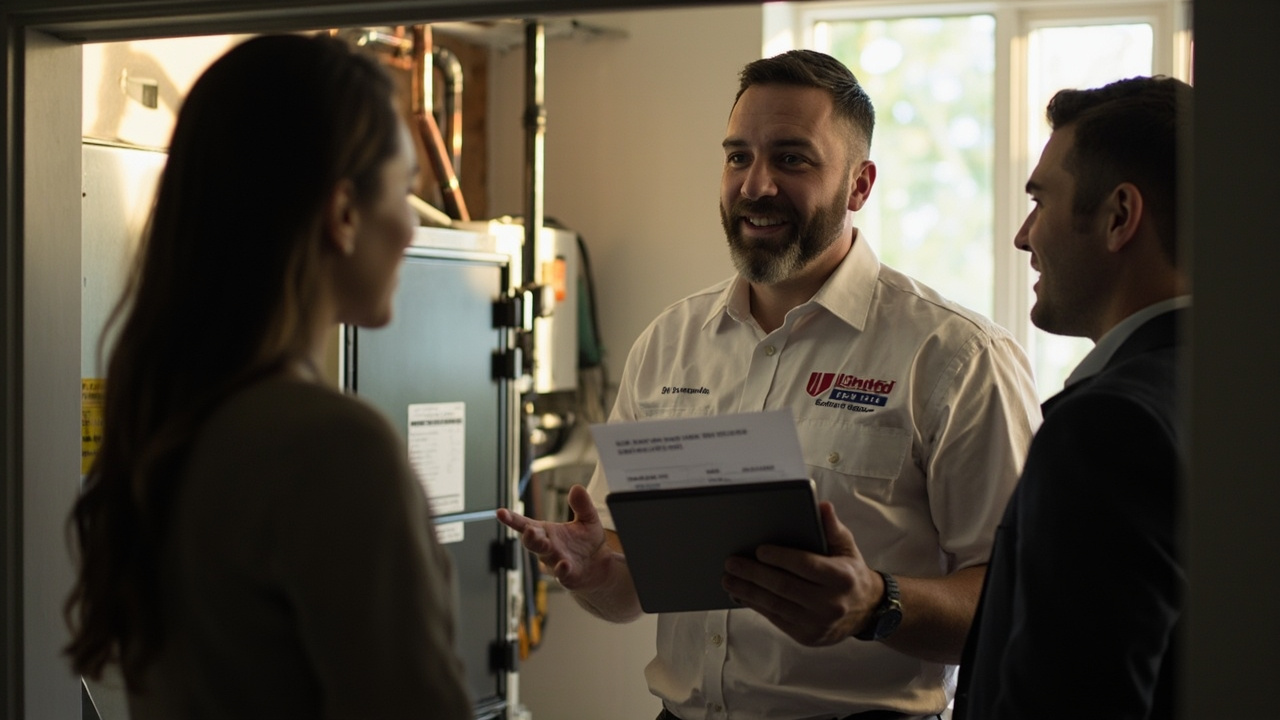
United HVAC Buffalo has served Western New York communities since contractors first installed central air conditioning in post war housing developments. Our technicians train specifically on cold climate installation requirements that protect equipment from freeze damage and maintain efficiency during subzero operation. We understand how Niagara River humidity affects indoor air quality differently than continental climates, requiring specific attention to dehumidification capacity during sizing calculations. This regional expertise means your 2026 heating and cooling system cost reflects proper equipment selection rather than generic specifications copied from national pricing databases. When lake effect weather tests your system's limits, you want contractors who designed the installation for Buffalo conditions from the beginning.