menu

Smart Thermostat Installation in Buffalo – Precision Wiring and Setup for Every HVAC System

From C-wire compatibility checks to multi-stage heat pump configurations, our smart thermostat installation service handles the technical complexity so your Wi-Fi thermostat works flawlessly with Buffalo's demanding heating systems.

Slider Image 1
Slider Image 2
Slider Image 3
Slider Image 4
Slider Image 5
Slider Image 7
Slider Image 8
Slider Image 9
Slider Image 10
Slider Image 11

Why Buffalo Homeowners Struggle with Smart Thermostat Setup

You bought a smart thermostat to cut heating bills and control your home remotely. Then you opened the backplate and saw a mess of wires that don't match the diagram. The app won't connect. The furnace short-cycles. Now you're wondering if you need a C-wire adapter, a transformer upgrade, or something else entirely.

Buffalo's older housing stock creates real challenges for smart thermostat installation. Many homes in neighborhoods like North Buffalo and Elmwood Village still run original two-wire heating systems from the 1950s. These systems lack the common wire that modern Wi-Fi thermostats need for continuous power. Without proper smart thermostat wiring, your device will drain batteries in days or cause erratic heating behavior.

Multi-stage heating systems add another layer of complexity. If you have a two-stage furnace or a heat pump with auxiliary heat, incorrect smart thermostat setup can lock you into the wrong heating stage. You'll burn through energy running auxiliary heat when your primary system should handle the load. This happens frequently when homeowners attempt DIY smart thermostat replacement without understanding their HVAC system's staging logic.

Lake-effect weather makes reliable climate control critical here. When temperatures drop 30 degrees overnight, you need a thermostat that responds correctly. Installing a smart thermostat requires matching your device's capabilities to your system's configuration, from humidifier integration to emergency heat protocols.

The wiring assessment comes first. The setup follows the equipment.

Why Buffalo Homeowners Struggle with Smart Thermostat Setup
How Professional Smart Thermostat Installation Works

How Professional Smart Thermostat Installation Works

We start every Wi-Fi thermostat installation with a control board assessment. Before touching your old thermostat, we photograph the existing wiring, document the wire colors, and trace each connection back to the furnace or air handler. This prevents the most common installation failures, where technicians assume wire functions based on color alone.

Buffalo homes often have non-standard wiring from previous HVAC upgrades. A blue wire might carry 24V power in one system and connect to a cooling stage in another. We verify continuity, check voltage at the control board, and test for proper grounding before connecting your new device.

C-wire installation separates amateur work from professional smart thermostat setup. If your system lacks a common wire, we don't use battery-powered workarounds that fail during polar vortex events. We run dedicated 18-gauge thermostat wire from your transformer to the wall location, maintaining proper wire separation from line voltage cables. For homes where fishing new wire through plaster walls isn't practical, we install a 24V transformer at the air handler with proper overcurrent protection.

Heat pump configurations require specific attention to reversing valve logic and auxiliary heat staging. We program your smart thermostat to match your outdoor unit's O or B wire configuration, set proper temperature differentials for auxiliary heat activation, and configure adaptive recovery so your system reaches setpoint without excessive strip heat usage.

Network integration happens after mechanical verification. We connect your thermostat to your home's Wi-Fi network, configure geofencing parameters if your device supports it, and test remote access through the manufacturer's app. Then we create a heating schedule that matches Buffalo's climate patterns while maximizing your system's efficiency.

What Happens During Your Installation Appointment

Smart Thermostat Installation in Buffalo – Precision Wiring and Setup for Every HVAC System
01

System Documentation and Analysis

Our technician photographs your current thermostat wiring, identifies your HVAC equipment type, and tests voltage at both the wall location and control board. We check for proper transformer output, verify wire gauge meets code requirements, and determine if your system provides the common wire connection that smart thermostats need for reliable operation.
02

Wiring and Mounting

We install any required C-wire infrastructure, mount the new thermostat backplate level to the wall surface, and connect each wire to the correct terminal based on your specific HVAC configuration. Multi-stage systems receive proper jumper connections. Heat pumps get configured for the correct reversing valve polarity. Every connection gets checked twice before applying power.
03

Programming and Testing

After confirming all mechanical connections function correctly, we configure your thermostat's advanced settings for your equipment type, connect the device to your wireless network, and walk you through the app interface. We test heating and cooling modes, verify proper system staging, and program an initial schedule based on your preferences and Buffalo's seasonal temperature patterns.

Why Buffalo Homeowners Choose United HVAC Buffalo for Smart Thermostat Work

Installing a smart thermostat in Buffalo requires understanding local HVAC systems, not just following the instruction sheet. We've worked on everything from gravity furnace conversions in Allentown to modern modulating systems in Clarence. This experience matters when your home's heating system doesn't match the thermostat manufacturer's wiring diagram.

Many Buffalo homes have hybrid heating systems that developed over decades of upgrades. You might have a gas furnace with central air, a whole-house humidifier, and an electronic air cleaner. Each component needs proper integration with your new smart thermostat. We configure accessory terminals correctly so your humidifier responds to indoor humidity levels and your air cleaner runs during occupied periods.

We also understand Buffalo's building codes and residential wiring standards. Smart thermostat installation must comply with electrical code requirements for low-voltage wiring, transformer sizing, and wire routing. When we install a new C-wire, we follow proper methods for fire-rated wall penetrations and maintain required separation from line voltage circuits. This protects your home and ensures your insurance coverage remains valid.

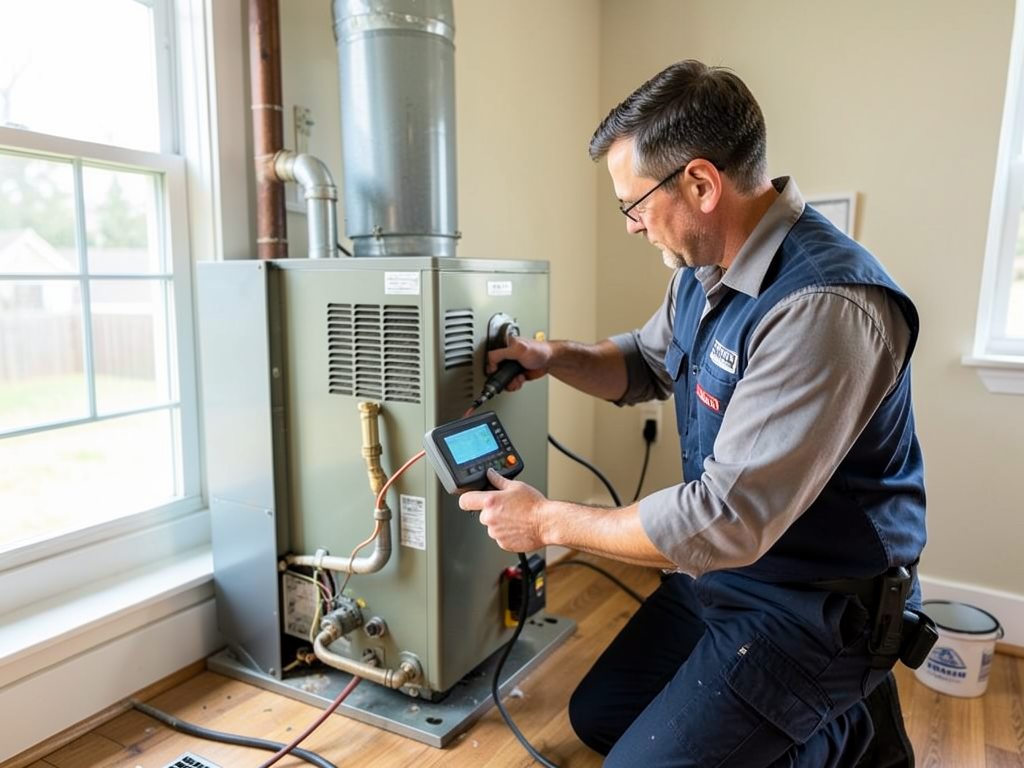
Our technicians carry the diagnostic equipment needed for troubleshooting complex installations. We use multimeters to verify proper voltage, tone generators to trace wiring through finished walls, and thermal cameras to identify short-cycling issues that improper thermostat configuration can cause. This equipment investment separates professional HVAC contractors from handyman services.

The follow-up support matters too. When you have questions about scheduling, geofencing setup, or why your system behaves differently during lake-effect snow events, you can call us directly. We don't outsource technical support to a call center. You talk to the same technicians who installed your equipment.

What to Expect from Your Smart Thermostat Installation

Installation Timeline and Scheduling

Most smart thermostat installations take 90 minutes to two hours, depending on whether we need to install C-wire infrastructure. We schedule appointments in four-hour windows to accommodate the variability in older home wiring scenarios. If we discover knob-and-tube wiring or aluminum conductors during the assessment, we'll discuss your options before proceeding. Same-day installation is available for straightforward replacements where your existing system already provides proper common wire connections. We work year-round, including during Buffalo's heating season when thermostat upgrades deliver immediate comfort improvements.

Pre-Installation Assessment

Before we schedule your installation, we ask specific questions about your current HVAC system. We need to know your heating fuel type, whether you have central air conditioning, and if you've noticed any existing control issues. This information helps us bring the correct materials, from C-wire adapter kits to transformer upgrades. For complex systems, we can schedule a pre-installation site visit to assess your control board configuration and confirm compatibility with your chosen smart thermostat model. This prevents appointment delays and ensures we complete your installation in a single visit.

System Performance After Installation

Your smart thermostat will control temperature more precisely than your old mechanical or basic digital unit. You'll notice fewer temperature swings, especially during shoulder seasons when outdoor temperatures fluctuate significantly. The adaptive learning features take about one week to optimize your heating and cooling cycles. During this period, your system might run slightly longer or shorter than expected as the thermostat learns your home's thermal characteristics. Remote access works immediately after network configuration, allowing you to adjust settings from anywhere with cellular or Wi-Fi connectivity.

Ongoing Support and Troubleshooting

We provide phone support for programming questions and app connectivity issues after your installation. Most manufacturers offer their own product warranties covering device defects, while our installation workmanship is backed for one year from the service date. If you experience wiring problems, connectivity failures, or HVAC system compatibility issues related to our installation work, we'll return to diagnose and correct the problem. Software updates happen automatically through your thermostat's Wi-Fi connection. We recommend scheduling annual HVAC maintenance to keep your entire system operating efficiently with your new smart controls.

Frequently Asked Questions

You Have Questions,
We Have Answers

Do I need an electrician to install a smart thermostat? +

Most smart thermostat installations do not require an electrician if you have a C-wire, which provides continuous power. You can install many models yourself following manufacturer instructions. If your system lacks a C-wire, you need a professional to run new wiring or install an adapter. Buffalo homes built before 1990 often lack this wire. Older heating systems in neighborhoods like Elmwood Village may need electrical upgrades. If you encounter unfamiliar wiring, low voltage concerns, or multiple HVAC zones, call a licensed HVAC technician to avoid damaging your furnace or voiding warranties.

Can I replace my old thermostat with a smart thermostat? +

Yes, you can replace most old thermostats with smart models. Start by shutting off power at the breaker. Remove the old unit and photograph the wire connections. Match each wire to the corresponding terminal on your new smart thermostat. Most Buffalo homes use standard 24-volt systems compatible with popular brands. Older mercury thermostats common in Allentown or North Buffalo require proper disposal due to hazardous materials. If your existing thermostat uses only two wires or controls a high-voltage baseboard heater, you need a different smart model or professional help to adapt the system.

How much does an electrician charge to install a smart thermostat? +

HVAC technicians in Buffalo typically charge between $150 and $300 for smart thermostat installation, depending on complexity. Basic installations with existing compatible wiring cost less. If you need a C-wire installed, expect higher labor costs. Running new wiring through finished walls in older Buffalo homes adds time and expense. Multi-zone systems or high-voltage conversions increase the price. Get quotes from local contractors familiar with Buffalo's housing stock. Many technicians include basic programming and WiFi setup in their service. Costs vary by season, with higher demand during extreme cold snaps in January and February.

What do I need to know before installing a smart thermostat? +

Before installing a smart thermostat, verify your HVAC system voltage. Most residential systems in Buffalo use 24-volt low-voltage wiring. Check for a C-wire, which powers the smart features. Identify your heating and cooling type: forced air, heat pump, boiler, or baseboard. Buffalo homes often have older furnaces or boiler systems that require compatibility checks. Confirm your WiFi network reaches the thermostat location. Know your heating fuel source, whether natural gas, oil, or electric. Take photos of existing wiring before disconnecting anything. Turn off power at the breaker before starting work to prevent electrical shorts.

What are the downsides of smart thermostats? +

Smart thermostats require stable WiFi and lose functionality during internet outages. They cost more upfront than basic programmable models. Some learning models take weeks to optimize, frustrating homeowners who want immediate efficiency. Privacy concerns exist because devices collect usage data and connect to manufacturer servers. Buffalo's extreme temperature swings during lake effect events can confuse learning algorithms initially. Battery-powered models need periodic replacement. Compatibility issues arise with older HVAC systems, particularly steam radiators or gravity furnaces common in historic Buffalo neighborhoods. Touchscreen interfaces can frustrate less tech-savvy users who prefer simple dial controls.

How much does Home Depot charge to install a thermostat? +

Home Depot charges approximately $149 to $249 for basic thermostat installation through their third-party contractor network. This covers standard replacements with existing compatible wiring. The price does not include running new C-wires, electrical upgrades, or complex multi-zone systems. Availability varies by location, and Buffalo-area stores schedule through independent local contractors. You must purchase the thermostat from Home Depot to qualify for installation services. Complex jobs requiring additional wiring, wall patching, or HVAC system modifications cost extra. Installation times vary based on contractor availability, often running two to three weeks out during peak heating season.

Do smart thermostats need special wiring? +

Most smart thermostats work with standard low-voltage HVAC wiring but need a C-wire for continuous power. This common wire provides 24-volt power to run WiFi, touchscreens, and processors. Many Buffalo homes built after 1990 have C-wires already installed but not connected at the old thermostat. Older systems may require running new wire from the furnace to the thermostat location. Some models include power adapter kits that eliminate C-wire requirements. High-voltage systems like electric baseboard heaters need line-voltage smart thermostats with different wiring. Check your existing setup before purchasing a smart model.

How do I know if my HVAC is compatible with a smart thermostat? +

Check your current thermostat wiring first. Remove the faceplate and photograph the wire connections. Most Buffalo HVAC systems are compatible if you see wires labeled R, W, Y, and G. Look for a C-wire, often blue or black. Visit the manufacturer website and enter your system details into their compatibility checker tool. Identify your heating type: forced air furnace, boiler with zones, or heat pump. Buffalo homes with steam radiators or gravity systems may not work with smart thermostats. Call an HVAC technician if you see unusual wiring, multiple transformers, or unclear system configurations.

Does a smart thermostat increase home value? +

Smart thermostats add modest value to Buffalo homes, appealing to tech-focused buyers who prioritize energy efficiency. They signal updated systems and modern amenities. Real estate agents report smart home features help listings stand out in competitive neighborhoods like Hertel Avenue or Delaware District. The actual return on investment remains small, typically recovering 30 to 50 percent of installation costs at resale. Buyers value the energy savings potential during Buffalo's harsh winters more than the device itself. Programmable features that reduce heating bills resonate with cost-conscious buyers facing high National Fuel bills during January cold snaps.

Does Best Buy install smart thermostats? +

Best Buy offers smart thermostat installation through their Geek Squad service in the Buffalo area. Pricing starts around $99 for basic installations with existing compatible wiring. You must purchase the thermostat from Best Buy to qualify. Service includes mounting, wiring, and basic programming setup. Complex installations requiring new C-wire runs, electrical work, or HVAC system modifications cost extra or may be declined. Availability depends on local Geek Squad schedules, which can extend several weeks during peak seasons. The service focuses on device installation rather than HVAC system optimization or troubleshooting furnace compatibility issues.

How Buffalo's Temperature Extremes Demand Proper Smart Thermostat Configuration

Buffalo experiences 70-degree temperature swings between summer peaks and winter lows, with rapid day-to-day changes during transitional seasons. This climate variability makes smart thermostat setup critical for system efficiency. When lake-effect systems move through, outdoor temperatures can drop 15 degrees in an hour. Your thermostat needs proper anticipation settings and recovery programming to maintain comfort without constantly running auxiliary heat. Incorrect smart thermostat wiring or configuration causes your system to overshoot setpoints, wasting energy during these rapid weather changes. The geofencing features that work well in moderate climates need adjustment for Buffalo's extreme conditions, where arriving home to a 62-degree house in January isn't acceptable.

United HVAC Buffalo has installed smart thermostats in hundreds of local homes, from historic properties in the Elmwood Village to newer construction in Amherst. We understand how Buffalo's housing stock affects HVAC control requirements. The balloon-framed houses near Delaware Park need different thermostat programming than the well-insulated ranches in Cheektowaga. Our technicians know which smart thermostat models work best with the high-efficiency condensing furnaces common in newer Buffalo homes, and which devices integrate properly with older cast iron boiler systems. This local knowledge prevents the compatibility problems that occur when out-of-town contractors or big-box installers apply generic solutions to Buffalo's specific heating challenges.
HVAC Services in The Buffalo Area

We are proud to serve the entire Buffalo area and its surrounding communities with our expert HVAC services. Our centrally located team allows us to respond quickly to your needs, whether you are in the city or a nearby suburb. We are committed to being your local, trusted resource for all things heating and cooling, and we look forward to serving you right where you are.

Address:
United HVAC Buffalo, 360 Delaware Ave, Buffalo, NY, 14202

Additional Services We Offer

Our news updates

Latest Articles & News from The Blogs

Managing Excessive Dust in Your South Buffalo Home During High Wind Events South Buffalo homes face unique dust challenges when…

Managing Excessive Dust in Your South Buffalo Home During High Wind Events

Managing Excessive Dust in Your South Buffalo Home During High Wind Events South Buffalo homes face unique dust challenges when…

Is it Better to Pay for a Monthly HVAC Maintenance Plan or Just Call When Something Breaks?

Is it Better to Pay for a Monthly HVAC Maintenance Plan or Just Call When Something Breaks? When your furnace…

The Homeowners Guide to Buying a New HVAC System for a Rental Property in University Heights

The Homeowners Guide to Buying a New HVAC System for a Rental Property in University Heights University Heights landlords face…

Contact Us

Stop fighting with incompatible wiring and unreliable temperature control. Call United HVAC Buffalo at (716) 317-7757 to schedule your professional smart thermostat installation. We'll assess your system, handle the technical complexity, and get your Wi-Fi thermostat working correctly the first time.