menu

Emergency Heat Pump Repair in Buffalo – 24/7 Dispatch When Your Heat Fails

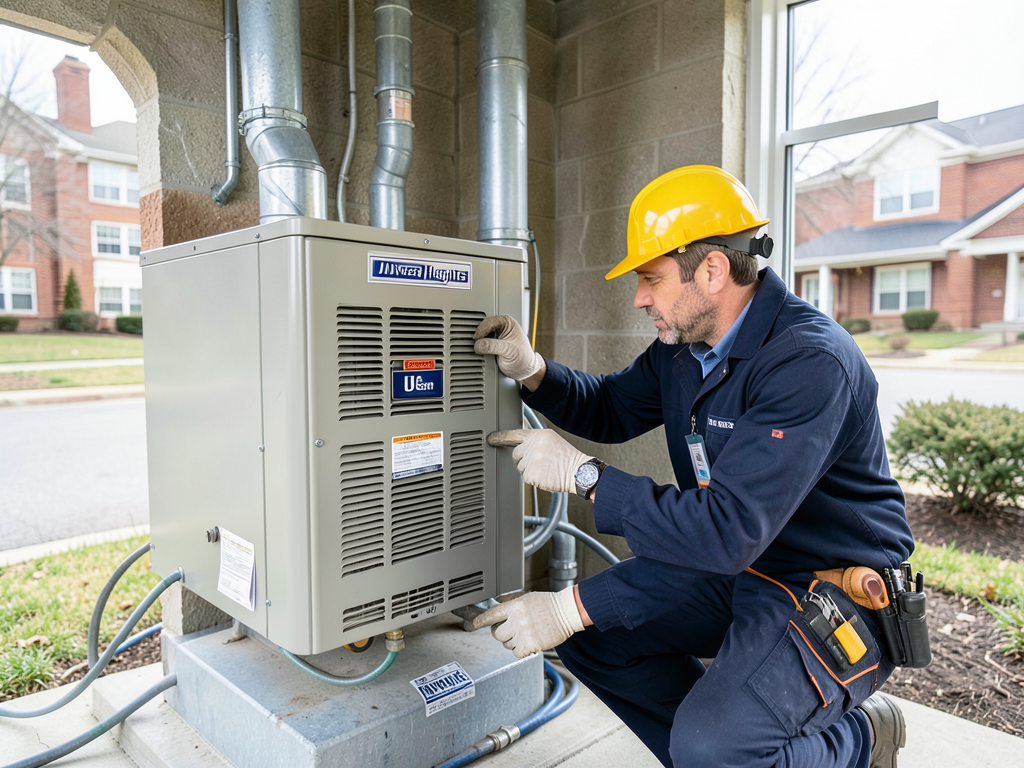
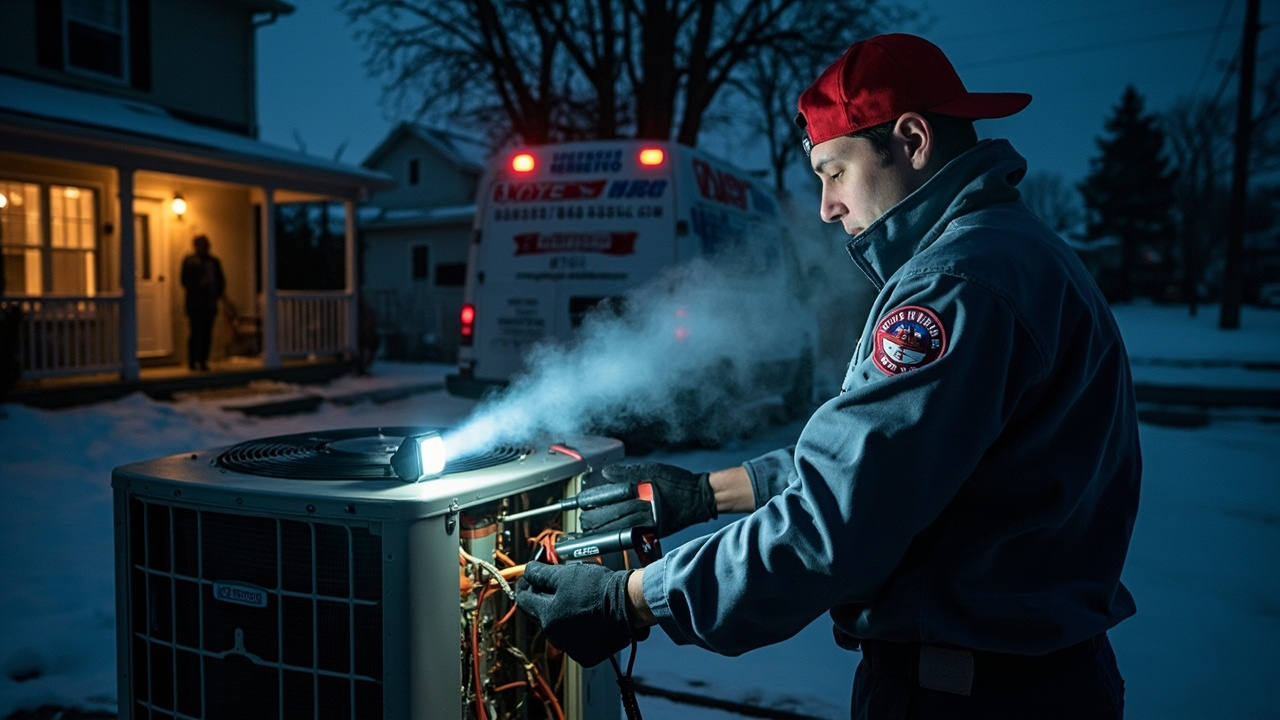
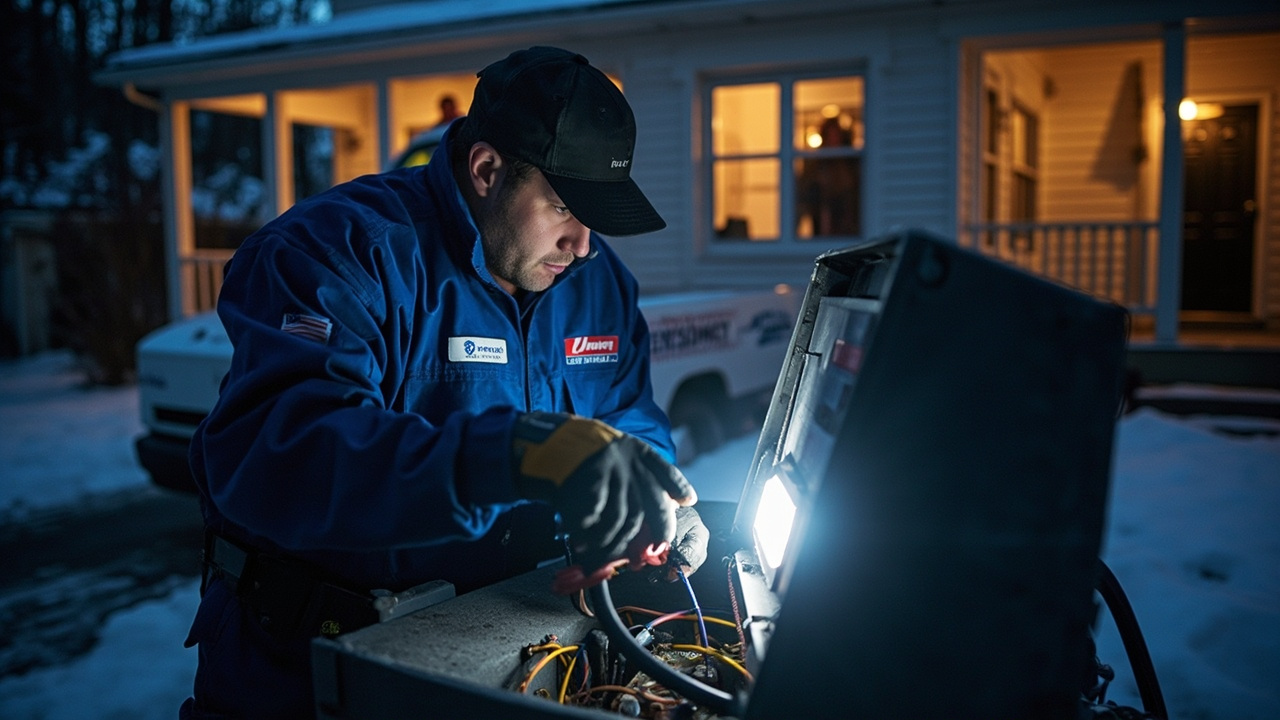
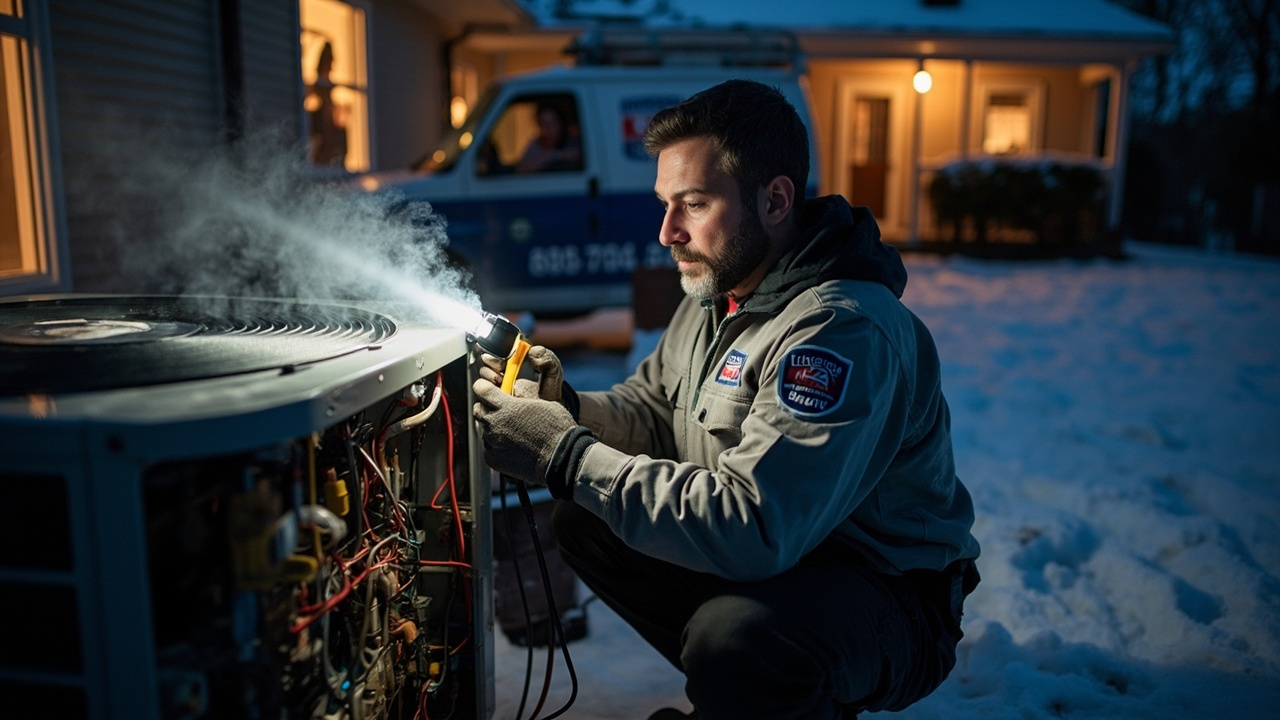
When your heat pump quits in the middle of a Buffalo winter night, you need a technician at your door fast. We dispatch emergency HVAC crews around the clock to restore heat before frozen pipes or system failure escalate the damage.

Slider Image 1
Slider Image 2
Slider Image 3
Slider Image 4
Slider Image 5
Slider Image 7
Slider Image 8
Slider Image 9
Slider Image 10
Slider Image 11

Why Heat Pump Failures Hit Harder in Buffalo Winters

Buffalo winters push heat pumps to their breaking point. When outdoor temperatures drop below 25 degrees, your system works twice as hard to pull heat from frozen air. The compressor cycles nonstop. Ice builds on the outdoor coil. The reversing valve strains under load. Eventually, something gives.

When your heat pump fails at 2 a.m. on a February night, you are not just uncomfortable. You are racing against frozen pipes, furnace backup failure, and compressor burnout. Every hour without heat increases repair costs and property damage risk.

The freeze-thaw cycles Buffalo experiences between November and March create unique failure points. Moisture infiltrates electrical connections during thaws, then expands when temperatures plunge overnight. Defrost cycles that work fine in October fail under January load. Auxiliary heat strips burn out because the system cannot keep up with demand.

You need same day heat pump repair when the outdoor unit ices over completely. You need urgent heat pump repair when the blower runs but no warm air moves. You need after hours heat pump repair when strange grinding noises wake you at midnight.

Buffalo homeowners wait an average of 4-6 hours for emergency HVAC service during peak winter demand. That delay can mean the difference between a $400 repair and a $3,000 replacement. It can mean burst pipes in your crawlspace or a flooded basement by morning.

United HVAC Buffalo keeps technicians on call specifically for 24 hour heat pump repair. We stock compressors, reversing valves, and control boards for the Carrier, Trane, and Lennox systems common in Erie County homes. When you call, we dispatch immediately.

Why Heat Pump Failures Hit Harder in Buffalo Winters
How We Diagnose and Restore Heat Pump Function Fast

How We Diagnose and Restore Heat Pump Function Fast

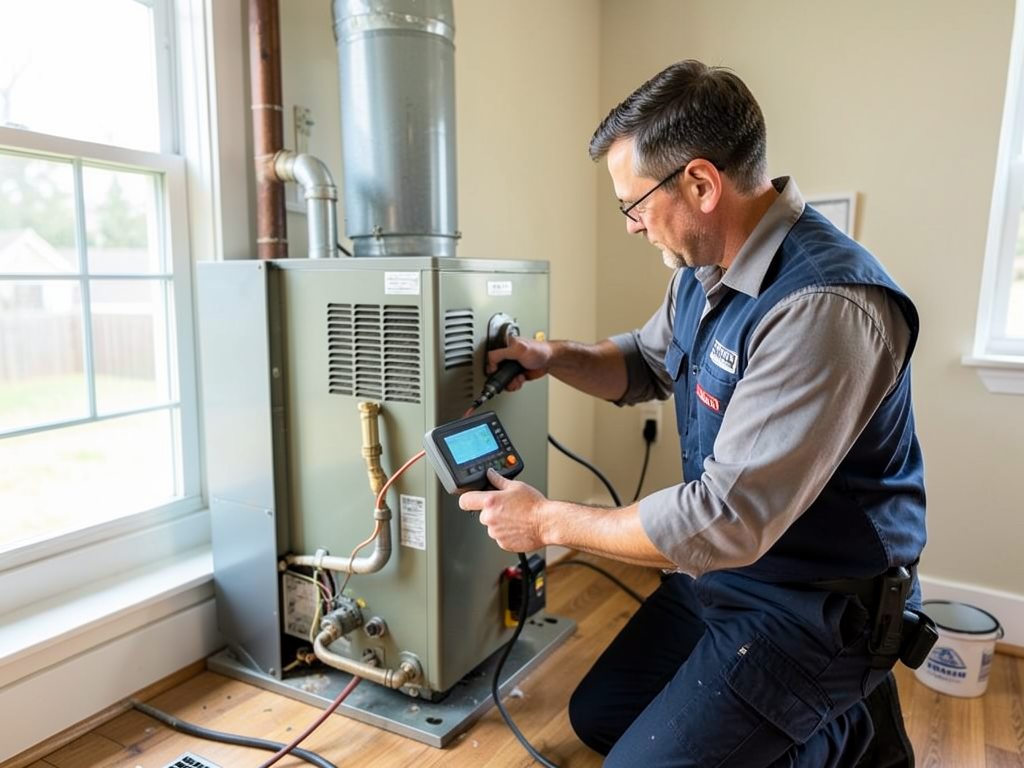
Emergency heat pump service starts with rapid diagnosis. Our techs arrive with manifold gauges, digital multimeters, and thermal imaging cameras. We check refrigerant pressures first because low charge is the most common failure mode in cold weather. If suction pressure reads below 60 PSI when outdoor temps are in the 20s, you have a leak or a restriction.

We test the reversing valve next. This component switches your system between heating and cooling modes. When it sticks halfway, you get no heat and no cooling. We measure voltage at the solenoid coil and listen for the mechanical click that signals valve movement. If the valve is frozen or burned, we replace it on the spot.

The defrost control board governs how your system melts ice off the outdoor coil. Buffalo's high humidity and fluctuating temperatures cause ice buildup faster than in dry climates. A failed defrost board leaves your outdoor unit encased in ice, choking airflow and killing efficiency. We bypass the board temporarily to restore heat, then install a new control once you are stable.

Compressor failure is the worst-case scenario. If the compressor motor winding resistance reads infinite or zero ohms, the motor is dead. We do not guess. We test with precision instruments and give you a clear answer: repair or replace.

Blower motor issues present differently. You hear the system running, but no air moves through your vents. We check the capacitor first because weak capacitance prevents the motor from starting under load. A $30 capacitor swap takes 15 minutes and restores full airflow.

United HVAC Buffalo does not troubleshoot by swapping parts randomly. We follow a diagnostic sequence that identifies root cause fast, so you get heat back without paying for unnecessary components.

What Happens When You Call for Emergency Heat Pump Service

Emergency Heat Pump Repair in Buffalo – 24/7 Dispatch When Your Heat Fails
01

Immediate Dispatch and Arrival

You call our emergency line at (716) 317-7757 and speak directly to a dispatcher, not a voicemail system. We confirm your address in Buffalo, verify your symptoms, and dispatch the closest available technician. You receive an ETA within five minutes of your call. Our average response time for urgent heat pump repair is under 90 minutes, even during overnight calls or winter storms.
02

On-Site System Diagnosis

Our technician performs a full system diagnostic using refrigerant manifold gauges, voltage meters, and amperage clamps. We test the compressor, reversing valve, defrost board, and blower motor. We measure refrigerant charge and check for leaks using electronic detectors. You get a clear explanation of what failed, why it failed, and what it takes to fix it. No guessing. No upselling. Just facts.
03

Repair and Heat Restoration

We carry the most common failure components on our service trucks: capacitors, contactors, reversing valves, defrost boards, and blower motors. If we have the part, we install it immediately and restore heat the same visit. If we need to order a compressor or specialty control board, we set up temporary heat using your auxiliary strips or a portable heater until the part arrives and we complete the full repair.

Why Buffalo Homeowners Choose United HVAC for Emergency Repairs

United HVAC Buffalo specializes in the heat pump systems common to Western New York: Carrier Infinity series, Trane XV models, and Lennox Signature units. We know how these systems behave in Buffalo's climate because we service them year-round, not just during emergencies.

Our technicians understand the building codes specific to Erie County. We know that homes built before 1980 often lack the electrical capacity for high-efficiency heat pumps. We know that crawlspaces in North Buffalo freeze differently than basements in Orchard Park. We know which insulation standards apply to your neighborhood because we work here every day.

When you call a national franchise for after hours heat pump repair, you get a subcontractor who may not stock parts for your system. You wait while they order components. You pay trip charges for multiple visits. You deal with coordination delays between the call center, the dispatcher, and the actual technician.

United HVAC Buffalo owns our trucks, employs our technicians directly, and stocks our inventory based on what actually fails in Buffalo homes. We do not subcontract emergency calls. The technician who answers your call is the technician who shows up at your door.

We also understand the insurance claims process for heating system failures. If your heat pump failure caused frozen pipes or water damage, we document the failure mode, the timeline, and the cause. We provide the technical details your insurance adjuster needs to process your claim fast.

Buffalo winters do not allow for delays. When your heat fails, you need a crew that knows your system, stocks the right parts, and shows up when they say they will. You need technicians who have replaced reversing valves in January cold and diagnosed defrost failures during ice storms.

United HVAC Buffalo has been the emergency HVAC provider for Buffalo homeowners since we opened. We do not advertise same day heat pump repair unless we can deliver it.

What to Expect During an Emergency Heat Pump Repair Call

Response Time and Availability

We dispatch emergency heat pump repair technicians 24 hours a day, 365 days a year. When you call (716) 317-7757, you reach a live dispatcher immediately, even at 3 a.m. on Christmas morning. We provide an estimated arrival time within five minutes of your call. Our average response time is 60-90 minutes for urgent calls within Buffalo city limits, and under two hours for surrounding Erie County areas. During extreme weather events or peak demand periods, we prioritize calls based on severity: no heat with children or elderly residents gets priority over intermittent heating issues.

Diagnostic Process and Transparency

Our technician arrives with a fully stocked service vehicle and diagnostic equipment. The diagnostic process takes 20-45 minutes depending on system complexity. We test refrigerant pressures, electrical components, and mechanical function using calibrated instruments. You receive a clear explanation of what failed, what caused the failure, and what options you have. We show you the failed component when possible. We provide a written estimate before starting any repair work. If the repair cost exceeds the value of your system, we tell you honestly and explain your replacement options.

Repair Quality and Completion

We complete most emergency repairs the same visit because we stock common failure parts: run capacitors, contactors, defrost control boards, reversing valves, and blower motors. We use OEM components when available, and commercial-grade aftermarket parts when OEM is not stocked. Every repair includes a full system test: we measure airflow, check refrigerant charge, verify electrical connections, and confirm proper defrost operation. You get heat restored before we leave. If we need to order a specialty part like a compressor, we set up temporary heating and return to complete the repair within 24-48 hours.

Follow-Up and Prevention

Emergency repairs fix the immediate problem, but they also reveal underlying issues. We provide a written summary of what we found during diagnosis: dirty coils, weak capacitors, refrigerant leaks, or electrical problems that will cause future failures. We recommend preventive maintenance to address these issues before they strand you without heat again. If your system required refrigerant, we perform a leak test and mark the leak location for proper repair. We follow up within one week to confirm your system is operating correctly. If you experience any issues with the repair, we return at no additional diagnostic charge.

Frequently Asked Questions

You Have Questions,
We Have Answers

How much is emergency heating repair? +

Emergency heating repair costs vary based on the issue, time of day, and parts needed. Expect service call fees plus labor and materials. Minor fixes like thermostat replacement or capacitor swaps cost less than compressor or refrigerant leak repairs. After-hours and weekend calls carry premium rates, but frozen pipes and system failures can't wait in Buffalo's harsh winters. A licensed technician will diagnose the problem and provide a quote before work begins. Ask about financing options if the repair is urgent but outside your immediate budget.

What to do if the heat pump stops working? +

First, check your thermostat settings and ensure it's set to heat mode. Verify your circuit breaker hasn't tripped. Check the outdoor unit for ice buildup or debris blocking airflow. If everything looks normal but your heat pump still won't run, shut it off to prevent further damage and call an emergency HVAC technician immediately. Don't attempt DIY repairs on refrigerant lines or electrical components. Buffalo winters are unforgiving, and a failed heat pump can lead to frozen pipes and property damage within hours.

What is the $5000 rule for HVAC? +

The $5000 rule is a decision-making guideline for repair versus replacement. Multiply the repair cost by your system's age in years. If the result exceeds $5000, replacement is usually the smarter investment. For example, a $400 repair on a 10-year-old heat pump equals $4000, so repair makes sense. A $600 repair on a 12-year-old unit equals $7200, suggesting replacement. This rule helps Buffalo homeowners avoid throwing money at aging equipment that will likely fail again soon.

What's considered an HVAC emergency? +

An HVAC emergency is any situation creating immediate health risks or property damage. No heat when Buffalo temperatures drop below freezing qualifies, as pipes can freeze and burst. Complete system failure, gas leaks, electrical burning smells, carbon monoxide detector alarms, and major refrigerant leaks all demand immediate professional response. Water leaking from your furnace or heat pump can cause structural damage. Strange noises like grinding or banging may indicate catastrophic component failure. Don't wait until morning if your family's safety or home is at risk.

What is the average life expectancy of a heat pump? +

Heat pumps typically last 10 to 15 years with proper maintenance. Buffalo's freeze-thaw cycles and heavy use during long heating seasons can shorten lifespan if units aren't serviced regularly. Coastal humidity and temperature extremes stress components. Quality installation, annual tune-ups, and prompt repairs when issues arise extend longevity. Systems older than 12 years warrant replacement consideration, especially if efficiency has dropped or repairs are becoming frequent. Newer models offer better cold-weather performance and energy savings that offset replacement costs over time.

Does insurance cover problems with the heating unit? +

Standard homeowners insurance typically covers heating system damage from covered perils like fire, lightning strikes, or vandalism. Insurance does not cover normal wear and tear, lack of maintenance, or gradual deterioration. A heat pump that fails due to age or poor upkeep won't be covered. However, if a winter storm causes electrical surge damage or a tree falls on your outdoor unit, you may have coverage. Review your policy details and consider equipment breakdown endorsements for added protection on aging HVAC systems.

What is the most common problem with heat pumps? +

Refrigerant leaks are the most common heat pump problem. Low refrigerant reduces heating capacity and efficiency, forcing your system to run constantly without reaching set temperatures. Buffalo's temperature swings cause expansion and contraction that can crack refrigerant lines over time. Dirty coils, faulty reversing valves, and frozen outdoor units also occur frequently. Capacitor failures prevent compressors from starting. Regular filter changes and annual maintenance catch most issues before they become emergencies, but leaks often develop between service visits and require immediate professional repair.

What is the average cost of a heat pump replacement? +

Heat pump replacement costs depend on system size, efficiency rating, and installation complexity. Factors include ductwork condition, electrical panel capacity, and whether you're upgrading from a single-stage to variable-speed unit. High-efficiency models cost more upfront but deliver lower energy bills and better performance in Buffalo's cold climate. Get multiple quotes from licensed contractors. Many offer financing plans. Factor in potential rebates and tax credits that reduce net cost. Emergency replacements during winter may carry premium pricing due to high demand.

What temperature is too cold for a heat pump to work? +

Standard heat pumps lose efficiency below 40 degrees and struggle under 25 degrees. Buffalo winters regularly drop well below freezing, which is why cold-climate heat pumps with enhanced vapor injection technology are essential here. These units maintain heating capacity down to negative 13 degrees. If your heat pump constantly runs in defrost mode or can't keep up when temperatures drop below 20 degrees, you may need auxiliary heat or system replacement. Older units without cold-weather optimization often fail during polar vortex events.

What is the federal credit for HVAC? +

The federal Energy Efficient Home Improvement Credit offers up to $2000 annually for qualifying heat pump installations through 2032. Equipment must meet ENERGY STAR efficiency requirements. The Inflation Reduction Act also provides rebates for income-qualified households. New York State offers additional incentives through NYSERDA programs. Combine federal tax credits with state and utility rebates to significantly offset replacement costs. Keep all receipts and manufacturer certifications. Consult a tax professional to ensure you claim credits correctly. Emergency replacements still qualify if equipment meets efficiency standards.

How Buffalo's Lake Effect Weather Accelerates Heat Pump Failures

Buffalo receives an average of 95 inches of snow annually, with lake effect storms dumping moisture-heavy snow that melts and refreezes constantly. This freeze-thaw cycling creates brutal conditions for heat pump outdoor units. When snow melts during the day and refreezes overnight, ice forms inside the coil fins, blocking airflow and forcing the compressor to run at maximum capacity. The defrost cycle, which normally activates every 90 minutes in cold weather, cannot keep up with the ice accumulation. By morning, your outdoor unit is a block of ice and your system is in emergency shutdown. Emergency heat pump service calls spike during lake effect events because the combination of heavy snow, high humidity, and rapid temperature swings pushes these systems past their design limits.

United HVAC Buffalo understands how Western New York weather destroys heat pumps. We have been diagnosing lake effect damage, ice-clogged coils, and frozen reversing valves in Erie County homes for years. We know that homes near Lake Erie experience different failure patterns than homes in the Southtowns. We stock cold-weather components and install low-ambient kits that extend heat pump operation down to zero degrees. When you need 24 hour heat pump repair in Buffalo, you need technicians who have worked through every winter storm pattern this region throws at HVAC systems.
HVAC Services in The Buffalo Area

We are proud to serve the entire Buffalo area and its surrounding communities with our expert HVAC services. Our centrally located team allows us to respond quickly to your needs, whether you are in the city or a nearby suburb. We are committed to being your local, trusted resource for all things heating and cooling, and we look forward to serving you right where you are.

Address:
United HVAC Buffalo, 360 Delaware Ave, Buffalo, NY, 14202

Additional Services We Offer

Our news updates

Latest Articles & News from The Blogs

Managing Excessive Dust in Your South Buffalo Home During High Wind Events South Buffalo homes face unique dust challenges when…

Managing Excessive Dust in Your South Buffalo Home During High Wind Events

Managing Excessive Dust in Your South Buffalo Home During High Wind Events South Buffalo homes face unique dust challenges when…

Is it Better to Pay for a Monthly HVAC Maintenance Plan or Just Call When Something Breaks?

Is it Better to Pay for a Monthly HVAC Maintenance Plan or Just Call When Something Breaks? When your furnace…

The Homeowners Guide to Buying a New HVAC System for a Rental Property in University Heights

The Homeowners Guide to Buying a New HVAC System for a Rental Property in University Heights University Heights landlords face…

Contact Us

Your heat pump will not fix itself, and every hour without heat increases the risk of frozen pipes and system damage. Call United HVAC Buffalo now at (716) 317-7757 for immediate emergency dispatch. We answer 24/7, stock the parts your system needs, and restore heat fast.