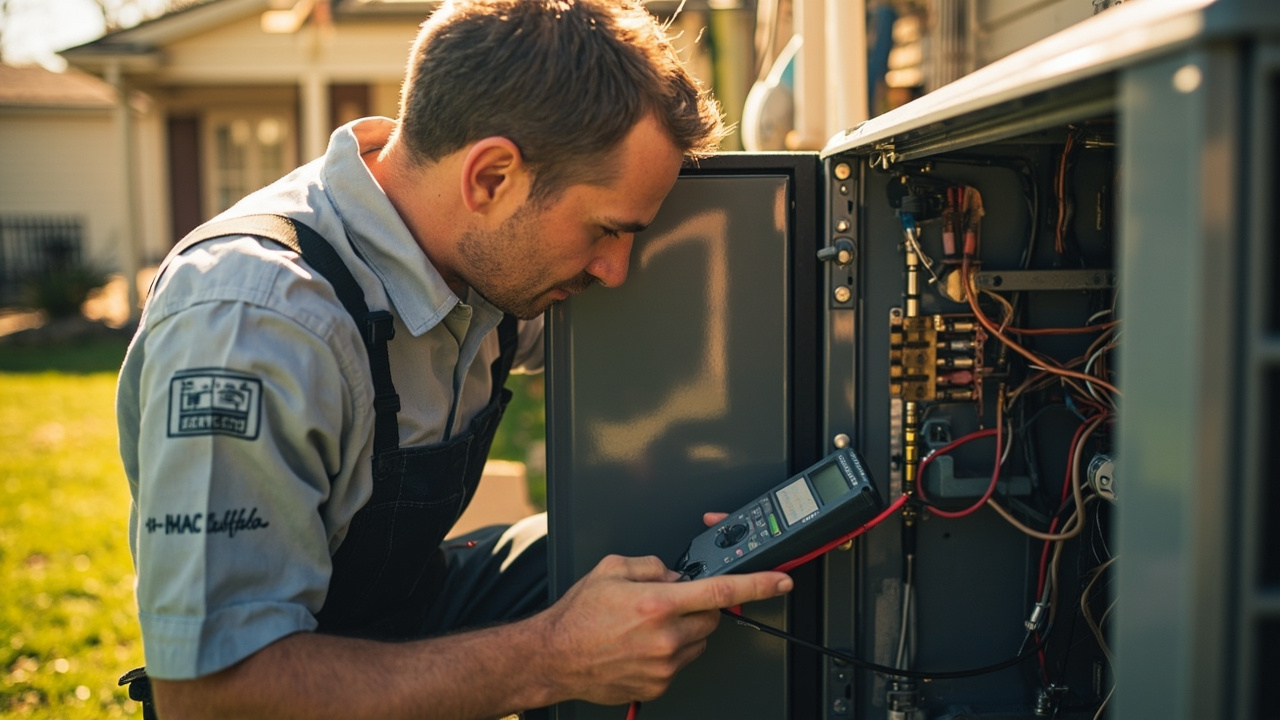
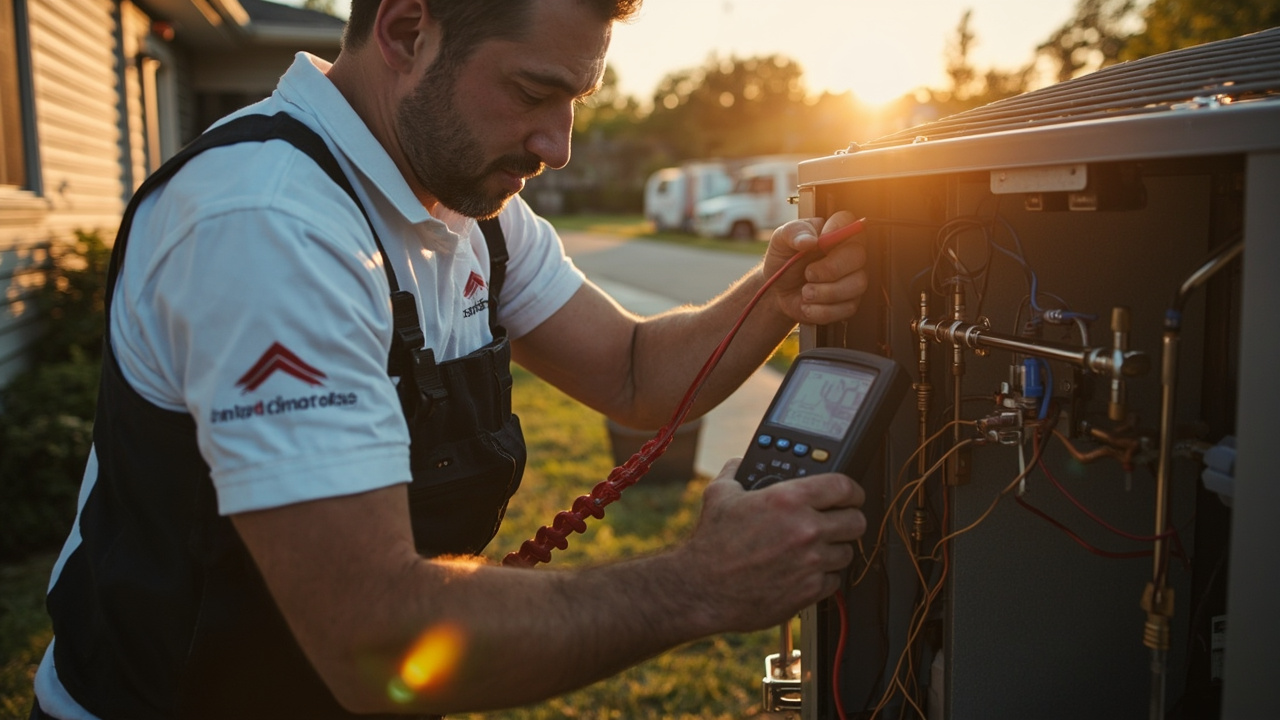
Buffalo sits at the eastern end of Lake Erie, and that geography creates humidity levels that stress air conditioning equipment. Summer dew points regularly hit 65 to 70 degrees, which means your evaporator coil has to condense massive amounts of moisture. Condensate drains clog faster here than in drier climates. Coils ice over when airflow is even slightly restricted. These conditions create symptoms that mimic refrigerant leaks or compressor failures. A tech unfamiliar with Buffalo climate might misdiagnose low airflow as a refrigerant problem and add charge to a system that is actually freezing from a dirty filter. That is why local experience matters when identifying AC faults. We understand how lake effect humidity influences system performance and test for it during every diagnostic session.
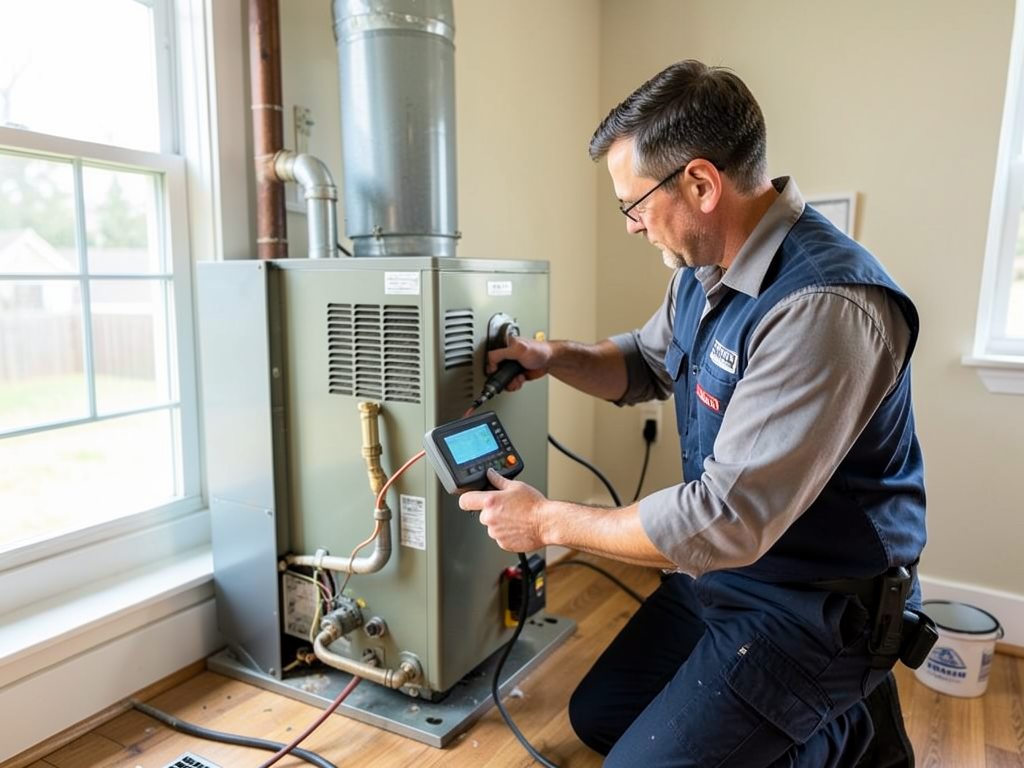
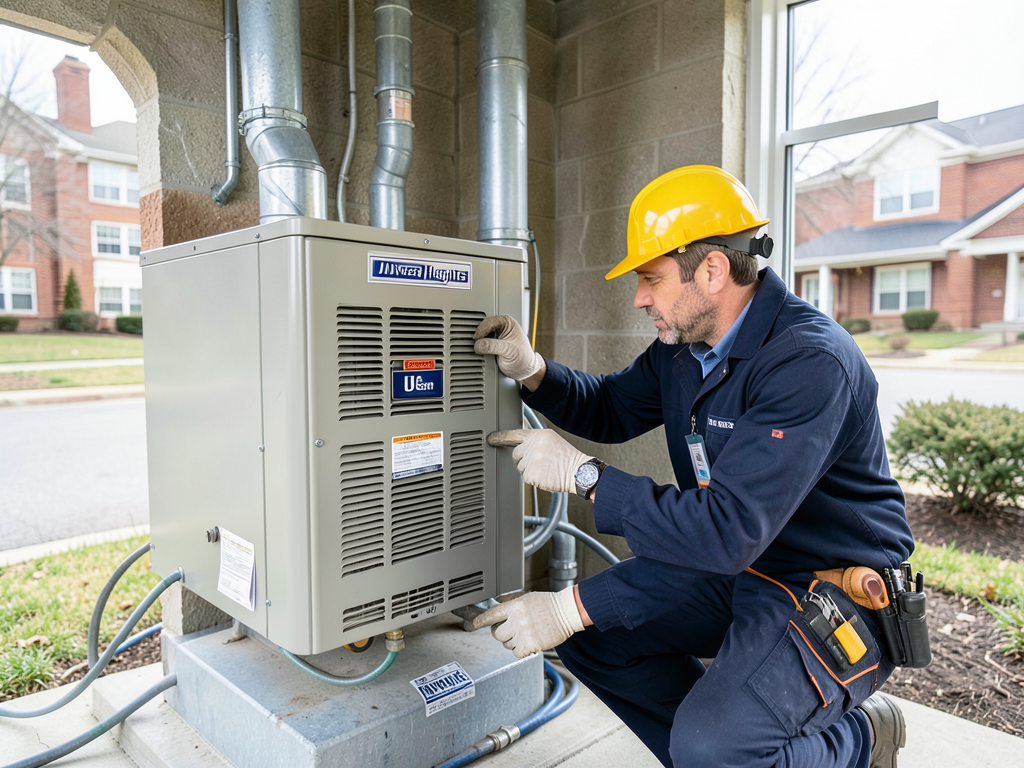
Buffalo HVAC codes and housing stock also shape how we approach central air troubleshooting. Many homes in Elmwood Village, North Buffalo, and Allentown were built before central air was standard. Retrofitting AC into these homes often means undersized ductwork, underpowered electrical panels, and equipment installed in tight attic spaces or basements with poor ventilation. These factors create unique failure modes. Compressors overheat because condenser units sit in narrow side yards with poor airflow. Evaporator coils freeze because return ducts pull air from unconditioned attics. We account for these local challenges during diagnostics because they change the troubleshooting process. When you hire United HVAC Buffalo, you get techs who have diagnosed hundreds of AC issues in homes just like yours.