menu

Winterizing Your HVAC System in Buffalo – Protect Your Home from Subzero Failures Before the First Freeze

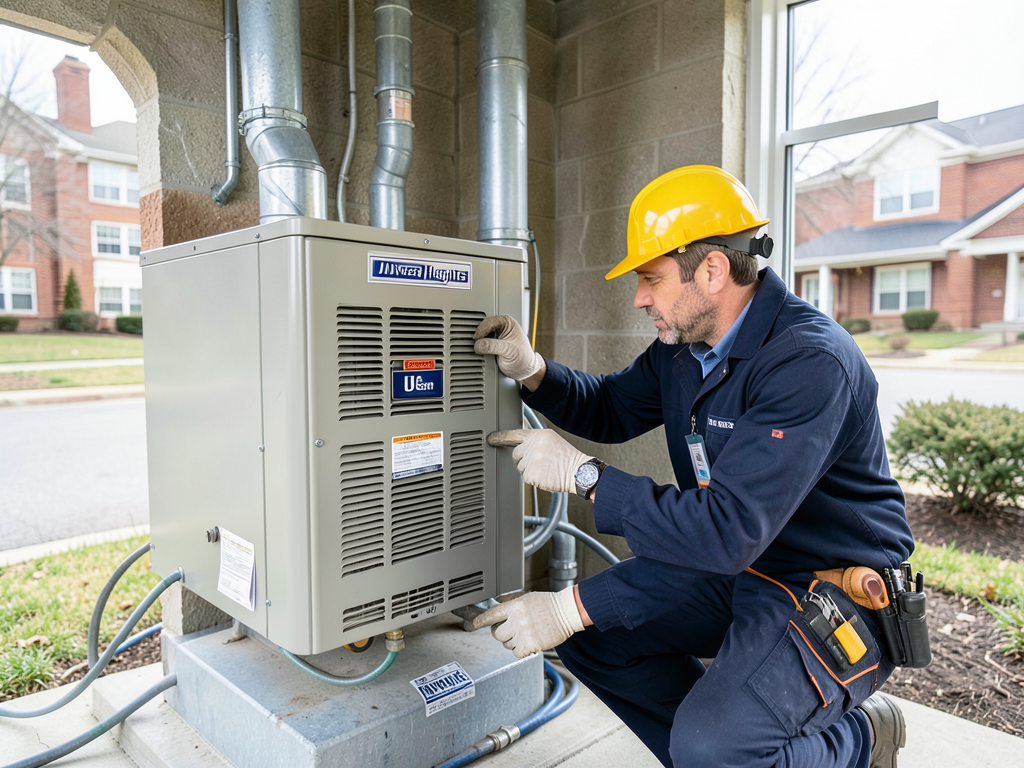
Buffalo winters demand more than a simple thermostat check. Our comprehensive winterizing process prevents frozen heat exchangers, cracked condensate lines, and emergency furnace failures during the coldest months when your family needs heat most.

Slider Image 1
Slider Image 2
Slider Image 3
Slider Image 4
Slider Image 5
Slider Image 7
Slider Image 8
Slider Image 9
Slider Image 10
Slider Image 11

Why Buffalo's Lake-Effect Climate Makes HVAC Winter Prep Non-Negotiable

Buffalo sits at the eastern edge of Lake Erie, which means you face something most cities never see: relentless lake-effect snow dumps and temperature swings that plunge from 35 degrees to 5 below in hours. Your heating system will run harder and longer than systems in Cleveland or Rochester combined.

When snow piles three feet high on your roof and outdoor temperatures hover at single digits for weeks, your furnace operates in survival mode. The rapid freeze-thaw cycles common to Western New York create condensation inside ductwork that freezes overnight. Cracked heat exchangers, frozen condensate drain lines, and failed ignitors are not theoretical problems here. They are seasonal realities.

Getting your heating system ready for winter means preparing hvac for winter conditions specific to this region. Your furnace will cycle more frequently during January cold snaps. Your heat pump, if you have one, will struggle once temperatures drop below 25 degrees. Without hvac winter maintenance, you risk waking up at 2 a.m. to a silent furnace and a house dropping into the 40s.

Heating system winterization is not optional in Buffalo. It is the difference between controlled comfort and a frantic call to an emergency technician charging triple rates on a Sunday morning. The lake does not care about your schedule. Your furnace should not fail because you skipped winter hvac preparation in October when the work was still manageable.

Why Buffalo's Lake-Effect Climate Makes HVAC Winter Prep Non-Negotiable
How Professional Winter HVAC Prep Prevents Mid-Season Breakdowns

How Professional Winter HVAC Prep Prevents Mid-Season Breakdowns

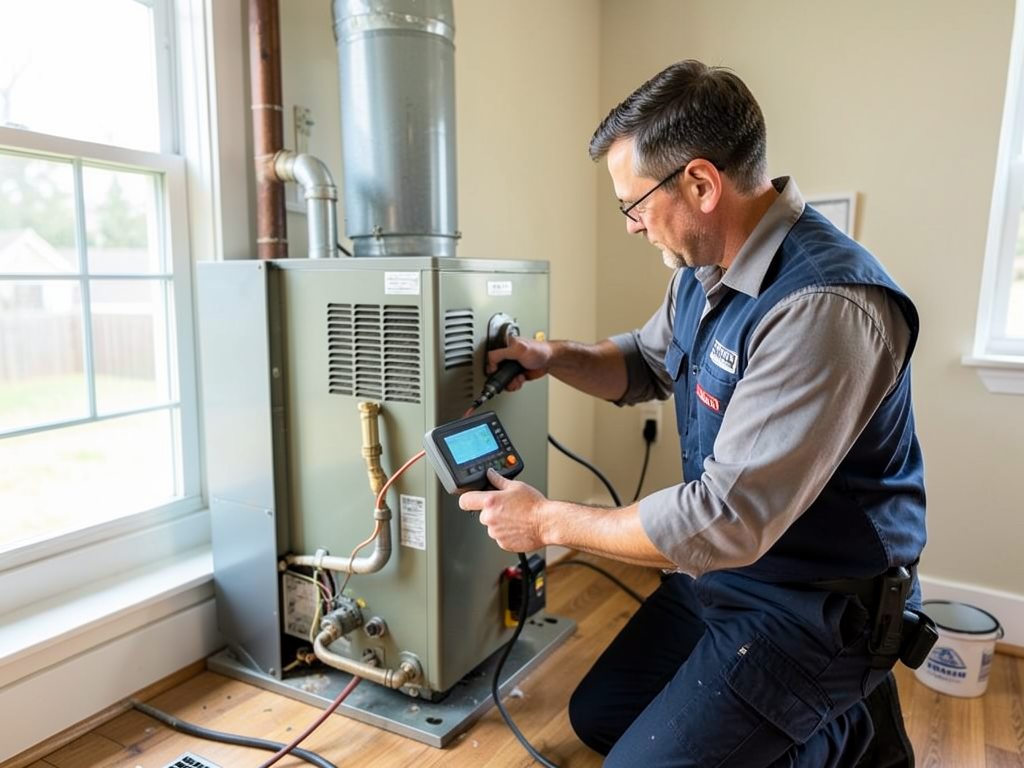
Winterizing your HVAC system starts with a combustion analysis. We measure the air-to-fuel ratio inside your furnace to verify complete combustion. Incomplete combustion creates carbon monoxide and soot buildup on the heat exchanger, which reduces efficiency and creates safety hazards. A digital combustion analyzer gives us exact readings. Guesswork kills furnaces.

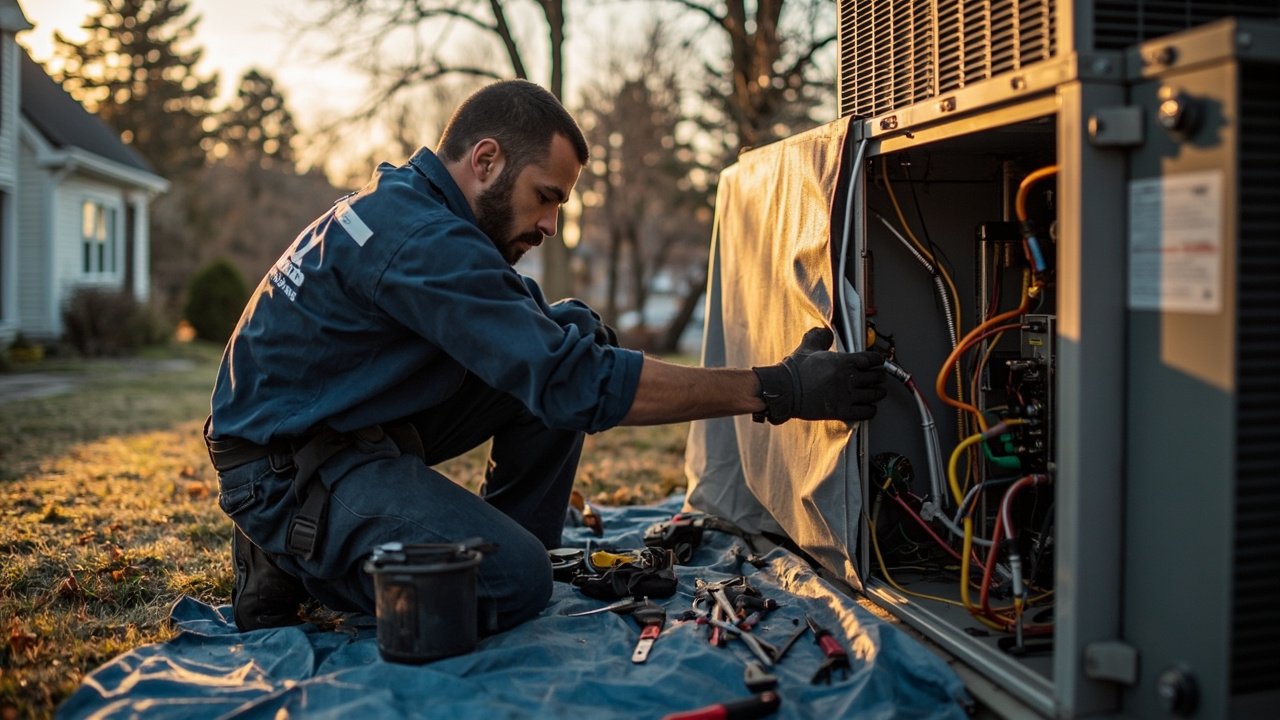
Next, we inspect the heat exchanger for microfractures using a high-intensity flashlight and mirror system. Hairline cracks expand under thermal stress during long heating cycles. If your exchanger has a crack, carbon monoxide can seep into your ductwork. This is not a DIY job. You need someone who knows what a stressed S-bend looks like after 80,000 heating cycles.

We test your ignitor and flame sensor response time. Modern hot surface ignitors crack when exposed to moisture or voltage spikes. A weak ignitor will fail during the first subzero night, leaving you without heat. We replace marginal components before they fail, not after.

Your condensate drain line gets flushed and treated with algaecide tablets. When this line freezes or clogs, your furnace shuts down on high-limit to prevent flooding. We also verify your blower motor capacitor is within tolerance. Capacitors weaken over time, causing the blower to strain and overheat. A failing blower means uneven heating and higher electric bills.

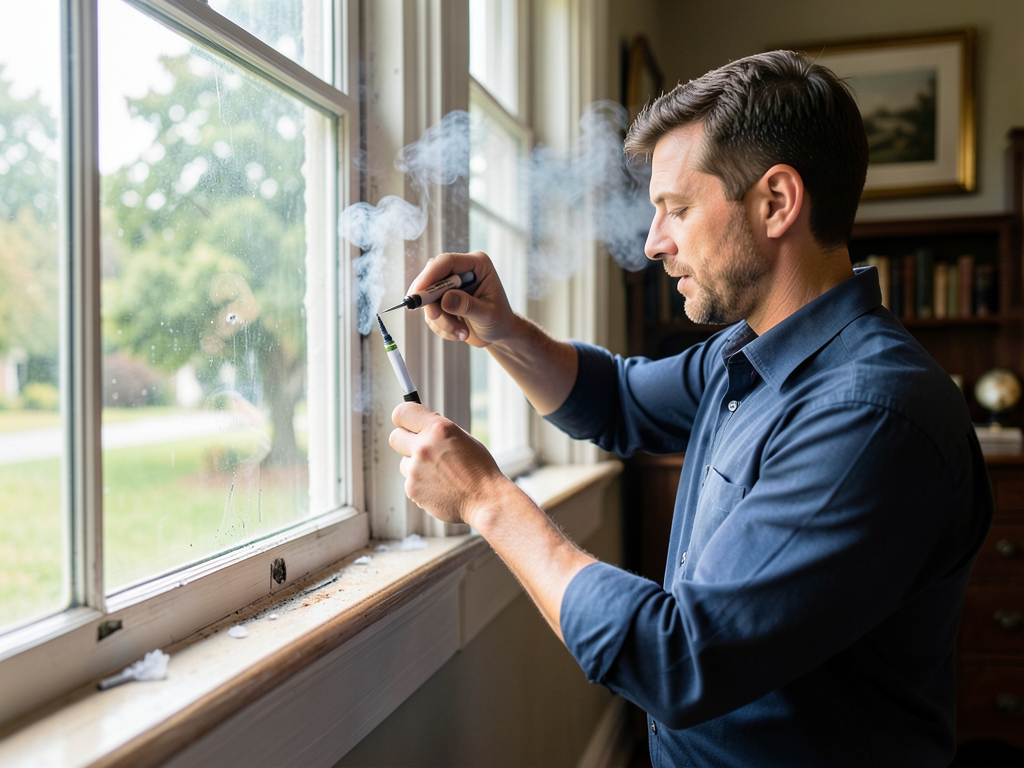
Finally, we calibrate your thermostat and check ductwork for leaks near the foundation. Cold air infiltration at duct seams forces your furnace to overwork. Sealing these leaks can reduce runtime by 15 percent, which matters when your system runs 18 hours a day in February.

What Happens During Your Buffalo Winterization Appointment

Winterizing Your HVAC System in Buffalo – Protect Your Home from Subzero Failures Before the First Freeze
01

System Diagnostic and Safety Check

We start with a full operational test of your furnace or heat pump. This includes checking gas pressure at the manifold, inspecting the flame pattern for uniformity, and measuring supply and return air temperatures. We also test your carbon monoxide detectors and verify your thermostat cycles match your actual room temperature. This takes 20 minutes and catches 80 percent of potential failures.
02

Component Cleaning and Calibration

Your blower assembly gets pulled and cleaned. Dust buildup on blower blades reduces airflow and causes the motor to overheat. We vacuum the burner assembly, clean the flame sensor rod with emery cloth, and lubricate the inducer motor bearings if accessible. We replace your air filter and check the condition of your filter rack for gaps that allow bypass air to circulate unfiltered.
03

Final Testing and Documentation

We run a full heating cycle and monitor the system for unusual sounds, vibrations, or delayed ignition. You receive a written report detailing the condition of your heat exchanger, blower motor amp draw, and any components nearing end of life. We provide a priority list for repairs, so you know what needs immediate attention versus what can wait until spring. No surprises.

Why Buffalo Homeowners Trust Local HVAC Expertise Over National Chains

National franchise techs follow scripts. They do not understand what happens to a furnace when lake-effect snow buries your outdoor condensing unit for three months straight. They do not know that homes in Allentown and Elmwood Village have older cast-iron radiators that require different boiler settings than forced-air systems in Amherst subdivisions.

United HVAC Buffalo techs live here. We know that homes near Delaware Park have mature tree canopies that drop leaves into outdoor HVAC units every October, clogging coils before the first freeze. We know that Southtowns properties with crawl spaces need vapor barriers checked before winter because ground moisture freezes and creates ice dams in ductwork.

We also understand Buffalo's building code nuances. Homes built before 1985 often have undersized ductwork for modern high-efficiency furnaces. If you upgraded your furnace but kept the old ducts, your system is probably undersized for the heating load. We calculate Manual J heat loss properly, accounting for your actual insulation values and window U-factors, not assumptions.

You will not get that from a call center dispatcher routing tickets to the next available van. You get a technician who has winterized systems in North Buffalo bungalows, Black Rock duplexes, and South Buffalo Victorians. We have seen what fails and what lasts through a Buffalo winter.

When your furnace quits at 11 p.m. on a night when the windchill hits 20 below, you want someone who can source a pressure switch for a 15-year-old Carrier furnace at 7 a.m. the next morning. We stock parts for systems common to this region. Speed matters when your pipes are at risk.

What to Expect When You Schedule Your Winter HVAC Prep

Appointment Scheduling and Availability

We schedule winterization appointments from mid-September through early November. October fills fast because homeowners know the first cold snap usually hits before Halloween. You can book online or call directly. We confirm appointments 24 hours in advance and provide a two-hour arrival window. Our techs call 20 minutes before arrival. If you need weekend or evening service, we accommodate. The appointment takes 60 to 90 minutes depending on your system type and age. We do not rush. Thoroughness prevents callbacks.

On-Site Evaluation and Testing Process

Your technician will ask about any unusual noises, odors, or performance issues you noticed last winter. This matters because intermittent problems become chronic failures under sustained load. We inspect your thermostat settings, check your circuit breaker for corrosion, and verify your furnace has adequate combustion air supply. Homes with newer windows and doors often become too airtight, starving the furnace of oxygen. We measure and correct. You will see the combustion analyzer results and understand what the numbers mean.

Service Completion and Performance Verification

After cleaning and testing, we run your system through three complete heating cycles while monitoring temperature rise across the heat exchanger. Normal rise is 40 to 70 degrees depending on furnace size. Anything outside that range indicates airflow problems or burner issues. We verify your thermostat reaches setpoint without short-cycling. You receive a printed report with photos of any worn components. We explain what we found in plain language. No upselling. Just facts and recommendations prioritized by urgency and safety.

Post-Service Support and Maintenance Plans

Your winterization service includes a 30-day callback guarantee. If something we inspected fails within 30 days, we return at no additional diagnostic charge. We also offer annual maintenance agreements that include fall heating prep and spring cooling prep. Agreement members get priority scheduling during peak season and discounted repair rates. We keep detailed service records in our system, so every tech who visits your home knows your equipment history. You are not explaining your furnace age to a different person every year.

Frequently Asked Questions

You Have Questions,
We Have Answers

How do you winterize your HVAC system? +

Winterizing your HVAC system starts with a professional furnace inspection to check for cracks in the heat exchanger, gas leaks, and carbon monoxide risks. Replace your air filter to improve airflow and efficiency during Buffalo's cold months. Clean or cover your outdoor AC unit to protect it from snow and ice accumulation. Test your thermostat to confirm it switches correctly from cooling to heating mode. Seal any ductwork leaks to prevent heat loss. Check that vents and registers throughout your home are open and unblocked. Consider installing a programmable thermostat to reduce energy costs during winter.

What is the $5000 rule for HVAC? +

The $5000 rule helps homeowners decide between repair and replacement. If you multiply the repair cost by your system's age and the result exceeds $5000, replacement makes more financial sense. For example, a $400 repair on a 15-year-old furnace equals $6000, suggesting replacement is smarter. Buffalo winters demand reliable heating, so an aging system that constantly breaks down becomes expensive and risky. This rule accounts for diminishing efficiency and increasing repair frequency as equipment ages. Consult a licensed HVAC contractor to evaluate your specific situation and compare long-term costs.

How to prepare your HVAC system for winter? +

Preparing your HVAC system for Buffalo winter starts with scheduling a professional tune-up in early fall before temperatures drop. A technician will inspect your furnace, clean burners, test ignition systems, and check safety controls. Replace your air filter and stock up on extras for monthly changes during heating season. Test your thermostat and replace batteries if needed. Reverse ceiling fan direction to push warm air down. Seal windows and doors to reduce heat loss. Clear snow and debris from outdoor vents and exhaust pipes. Inspect ductwork in attics and crawl spaces for damage or disconnections.

What is the 3 minute rule for AC? +

The 3-minute rule protects your air conditioner compressor from damage during repeated startups. After shutting off your AC, wait at least three minutes before restarting it. This allows refrigerant pressure to equalize throughout the system. Restarting too quickly forces the compressor to work against high pressure, which can cause mechanical failure or electrical issues. Many modern thermostats have built-in delay circuits that enforce this rule automatically. This matters less during Buffalo winters when your AC sits idle, but understanding this principle helps you avoid damage during spring startup or mild winter days when you might test your cooling system.

How Lake Erie's Humidity and Freeze Cycles Stress Buffalo HVAC Systems

Buffalo sits in a unique microclimate where Lake Erie moisture combines with Arctic air masses to create extreme humidity swings during winter. Your furnace operates in 70 percent indoor humidity one day and 25 percent the next. This cycling causes condensation inside ductwork and on cold metal surfaces near your foundation. When that moisture freezes, it blocks airflow and damages duct seams. Homes near the waterfront in South Buffalo or along the Niagara River see this problem worse than inland properties. Proper winter hvac preparation includes inspecting duct insulation and sealing penetrations where cold air leaks into your plenum chamber.

Western New York building codes require specific venting standards for high-efficiency furnaces due to our snow load and wind exposure. A poorly installed PVC vent pipe will ice over during blizzard conditions, causing your furnace to lock out on a pressure switch error. United HVAC Buffalo techs understand these local code requirements and inspect vent terminations for proper pitch and clearance from roof eaves. We also know which neighborhoods have older homes with masonry chimneys that need liner inspections before winter. Choosing a local provider means working with someone who has seen how Buffalo winters punish HVAC systems and knows how to prevent those failures.
HVAC Services in The Buffalo Area

We are proud to serve the entire Buffalo area and its surrounding communities with our expert HVAC services. Our centrally located team allows us to respond quickly to your needs, whether you are in the city or a nearby suburb. We are committed to being your local, trusted resource for all things heating and cooling, and we look forward to serving you right where you are.

Address:
United HVAC Buffalo, 360 Delaware Ave, Buffalo, NY, 14202

Additional Services We Offer

Our news updates

Latest Articles & News from The Blogs

Managing Excessive Dust in Your South Buffalo Home During High Wind Events South Buffalo homes face unique dust challenges when…

Managing Excessive Dust in Your South Buffalo Home During High Wind Events

Managing Excessive Dust in Your South Buffalo Home During High Wind Events South Buffalo homes face unique dust challenges when…

Is it Better to Pay for a Monthly HVAC Maintenance Plan or Just Call When Something Breaks?

Is it Better to Pay for a Monthly HVAC Maintenance Plan or Just Call When Something Breaks? When your furnace…

The Homeowners Guide to Buying a New HVAC System for a Rental Property in University Heights

The Homeowners Guide to Buying a New HVAC System for a Rental Property in University Heights University Heights landlords face…

Contact Us

Do not wait until your furnace fails on the coldest night of the year. Call United HVAC Buffalo at (716) 317-7757 to schedule your heating system winterization. We have appointments available now, but October fills fast. Protect your home and your family before the lake-effect snow starts.