menu

24/7 Emergency AC Repair in Buffalo – Technicians Dispatched in Under 60 Minutes

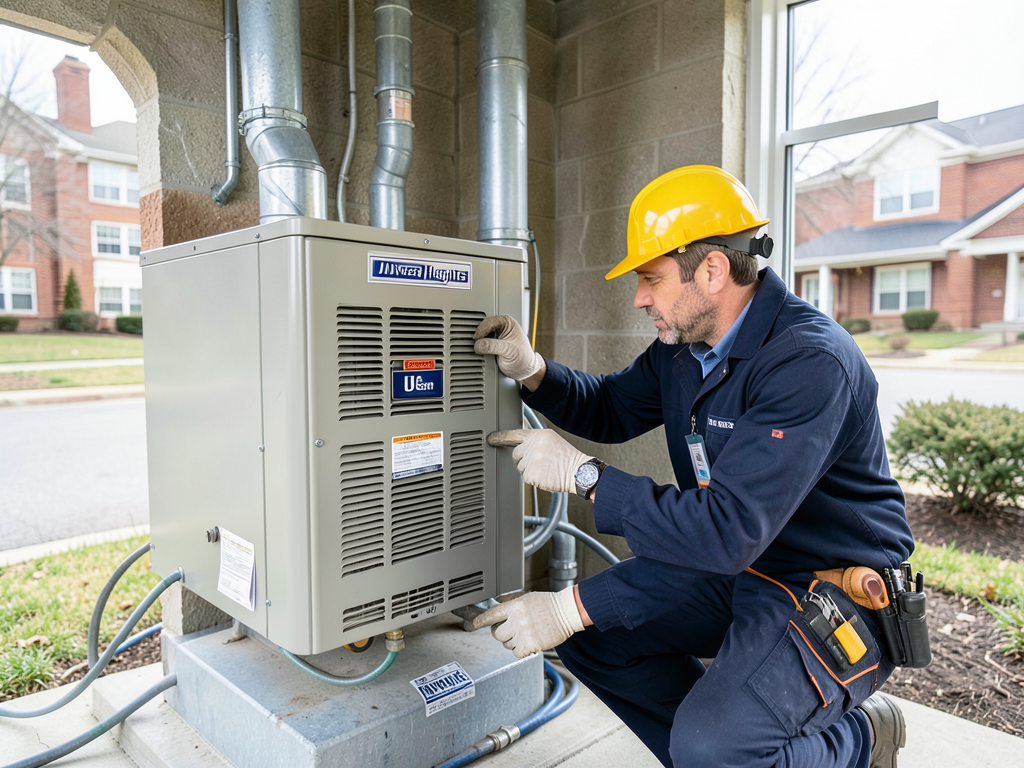
When your air conditioner fails in the middle of a Buffalo heat wave or during a holiday weekend, you need immediate relief. Our emergency HVAC technicians are on call around the clock with fully stocked service vehicles ready to restore cooling to your home or business.

Slider Image 1
Slider Image 2
Slider Image 3
Slider Image 4
Slider Image 5
Slider Image 7
Slider Image 8
Slider Image 9
Slider Image 10
Slider Image 11

Why AC Emergencies Hit Buffalo Homes Harder Than You Think

Buffalo's climate creates a perfect storm for AC failures. The combination of high humidity from Lake Erie and sudden temperature spikes puts extreme stress on cooling systems. When your compressor seizes or your evaporator coil freezes at 11 PM on a Saturday, the humid air inside your home becomes unbearable within an hour.

The situation escalates fast. Without functioning air conditioning, indoor humidity levels climb above 70 percent. This creates health risks for elderly residents and young children. Mold spores begin colonizing within 24 to 48 hours in these conditions. Your electronics, wooden furniture, and musical instruments absorb moisture and sustain permanent damage.

Buffalo's older housing stock compounds the problem. Many homes in the Elmwood Village and Allentown districts have inadequate ventilation and poor attic insulation. When your AC stops working, heat builds up faster than in newer construction. Opening windows provides minimal relief during our humid summer nights.

Emergency air conditioning repair becomes critical when temperatures inside your home exceed 85 degrees. Refrigerant leaks, failed capacitors, and burnt-out compressor motors do not fix themselves. Waiting until Monday morning to call for service means three days of suffering in dangerous heat. You need urgent air conditioner service from technicians who understand Buffalo's unique climate challenges and can diagnose problems accurately under pressure.

After hours ac repair requires specialized training and equipment. Not every HVAC company stocks commercial-grade capacitors or maintains a 24 hour AC repair dispatch system. When your system fails, you need professionals who answer the phone on the first ring and arrive with the parts to complete the repair on the first visit.

Why AC Emergencies Hit Buffalo Homes Harder Than You Think
Our Emergency Diagnostic and Repair Protocol

Our Emergency Diagnostic and Repair Protocol

When you call for emergency HVAC repair, our dispatcher collects critical information about your system while a technician prepares to roll. We ask about the age of your unit, any unusual sounds before failure, and whether your thermostat displays error codes. This pre-arrival intelligence helps our technician load the correct parts and tools.

Our service vehicles function as mobile workshops. Each truck carries a complete inventory of capacitors ranging from 5 to 80 microfarads, contactor relays, thermostatic expansion valves, and refrigerant in multiple formulations including R-22 for older systems and R-410A for newer units. We stock run capacitors, start capacitors, and dual-run capacitors because capacitor failure causes 60 percent of emergency service calls in Buffalo's humid climate.

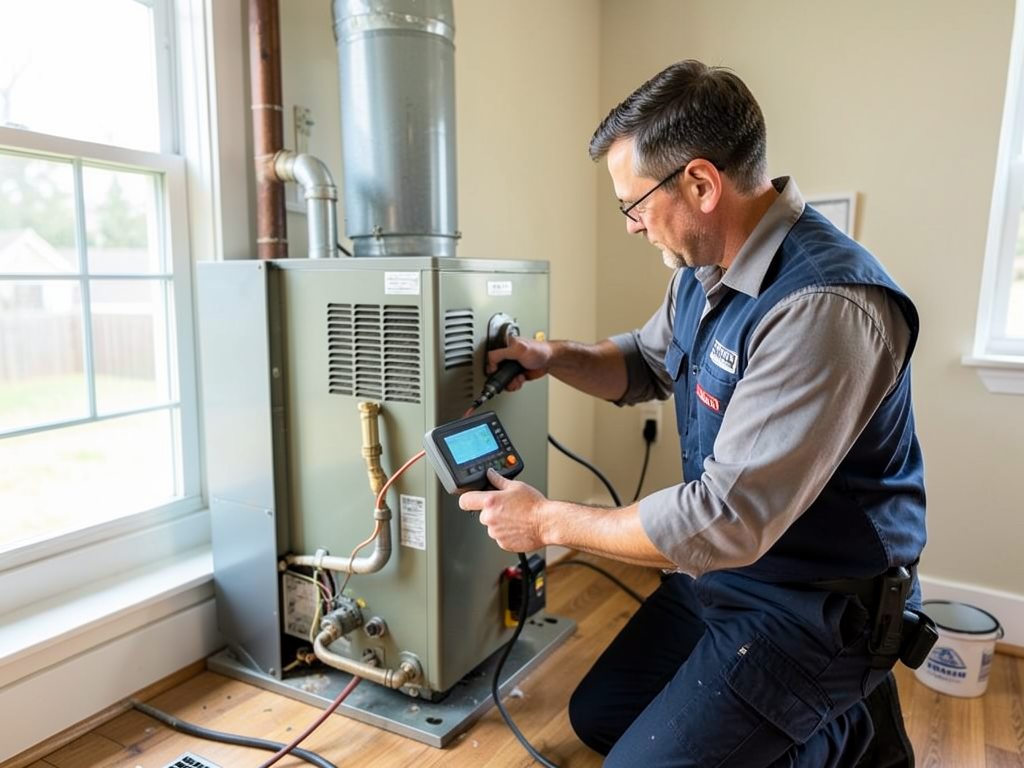
The technician arrives and immediately checks voltage at the disconnect box. Low voltage indicates a problem with your electrical service. Correct voltage means the issue lies within the AC system itself. We use manifold gauges to measure refrigerant pressure on both the high side and low side. Abnormal pressure readings reveal whether you have a refrigerant leak, a restricted metering device, or a failing compressor.

We inspect the evaporator coil for ice buildup, which signals restricted airflow or low refrigerant charge. We test the blower motor capacitor and measure amp draw to determine if the motor runs efficiently. We examine electrical connections for signs of arcing or corrosion. Buffalo's humidity accelerates oxidation on copper connections and wire terminals.

For compressor failures, we perform a resistance test on the windings. Infinite resistance between terminals confirms an open winding. Zero resistance indicates a short circuit. Either condition requires compressor replacement. We explain your options clearly and provide pricing before starting any major repair work.

What Happens When You Call for Emergency AC Service

24/7 Emergency AC Repair in Buffalo – Technicians Dispatched in Under 60 Minutes
01

Immediate Phone Assessment

Our emergency dispatcher answers your call within three rings and gathers essential details about your cooling failure. We ask targeted questions about thermostat behavior, outdoor unit sounds, and when the problem started. This information allows our technician to diagnose probable causes and load the right replacement parts before leaving our facility. We provide an accurate arrival window and stay in contact via text message as the technician travels to your location.
02

On-Site System Diagnostics

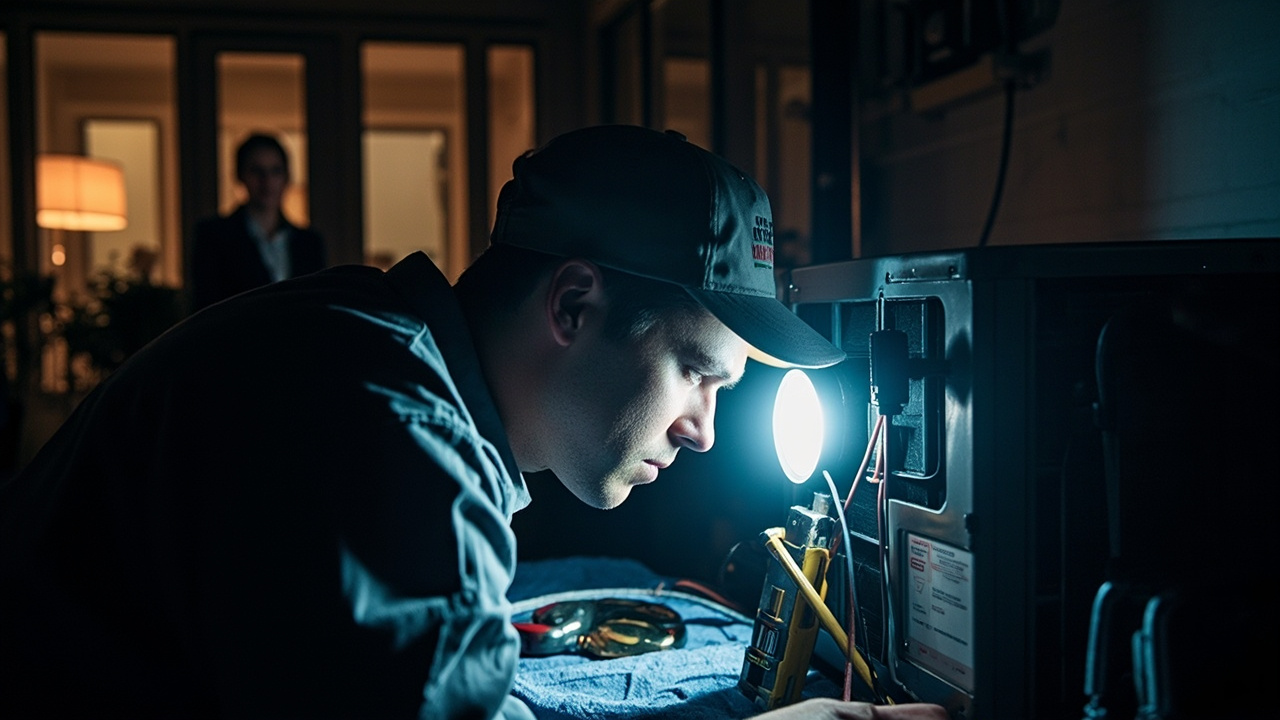
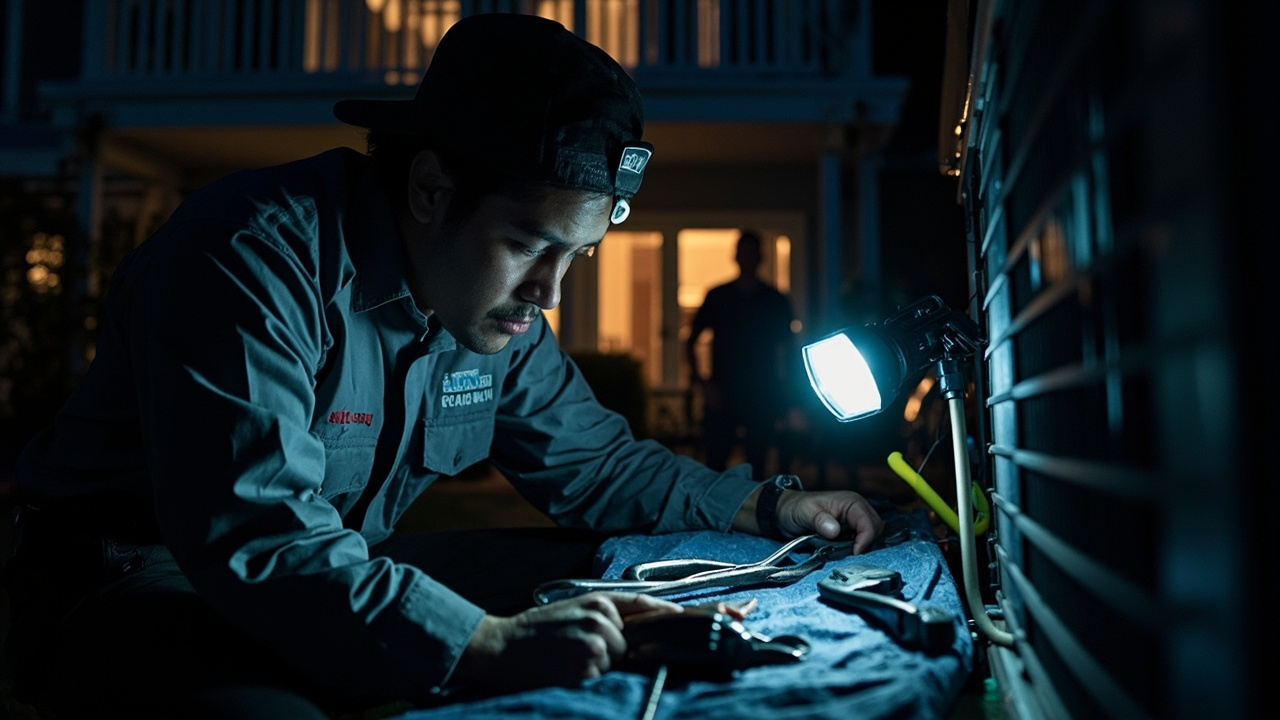
The technician performs voltage tests, refrigerant pressure measurements, and component inspections to identify the exact failure point. We use thermal imaging to detect hot spots in electrical connections and check amp draw on motors and compressors. Buffalo's humid conditions create specific failure patterns we recognize immediately. We test capacitors under load because they often test good with a multimeter but fail when the system runs. This thorough diagnostic process takes 20 to 40 minutes depending on system complexity.
03

Repair and System Verification

After explaining the problem and getting your approval, we complete the repair using professional-grade parts from our truck inventory. We replace failed components, restore refrigerant charge to factory specifications, and verify correct system operation through a complete cooling cycle. We measure temperature differential across the evaporator coil and confirm proper amp draw on all motors. Before leaving, we adjust your thermostat settings and explain any maintenance steps you should take to prevent future emergency calls.

Why Buffalo Residents Trust United HVAC Buffalo for Emergency Cooling Repairs

Emergency AC repair requires more than technical knowledge. It requires local experience with Buffalo's specific climate conditions and housing characteristics. Our technicians understand how Lake Erie's humidity affects refrigerant performance and why evaporator coils in Buffalo homes freeze more frequently than in drier climates.

We know the older homes in North Buffalo and the West Side have undersized ductwork and limited attic ventilation. These factors stress AC systems and lead to premature failures. When we diagnose your emergency, we consider your home's age, construction type, and location. A ranch home in Amherst faces different cooling challenges than a two-story Victorian in the Elmwood Village.

Our emergency service vehicles stay within Buffalo city limits during peak cooling season. This geographic positioning allows us to reach most residential customers within 45 minutes, even during rush hour traffic on the 190 or the 33. We do not dispatch from Rochester or Erie, Pennsylvania. Our technicians live in Buffalo neighborhoods and understand the urgency when your AC fails during a heat advisory.

United HVAC Buffalo maintains relationships with local supply houses including Carr Supply on Walden Avenue and CED Buffalo on Harlem Road. When we need a specialized part for an older Trane or Carrier system, we can source it locally within an hour instead of ordering from a regional warehouse. This local supply chain means we complete more repairs on the first visit.

We service both residential and commercial properties. Our technicians hold certifications for EPA Section 608 refrigerant handling and understand current building codes. Whether you need urgent air conditioner service for your single-family home or after hours AC repair for your Delaware Avenue retail space, we bring the same level of expertise and preparedness.

What You Can Expect During an Emergency Service Call

Response Time and Availability

Our emergency dispatch line operates 24 hours a day, seven days a week, including holidays. When you call, you speak with a trained HVAC professional who understands cooling systems. We dispatch a technician immediately after your call. Most customers in Buffalo proper receive service within 60 minutes. Outlying areas including Cheektowaga, Tonawanda, and Amherst may experience slightly longer response times depending on technician location and traffic conditions. We provide text message updates with technician name, vehicle description, and estimated arrival time so you know exactly when help arrives.

Diagnostic Process and Communication

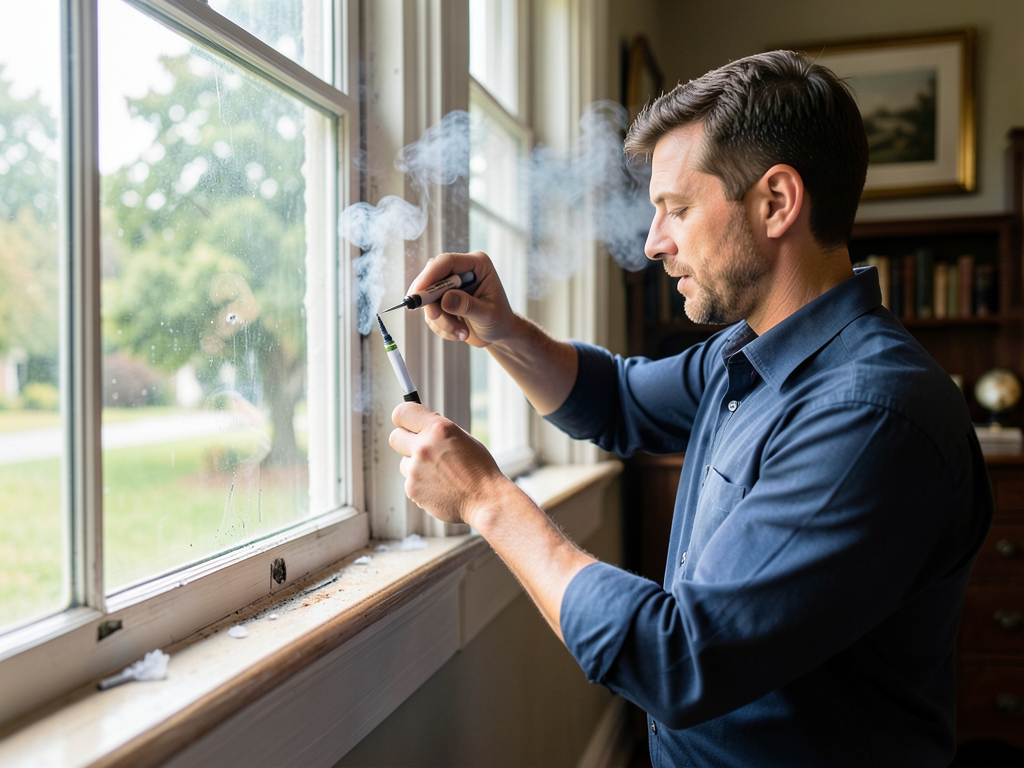
Our technician explains the diagnostic process before beginning work. We show you the failed component and explain what caused the failure. If your capacitor has bulged or leaked, we show you the physical damage. If refrigerant leaked from your evaporator coil, we use leak detection equipment to pinpoint the exact location. We provide written estimates for any repair over $400 and explain your options clearly. You decide whether to proceed with the repair or wait until regular business hours. We never pressure you into unnecessary upgrades or replacement systems during an emergency call.

Repair Quality and Parts

We use OEM replacement parts whenever possible. For common components like capacitors and contactors, we stock premium-grade parts that meet or exceed original equipment specifications. We do not install substandard capacitors that fail within six months. When we replace a compressor or condenser fan motor, we source genuine parts designed for your specific system make and model. Every repair includes proper refrigerant charging using calibrated manifold gauges and digital scales. We measure superheat and subcooling to verify correct system operation before we leave your property.

Post-Repair Support and Maintenance

After completing your emergency repair, we provide detailed documentation of the work performed, parts installed, and refrigerant added. We explain any additional maintenance your system needs and provide a timeline for recommended filter changes and coil cleaning. If your system experiences any issues related to our repair work, we return to address the problem at no additional diagnostic charge. We offer preventive maintenance agreements that include priority emergency service and discounted repair rates. Regular maintenance reduces the likelihood of future emergency breakdowns by identifying worn components before they fail completely.

Frequently Asked Questions

You Have Questions,
We Have Answers

What is considered an emergency for AC? +

An AC emergency means immediate risk to health or property. In Buffalo, this includes complete system failure during a heat wave, refrigerant leaks causing ice buildup, electrical burning smells, or strange grinding noises signaling compressor failure. If you have elderly family members, infants, or medical conditions worsened by heat, any AC failure qualifies as urgent. Water leaking into your home from a frozen evaporator coil also demands immediate attention to prevent mold growth. If your system runs but pushes hot air, you need help fast. Do not wait until morning when temperatures climb.

How much does emergency AC service cost? +

Emergency AC service costs more than scheduled repairs because you pay for immediate availability and after-hours labor. In Buffalo, expect higher rates for nights, weekends, and holidays. Cost depends on the specific failure. A simple capacitor replacement runs less than a full compressor swap. Most companies charge a diagnostic fee first, then provide a repair quote. The key factor is speed. Waiting until business hours might save money but risks heat-related health issues or secondary damage like frozen coils cracking. Get multiple quotes if possible, but prioritize licensed technicians with proven emergency response times.

What is the $5000 AC rule? +

The $5000 rule is a quick guideline for repair versus replacement decisions. Multiply the repair cost by your system's age in years. If the total exceeds $5000, replacement makes more financial sense than repair. For example, a $600 repair on a 10-year-old unit equals $6000, suggesting replacement. In Buffalo, factor in energy efficiency gains with newer models, especially given our humid summers and cold winters. A 15-year-old system struggling through another repair cycle will likely fail again soon. This rule helps you avoid pouring money into a dying unit when replacement offers better long-term value.

How long can a landlord leave you without air conditioning in CA? +

This question addresses California law, not Buffalo. New York has different habitability standards. In Buffalo, landlords must provide habitable conditions, but AC is not legally required unless specified in your lease or the building was designed with central air as the primary cooling method. Heat is mandatory in winter, but summer cooling falls into a gray area. If your lease guarantees AC or the unit was rented with working AC, the landlord must repair it within a reasonable timeframe. Document everything in writing. Extreme heat affecting health changes the urgency. Consult a local tenant rights attorney for Buffalo-specific guidance.

What is the 3 minute rule for AC? +

The 3-minute rule protects your compressor from damage. After your AC shuts off, wait at least 3 minutes before restarting it. This allows refrigerant pressure to equalize throughout the system. Restarting too quickly forces the compressor to work against high pressure, causing strain and potential failure. In Buffalo's humid climate, you might be tempted to cycle your system rapidly when it is not cooling properly. Resist that urge. If your AC short cycles on its own, turning on and off every few minutes, you have a serious problem requiring immediate diagnosis. Short cycling damages components and spikes your electric bill.

How to cool down a house with a broken AC? +

Close blinds and curtains on sun-facing windows immediately. In Buffalo, east and west exposures get brutal afternoon sun. Create cross-ventilation by opening windows on opposite sides of your home during cooler evening hours. Use box fans in windows to pull hot air out and draw cooler air in. Avoid using heat-generating appliances like ovens or dryers. Move to the lowest level of your home, as heat rises. Damp towels on your neck and wrists help. Spend time in public spaces with AC if needed. These are temporary measures. Call for emergency AC repair to restore comfort and prevent heat exhaustion.

Is it cheaper to repair or replace an AC unit? +

Repair costs less upfront but replacement saves money long-term if your system is old or inefficient. In Buffalo, consider system age first. Units under 8 years old usually justify repair unless the compressor failed. Systems over 12 years old with major component failure should be replaced. Factor in Buffalo's temperature swings from freezing winters to humid 90-degree summers. Older units work harder and waste energy. A new unit cuts electric bills by 20 to 40 percent. If repairs exceed half the replacement cost, or you have faced multiple breakdowns recently, replacement makes financial sense. Get both quotes before deciding.

What is the most expensive part of the AC unit to fix? +

The compressor is the most expensive AC component to replace, often costing as much as half the price of a new system. The compressor pumps refrigerant through your AC, making it the heart of cooling. In Buffalo's climate, compressors work overtime during humid summer months, increasing wear. Other costly repairs include evaporator coil replacement and condenser unit damage from hail or debris. If your compressor fails and your system is over 10 years old, replacement usually beats repair. Technicians can diagnose compressor failure by checking amp draw and listening for grinding noises. Refrigerant leaks also rack up costs due to labor-intensive leak detection.

Is a broken AC covered by insurance? +

Standard homeowners insurance rarely covers AC breakdowns from normal wear and tear. In Buffalo, insurance might cover AC damage from specific perils like lightning strikes, hail damage to your outdoor condenser, or tree limbs falling on your unit during storms. If your AC fails during a power surge from grid issues, check your policy's electrical coverage. Most policies exclude mechanical breakdown or age-related failure. Some insurers offer equipment breakdown endorsements as add-ons. Review your policy details and photograph any storm damage immediately. A home warranty plan covers mechanical failures but read the fine print on coverage limits and service fees.

Can I write off my new AC unit on my taxes? +

You cannot write off a new AC unit as a personal expense on your primary residence. The IRS treats it as a home improvement that increases property value, not a deductible expense. In Buffalo, you might qualify for energy efficiency tax credits if you install a high-efficiency system meeting federal standards. Check current IRS guidelines for SEER rating requirements. If you run a business from home, you may deduct a percentage based on your home office square footage. Rental property owners can depreciate AC replacement costs over time. Consult a tax professional familiar with New York rules to maximize eligible deductions or credits.

How Buffalo's Lake Effect Humidity Accelerates AC Component Failure

Buffalo sits at the eastern tip of Lake Erie, which creates persistent humidity levels between 65 and 85 percent during summer months. This moisture-laden air forces your air conditioner to work harder removing humidity than cooling air. The evaporator coil cycles between wet and dry conditions dozens of times per day, which accelerates corrosion on copper tubing and aluminum fins. Capacitors degrade faster in humid environments because moisture penetrates the casing and breaks down the dielectric material inside. Emergency air conditioning repair calls spike in Buffalo during prolonged humid periods because components fail under the constant strain of dehumidification.

Our technicians train specifically on humidity-related AC failures common to Western New York. We understand how to diagnose frozen evaporator coils caused by restricted airflow in Buffalo's older homes. We recognize the signs of compressor short-cycling triggered by oversized systems installed in poorly insulated houses. Local building codes require specific ventilation standards for attic spaces, but many older Buffalo homes do not meet current requirements. This creates excessive heat load on AC systems. When you need 24 hour AC repair in Buffalo, you need a company that understands these local factors and knows how they affect system performance and component longevity.
HVAC Services in The Buffalo Area

We are proud to serve the entire Buffalo area and its surrounding communities with our expert HVAC services. Our centrally located team allows us to respond quickly to your needs, whether you are in the city or a nearby suburb. We are committed to being your local, trusted resource for all things heating and cooling, and we look forward to serving you right where you are.

Address:
United HVAC Buffalo, 360 Delaware Ave, Buffalo, NY, 14202

Additional Services We Offer

Our news updates

Latest Articles & News from The Blogs

Managing Excessive Dust in Your South Buffalo Home During High Wind Events South Buffalo homes face unique dust challenges when…

Managing Excessive Dust in Your South Buffalo Home During High Wind Events

Managing Excessive Dust in Your South Buffalo Home During High Wind Events South Buffalo homes face unique dust challenges when…

Is it Better to Pay for a Monthly HVAC Maintenance Plan or Just Call When Something Breaks?

Is it Better to Pay for a Monthly HVAC Maintenance Plan or Just Call When Something Breaks? When your furnace…

The Homeowners Guide to Buying a New HVAC System for a Rental Property in University Heights

The Homeowners Guide to Buying a New HVAC System for a Rental Property in University Heights University Heights landlords face…

Contact Us

Your family should not suffer through another hour without cooling. Call United HVAC Buffalo right now at (716) 317-7757. Our emergency dispatcher will send a fully equipped technician to your location immediately. We answer our phones 24 hours a day, every day of the year.