

menu

Commercial Maintenance Agreements in Buffalo – Minimize Downtime and Lock in Predictable Operating Costs

Protect your facility's climate control systems with scheduled commercial HVAC service contracts that prevent emergency failures, reduce energy waste, and keep your business operational through Buffalo's extreme temperature swings.

Slider Image 1
Slider Image 2
Slider Image 3
Slider Image 4
Slider Image 5
Slider Image 7
Slider Image 8
Slider Image 9
Slider Image 10
Slider Image 11

Buffalo's Climate Variability Demands Proactive HVAC Planning

Buffalo businesses operate in one of the country's most demanding climate zones. Your facility endures lake-effect snow systems that dump moisture into mechanical rooms, winter temperature drops that strain boiler systems, and summer humidity that overworks compressors. When a rooftop unit fails during a July heat wave or a boiler quits during a January cold snap, you face immediate revenue loss, liability exposure, and employee productivity collapse.

Most commercial HVAC failures are not sudden. Bearings degrade. Refrigerant leaks slowly. Electrical contactors pit and arc. Condensate drains clog with algae. The problem is that these failures progress invisibly until the system stops, leaving you scrambling for emergency service at triple the cost.

Commercial HVAC maintenance plans exist to eliminate that risk. A structured commercial planned maintenance agreement puts your equipment on a scheduled inspection cycle that catches problems before they become crises. You budget for maintenance instead of gambling on breakdowns. United HVAC Buffalo structures commercial HVAC service agreements around your facility's operational calendar, not a generic checklist. We inspect, measure, and document system performance to create a baseline that reveals degradation trends before they impact your operations. HVAC preventive maintenance agreements transform your mechanical systems from a liability into a controlled asset with predictable performance and known replacement timelines.

Buffalo's Climate Variability Demands Proactive HVAC Planning
How Commercial HVAC Service Contracts Reduce Total Cost of Ownership

How Commercial HVAC Service Contracts Reduce Total Cost of Ownership

Commercial HVAC service agreements are not service plans. They are risk mitigation instruments. When you sign a commercial maintenance agreement, you are purchasing capacity protection. You are ensuring that your cooling tonnage, heating BTUs, and ventilation CFM remain at design specification throughout the equipment lifecycle.

United HVAC Buffalo structures agreements around four performance pillars. First, we establish system baselines by measuring amperage draws, refrigerant subcooling and superheat values, static pressure differentials, and combustion efficiency percentages. These measurements create the performance fingerprint of your equipment in optimal condition. Second, we schedule visits during shoulder seasons when your systems are not under peak load. This allows us to perform invasive inspections like heat exchanger examinations, blower wheel cleaning, and economizer calibration without disrupting your operations. Third, we track component lifecycle data. Every bearing, belt, contactor, and capacitor has a predictable service life. We replace these components before they fail, not after. Fourth, we integrate with your facility management software to provide real-time system health reporting.

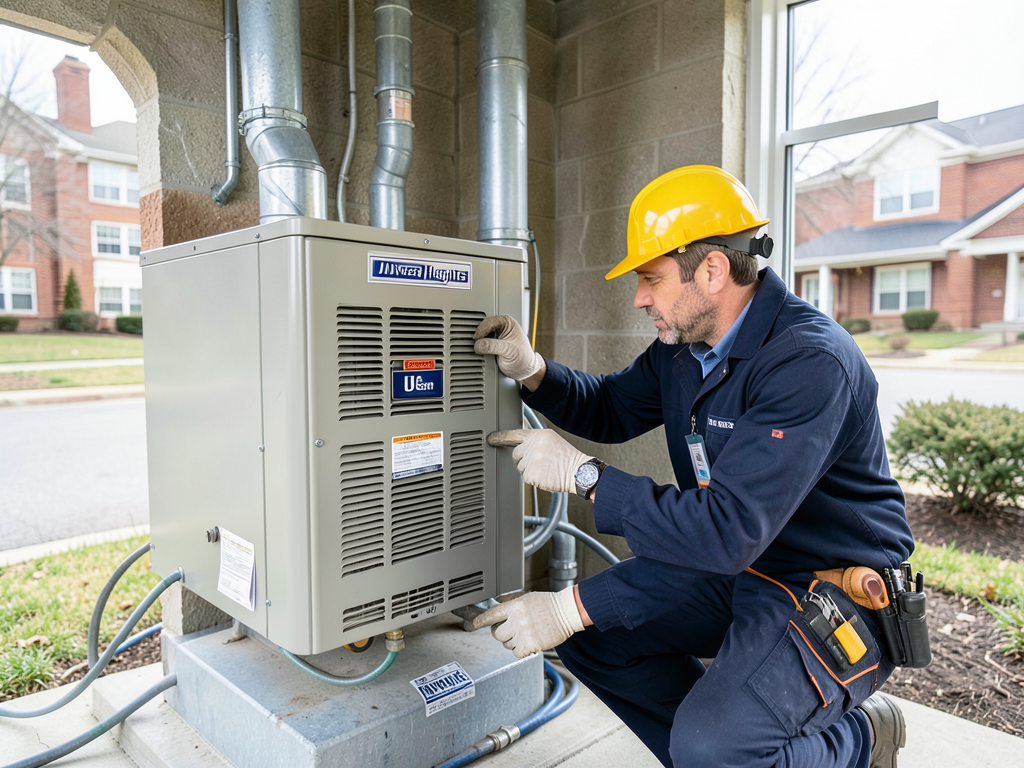
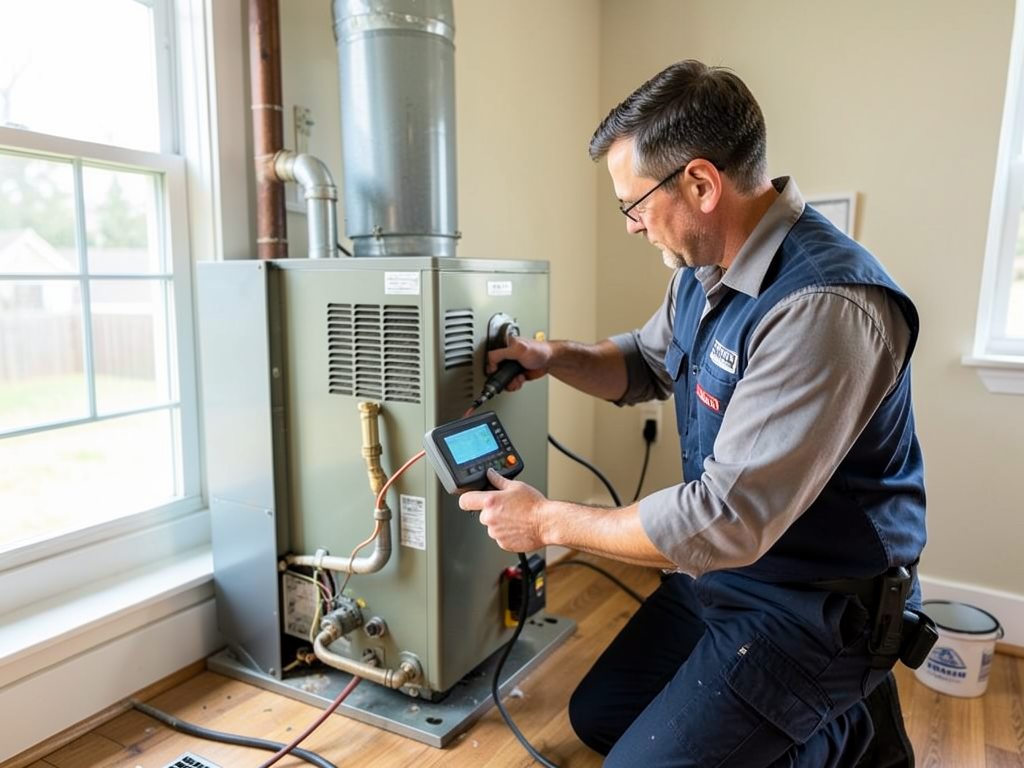
The technical execution matters. Our technicians measure evaporator coil delta-T to verify refrigerant charge accuracy. We use combustion analyzers to document boiler efficiency and carbon monoxide output. We torque electrical connections to manufacturer specifications and use thermal imaging to identify hot spots before they cause breaker trips. This level of rigor eliminates the random failures that destroy budgets and reputations.

What a Commercial Maintenance Agreement Includes

Commercial Maintenance Agreements in Buffalo – Minimize Downtime and Lock in Predictable Operating Costs
01

Initial System Audit

We begin every commercial HVAC service contract with a comprehensive baseline audit. This includes full system documentation, equipment nameplate data collection, control sequence verification, and performance testing under actual load conditions. We photograph equipment conditions, measure electrical values, and test safety controls. This audit creates the performance standard against which all future inspections are compared. You receive a detailed report identifying deferred maintenance items, code compliance gaps, and efficiency improvement opportunities.
02

Scheduled Preventive Visits

Your commercial planned maintenance agreement includes quarterly or semi-annual visits depending on equipment type and facility use. Each visit follows a detailed checklist specific to your equipment make and model. We clean coils, replace filters, lubricate motors, test capacitors, calibrate thermostats, inspect ductwork, check refrigerant levels, verify combustion efficiency, and test safety controls. Critical components like compressors and heat exchangers receive detailed inspections using specialized diagnostic tools. Every visit generates a written report documenting findings and recommendations.
03

Priority Service and Reporting

Agreement holders receive priority dispatch if emergency service becomes necessary. You also receive quarterly performance reports comparing energy consumption, runtime hours, and system efficiency trends. These reports identify degradation patterns and help you plan capital expenditures. We maintain a complete service history for your equipment, which proves valuable during warranty claims, insurance inspections, and property transactions. Your agreement also includes discounted labor rates on any repair work that falls outside routine maintenance scope.

Why Buffalo Businesses Choose United HVAC Buffalo for Commercial Service Contracts

Commercial HVAC service agreements only deliver value if the provider understands your specific facility challenges. United HVAC Buffalo specializes in the commercial and light industrial buildings common throughout the Buffalo metro. We maintain rooftop units exposed to lake-effect snow accumulation. We service boiler systems in buildings constructed during Buffalo's industrial era. We handle split systems in medical offices, packaged units in retail centers, and VRF systems in modern office buildings.

Our technicians carry EPA Universal certification, NATE commercial certification, and manufacturer-specific credentials for major equipment brands. We stock parts for Carrier, Trane, Lennox, York, and Rheem commercial equipment. When we identify a failing component during a maintenance visit, we often carry the replacement part on the truck, eliminating the downtime associated with ordering and waiting.

Buffalo's building codes require specific ventilation rates, refrigerant handling procedures, and combustion appliance venting methods. Our team understands these requirements and ensures your systems remain compliant during every maintenance cycle. We document code compliance in our service reports, which protects you during inspections and audits.

We also understand Buffalo's business calendar. We know that retail facilities cannot tolerate HVAC downtime during the holiday season. We know that medical offices require uninterrupted climate control. We know that manufacturing facilities operate on tight production schedules. We structure maintenance visits around your operational needs, not our convenience. This requires flexibility, planning, and a genuine understanding of your business model.

What to Expect from Your Commercial Maintenance Agreement

Service Visit Scheduling

You receive a maintenance calendar at the beginning of your agreement term. We schedule visits during your preferred timeframes and send reminder notifications one week in advance. Most routine maintenance visits take two to four hours depending on equipment quantity and complexity. We work around your business hours when necessary and can perform after-hours service at facilities requiring 24/7 uptime. You designate a primary contact who receives visit confirmations, service reports, and any urgent findings requiring immediate attention. We provide direct technician contact information for agreement holders.

Comprehensive Equipment Inspection

Every maintenance visit includes visual inspection, operational testing, and performance measurement. We inspect electrical connections, refrigerant pressures, airflow volumes, temperature differentials, and control responses. We clean or replace air filters, clear condensate drains, clean condenser coils, check belt tension, lubricate motors, and test safety controls. Gas-fired equipment receives combustion analysis to verify efficiency and safety. We document all measurements and compare them to baseline values established during your initial audit. Any deviation from normal operating parameters triggers a diagnostic investigation.

Detailed Service Documentation

You receive a written service report within 24 hours of each maintenance visit. The report includes work performed, measurements taken, parts replaced, and findings requiring attention. We categorize findings by urgency level. Critical items affecting safety or immediate operation receive phone notification during the visit. Important items affecting efficiency or component lifespan are flagged for near-term action. Advisory items are recommendations for future consideration. This documentation creates a complete service history that aids in budgeting, planning, and compliance verification.

Agreement Holder Benefits

Commercial planned maintenance agreements include priority emergency service dispatch, discounted labor rates on non-covered repairs, and waived diagnostic fees. You also receive quarterly performance trend reports showing energy consumption patterns and equipment runtime data. These reports help identify inefficient operation and justify capital improvement projects. Agreement holders gain access to our commercial parts account, which provides faster parts procurement for common components. We also provide annual budget planning assistance, helping you forecast replacement costs and identify potential rebate opportunities for equipment upgrades.

Frequently Asked Questions

You Have Questions,
We Have Answers

What should be included in a maintenance agreement? +

A commercial maintenance agreement should include scheduled inspections, filter changes, refrigerant level checks, electrical connection testing, and thermostat calibration. For Buffalo facilities, agreements must address freeze protection measures and snow load monitoring on rooftop units during harsh winters. The contract should specify response times for breakdowns, parts coverage, and labor rates. Include preventive maintenance schedules aligned with manufacturer recommendations, typically quarterly visits for critical systems. Define covered equipment clearly, list excluded services, and establish emergency protocol. Document any performance guarantees related to energy efficiency or uptime. Ensure the agreement addresses code compliance inspections required by Erie County commercial building standards.

What is the difference between AMC and CAMC? +

AMC stands for Annual Maintenance Contract, covering only labor costs for inspections and service visits. CAMC means Comprehensive Annual Maintenance Contract, which includes both labor and replacement parts. For Buffalo commercial properties, CAMC provides better budget predictability because it covers components like compressors, motors, and control boards that fail from freeze-thaw cycling. AMC works for newer equipment with active manufacturer warranties. CAMC suits older systems where parts failures increase operating costs. Buffalo businesses with multiple rooftop units typically choose CAMC to avoid unexpected repair bills during peak heating or cooling seasons when downtime impacts revenue.

What are the 4 types of maintenance? +

The four maintenance types are corrective, preventive, predictive, and reliability-centered. Corrective maintenance fixes failures after they occur. Preventive maintenance follows scheduled service intervals to prevent breakdowns. Predictive maintenance uses data from sensors and monitoring to identify issues before failure. Reliability-centered maintenance prioritizes critical equipment based on failure consequences. For Buffalo commercial facilities, preventive and predictive approaches reduce winter emergency calls when HVAC systems face maximum stress. Manufacturing plants typically combine preventive schedules with predictive monitoring on critical production equipment. Office buildings focus on preventive maintenance to avoid tenant complaints and maintain comfortable working conditions year-round.

What is a standard maintenance agreement? +

A standard maintenance agreement establishes regular service visits to inspect, clean, and tune HVAC equipment. It covers filter replacement, lubrication, belt adjustment, and safety control testing. Standard agreements typically include two to four visits annually, depending on equipment type and usage. For Buffalo commercial properties, agreements should specify winter readiness inspections before heating season and cooling system checks before summer. The contract defines response times for service calls, normal business hours coverage, and any after-hours rates. Standard agreements exclude major repairs, refrigerant additions beyond normal top-offs, and equipment replacement. They focus on preventing breakdowns through systematic preventive care.

What is the 80 20 rule in maintenance? +

The 80-20 rule states that 80 percent of equipment failures come from 20 percent of components. This principle guides maintenance resource allocation toward high-failure items like compressors, motors, and control boards. Buffalo commercial facilities apply this rule by monitoring components stressed by temperature extremes and humidity fluctuations. Focus preventive maintenance budgets on equipment that causes the most downtime when it fails. In office buildings, rooftop units and main air handlers receive more attention than redundant systems. Manufacturing plants prioritize equipment supporting critical production lines. This approach maximizes maintenance ROI by concentrating resources where failures create the biggest business impact.

What are the 7 elements of maintenance? +

The seven maintenance elements are planning, scheduling, execution, documentation, analysis, improvement, and resource management. Planning identifies required tasks and frequencies. Scheduling assigns work to specific time slots. Execution completes the planned work. Documentation records findings and actions taken. Analysis reviews data to identify trends. Improvement adjusts procedures based on analysis. Resource management ensures adequate staffing, parts inventory, and budget allocation. Buffalo commercial properties need planning that accounts for seasonal demand peaks. Winter heating failures require faster response than summer issues. Documentation proves code compliance during Erie County inspections. Analysis identifies recurring problems caused by local climate conditions like ice dam formation on rooftop units.

What is the 10% rule of preventive maintenance? +

The 10 percent rule suggests spending 10 percent of equipment replacement value annually on preventive maintenance. This benchmark helps Buffalo commercial properties budget for maintenance contracts and parts. A 100,000-dollar rooftop unit system warrants approximately 10,000 dollars yearly for inspections, filter changes, refrigerant management, and minor repairs. This investment extends equipment life, maintains energy efficiency, and prevents major breakdowns. Facilities that underspend face higher emergency repair costs and premature replacement. Those that overspend waste budget on unnecessary services. The rule provides a starting point, adjusted for equipment age, criticality, and operating environment. Buffalo's harsh winters may justify higher spending on critical heating equipment.

What does an annual maintenance contract include? +

An annual maintenance contract includes scheduled preventive maintenance visits, typically two to four per year. Each visit covers filter replacement, coil cleaning, refrigerant pressure checks, electrical connection inspection, thermostat calibration, and safety control testing. The contract specifies response times for service calls and defines covered equipment. For Buffalo commercial facilities, contracts should include seasonal readiness checks before heating and cooling seasons. Most contracts provide discounted labor rates for repairs beyond routine maintenance. Documentation of all service visits satisfies code compliance requirements. Contracts exclude major component replacement, extensive refrigerant recharges, and modifications. They focus on keeping equipment running efficiently and preventing unexpected failures that disrupt business operations.

What are the two types of AMC? +

The two AMC types are non-comprehensive and comprehensive. Non-comprehensive AMC covers labor only for scheduled maintenance and repairs. You pay separately for replacement parts like motors, compressors, or circuit boards. Comprehensive AMC includes both labor and parts, providing complete cost coverage except for specific exclusions. For Buffalo commercial properties facing extreme temperature swings, comprehensive contracts reduce budget uncertainty. Non-comprehensive works for newer equipment under manufacturer warranty. Comprehensive suits older systems where component failures increase. Multi-location businesses often choose comprehensive contracts to standardize budgets across properties. Your choice depends on equipment age, criticality, and risk tolerance for unexpected repair expenses during peak operating seasons.

What are the 3 P's of maintenance? +

The three P's of maintenance are prevention, prediction, and precision. Prevention involves scheduled tasks that stop failures before they occur, like filter changes and lubrication. Prediction uses monitoring data to identify developing problems, such as bearing vibration or refrigerant leaks. Precision means executing maintenance tasks correctly using proper procedures and calibrated tools. Buffalo commercial facilities benefit from prevention-focused approaches that address harsh winter conditions. Prediction helps identify components stressed by freeze-thaw cycles before they fail. Precision ensures technicians properly charge refrigerant systems and calibrate controls for optimal efficiency. Together, these principles reduce downtime, extend equipment life, and control operating costs for commercial HVAC systems.

How Lake Effect Weather Accelerates Commercial HVAC Degradation in Buffalo

Buffalo's position on the eastern shore of Lake Erie creates unique mechanical stress. Lake-effect moisture systems deposit corrosive salt particulates on outdoor equipment throughout winter. Rooftop units and condensing units experience accelerated coil corrosion, cabinet rust, and electrical component degradation. The freeze-thaw cycling common between November and March causes expansion and contraction that loosens mounting hardware, cracks refrigerant lines, and damages roof curbs. Commercial HVAC maintenance plans in Buffalo must account for these environmental factors through more frequent coil cleaning, corrosion inspections, and weatherproofing verification than agreements in drier climates.

Buffalo's commercial building stock includes structures built during multiple construction eras, from pre-war industrial buildings to modern glass office towers. Each building type presents different HVAC challenges. United HVAC Buffalo maintains service relationships with property management firms throughout downtown Buffalo, the Elmwood Village, the Delaware District, and the suburbs. We understand the quirks of aging boiler systems, the control logic of modern building automation systems, and the integration challenges of mixed-generation equipment. Our technicians receive ongoing training on both legacy systems and emerging technologies, ensuring competent service regardless of your facility's age or complexity.

HVAC Services in The Buffalo Area

We are proud to serve the entire Buffalo area and its surrounding communities with our expert HVAC services. Our centrally located team allows us to respond quickly to your needs, whether you are in the city or a nearby suburb. We are committed to being your local, trusted resource for all things heating and cooling, and we look forward to serving you right where you are.

Address:
United HVAC Buffalo, 360 Delaware Ave, Buffalo, NY, 14202

Additional Services We Offer

Our news updates

Latest Articles & News from The Blogs

Managing Excessive Dust in Your South Buffalo Home During High Wind Events South Buffalo homes face unique dust challenges when…

Managing Excessive Dust in Your South Buffalo Home During High Wind Events

Managing Excessive Dust in Your South Buffalo Home During High Wind Events South Buffalo homes face unique dust challenges when…

Is it Better to Pay for a Monthly HVAC Maintenance Plan or Just Call When Something Breaks?

Is it Better to Pay for a Monthly HVAC Maintenance Plan or Just Call When Something Breaks? When your furnace…

The Homeowners Guide to Buying a New HVAC System for a Rental Property in University Heights

The Homeowners Guide to Buying a New HVAC System for a Rental Property in University Heights University Heights landlords face…

Contact Us

Stop gambling on equipment failures. Lock in predictable maintenance costs and eliminate emergency downtime. Call United HVAC Buffalo at (716) 317-7757 to schedule your facility audit and receive a customized commercial HVAC service contract proposal within 48 hours.