menu

Heat Pump vs. Furnace Guide in Buffalo – Make the Right Choice for Lake Erie's Climate

Understanding the difference between heat pumps and furnaces is critical when Buffalo winters demand reliable heat and summer humidity requires efficient cooling in one system.

Slider Image 1
Slider Image 2
Slider Image 3
Slider Image 4
Slider Image 5
Slider Image 7
Slider Image 8
Slider Image 9
Slider Image 10
Slider Image 11

Why Buffalo Homeowners Face a Unique Heating Decision

Buffalo's proximity to Lake Erie creates a heating challenge that most cities do not face. You deal with lake-effect snow, subzero wind chills, and temperature swings that can drop 30 degrees overnight. This makes choosing between a heat pump and a furnace more than a simple preference.

The heat pump vs furnace comparison gets complicated here because Buffalo sits in a transition zone. Some winters hover around 20 degrees, where modern heat pumps work fine. Other winters drop to minus 10, where older heat pumps struggle and need backup heat.

The difference between heat pump and furnace operation matters when your heating bills arrive in January. A furnace generates heat by burning natural gas. A heat pump moves existing heat from outside air into your home. When temperatures drop below 25 degrees, heat pumps work harder and use more electricity to extract heat from cold air.

Your decision between heat pump or furnace depends on three factors: your winter heating load, your existing fuel source, and whether you need air conditioning. Most Buffalo homes built before 1990 have gas furnaces and central air as separate systems. Newer construction often uses heat pumps because they handle both heating and cooling.

The heat pump vs furnace pros and cons shift based on your specific block. Homes near Delaware Park face different wind exposure than properties in South Buffalo. Lake Erie creates microclimates that affect heating demand by 15 to 20 percent across the metro area.

The heat pump vs gas furnace debate often comes down to fuel cost. Natural gas remains cheaper per BTU in Buffalo, but heat pumps offer better efficiency in shoulder seasons when temperatures stay above freezing.

Why Buffalo Homeowners Face a Unique Heating Decision
How We Help You Choose the Right System

How We Help You Choose the Right System

We start with a Manual J load calculation specific to your home. This engineering analysis accounts for insulation levels, window quality, air infiltration rates, and your home's orientation to prevailing northwest winds off Lake Erie. Generic online calculators miss these details.

We measure your existing ductwork to determine if it can handle heat pump airflow. Heat pumps move air at lower temperatures than furnaces, which means you need larger ducts or higher airflow to maintain comfort. Many older Buffalo homes have undersized ductwork that worked fine for a 90,000 BTU furnace but cannot support a properly sized heat pump.

We analyze your utility bills from the past two years to establish your heating degree days and actual energy usage. This reveals whether a heat pump or furnace delivers better operating cost over a 15-year lifecycle. We compare your current gas rate against electric rates, factoring in National Grid's time-of-use pricing if you have it.

We inspect your electrical service panel to confirm you have capacity for a heat pump. Most heat pumps require a 60-amp circuit. Homes built before 1970 often need panel upgrades, which affects your total project cost.

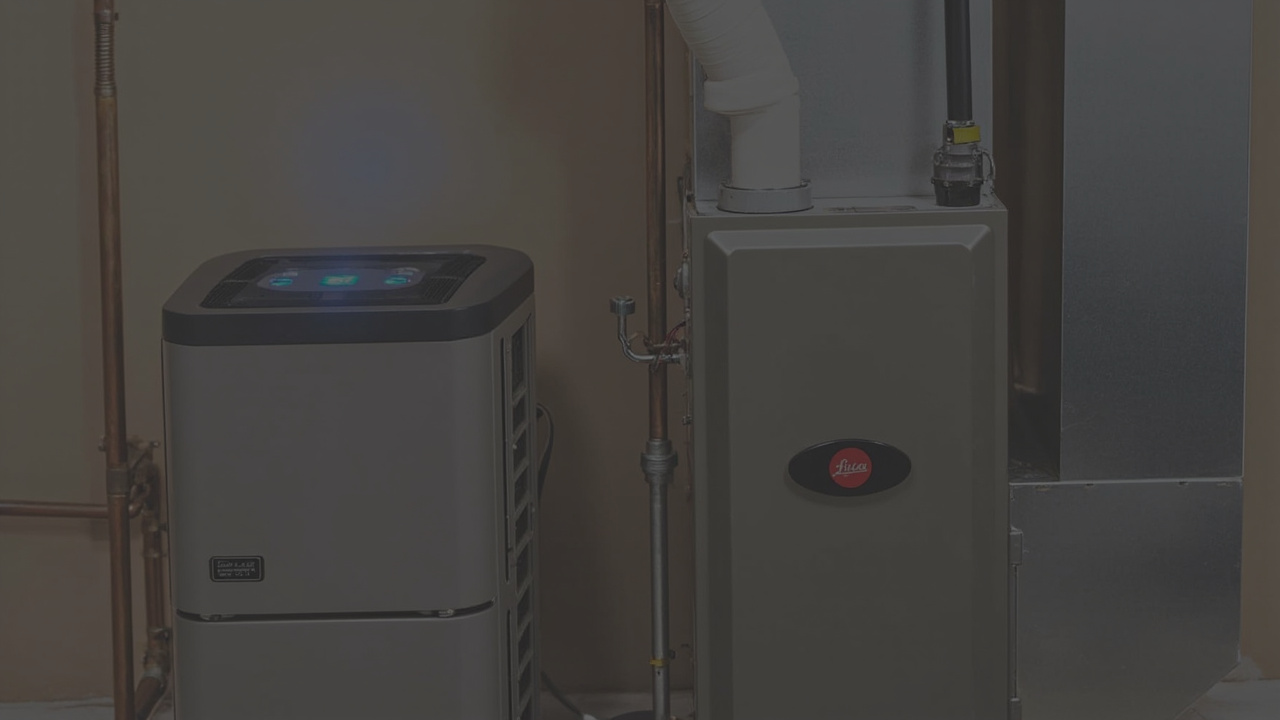
We explain backup heat options for cold snaps. Dual-fuel systems pair a heat pump with a gas furnace for automatic switchover when outdoor temperatures drop below your chosen threshold. This gives you heat pump efficiency in moderate weather and furnace reliability during February cold fronts.

We walk you through SEER2 and HSPF2 ratings so you understand efficiency numbers. A 16 SEER heat pump sounds efficient until you realize it only applies to cooling. The HSPF2 rating tells you heating efficiency, which matters more in Buffalo's climate.

How We Build Your Custom Heating Analysis

Heat Pump vs. Furnace Guide in Buffalo – Make the Right Choice for Lake Erie's Climate
01

Home Assessment

We measure your home's square footage, ceiling heights, and insulation levels in the attic and basement. We document window types, door quality, and air leakage points. We check your basement temperature because it affects foundation heat loss. We photograph your current equipment, ductwork layout, and thermostat location to identify system limitations that affect heat pump vs furnace performance in your specific floor plan.
02

Equipment Comparison

We build side-by-side cost projections for heat pump systems, gas furnaces, and dual-fuel configurations matched to your heating load. We show you how each option handles Buffalo's coldest days and how operating costs change across different winter severity levels. We explain compressor technology, variable-speed blowers, and two-stage heating so you understand what you are buying beyond the model number.
03

Decision Support

We give you a written analysis that shows 15-year total cost of ownership for each system option. This includes installation cost, projected energy costs based on your usage patterns, and maintenance requirements. We explain when heat pumps make sense and when a high-efficiency gas furnace delivers better value. You get clear data to make an informed choice without sales pressure or upselling.

Why Buffalo Homeowners Trust Our System Recommendations

We have installed heating systems in every Buffalo neighborhood, from historic homes in Elmwood Village to newer construction in Clarence. This gives us direct experience with how different systems perform in lake-effect snow belts versus inland areas with less wind exposure.

We understand Buffalo building stock. Many homes here were built between 1920 and 1960 with cast iron radiators, minimal insulation, and single-pane windows. These older homes have different heating requirements than ranch homes built in the 1980s with better envelope performance. We do not recommend the same heat pump solution for a 1925 Colonial that we would specify for a 1995 split-level.

We know local code requirements for equipment placement, combustion air, and gas line sizing. City of Buffalo inspectors expect specific venting configurations for high-efficiency furnaces. We install systems that pass inspection the first time because we follow local amendments to the mechanical code.

We factor in National Grid rebates and NYSERDA incentives when we price systems. Buffalo homeowners qualify for heat pump rebates up to $1,000 through National Grid's efficiency programs. We handle the paperwork and ensure your equipment meets qualification requirements so you receive the rebate without delays.

We size systems for actual load, not rules of thumb. The old standard of 600 square feet per ton does not account for insulation upgrades, window replacements, or air sealing improvements you may have completed. We calculate your real heating and cooling demand so you do not pay for oversized equipment that short-cycles and wastes energy.

We service what we install. When your heat pump needs refrigerant charge adjustment or your furnace throws a fault code, we respond fast because we know exactly what equipment you have and how it was configured.

What You Get with Our Heating System Analysis

Same-Week Assessment Scheduling

We schedule your in-home analysis within five business days of your call. The assessment takes 60 to 90 minutes depending on your home size and existing system complexity. We come prepared with load calculation software, duct measuring tools, and efficiency modeling programs so we complete the analysis in one visit. You receive written results within 48 hours showing heat pump vs furnace comparisons with real cost data for your specific home and usage patterns.

Engineering-Based Load Calculation

We perform ACCA Manual J load calculations that account for Buffalo's 6,600 heating degree days and your home's actual construction details. We measure insulation depth with a probe, test window U-values, and document air leakage sources. We factor in solar gain from south-facing windows and heat loss through basement walls. This engineering approach prevents the oversizing that causes short-cycling, humidity problems, and premature equipment failure common with rule-of-thumb sizing methods.

Transparent Cost Projections

You receive detailed 15-year cost analysis showing installation price, annual operating cost, and maintenance expenses for each system option. We use your actual utility rates and historical usage to project energy costs. We show you how costs change if natural gas prices increase or if electric rates drop due to grid upgrades. We include filter replacement, annual maintenance, and expected repair costs so you see total ownership expense, not just the installation number.

Post-Installation Performance Verification

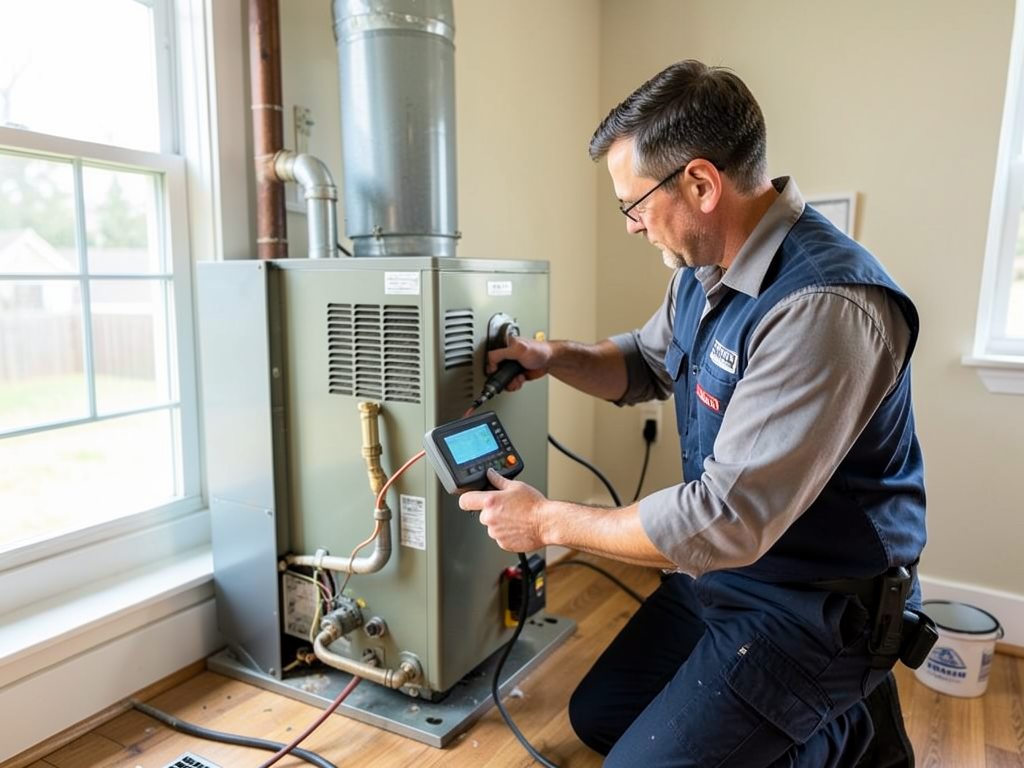
After installation, we return to measure system performance with digital manometers, thermometers, and airflow hoods. We verify your heat pump or furnace delivers the BTU output we calculated during design. We test refrigerant charge on heat pumps to confirm it meets manufacturer specifications. We balance airflow across all registers so every room receives proper heating and cooling. You get documentation showing your system performs as engineered, not just that it turns on.

Frequently Asked Questions

You Have Questions,
We Have Answers

How Lake Erie Wind and Snow Load Affect Heat Pump Performance in Buffalo

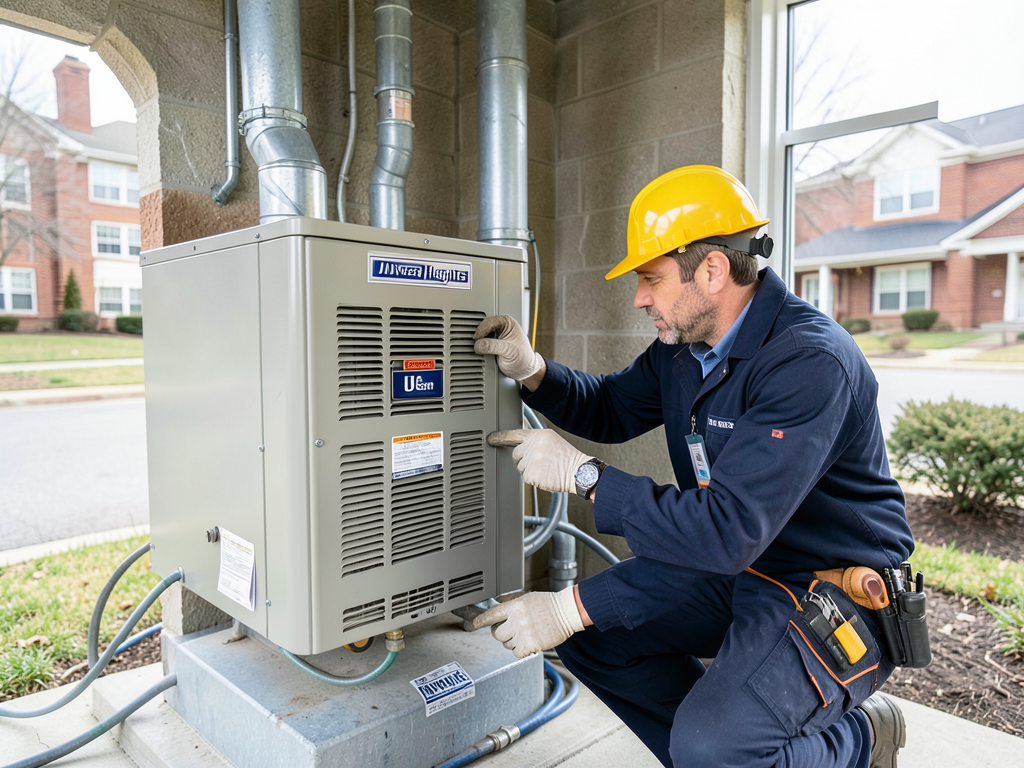
Heat pumps installed in Buffalo face wind exposure that reduces efficiency by 8 to 12 percent compared to inland installations. Lake Erie generates northwest winds that hit outdoor units during winter, increasing defrost cycles and reducing heat output. Homes within two miles of the lake need wind baffles or strategic unit placement to maintain rated efficiency. The difference between heat pump and furnace reliability becomes obvious during January lake-effect events when outdoor coils freeze and require extended defrost cycles that dump cold air into your home.

Buffalo's building codes require snow load considerations that affect outdoor unit mounting. Ground-level installations need platforms that keep units above expected snow depth, typically 18 inches minimum. We install heat pumps on reinforced pads or wall brackets that prevent snow burial during heavy accumulation. Our installations meet City of Buffalo mechanical code requirements for combustion air, clearances, and drainage that prevent freeze damage during spring melt cycles common in South Buffalo and Riverside neighborhoods.
HVAC Services in The Buffalo Area

We are proud to serve the entire Buffalo area and its surrounding communities with our expert HVAC services. Our centrally located team allows us to respond quickly to your needs, whether you are in the city or a nearby suburb. We are committed to being your local, trusted resource for all things heating and cooling, and we look forward to serving you right where you are.

Address:
United HVAC Buffalo, 360 Delaware Ave, Buffalo, NY, 14202

Additional Services We Offer

Our news updates

Latest Articles & News from The Blogs

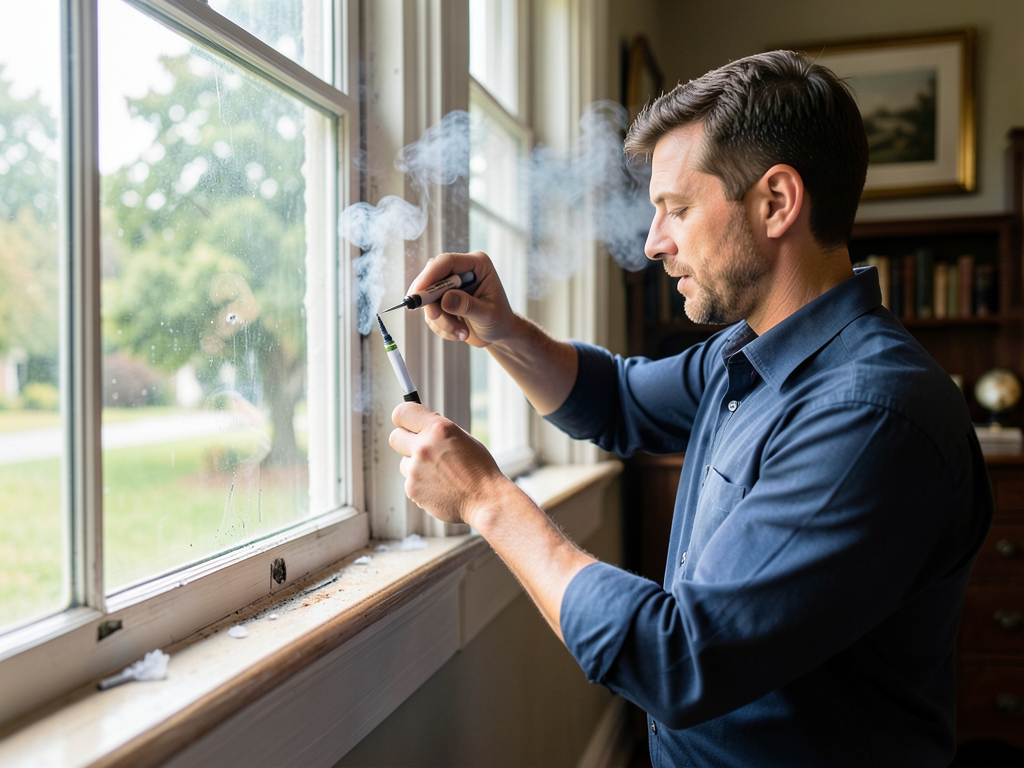
Managing Excessive Dust in Your South Buffalo Home During High Wind Events South Buffalo homes face unique dust challenges when…

Managing Excessive Dust in Your South Buffalo Home During High Wind Events

Managing Excessive Dust in Your South Buffalo Home During High Wind Events South Buffalo homes face unique dust challenges when…

Is it Better to Pay for a Monthly HVAC Maintenance Plan or Just Call When Something Breaks?

Is it Better to Pay for a Monthly HVAC Maintenance Plan or Just Call When Something Breaks? When your furnace…

The Homeowners Guide to Buying a New HVAC System for a Rental Property in University Heights

The Homeowners Guide to Buying a New HVAC System for a Rental Property in University Heights University Heights landlords face…

Contact Us

Call United HVAC Buffalo at (716) 317-7757 to schedule your in-home heating system analysis. We will show you exactly which system saves you money and keeps your home comfortable through Buffalo winters.