menu

Whole Home Humidifiers in Buffalo – Year-Round Comfort for Lake Erie's Extreme Weather Swings

United HVAC Buffalo installs central humidifiers engineered to handle Buffalo's brutal winter dryness and summer humidity fluctuations, protecting your home's air quality and your family's health in every season.

Slider Image 1
Slider Image 2
Slider Image 3
Slider Image 4
Slider Image 5
Slider Image 7
Slider Image 8
Slider Image 9
Slider Image 10
Slider Image 11

Why Buffalo Homes Need Professional Whole House Humidification

Buffalo's climate punishes your indoor air. Winter heating drops indoor humidity to dangerous lows, often below 20 percent, while lake-effect snow and sub-zero temperatures force furnaces to run constantly. This creates a desert inside your home. Dry air cracks woodwork, damages hardwood floors, and turns your sinuses into sandpaper.

Your standalone portable units cannot keep up. They cover one room, breed mold in their water tanks, and cost you more in electricity than they save in comfort. You refill them daily, and they still fail to address the root problem.

Summer brings the opposite challenge. Lake Erie's humidity drives moisture into your home, creating condensation issues that your air conditioner alone cannot solve. This humidity cycling stresses your HVAC system, warps door frames, and creates perfect conditions for mold growth in basements and crawl spaces common to Buffalo's older housing stock.

A whole house humidifier integrates directly into your existing ductwork, delivering precise moisture control to every room. Furnace humidifiers and HVAC humidifiers work with your heating and cooling system to maintain ideal humidity levels between 30 and 50 percent year-round. This protects your home's structure, reduces static electricity, and stops your family from waking up with bloody noses and cracked lips every winter morning.

Central humidifiers also lower your heating costs. Properly humidified air feels warmer, allowing you to drop your thermostat by three to four degrees without sacrificing comfort. In a Buffalo winter, that difference shows up immediately on your gas bill.

Ducted humidifiers offer the most effective solution for whole-home coverage, but only when installed correctly for Buffalo's unique climate demands.

Why Buffalo Homes Need Professional Whole House Humidification
How United HVAC Buffalo Installs Central Humidifiers the Right Way

How United HVAC Buffalo Installs Central Humidifiers the Right Way

We do not install generic humidifiers and hope they work. Buffalo's freeze-thaw cycles, lake-effect weather, and older home construction require specific equipment choices and installation techniques.

First, we calculate your home's actual humidification load. This means measuring your home's square footage, ductwork capacity, insulation quality, and air exchange rate. Older Buffalo homes built before 1970 leak air differently than newer construction. We account for this. An undersized unit will run constantly and fail. An oversized unit will over-humidify, causing condensation on your windows and promoting mold growth in your walls.

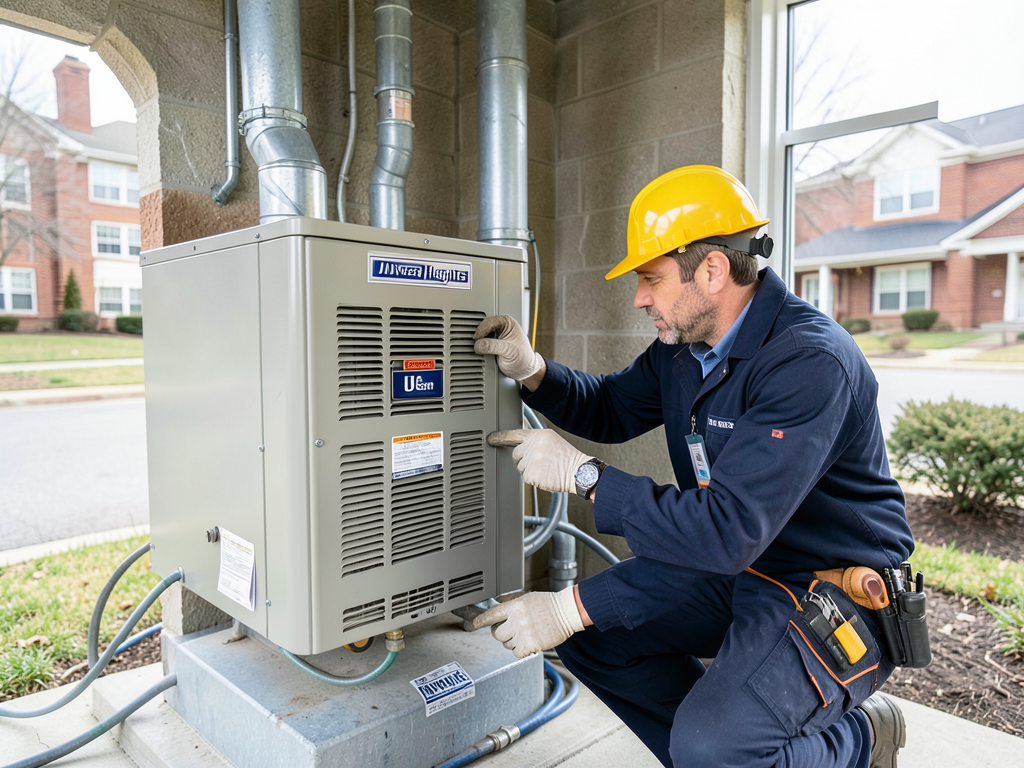
We install bypass humidifiers for most forced-air systems. These units mount directly to your main supply or return plenum and use your furnace blower to distribute moisture. Steam humidifiers work better for larger homes or homes with heat pumps, as they generate moisture independently without relying on heat from the furnace.

Our installations include a dedicated humidistat, not the cheap dial controllers that come standard. A proper humidistat adjusts output based on outdoor temperature. When it hits 10 degrees outside, your humidifier needs to run at lower capacity to prevent window condensation and ice damming. Buffalo winters demand this precision.

We also install a bypass damper if your system requires seasonal airflow adjustments. This prevents your humidifier from interfering with air conditioning performance in summer.

Drain line routing matters in Buffalo. We run condensate drains to avoid freezing in exterior walls and ensure proper pitch to prevent standing water. Standing water breeds bacteria and destroys your indoor air quality.

Water supply lines must be installed according to local plumbing code. We use copper or PEX rated for potable water, never the plastic tubing that cracks in cold basements. Every connection gets inspected for leaks before we commission the system.

What Happens During Your Humidifier Installation

Whole Home Humidifiers in Buffalo – Year-Round Comfort for Lake Erie's Extreme Weather Swings
01

System Assessment and Load Calculation

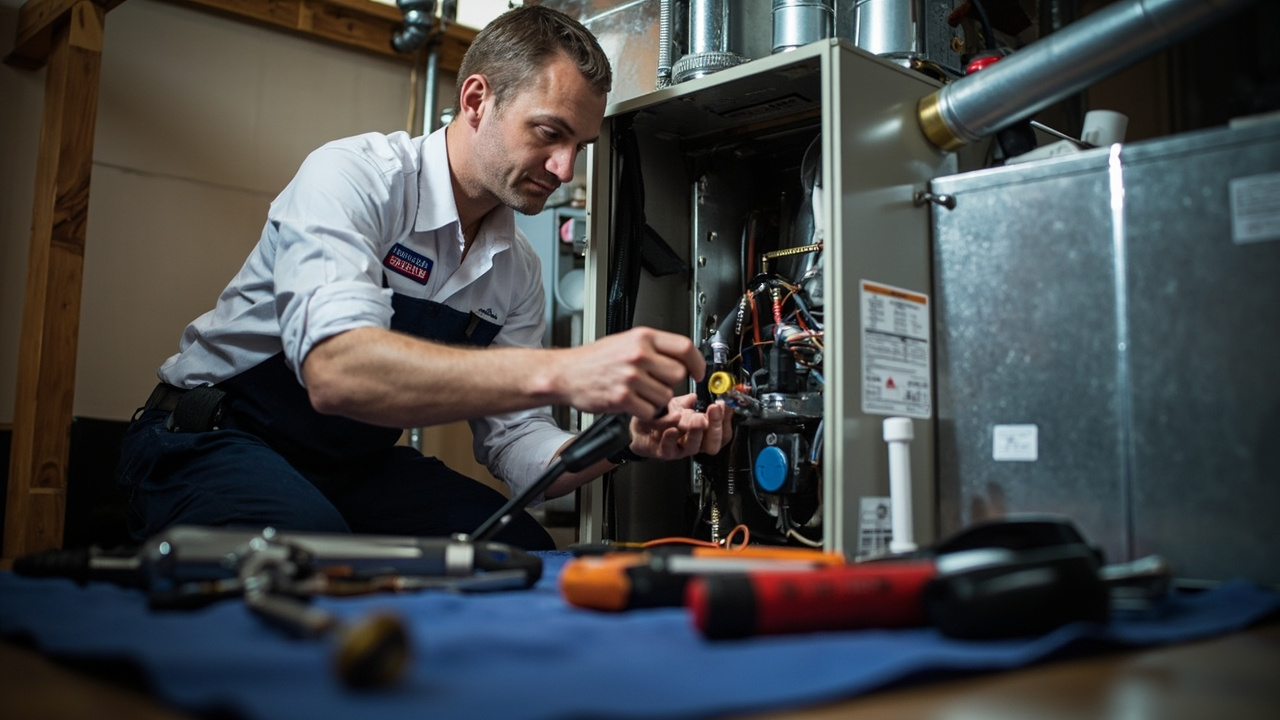
We measure your home's ductwork, evaluate your furnace capacity, and calculate precise humidification requirements based on your square footage and construction type. Buffalo's housing stock varies dramatically between Elmwood Village bungalows and modern Amherst builds, so we match equipment to your specific structure. We identify the optimal mounting location on your plenum and check for adequate water supply and drainage access before recommending a system.
02

Equipment Installation and Integration

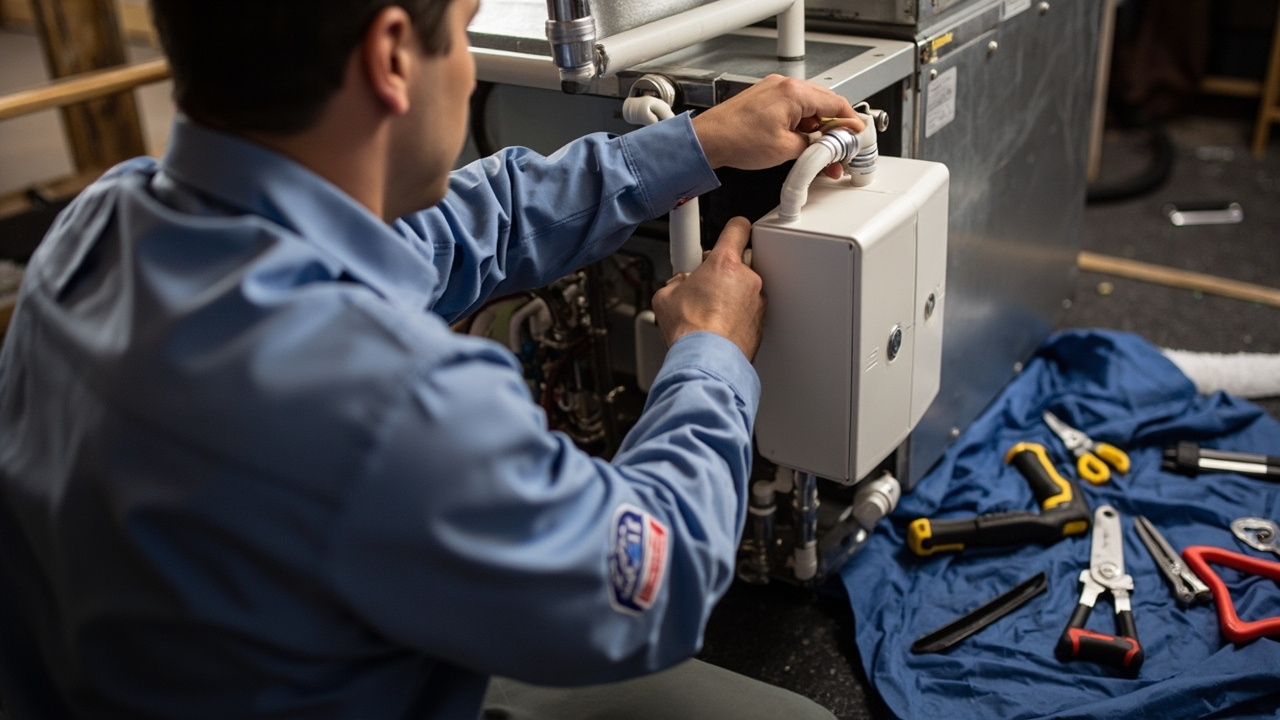
We mount the humidifier to your main duct, cut the plenum opening to manufacturer specifications, and secure all connections to prevent air leaks. Water supply lines are run from your nearest plumbing connection using code-compliant materials. The humidistat gets installed on an interior wall away from windows and exterior doors to ensure accurate readings. We wire the unit into your furnace control board so it only operates when your system calls for heat, preventing over-humidification.
03

Calibration and Performance Testing

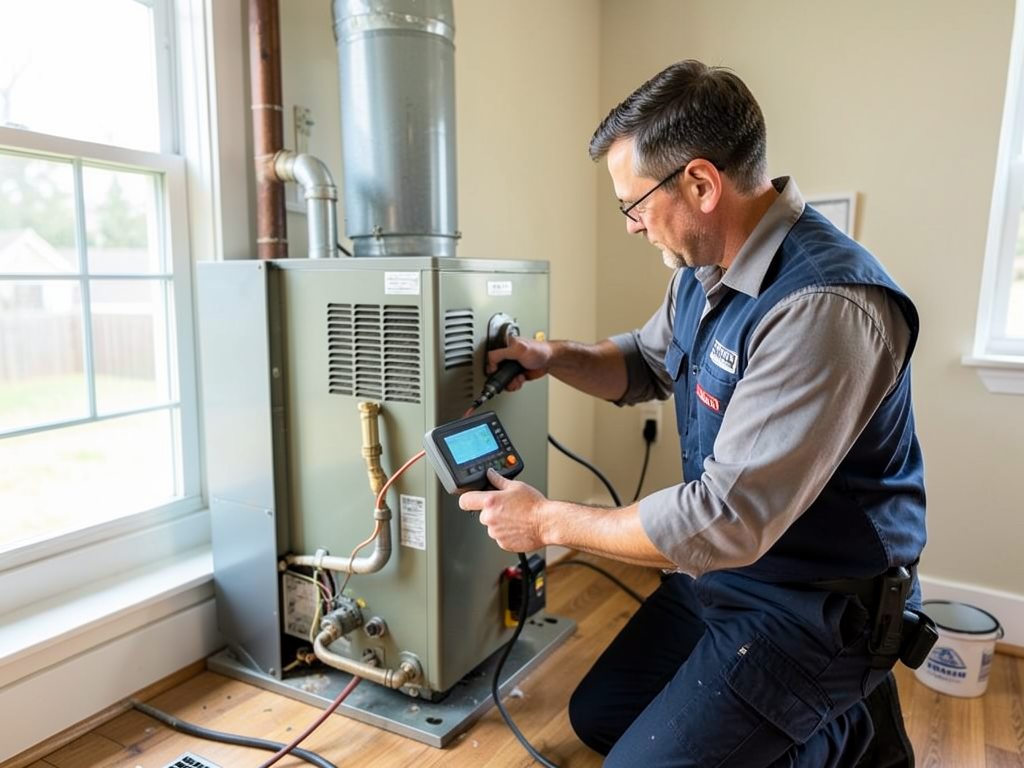
We test your system through multiple heating cycles, verify proper water flow and drainage, and calibrate the humidistat to Buffalo's climate. You will see the humidistat adjust output based on outdoor temperature to prevent condensation. We check every room's humidity level with a digital meter to confirm even distribution. Before we leave, you receive a full walkthrough on seasonal adjustments, filter replacement schedules, and maintenance requirements to keep your system running efficiently.

Why Buffalo Homeowners Trust United HVAC Buffalo for Whole House Humidifiers

We install humidifiers in Buffalo homes year-round, and we understand what lake-effect weather does to HVAC systems. Your humidifier must handle rapid temperature swings, extreme low temperatures, and the constant cycling that comes with Buffalo winters. Generic installations fail because they ignore these local factors.

United HVAC Buffalo works exclusively in the Buffalo metro area. We know which equipment survives here and which units fail within two seasons. We have installed central humidifiers in century-old homes in North Buffalo with cast iron radiators converted to forced air, and in new construction in Clarence with high-efficiency furnaces. Each installation requires different approaches.

Buffalo's municipal water quality also affects humidifier performance. High mineral content in certain areas causes scale buildup that destroys evaporator pads and clogs distribution trays. We recommend water treatment solutions when necessary and install models with easy-access maintenance panels for routine cleaning.

We also understand local building codes. Buffalo requires proper backflow prevention on humidifier water lines in certain applications. We install the correct backflow devices and ensure compliance during every installation. This protects your drinking water and keeps you from failing inspections if you sell your home.

Our technicians receive ongoing training on new humidification technology, including smart humidistats that integrate with programmable thermostats. If you want whole-home humidity control from your phone, we install systems that communicate with Nest, Ecobee, and Honeywell platforms.

You will not get a salesperson quoting you over the phone. We visit your home, inspect your system, and provide accurate pricing based on real conditions. Buffalo's housing diversity means no two installations cost the same, and we refuse to guess.

When your system needs maintenance or repair, we stock parts locally. You will not wait two weeks for a replacement evaporator pad shipped from a warehouse in Texas.

What to Expect When You Install a Whole House Humidifier

Installation Timeline and Scheduling

Most whole house humidifier installations take three to five hours depending on your ductwork configuration and water supply location. We schedule installations during your preferred time and arrive on time. If we need to run new electrical circuits or install additional plumbing, we communicate this during the estimate phase. You will not discover hidden requirements halfway through the job. We complete installations in one visit unless your home requires modifications we cannot anticipate during inspection. Buffalo winters create high demand for humidifier installations, so scheduling in September or October gives you better availability than waiting until December when everyone's skin is cracking.

Pre-Installation Consultation and Equipment Selection

We evaluate your furnace type, ductwork layout, and home construction before recommending equipment. You receive a detailed explanation of bypass versus steam humidifiers, maintenance requirements, and expected operating costs. We show you the difference between basic dial controls and digital humidistats that adjust automatically for outdoor temperature. If your home has specific challenges like a heat pump system or exceptionally tight construction, we explain how this affects humidifier selection. You make informed decisions based on your actual needs, not our profit margins. We provide written estimates that break down equipment costs, labor, and any additional materials required for your specific installation.

System Performance and Comfort Improvement

You will notice improved comfort within 24 hours of installation. Static electricity disappears, your sinuses stop drying out overnight, and your wood furniture stops cracking. Your thermostat can drop three to four degrees while maintaining the same comfort level, reducing your heating costs throughout winter. Properly humidified air also reduces airborne dust and allergens, improving air quality for family members with asthma or allergies. Your hardwood floors will show less gapping between boards, and door frames will stop shrinking and swelling with seasonal changes. The system operates silently. You will not hear it running unless you stand directly next to your furnace.

Maintenance Requirements and Long-Term Care

Bypass humidifiers require annual maintenance, typically during your fall furnace tune-up. This includes replacing the evaporator pad, cleaning the distribution tray, and checking the water supply valve. Steam humidifiers need their electrode canisters inspected and replaced based on water hardness, usually every one to three years. We offer maintenance plans that include humidifier service with your annual HVAC inspections. You receive reminders when service is due, and we stock replacement parts for every unit we install. Proper maintenance extends equipment life to 10 to 15 years for bypass models and 15 to 20 years for steam units. Neglected humidifiers fail early and can cause water damage to your ductwork and furnace.

Frequently Asked Questions

You Have Questions,
We Have Answers

What is the downside of a whole-house humidifier? +

The main downside is maintenance. Whole-house humidifiers require regular cleaning to prevent mold and mineral buildup, especially in Buffalo where hard water is common. If you skip maintenance, bacteria can spread through your ductwork. Over-humidification is another risk. Buffalo's freeze-thaw cycles mean too much indoor moisture can cause condensation on cold windows, leading to mold or wood rot. You also need to monitor humidity levels with a hygrometer. Bypass and steam units use more water and energy than portable models. If installed incorrectly, leaks can damage your furnace or ductwork.

What type of humidifier is best for a whole house? +

For Buffalo homes, steam humidifiers are the best choice. They boil water to create clean vapor, eliminating bacteria and mineral dust. They work independently of your furnace, so they humidify even when heat is off. Bypass humidifiers are a budget option but depend on your furnace running. Fan-powered models offer middle-ground performance and work better in larger homes. Avoid evaporative drum units. They breed mold and require constant cleaning. Buffalo's hard water makes mineral buildup worse. Choose a model with easy filter access and consider a water softener if you have high mineral content.

What's the average cost of a whole-house humidifier? +

Installation for a whole-house humidifier in Buffalo ranges widely based on system type and complexity. Bypass units are the most affordable option. Steam humidifiers cost significantly more but offer superior performance during Buffalo's harsh winters. Fan-powered models fall in the middle. Your total depends on ductwork modifications, electrical work for steam units, and whether you need a dedicated water line. Homes with older furnaces or limited duct access cost more to retrofit. Annual maintenance adds ongoing expenses. Get multiple quotes from licensed Buffalo HVAC contractors to compare system recommendations and pricing.

What humidifier do consumer reports recommend? +

Consumer Reports tests change yearly, but they consistently rank steam humidifiers highest for performance and hygiene. Brands like Aprilaire and Honeywell receive top marks for reliability. They favor models with automatic controls, easy maintenance access, and good warranties. For Buffalo homes, look for units that handle hard water without constant filter changes. Consumer Reports warns against drum-style evaporative models due to mold risks. They recommend choosing capacity based on your home's square footage and insulation quality. Check their current ratings online before purchasing, as technology improves and new models enter the market annually.

What are signs I need a humidifier? +

Static shocks, dry skin, and bloody noses are the first indicators. You will notice your wood floors or furniture cracking. Buffalo winters drop indoor humidity below 30 percent without a humidifier. You might see gaps forming between hardwood floor boards as the wood contracts. Houseplants wilt despite watering. You get sick more often because dry air irritates respiratory passages. Your furnace runs constantly but your home feels cold because dry air does not hold heat well. Windows show no condensation on cold mornings, indicating air is too dry. A hygrometer confirms the problem if it reads below 30 percent.

Where does the water go from a whole house dehumidifier? +

Whole-house dehumidifiers drain water through a condensate line, just like your air conditioner. The line typically connects to a floor drain, sump pump, or exterior drain. In Buffalo basements, the line often ties into your existing HVAC drainage system. Some units include a condensate pump to move water upward if no gravity drain exists. The drain line needs a trap to prevent sewer gases from entering your home. Regular maintenance prevents clogs from algae or mineral deposits. If your dehumidifier lacks drainage options, it collects water in a bucket requiring manual emptying, but this is rare for whole-house systems.

Where's the best place to put a whole-house humidifier? +

Install your whole-house humidifier directly on your furnace or main supply duct. This distributes moisture evenly through your entire duct system to all rooms. The unit needs access to a cold water line, so proximity to plumbing matters. Place it on the warm air supply side, not the return, for maximum efficiency. In Buffalo homes with zoned heating, install it on the main trunk line before zones split. Steam units need 120V or 240V power, so electrical access is required. Avoid installing in unheated spaces like garages where freezing could damage water lines. Your HVAC contractor will assess your specific ductwork layout.

What are the signs of too much humidity? +

Condensation on windows is the clearest warning sign. In Buffalo, you will see water pooling on window sills or mold growing around frames. Musty odors indicate hidden mold growth in walls or carpets. You might notice wood floors cupping or warping. Dust mites and allergens multiply in high humidity. Your home feels stuffy and takes longer to cool. Paint or wallpaper peels from walls. A hygrometer reading above 50 percent confirms the problem. Your air conditioner runs constantly in summer trying to remove moisture. Metal fixtures develop rust or corrosion faster than normal.

What is the healthiest type of humidifier for sinuses? +

Steam humidifiers are healthiest for sinus relief because they kill bacteria and mold spores by boiling water. The vapor is sterile and contains no mineral particles that irritate sinuses. Avoid ultrasonic and impeller models. They release white dust from minerals that can inflame nasal passages. Evaporative humidifiers are acceptable but require strict cleaning schedules to prevent bacterial growth. For Buffalo residents with chronic sinus issues, steam units paired with whole-house air filtration provide the best results. Maintain indoor humidity between 35 and 45 percent. Higher levels encourage mold growth, which worsens sinus problems. Clean all humidifiers monthly during heating season.

Can a humidifier be added to an existing furnace? +

Yes, you can retrofit a whole-house humidifier to any forced-air furnace. The unit mounts directly on the supply or return plenum and taps into your existing ductwork. Installation requires cutting an opening in the duct, running a water line from nearby plumbing, and adding electrical if you choose a steam model. Older Buffalo furnaces may need duct modifications if space is tight. Gas, oil, and electric furnaces all work with humidifiers. The process takes a few hours for a professional. Your furnace does not need replacement. Ensure your contractor checks ductwork for leaks first, as leaky ducts waste the humidified air you are paying to produce.

How Lake Erie Winter Winds Make Whole House Humidifiers Essential in Buffalo

Buffalo sits on the eastern shore of Lake Erie, creating the perfect storm for indoor air quality problems. Lake-effect snow systems pull moisture from the lake and dump it as snow, but the cold northwest winds that follow drop indoor humidity to dangerous lows. When your furnace runs constantly fighting 15-degree temperatures and wind chills below zero, it strips every molecule of moisture from your indoor air. Older Buffalo homes built before modern insulation standards leak air at high rates, forcing your heating system to work even harder. This combination creates indoor humidity levels below 15 percent, drier than the Sahara Desert. Without a whole house humidifier engineered for these conditions, you will fight constant respiratory irritation, skyrocketing heating bills, and structural damage to your home's woodwork.

United HVAC Buffalo has installed central humidifiers across Erie County for years, from historic homes in the Elmwood Village to modern builds in Lancaster and Orchard Park. We understand how Buffalo's housing stock affects humidification requirements. Your Victorian with original plaster walls needs different equipment than a 1980s colonial in Amherst with vinyl siding. We also navigate Erie County's building codes and inspection requirements, ensuring your installation meets all local standards. When you work with a company that exclusively serves the Buffalo metro area, you get technicians who understand lake-effect weather, frozen water lines, and the specific challenges of keeping your home comfortable through a Buffalo winter.

HVAC Services in The Buffalo Area

We are proud to serve the entire Buffalo area and its surrounding communities with our expert HVAC services. Our centrally located team allows us to respond quickly to your needs, whether you are in the city or a nearby suburb. We are committed to being your local, trusted resource for all things heating and cooling, and we look forward to serving you right where you are.

Address:
United HVAC Buffalo, 360 Delaware Ave, Buffalo, NY, 14202

Additional Services We Offer

Our news updates

Latest Articles & News from The Blogs

Managing Excessive Dust in Your South Buffalo Home During High Wind Events South Buffalo homes face unique dust challenges when…

Managing Excessive Dust in Your South Buffalo Home During High Wind Events

Managing Excessive Dust in Your South Buffalo Home During High Wind Events South Buffalo homes face unique dust challenges when…

Is it Better to Pay for a Monthly HVAC Maintenance Plan or Just Call When Something Breaks?

Is it Better to Pay for a Monthly HVAC Maintenance Plan or Just Call When Something Breaks? When your furnace…

The Homeowners Guide to Buying a New HVAC System for a Rental Property in University Heights

The Homeowners Guide to Buying a New HVAC System for a Rental Property in University Heights University Heights landlords face…

Contact Us

Call United HVAC Buffalo at (716) 317-7757 for a free whole house humidifier assessment. We will evaluate your system, explain your options, and provide accurate pricing based on your home's specific requirements. Same-day scheduling available.