menu

Storm Damage HVAC Repair in Buffalo – Emergency Response Teams Dispatched Within the Hour

When Lake Effect Winds and Ice Storms Destroy Your Heating or Cooling System, United HVAC Buffalo Arrives Fast With Storm Damage HVAC Repair to Restore Climate Control Before Frozen Pipes or Heat Exhaustion Become Life-Threatening

Slider Image 1
Slider Image 2
Slider Image 3
Slider Image 4
Slider Image 5
Slider Image 7
Slider Image 8
Slider Image 9
Slider Image 10
Slider Image 11

Buffalo Storm Damage Turns HVAC Systems Into Safety Hazards in Minutes

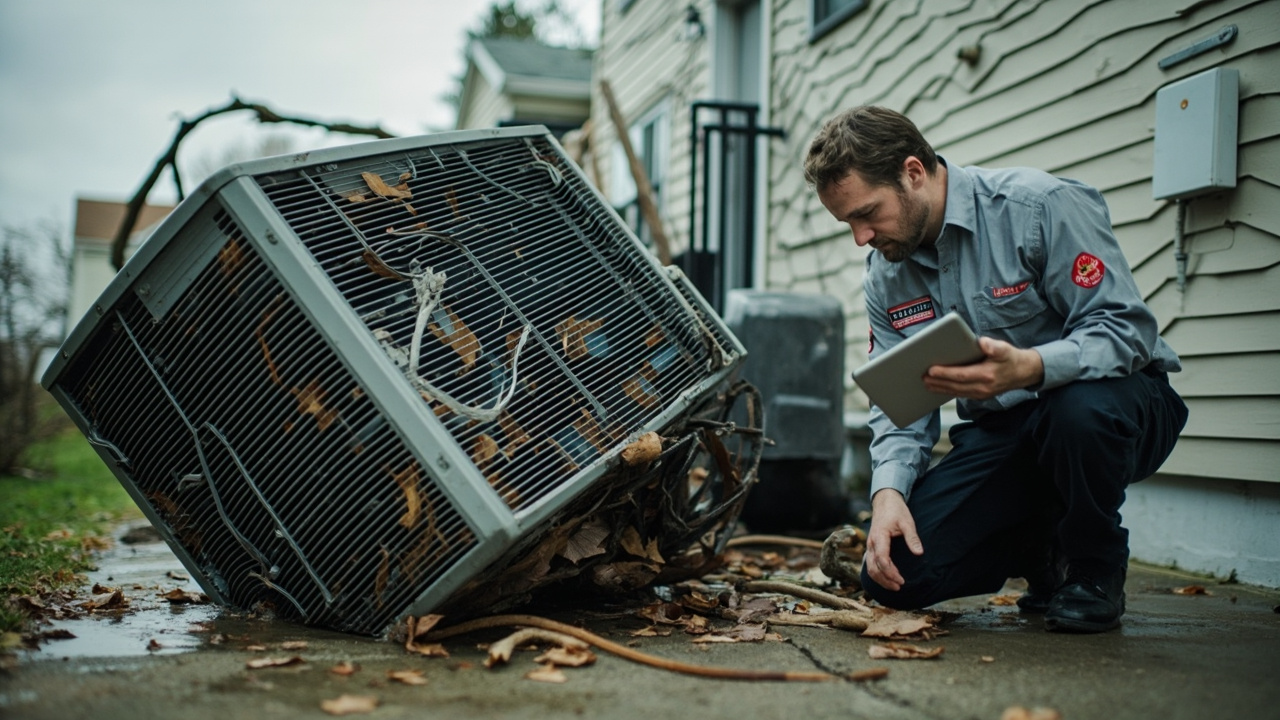
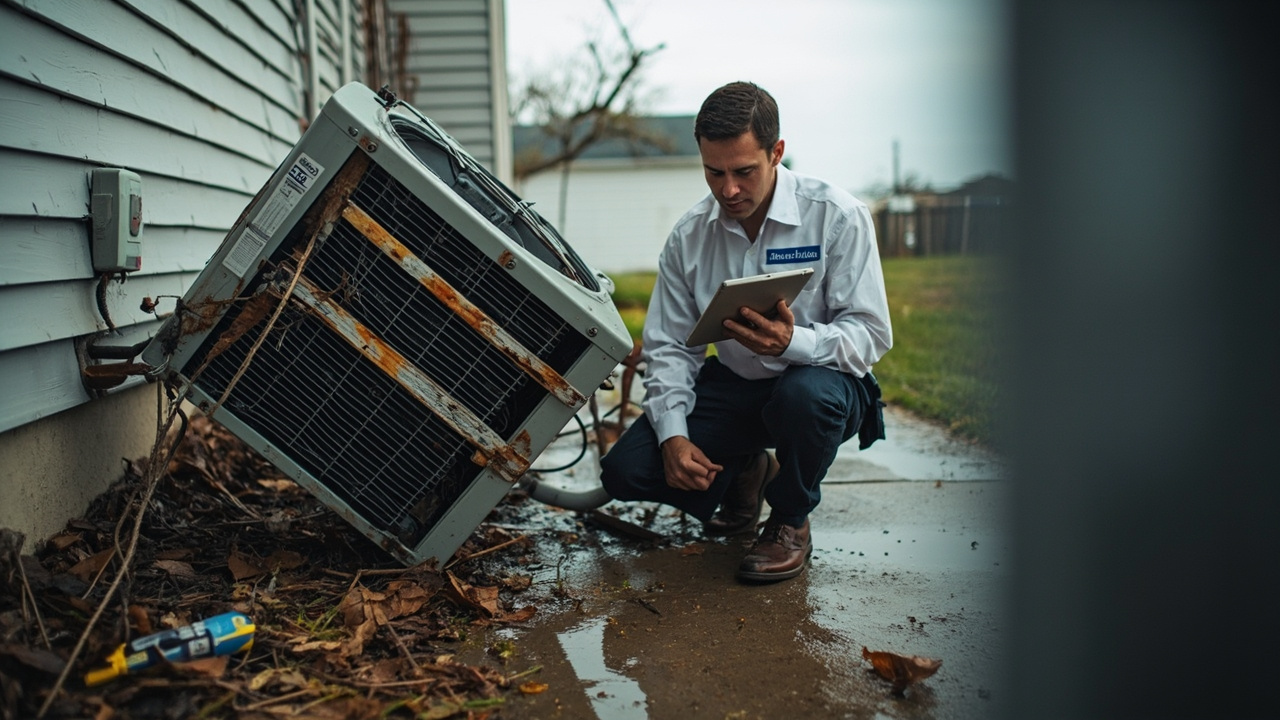
Buffalo sits at the eastern edge of Lake Erie, making it ground zero for lake effect snowstorms, ice storms, and sustained wind events that routinely exceed 60 mph. Your HVAC system is mounted on the exterior or roof, fully exposed to flying debris, ice accumulation, and structural stress. When a storm hits, you are left with a destroyed condenser, severed refrigerant lines, or a furnace intake choked with ice and debris.

The danger escalates fast. A damaged furnace in January means indoor temperatures drop to freezing within hours, putting your family at risk for hypothermia and causing water pipes to burst throughout your home. A destroyed AC unit during a summer storm leaves elderly residents vulnerable to heat stroke, especially in older Buffalo homes with poor ventilation.

Emergency HVAC storm repair is not optional. It is life safety. Storm damaged AC unit repair or heating and cooling storm damage repair must happen immediately to prevent cascading failures. A severed refrigerant line leaks R-410A, a regulated substance that requires professional recovery. A crushed condenser coil cannot be patched. A bent fan blade will destroy the compressor motor if you try to run it.

United HVAC Buffalo specializes in HVAC storm restoration services across the greater Buffalo metro, from the Elmwood Village to South Buffalo and Lackawanna. We understand how quickly storm damage escalates in this climate. Our trucks carry replacement compressors, condenser coils, and refrigerant recovery equipment to fix storm damaged HVAC systems on the first visit. You need heat or cooling restored now, not next week after an insurance adjuster schedules a site visit.

Buffalo Storm Damage Turns HVAC Systems Into Safety Hazards in Minutes
How United HVAC Buffalo Executes Storm Damage HVAC Repair Under Pressure

How United HVAC Buffalo Executes Storm Damage HVAC Repair Under Pressure

Storm damage creates chaos. Our approach is methodical. We dispatch a two-person crew with a fully stocked service vehicle within 60 minutes of your call. The first technician performs a safety assessment while the second technician documents damage for your insurance claim with time-stamped photos and equipment serial numbers.

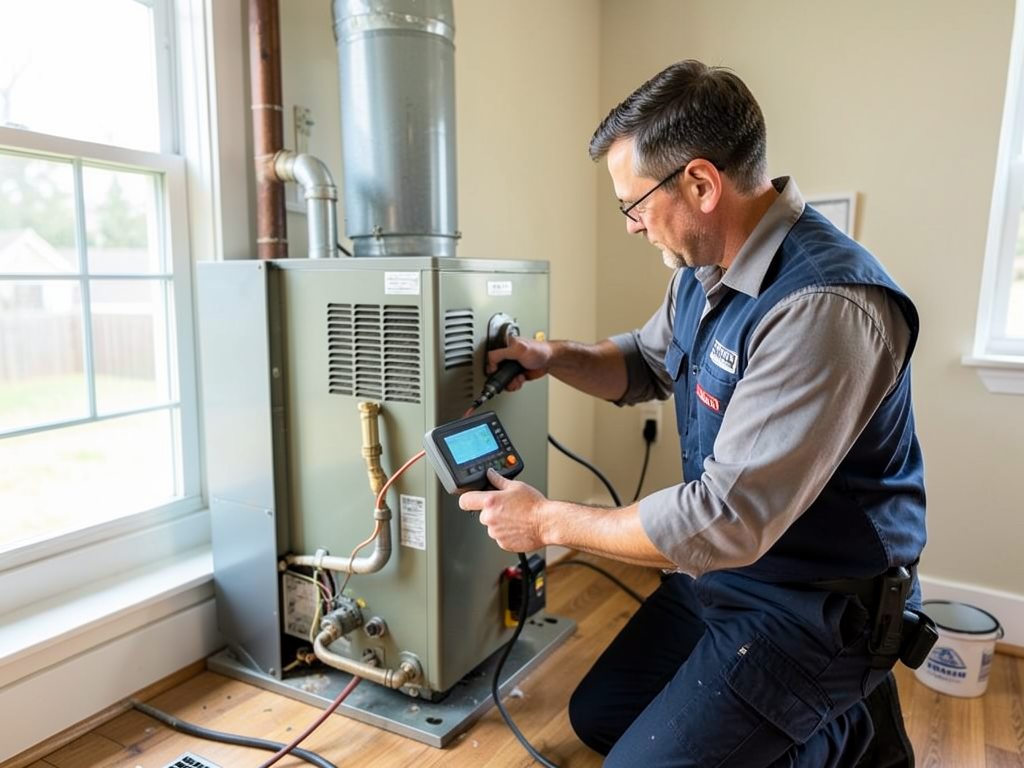
We do not guess. We test refrigerant pressures, measure electrical continuity, and inspect the heat exchanger for cracks caused by impact or thermal shock. If your condenser took a direct hit from a tree limb, we verify the compressor windings are intact before attempting startup. If ice dammed your furnace exhaust vent, we inspect for carbon monoxide backflow into the living space and clear the blockage with heated glycol solution, not hammers or torches that crack PVC vent pipe.

Our trucks carry critical components Buffalo storms destroy most often. Condenser fan motors rated for outdoor installation in sub-zero temperatures. Reversing valves for heat pumps. Crankcase heaters that prevent refrigerant migration during freezing conditions. We source OEM parts, not universal fit components that fail within a year.

For refrigerant line damage, we follow EPA Section 608 protocol. We recover remaining refrigerant into certified tanks, pressure test the repaired line with nitrogen to 450 psi, pull a vacuum to 500 microns, then recharge to manufacturer specifications using digital manifold gauges. Shortcuts cause compressor failure within weeks.

United HVAC Buffalo coordinates directly with your insurance carrier. We provide detailed estimates separating emergency repairs from discretionary upgrades, so your claim is not delayed by disputes over scope. You get climate control restored today, then we handle the paperwork battle with the adjuster.

What Happens When You Call for Emergency Storm Damage HVAC Repair

Storm Damage HVAC Repair in Buffalo – Emergency Response Teams Dispatched Within the Hour
01

Immediate Safety Assessment

Our technician arrives with infrared thermography equipment and refrigerant leak detectors to identify immediate hazards. We check for refrigerant leaks, exposed electrical connections, and compromised gas lines before touching any equipment. If your furnace heat exchanger cracked from impact, we red-tag the unit and provide electric space heaters until replacement parts arrive. Safety first, repairs second. You receive a verbal summary of all findings within 15 minutes of our arrival, so you understand the risk level.
02

Damage Documentation and Repair

We photograph every damaged component with measurements and serial numbers visible for your insurance claim. Our technician completes a detailed scope of work separating storm damage from pre-existing wear. Then we execute repairs using manufacturer-approved procedures. Refrigerant recovery happens first, then mechanical repairs, then pressure testing, then system recharge. We follow startup sequences exactly as specified in the installation manual to prevent secondary damage. You watch the system run through a full heating and cooling cycle before we leave the site.
03

System Verification and Documentation

After repairs, we measure temperature differential across the evaporator coil, verify refrigerant subcooling and superheat, and test safety controls including high pressure cutout and low pressure cutout switches. You receive printed documentation showing all measurements within manufacturer specifications. We provide a written summary for your insurance company with photos, parts invoices, and labor hours. Your system is restored to full operational capacity, and you have everything needed to file a complete claim without delays or disputes over coverage.

Why Buffalo Residents Choose United HVAC Buffalo for Storm Damage Repairs

Buffalo experiences weather extremes few HVAC companies prepare for. We stock equipment rated for the unique demands of western New York winters and humidity-soaked summers. Our service vehicles carry condenser fan motors rated to minus 20 degrees Fahrenheit, not the standard minus 10 degree units that fail during polar vortex events. We understand how lake effect snow loads collapse condenser cabinets and why ice dams form in furnace exhaust vents on north-facing roof penetrations.

United HVAC Buffalo maintains relationships with all major insurance carriers operating in Erie County. We know what Allstate requires for refrigerant line documentation versus what State Farm accepts for compressor replacement claims. This saves you weeks of back-and-forth disputes. We submit itemized estimates using Xactimate software, the same platform adjusters use, so line items match their pricing database and approvals happen faster.

Our technicians are trained on equipment common to Buffalo's housing stock. Older homes in the Elmwood Village and Allentown often have gravity furnaces or steam boiler systems with add-on air conditioning. Newer developments in Amherst and Clarence use high-efficiency variable-speed heat pumps. We service both extremes. Storm damage affects each system differently, and generic repair approaches cause more problems than they solve.

We dispatch within the hour because we understand the stakes. A destroyed furnace in February is not an inconvenience. It is a life safety emergency. We prioritize storm calls over routine maintenance, and we do not charge panic pricing for after-hours service. You pay our standard emergency rate whether you call at 2 p.m. or 2 a.m., because storm damage does not wait for business hours.

What to Expect During Emergency Storm Damage HVAC Repair

Response Time and Availability

United HVAC Buffalo dispatches emergency crews 24 hours a day, 365 days a year. When you call (716) 317-7757 during a storm event, you speak directly to our dispatcher, not an answering service. We provide an estimated arrival time within five minutes of your call, and our GPS-tracked service vehicles allow you to monitor real-time location. During major storm events affecting multiple customers, we triage based on life safety risk. Homes with elderly residents, infants, or medical equipment requiring climate control move to the front of the queue. You receive hourly updates if delays occur, and we never leave you guessing when help will arrive.

Damage Assessment Process

Our technician performs a complete system inspection using calibrated diagnostic equipment, not visual estimates. We measure refrigerant pressures, test electrical circuits under load, and inspect ductwork for impact damage that compromises airflow. You receive a written damage assessment within 30 minutes, detailing which components can be repaired and which require replacement. We differentiate between storm damage and pre-existing conditions to ensure your insurance claim is accurate. Our assessment includes photos, equipment model and serial numbers, and a detailed scope of work formatted for insurance submission. You understand exactly what failed, why it failed, and what it takes to restore full function.

Quality of Repairs

Storm damage repairs must meet the same standards as new installations. United HVAC Buffalo uses OEM replacement parts, not aftermarket substitutes that void manufacturer warranties. When we replace a damaged condenser coil, we verify the replacement matches the original AHRI certification for efficiency and capacity. Refrigerant line repairs are brazed using silver solder and nitrogen purge to prevent internal oxidation, then pressure tested to 450 psi and held for 24 hours before recharge. Electrical connections use heat-shrink terminals rated for outdoor exposure, not wire nuts that corrode within months. Your repaired system performs exactly as it did before the storm, with no loss of efficiency or capacity.

Insurance Coordination

United HVAC Buffalo handles insurance documentation so you can focus on your family. We photograph all damage before starting repairs, document all parts replaced with invoices showing OEM part numbers, and provide labor breakdowns itemized by task. Our estimates are submitted in Xactimate format, matching the software your insurance adjuster uses, which eliminates disputes over pricing and scope. We communicate directly with your adjuster to answer technical questions about repair methodology and parts selection. If your claim is denied or under-reserved, we provide supplemental documentation supporting the necessity of each repair. You receive copies of all correspondence, so you stay informed without managing the process yourself.

Frequently Asked Questions

You Have Questions,
We Have Answers

What is the $5000 rule for HVAC? +

The $5000 rule is a cost-versus-age guideline for replacing your HVAC system. Multiply your system's age by the repair cost. If the total exceeds $5000, replacement makes more financial sense than repair. For example, a 12-year-old unit needing a $500 repair equals $6000, so replacement is smarter. After severe Buffalo storms with high winds or hail, compressors and condensers often sustain damage requiring expensive fixes. If your system is older and storm damage is extensive, this rule helps you decide fast. Get a professional assessment within 24 hours to determine if repair or replacement protects your investment and keeps your family comfortable.

Does insurance cover HVAC damage? +

Most homeowners insurance policies cover HVAC damage caused by sudden, unexpected events like fallen trees, hail impact, or lightning strikes during Buffalo storms. Wind damage to outdoor condensers is commonly covered. However, flood damage typically requires separate flood insurance, which matters near the Buffalo River or Niagara. Wear and tear, gradual deterioration, and lack of maintenance are never covered. Document everything immediately with photos and timestamps. Contact your insurer within 24 hours and get a licensed HVAC contractor to assess storm damage and provide a detailed repair estimate. Fast documentation strengthens your claim and speeds up reimbursement for emergency repairs.

How long after storm damage can I claim? +

You must file storm damage claims quickly. Most Buffalo homeowners policies require notification within 48 to 72 hours of discovering damage, though you have up to one year to file the formal claim in New York. Waiting weakens your case because insurers question whether damage came from the recent storm or older neglect. Photograph damaged equipment immediately after the storm passes. Get a professional HVAC inspection within 24 hours to document the extent of damage to your condenser, electrical components, or ductwork. Fast action prevents secondary damage like refrigerant leaks or electrical shorts and proves the storm caused the problem.

What is the 3 minute rule for AC? +

The 3-minute rule prevents compressor damage after your AC shuts off. When your system cycles off, refrigerant pressure must equalize between the high and low sides. Starting the compressor too soon forces it to work against unbalanced pressure, causing mechanical failure and shortened lifespan. Most modern thermostats enforce this delay automatically. After Buffalo storm power outages, your system may try restarting immediately when electricity returns. If your AC short-cycles or trips breakers after a storm, the compressor may have sustained electrical damage from power surges. Get emergency service fast because a failing compressor after storm damage will only get worse and cost more.

How much does it cost to replace an entire HVAC system? +

Complete HVAC replacement in Buffalo ranges from budget to premium tiers depending on system size, efficiency rating, and your home's specific needs. A basic 2-ton system for a smaller home costs less than a 4-ton variable-speed unit for larger homes facing Lake Erie wind exposure. After major storm damage destroys multiple components, insurance may cover replacement if repair costs approach the system's actual cash value. Get three detailed estimates showing equipment specifications, labor, and warranty coverage. Your insurance adjuster needs itemized documentation. Focus on getting your family comfortable fast while maximizing your claim, not just the cheapest option.

What is the average lifespan of an HVAC? +

The average HVAC system lasts 15 to 20 years with proper maintenance, but Buffalo's freeze-thaw cycles and humid summers stress equipment harder than milder climates. Coastal moisture from Lake Erie accelerates corrosion on outdoor condensers. Storm damage from falling branches, hail, or electrical surges can instantly age a system or destroy critical components like compressors and control boards. A 10-year-old system with major storm damage may not be worth repairing. If your unit is over 12 years old and sustained significant impact or electrical damage, replacement provides better long-term value, improved efficiency, and peace of mind during the next storm season.

What are three things that are not covered by homeowners insurance? +

Homeowners insurance excludes flood damage, which requires separate flood insurance critical for properties near the Buffalo River or Scajaquada Creek. Normal wear and tear or gradual deterioration are never covered, so document that storm damage was sudden and storm-related. Neglect and deferred maintenance void coverage, so keep service records showing you maintained your HVAC system properly. After a storm, insurers scrutinize whether damage came from the recent event or years of neglect. Prove your system was functional before the storm with maintenance records and get a licensed contractor to document storm-specific damage like hail dents, fallen tree impact, or lightning surge damage.

How much does it cost to fix a leak in your AC system? +

AC refrigerant leak repair costs vary based on leak location and refrigerant type. A simple seal replacement costs less than a damaged evaporator coil requiring extensive labor. Older systems using R-22 refrigerant face higher costs because it was phased out and is expensive. Storm damage can crack refrigerant lines when trees fall or hail impacts the condenser. Your insurance may cover storm-caused leaks if you document the damage fast. Get emergency service immediately because low refrigerant damages the compressor and turns a manageable repair into a total system failure. Leaks from storm impact are insurance claims, not maintenance issues, so document everything with photos.

What two events are not covered under homeowners insurance? +

Floods and earthquakes are the two major events excluded from standard homeowners insurance. Buffalo properties near waterways need separate flood insurance because rising water from storms is never covered by basic policies. Earthquakes are rare in Western New York but still excluded. However, wind damage, hail impact, fallen trees, and lightning strikes that damage your HVAC during storms are covered. The key is proving the damage was sudden and storm-related, not gradual deterioration. After severe weather, get a licensed HVAC contractor to assess and document storm damage within 24 hours. Fast professional documentation separates covered storm damage from excluded maintenance issues.

What not to say when filing a homeowners insurance claim? +

Never speculate about when damage occurred or admit you delayed maintenance. Do not say the system was already having problems before the storm or downplay the damage. Avoid exaggerating or mentioning unrelated issues because adjusters will deny the entire claim if they suspect fraud. Stick to facts with photos and timestamps. Do not accept the first settlement offer without getting a licensed HVAC contractor's detailed assessment. Many Buffalo homeowners lose thousands by not documenting properly or accepting lowball offers. Get professional documentation fast, provide only factual storm damage details, and let your contractor's report speak for the necessary repairs. Speed and accuracy win claims.

Why Lake Effect Weather Makes Storm Damage HVAC Repair Critical in Buffalo

Buffalo's position at the eastern terminus of Lake Erie creates lake effect snow bands, ice storms, and wind events that destroy HVAC equipment faster than in any other northeastern city. When cold Canadian air crosses the relatively warm lake, it picks up moisture and dumps it as heavy, wet snow that accumulates on condenser cabinets at rates exceeding two inches per hour. This snow load collapses fan grills, bends condenser coils, and freezes refrigerant lines. Ice storms coat outdoor equipment with inches of ice, adding hundreds of pounds of weight to components designed for minimal snow load. Emergency HVAC storm repair in Buffalo must account for these extreme conditions, using components rated for the structural and thermal stresses Lake Erie weather creates. Generic storm damage HVAC repair approaches fail within weeks when applied to Buffalo's climate.

United HVAC Buffalo has restored heating and cooling systems across Erie County for years, building relationships with local building inspectors and insurance adjusters who understand the unique demands of this region. We know that older homes in the Fruit Belt and Black Rock neighborhoods often lack adequate attic ventilation, which exacerbates ice dam formation on furnace exhaust vents. We understand that homes near the Lake Erie shoreline face salt spray corrosion that accelerates condenser cabinet rust. Our technicians are trained on local building code amendments specific to Buffalo, including requirements for snow load ratings on rooftop equipment and minimum clearances for furnace exhaust vents in high-snow areas. When you choose local expertise for HVAC storm restoration services, you get repairs engineered for the exact conditions your equipment faces, not generic solutions that fail during the next storm.
HVAC Services in The Buffalo Area

We are proud to serve the entire Buffalo area and its surrounding communities with our expert HVAC services. Our centrally located team allows us to respond quickly to your needs, whether you are in the city or a nearby suburb. We are committed to being your local, trusted resource for all things heating and cooling, and we look forward to serving you right where you are.

Address:
United HVAC Buffalo, 360 Delaware Ave, Buffalo, NY, 14202

Additional Services We Offer

Our news updates

Latest Articles & News from The Blogs

Managing Excessive Dust in Your South Buffalo Home During High Wind Events South Buffalo homes face unique dust challenges when…

Managing Excessive Dust in Your South Buffalo Home During High Wind Events

Managing Excessive Dust in Your South Buffalo Home During High Wind Events South Buffalo homes face unique dust challenges when…

Is it Better to Pay for a Monthly HVAC Maintenance Plan or Just Call When Something Breaks?

Is it Better to Pay for a Monthly HVAC Maintenance Plan or Just Call When Something Breaks? When your furnace…

The Homeowners Guide to Buying a New HVAC System for a Rental Property in University Heights

The Homeowners Guide to Buying a New HVAC System for a Rental Property in University Heights University Heights landlords face…

Contact Us

Storm damage will not wait, and neither should you. Call United HVAC Buffalo now at (716) 317-7757 for immediate dispatch. Our emergency crews are standing by with the parts and expertise to restore your climate control system today, not next week.