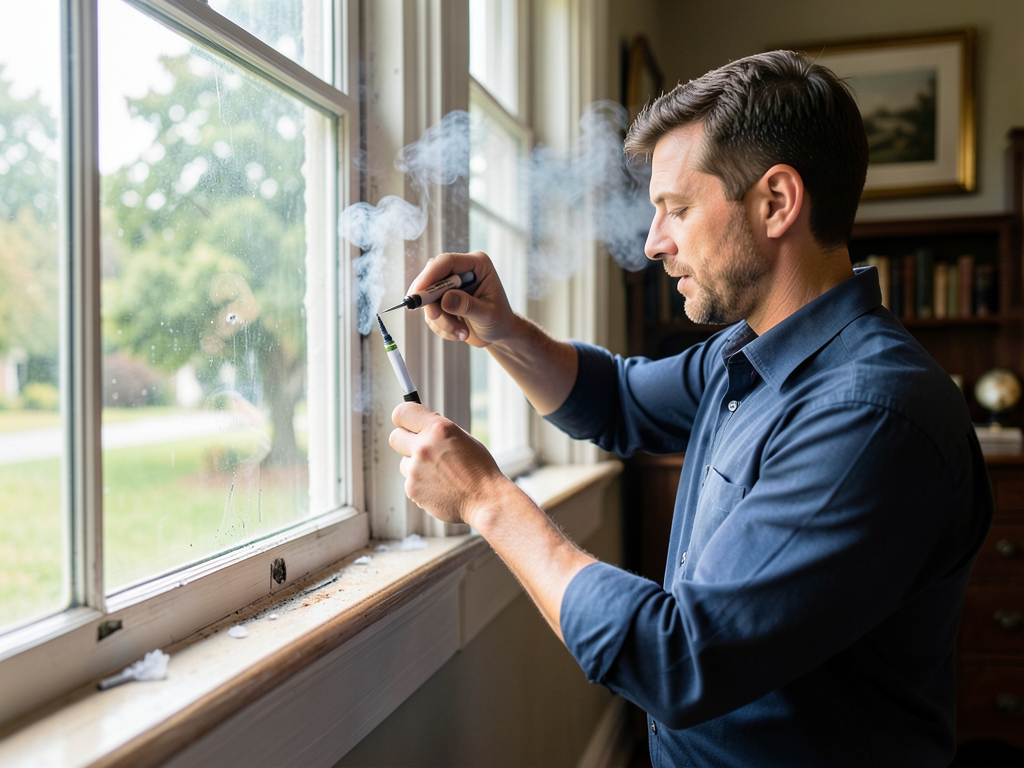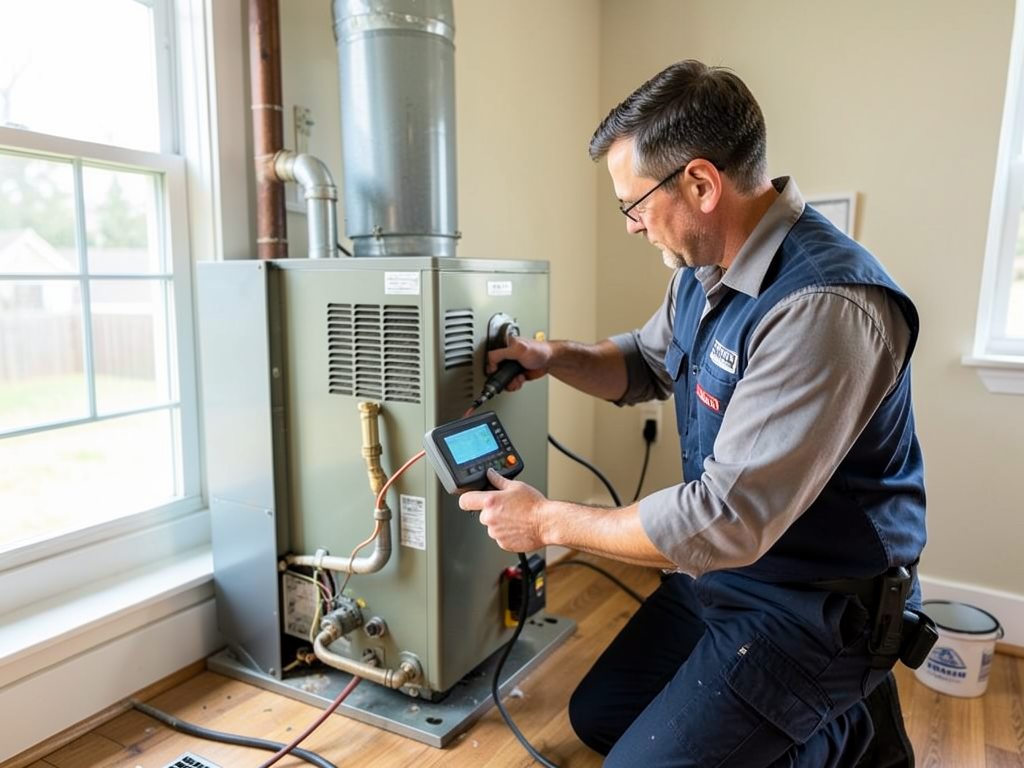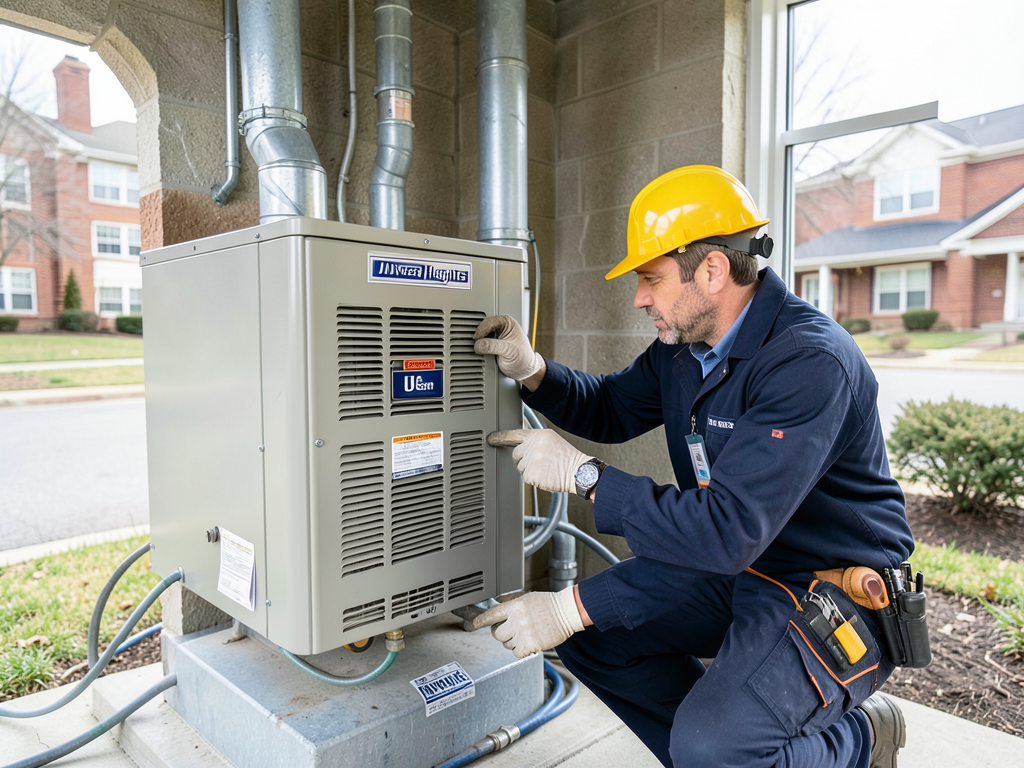
Buffalo's position on Lake Erie creates extreme conditions that test HVAC equipment beyond typical Midwest standards. Lake effect snow dumps moisture that corrodes outdoor condensing units faster than inland locations experience. Ice dams and freeze-thaw cycles stress heat pump defrost controls and reversing valves. Humidity swings between bone-dry winter indoor air and swampy summer conditions challenge equipment designed for more stable climates. These environmental factors accelerate wear patterns that manufacturers consider when evaluating warranty claims. Proper installation techniques that account for snow accumulation, wind exposure, and drainage become critical documentation points. When a heat exchanger cracks after five years, we must demonstrate the installation met cold-climate best practices, or the manufacturer will argue environmental damage voids coverage.
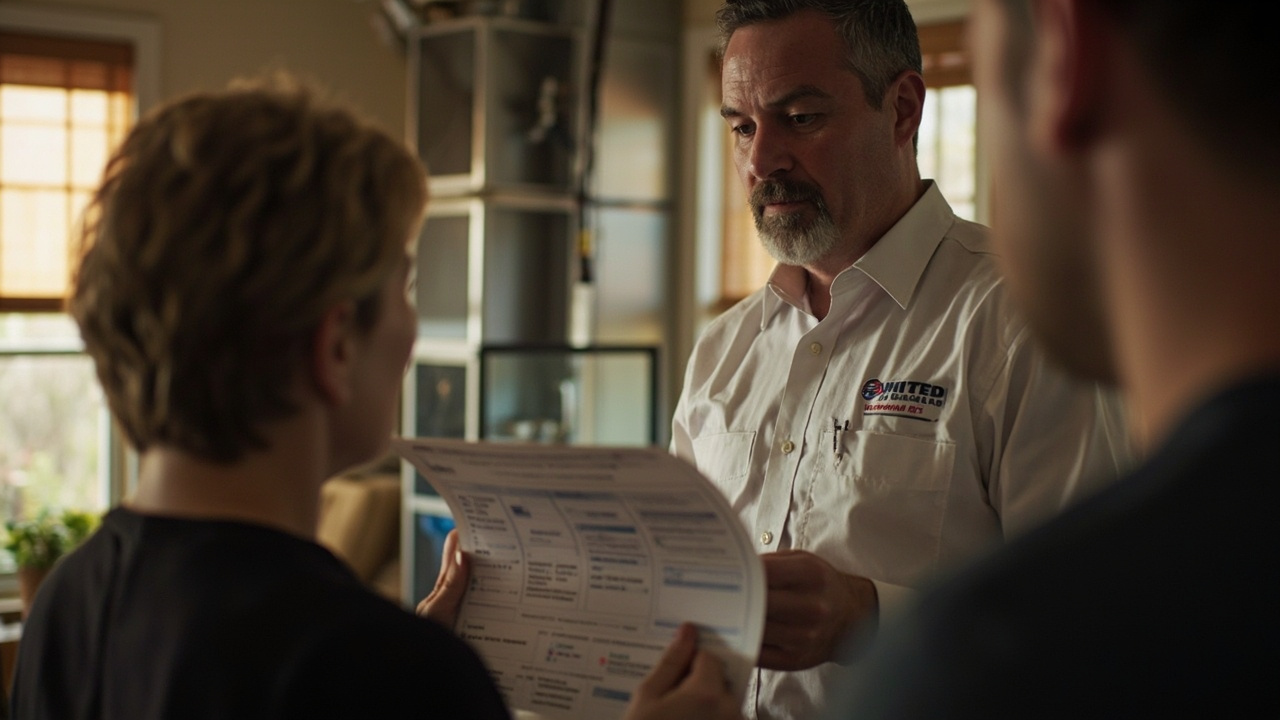
Buffalo's mix of historic housing stock and newer construction creates warranty complications other markets rarely see. A 1910 home in Allentown might have knob-and-tube wiring that does not support modern variable-speed air handlers, requiring electrical upgrades the warranty will not cover. Century-old chimneys used for furnace venting may not meet current code, forcing liner installations that add thousands to replacement costs. We know which pre-installation documentation protects you when these issues surface during warranty claims. Our familiarity with Buffalo's residential architecture, from Delaware Avenue mansions to Riverside bungalows, means we anticipate coverage complications before they derail your claim. This local knowledge has saved Buffalo homeowners tens of thousands in denied warranty claims over situations contractors from Rochester or Syracuse would miss entirely.