

menu

Weird Smells from Vents in Buffalo – Expert Diagnosis and Permanent Odor Elimination

Our certified technicians identify the exact source of strange odors from air ducts, bad smells coming from vents, and foul air conditioner odors in Buffalo homes using thermal imaging and air quality testing to eliminate the problem at its root.

Slider Image 1
Slider Image 2
Slider Image 3
Slider Image 4
Slider Image 5
Slider Image 7
Slider Image 8
Slider Image 9
Slider Image 10
Slider Image 11

Why Buffalo Homes Develop Strange Odors from Air Ducts

You walk past your floor register and catch it. That musty, metallic, or downright rotten smell that makes you wonder what died in your ductwork. You are not imagining it, and you are definitely not alone in Buffalo.

The freeze-thaw cycles from October through April create the perfect breeding ground for mold inside your HVAC system. When temperatures swing from below freezing to 40 degrees in a single day, condensation forms inside your ductwork. That moisture sits on dust and organic debris, creating biofilm. When your furnace kicks on, you smell it.

Buffalo homes built before 1980 often have uninsulated or poorly sealed duct systems running through crawlspaces and attics. These spaces hit dewpoint temperatures during spring and fall transitions, causing moisture accumulation. Add Lake Erie humidity from May through September, and your air ducts become incubators for microbial growth.

Odd smells from HVAC systems also signal mechanical problems. A burning plastic odor means wire insulation is melting. A rotten egg smell indicates a gas leak or bacterial buildup in your drain pan. Funny smells from heating systems can come from cracked heat exchangers leaking combustion gases into your airstream.

The age of Buffalo's housing stock compounds the problem. Homes in Elmwood Village, Allentown, and North Buffalo often have galvanized ductwork from the 1950s that has corroded internally. That rust creates surface area for odor-causing bacteria to colonize. When you smell something foul from your vents, you are breathing contaminated air. Your HVAC system circulates air 40 to 50 times per day. If that air is picking up odors, it is also picking up particulates you should not be inhaling.

Why Buffalo Homes Develop Strange Odors from Air Ducts
How We Identify and Eliminate Foul Air Conditioner Odors

How We Identify and Eliminate Foul Air Conditioner Odors

We do not spray deodorizer into your return and call it fixed. That masks the problem for three days. We find the contamination source and remove it.

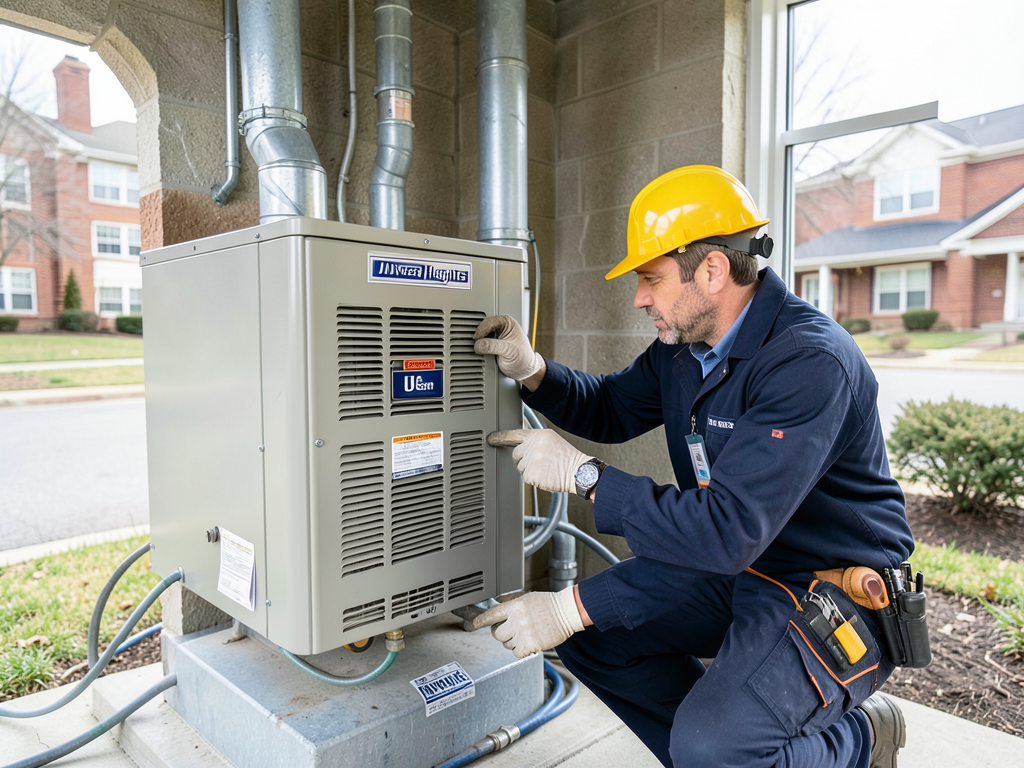
Our diagnostic process starts with a visual inspection of your air handler, evaporator coil, drain pan, and condensate line. We pull access panels and use a borescope camera to inspect the interior of your ductwork without tearing apart your walls. We check for standing water, visible mold, dead rodents, and accumulated debris.

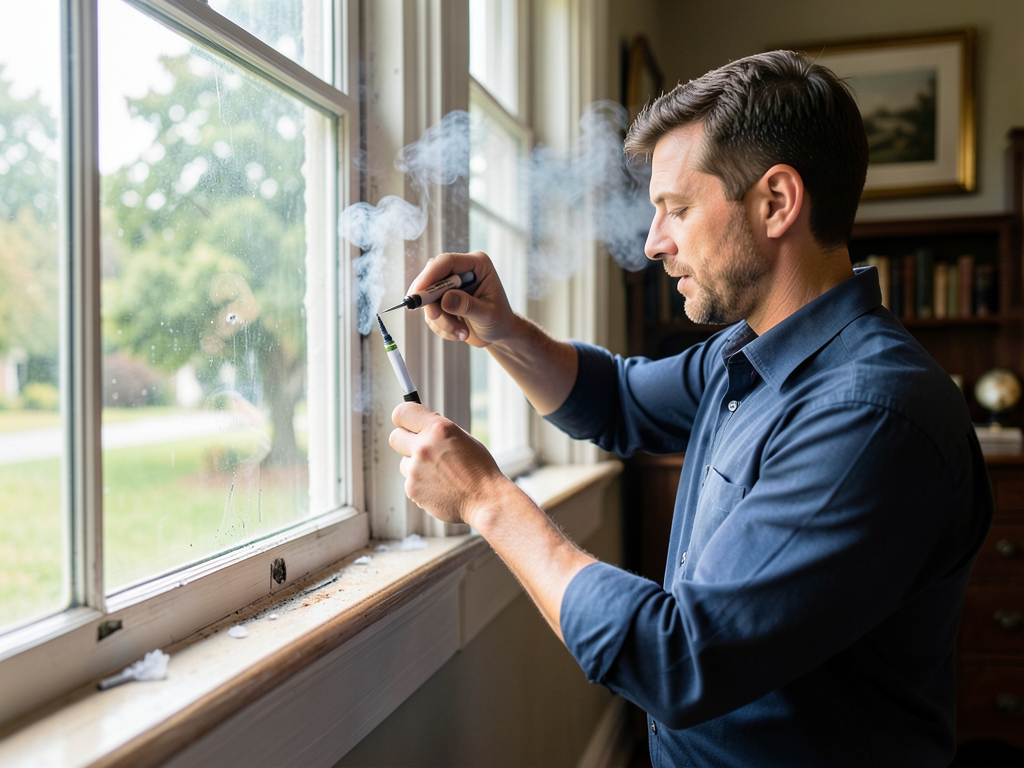
Next, we perform differential pressure testing across your duct system to identify leaks pulling in unconditioned air from attics, crawlspaces, or wall cavities. Leaky return ducts pull in musty air from those spaces, which then gets distributed throughout your home. We use a duct blaster to quantify total system leakage and pinpoint the exact locations.

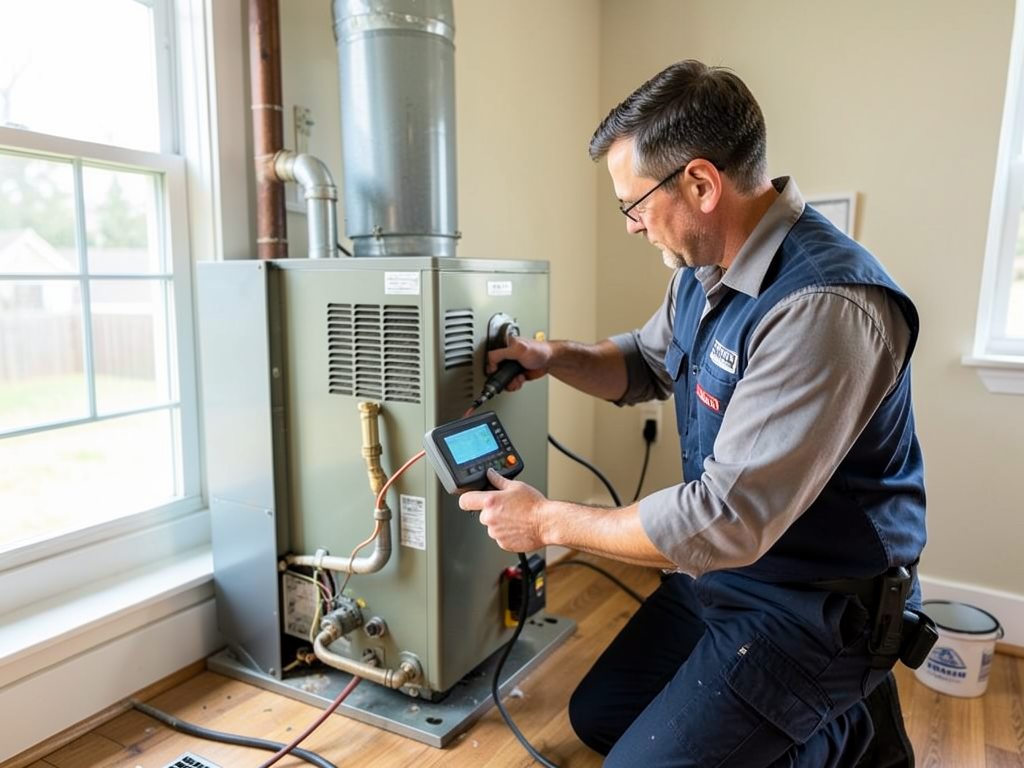
We also perform combustion analysis on gas furnaces to test for cracked heat exchangers. A crack allows combustion gases to mix with your breathing air, creating a sulfurous or chemical odor. This is a carbon monoxide risk and requires immediate equipment replacement.

For microbial contamination, we take air samples and surface swabs to identify the specific organism. Different molds and bacteria require different remediation protocols. We do not guess.

Once we identify the source, we remediate it. This might include HEPA vacuuming your entire duct system, applying EPA-registered antimicrobial coatings, replacing contaminated insulation, sealing duct leaks with mastic, installing UV lights near your evaporator coil, or replacing failed components.

We also address the conditions that caused the problem. If condensation is the issue, we improve insulation and vapor barriers. If your drain line is clogged, we install a proper trap and cleanout. We fix the why, not just the what.

What Happens During an Odor Investigation

Weird Smells from Vents in Buffalo – Expert Diagnosis and Permanent Odor Elimination
01

Initial System Assessment

We start by running your system through a full heating and cooling cycle while monitoring airflow at each register. This lets us smell what you are smelling and determine if the odor is constant or intermittent. We check your air filter, blower compartment, evaporator coil, and drain pan for visible contamination. We also inspect your outdoor condensing unit and flue vent for blockages or damage that could cause backdrafting.
02

Ductwork and Airflow Testing

We insert a camera probe through your registers to inspect the interior condition of your supply and return ducts. We look for dust buildup, biological growth, pest intrusion, and compromised duct liner. We perform a blower door test to measure total building envelope leakage, then isolate your duct system to calculate how much outdoor air is being pulled into your ductwork through gaps and holes.
03

Remediation and Verification

After we clean or repair the contaminated components, we re-test your system airflow and verify odor elimination. We install high-efficiency filtration and provide you with a maintenance schedule to prevent recurrence. If we replaced equipment, we document the installation with photos and provide you with manufacturer documentation. You get a written report detailing what we found, what we fixed, and what to monitor going forward.

Why Buffalo Residents Trust United HVAC Buffalo for Duct Odor Problems

We have been diagnosing bad smells coming from vents in Buffalo homes since 2003. We know the difference between seasonal mildew from spring humidity and active mold growth from a leaking coil. We understand how Buffalo's housing stock behaves.

Most HVAC companies will sell you a duct cleaning and send a guy with a Shop-Vac. That does not address microbial contamination embedded in duct liner or fiberglass insulation. We use HEPA-rated negative air machines and follow NADCA standards for source removal cleaning. If your ducts have internal liner that is contaminated beyond cleaning, we recommend replacement, not repeated cleanings that do not work.

We also understand Buffalo building codes and the 2020 International Residential Code requirements for duct sealing and insulation. If your ductwork is not compliant, it is probably leaking conditioned air into your attic and pulling in contaminated air from your crawlspace. We bring your system up to code as part of our odor remediation process.

Our technicians carry thermal imaging cameras, combustion analyzers, and refrigerant leak detectors as standard equipment. We do not show up unprepared. If your odor is caused by a refrigerant leak, we will find it the first visit. If it is a cracked heat exchanger, we will confirm it with a combustion test and show you the carbon monoxide readings.

We also provide transparent pricing before we start work. You get a written diagnostic report with photos and a detailed scope of work. If your issue requires duct replacement, we provide material options and explain the performance differences between flex duct and rigid metal ductwork. You make an informed decision, not a pressured one.

Buffalo homes deserve indoor air quality that does not make you hold your breath when the furnace cycles on. We deliver that.

What You Can Expect from Our Odor Diagnostic Service

Same-Day Diagnostics Available

We schedule odor diagnostics within 24 hours of your call. Most appointments take 90 minutes to two hours depending on the size of your home and the complexity of your duct system. We provide same-day service for gas odors or burning smells, which indicate safety hazards. Our trucks carry diagnostic equipment, replacement filters, UV lights, and antimicrobial treatments so we can often resolve simple issues during the initial visit. You get answers fast, not a week-long waiting game.

Comprehensive Air Quality Testing

We perform a full system inspection including blower motor condition, heat exchanger integrity, evaporator coil cleanliness, condensate drain function, and ductwork integrity. We use a borescope camera to visually inspect areas that are not accessible without demolition. If we suspect microbial growth, we take surface samples for lab analysis. If your odor is intermittent, we provide you with an air quality monitor to track when the smell occurs so we can correlate it with system operation. You get data, not guesses.

Permanent Odor Elimination

We do not mask odors with fragrance. We remove the contamination source. If your evaporator coil has biofilm, we chemically clean it or replace it. If your ductwork has mold growth on internal insulation, we replace that section. If your drain pan is corroded and holding stagnant water, we install a new pan with a proper trap. We also address the environmental conditions that allowed the problem to develop, like inadequate insulation or poor ventilation. You get a solution that lasts, not a temporary fix that fails in six months.

Ongoing Air Quality Maintenance

After we eliminate the odor, we provide you with a maintenance plan to prevent recurrence. This includes filter replacement schedules, condensate line flushing, UV light bulb replacement, and annual duct inspections. We also install high-efficiency filtration systems that capture mold spores and bacteria before they colonize your ductwork. If you have a chronic moisture problem, we recommend dehumidification solutions or duct insulation upgrades. We stay in touch and make sure your air stays clean season after season.

Frequently Asked Questions

You Have Questions,
We Have Answers

Why do I get a weird smell coming from my vents? +

Weird smells from vents usually signal trapped debris, mold growth, or mechanical issues. In Buffalo, high humidity from Lake Erie creates perfect conditions for mold and mildew inside ductwork. You might also smell dust burning when your furnace kicks on after months of sitting idle. Dead rodents, insulation breakdown, or refrigerant leaks also produce distinct odors. If the smell is musty, you likely have moisture problems. If it smells like burning plastic or rotten eggs, shut off your system immediately and call a professional. Never ignore strange odors. They indicate something is wrong with your HVAC system.

What does mold in vents smell like? +

Mold in vents smells musty, earthy, or like damp socks left in a gym bag. Some people describe it as a stale, rotting wood smell. In Buffalo homes, mold often develops in ductwork during humid summer months or when condensation builds up from temperature swings. The smell intensifies when your system runs because air pushes spores through the vents. Black mold has a stronger, more pungent odor than common surface mold. If you smell this persistently, you need a duct inspection. Mold spreads quickly in dark, moist environments and affects indoor air quality throughout your home.

What does an electrical fire smell like before it starts? +

Electrical fires smell like burning plastic, hot metal, or fish before flames appear. You might notice a sharp, acrid odor that stings your nose. Overheating wiring insulation produces a distinct chemical smell that differs from normal dust burn-off. In Buffalo homes with older electrical systems, this happens when circuits overload or connections corrode from humidity exposure. If you smell burning plastic near vents, check for scorched outlet covers or discolored wiring. Shut off power to the affected circuit immediately. Never ignore this smell. Electrical fires can start inside walls or ductwork where you cannot see them.

What does poor ventilation smell like? +

Poor ventilation smells stale, stuffy, or like trapped air that never refreshes. You might notice lingering cooking odors, pet smells, or a general staleness throughout your home. In Buffalo, tightly sealed homes built for winter efficiency often trap indoor pollutants when ventilation fails. The air feels heavy and sometimes smells slightly sour or chemical-like from cleaning products and off-gassing materials. Bathrooms and basements smell especially musty. Poor airflow allows moisture to settle, creating conditions for mold. If opening windows immediately improves the smell, your HVAC system is not circulating fresh air properly.

What does HVAC leak smell like? +

HVAC refrigerant leaks smell sweet and chemical-like, similar to chloroform or ether. Some people describe it as a sweetish, acetone smell that feels slightly nauseating. Freon and newer refrigerants are largely odorless, but additives create detectable scents. If you smell this near vents or your outdoor unit, you have a leak. Refrigerant exposure causes dizziness and respiratory irritation. Buffalo homes with aging AC systems often develop small leaks at connection points from freeze-thaw cycling. Turn off your system and call a technician immediately. Refrigerants are toxic and harmful to breathe in enclosed spaces.

Does a musty smell automatically mean mold? +

No. Musty smells can come from dust buildup, dirty filters, stagnant water in drain pans, or organic debris in ductwork. In Buffalo, basements naturally smell musty from ground moisture without mold present. However, persistent musty odors are a red flag. Mold needs moisture, darkness, and organic material. All three exist inside ductwork. If the smell worsens when your system runs or appears only in certain rooms, inspect those areas. Change your filter first. If the smell continues, you need professional duct cleaning or mold testing. Do not assume it is harmless.

What are the 10 warning signs of mold toxicity? +

Mold toxicity warning signs include persistent headaches, chronic fatigue, difficulty concentrating, memory problems, respiratory issues, sinus congestion, skin rashes, joint pain, digestive problems, and mood changes. Buffalo residents exposed to mold often experience worsening symptoms during heating season when systems recirculate contaminated air. You might feel worse at home and better when you leave. Children and elderly family members show symptoms first. Respiratory symptoms mimic seasonal allergies but persist year-round. If multiple household members feel sick without explanation, test for mold. Prolonged exposure causes serious health complications. Indoor air quality directly affects your wellbeing.

How to tell if a vent has mold? +

Look for visible black or green spots around vent grilles. Smell the air coming from vents when the system runs. Mold produces musty, earthy odors. Check for moisture or condensation on vent covers. In Buffalo homes, mold often grows on the backside of vent grilles facing ductwork. Remove a vent cover and shine a flashlight inside. Look for discoloration, fuzzy growth, or water stains. Professional duct cameras reveal mold deeper in the system. If you see any growth, assume it extends further into ductwork. Mold spreads quickly in dark, humid environments.

What are the signs of mold making you sick? +

Mold sickness shows up as chronic coughing, wheezing, throat irritation, nasal congestion, eye irritation, skin rashes, headaches, and fatigue that improves when you leave home. Buffalo residents often mistake mold symptoms for seasonal allergies or winter colds. You might notice symptoms worsen overnight or in specific rooms. Children develop more frequent asthma attacks. Respiratory issues persist despite medication. If your family experiences unexplained health problems and you smell mustiness, test your home for mold. Indoor air quality affects everyone differently. Some people are highly sensitive while others show mild symptoms. Take respiratory complaints seriously.

Are there warning signs before an electrical fire? +

Yes. Electrical fires produce burning plastic or fish smells before flames appear. You might see flickering lights, hear buzzing from outlets, notice warm switch plates, or observe discolored outlets. Circuit breakers trip repeatedly. In Buffalo homes, older wiring corrodes from humidity, creating resistance that generates heat. Outlets feel hot to touch. You smell burning when the furnace or AC runs because heat travels through ductwork. Never ignore these signs. Shut off power at the breaker panel. Call an electrician immediately. Electrical fires spread rapidly inside walls and ceilings where you cannot see damage developing.

How Lake Erie Humidity Causes Duct Odors in Buffalo Homes

Buffalo sits on the eastern shore of Lake Erie, which creates high relative humidity from May through October. When outdoor humidity exceeds 70 percent, your air conditioning system struggles to dehumidify your indoor air. That excess moisture condenses on cold ductwork running through unconditioned spaces like attics and crawlspaces. The condensation drips onto dust and debris inside your ducts, creating the perfect environment for mold and bacteria. This is why strange odors from air ducts spike in Buffalo during late spring and early fall when temperature swings are most severe.

We have been serving Buffalo neighborhoods from Black Rock to South Buffalo for over two decades. We understand the specific challenges of maintaining indoor air quality in homes built between 1920 and 1960, which make up the majority of Buffalo's housing stock. These homes often have undersized return ducts, uninsulated supply ducts, and minimal attic ventilation. We work with local building inspectors and follow Erie County mechanical code requirements for duct sealing and insulation. When you choose a local HVAC company that understands Buffalo's climate and construction methods, you get solutions that actually work in your home.
HVAC Services in The Buffalo Area

We are proud to serve the entire Buffalo area and its surrounding communities with our expert HVAC services. Our centrally located team allows us to respond quickly to your needs, whether you are in the city or a nearby suburb. We are committed to being your local, trusted resource for all things heating and cooling, and we look forward to serving you right where you are.

Address:
United HVAC Buffalo, 360 Delaware Ave, Buffalo, NY, 14202

Additional Services We Offer

Our news updates

Latest Articles & News from The Blogs

Managing Excessive Dust in Your South Buffalo Home During High Wind Events South Buffalo homes face unique dust challenges when…

Managing Excessive Dust in Your South Buffalo Home During High Wind Events

Managing Excessive Dust in Your South Buffalo Home During High Wind Events South Buffalo homes face unique dust challenges when…

Is it Better to Pay for a Monthly HVAC Maintenance Plan or Just Call When Something Breaks?

Is it Better to Pay for a Monthly HVAC Maintenance Plan or Just Call When Something Breaks? When your furnace…

The Homeowners Guide to Buying a New HVAC System for a Rental Property in University Heights

The Homeowners Guide to Buying a New HVAC System for a Rental Property in University Heights University Heights landlords face…

Contact Us

Stop breathing contaminated air. Call United HVAC Buffalo at (716) 317-7757 right now for same-day odor diagnostics. We will identify the source, explain the fix, and give you clean air again. No masking. No guessing. Just results.