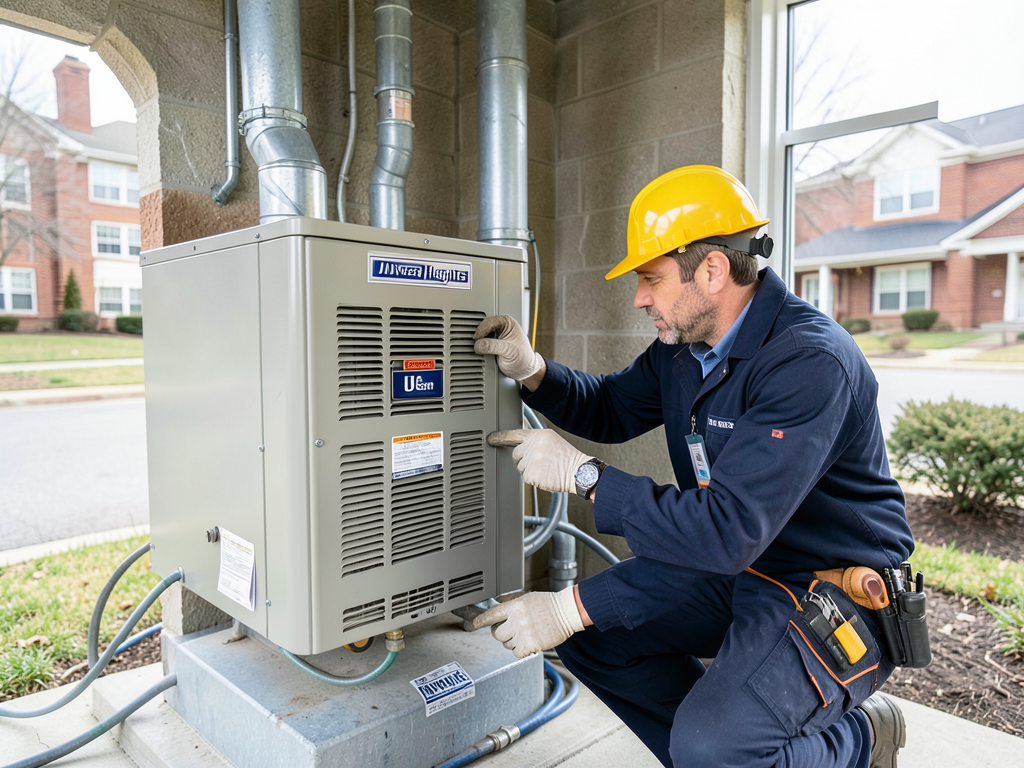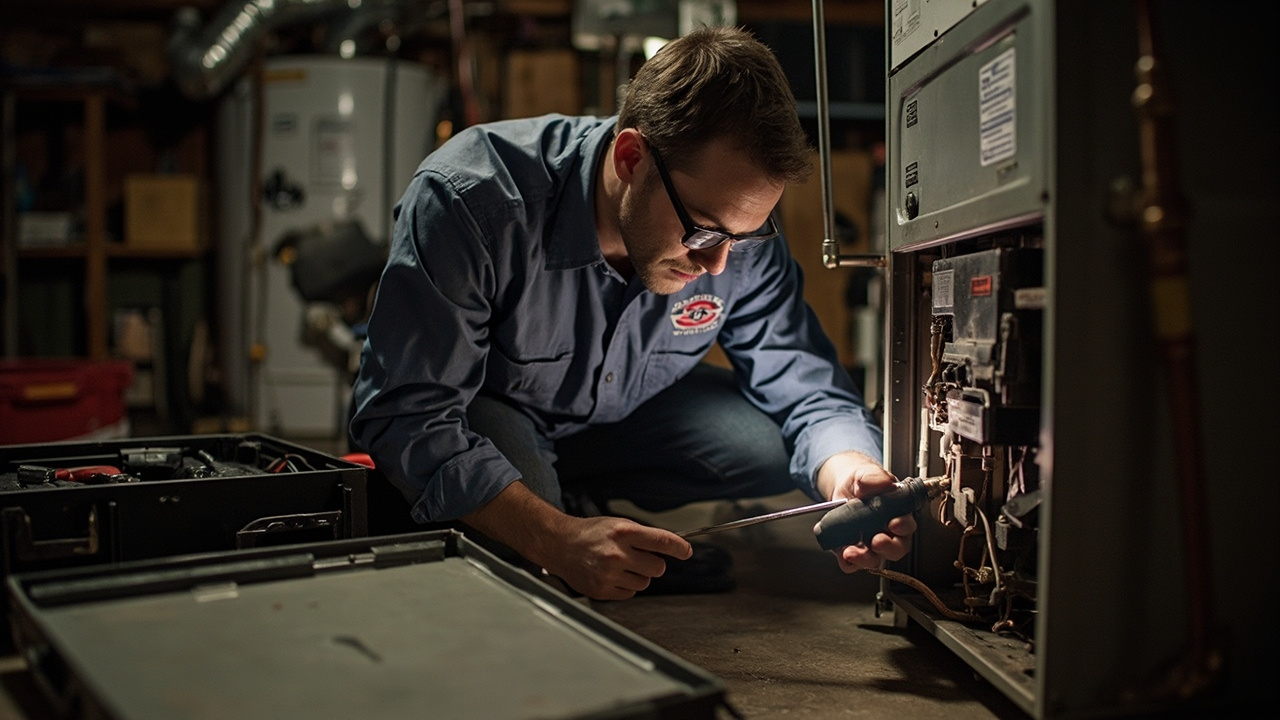
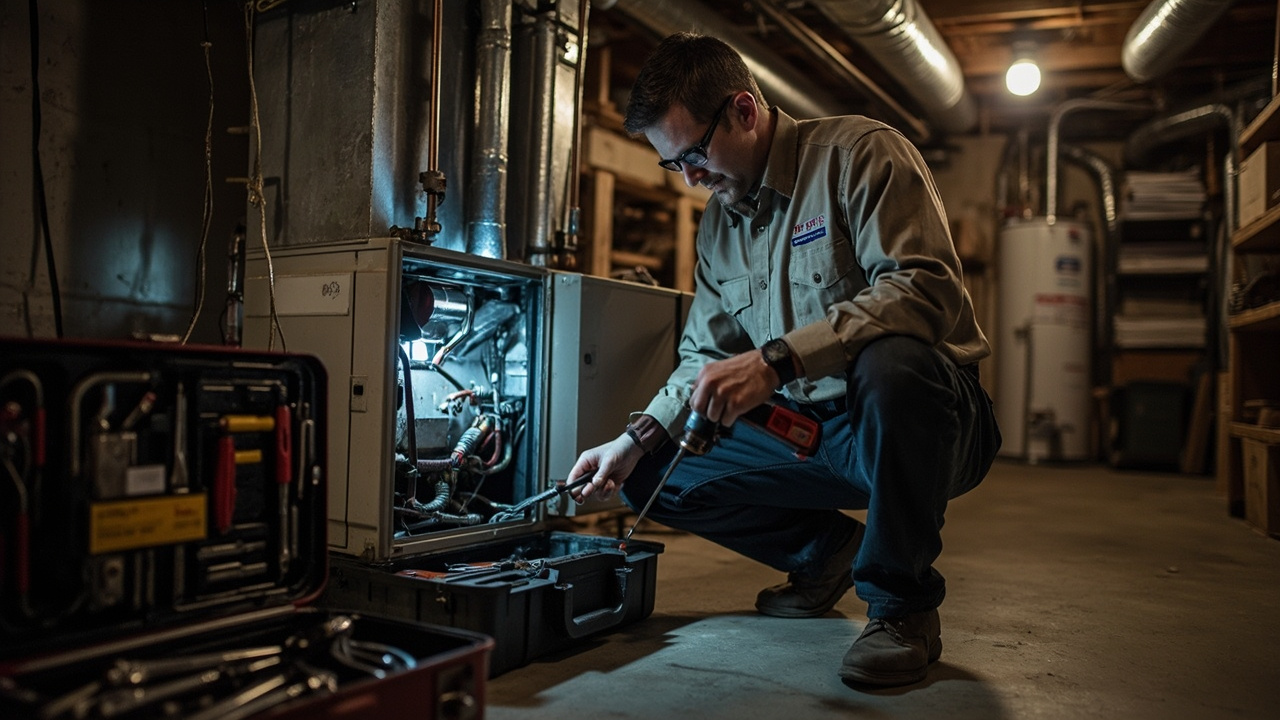
menu

Furnace Pilot Light Issues in Buffalo – Expert Diagnosis and Permanent Repairs for Gas Furnaces

When your pilot light won't stay lit or keeps going out, our certified technicians diagnose the root cause fast and fix furnace pilot light problems right the first time across greater Buffalo.

Slider Image 1
Slider Image 2
Slider Image 3
Slider Image 4
Slider Image 5
Slider Image 7
Slider Image 8
Slider Image 9
Slider Image 10
Slider Image 11

Why Buffalo Furnaces Struggle With Pilot Light Problems

You walk downstairs on a February morning in North Buffalo, and the house feels cold. You check the furnace, and the pilot light is out again. You relight it, and it dies within an hour. This cycle repeats until you give up.

Buffalo's extreme temperature swings between lake effect storms and brief warm spells create unique stress on gas furnace components. When outdoor air temperatures drop from 40 degrees to 10 degrees overnight, the pressure differential in your gas line shifts. This affects flame stability. If your thermocouple is even slightly misaligned or coated in carbon buildup from years of operation, the pilot light won't stay lit.

A gas furnace pilot light malfunction is not just inconvenient. It means your family wakes up to a 55-degree house before school. It means your pipes in the basement near Delaware Park or along Elmwood Avenue risk freezing. When the pilot light keeps going out, the problem is never the pilot light itself. The issue is always upstream: a failing thermocouple, a clogged pilot orifice, a draft from a compromised heat exchanger, or low gas pressure from the main line.

Residents in Allentown and the First Ward deal with older housing stock where original gas lines may have corrosion or sediment. Homes built before 1980 often have undersized pilot orifices that cannot compensate for modern gas pressure fluctuations. These furnace pilot light problems require diagnosis, not guesswork.

Why Buffalo Furnaces Struggle With Pilot Light Problems
How We Fix Pilot Light Malfunctions Permanently

How We Fix Pilot Light Malfunctions Permanently

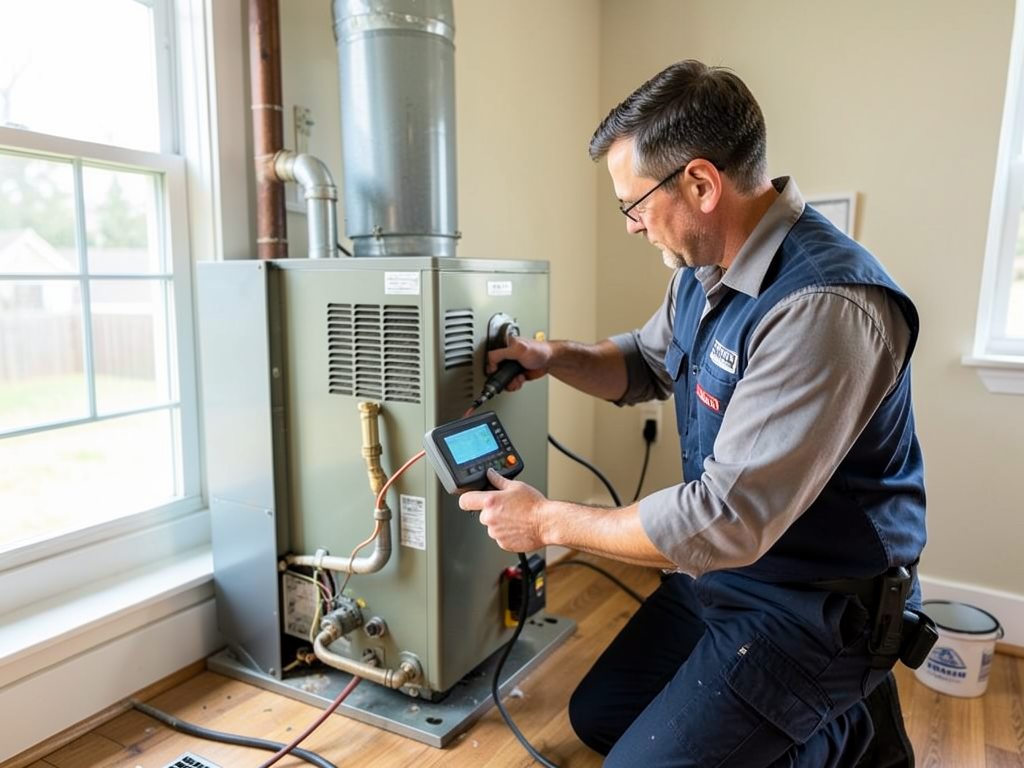
We do not relight your pilot and leave. That fixes nothing. Our process starts with a combustion analysis using a digital manometer to measure gas pressure at the valve and at the pilot assembly. If pressure reads below 3.5 inches of water column at the pilot, we trace the restriction back to the source.

We remove the pilot assembly and inspect the orifice under magnification. Sediment from the gas line, rust particles, or insect nests can block the tiny opening. We clean or replace the orifice, then test flame geometry. The pilot flame should wrap around the thermocouple in a clean blue cone. If the flame is yellow or lifts off the orifice, the air shutter needs adjustment or the orifice is still partially blocked.

The thermocouple generates millivoltage when heated. We test output with a multivoltmeter. A functioning thermocouple produces 25 to 30 millivolts when heated. Anything below 20 millivolts means the sensor cannot hold the gas valve open, and the pilot light keeps going out. We replace the thermocouple and verify voltage again before reassembly.

We also inspect the heat exchanger for cracks. A cracked heat exchanger allows combustion air to escape into the blower compartment, creating backdrafts that snuff the pilot. This is a safety hazard. If we find a crack, we document it with photos and explain your options. We never ignore safety to close a work order.

Buffalo homes with atmospheric venting require proper draft. We measure draft pressure at the flue collar. Negative draft means the chimney is blocked or undersized. We identify the cause and recommend solutions.

What Happens When You Call About a Pilot Light Problem

Furnace Pilot Light Issues in Buffalo – Expert Diagnosis and Permanent Repairs for Gas Furnaces
01

Same-Day Diagnostic Visit

You call (716) 317-7757, and we send a technician to your home the same day in most cases. We do not charge trip fees to diagnose a furnace pilot light not working. The technician brings a full set of diagnostic tools, including manometers, multimeters, and inspection cameras. You explain the symptoms, and we begin testing gas pressure, thermocouple output, and venting draft within the first ten minutes.
02

Component Testing and Replacement

Once we identify the failing component, we explain what it does, why it failed, and what happens if you do nothing. We carry thermocouples, pilot assemblies, gas valves, and igniters on the truck. If you approve the repair, we complete it on the spot. We do not leave your home with a furnace pilot light malfunction unresolved unless a major part requires ordering, in which case we schedule a return visit within 48 hours.
03

Verification and System Testing

After the repair, we cycle your furnace through multiple heating cycles to verify the pilot light stays lit. We measure supply air temperature at the registers to confirm proper combustion efficiency. We leave you with a written report showing before and after readings. You get documentation of what was wrong, what we fixed, and what to watch for. If the pilot goes out again within 30 days, we return at no charge to recheck our work.

Why Buffalo Homeowners Trust Us With Gas Furnace Repairs

United HVAC Buffalo operates in a city where HVAC knowledge is not optional. We understand that a furnace failure in January is not an inconvenience. It is an emergency. Our technicians carry New York State licensing and undergo annual recertification on combustion safety and gas code compliance. We follow National Fuel Gas Code standards and City of Buffalo mechanical permit requirements.

We know the housing stock in Buffalo. Homes in Parkside have different venting configurations than bungalows in South Buffalo. A craftsman-style home in Elmwood Village may have a gravity vented furnace that requires specific draft calculations. A ranch home in Kenmore likely has a forced-air system with different pilot assembly access. We have worked in all of them.

When you call a national chain, you get a technician reading a script. When you call us, you get a local tradesman who knows that Buffalo winters do not wait. We stock parts for older Lennox, Carrier, and Rheem furnaces common in homes built between 1970 and 1990. We do not upsell you on a new furnace when a $150 thermocouple solves the problem.

We also respect your time. We call 30 minutes before arrival. We wear boot covers. We clean up metal shavings and old parts. We explain everything in plain language, not jargon designed to confuse you into approving unnecessary work. Our goal is to fix your furnace pilot light problems so you can go back to ignoring your furnace, which is how it should be.

What to Expect When We Service Your Pilot Light

Response Time and Availability

We schedule diagnostic visits within the same business day for pilot light issues. During peak heating season between November and March, we extend hours to accommodate evening and weekend calls. If your pilot light goes out after 5 p.m. on a Friday, we do not tell you to wait until Monday. We dispatch a technician because we know Buffalo homes lose heat fast when the furnace stops running. Emergency calls get priority routing, and you receive a text with the technician's name and estimated arrival window.

Diagnostic Process and Transparency

Our diagnostic process takes 30 to 45 minutes. We test every component in the pilot circuit: gas valve solenoid, thermocouple output, pilot orifice, flame sensor if equipped, and venting draft. We show you the readings on our instruments. If the thermocouple produces 12 millivolts instead of 25, we show you the meter. If the pilot orifice is clogged, we show you the debris. You see the problem before we quote the repair. We provide a written estimate before starting any work, and we never add surprise charges after completion.

Repair Quality and Parts

We install OEM replacement parts whenever possible. Aftermarket thermocouples may cost less, but they fail faster. We use manufacturer-specified parts because they fit correctly and last longer. When we replace a pilot assembly, we also inspect and clean the burner assembly, check the flame rollout switch, and verify proper combustion air supply. A pilot light repair is an opportunity to prevent future failures. We address marginal components during the same visit so you do not call us back in three months with a different failure.

Follow-Up and Seasonal Maintenance

After we repair your pilot light, we schedule a follow-up call within two weeks to confirm the furnace is operating correctly. We also offer seasonal tune-ups before heating season starts. A fall maintenance visit includes pilot assembly cleaning, thermocouple testing, and combustion analysis. This prevents mid-winter failures. Many pilot light problems develop slowly over months. Carbon buildup reduces thermocouple efficiency. A $120 tune-up in October prevents a $300 emergency call in January. We send reminders each September so you do not forget.

Frequently Asked Questions

You Have Questions,
We Have Answers

What are the common causes of pilot light issues? +

Pilot light issues stem from several common culprits. A dirty or clogged pilot tube blocks gas flow, preventing ignition. Failed thermocouples stop sensing heat and shut off the gas valve as a safety measure. Draft issues from Buffalo's harsh winter winds can blow out the flame, especially in older homes near the waterfront or in Allentown. Faulty gas valves restrict fuel supply. Sediment buildup in the pilot assembly interferes with combustion. Low gas pressure from the utility line affects flame strength. Regular furnace maintenance catches these problems before you lose heat during a January cold snap.

Why is my furnace pilot light not igniting? +

A pilot light fails to ignite when the gas supply is interrupted or the ignition system malfunctions. Check if your gas valve is fully open. Clogged pilot orifices block fuel flow and require cleaning. A broken thermocouple cannot signal the gas valve to stay open. Draft issues from Buffalo's lake-effect wind patterns can prevent initial ignition. Air in the gas line after summer shutdown needs bleeding. Electronic igniters can fail in older furnaces. If you smell gas or cannot diagnose the issue safely, shut off the gas valve and call a professional immediately.

What are the symptoms of a bad igniter on a furnace? +

A failing furnace igniter shows clear warning signs. You hear the furnace click on, but no flame appears. The igniter glows weakly or not at all when it should glow bright orange. You smell gas without ignition, meaning the igniter cannot light the fuel. The furnace cycles repeatedly without heating. Visible cracks in the igniter element indicate structural failure. Buffalo's temperature swings stress igniters over time. The furnace runs but produces no heat. If you notice these symptoms, replacing the igniter prevents total heating failure during winter months.

Why do I have to keep relighting my pilot light? +

Constantly relighting your pilot light signals a thermocouple problem or draft issue. A failing thermocouple cannot maintain proper heat sensing and shuts off gas flow prematurely. Dirt buildup on the thermocouple tip prevents accurate temperature reading. Strong drafts from Buffalo's westerly winds, common in North Buffalo and waterfront areas, blow out the flame repeatedly. A bent or misaligned thermocouple sits too far from the flame. Gas pressure fluctuations affect flame stability. Persistent relighting wastes gas and risks safety hazards. A technician should diagnose the root cause quickly.

How do you clean a clogged pilot tube? +

Cleaning a clogged pilot tube requires careful attention. First, shut off the gas valve and wait 10 minutes. Remove the pilot assembly according to your furnace manual. Use compressed air to blow debris from the tube opening. Insert a thin wire or needle through the orifice to dislodge stubborn buildup. Avoid enlarging the opening, which affects gas flow. Clean the surrounding area with a soft brush. Reassemble carefully and test for proper flame shape. Buffalo's older homes often have sediment issues. If you feel uncomfortable with this process, hire a professional.

What are the signs of a bad thermocouple? +

A bad thermocouple displays specific symptoms you can identify. The pilot light goes out shortly after releasing the reset button. You must hold the button longer than 30 seconds to keep the flame lit. The pilot stays lit only when you manually hold the valve. Visible corrosion or damage appears on the thermocouple probe. The furnace runs intermittently without pattern. Buffalo's temperature extremes accelerate thermocouple wear. The metal rod looks bent or positioned incorrectly in the flame. These signs mean replacement is necessary to restore reliable heating function.

What to do if the pilot light won't relight? +

When your pilot light refuses to relight, follow these steps. Ensure the gas valve is on and wait five minutes after any gas smell dissipates. Check for tripped circuit breakers affecting electronic ignition systems. Clean the pilot assembly and thermocouple of dirt and debris. Verify proper thermocouple positioning in the flame path. Test gas pressure at the valve. Buffalo's older furnaces in neighborhoods like Elmwood Village often need professional attention. If multiple attempts fail or you smell persistent gas, stop immediately and contact a qualified HVAC technician for safety.

Can hear your furnace click on but it does not fire up? +

Hearing your furnace click without firing indicates an ignition failure. The gas valve opens, but the igniter fails to light the fuel. A cracked or weak igniter cannot generate enough heat. The flame sensor may be dirty and preventing the safety circuit from completing. Gas pressure could be too low to sustain combustion. Electronic control boards can malfunction in Buffalo's humid summer months and cold winters. The flame rollout switch may have tripped from previous overheating. This issue requires immediate diagnosis to prevent gas buildup and potential hazards.

How to bleed a gas line for a furnace? +

Bleeding a furnace gas line removes trapped air after shutdowns. Locate the gas valve and turn it to the pilot position. Press and hold the reset button while attempting to light the pilot. Hold for 60 to 90 seconds to purge air from the line. You may hear hissing as air escapes before gas flows properly. Release the button slowly to test if the pilot stays lit. Buffalo homes that shut off gas during summer often need this procedure. If bleeding does not work after three attempts, call a technician to check for deeper supply issues.

What is the life expectancy of a furnace igniter? +

A furnace igniter typically lasts four to seven years with normal use. Buffalo's heavy heating season shortens this lifespan compared to milder climates. Electronic igniters experience thermal stress from repeated heating and cooling cycles. Usage frequency directly impacts longevity. Poor maintenance accelerates wear through dirt accumulation and electrical strain. Quality matters. Cheaper igniters fail sooner. Silicon nitride igniters outlast silicon carbide models. If your furnace is over five years old and showing ignition problems, plan for replacement. Proactive replacement during routine maintenance prevents emergency failures during cold snaps.

How Lake Effect Weather Accelerates Pilot Light Failures in Buffalo Furnaces

Buffalo's position at the eastern end of Lake Erie creates rapid barometric pressure changes during lake effect snow events. When a low-pressure system moves across the lake, outdoor air pressure drops quickly. This pressure differential can disrupt the balanced draft in atmospheric vented furnaces, causing backdrafts that extinguish the pilot flame. Homes in Amherst, Tonawanda, and West Seneca experience this more frequently because they sit directly in the snowbelt. Furnaces cycle more often during these events, and the thermocouple experiences thermal stress from repeated heating and cooling, which shortens its lifespan from ten years to five or six.

Buffalo's building codes require proper combustion air supply, but older homes were not built to modern standards. Many furnaces in Kaisertown and Black Rock neighborhoods operate in basements with insufficient ventilation. When the clothes dryer, bathroom exhaust fan, and furnace all pull air simultaneously, the basement goes into negative pressure. This starves the pilot of oxygen and causes the flame to flutter or die. We inspect combustion air openings during every service call and recommend code-compliant solutions. Local expertise matters because we understand the architectural quirks of Buffalo's housing stock and how they interact with modern gas furnaces.
HVAC Services in The Buffalo Area

We are proud to serve the entire Buffalo area and its surrounding communities with our expert HVAC services. Our centrally located team allows us to respond quickly to your needs, whether you are in the city or a nearby suburb. We are committed to being your local, trusted resource for all things heating and cooling, and we look forward to serving you right where you are.

Address:
United HVAC Buffalo, 360 Delaware Ave, Buffalo, NY, 14202

Additional Services We Offer

Our news updates

Latest Articles & News from The Blogs

Managing Excessive Dust in Your South Buffalo Home During High Wind Events South Buffalo homes face unique dust challenges when…

Managing Excessive Dust in Your South Buffalo Home During High Wind Events

Managing Excessive Dust in Your South Buffalo Home During High Wind Events South Buffalo homes face unique dust challenges when…

Is it Better to Pay for a Monthly HVAC Maintenance Plan or Just Call When Something Breaks?

Is it Better to Pay for a Monthly HVAC Maintenance Plan or Just Call When Something Breaks? When your furnace…

The Homeowners Guide to Buying a New HVAC System for a Rental Property in University Heights

The Homeowners Guide to Buying a New HVAC System for a Rental Property in University Heights University Heights landlords face…

Contact Us

Call (716) 317-7757 now to schedule a same-day diagnostic visit. We fix furnace pilot light problems right the first time so you stay warm all winter. No trip fees. No surprises.