menu

Uneven Heating or Cooling in Buffalo – Expert Diagnosis and Permanent Solutions for Temperature Imbalance

Stop suffering through hot and cold spots in different rooms. United HVAC Buffalo uses precision diagnostics to identify the root cause of inconsistent room temperatures and restore balanced comfort throughout your home.

Slider Image 1
Slider Image 2
Slider Image 3
Slider Image 4
Slider Image 5
Slider Image 7
Slider Image 8
Slider Image 9
Slider Image 10
Slider Image 11

Why Buffalo Homes Struggle with Temperature Balance

You set your thermostat to 72, but your bedroom feels like an icebox while your living room hovers near 80. This is not normal, and you are not imagining it.

Buffalo's extreme temperature swings create unique challenges for HVAC systems. When winter temperatures plunge below zero and summer humidity climbs above 70 percent, your equipment works overtime. Older homes near Delaware Park and the Elmwood Village often have ductwork that was never designed for modern forced air systems. Additions and renovations create zones that your original system cannot serve properly.

Hot and cold spots signal specific failures in your HVAC system. The problem is rarely your furnace or air conditioner itself. Most temperature imbalances stem from ductwork issues, airflow restrictions, or improper system sizing.

Closed or blocked supply vents create pressure imbalances that force conditioned air into rooms you do not use while starving the spaces where you spend time. Leaky ductwork in unconditioned attics or crawl spaces wastes 20 to 30 percent of your heated or cooled air before it reaches living areas. Undersized return air grilles restrict airflow and create negative pressure that prevents proper air circulation.

Different temperatures in each room also occur when your system short cycles. If your equipment turns on and off rapidly, it never runs long enough to distribute air evenly. This happens when thermostats are positioned in poor locations, like near drafty windows or heat-generating appliances.

Uneven airflow distribution becomes worse in Buffalo's older two-story homes. Heat naturally rises, but inadequate return air pathways trap warm air upstairs during winter. In summer, cool air settles in basements while upper floors stay uncomfortably warm.

These issues compound over time. What starts as a minor annoyance becomes a significant comfort problem that no amount of thermostat adjustment can fix.

Why Buffalo Homes Struggle with Temperature Balance
How We Diagnose and Fix Home Temperature Imbalance

How We Diagnose and Fix Home Temperature Imbalance

Guessing wastes your money. We use diagnostic tools that identify exactly why your home has inconsistent room temperatures.

Our technicians start with a room-by-room temperature mapping. We measure actual temperatures in every space using calibrated digital thermometers and compare them to your thermostat setting. This reveals patterns that point to specific causes.

Next, we perform a complete ductwork inspection. We access your attic, basement, and crawlspace to examine every supply trunk and return plenum. We look for disconnected joints, crushed flexible duct, and inadequate insulation. We use a duct blaster test to quantify leakage and measure static pressure at multiple points in your system.

Static pressure testing is critical. Your duct system is a closed loop that operates within a specific pressure range. Too much restriction from undersized ducts, dirty filters, or closed dampers creates high static pressure that reduces airflow. We measure pressure drops across your air handler, filter, and major duct runs to identify bottlenecks.

We also evaluate your equipment capacity against your home's actual load. Many Buffalo homes have oversized furnaces and air conditioners that were installed without proper Manual J load calculations. Oversized equipment short cycles and fails to dehumidify properly in summer. Undersized equipment runs constantly but never achieves comfort.

Zoning failures are common in larger homes. If you have a single-zone system trying to heat or cool multiple floors with different solar exposures, you will always have hot and cold spots. We assess whether your home needs a multi-zone solution with separate thermostats and dampers for different areas.

Once we identify the root cause, we present options ranked by effectiveness. We explain exactly what each solution accomplishes and how it addresses your specific airflow distribution problems.

What Happens During a Temperature Balance Service Call

Uneven Heating or Cooling in Buffalo – Expert Diagnosis and Permanent Solutions for Temperature Imbalance
01

Comprehensive System Assessment

We measure temperatures in each room and document your comfort complaints. Our technician inspects your thermostat location, checks filter condition, and verifies proper equipment operation. We examine supply and return vents for blockages or damper positions. This initial assessment takes 45 to 60 minutes and gives us a diagnostic baseline before we access your ductwork.
02

Airflow and Duct Analysis

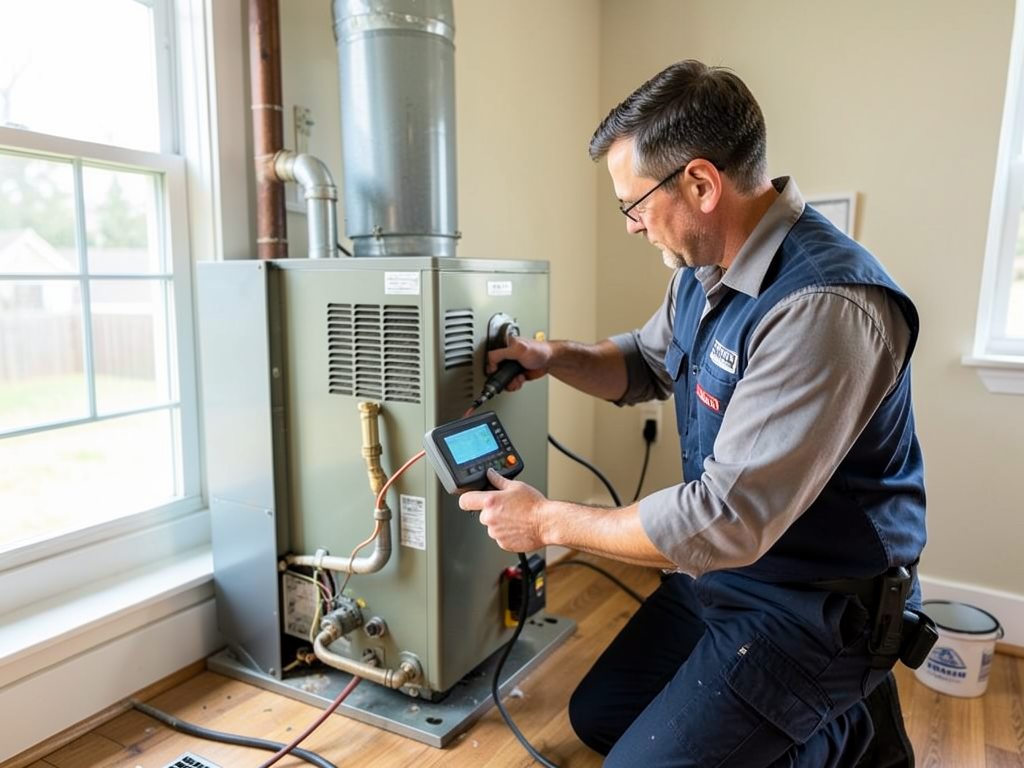
We access your duct system to measure airflow at each register using an anemometer. We inspect joints, seams, and connections for leaks. We measure static pressure and compare it to manufacturer specifications. We photograph problem areas and use thermal imaging to identify temperature losses in hidden duct runs. This diagnostics phase identifies the specific failures causing your uneven heating or cooling.
03

Solution Implementation and Verification

We execute the repairs, whether that involves sealing ductwork, balancing airflow with dampers, relocating thermostats, or upgrading equipment. After repairs, we re-measure temperatures and airflow in every room to verify improvement. We show you before-and-after data that confirms your system now delivers consistent temperatures. We explain maintenance steps to keep your system balanced long-term.

Why Buffalo Homeowners Trust United HVAC Buffalo for Temperature Issues

Fixing temperature imbalance requires more than HVAC certification. It demands understanding how Buffalo's housing stock and climate stress heating and cooling systems.

Most Buffalo homes were built between 1900 and 1950, long before central air conditioning existed. When contractors retrofit AC systems into homes designed for radiators and gravity heat, they often use ductwork that barely meets minimum standards. We have worked in hundreds of Buffalo's older homes. We know where builders cut corners and how to correct them.

Our technicians understand Western New York building practices. We know that homes near the waterfront face different humidity challenges than properties in Amherst or Clarence. We account for lake effect weather patterns that create microclimates across Erie County.

We also understand Buffalo's architectural diversity. Craftsman bungalows have different duct routing options than Victorian two-stories or post-war Cape Cods. We design solutions that work with your home's structure instead of forcing generic fixes that fail.

United HVAC Buffalo invests in diagnostic equipment that most contractors skip. Our duct blasters, manometers, and thermal cameras cost thousands of dollars, but they eliminate guesswork. When we tell you that your ductwork is leaking 340 cubic feet per minute, that is a measured fact, not an estimate.

We also stay current with building science research. Airflow dynamics and pressure balancing involve physics that many technicians never learn. Our team receives ongoing training in residential load calculations, duct design, and system commissioning.

You will not get a pressure sale. We explain what is wrong, what it takes to fix it, and what happens if you delay. Then we let you decide. We provide written estimates that break down labor and materials so you understand exactly what you are paying for.

What to Expect When You Call United HVAC Buffalo

Fast Scheduling and Arrival

We answer calls during business hours and return after-hours messages within two hours. We schedule most diagnostic visits within three business days. If you have an urgent comfort issue, we prioritize same-day or next-day service. Our technicians arrive in clearly marked vehicles and call 30 minutes before arrival. We respect your time and show up during the scheduled window. Most temperature balance diagnostics take two to three hours depending on home size and duct accessibility.

Thorough Diagnostic Process

Our technician explains each diagnostic step before starting. We show you temperature readings and airflow measurements in real time. We take you into the attic or basement to show you duct problems firsthand when possible. You get a written diagnostic report with photographs, measurements, and our findings. We present repair options with clear explanations of what each approach accomplishes. You will understand exactly what is causing your hot and cold spots before we touch any tools.

Permanent Comfort Improvement

We do not patch problems. We engineer solutions that deliver consistent temperatures in every room. Whether that requires duct sealing, system rebalancing, or equipment upgrades, you get work that lasts. We verify results by re-measuring temperatures after repairs. Most customers notice dramatic improvement within hours. Bedrooms that used to freeze now stay comfortable. Second floors that baked in summer now cool properly. You get the even heating and cooling your system should have delivered from day one.

Maintenance and Long-Term Support

After we restore temperature balance, we explain how to maintain it. We provide filter change schedules, vent cleaning recommendations, and seasonal preparation tips. We offer maintenance agreements that include annual system inspections and priority service. Our maintenance visits catch small issues before they disrupt comfort. We keep detailed service records so we can track your system performance over time. If you ever have questions about unusual temperatures, we have your system history and can diagnose problems over the phone.

Frequently Asked Questions

You Have Questions,
We Have Answers

Is uneven heating normal? +

Minor temperature variations of 1 to 2 degrees between rooms are typical in most homes. Buffalo winters stress your system hard, and older homes often show bigger swings. If you notice certain rooms staying 5 or more degrees off, that signals a real problem. Common culprits include blocked vents, duct leaks, or undersized equipment. Poor insulation in attics or crawl spaces makes it worse. Your furnace or AC may run constantly trying to compensate, driving up your bills. Get a professional diagnostic if the issue persists beyond adjusting vents or changing filters.

Is 70 heat the same as 70 cool? +

No. Your body perceives them differently. At 70 degrees heating mode in winter, you feel warmer because the furnace warms air to 120 to 140 degrees before distributing it. At 70 degrees cooling mode, the AC removes humidity, which makes you feel cooler. Buffalo humidity swings between seasons affect comfort dramatically. Dry winter air makes 68 feel colder than the same temperature in humid summer. Your thermostat reads air temperature only, not radiant heat from walls, windows, or moisture levels. Adjust your setpoint by 2 to 3 degrees seasonally for real comfort.

What is the $5000 rule for HVAC? +

This guideline helps you decide between repair and replacement. If your HVAC system costs more than $5000 to repair and is over halfway through its expected lifespan, replacement makes better financial sense. For example, if your 12-year-old furnace needs a $2000 blower motor and a $3500 heat exchanger, that totals $5500. Since furnaces last 15 to 20 years, you are better off replacing it. Buffalo freeze-thaw cycles shorten equipment life, so factor that in. This rule is not absolute but helps you avoid throwing money at a dying system.

How to fix uneven heating? +

Start by checking all vents and registers. Make sure furniture or drapes are not blocking airflow. Replace your filter if it looks dirty. Check dampers in your ductwork to balance airflow between floors. Buffalo homes with finished basements often need damper adjustments seasonally. Seal visible duct leaks with mastic, not tape. If the problem continues, you may need professional duct sealing, zoning system installation, or equipment right-sizing. Older homes near the waterfront often have undersized return ducts, which chokes airflow. A load calculation determines if your equipment matches your home's actual needs.

Why is half my house hot and half cold? +

Your ductwork likely has leaks, blockages, or poor design. Homes with additions often suffer from this because ducts were never extended properly. Buffalo two-story homes lose heat upstairs in winter since warm air rises and basements stay cold. Check for closed dampers or crushed flex duct in crawl spaces or attics. Insulation gaps in exterior walls create hot or cold zones. Your blower motor may lack power to push air to distant rooms. A duct pressure test identifies leaks you cannot see. Zoning systems with multiple thermostats solve this for good.

Do I need a plumber to balance my radiators? +

No. Balancing radiators is straightforward for most homeowners. You adjust the valve on each radiator to control water flow. Start by fully opening all valves. Identify which rooms heat fastest and slow those radiators by turning valves clockwise. Buffalo older homes with steam or hot water systems often need seasonal rebalancing. If valves are stuck, corroded, or leaking, call a plumber. If bleeding radiators does not release trapped air or you hear constant banging, you may have sediment buildup or a failing circulator pump. Those repairs need a licensed professional.

What is the 3 minute rule for AC? +

This protects your compressor from short cycling. After your AC shuts off, refrigerant pressure needs at least 3 minutes to equalize before restarting. Restarting too quickly forces the compressor to work against high pressure, which damages it over time. Modern thermostats include this delay automatically. Buffalo summer humidity makes short cycling worse because the AC never runs long enough to dehumidify. If your system starts and stops every few minutes, you have a bigger issue like an oversized unit, refrigerant leak, or faulty thermostat. Get it checked before you burn out the compressor.

Why does my house feel cold at 73 in winter? +

Buffalo winter brings radiant cold from windows, walls, and floors. Your thermostat reads air temperature, not surface temperature. Single-pane windows or poor insulation create cold drafts even when air measures 73 degrees. Humidity drops below 30 percent in winter, making air feel colder. Forced air systems blow intermittently, so you get bursts of warmth followed by cool periods. Ceiling fans running counterclockwise push warm air down. Check weatherstripping around doors and windows. Add insulation to attics or rim joists. A programmable thermostat helps maintain steadier temps without constant cycling.

How long should it take to cool a house from 78 to 74? +

A properly sized AC should drop 4 degrees in 30 to 60 minutes under normal conditions. Buffalo summer humidity slows this because your AC must remove moisture before cooling effectively. Homes over 2000 square feet may take 90 minutes. If it takes 3 hours or never reaches setpoint, your system is undersized, low on refrigerant, or has dirty coils. Check your filter first. Ensure all windows and exterior doors are closed. Direct sunlight through west-facing windows adds heat faster than your AC can remove it. Consider blackout shades during peak afternoon heat.

What are signs my HVAC needs replacing? +

Watch for frequent repairs, rising energy bills, and uneven temperatures. Systems over 15 years old lose efficiency even with maintenance. Your AC uses R-22 refrigerant, which is now expensive and phased out. You hear grinding, squealing, or banging noises during operation. Your furnace has visible rust, cracks in the heat exchanger, or yellow pilot flame instead of blue. Buffalo freeze-thaw cycles corrode equipment faster than warmer climates. If repairs cost more than half the replacement value or you need multiple service calls per year, replacement saves money long-term. New systems cut energy use by 20 to 40 percent.

How Buffalo's Historic Housing and Lake Effect Climate Impact Temperature Consistency

Buffalo's housing stock presents unique temperature control challenges. Over 60 percent of homes in the city were built before 1940, when forced air systems did not exist. These homes have plaster walls, minimal insulation, and single-pane windows that create heat loss and solar gain patterns modern thermostats cannot manage. Lake Erie's proximity creates humidity swings that affect how your home feels at any given temperature. Winter lake effect snow dumps several feet within hours, creating massive thermal loads. Summer southwesterly winds bring humid air that makes cooling systems work harder. Your HVAC system must handle conditions that homes in landlocked cities never face.

United HVAC Buffalo has served Western New York for over a decade. We have balanced airflow in Victorian mansions on Delaware Avenue, fixed ductwork in Hertel Avenue bungalows, and upgraded systems in North Buffalo colonials. We know Buffalo's neighborhoods, building codes, and seasonal comfort challenges. When you call a national chain, you get a technician reading from a script. When you call us, you get someone who has worked in hundreds of Buffalo homes just like yours. We know which contractors did quality ductwork and which cut corners. That local knowledge saves you time and money.
HVAC Services in The Buffalo Area

We are proud to serve the entire Buffalo area and its surrounding communities with our expert HVAC services. Our centrally located team allows us to respond quickly to your needs, whether you are in the city or a nearby suburb. We are committed to being your local, trusted resource for all things heating and cooling, and we look forward to serving you right where you are.

Address:
United HVAC Buffalo, 360 Delaware Ave, Buffalo, NY, 14202

Additional Services We Offer

Our news updates

Latest Articles & News from The Blogs

Managing Excessive Dust in Your South Buffalo Home During High Wind Events South Buffalo homes face unique dust challenges when…

Managing Excessive Dust in Your South Buffalo Home During High Wind Events

Managing Excessive Dust in Your South Buffalo Home During High Wind Events South Buffalo homes face unique dust challenges when…

Is it Better to Pay for a Monthly HVAC Maintenance Plan or Just Call When Something Breaks?

Is it Better to Pay for a Monthly HVAC Maintenance Plan or Just Call When Something Breaks? When your furnace…

The Homeowners Guide to Buying a New HVAC System for a Rental Property in University Heights

The Homeowners Guide to Buying a New HVAC System for a Rental Property in University Heights University Heights landlords face…

Contact Us

Stop adjusting your thermostat and closing vents hoping things improve. Call United HVAC Buffalo at (716) 317-7757 right now. We will diagnose your temperature imbalance and restore consistent comfort throughout your home.