menu

Emergency Ductwork Repair in Buffalo – Fast Response When Your System Fails

When ductwork collapses or tears open, you lose conditioned air fast. Our emergency ductwork repair teams dispatch immediately across Buffalo to seal leaks, restore airflow, and stop energy waste before your utility bill doubles.

Slider Image 1
Slider Image 2
Slider Image 3
Slider Image 4
Slider Image 5
Slider Image 7
Slider Image 8
Slider Image 9
Slider Image 10
Slider Image 11

Why Buffalo Ductwork Fails Without Warning

Buffalo winters punish ductwork. When outside temperatures drop to single digits and your furnace runs continuously, metal ducts expand and contract hundreds of times per heating season. That cycling stress fractures seams, pops rivets, and tears flexible duct connectors. Add ice dam leaks from your roof that soak insulation around ducts in your attic, and you create the perfect conditions for sudden failure.

You notice the problem when one room stays cold despite the thermostat calling for heat. Or you hear a loud bang from your basement and feel warm air blowing where it should not. Sometimes you smell burning dust because a torn duct is pulling insulation fibers into your furnace heat exchanger.

These failures happen at the worst times. Saturday night when the temperature drops. Sunday morning before family arrives. Monday evening when repair shops close.

Urgent air duct repair cannot wait until business hours. A torn supply duct wastes 30 to 40 percent of your heated air into unconditioned spaces. Your furnace runs longer, works harder, and costs you money every hour you delay. Immediate ductwork service stops the bleed. Our 24/7 hvac duct repair teams carry sheet metal, mastic sealant, and insulation on every truck so we can rebuild failed sections on site. Same day air duct fixing means you sleep warm tonight, not next week.

Buffalo homes built before 1980 often have original ductwork that was never designed for modern high-efficiency furnaces pushing 95 percent AFUE ratings. The increased static pressure from tighter heat exchangers stresses old joints until they separate.

Why Buffalo Ductwork Fails Without Warning
How We Restore Airflow and Stop Energy Loss

How We Restore Airflow and Stop Energy Loss

Emergency ac duct repair starts with containment. When we arrive, we locate the failure point using a combination of visual inspection and static pressure testing. We measure supply and return pressures at the plenum to determine how much air you are losing. A properly sealed duct system maintains specific pressure ratios. When those numbers fall outside tolerance, we know exactly where to look.

Most failures happen at branch takeoffs where smaller ducts connect to main trunk lines. The crimped edges that hold these joints together work loose over time. We do not patch these with tape. We rebuild the connection using drive cleats and apply mastic sealant rated for temperatures up to 250 degrees. This creates a mechanical bond that withstands thermal cycling.

For torn flexible duct, we cut out the damaged section and install a new length using code-compliant metal connectors. We never reuse old clamps. The spring tension weakens after years of compression, and reusing them guarantees another failure within months.

Attic ductwork gets special attention in Buffalo. If your roof leaked and soaked the insulation around your ducts, that insulation no longer provides R-value. Wet fiberglass compresses and loses 90 percent of its insulating ability. We remove compromised insulation and replace it with new R-6 or R-8 wrap, depending on your system specifications.

We also check for negative pressure issues. If your return duct system cannot pull enough air back to the furnace, the blower motor works against resistance and the heat exchanger overheats. This trips your limit switch and shuts down your system. We verify return grille sizing and add additional returns if needed to balance airflow.

What Happens During Emergency Duct Service

Emergency Ductwork Repair in Buffalo – Fast Response When Your System Fails
01

Immediate System Assessment

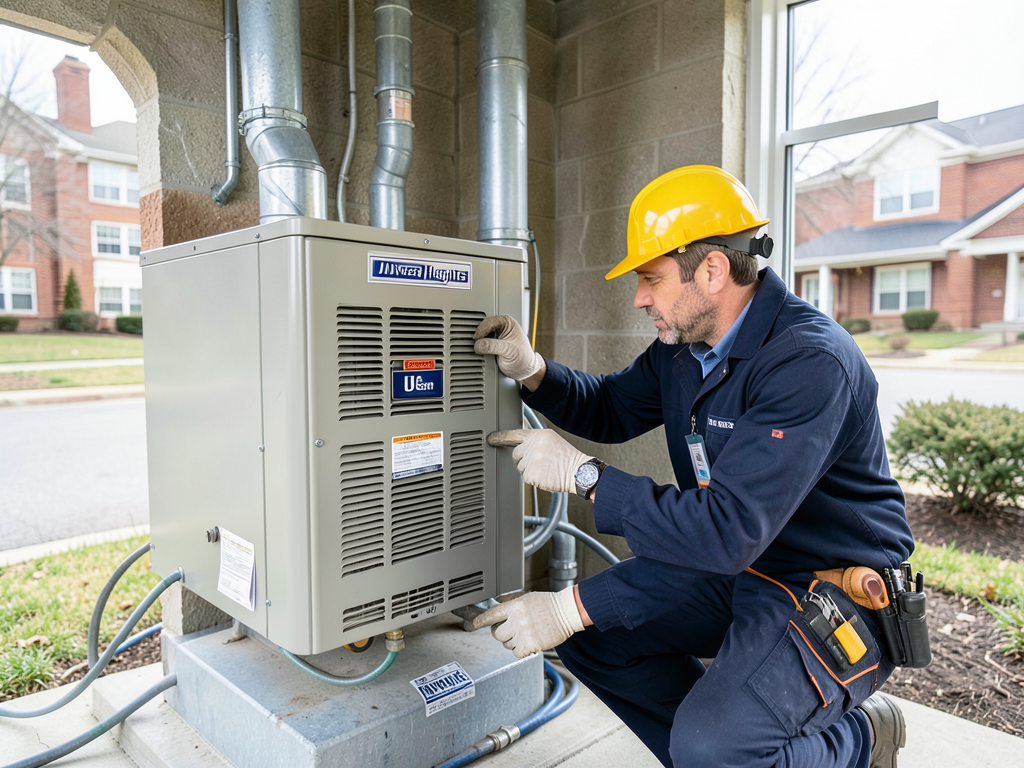
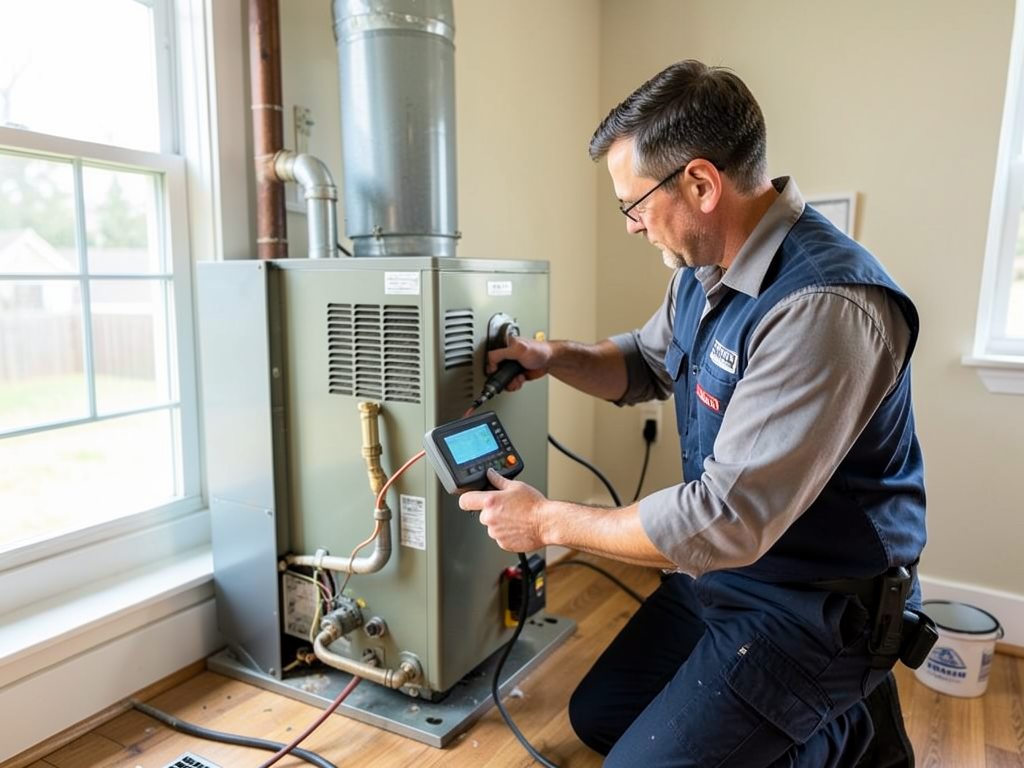
Our technician arrives within one hour of your call. We shut down your HVAC system to prevent further air loss and assess the damage extent. Using a manometer, we measure static pressure at the supply and return plenums to quantify how much airflow you lost. We inspect all accessible ductwork for secondary failures that often accompany the primary break. This diagnostic takes 15 to 20 minutes and identifies every repair point before we start work.
02

On-Site Duct Reconstruction

We carry pre-cut sheet metal, drive cleats, mastic sealant, and insulation wrap on every emergency truck. For separated joints, we mechanically reattach using drive cleats and seal with mastic. For torn sections, we cut out damaged ductwork and install new segments. We rebuild branch takeoffs that failed and reinforce stress points with additional fasteners. Every connection gets tested for air leaks using smoke pencils to verify complete sealing before we insulate.
03

System Restart and Verification

After repairs, we restart your system and measure airflow at each register to confirm proper distribution. We recheck static pressure readings to verify they fall within manufacturer specifications. You should feel consistent airflow from every supply vent and hear your furnace cycle normally without short cycling. We walk through your home with you to confirm every room heats properly. Your system now operates at design efficiency, and your utility bills return to normal.

Why Buffalo Homeowners Choose United HVAC Buffalo for Duct Emergencies

Most HVAC companies do not stock ductwork materials on their trucks. They schedule a diagnostic visit, order parts, and return days later to complete repairs. You pay for two trips and suffer without heat while waiting for materials.

United HVAC Buffalo operates differently. Our emergency trucks carry a full complement of sheet metal in standard sizes, flexible duct in 6-inch through 12-inch diameters, and all fasteners and sealants needed for immediate repairs. We complete most emergency ductwork repairs in a single visit.

Buffalo building codes require specific duct insulation R-values depending on whether your ductwork runs through conditioned or unconditioned spaces. Attic ductwork requires minimum R-6 insulation. Basement ductwork in unconditioned crawlspaces requires R-4 minimum. We know these requirements and carry compliant materials. Improper insulation values fail inspection if you sell your home, and they waste energy every day they remain installed.

Our technicians understand how Buffalo's freeze-thaw cycles affect ductwork longevity. We inspect your entire duct system during emergency calls, not just the failed section. If we spot stress points likely to fail soon, we reinforce them during the same visit. This prevents callback emergencies and saves you additional service charges.

We also recognize the signs of improper duct sizing. Many Buffalo homes have undersized return ducts because builders in the 1970s and 1980s cut costs by installing minimal return grilles. This creates negative pressure that strains your blower motor and reduces system efficiency. When we repair emergency failures, we evaluate your return air capacity and recommend upgrades if needed.

United HVAC Buffalo operates 24 hours daily because duct failures do not respect business hours. You reach a live person when you call, not an answering service. We dispatch immediately, not the next morning.

What to Expect During Emergency Ductwork Repair

Response Time and Availability

We dispatch emergency duct repair teams 24 hours daily, including weekends and holidays. Our average response time across greater Buffalo is 60 minutes from your call to technician arrival. During severe weather events when multiple systems fail simultaneously, response times may extend to 90 minutes. We prioritize calls based on severity. Complete system failure with no heat in freezing temperatures takes precedence over partial airflow loss. You receive a text message with your technician's name, photo, and estimated arrival time within 10 minutes of calling. Our trucks carry everything needed to complete repairs immediately, so you do not wait days for parts orders.

Diagnostic Process and Transparency

Your technician performs a complete duct system assessment before starting repairs. We measure static pressure at supply and return plenums using calibrated manometers. We inspect all accessible ductwork for secondary damage. We photograph failed sections and show you exactly what broke and why. You receive a written estimate before we begin work. The estimate includes labor, materials, and any additional repairs we recommend to prevent future failures. We explain which repairs are critical for immediate system operation and which are preventive. You decide what gets fixed. We never proceed without your explicit approval.

Repair Quality and Materials

We rebuild ductwork to meet or exceed original equipment specifications. All sheet metal connections use drive cleats for mechanical strength, not just adhesive. We seal every joint with high-temperature mastic rated for continuous operation up to 250 degrees Fahrenheit. Flexible duct installations follow manufacturer specifications for maximum length and support spacing. We insulate all ductwork in unconditioned spaces using code-compliant R-values. After completing repairs, we test the system under full load and verify proper airflow at every register. You receive documentation showing before and after static pressure readings that confirm your system now operates at design efficiency.

Follow-Up and Preventive Maintenance

Emergency ductwork repairs carry a standard workmanship guarantee covering labor and materials. We schedule a follow-up inspection 30 days after emergency repairs to verify the system performs correctly through varied load conditions. During this visit, we recheck static pressure readings and inspect repair points for any movement or stress. If we identified potential failure points during your emergency call but you declined repairs at that time, we provide a written summary of those concerns for your records. Many Buffalo homeowners add annual duct inspections to their preventive maintenance plans after experiencing emergency failures. These inspections catch developing problems before they become emergencies.

Frequently Asked Questions

You Have Questions,
We Have Answers

What is the 2 foot rule for ductwork? +

The 2 foot rule states that your return air grille must sit at least 2 feet away from your supply registers. This prevents short cycling, where conditioned air gets sucked back into the system before properly heating or cooling your space. Buffalo homes with tight room layouts often violate this rule during DIY renovations. The result is hot and cold spots, higher energy bills, and your HVAC working harder than necessary. Proper ductwork design accounts for room size, airflow volume, and register placement to maximize comfort and system efficiency during Buffalo's temperature swings.

What's the average cost to replace ductwork? +

Ductwork replacement costs vary based on home size, accessibility, and material choice. Buffalo homes with basements or crawl spaces offer easier access than slab foundations. Older homes in Elmwood Village or North Buffalo often need asbestos abatement before duct work begins, adding expense. Insulation requirements differ based on whether ducts run through conditioned or unconditioned spaces. Material choice matters: flexible duct costs less but degrades faster in our freeze-thaw cycles compared to rigid metal. Get a detailed written estimate that accounts for your specific layout and local code requirements before committing to any work.

Can I repair ductwork myself? +

You can handle minor duct tape repairs or register cleaning yourself. Anything beyond that requires professional expertise. Buffalo's temperature extremes demand properly sealed, insulated ductwork. Mistakes cause condensation problems, mold growth, and massive energy loss during our brutal winters. Improper sizing creates pressure imbalances that damage your HVAC system. Most importantly, you risk disconnecting joints or damaging insulation in tight crawl spaces. Licensed technicians have the tools to test airflow, detect leaks, and ensure code compliance. Emergency repairs need immediate attention to prevent system failure when temperatures drop below zero.

Does homeowners insurance cover air duct replacement? +

Homeowners insurance typically covers ductwork damage from sudden, unexpected events like fire, fallen trees, or vandalism. It does not cover gradual deterioration, poor maintenance, or wear from age. If a winter storm damages your roof and tears ducts in your attic, you likely have coverage. If your 30 year old ducts finally rust through, you pay out of pocket. Buffalo's freeze-thaw cycles accelerate duct deterioration, but that counts as normal wear. Review your policy before filing a claim. Document damage with photos immediately after discovery to strengthen your case with adjusters.

What is the $5000 rule for HVAC? +

The $5000 rule is an unofficial guideline for repair versus replacement decisions. When repair costs exceed $5000 and your system is over 10 years old, replacement often makes better financial sense. Factor in efficiency gains from newer equipment. A 15 year old furnace burning extra gas each Buffalo winter wastes money. If ductwork repair hits that threshold, evaluate the entire system. Patching old ducts rarely addresses underlying sizing or design flaws. Calculate payback period based on energy savings and repair frequency. Emergency situations complicate this math, but the principle holds for planned replacements.

How to circulate air from basement to upstairs? +

Proper air circulation from basement to upstairs requires understanding stack effect and pressure balancing. Buffalo homes naturally pull cold basement air up through wall cavities and stairwells. Install transfer grilles or jump ducts to move conditioned air between floors. A properly designed return air system pulls air from upper levels back to your furnace. Ceiling fans set to reverse push warm air down during winter. Avoid blocking registers with furniture. If rooms stay cold despite running your system, you likely have duct leakage, undersized return ducts, or closed dampers preventing proper airflow throughout your home.

How much to replace ductwork in a 2000 sq ft house? +

A 2000 square foot home in Buffalo typically needs 12 to 18 supply registers and corresponding ductwork. Cost depends heavily on your home's layout and basement accessibility. Ranch homes with full basements offer straightforward installation. Two story homes require duct runs through walls or soffits. Older Buffalo homes built before central air often lack adequate space for proper sizing. Expect higher costs if asbestos wrap removal is necessary or if your home sits in historic districts with renovation restrictions. Material choice and insulation requirements affect final pricing. Get multiple detailed bids that specify exact scope and materials.

Can I replace my own ductwork? +

Replacing your own ductwork is legally possible but practically difficult and risky. You need specialized tools for cutting sheet metal, proper sizing calculations, and knowledge of local code requirements. Buffalo's building department may require permits and inspections for major duct replacement. Mistakes cause comfort problems, energy waste, and potential system damage. Improper sealing leads to condensation and mold in our humid summers. Incorrect sizing creates pressure imbalances that strain your furnace and AC. Emergency situations demand immediate professional response. Licensed contractors carry insurance protecting you from installation errors and have equipment to verify proper system performance.

Is replacing ductwork worth it? +

Ductwork replacement is worth it when existing ducts leak heavily, contain asbestos, or were poorly designed from the start. Buffalo homes often have undersized return ducts causing comfort problems and system strain. Properly designed ductwork reduces energy bills by 20 to 30 percent. You gain consistent temperatures throughout your home and reduced furnace cycling. If you plan to stay in your home long term, replacement pays for itself through lower utility costs. Emergency replacements after fire or storm damage become necessary regardless of cost. Evaluate duct condition during routine HVAC maintenance to plan replacement before crisis strikes.

Should I replace 20 year old ductwork? +

Twenty year old ductwork should be professionally inspected and likely replaced. Buffalo's temperature extremes, humidity fluctuations, and freeze-thaw cycles deteriorate ducts faster than milder climates. Metal ducts rust through. Duct tape and mastic seals fail. Insulation compresses and degrades. Fiberglass duct board absorbs moisture and grows mold. Even if ducts appear intact, accumulated leakage wastes substantial energy during our long heating season. Modern duct design includes better insulation, tighter seals, and improved airflow balancing. Schedule an inspection to measure actual leakage rates and make an informed decision based on your specific system condition.

How Buffalo's Temperature Swings Accelerate Ductwork Failure

Buffalo experiences 70-degree temperature swings between summer and winter extremes. Your ductwork expands when hot air flows through during heating season and contracts when cool air runs during summer. Metal ducts in unconditioned attics go through even wider temperature cycles, from 120 degrees in July to minus 10 degrees in January. This constant expansion and contraction works fasteners loose and cracks sealant at joints. Lake effect snow dumps moisture in attics through ice dams and roof leaks, soaking duct insulation and corroding metal. Emergency ac duct repair calls spike in Buffalo during the first cold snap of winter when furnaces fire up after months of sitting idle and weak joints separate under pressure.

Buffalo's mix of century-old homes in Elmwood Village and newer construction in Clarence means ductwork systems vary dramatically in age and design. Homes built before central air conditioning became standard often have undersized ducts retrofitted for AC that never properly handled airflow volume. United HVAC Buffalo works across every Buffalo neighborhood and knows which housing stock presents which duct failure patterns. We understand local building code evolution and can identify non-compliant installations that create liability during home sales. Our technicians recognize the signs of Buffalo-specific problems like ice dam damage and can distinguish between emergency repairs and underlying design flaws that require system redesign.

HVAC Services in The Buffalo Area

We are proud to serve the entire Buffalo area and its surrounding communities with our expert HVAC services. Our centrally located team allows us to respond quickly to your needs, whether you are in the city or a nearby suburb. We are committed to being your local, trusted resource for all things heating and cooling, and we look forward to serving you right where you are.

Address:
United HVAC Buffalo, 360 Delaware Ave, Buffalo, NY, 14202

Additional Services We Offer

Our news updates

Latest Articles & News from The Blogs

Managing Excessive Dust in Your South Buffalo Home During High Wind Events South Buffalo homes face unique dust challenges when…

Managing Excessive Dust in Your South Buffalo Home During High Wind Events

Managing Excessive Dust in Your South Buffalo Home During High Wind Events South Buffalo homes face unique dust challenges when…

Is it Better to Pay for a Monthly HVAC Maintenance Plan or Just Call When Something Breaks?

Is it Better to Pay for a Monthly HVAC Maintenance Plan or Just Call When Something Breaks? When your furnace…

The Homeowners Guide to Buying a New HVAC System for a Rental Property in University Heights

The Homeowners Guide to Buying a New HVAC System for a Rental Property in University Heights University Heights landlords face…

Contact Us

Your ductwork is leaking conditioned air and wasting money every minute you wait. Call (716) 317-7757 now for immediate dispatch. Our emergency duct repair teams operate 24 hours daily across Buffalo with all materials on truck for same-visit completion. Stop the air loss tonight.