


Orchard Park sits in the snowbelt south of Buffalo, which means your heating and cooling equipment works harder than systems in most of America. Winter temperatures regularly drop below 15 degrees, forcing furnaces to run continuously for weeks. Lake effect snow dumps moisture into crawl spaces and basements, corroding ductwork and condensate lines. Spring brings rapid freeze-thaw cycles that crack exterior refrigerant lines and damage compressor mounts.
Summer humidity from Lake Erie pushes indoor moisture levels above 70 percent, making air conditioners run overtime just to maintain comfort. This constant workload shortens equipment life and causes failures at the worst possible times. Homes near Chestnut Ridge and along Big Tree Road face additional challenges from elevated terrain, where wind exposure accelerates heat loss and puts extra strain on heating systems. Properties in older neighborhoods like the Village of Orchard Park often have undersized ductwork from the 1960s and 1970s, limiting airflow and reducing system efficiency. Understanding these local factors matters when diagnosing problems and recommending solutions that actually hold up in Western New York weather.
We built our reputation in Orchard Park by showing up when we say we will and fixing problems completely the first time. Our technicians carry extensive parts inventory on every truck, which means we repair most systems during the initial visit instead of scheduling return trips. We stock components for all major brands, from Carrier and Trane to Lennox and American Standard, plus hard-to-find parts for older systems still running in established neighborhoods.
Every technician on our team completes ongoing training on refrigerant regulations, electrical codes, and new equipment technology. We hold New York State licenses and insurance coverage that protects your property during service calls. When we diagnose your system, we show you the failed component and explain what caused the failure, so you understand exactly what you're paying for.
Our pricing stays consistent whether you call at 2 PM or 2 AM. We provide written estimates before starting work, and we never add surprise fees after the job is done. If you're facing a major repair or replacement decision, we give you honest guidance about whether fixing your current system makes financial sense or if replacement saves you money long-term. We've served Orchard Park families through multiple heating and cooling seasons, and our customer base grows through referrals from neighbors who trust the quality of our work. When equipment fails and you need reliable service, our track record speaks for itself.

We dispatch technicians to Orchard Park emergencies within hours, not days. Our trucks stay stocked with common repair parts, and we prioritize complete fixes during the first visit. When your heat fails at night or your AC quits during a heatwave, we respond fast and restore comfort quickly.

We diagnose the actual problem instead of selling you unnecessary repairs. Our technicians test all system components, identify the root cause of failure, and explain your options clearly. You see the failed part and understand why it needs replacement before we start any work.
Every technician holds New York State HVAC licensing and completes annual continuing education on code changes and safety protocols. We carry full liability insurance and workers compensation coverage, which protects your property and gives you peace of mind during service calls.
We understand how lake effect weather, soil conditions, and local building practices affect HVAC performance in Orchard Park. Our experience with everything from new construction near Southwestern Boulevard to historic homes in the Village helps us diagnose problems faster and recommend solutions that work.
United HVAC Buffalo handles everything from emergency repairs to complete system replacements across Orchard Park. We service all major equipment brands and work on systems of any age, whether you have a new high-efficiency heat pump or a 30-year-old furnace that needs parts. Our technicians diagnose heating failures, air conditioning breakdowns, and indoor air quality problems using systematic testing procedures that identify root causes instead of symptoms.
We organize our services around what homeowners actually need when equipment fails or performance declines. Emergency repairs get you back online fast when systems quit unexpectedly. Maintenance services prevent breakdowns and extend equipment life through regular inspection and cleaning. Replacement services help you upgrade to more efficient equipment when repair costs exceed the value of keeping an old system running. Each service category addresses specific problems and timelines, giving you the right solution for your situation and budget.
When your furnace quits on a January night or your air conditioner fails during summer humidity, we dispatch technicians immediately to restore comfort. We diagnose compressor failures, refrigerant leaks, blower motor problems, ignition failures, and electrical issues on all equipment brands. Our trucks carry extensive parts inventory for same-visit repairs. We work on forced air systems, heat pumps, boilers, and ductless mini-splits across Orchard Park.
Regular maintenance catches small problems before they cause complete system failures. We clean coils, test electrical connections, check refrigerant levels, inspect ductwork, replace filters, and verify safe operation during scheduled service visits. Maintenance extends equipment life, improves efficiency, and reduces the likelihood of breakdowns during extreme weather when you need heating and cooling most. We recommend annual furnace inspections before winter and AC tune-ups before summer.
When repair costs exceed the value of your existing equipment, we help you select and install new high-efficiency systems sized correctly for your home. We perform load calculations, recommend appropriate equipment capacity, handle permit applications, and complete installations that meet New York building codes. We install furnaces, air conditioners, heat pumps, boilers, and ductless systems. Upgrading to modern equipment reduces utility bills and eliminates constant repair expenses.
Lake effect weather and constant temperature swings create specific problems for heating and cooling equipment in Orchard Park. Furnaces run harder here than in milder climates, burning out heat exchangers and cracking ignitors from extended operation during cold snaps. Air conditioners work overtime fighting humidity, which overloads compressors and causes refrigerant leaks from constant cycling. Condensate drainage systems freeze or clog from high moisture levels, causing water damage inside homes.
Older neighborhoods between South Buffalo Street and Armor Duells Road have homes with inadequate insulation and original ductwork that leaks conditioned air into attics and crawl spaces. Properties near Routes 219 and 20A face wind exposure that accelerates heat loss and increases heating costs. Understanding these regional patterns helps us diagnose recurring problems and recommend lasting solutions instead of temporary fixes.
Extended sub-zero temperatures force furnaces to run continuously, which stresses heat exchangers and causes limit switches to fail. Ignitors crack from repeated heating cycles. Blower motors burn out from non-stop operation. When furnaces fail during deep freezes, pipes can freeze within hours, creating emergency situations that require immediate response.
Summer humidity from Lake Erie forces air conditioners to run constantly just to maintain indoor comfort. Compressors overheat from extended operation, refrigerant pressures spike, and electrical components fail from sustained loads. High moisture also corrodes coils and creates condensate drainage problems that cause water damage if systems overflow.
Condensate lines drain moisture removed from indoor air during cooling season. In basements and crawl spaces with poor drainage, lines clog with algae or freeze during cold weather. When drainage backs up, water overflows into living spaces, damaging floors and walls. Regular maintenance prevents clogs before they cause expensive water damage.
Homes built before 1980 often have undersized ductwork with poor sealing and minimal insulation. Conditioned air leaks into attics and crawl spaces before reaching living areas, forcing equipment to work harder. Sealing ducts and adding insulation improves comfort, reduces utility bills, and extends equipment life by reducing runtime.
We designed our service process around what actually matters during HVAC emergencies. You need fast response, honest diagnosis, and complete repairs without surprise charges. When you call our team, we gather information about your problem, provide an arrival timeframe, and dispatch the closest available technician to your Orchard Park location.
Our trucks carry diagnostic equipment and common repair parts, which lets us test system components and complete most repairs during the initial visit. We explain what failed, why it happened, and what you need to fix it before starting any work. You receive written estimates and approve all charges before we proceed. After repairs, we test system operation and verify proper performance before leaving your property. Here's what happens at each stage.
When you contact us, we ask targeted questions about your system problem and provide a realistic arrival time based on current service calls. We send technician details and contact information so you know who's coming to your home. For emergencies, we prioritize dispatch to restore heating or cooling as quickly as possible. You receive text updates when the technician is en route.
Our technicians test all system components to identify the actual cause of failure. We show you the failed part, explain what caused the problem, and provide a written estimate before starting repairs. You understand exactly what work we're performing and what it costs before we touch your equipment. No hidden fees appear after the job is complete.
We fix problems completely rather than applying temporary patches. After installation, we test system operation through full heating or cooling cycles, verify proper airflow, check safety controls, and confirm equipment runs correctly. We clean up our work area and remove all old parts. You receive documentation of work performed and recommendations for preventing future problems.
We keep the repair process simple because you're already dealing with enough stress from failed equipment. Three clear steps get your system back online without confusion or delays.
Contact us by phone at (716) 317-7757 and describe your heating or cooling problem. We ask specific questions to understand your situation, provide an estimated arrival time, and dispatch the nearest available technician to your Orchard Park address. For emergencies, we prioritize immediate response to prevent property damage from frozen pipes or extreme indoor temperatures.
Our technician inspects your system, tests components, and identifies the cause of failure. We show you the problem, explain what needs replacement or repair, and provide written pricing before starting work. You approve the estimate and understand all costs before we proceed. Most repairs complete during this same visit using parts we carry on the truck.
We install new components, complete repairs, and test your system through full operating cycles to verify proper performance. After confirming everything works correctly, we explain what we fixed and provide maintenance recommendations to prevent future breakdowns. You receive documentation of all work performed and parts installed.
Professional HVAC work in Orchard Park must comply with New York State Uniform Fire Prevention and Building Code, which adopts the International Mechanical Code with state-specific amendments. These regulations govern equipment installation, refrigerant handling, ductwork construction, combustion air supply, and venting requirements. All technicians must hold appropriate state licenses and complete continuing education on code updates.
Refrigerant work requires EPA Section 608 certification due to environmental regulations governing recovery, recycling, and disposal of R-22, R-410A, and newer refrigerants. The transition away from R-22 means older systems face increasing repair costs as refrigerant supplies diminish and prices rise. Proper refrigerant handling prevents environmental damage and ensures systems operate at design efficiency.
Load calculations determine correct equipment sizing based on home square footage, insulation levels, window area, and orientation. Oversized equipment short-cycles and fails to dehumidify properly, while undersized systems run constantly without maintaining comfort. Manual J calculations provide accurate sizing data that prevents problems from improper equipment selection. Ductwork design follows Manual D standards, which specify proper sizing, sealing, and insulation to deliver conditioned air efficiently throughout your home.
Combustion safety matters for gas furnaces and boilers. Equipment requires adequate combustion air supply and proper venting to prevent carbon monoxide accumulation. We test draft pressure, check for backdrafting, and verify flame characteristics during service calls. Homes with newer construction often have tighter building envelopes that require dedicated outdoor air supplies for combustion equipment. Understanding these technical requirements ensures safe, code-compliant installations that perform reliably and pass inspection when required.
All HVAC installations must meet New York Uniform Code requirements, which adopt International Mechanical Code standards with state amendments. Permits are required for equipment replacement, and inspections verify proper installation, venting, and electrical connections. We handle permit applications and schedule required inspections as part of our installation service.
Proper equipment sizing requires Manual J load calculations based on your home's specific characteristics. Oversized systems waste energy and fail to control humidity. Undersized equipment runs constantly without maintaining comfort. We calculate exact heating and cooling loads before recommending equipment capacity, ensuring optimal performance and efficiency.
EPA regulations govern refrigerant handling, recovery, and disposal. Older R-22 systems face increasing repair costs as refrigerant supplies diminish. Newer equipment uses R-410A or alternative refrigerants with better environmental profiles. Technicians must hold EPA Section 608 certification to legally purchase, handle, and recover refrigerants during service work.
Gas furnaces and boilers require adequate combustion air and proper venting to prevent carbon monoxide accumulation. We test draft pressure, check for backdrafting, verify flame characteristics, and measure combustion efficiency during service calls. Homes with tight construction may need dedicated outdoor air supplies to ensure safe combustion equipment operation.
This video explains common HVAC problems in Orchard Park, New York, including furnace failures during winter cold snaps, air conditioner breakdowns from summer humidity, and condensate drainage issues. Learn what drives heating and cooling repair costs, how to identify honest technicians, and when system replacement makes more financial sense than repeated repairs. Covers refrigerant regulations, equipment sizing, and New York building code requirements for HVAC installations.
United HVAC Buffalo provides heating and cooling services throughout Orchard Park and neighboring areas of southern Erie County. We respond to service calls in the Village of Orchard Park, where historic homes along South Buffalo Street and East Quaker Street present unique challenges with original ductwork and limited equipment access. Properties in established neighborhoods near Orchard Park High School and Baker Road often have aging systems that require specialized parts and experienced diagnosis.
Newer construction developments along Southwestern Boulevard and near Routes 219 and 20A feature modern equipment and high-efficiency systems that need different maintenance approaches than older homes. We service properties in West Seneca, Hamburg, and East Aurora, understanding how each community's housing stock and geographic factors affect HVAC performance. Homes near Chestnut Ridge face elevated terrain and wind exposure that increase heating loads, while properties closer to Lake Erie deal with higher humidity levels during summer months.
The Abbott Road corridor connects Orchard Park to South Buffalo, and we serve homes throughout this area with fast response times and comprehensive service capabilities. Properties near Milestrip Road and Big Tree Road benefit from our knowledge of how soil drainage patterns affect basement HVAC installations and condensate disposal. We also work in Boston and Colden, where rural properties often have unique challenges with propane furnaces, well water, and limited electrical service capacity.
Our service area includes both residential neighborhoods and rural properties, giving us experience with diverse housing types and system configurations. Whether you live in a suburban development, a historic village home, or a rural property with acreage, we understand the specific factors that affect HVAC performance in your location. This regional expertise helps us diagnose problems faster and recommend solutions appropriate for your property's characteristics and climate exposure.
The $5000 rule helps you decide between repair and replacement. If your HVAC system's age multiplied by repair cost exceeds $5000, replacement makes more sense. For example, a 15-year-old furnace needing a $400 repair equals $6000, so you should replace it. In Orchard Park, where winter heating demands are intense and summers humid, older systems lose efficiency fast. This rule saves you from throwing money at dying equipment. Consider total operating costs, energy efficiency ratings, and how long you plan to stay in your home when making this decision.
HVAC job costs in Orchard Park vary widely by scope. Minor repairs like thermostat replacement or capacitor fixes run a few hundred dollars. Ductwork repairs or refrigerant recharge fall in the middle range. Full system replacements for residential homes represent the high end. Your home's size, existing ductwork condition, equipment brand, and efficiency rating all affect final costs. Our lake-effect winters and humid summers put real demands on systems, so sizing and equipment selection matter. Get multiple quotes, but focus on proper load calculations and warranty coverage, not just the lowest price.
Replacing HVAC for a 2000 square foot home in Orchard Park depends on several factors. Equipment efficiency ratings, whether you need ductwork modifications, and system type all influence final costs. A standard split system with furnace and air conditioner differs from a heat pump installation. Homes in older Orchard Park neighborhoods may need duct sealing or insulation upgrades to maximize efficiency. Two-story homes require different zoning considerations than ranch layouts. Request a Manual J load calculation to ensure proper sizing. Undersized systems struggle during January cold snaps, while oversized units short-cycle and waste energy.
The $5000 rule helps you decide between repair and replacement. If your HVAC system's age multiplied by repair cost exceeds $5000, replacement makes more sense. For example, a 15-year-old furnace needing a $400 repair equals $6000, so you should replace it. In Orchard Park, where winter heating demands are intense and summers humid, older systems lose efficiency fast. This rule saves you from throwing money at dying equipment. Consider total operating costs, energy efficiency ratings, and how long you plan to stay in your home when making this decision.
HVAC job costs in Orchard Park vary widely by scope. Minor repairs like thermostat replacement or capacitor fixes run a few hundred dollars. Ductwork repairs or refrigerant recharge fall in the middle range. Full system replacements for residential homes represent the high end. Your home's size, existing ductwork condition, equipment brand, and efficiency rating all affect final costs. Our lake-effect winters and humid summers put real demands on systems, so sizing and equipment selection matter. Get multiple quotes, but focus on proper load calculations and warranty coverage, not just the lowest price.
Replacing HVAC for a 2000 square foot home in Orchard Park depends on several factors. Equipment efficiency ratings, whether you need ductwork modifications, and system type all influence final costs. A standard split system with furnace and air conditioner differs from a heat pump installation. Homes in older Orchard Park neighborhoods may need duct sealing or insulation upgrades to maximize efficiency. Two-story homes require different zoning considerations than ranch layouts. Request a Manual J load calculation to ensure proper sizing. Undersized systems struggle during January cold snaps, while oversized units short-cycle and waste energy.
A complete HVAC system replacement includes furnace, air conditioner or heat pump, thermostat, and any necessary ductwork modifications. In Orchard Park, where heating season dominates eight months yearly, your furnace choice matters most. High-efficiency equipment costs more upfront but reduces monthly bills. Factor in removal and disposal of old equipment, electrical upgrades if needed, and permits. Single-stage systems cost less than variable-speed models, but variable-speed units provide better humidity control during our muggy summers. Get quotes that itemize equipment, labor, and warranty separately so you can compare properly.
Yes, energy-efficient HVAC systems may qualify for tax credits in 2025 under federal energy incentives. Equipment must meet specific efficiency standards: 16 SEER2 or higher for air conditioners, 8.5 HSPF2 for heat pumps. The credit covers a percentage of costs, including installation. New York State may offer additional rebates through NYSERDA programs for Orchard Park residents. Ask your contractor for manufacturer documentation proving efficiency ratings. Keep all receipts and certification forms for tax filing. These incentives offset higher upfront costs for premium equipment, making efficient heating and cooling more affordable for homeowners.
A well-maintained HVAC system lasts 15 to 20 years in Orchard Park. Furnaces often reach 18 to 20 years with annual tune-ups, while air conditioners average 12 to 15 years. Our freeze-thaw cycles and heavy snow loads stress outdoor units. Heat pumps work harder year-round and may need replacement sooner. Poor maintenance, incorrect sizing, and dirty filters shorten lifespan dramatically. Coastal humidity near Lake Erie accelerates corrosion on outdoor components. Schedule annual inspections before heating season starts. Replace aging systems proactively before they fail during a January deep freeze when contractors are slammed with emergency calls.
The 3-minute rule protects your air conditioner's compressor from damage. After your AC shuts off, wait at least three minutes before restarting it. This allows refrigerant pressures to equalize throughout the system. Restarting too quickly forces the compressor to start against high pressure, which strains internal components and shortens equipment life. In Orchard Park's humid summers, you might adjust your thermostat frequently. Avoid rapidly cycling your system on and off. Modern thermostats include built-in delay timers. If your system short-cycles (runs less than 10 minutes per cycle), call a technician to diagnose airflow or refrigerant issues.
The most common HVAC repairs in Orchard Park include failed capacitors, dirty flame sensors, refrigerant leaks, and blower motor issues. Capacitors fail from voltage fluctuations and summer heat. Flame sensors get coated with carbon buildup and shut down furnaces as a safety measure. Refrigerant leaks develop at coil connections or from vibration damage. Blower motors wear out from continuous operation. Frozen evaporator coils result from restricted airflow or low refrigerant. Thermostat malfunctions cause comfort complaints. Cracked heat exchangers require immediate furnace replacement for safety. Regular maintenance catches these issues early, preventing mid-winter breakdowns when you need heat most.
HVAC technicians in the Orchard Park area earn competitive hourly wages reflecting their specialized skills. Entry-level techs start lower, while experienced technicians with EPA certifications and advanced diagnostic skills earn more. Commercial HVAC specialists typically command higher rates than residential-focused techs. Overtime during peak seasons (summer cooling emergencies and winter heating failures) boosts annual earnings. Many Orchard Park HVAC companies offer benefits, vehicle allowances, and continuing education. The skilled trades face workforce shortages, which drives compensation up. Technicians who invest in manufacturer certifications and building automation training earn premium wages in this growing field.
Fall and spring are the best months to buy HVAC systems in Orchard Park. September through November offers ideal timing after summer demand drops but before winter heating emergencies spike. Contractors have open schedules and more time for proper installations. Equipment manufacturers run promotional pricing during shoulder seasons. Spring (April to May) works too, before June humidity drives cooling demand. Avoid buying during July heat waves or January cold snaps when you are desperate and contractors charge premium emergency rates. Plan replacements when your existing system still functions. Schedule free estimates now, compare proposals carefully, and book installation for off-peak timing.
A complete HVAC system replacement includes furnace, air conditioner or heat pump, thermostat, and any necessary ductwork modifications. In Orchard Park, where heating season dominates eight months yearly, your furnace choice matters most. High-efficiency equipment costs more upfront but reduces monthly bills. Factor in removal and disposal of old equipment, electrical upgrades if needed, and permits. Single-stage systems cost less than variable-speed models, but variable-speed units provide better humidity control during our muggy summers. Get quotes that itemize equipment, labor, and warranty separately so you can compare properly.
Yes, energy-efficient HVAC systems may qualify for tax credits in 2025 under federal energy incentives. Equipment must meet specific efficiency standards: 16 SEER2 or higher for air conditioners, 8.5 HSPF2 for heat pumps. The credit covers a percentage of costs, including installation. New York State may offer additional rebates through NYSERDA programs for Orchard Park residents. Ask your contractor for manufacturer documentation proving efficiency ratings. Keep all receipts and certification forms for tax filing. These incentives offset higher upfront costs for premium equipment, making efficient heating and cooling more affordable for homeowners.
A well-maintained HVAC system lasts 15 to 20 years in Orchard Park. Furnaces often reach 18 to 20 years with annual tune-ups, while air conditioners average 12 to 15 years. Our freeze-thaw cycles and heavy snow loads stress outdoor units. Heat pumps work harder year-round and may need replacement sooner. Poor maintenance, incorrect sizing, and dirty filters shorten lifespan dramatically. Coastal humidity near Lake Erie accelerates corrosion on outdoor components. Schedule annual inspections before heating season starts. Replace aging systems proactively before they fail during a January deep freeze when contractors are slammed with emergency calls.
The 3-minute rule protects your air conditioner's compressor from damage. After your AC shuts off, wait at least three minutes before restarting it. This allows refrigerant pressures to equalize throughout the system. Restarting too quickly forces the compressor to start against high pressure, which strains internal components and shortens equipment life. In Orchard Park's humid summers, you might adjust your thermostat frequently. Avoid rapidly cycling your system on and off. Modern thermostats include built-in delay timers. If your system short-cycles (runs less than 10 minutes per cycle), call a technician to diagnose airflow or refrigerant issues.
The most common HVAC repairs in Orchard Park include failed capacitors, dirty flame sensors, refrigerant leaks, and blower motor issues. Capacitors fail from voltage fluctuations and summer heat. Flame sensors get coated with carbon buildup and shut down furnaces as a safety measure. Refrigerant leaks develop at coil connections or from vibration damage. Blower motors wear out from continuous operation. Frozen evaporator coils result from restricted airflow or low refrigerant. Thermostat malfunctions cause comfort complaints. Cracked heat exchangers require immediate furnace replacement for safety. Regular maintenance catches these issues early, preventing mid-winter breakdowns when you need heat most.
HVAC technicians in the Orchard Park area earn competitive hourly wages reflecting their specialized skills. Entry-level techs start lower, while experienced technicians with EPA certifications and advanced diagnostic skills earn more. Commercial HVAC specialists typically command higher rates than residential-focused techs. Overtime during peak seasons (summer cooling emergencies and winter heating failures) boosts annual earnings. Many Orchard Park HVAC companies offer benefits, vehicle allowances, and continuing education. The skilled trades face workforce shortages, which drives compensation up. Technicians who invest in manufacturer certifications and building automation training earn premium wages in this growing field.
Fall and spring are the best months to buy HVAC systems in Orchard Park. September through November offers ideal timing after summer demand drops but before winter heating emergencies spike. Contractors have open schedules and more time for proper installations. Equipment manufacturers run promotional pricing during shoulder seasons. Spring (April to May) works too, before June humidity drives cooling demand. Avoid buying during July heat waves or January cold snaps when you are desperate and contractors charge premium emergency rates. Plan replacements when your existing system still functions. Schedule free estimates now, compare proposals carefully, and book installation for off-peak timing.
We are proud to serve the entire Buffalo area and its surrounding communities with our expert HVAC services. Our centrally located team allows us to respond quickly to your needs, whether you are in the city or a nearby suburb. We are committed to being your local, trusted resource for all things heating and cooling, and we look forward to serving you right where you are.
Address:
Orchard Park, NY, 14127
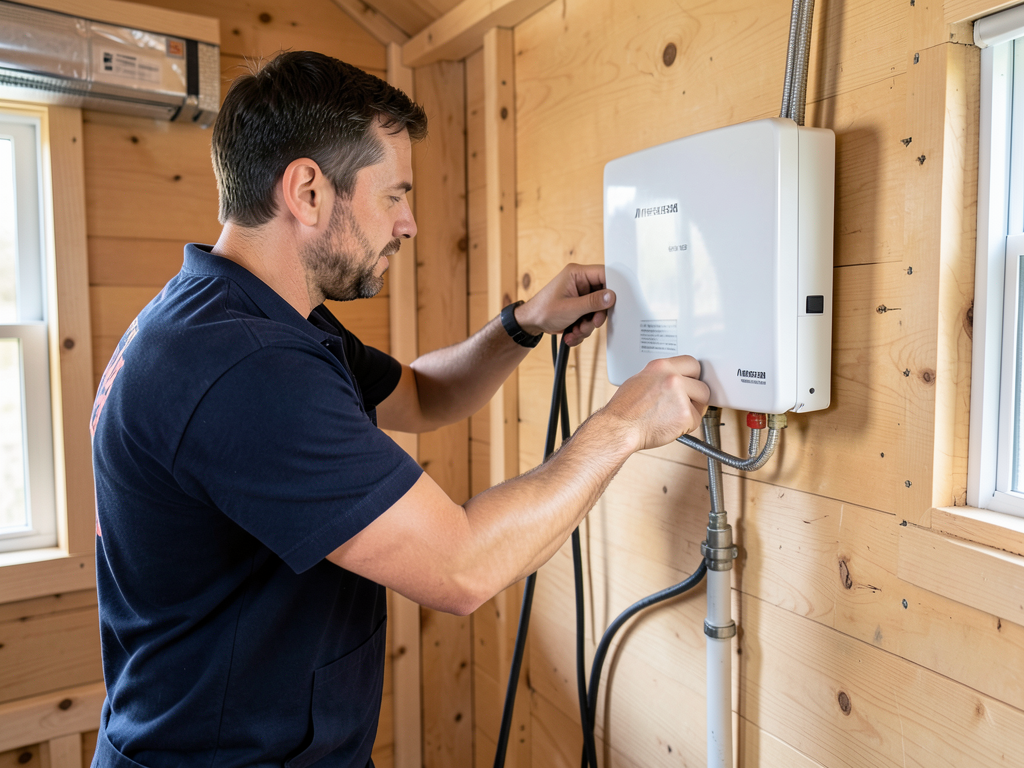
How to Heat a Small Accessory Dwelling Unit or Tiny Home in Williamsville Keeping a tiny home or accessory dwelling unit warm in Williamsville means understanding both the extreme Western New York climate and the…
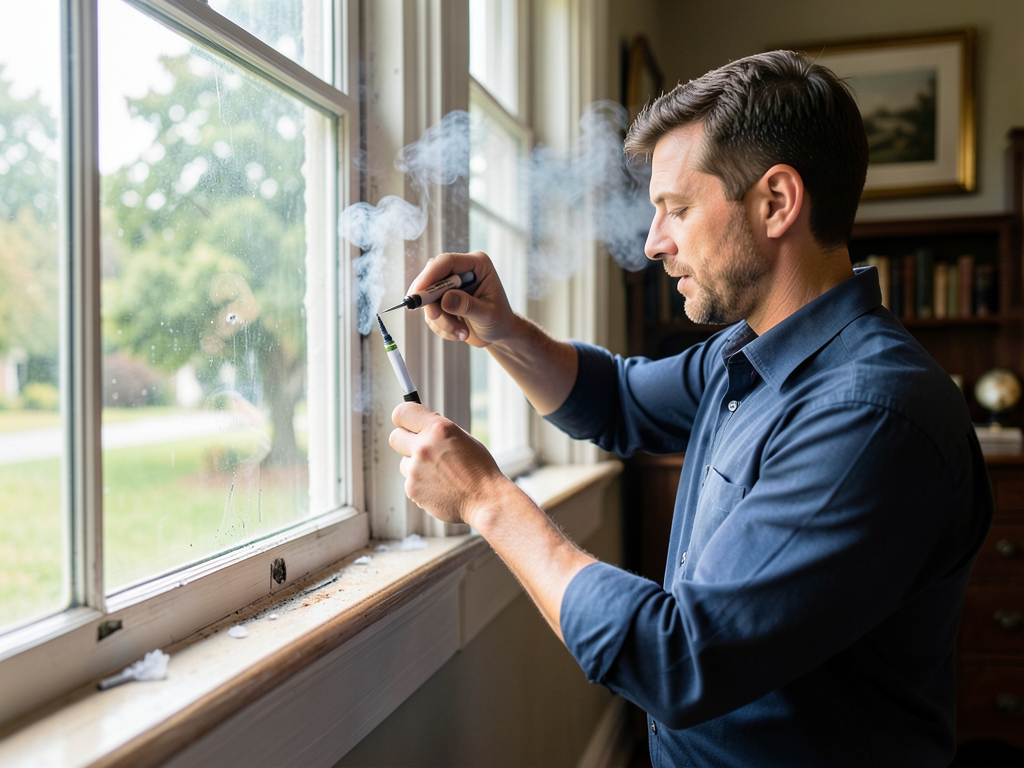
Managing Excessive Dust in Your South Buffalo Home During High Wind Events South Buffalo homes…
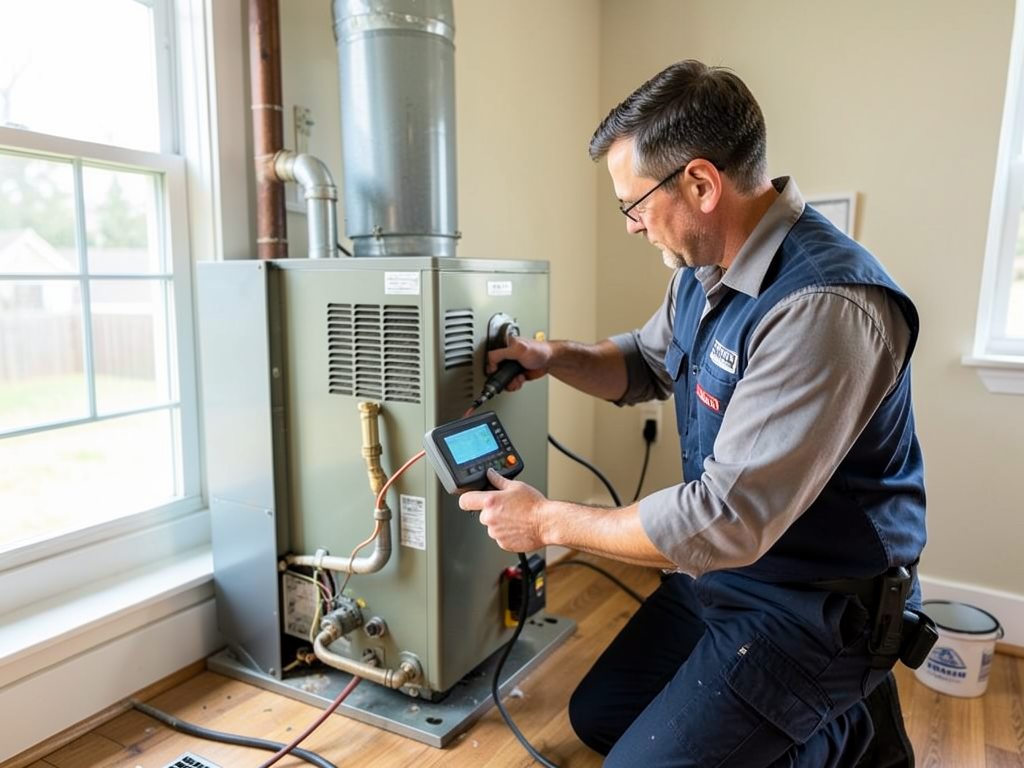
Is it Better to Pay for a Monthly HVAC Maintenance Plan or Just Call When…
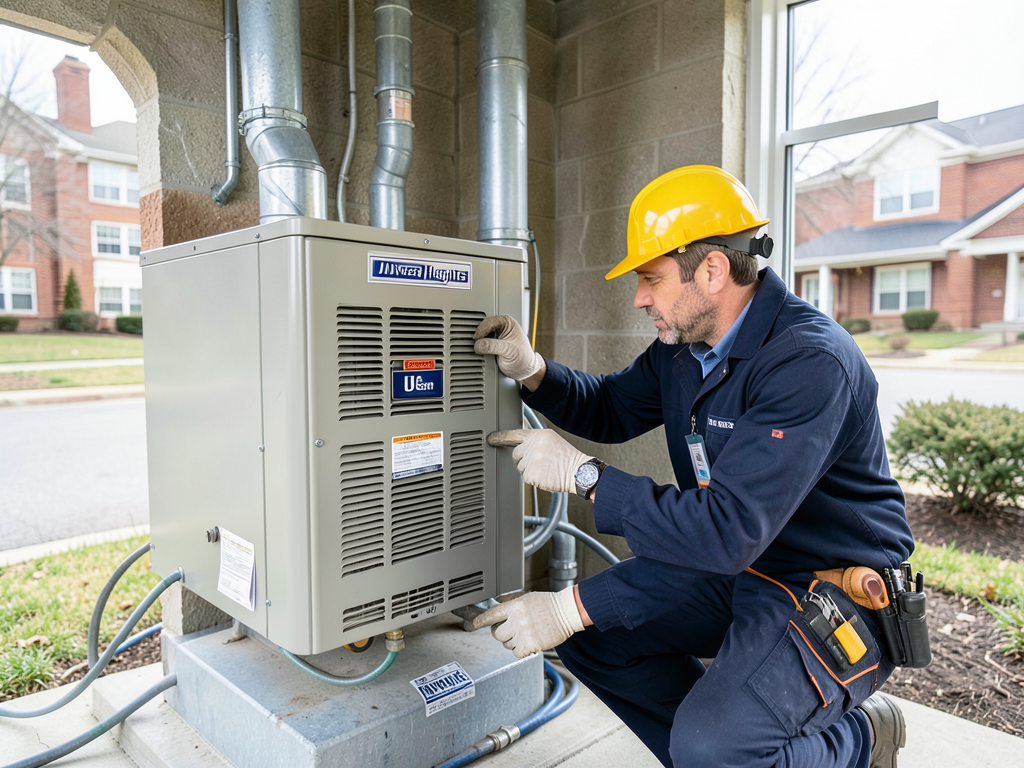
The Homeowners Guide to Buying a New HVAC System for a Rental Property in University…
Don't wait when your heating or cooling system fails. Call United HVAC Buffalo now at (716) 317-7757 for fast emergency service across Orchard Park. We dispatch immediately, arrive prepared, and fix problems right the first time.