menu

Furnace Repair & Heating Service in Buffalo | Expert Diagnosis and Same-Day Solutions

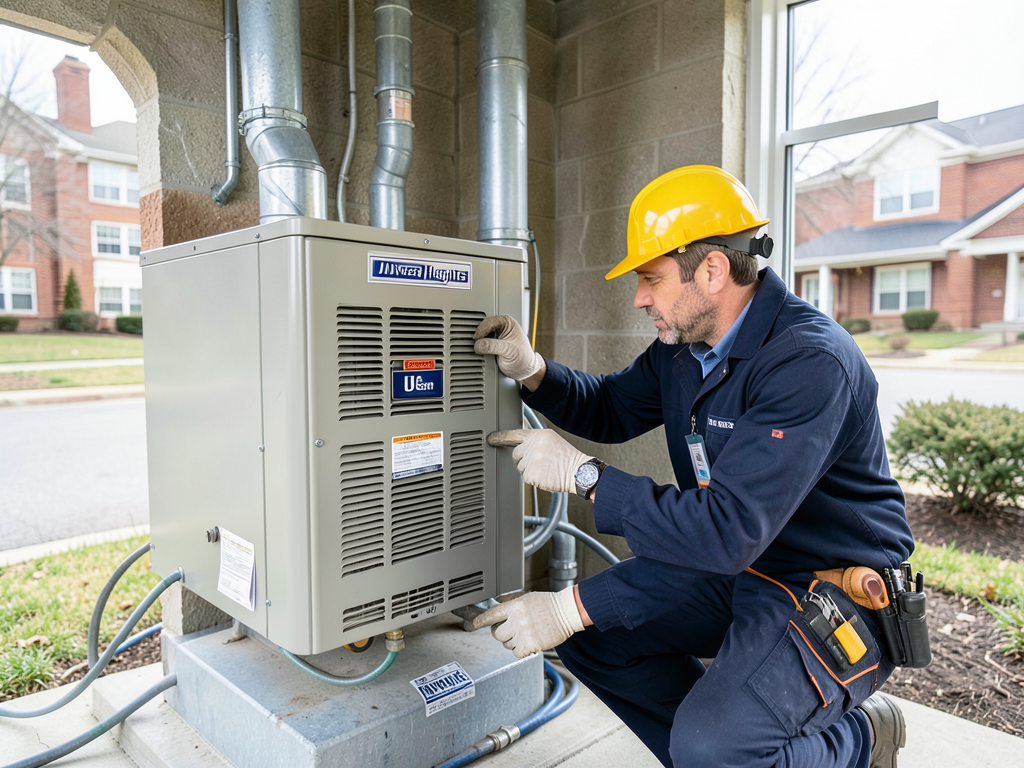
When your heating system fails during a Buffalo winter, you need accurate diagnostics and immediate repairs from certified technicians who understand forced-air systems, heat exchangers, and the unique demands of Lake Erie climate conditions.

Slider Image 1
Slider Image 2
Slider Image 3
Slider Image 4
Slider Image 5
Slider Image 7
Slider Image 8
Slider Image 9
Slider Image 10
Slider Image 11

Why Buffalo Furnaces Fail When You Need Them Most

Buffalo's lake-effect winters create relentless demand on residential furnace repair systems. Your heating system runs longer cycles, fights harder against sub-zero temperatures, and battles constant freeze-thaw conditions that stress every component from the ignition system to the blower motor.

When temperatures drop below 20 degrees, a single failed limit switch or cracked heat exchanger transforms your home from comfortable to dangerous in hours. You notice the symptoms first. Cold air blowing from vents. Strange rattling from the basement. Yellow pilot light flames instead of blue. Rooms that never quite warm up no matter how high you set the thermostat.

These are not minor inconveniences in Buffalo. During January cold snaps that settle over the Niagara Frontier, a failed heating system creates frozen pipe risks, forces families into single rooms with space heaters, and leaves elderly residents vulnerable to hypothermia. Neighborhoods from Elmwood Village to North Buffalo see the same pattern. Furnaces that seemed fine in October fail catastrophically by December.

The reason is simple physics. Buffalo heating systems work harder than units in milder climates. Your furnace cycles on and off more frequently, combustion chambers endure greater thermal stress, and ductwork experiences constant expansion and contraction. Add aging infrastructure in Buffalo's historic housing stock, and you create perfect conditions for heating system failures that demand immediate professional attention. Central heating maintenance becomes survival preparation, not optional service.

Why Buffalo Furnaces Fail When You Need Them Most
How Professional Heating System Repair Actually Works

How Professional Heating System Repair Actually Works

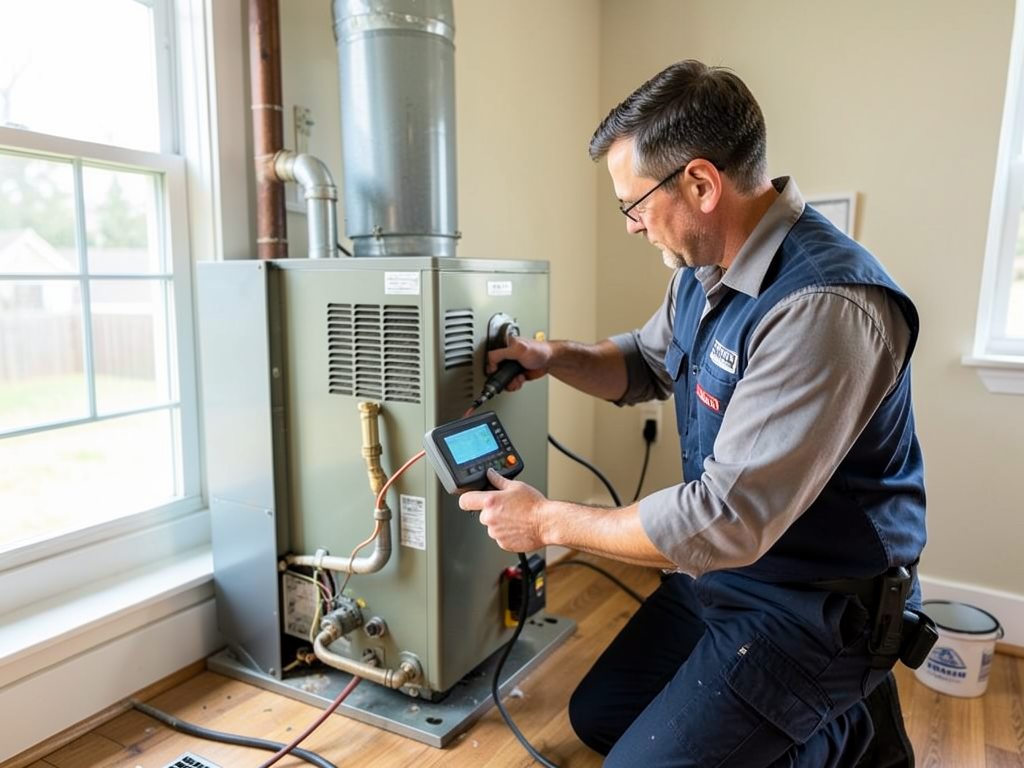
Real heater repair services start with combustion analysis, not guesswork. We test flue gas composition, measure temperature rise across the heat exchanger, and verify proper gas pressure at the manifold. These measurements reveal whether your furnace burns efficiently or wastes fuel while delivering inadequate heat.

Most Buffalo furnace problems fall into three categories. Ignition failures stem from faulty hot surface igniters, failed flame sensors, or gas valve malfunctions. Airflow problems trace to clogged filters, failed blower motors, or damaged ductwork. Cycling issues point to thermostat failures, limit switch problems, or undersized equipment fighting against Buffalo's harsh winters.

We approach home heating service methodically. First, we verify safety controls work correctly. A cracked heat exchanger leaking carbon monoxide kills families. We perform visual inspections, check for soot patterns indicating incomplete combustion, and test CO levels in your living space. Only after confirming safety do we diagnose performance issues.

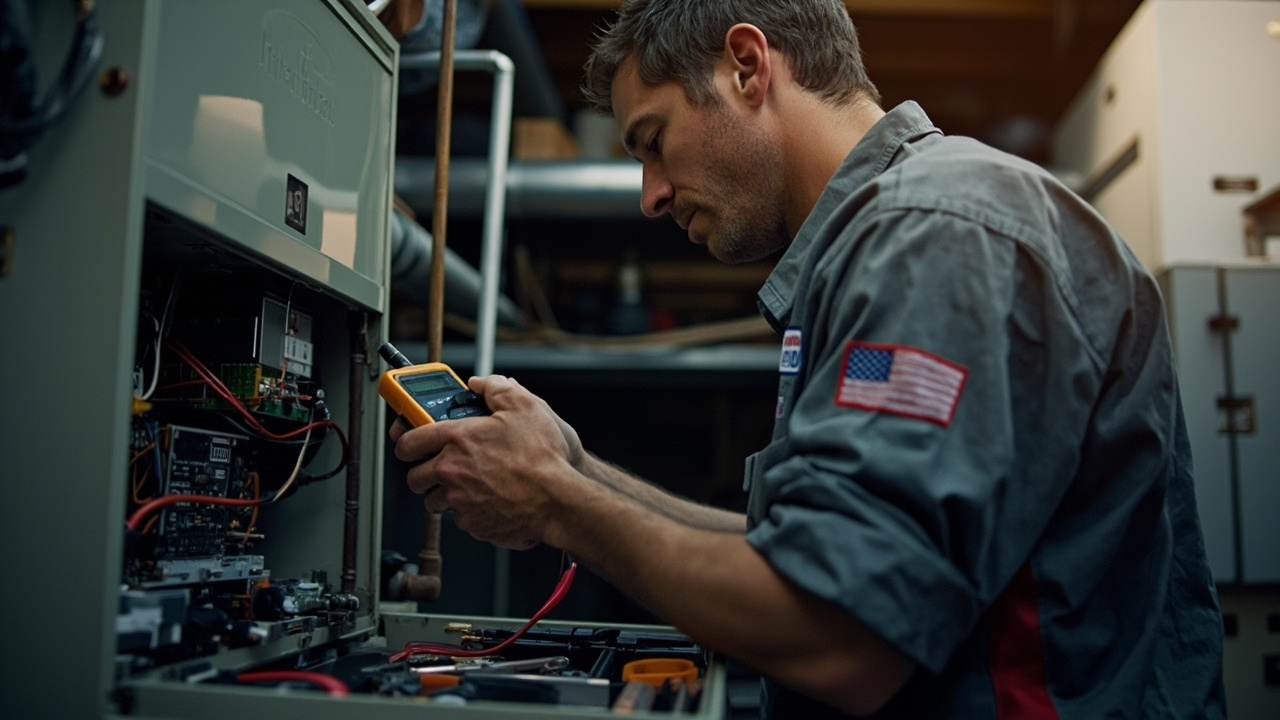
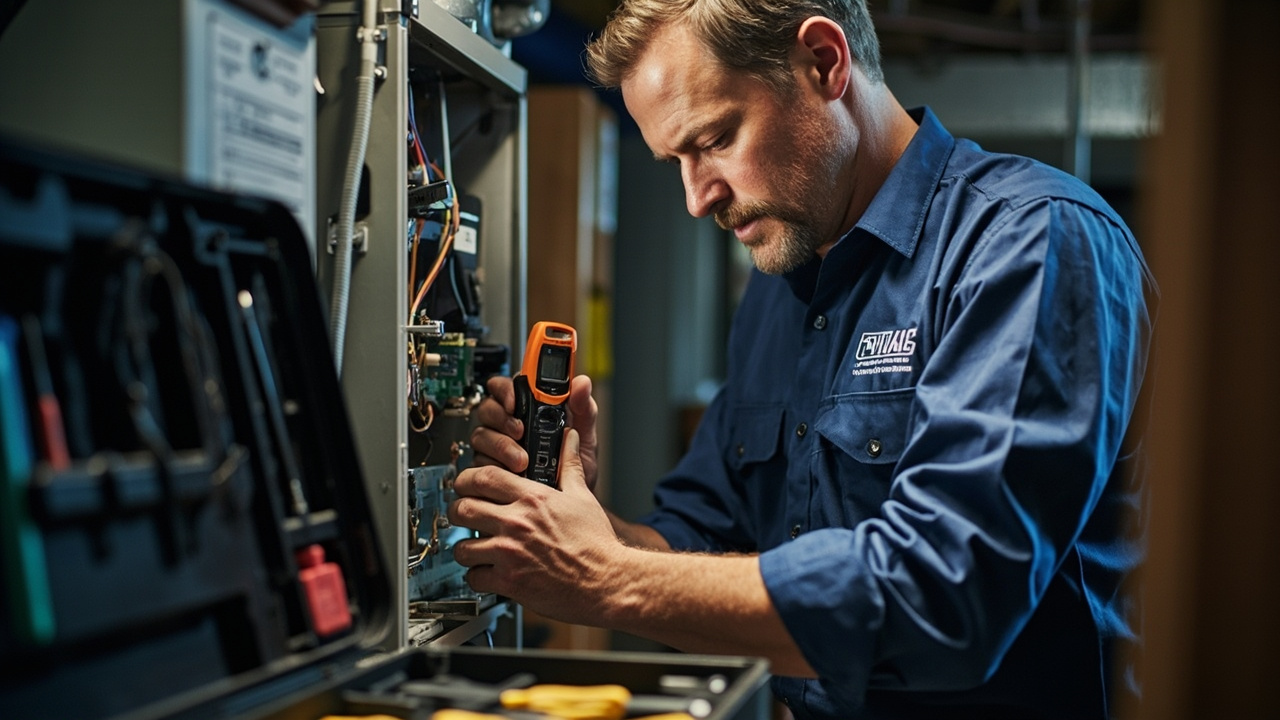
Then we trace the ignition sequence. Gas furnaces follow strict startup protocols. The inducer motor creates negative pressure, the pressure switch confirms proper draft, the igniter glows red-hot, the gas valve opens, and the flame sensor proves ignition before the blower engages. When any component in this chain fails, your furnace shuts down. We identify the exact failure point using multimeters, manometers, and combustion analyzers.

For forced-air systems, we measure static pressure in supply and return ducts. Excessive resistance from undersized ductwork, closed vents, or blocked returns forces your blower motor to work harder, shortening its lifespan while driving up electricity costs. Proper residential furnace repair addresses root causes, not just immediate symptoms.

What Happens During Your Furnace Service Call

Furnace Repair & Heating Service in Buffalo | Expert Diagnosis and Same-Day Solutions
01

Emergency Dispatch and Assessment

You call, we respond. Our technicians arrive with fully stocked service vehicles containing common replacement parts for Bryant, Carrier, Lennox, Trane, and Rheem systems. We ask specific questions about symptoms. When did the problem start? What sounds do you hear? Does the thermostat display error codes? This information guides our diagnostic approach before we touch your equipment.
02

System Testing and Diagnosis

We run your furnace through complete cycles while monitoring performance. Amp draw on the blower motor tells us if bearings are failing. Flame color and pattern reveal combustion quality. Temperature differential between supply and return air confirms heat exchanger efficiency. We test every safety control, verify proper venting, and check electrical connections for resistance that creates heat and failure points.
03

Repair and Performance Verification

After identifying failed components, we explain the problem in plain language, provide repair options, and complete the work efficiently. We replace parts, reassemble the furnace, and run extended test cycles to verify proper operation. You receive documentation of all work performed, parts replaced, and recommendations for preventing future failures. Your heat works before we leave your property.

Why Buffalo Homeowners Choose Local Heating Experts

Buffalo's housing stock presents unique challenges. Victorian homes in the Allentown district have gravity furnaces or ancient boilers converted to forced air. Post-war Cape Cods in South Buffalo have cramped mechanical spaces and undersized ductwork. Modern builds in Clarence and Amherst feature high-efficiency condensing furnaces with complex control boards.

We know these systems because we work on them daily. A technician from Rochester or Erie does not understand Buffalo's specific building codes, the prevalence of knob-and-tube wiring in older homes, or how basement flooding from spring thaws damages furnace components. Local knowledge matters when diagnosing intermittent problems or recommending system upgrades.

United HVAC Buffalo maintains relationships with local suppliers, stocks parts for common Buffalo-area furnace brands, and understands the permitting process for furnace replacement in the City of Buffalo versus surrounding towns. When your furnace fails at 11 PM during a lake-effect snowstorm, you need technicians who live here, understand the urgency, and carry the right parts.

We also understand realistic expectations. Buffalo winters are brutal. Your furnace will not heat your home to 75 degrees when outside temperatures hit negative numbers and wind screams off Lake Erie. We size equipment correctly, explain system limitations honestly, and recommend insulation or ductwork improvements when throwing more BTUs at a problem wastes money.

Trust comes from transparency. We show you the failed part, explain why it failed, and discuss whether repair or replacement makes financial sense based on your furnace's age and condition. You make informed decisions, not fear-based purchases driven by high-pressure sales tactics.

What You Get With Professional Furnace Repair

Fast Response Times

Heating emergencies do not wait for business hours. We dispatch technicians rapidly during Buffalo's coldest months because we understand the risks of prolonged heating system failure. Most service calls receive same-day response. Emergency situations get priority scheduling. We keep service vehicles stocked with common failure parts like ignitors, flame sensors, pressure switches, and blower motors to complete repairs in a single visit. You get heat restored quickly, not appointments scheduled days out while your family suffers in the cold.

Thorough System Evaluation

We do not just fix the immediate problem. Complete diagnostic service includes safety testing for carbon monoxide leaks, heat exchanger integrity verification, combustion efficiency analysis, and airflow measurements throughout your duct system. You receive a written assessment identifying current failures, components showing wear, and recommended maintenance to prevent future breakdowns. This comprehensive approach catches dangerous conditions before they harm your family and identifies small problems before they become expensive emergency repairs.

Reliable, Long-Lasting Repairs

We use OEM replacement parts when available and quality aftermarket components when original parts are discontinued or cost-prohibitive. Every repair meets manufacturer specifications and local code requirements. Our technicians torque gas connections properly, verify electrical circuits handle amperage loads safely, and ensure combustion air supply meets current standards. You get repairs that last, not temporary fixes that fail again next month. The work is done correctly the first time using proper tools, parts, and procedures.

Ongoing Maintenance Support

After emergency repairs restore your heat, we discuss preventive maintenance to avoid future failures. Annual furnace inspections catch problems early, maintain efficiency, and extend equipment life. We offer maintenance agreements providing priority scheduling, discounted service rates, and pre-season tune-ups before Buffalo's heating season begins. Regular filter changes, blower cleaning, and combustion adjustment keep your system running efficiently through harsh winters. You decide what level of ongoing service fits your budget and risk tolerance.

Frequently Asked Questions

You Have Questions,
We Have Answers

What is the average cost to service a furnace? +

Furnace servicing in Buffalo typically runs between $80 and $200 for a standard tune-up. This includes filter replacement, burner cleaning, thermostat calibration, and safety checks. Costs increase if you need ductwork inspection or parts replacement. Buffalo's harsh winters demand annual maintenance to prevent mid-season breakdowns. Older furnaces or those burning oil may cost more due to additional cleaning requirements. Emergency service calls outside business hours carry premium charges. Always get a clear quote upfront. Regular maintenance prevents expensive repairs and keeps your system efficient during those brutal January cold snaps when you need heat most.

What is the $5000 rule for HVAC? +

The $5000 rule helps you decide between repair and replacement. Add your furnace age to the repair cost estimate. If the total exceeds $5000, replacement makes more financial sense. Example: a 15-year-old furnace needing $600 in repairs equals $5600, so replace it. A 10-year-old unit needing $300 equals $4300, so repair it. This rule accounts for declining efficiency and increasing repair frequency in aging systems. Buffalo homeowners face this decision often due to freeze-thaw stress on equipment. Factor in energy savings from newer, high-efficiency models when making your choice. Your heating contractor can help run these numbers.

What is the most common furnace failure? +

Ignitor failure tops the list of furnace breakdowns, especially in Buffalo's stop-start heating season. The ignitor lights your burner, and repeated heating cycles wear it out. You will notice your furnace clicking but not firing up. Dirty flame sensors rank second. They detect whether gas ignited properly, but corrosion or soot buildup causes false readings and safety shutdowns. Blower motor failures follow close behind. These motors run constantly, moving warm air through your ductwork. Buffalo's temperature swings force your system to cycle frequently, accelerating wear. Annual servicing catches these issues before they leave you without heat.

What is the most expensive part to fix on a furnace? +

Heat exchangers cost the most to replace, running $1500 to $3500 including labor. This metal chamber transfers heat from combustion gases to your air supply. Cracks develop from thermal stress and corrosion over time. A cracked heat exchanger leaks carbon monoxide, creating immediate danger. Most Buffalo contractors recommend full furnace replacement instead of heat exchanger repair because labor costs eat up your budget. The part requires dismantling your entire furnace. Blower motors rank second at $400 to $800. Control boards run $200 to $600. Age matters. If your furnace exceeds 15 years, replacement beats expensive part swaps.

How much does it cost for someone to check your furnace? +

Furnace inspections in Buffalo run $75 to $150 for a standard diagnostic visit. This covers the technician's time to test your system, identify problems, and provide a repair estimate. Some companies waive the inspection fee if you proceed with repairs. Emergency calls after hours or weekends cost more. Annual maintenance agreements often include free or discounted inspections. During peak heating season, November through February, expect higher service call rates. A thorough inspection takes 45 to 90 minutes and checks ignition, airflow, exhaust venting, and safety controls. Never skip this step. Undiagnosed issues become expensive failures mid-winter.

How frequently should a furnace be serviced? +

Service your furnace once yearly, ideally in October before Buffalo's heating season begins. Annual maintenance catches small issues before they become expensive breakdowns. Your technician will clean burners, test ignition, calibrate thermostats, inspect heat exchangers, and verify proper combustion and exhaust venting. Buffalo's lake-effect weather creates moisture and temperature extremes that stress your system. Older furnaces or those running constantly may benefit from twice-yearly service. Skipping maintenance voids most manufacturer warranties. It also reduces efficiency, costing you more in energy bills. A well-maintained furnace lasts 15 to 20 years. Neglected systems fail years earlier.

Is HVAC system cost tax deductible? +

HVAC installation generally does not qualify as a tax deduction for your primary residence. The IRS treats it as a home improvement, not a business expense. However, energy-efficient upgrades may qualify for federal tax credits. The Inflation Reduction Act offers credits for high-efficiency heating systems, including qualifying furnaces with AFUE ratings of 95% or higher. Credits cover up to 30% of costs, capped at specific amounts. Keep all receipts and manufacturer certifications. Buffalo homeowners should consult a tax professional about New York State incentives for energy-efficient upgrades. Commercial properties may deduct HVAC as a business expense or depreciate it over time.

What are signs my HVAC needs replacing? +

Your furnace needs replacement when it exceeds 15 to 20 years old, especially if repairs become frequent. Watch for uneven heating across rooms, yellow pilot flames indicating incomplete combustion, or rising energy bills despite normal use. Strange noises like banging, squealing, or rattling signal mechanical failure. Visible rust or cracks around your heat exchanger demand immediate attention due to carbon monoxide risk. If your furnace cycles on and off constantly or struggles to maintain temperature during Buffalo's coldest days, replacement beats ongoing repairs. Excessive dust or dry air also indicates failing components. Calculate repair costs against replacement using the $5000 rule.

Do HVAC companies give free quotes? +

Most reputable Buffalo HVAC contractors provide free quotes for furnace replacement and major repairs. This includes a home visit to assess your system, measure ductwork, and discuss efficiency options. Free quotes typically apply to installations and projects exceeding $500. Diagnostic service calls to identify problems usually carry a fee of $75 to $150, though many companies credit this toward repairs. Emergency service quotes may cost more. Always get multiple quotes for major work. Ask about financing, manufacturer rebates, and energy-efficiency incentives. Be wary of companies pushing immediate decisions without written estimates. Quality contractors provide detailed, pressure-free proposals.

Which brand of furnace is most reliable? +

Carrier, Lennox, and Trane consistently rank as the most reliable furnace brands, with failure rates below industry average. These manufacturers build units that withstand Buffalo's temperature extremes and frequent cycling. American Standard and Rheem offer solid mid-range reliability. Brand matters less than proper installation and maintenance. A poorly installed premium furnace fails faster than a correctly installed mid-tier unit. Match your furnace size to your home's heating load. Oversized units cycle too frequently and wear out faster. Focus on AFUE ratings above 90% for efficiency. Your contractor's installation quality and local parts availability matter more than brand loyalty.

How Lake Erie Weather Destroys Furnace Components Faster

Buffalo's position on the eastern shore of Lake Erie creates unique climate stresses that accelerate furnace deterioration. Lake-effect moisture combines with sub-zero temperatures to create condensation inside ductwork and flue pipes. This moisture corrodes heat exchangers, rusts blower housings, and damages electronic control boards. Homes near the waterfront from Riverside to South Buffalo experience even faster corrosion from salt air mixing with heating system condensation. Your furnace fights not just cold, but constant humidity cycling that weakens metal components and promotes rust formation invisible until parts fail catastrophically.

United HVAC Buffalo technicians understand these local failure patterns because we see them daily across Erie County. We know which furnace brands hold up better in high-humidity basements common to Buffalo's older housing stock. We recognize when frequent cycling stems from thermostat placement in drafty Victorian homes versus actual equipment failure. This local expertise means accurate diagnosis, appropriate repairs, and realistic advice about whether your aging furnace deserves another repair or needs replacement before it fails during the next polar vortex.
HVAC Services in The Buffalo Area

We are proud to serve the entire Buffalo area and its surrounding communities with our expert HVAC services. Our centrally located team allows us to respond quickly to your needs, whether you are in the city or a nearby suburb. We are committed to being your local, trusted resource for all things heating and cooling, and we look forward to serving you right where you are.

Address:
United HVAC Buffalo, 360 Delaware Ave, Buffalo, NY, 14202

Additional Services We Offer

Our news updates

Latest Articles & News from The Blogs

Managing Excessive Dust in Your South Buffalo Home During High Wind Events South Buffalo homes face unique dust challenges when…

Managing Excessive Dust in Your South Buffalo Home During High Wind Events

Managing Excessive Dust in Your South Buffalo Home During High Wind Events South Buffalo homes face unique dust challenges when…

Is it Better to Pay for a Monthly HVAC Maintenance Plan or Just Call When Something Breaks?

Is it Better to Pay for a Monthly HVAC Maintenance Plan or Just Call When Something Breaks? When your furnace…

The Homeowners Guide to Buying a New HVAC System for a Rental Property in University Heights

The Homeowners Guide to Buying a New HVAC System for a Rental Property in University Heights University Heights landlords face…

Contact Us

Your family should not spend another night in the cold. Call United HVAC Buffalo now at (716) 317-7757 for immediate furnace repair service. Our technicians are ready to diagnose your heating system problem and restore comfortable temperatures to your home.