menu

Short Cycling in Buffalo – Expert Diagnosis Stops Wasted Energy and Expensive Breakdowns

When your HVAC system kicks on and off every few minutes, you are wasting money and wearing out critical components. United HVAC Buffalo pinpoints the root cause of short cycling fast so you avoid compressor failure and surging energy bills.

Slider Image 1
Slider Image 2
Slider Image 3
Slider Image 4
Slider Image 5
Slider Image 7
Slider Image 8
Slider Image 9
Slider Image 10
Slider Image 11

Why Your HVAC System Keeps Turning On and Off in Buffalo

You hear the hum. The system kicks on. Thirty seconds later, it shuts off. A minute later, it fires up again. This is not normal operation. This is short cycling, and it is a warning sign your HVAC system is struggling.

Buffalo's wild temperature swings put unique stress on heating and cooling equipment. When overnight lows in winter drop below freezing and daytime highs in summer push past 85 degrees, your system must adjust constantly. If your furnace is short cycling in January or your AC is turning on and off repeatedly during a July heat wave, the problem is not the weather. The problem is internal.

Common causes include dirty air filters restricting airflow, refrigerant leaks in the AC side, oversized equipment that satisfies the thermostat too quickly, or a faulty flame sensor in gas furnaces. HVAC rapid cycling also signals issues with your thermostat placement. If your thermostat sits near a window or vent, it can misread the temperature and send incorrect signals to the system.

Short cycling wears out your compressor, blower motor, and ignition components faster than normal operation. Every time your system starts, it draws a surge of electricity. Frequent starts mean higher energy bills and a shorter lifespan for expensive parts. You feel the frustration when your home never reaches the right temperature. Your system runs constantly but delivers no comfort.

Buffalo homeowners deal with enough. High property taxes, lake-effect snow, and aging housing stock already stretch budgets. An air conditioner short cycle or furnace that kicks on and off adds unnecessary cost and stress. The fix is not guesswork. It requires diagnostic precision.

Why Your HVAC System Keeps Turning On and Off in Buffalo
How United HVAC Buffalo Fixes Short Cycling at the Source

How United HVAC Buffalo Fixes Short Cycling at the Source

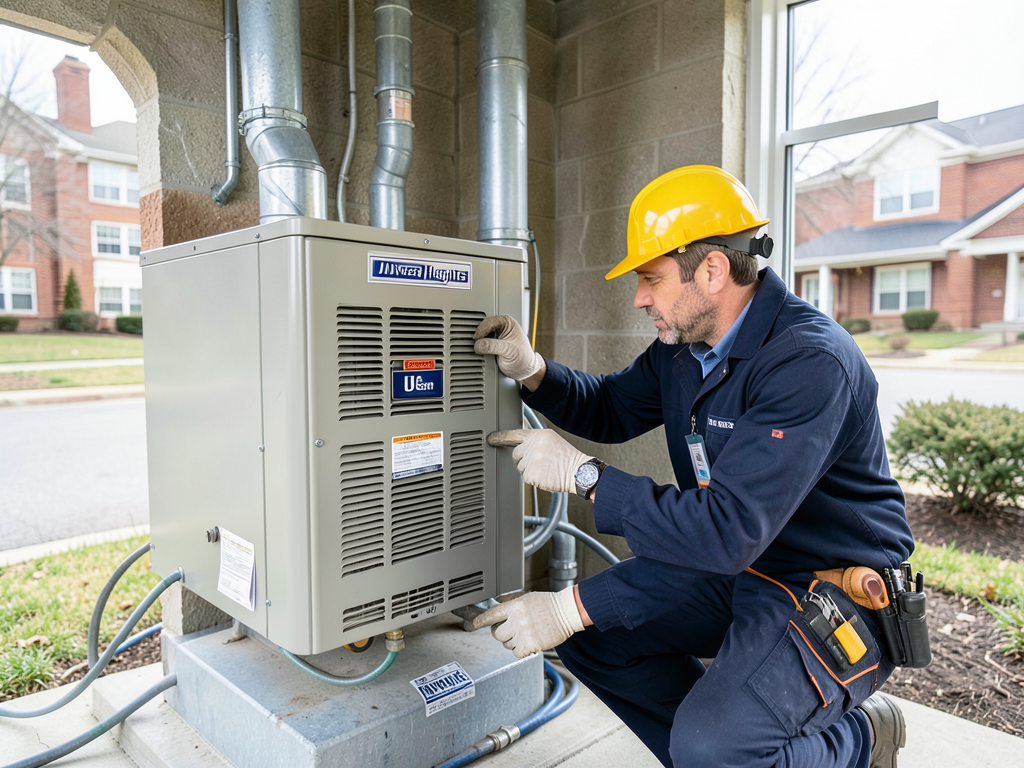
We do not throw parts at the problem. Short cycling has multiple causes, and fixing it requires systematic diagnosis. Our technicians start with airflow measurement using a manometer to test static pressure across the system. If static pressure exceeds manufacturer specs, we know airflow is restricted. That could mean a clogged filter, undersized ductwork, or a failing blower motor.

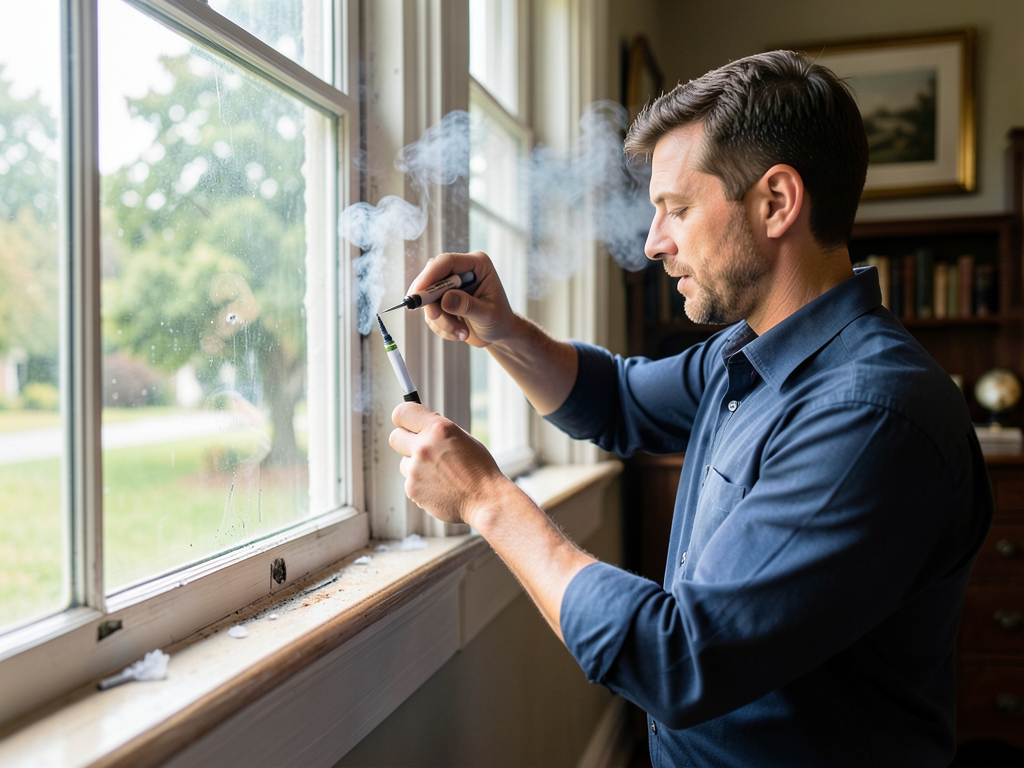
Next, we check refrigerant charge with digital gauges. Low refrigerant causes the evaporator coil to freeze, triggering the system to shut down prematurely. We also inspect the coil for leaks using electronic leak detectors, not visual guesswork. If your system is overcharged, it trips the high-pressure switch and shuts off. Either condition creates rapid cycling.

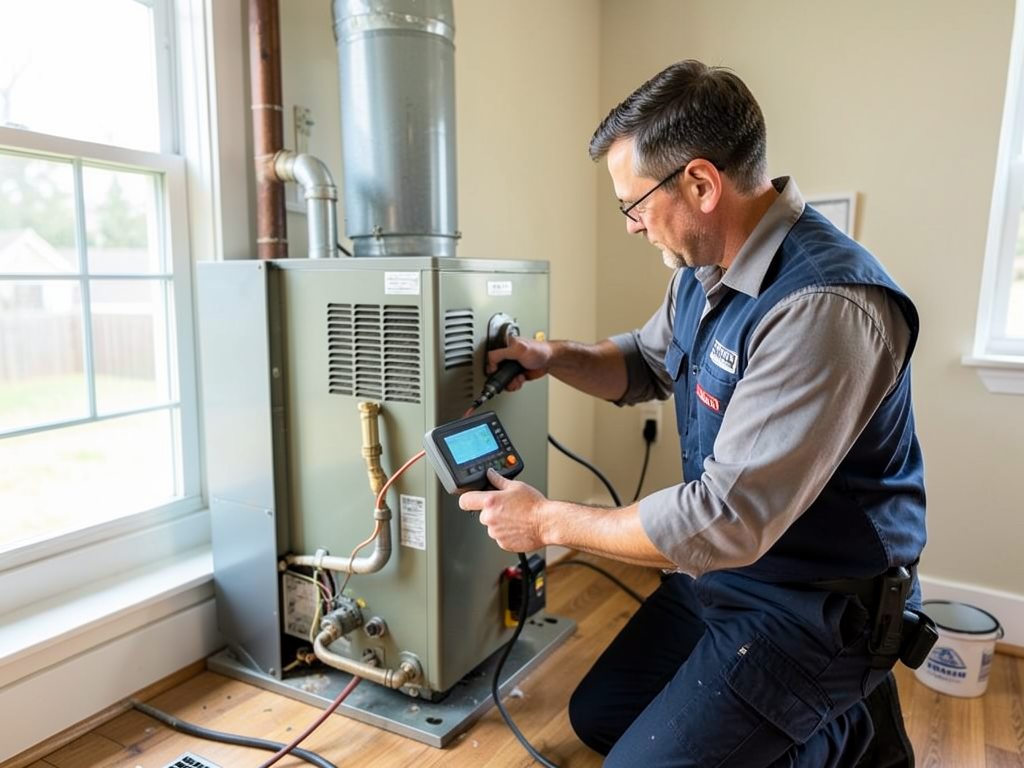
For furnaces, we test the flame sensor with a multimeter. A dirty or failing flame sensor cannot detect the burner flame, so the furnace shuts down after a few seconds. This is one of the most common causes of furnace short cycling in Buffalo homes with older equipment. We also inspect the heat exchanger for cracks, which can cause the limit switch to trip repeatedly.

Thermostat issues require a different approach. We check thermostat wiring, test the anticipator setting on older mechanical models, and verify placement. A thermostat mounted on an exterior wall or near a drafty window reads false temperatures and signals the system to shut off early.

Oversized equipment is the hardest problem to solve. If a previous contractor installed a system too large for your home, it heats or cools the space too quickly, satisfying the thermostat before the air circulates properly. The only real fix is replacing the unit with correctly sized equipment. We perform Manual J load calculations to size systems accurately, preventing future problems.

What Happens When You Call About Short Cycling

Short Cycling in Buffalo – Expert Diagnosis Stops Wasted Energy and Expensive Breakdowns
01

Diagnostic Testing

Our technician arrives with diagnostic tools, not assumptions. We measure static pressure, test refrigerant levels, check electrical connections, and inspect all safety switches. This process identifies whether your short cycling stems from airflow restriction, refrigerant imbalance, faulty controls, or improper equipment sizing. You get a clear explanation of what we find, not vague estimates or scare tactics.
02

Targeted Repair

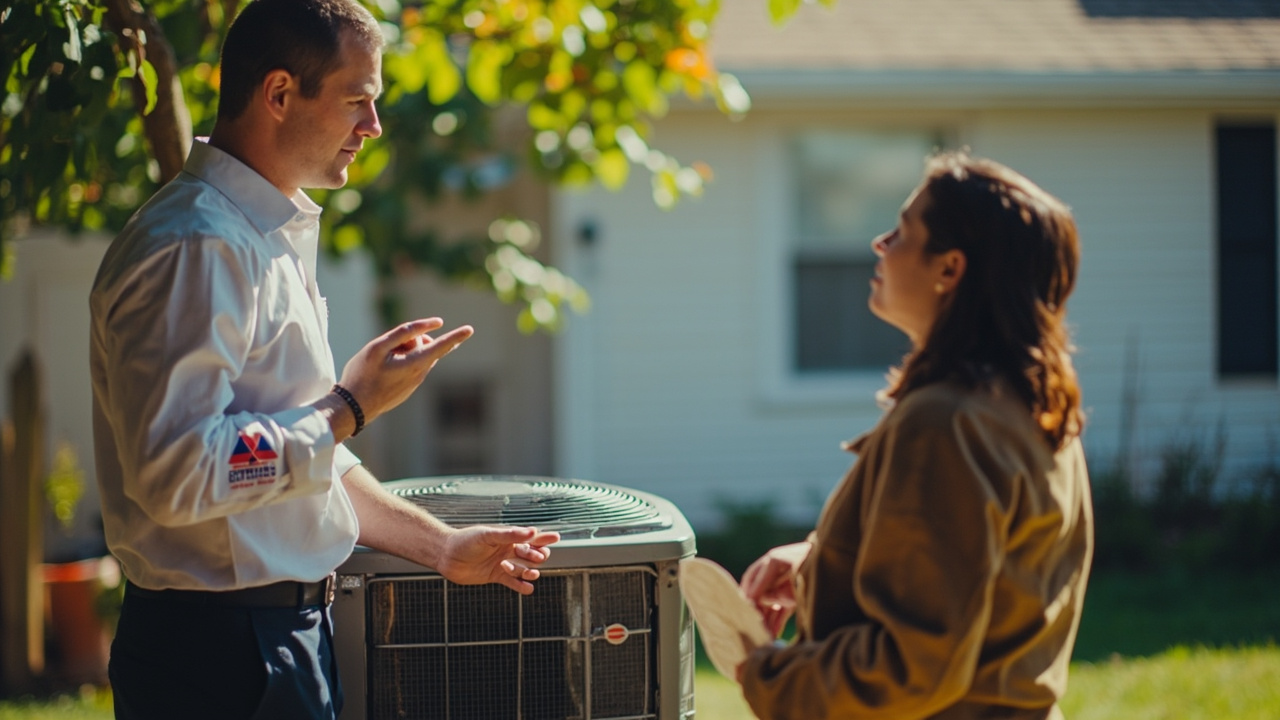
Once we identify the root cause, we fix it. That might mean cleaning the flame sensor, sealing a refrigerant leak and recharging the system, replacing a faulty pressure switch, or relocating a poorly placed thermostat. We do not upsell unnecessary replacements. If your system needs a simple adjustment, we make it. If a component has failed and must be replaced, we explain why and show you the failed part.
03

Performance Verification

After the repair, we run the system through a full heating or cooling cycle. We monitor runtime, check for proper airflow, verify the system reaches setpoint without shutting off prematurely, and confirm all safety controls function correctly. You see the system run smoothly before we leave. We also provide maintenance recommendations to prevent future issues, including filter replacement schedules and annual tune-up reminders.

Why Buffalo Homeowners Trust United HVAC Buffalo for Short Cycling Repairs

Buffalo's housing stock includes everything from century-old bungalows in Elmwood Village to post-war ranches in Cheektowaga. Each home has unique HVAC challenges. Older homes often have undersized ductwork or systems retrofitted into spaces not designed for forced air. Newer homes sometimes have oversized equipment installed by contractors chasing quick sales instead of proper load calculations.

We understand these local nuances. We have worked in basements with low ceilings, crawlspaces with limited access, and attics with inadequate ventilation. We know how Buffalo's humidity affects indoor air quality and how lake-effect cold stresses heating systems. Our technicians are trained to work in real-world conditions, not sterile training environments.

Local building codes in Erie County require specific venting standards for gas furnaces and clearances for outdoor condensing units. We follow those codes strictly. We also understand the permitting process for equipment replacement, which matters if your short cycling diagnosis reveals the need for a new system.

United HVAC Buffalo has built a reputation by solving problems other contractors misdiagnose. When a competitor tells you that you need a new furnace because yours is short cycling, we take the time to test the flame sensor, check the gas valve, and inspect the limit switch. Often, the fix is simple and inexpensive. When replacement is truly necessary, we explain why with data, not fear.

Our service area covers Buffalo, Amherst, Tonawanda, West Seneca, and the surrounding communities. We stock common parts on our trucks, so most repairs are completed the same day. You are not waiting a week for a capacitor or pressure switch to arrive. We also provide transparent pricing before we start work. No hidden fees, no surprise charges.

What You Can Expect When We Diagnose Your Short Cycling Problem

Fast Response Times

We understand short cycling means your system is not keeping your home comfortable. We prioritize these calls because we know you are either too hot or too cold, and your energy bills are climbing. Most service appointments are scheduled within 24 hours. If you call in the morning, we often arrive the same afternoon. Emergency service is available for situations where your system has failed completely. Our goal is to restore comfort quickly without rushing through diagnostics.

Thorough System Evaluation

Our diagnostic process is methodical. We do not guess. We test airflow with calibrated instruments, measure refrigerant pressures, inspect electrical connections for corrosion or loose wiring, and verify thermostat operation. We also ask questions about when the problem started, whether it happens during heating or cooling, and if you have noticed any unusual sounds or smells. This information helps us narrow down the cause faster. You receive a written report of our findings before any repair work begins.

Reliable, Lasting Repairs

Our repairs are designed to last. We use OEM parts when available and high-quality aftermarket components when OEM parts are discontinued or excessively expensive. We do not patch problems temporarily. If your evaporator coil has a pinhole leak, we repair it properly with brazing and nitrogen purging, not sealant products that fail after a few months. After the repair, your system should run smoothly for years, not weeks. We stand behind our work because we do it right the first time.

Ongoing Maintenance Support

Preventing future short cycling requires regular maintenance. We offer seasonal tune-up services that include filter replacement, coil cleaning, refrigerant level checks, and safety control testing. Many short cycling problems start small and escalate over time. A dirty filter reduces airflow gradually until the system overheats and shuts down. Regular maintenance catches these issues early. We also provide maintenance reminders so you do not have to remember when your system is due for service. Our maintenance customers experience fewer breakdowns and longer equipment lifespans.

Frequently Asked Questions

You Have Questions,
We Have Answers

What is the most common cause of short cycling? +

The most common cause of short cycling in Buffalo is a dirty or clogged air filter. When airflow gets restricted, your system overheats and shuts down prematurely to protect itself. A frozen evaporator coil ranks second, especially during our humid summers when condensate drainage clogs. Oversized equipment is another culprit. If your HVAC system is too powerful for your home's square footage, it reaches temperature too quickly and cycles off before completing a full run. Refrigerant leaks, faulty thermostats, and blocked return vents also trigger short cycling. Buffalo's freeze-thaw cycles can stress ductwork connections, creating pressure imbalances that cause erratic cycling patterns.

How long is considered short cycling? +

A normal cooling cycle runs 10 to 15 minutes before shutting off. Heating cycles typically last 10 to 20 minutes depending on outdoor temperature. Short cycling means your system runs for less than 5 to 7 minutes before shutting down, then restarts within a few minutes. You might notice three or more cycles per hour instead of the normal two to four. In Buffalo winters, when your furnace battles subzero temperatures, even shorter bursts signal a problem. The compressor needs adequate run time to move refrigerant efficiently and remove humidity. Frequent starts waste energy and spike your utility bills noticeably.

How do you fix short cycling? +

Start by replacing your air filter. If short cycling continues, check your thermostat placement. Direct sunlight or drafts near the thermostat fool it into false readings. Clean debris from around your outdoor condenser unit. Inspect the condensate drain line for clogs, especially after Buffalo's pollen-heavy spring months. If these steps fail, call a licensed technician to check refrigerant levels, test the compressor, and measure airflow across the evaporator coil. Oversized equipment requires professional assessment and possible replacement. Never ignore short cycling. The repeated startup strain damages your compressor, the most expensive component to replace. Professional diagnostics prevent costly breakdowns during Buffalo's temperature extremes.

What is the meaning of short cycling? +

Short cycling means your HVAC system turns on and off rapidly without completing a full heating or cooling cycle. Instead of running 10 to 15 minutes to reach your set temperature, the system shuts down after just a few minutes, then restarts shortly after. This pattern strains your equipment because startup draws the most power and creates the most wear. Your compressor, blower motor, and electrical components suffer accelerated damage from constant on-off cycling. Short cycling also fails to properly dehumidify your home during Buffalo's humid summer months. Energy consumption spikes because your system never operates at peak efficiency during these abbreviated cycles.

How Buffalo's Freeze-Thaw Cycles and Summer Humidity Trigger Short Cycling

Buffalo's climate is brutal on HVAC equipment. Winter temperatures drop below zero, forcing furnaces to run extended cycles. When outdoor units freeze over, heat pumps struggle to defrost efficiently, leading to short cycling as the system battles ice buildup. Summer humidity compounds the problem. High humidity makes indoor air feel warmer, so thermostats trigger cooling cycles more frequently. If your AC is undersized or low on refrigerant, it cannot remove humidity effectively, causing the evaporator coil to freeze and the system to shut off prematurely. These climate-specific stresses accelerate wear on compressors, blower motors, and control boards.

Local HVAC contractors understand these patterns because we work in Buffalo year-round. We see how lake-effect weather affects equipment performance and how older homes with poor insulation stress undersized systems. Our technicians are familiar with Erie County building codes, including venting requirements for high-efficiency furnaces and clearance rules for outdoor condensing units. This local knowledge matters when diagnosing short cycling. A contractor from outside the region might misinterpret symptoms caused by Buffalo's unique weather patterns. We know what normal looks like here, and we fix what is broken, not what is working correctly under local conditions.
HVAC Services in The Buffalo Area

We are proud to serve the entire Buffalo area and its surrounding communities with our expert HVAC services. Our centrally located team allows us to respond quickly to your needs, whether you are in the city or a nearby suburb. We are committed to being your local, trusted resource for all things heating and cooling, and we look forward to serving you right where you are.

Address:
United HVAC Buffalo, 360 Delaware Ave, Buffalo, NY, 14202

Additional Services We Offer

Our news updates

Latest Articles & News from The Blogs

Managing Excessive Dust in Your South Buffalo Home During High Wind Events South Buffalo homes face unique dust challenges when…

Managing Excessive Dust in Your South Buffalo Home During High Wind Events

Managing Excessive Dust in Your South Buffalo Home During High Wind Events South Buffalo homes face unique dust challenges when…

Is it Better to Pay for a Monthly HVAC Maintenance Plan or Just Call When Something Breaks?

Is it Better to Pay for a Monthly HVAC Maintenance Plan or Just Call When Something Breaks? When your furnace…

The Homeowners Guide to Buying a New HVAC System for a Rental Property in University Heights

The Homeowners Guide to Buying a New HVAC System for a Rental Property in University Heights University Heights landlords face…

Contact Us

Every minute your system short cycles, you lose money and shorten its lifespan. Call United HVAC Buffalo now at (716) 317-7757 for fast, accurate diagnostics. We fix the root cause, not the symptoms.