menu

Why Air Filter Changes Matter in Buffalo – Protect Your Home From Lake Effect Damage

Buffalo's harsh winters and lake effect moisture create unique indoor air challenges. Regular air filter replacement prevents system breakdowns, reduces energy waste, and protects your family from airborne contaminants that thrive in Western New York's freeze-thaw climate.

Slider Image 1
Slider Image 2
Slider Image 3
Slider Image 4
Slider Image 5
Slider Image 7
Slider Image 8
Slider Image 9
Slider Image 10
Slider Image 11

Buffalo's Climate Makes Dirty Air Filters a Serious Problem

Lake effect snow, freeze-thaw cycles, and extended heating seasons put Buffalo HVAC systems under constant stress. Your air filter is the first line of defense against this assault. When filters clog with dust, pollen, and moisture-laden particulates, your system works harder to push air through the restriction. This drives up energy bills and accelerates wear on critical components like blower motors and heat exchangers.

Buffalo homes run heating systems seven to eight months per year. That extended runtime means filters accumulate debris faster than in milder climates. A clogged filter forces your furnace to cycle more frequently, straining the ignition system and reducing the lifespan of expensive parts. The impact of dirty air filters goes beyond comfort. Reduced airflow creates temperature imbalances between rooms and allows humidity levels to spike, creating conditions for mold growth in basements and crawl spaces.

The significance of air filter replacement becomes clear when you consider what happens during a Western New York winter. Your furnace pulls in cold, dry outdoor air and heats it. Without proper filtration, that air carries fine particulates that coat ductwork and degrade indoor air quality. Families with asthma or allergies notice the difference immediately. The benefits of changing air filters include fewer respiratory symptoms, more consistent temperatures, and lower monthly utility costs. In Buffalo's demanding climate, neglecting this simple maintenance task creates cascading problems that affect both your health and your wallet.

Buffalo's Climate Makes Dirty Air Filters a Serious Problem
How Clean Filters Keep Buffalo HVAC Systems Running

How Clean Filters Keep Buffalo HVAC Systems Running

Air filters trap contaminants before they enter your ductwork and living spaces. Modern HVAC filters use pleated media rated by MERV (Minimum Efficiency Reporting Value) scores. Higher MERV ratings capture smaller particles but also create more airflow restriction. Finding the right balance matters in Buffalo, where systems run constantly during heating season.

Standard fiberglass filters (MERV 1-4) catch large debris but allow fine particulates to pass through. Mid-range pleated filters (MERV 8-11) strike the best balance for residential systems, capturing pollen, mold spores, and dust mites without choking airflow. High-efficiency filters (MERV 13-16) provide hospital-grade filtration but require compatible equipment and more frequent changes.

Why replace HVAC filters on schedule? Your blower motor is sized to move a specific volume of air against a calculated resistance. When filters load with debris, static pressure rises across the system. The motor pulls more amperage trying to maintain airflow, generating excess heat and wearing out bearings. We see this constantly in Buffalo homes where filters go unchanged for six months or longer.

The reasons for changing AC filters extend to your cooling system too. Summer humidity in Western New York creates condensation on evaporator coils. A clean filter prevents dust from coating those coils, maintaining heat transfer efficiency and preventing freeze-ups. Dirty coils reduce capacity and force your compressor to run longer cycles, driving up electric bills and shortening equipment life. United HVAC Buffalo recommends filter changes every 30 to 90 days depending on system type, occupancy, and whether you have pets.

What Happens When You Change Your Air Filter

Why Air Filter Changes Matter in Buffalo – Protect Your Home From Lake Effect Damage
01

Filter Assessment and Selection

We measure your current filter dimensions and check the MERV rating to ensure compatibility with your system. Buffalo homes often have custom return grille sizes that require exact measurements. We verify your blower motor specifications to recommend the highest efficiency filter your equipment can handle without creating excessive static pressure. Older furnaces and air handlers have limitations that newer variable-speed systems do not.
02

System Airflow Verification

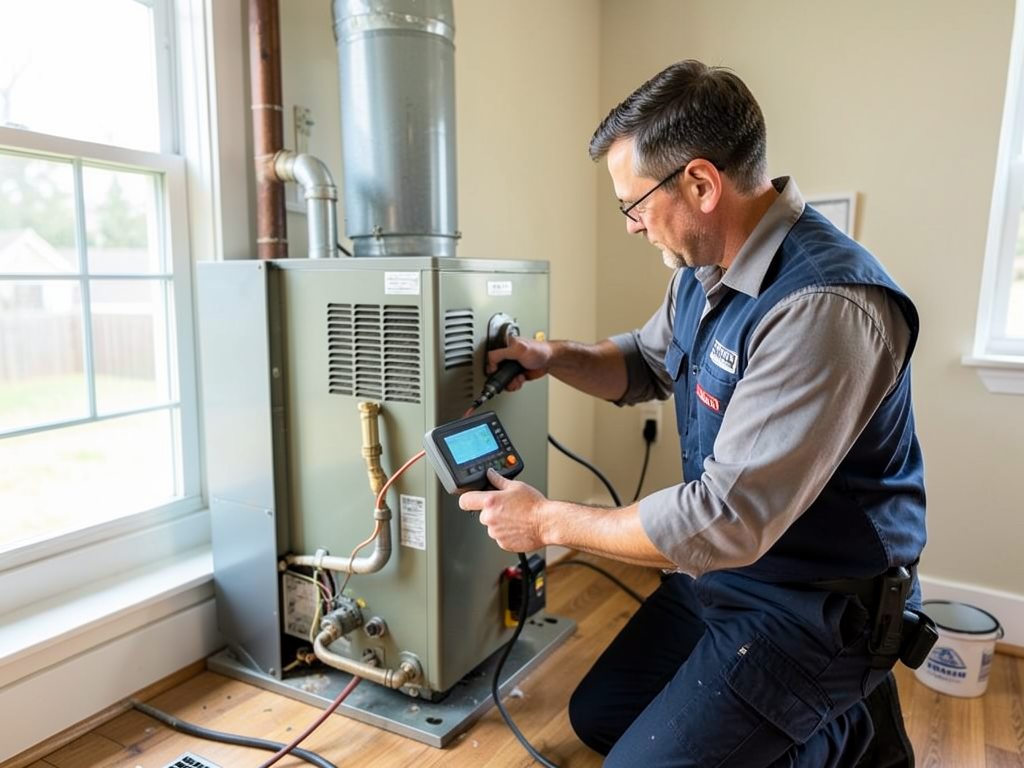
After installing the new filter, we measure supply and return temperatures to confirm proper airflow across the heat exchanger or evaporator coil. Temperature split tells us whether the system is moving sufficient air volume. We also check static pressure using a manometer to ensure the new filter maintains readings within manufacturer specifications. This step catches undersized ductwork or other restrictions that compromise efficiency.
03

Documentation and Scheduling

We log the filter change date and MERV rating in your service history. This creates a maintenance timeline that helps predict when your next change is due based on actual runtime and seasonal conditions. For Buffalo clients who want to avoid the hassle, we offer scheduled filter delivery or automatic service appointments timed to your system's needs. Consistent replacement prevents the performance degradation that leads to expensive repairs.

Why Buffalo Homeowners Trust Local HVAC Knowledge

Generic advice from national companies does not account for Western New York's unique demands. Lake effect snow events dump moisture into the air, which your HVAC system must condition. High humidity loads during summer months create different filtration needs than dry climates experience. United HVAC Buffalo understands these variables because we live and work here.

We see the same problems repeatedly in Buffalo neighborhoods. Homes near Lake Erie deal with salt-laden air that accelerates corrosion on HVAC components. Older properties in Allentown and Elmwood Village have undersized return ducts that magnify the impact of dirty air filters. New construction in Clarence and Amherst often includes high-efficiency equipment that requires specific filter types to maintain warranty coverage.

Local building codes and utility incentive programs also shape our recommendations. National Grid offers rebates for high-efficiency HVAC upgrades, but only if you maintain systems according to manufacturer specifications. That includes documented filter changes at prescribed intervals. We help clients stay compliant while maximizing equipment performance.

Buffalo's extended heating season means your furnace runs nearly twice as long as systems in milder regions. This accelerated runtime compresses maintenance schedules. A filter that lasts three months in North Carolina might need replacement every 30 days here. We adjust recommendations based on actual conditions, not generic guidelines. Our technicians carry a range of filter types and sizes on every service call, so you get the right solution without waiting for special orders or making trips to big-box stores.

What to Expect When You Schedule Filter Service

Fast Response Times

Filter changes are quick service calls that we often handle same-day or next-day. Our technicians carry common residential filter sizes on their trucks, eliminating wait times for special orders. If you call before noon, we can usually schedule a visit that afternoon. For clients on maintenance agreements, we proactively schedule changes based on your system's runtime and seasonal demands. Buffalo's weather fluctuates unpredictably, so we stay flexible with scheduling to accommodate sudden cold snaps or humidity spikes that accelerate filter loading. Emergency service is available 24/7 if a clogged filter causes your system to shut down during extreme weather.

Complete System Inspection

Every filter change includes a visual inspection of your blower compartment, heat exchanger, and ductwork connections. We look for signs of airflow restriction, moisture infiltration, or component wear that could indicate bigger problems. This catches issues early, before they escalate into expensive repairs. Our technicians check your thermostat settings and verify proper temperature differential across the system. If we notice unusual static pressure readings or temperature splits outside normal ranges, we explain what we found and what it means for your system's performance. You get a clear picture of your equipment's condition, not just a new filter.

Improved Comfort and Efficiency

You will notice the difference immediately after a filter change. Airflow improves, temperature swings between rooms decrease, and your system runs quieter with less strain on the blower motor. Energy consumption drops because your equipment no longer fights against a clogged filter to maintain airflow. Indoor air quality improves as fresh, filtered air circulates through your home. Families with allergies or asthma report fewer symptoms when filters are changed on schedule. Your furnace or air conditioner will also last longer, because reduced runtime and lower operating temperatures prevent premature wear on critical components like compressors and heat exchangers.

Ongoing Maintenance Support

We track your filter change history and recommend a schedule based on your specific system and usage patterns. Clients on our maintenance plans receive automatic reminders when changes are due, plus priority scheduling during peak seasons. We also stock filters for your exact system, so you can call for replacements anytime without worrying about getting the wrong size or MERV rating. If you prefer to handle changes yourself, we provide filters at contractor pricing and show you how to do it correctly. Either way, you get expert support that keeps your HVAC system running efficiently year-round.

Frequently Asked Questions

You Have Questions,
We Have Answers

Is changing the air filter important? +

Yes. Changing your air filter is critical for your HVAC system's efficiency and your indoor air quality. A clean filter traps dust, pollen, and airborne particles before they circulate through your home. In Buffalo, where homes stay sealed tight during harsh winters, a dirty filter forces your furnace to work harder, increasing energy bills and risking breakdowns. Regular changes protect your equipment from strain and keep your family breathing cleaner air. Skipping this simple task leads to costly repairs and uncomfortable temperature swings when you need your system most.

What can happen if you don't replace the air filter? +

Neglecting air filter replacement causes your HVAC system to overwork, which drives up energy costs and shortens equipment lifespan. Restricted airflow from a clogged filter forces your blower motor to strain, often leading to overheating and premature failure. In Buffalo's long heating season, this strain accelerates wear on your furnace heat exchanger, a costly repair. Poor filtration also allows dust and allergens to spread throughout your home. Frozen evaporator coils, inconsistent temperatures, and complete system failure are real risks when you ignore filter changes.

Does changing the air filter improve performance? +

Yes. A fresh air filter directly improves your HVAC system's performance by restoring proper airflow. When air moves freely through the system, your furnace or AC unit reaches the desired temperature faster and maintains it efficiently. In Buffalo, where temperature extremes demand consistent heating and cooling, this efficiency translates to lower utility bills and better comfort. Clean filters also reduce strain on the blower motor and other components, allowing your system to operate at designed capacity. You get faster heating, better cooling, and quieter operation with regular filter changes.

Can I just clean my air filter instead of replacing it? +

Most residential air filters are disposable and designed for one-time use. While you can vacuum surface dust from some filters, you cannot restore full filtration capacity or remove embedded particles deep in the media. Cleaning attempts often damage the filter material, creating gaps that allow contaminants through. In Buffalo's dusty spring seasons and high-pollen periods, a cleaned filter fails to protect your system adequately. Reusable electrostatic filters exist, but standard pleated filters cost just a few dollars. Replace them on schedule rather than risk equipment damage from inadequate filtration.

What is the life expectancy of an air filter? +

Standard pleated air filters last one to three months depending on usage and environmental factors. Buffalo homes typically need more frequent changes during peak heating and cooling seasons when systems run continuously. Homes with pets, smokers, or allergy sufferers should replace filters monthly. Thicker media filters rated MERV 11 or higher may last three months under normal conditions. Construction dust, renovations, or high outdoor pollen counts shorten filter life. Check your filter monthly by holding it to light. If you cannot see through it clearly, replace it immediately.

Does a new air filter improve gas mileage? +

This question applies to vehicle air filters, not home HVAC systems. For your car, yes, a clean engine air filter improves fuel economy by allowing proper air-fuel mixture. For your home HVAC system, a new air filter reduces energy consumption, which lowers your utility bills. In Buffalo, where heating costs dominate winter budgets, a clean filter can reduce your furnace's runtime by allowing it to heat efficiently. The energy savings from proper airflow often exceed the cost of replacement filters within a single billing cycle.

Will I notice a difference with a new air filter? +

Yes. You will notice improved airflow from vents, more consistent temperatures throughout your home, and quieter system operation. In Buffalo homes, where forced-air systems work hard during winter, a fresh filter often eliminates cold spots and reduces the furnace cycling on and off frequently. You may also notice less dust settling on furniture and clearer air if you suffer from allergies. Energy bills typically drop within the first month. The difference is most dramatic if you have not changed the filter in several months.

How often should air filters be changed? +

Change standard one-inch pleated filters every 30 to 90 days. Buffalo homeowners should check filters monthly and replace based on actual condition. During January and February when furnaces run constantly, monthly changes are common. Spring and fall when systems rest may allow 60-day intervals. Homes with pets, multiple occupants, or allergy concerns need monthly changes year-round. Thicker four-inch or five-inch media filters last three to six months. Set phone reminders or mark your calendar. Consistent replacement prevents the damage and discomfort that dirty filters cause.

What are the symptoms of a dirty air filter? +

Watch for reduced airflow from vents, longer heating or cooling cycles, and rising energy bills. Your system may run constantly without reaching the set temperature. In Buffalo winters, ice buildup on outdoor AC components or warm air from heating vents signals restricted airflow. Increased dust on surfaces, musty odors, and worsening allergy symptoms indicate poor filtration. Listen for the blower motor straining or unusual sounds. If the system shuts down on high-limit switches, a clogged filter is often the cause. Check your filter immediately when these symptoms appear.

Does changing the air filter improve AC? +

Yes. A clean air filter allows your AC to cool efficiently by maintaining proper airflow across the evaporator coil. When Buffalo's summer humidity hits, restricted airflow from a dirty filter causes the coil to freeze, blocking cooling entirely. Fresh filters help your AC remove moisture from indoor air, improving comfort during muggy stretches. Better airflow means your compressor works less to achieve desired temperatures, reducing wear and energy consumption. If your AC struggles during heat waves, check the filter first before calling for service. This simple fix often restores full cooling capacity immediately.

How Buffalo's Lake Effect Climate Demands Frequent Filter Changes

Western New York receives 95 inches of snow annually, much of it lake effect moisture that saturates the air before temperatures drop. Your HVAC system pulls in this humidity-laden air during heating cycles, accelerating particulate accumulation on filter media. The constant freeze-thaw cycles also stir up road salt, industrial emissions, and biological contaminants that become airborne. Buffalo homes near the Niagara River or Lake Erie shoreline face even higher particulate loads. This environmental reality means filters clog faster here than in drier climates, making the significance of air filter replacement a critical concern for system longevity and indoor air quality.

United HVAC Buffalo has served Western New York for years, building relationships with homeowners who trust our understanding of local conditions. We know which neighborhoods have older homes with undersized ductwork and which new developments include high-efficiency systems with specific filter requirements. Our familiarity with Erie County building codes and National Grid rebate programs helps clients make informed decisions about equipment upgrades and maintenance schedules. When you work with a local provider, you get recommendations based on actual Buffalo climate data and community-specific challenges, not generic corporate protocols designed for mild climates.

HVAC Services in The Buffalo Area

We are proud to serve the entire Buffalo area and its surrounding communities with our expert HVAC services. Our centrally located team allows us to respond quickly to your needs, whether you are in the city or a nearby suburb. We are committed to being your local, trusted resource for all things heating and cooling, and we look forward to serving you right where you are.

Address:
United HVAC Buffalo, 360 Delaware Ave, Buffalo, NY, 14202

Additional Services We Offer

Our news updates

Latest Articles & News from The Blogs

Managing Excessive Dust in Your South Buffalo Home During High Wind Events South Buffalo homes face unique dust challenges when…

Managing Excessive Dust in Your South Buffalo Home During High Wind Events

Managing Excessive Dust in Your South Buffalo Home During High Wind Events South Buffalo homes face unique dust challenges when…

Is it Better to Pay for a Monthly HVAC Maintenance Plan or Just Call When Something Breaks?

Is it Better to Pay for a Monthly HVAC Maintenance Plan or Just Call When Something Breaks? When your furnace…

The Homeowners Guide to Buying a New HVAC System for a Rental Property in University Heights

The Homeowners Guide to Buying a New HVAC System for a Rental Property in University Heights University Heights landlords face…

Contact Us

Stop ignoring that overdue filter change. Call United HVAC Buffalo at (716) 317-7757 to schedule service or ask about our maintenance plans that include automatic filter replacement. Protect your system, lower your energy bills, and breathe cleaner air.