
menu

Energy Saving Tips for Summer in Buffalo – Cut Your Cooling Bills by Up to 30% This Season

Practical, proven strategies for Buffalo homeowners to reduce air conditioning bills, lower summer utility costs, and keep your home comfortable without breaking the bank during Western New York's humid summer months.

Slider Image 1
Slider Image 2
Slider Image 3
Slider Image 4
Slider Image 5
Slider Image 7
Slider Image 8
Slider Image 9
Slider Image 10
Slider Image 11

Why Buffalo Summers Hit Your Wallet Harder Than You Think

Buffalo's summer weather creates a unique challenge for homeowners trying to manage energy costs. The combination of high humidity rolling off Lake Erie and temperature swings between cool mornings and hot afternoons forces your air conditioner to work overtime. You are not imagining it when your electric bill doubles in July and August.

The lake effect that gives Buffalo its notorious winter snowfall also drives summer humidity levels above 70 percent on many days. Your AC unit does not just cool air in these conditions. It also pulls moisture from the air, which requires significantly more energy. A system that might run efficiently in a dry climate struggles here, cycling more frequently and consuming more electricity.

Many Buffalo homes were built before modern energy codes existed. The older housing stock in neighborhoods like Elmwood Village and North Buffalo often lacks proper insulation and has original windows that leak conditioned air. Your AC runs constantly to compensate for these inefficiencies.

The cost adds up fast. Summer energy efficiency ideas become essential when you face both the physical challenge of humid lake air and the structural reality of aging homes. Ways to lower cooling costs are not just nice to have in Buffalo. They are necessary to keep your summer utility bills manageable.

Understanding how Buffalo's specific climate impacts your cooling system is the first step toward reducing air conditioning bills. The humid air, older housing stock, and lake-influenced weather patterns create conditions where small efficiency improvements deliver outsized savings. How to save electricity in summer starts with recognizing what makes cooling expensive here in the first place.

Why Buffalo Summers Hit Your Wallet Harder Than You Think
The Most Effective Strategies for Lowering Summer Utility Costs

The Most Effective Strategies for Lowering Summer Utility Costs

Reducing your summer cooling expenses requires a systematic approach targeting the biggest energy drains first. Start with your thermostat. Setting it to 78 degrees when you are home and 85 when you are away creates immediate savings without sacrificing comfort. A programmable or smart thermostat automates this process and prevents the common mistake of leaving the AC cranked down all day.

Your air filter plays a bigger role than most homeowners realize. A clogged filter restricts airflow, forcing your compressor to work harder and run longer to achieve the same temperature. Check your filter monthly during summer. If it looks gray or dirty, replace it. This simple action can improve efficiency by 5 to 15 percent.

Ceiling fans create a wind chill effect that makes rooms feel four to six degrees cooler without lowering the actual temperature. Run fans counterclockwise during summer to push air down. This allows you to raise your thermostat setting while maintaining the same comfort level. Fans cost pennies per hour to operate compared to dollars for AC.

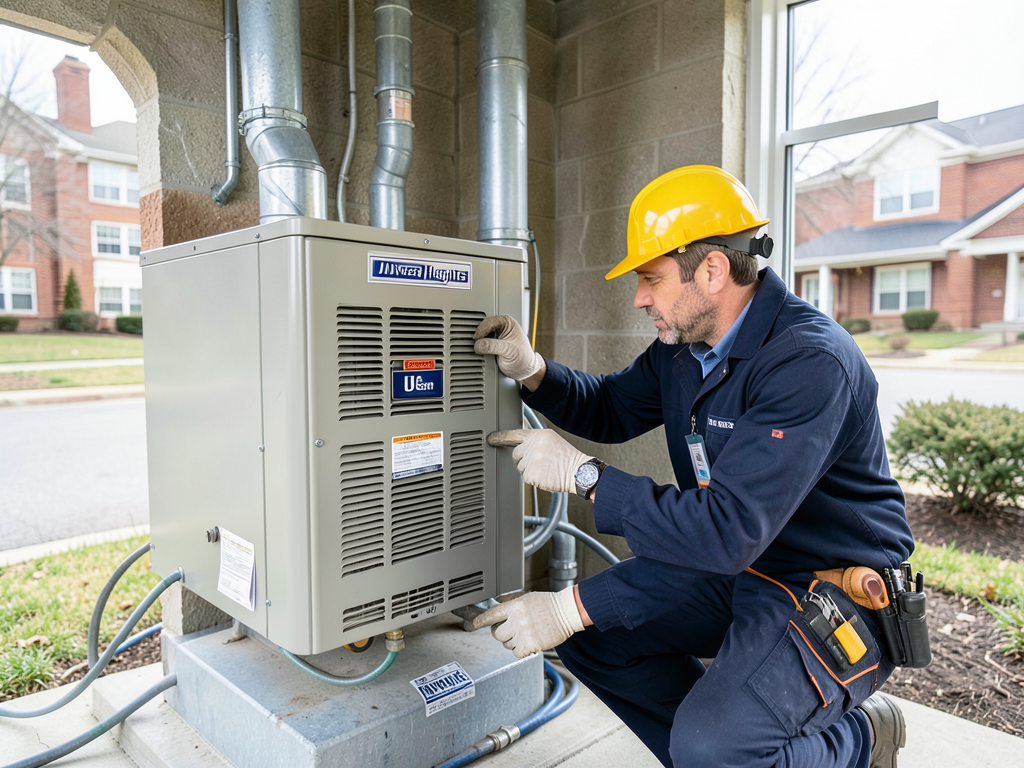
Shade your outdoor condenser unit if it sits in direct sunlight. A unit working in 95-degree direct sun consumes more energy than one shaded at 85 degrees. Plant shrubs or install a purpose-built shade screen, but maintain at least two feet of clearance on all sides for proper airflow.

Seal air leaks around windows, doors, and where pipes or wires enter your home. Buffalo's older homes lose massive amounts of conditioned air through these gaps. Caulk and weatherstripping are inexpensive fixes that pay for themselves within one cooling season. Focus on the attic access hatch, which often gets overlooked but leaks significant air.

Schedule professional maintenance before summer starts. A technician will check refrigerant levels, clean coils, and verify the system operates at peak efficiency. Low refrigerant or dirty coils can increase operating costs by 20 percent or more.

How to Implement Your Summer Energy Savings Plan

Energy Saving Tips for Summer in Buffalo – Cut Your Cooling Bills by Up to 30% This Season
01

Assess Your Current System

Start by evaluating how your air conditioner currently performs. Check when it cycles on and off, listen for unusual noises, and note any rooms that stay warmer than others. Walk through your home during the hottest part of the day to identify problem areas. This baseline assessment shows you where efficiency improvements will have the biggest impact and helps you prioritize which energy saving strategies to implement first.
02

Make Targeted Improvements

Focus on quick wins that deliver immediate results. Replace your air filter, install a programmable thermostat, and seal obvious air leaks around windows and doors. These improvements cost little but create measurable savings within the first billing cycle. Add window treatments to block afternoon sun on west-facing windows. Apply weatherstripping to exterior doors. Each small fix compounds to reduce your overall cooling load and lower electricity consumption.
03

Monitor and Adjust

Track your energy bills month over month to quantify savings. Most utility companies provide online usage graphs that show daily consumption patterns. Compare your current summer bills to last year's to measure improvement. Adjust thermostat settings based on actual comfort levels rather than assumptions. Fine-tune ceiling fan speeds and directions. This ongoing optimization ensures you maximize savings while maintaining the comfort level your family needs throughout Buffalo's summer season.

Why Buffalo Homeowners Trust Local HVAC Expertise for Energy Efficiency

United HVAC Buffalo understands the specific challenges that Lake Erie's microclimate creates for cooling efficiency. We have worked in thousands of Buffalo homes and know exactly how humidity affects system performance in neighborhoods from Kaisertown to Black Rock. This local knowledge matters when you want results, not generic advice that works better in Phoenix than Western New York.

Our technicians recognize the efficiency issues common to Buffalo's housing stock. We know which improvements deliver the best return in homes built before 1950 versus newer construction in developments like Orchard Park. We understand how lake breezes affect evening cooling loads and can recommend strategies specific to your location relative to the waterfront.

Buffalo operates under New York State energy codes that affect everything from ductwork installation to proper refrigerant handling. We stay current on these requirements and ensure any modifications or repairs meet compliance standards. This protects you from liability and ensures you qualify for available energy efficiency rebates from National Grid.

We also understand the seasonal reality of Western New York HVAC work. Your cooling system sits idle for eight months, then gets hammered during July and August humidity. This creates specific maintenance needs different from year-round climates. Our seasonal tune-up protocol addresses these Buffalo-specific wear patterns.

When you call a local company like United HVAC Buffalo, you get technicians who have worked on your exact home style in your exact climate. We have seen what works and what wastes money. We can tell you which energy saving recommendations will actually deliver results for Buffalo homes versus which sound good but underperform in high humidity.

Local expertise means faster service, too. We stock parts for the systems most common in Buffalo homes. We know the quickest routes to every neighborhood. When your AC struggles during a heat wave, you need help from someone who understands the urgency and can respond immediately.

What You Can Expect When You Commit to Lower Cooling Costs

Immediate Bill Reduction

You will see measurable savings within your first full billing cycle after implementing these energy saving strategies. Most Buffalo homeowners reduce summer cooling costs by 15 to 30 percent through a combination of behavioral changes like thermostat management and physical improvements like air sealing. The exact savings depend on your home's current efficiency level and which recommendations you prioritize. Homes with older, less efficient systems or poor insulation see the largest reductions. Track your kilowatt-hour usage rather than just dollar amounts to isolate the impact of your changes from rate fluctuations.

Professional System Assessment

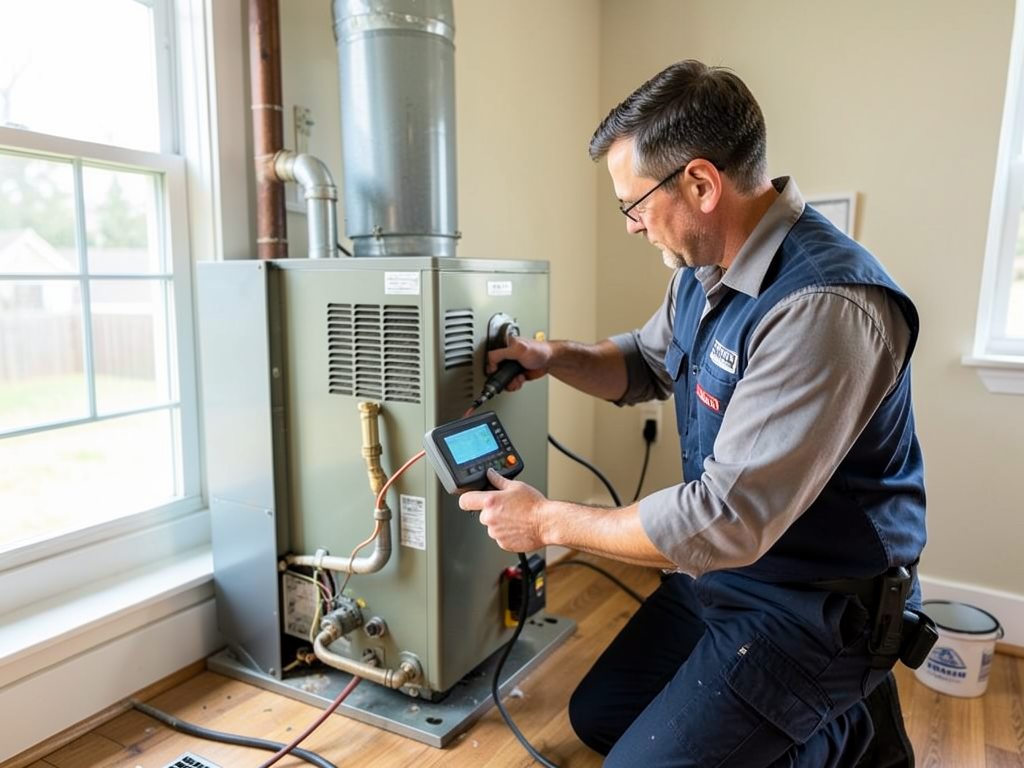
A comprehensive HVAC evaluation identifies hidden efficiency problems you cannot see yourself. Our technicians measure actual airflow at registers, check duct leakage in your basement or attic, and use diagnostic tools to verify your system operates within manufacturer specifications. We test refrigerant charge, measure temperature split across the evaporator coil, and inspect electrical connections for resistance that wastes energy. This assessment typically takes 60 to 90 minutes and provides a prioritized list of issues ranked by potential savings impact. You get specific data about where your system loses efficiency rather than generic recommendations.

Sustained Comfort Improvement

Energy efficiency improvements almost always increase comfort as a side benefit. When you seal air leaks, you eliminate hot spots and drafts. When you optimize airflow, you reduce temperature variations between rooms. When your system runs at proper refrigerant charge, it dehumidifies more effectively, making your home feel cooler at higher thermostat settings. Most Buffalo homeowners find they can maintain their desired comfort level while using less energy. The result is a home that feels consistently comfortable rather than cycling between too cold when the AC runs and too warm between cycles.

Long-Term Equipment Protection

Reducing your cooling load and improving system efficiency extends your air conditioner's lifespan. An overworked system that cycles constantly wears out compressor components faster. A system that runs efficiently experiences less thermal stress and mechanical wear. Regular maintenance combined with reduced runtime can add three to five years to your equipment's service life. This delayed replacement saves thousands of dollars long-term. We provide seasonal maintenance plans that include pre-summer tune-ups to catch small issues before they become expensive failures during July heat waves when you need your system most.

Frequently Asked Questions

You Have Questions,
We Have Answers

How can we save energy in summer? +

Start by setting your thermostat higher when you are home and even higher when you are away. Use ceiling fans to circulate air and create a wind chill effect. Close blinds during peak sun hours to block heat gain. Schedule annual AC maintenance to ensure efficient operation. Replace air filters monthly during summer. Seal air leaks around windows and doors with weatherstripping. In Buffalo, taking advantage of cooler evening lake breezes by opening windows can reduce AC runtime significantly, lowering your energy consumption and monthly bills.

What are the 5 P's of energy conservation? +

The 5 P's of energy conservation are Plan, Prepare, Perform, Perfect, and Preserve. Plan your energy use by identifying waste areas. Prepare by upgrading to efficient equipment and insulating properly. Perform daily energy-saving habits like turning off lights and adjusting thermostats. Perfect your approach by monitoring usage patterns and adjusting strategies. Preserve results through consistent maintenance and behavior changes. These principles apply to both residential and commercial settings in Buffalo, where summer humidity and winter cold demand year-round energy awareness to control costs effectively.

Does keeping the AC at 72 save money? +

Keeping your AC at 72 does not typically save money compared to higher settings. Each degree you raise above 72 can reduce cooling costs by 3-5%. For Buffalo summers, setting your thermostat to 76-78 when home and 82-85 when away creates meaningful savings without sacrificing comfort. The lower the setting, the harder your system works and the more energy it consumes. Using a programmable thermostat helps automate these adjustments. If 72 feels necessary, ensure your home is properly sealed and insulated to minimize wasted cooling.

What runs your electric bill up the most? +

Air conditioning runs your electric bill up the most during Buffalo summers, often accounting for 40-50% of total energy costs. HVAC systems work constantly to remove heat and humidity. After cooling, water heaters consume significant energy year-round. Older appliances like refrigerators, washers, and dryers also drive costs higher. Electronics and lighting contribute when left running unnecessarily. Poor insulation forces your AC to cycle more frequently. Ductwork leaks waste conditioned air. Addressing these factors through maintenance, upgrades, and behavioral changes delivers the biggest reductions in monthly electric bills.

Is 72 a good temperature for AC in the summer? +

72 is a comfortable temperature but not the most efficient for summer AC use. The Department of Energy recommends 78 when home and higher when away for optimal savings. In Buffalo, summer humidity makes 72 feel appealing, but your system works harder at lower settings. Each degree you raise the thermostat reduces energy use by 3-5%. If you prefer cooler temperatures, combine a setting of 74-76 with ceiling fans to maintain comfort while cutting costs. Proper humidity control also helps higher temperatures feel more comfortable.

What are 10 ways to save energy? +

Ten ways to save energy include raising your thermostat to 78, using ceiling fans, closing blinds during peak sun, replacing air filters monthly, sealing air leaks, scheduling annual AC tune-ups, running appliances during off-peak hours, switching to LED bulbs, unplugging devices when not in use, and using a programmable thermostat. In Buffalo, leveraging lake breezes by opening windows at night can reduce AC dependency. These strategies work together to lower consumption, extend equipment life, and reduce monthly bills without major investment or lifestyle disruption.

What are the best energy saving tips? +

The best energy saving tips start with your thermostat. Set it to 78 when home and higher when away. Use ceiling fans to circulate air. Close curtains and blinds during peak sun to block heat gain. Change air filters monthly. Seal leaks around windows and doors. Schedule annual AC maintenance to ensure peak efficiency. Run major appliances during cooler evening hours. Switch to LED lighting throughout your home. In Buffalo, take advantage of cooler nights by opening windows to flush out heat, reducing the workload on your AC system the next day.

What are 10 examples of conservation of energy? +

Ten examples of energy conservation include turning off lights when leaving rooms, unplugging chargers and devices not in use, using natural light during daytime, washing clothes in cold water, air-drying dishes, running full loads in washers and dryers, using a microwave instead of an oven for small meals, setting water heaters to 120 degrees, installing programmable thermostats, and maintaining HVAC systems regularly. In Buffalo, these practices reduce summer cooling costs and year-round energy waste. Consistent application of these habits creates measurable reductions in monthly utility bills.

What are 10 ways to conserve resources? +

Ten ways to conserve resources include reducing water usage by fixing leaks, installing low-flow fixtures, recycling paper and plastics, composting organic waste, choosing reusable over disposable products, buying local to reduce transportation impacts, using public transit or carpooling, maintaining equipment to extend lifespan, insulating homes to reduce heating and cooling needs, and planting trees for natural shade. In Buffalo, tree shade on south and west exposures significantly reduces summer cooling loads. These practices lower environmental impact while reducing household operating costs and resource dependency over time.

What is the $5000 AC rule? +

The $5000 AC rule refers to a guideline for deciding whether to repair or replace your air conditioning system. If your AC is over 10 years old and the repair cost multiplied by the system age in years exceeds $5000, replacement makes more financial sense than repair. For example, a $400 repair on a 13-year-old unit equals $5200, suggesting replacement. This rule helps Buffalo homeowners avoid sinking money into aging equipment. Newer systems offer better efficiency, lower operating costs, and improved reliability compared to repeatedly repairing outdated units.

How Lake Erie Humidity Affects Your Summer Energy Saving Strategies in Buffalo

Buffalo sits at the eastern edge of Lake Erie, which creates persistently high humidity during summer months when southwest winds push moisture-laden air across the lake. This humidity forces your air conditioner to work harder than it would in a dry climate at the same temperature. Your system must remove moisture from the air in addition to cooling it, which consumes significantly more energy. A properly sized unit with clean coils and correct refrigerant charge becomes essential in Buffalo's humid conditions. Oversized systems actually perform worse here because they cool quickly without running long enough to dehumidify properly, leaving your home clammy and uncomfortable.

Buffalo's older housing stock requires specialized knowledge for effective energy improvements. Many homes in Allentown, Elmwood Village, and the West Side were built between 1900 and 1940 with minimal insulation and original windows. These historic homes need different approaches than modern construction. United HVAC Buffalo has worked extensively with Buffalo's architectural styles and understands how to improve efficiency while respecting the character of older homes. We know which weatherization techniques work for double-hung windows common in Buffalo's classic housing and how to seal balloon-framed walls without major renovation.

HVAC Services in The Buffalo Area

We are proud to serve the entire Buffalo area and its surrounding communities with our expert HVAC services. Our centrally located team allows us to respond quickly to your needs, whether you are in the city or a nearby suburb. We are committed to being your local, trusted resource for all things heating and cooling, and we look forward to serving you right where you are.

Address:
United HVAC Buffalo, 360 Delaware Ave, Buffalo, NY, 14202

Additional Services We Offer

Our news updates

Latest Articles & News from The Blogs

Managing Excessive Dust in Your South Buffalo Home During High Wind Events South Buffalo homes face unique dust challenges when…

Managing Excessive Dust in Your South Buffalo Home During High Wind Events

Managing Excessive Dust in Your South Buffalo Home During High Wind Events South Buffalo homes face unique dust challenges when…

Is it Better to Pay for a Monthly HVAC Maintenance Plan or Just Call When Something Breaks?

Is it Better to Pay for a Monthly HVAC Maintenance Plan or Just Call When Something Breaks? When your furnace…

The Homeowners Guide to Buying a New HVAC System for a Rental Property in University Heights

The Homeowners Guide to Buying a New HVAC System for a Rental Property in University Heights University Heights landlords face…

Contact Us

Stop overpaying for summer comfort. Call United HVAC Buffalo at (716) 317-7757 to schedule your energy efficiency assessment. Our Buffalo-based technicians will identify exactly where your system wastes money and provide a clear plan to cut your cooling costs this summer.