menu

Gas Furnace Leak Repair in Buffalo – Emergency Response Within 60 Minutes

When you smell gas near your furnace, every second counts. United HVAC Buffalo dispatches certified gas furnace leak repair technicians across Buffalo and surrounding towns 24/7, stopping leaks before they become disasters.

Slider Image 1
Slider Image 2
Slider Image 3
Slider Image 4
Slider Image 5
Slider Image 7
Slider Image 8
Slider Image 9
Slider Image 10
Slider Image 11

Why Gas Furnace Leaks Are More Dangerous in Buffalo Homes

You smell rotten eggs near your furnace. Your carbon monoxide detector is chirping. Your gas bill spiked without explanation. These are not minor inconveniences. They are warning signs of a gas leak in your furnace, and in Buffalo's older housing stock, these leaks escalate fast.

Most Buffalo homes were built between 1900 and 1960, long before modern gas line standards. The freeze-thaw cycles we endure every winter cause foundation shifts that stress gas lines and furnace connections. A hairline crack in a gas valve or deteriorated pipe fitting can release natural gas into your basement or utility closet. You need emergency furnace gas leak service the moment you suspect a problem.

Gas leaks do not wait for business hours. A furnace gas line leak repair job is not something you postpone until next week. Natural gas is combustible. It displaces oxygen. It can cause explosions, carbon monoxide poisoning, and death. When you need to fix gas leak in furnace systems, you need a certified technician with calibrated leak detection equipment, not a handyman with a wrench.

Buffalo winters push furnaces to their limits. The constant cycling between heating and shutdown creates thermal expansion and contraction in gas lines. Older threaded fittings loosen. Rubber gaskets dry out. Steel pipes corrode from the inside. If your furnace is over 15 years old, the risk multiplies. Repair gas leak on furnace systems before they turn into catastrophes. Every hour you wait increases the danger.

Why Gas Furnace Leaks Are More Dangerous in Buffalo Homes
How We Stop Gas Leaks and Restore Safe Furnace Operation

How We Stop Gas Leaks and Restore Safe Furnace Operation

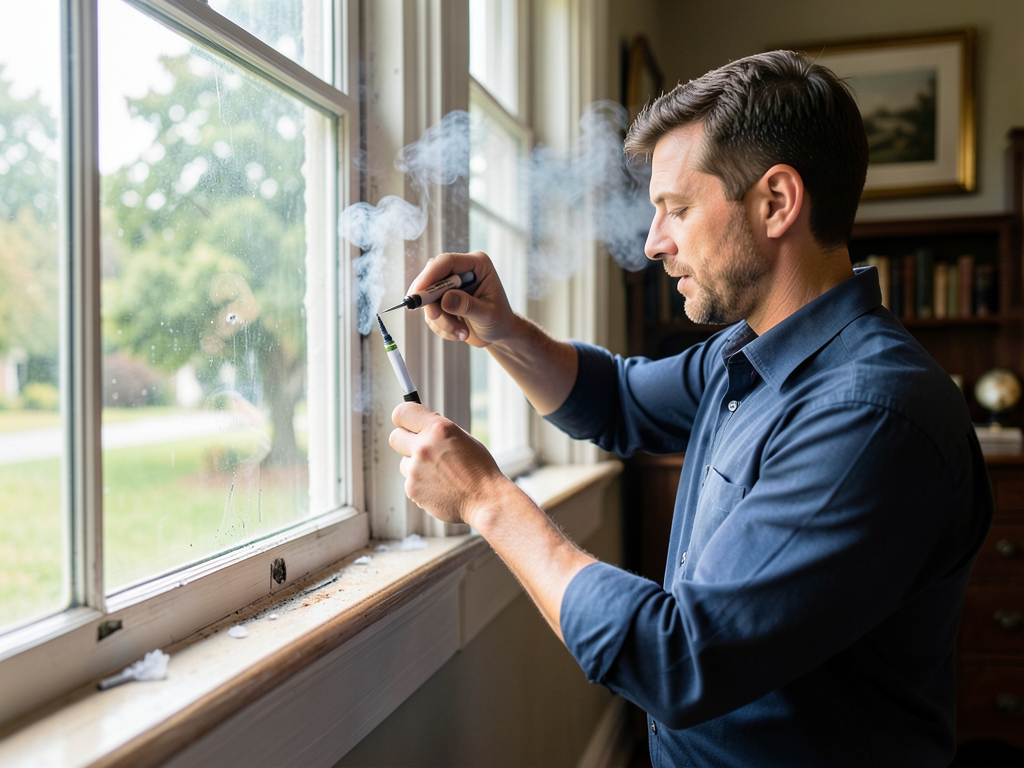
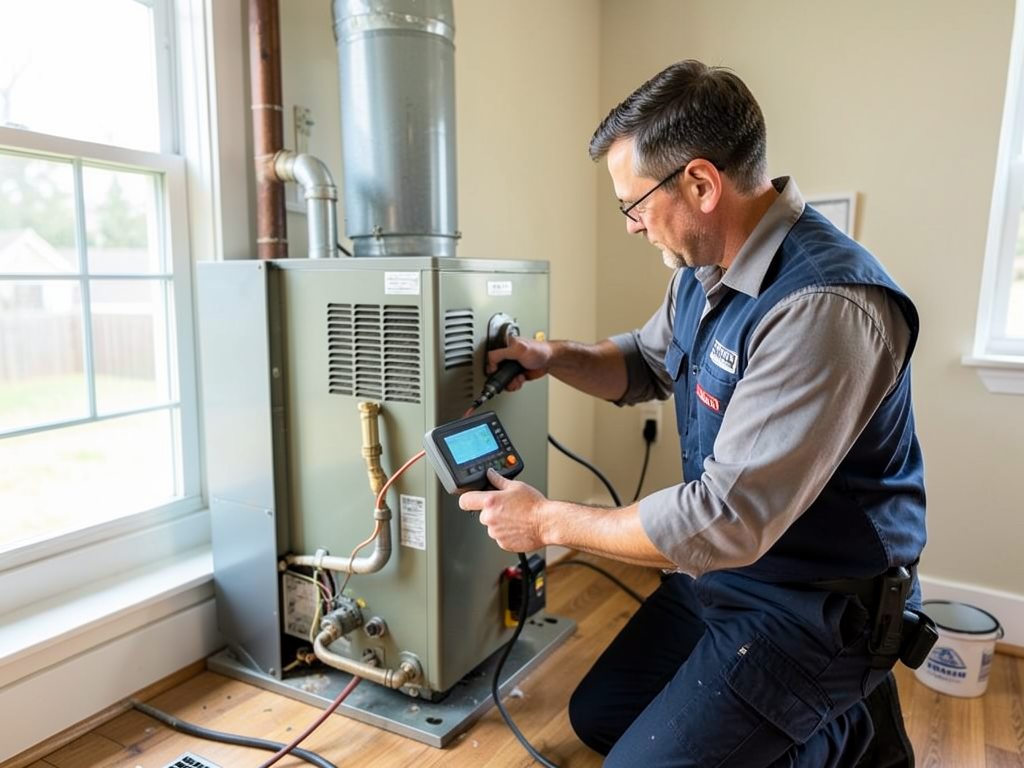
When you call United HVAC Buffalo for gas heater leak repair, we do not guess. We use electronic combustible gas detectors and ultrasonic leak detection tools to pinpoint the exact leak source. Most leaks occur at union fittings, gas valve stems, or heat exchanger cracks. We inspect every connection point, test manifold pressure, and use soap bubble solutions on suspect joints.

If we find a leak at a threaded connection, we shut off the gas supply, disassemble the joint, clean the threads, apply approved pipe dope or Teflon tape, and reassemble to manufacturer torque specifications. If the gas valve is leaking internally, we replace it with an OEM or equivalent valve rated for your furnace model. If the heat exchanger is cracked, we tell you the truth. A cracked heat exchanger means carbon monoxide is mixing with your home's air. That furnace needs replacement, not a patch job.

We do not use shortcuts. We do not use compression fittings on black iron pipe. We do not skip the leak test after repair. Once the repair is complete, we pressurize the system, apply leak detection solution to every joint, and monitor for bubbles. We test the furnace under full load to verify combustion efficiency and confirm safe operation. We check the flame color, measure supply pressure at the manifold, and verify proper venting. You get documentation of the repair, including the leak location, parts replaced, and post-repair test results.

This is not a quick fix. This is life safety work. We follow NFPA 54 and local Buffalo building codes for gas appliance repair. You get a system that is safe, compliant, and reliable.

What Happens During Your Emergency Gas Leak Call

Gas Furnace Leak Repair in Buffalo – Emergency Response Within 60 Minutes
01

Immediate Gas Shutoff

When we arrive, we locate your gas meter and shut off the supply to the furnace. If the leak is severe, we evacuate the area and ventilate the space. We use handheld gas detectors to measure ambient gas concentration and map the leak zone. Your safety comes before diagnostics. We do not energize any electrical equipment or create ignition sources until the area is cleared and ventilated below explosive limits.
02

Leak Detection and Diagnosis

We trace the gas line from the meter to the furnace, inspecting every joint, valve, and fitting. We remove the furnace panels and inspect the gas valve, manifold, burner orifices, and heat exchanger. We pressurize the system with inert gas if needed and use electronic sniffers to isolate the exact leak point. We identify whether the leak is at a connection, within a component, or inside the heat exchanger itself.
03

Repair and Safety Testing

We replace or repair the failed component, restore gas service, and run a full operational test. We check flame rollout, verify proper ignition sequencing, and test the limit switches. We measure carbon monoxide levels in the flue and living space. We provide you with a written report of the findings, repairs performed, and any additional recommendations. You get a system that is safe to operate and compliant with local codes.

Why Buffalo Homeowners Trust Us With Gas Leak Emergencies

Gas leaks are not DIY projects. They are not jobs for the lowest bidder. You need a contractor who understands the Buffalo building code, knows how to work with older gas piping systems, and carries the proper licensing and insurance for gas appliance repair. United HVAC Buffalo has been repairing gas furnaces in Erie County for years. We know the difference between a modern flexible gas connector and the rigid black iron pipe in your 1940s bungalow.

We understand that most Buffalo homes have basements with limited ventilation. A gas leak in a confined space is exponentially more dangerous than one in an open utility room. We know that your furnace is likely located near your water heater, washer, dryer, and electrical panel. That concentration of ignition sources increases risk. We approach every gas leak with the seriousness it deserves.

Our technicians are trained in gas code compliance, combustion analysis, and hazardous atmosphere protocols. We carry liability insurance that covers gas work. We use calibrated tools, not hardware store specials. When we leave your home, you have documentation of the repair, a safe furnace, and peace of mind.

We also know that gas leaks do not happen on a schedule. That is why we offer 24/7 emergency response. You call, we dispatch. We do not tell you to wait until Monday. We do not charge triple rates for weekend service. We treat your emergency like the life safety issue it is. Buffalo homeowners choose us because we show up, we fix it right, and we do not cut corners.

What You Can Expect When You Call for Gas Leak Repair

Rapid Emergency Dispatch

When you call our emergency line, you speak to a live dispatcher, not a voicemail system. We dispatch a certified technician to your Buffalo location within 60 minutes. If the situation is critical, we advise you to evacuate, open windows, and contact National Fuel if needed. We coordinate with first responders if the leak is severe. Our trucks are stocked with common gas valves, fittings, and pipe sections so we can complete most repairs on the first visit. Time is critical in gas leak situations. We move fast.

Thorough Leak Assessment

We do not assume the leak is where you think it is. We test every part of the gas delivery system from the meter to the burners. We use electronic leak detectors, pressure decay tests, and visual inspections. We check for corrosion, mechanical damage, and improper past repairs. If your furnace has a cracked heat exchanger, we show you the crack with a borescope camera. You get a full diagnostic report, not a sales pitch. We explain what is wrong, what needs to be replaced, and why the repair is necessary.

Code-Compliant Repairs

Every repair meets or exceeds NFPA 54 National Fuel Gas Code and local Buffalo ordinances. We use approved materials, proper joint compound, and correct torque specifications. We replace gas valves with OEM or UL-listed equivalents. We do not patch heat exchangers. We do not use unapproved sealants. After the repair, we perform a full leak test and combustion analysis. You get a system that is safe, efficient, and compliant. We document everything for your records and insurance.

Post-Repair Safety Verification

We do not collect payment and leave. We run your furnace through multiple heating cycles. We measure carbon monoxide levels in the exhaust and living space. We verify proper flame color, burner ignition, and limit switch operation. We check the venting system for blockages or backdrafting. We leave you with written documentation of the repairs, test results, and any maintenance recommendations. If we find additional safety issues, we explain them clearly. You get transparency and professional follow-through.

Frequently Asked Questions

You Have Questions,
We Have Answers

How much does it cost to fix a gas leak in a furnace? +

Gas furnace leak repair costs in Buffalo range from $150 for minor fixes like a cracked condensate line to $1,500 for heat exchanger repairs. Emergency service calls outside normal hours add $100 to $200. Buffalo's freeze-thaw cycles stress furnace components, making heat exchanger cracks common in older units. A technician will diagnose the source first. Simple valve replacements run $200 to $400. If your heat exchanger is cracked, replacement often costs more than a new furnace. Get multiple quotes and ask about warranty coverage before committing to expensive repairs.

Can I fix a furnace leak myself? +

No. Never attempt DIY gas furnace leak repair. Gas leaks create explosion and carbon monoxide poisoning risks. You could damage your furnace further or violate local codes. Buffalo building codes require licensed technicians to handle gas line work and pressure testing. Shutting off the gas supply at the meter is your only safe DIY step. Evacuate immediately if you smell rotten eggs or sulfur. Open windows and call a licensed HVAC technician or National Grid emergency line. DIY repairs void manufacturer warranties and can trigger insurance claim denials if damage occurs.

Whose responsibility is it to fix a gas leak? +

Responsibility depends on who owns the equipment and where the leak originates. Homeowners own their furnace and interior gas lines, so you pay for repairs inside your home. National Grid owns the meter and exterior supply lines. If the leak is at the meter or street connection, call National Grid immediately at their emergency number. Landlords must fix furnace leaks in rental properties under New York habitability laws. If you smell gas, evacuate first and determine responsibility later. Safety comes before cost disputes. Document everything for insurance claims.

How much do gas leaks cost to fix? +

Gas leak repairs cost $150 to $1,500 depending on location and severity. A leaking valve or connector replacement runs $150 to $400. Cracked heat exchangers cost $800 to $1,500 but often make more sense to replace the entire furnace. Emergency calls in Buffalo winters add $100 to $200. Pressure testing and leak detection add $100 to $300. Exterior gas line repairs handled by National Grid may be free or billed separately. Always get written estimates before authorizing work. Multiple leaks or corroded components signal it is time for full furnace replacement.

Does homeowners insurance cover furnace leaks? +

Sometimes. Homeowners insurance may cover sudden, accidental furnace leaks and resulting damage like water or fire. Gradual deterioration from poor maintenance is excluded. Gas explosions caused by leaks may be covered under dwelling or liability protection. Review your policy's equipment breakdown endorsement. Some policies exclude furnace components entirely. Document the leak with photos and call your insurer immediately. In Buffalo, frozen pipes causing furnace shutdowns may fall under a separate water damage claim. Never assume coverage. Get written confirmation before repairs to avoid claim denials after paying out of pocket.

What is the $5000 rule for HVAC? +

The $5,000 rule is an informal HVAC guideline for repair versus replacement decisions. Multiply the repair cost by your furnace's age in years. If the total exceeds $5,000, replace the unit instead of repairing. For example, a $1,200 heat exchanger repair on a 6-year-old furnace totals $7,200, so replacement makes financial sense. This rule accounts for declining efficiency and future repair likelihood. Buffalo's harsh winters demand reliable heat. A 15-year-old furnace needing $500 in repairs totals $7,500, signaling replacement. Consult a licensed technician for cost-benefit analysis specific to your situation.

Is it okay to smell a little gas from a furnace? +

No. Any gas smell from your furnace signals danger. Natural gas is odorless, but utilities add mercaptan for safety, creating a rotten egg smell. Even faint odors indicate leaks requiring immediate action. Evacuate your home without using light switches or electronics. Call National Grid's emergency line and a licensed HVAC technician from outside. Buffalo's older housing stock has aging gas lines prone to leaks. Do not ignore intermittent smells. Gas accumulates in basements and crawl spaces, creating explosion risks. Carbon monoxide poisoning is odorless and separate from gas leaks but equally deadly. Install detectors and take every smell seriously.

What is the most expensive part to fix on a furnace? +

The heat exchanger is the most expensive furnace component to repair, costing $800 to $1,500 for parts and labor. This metal chamber transfers heat from combustion gases to your home's air. Cracks develop from thermal stress and corrosion, allowing carbon monoxide leaks. Buffalo's constant heating demand accelerates wear. Heat exchanger failure often makes replacement smarter than repair since labor alone runs $600. Other expensive repairs include blower motors at $400 to $600 and gas valves at $300 to $500. Cracked heat exchangers are safety hazards requiring immediate shutdown and professional evaluation.

Who do you call if your furnace is leaking? +

Call a licensed HVAC technician immediately if your furnace is leaking. For gas odors, evacuate first and call National Grid's emergency line at 1-800-892-2345, then contact an HVAC company offering 24/7 emergency service. For water leaks from condensate lines, call an HVAC technician during business hours unless flooding is severe. Buffalo winters make furnace emergencies urgent. Verify the technician holds New York state licensure and carries liability insurance. Keep your HVAC company's number saved for quick access. Do not wait for business hours if you smell gas or see active leaking that could damage property.

Are gas leaks covered under homeowners insurance? +

Gas leaks may be covered if they result from sudden, accidental events. Explosions or fires caused by gas leaks typically fall under dwelling coverage. Gradual deterioration and maintenance issues are excluded. Damage to other property from a covered gas leak may qualify under personal property or liability protection. Buffalo homeowners should review their policy's equipment breakdown rider and exclusions. Natural gas itself is not covered, but resulting structural damage may be. File claims immediately with documentation. Some policies exclude mechanical failure entirely. Consult your agent before assuming coverage to avoid surprise denials after expensive emergency repairs.

How Buffalo's Aging Housing Stock Increases Gas Leak Risk

Buffalo has one of the oldest housing inventories in the country. Most homes were built before 1960, when gas piping standards were far less stringent. Many basements still have original black iron gas lines with threaded fittings that have been cycled through decades of freeze-thaw movement. The soil in Buffalo contains clay and moisture that shift foundations seasonally. This movement stresses rigid gas piping and creates micro-cracks at joints. Add in the fact that Buffalo winters force furnaces to run continuously for months, and you have a perfect storm for gas line failures. Emergency furnace gas leak service is not rare here. It is a predictable consequence of old infrastructure and harsh climate.

Buffalo code enforcement has become stricter about gas appliance safety in recent years, particularly in rental properties and older homes. Inspectors look for proper venting, compliant gas piping, and functional safety controls. If you are selling a home or updating a rental property, a gas leak or non-compliant furnace installation can kill the deal. Local HVAC contractors who understand Erie County code requirements and the quirks of Buffalo's housing stock are not common. Choose a contractor who knows the difference between a 1920s gravity furnace conversion and a modern high-efficiency install. Local knowledge matters.
HVAC Services in The Buffalo Area

We are proud to serve the entire Buffalo area and its surrounding communities with our expert HVAC services. Our centrally located team allows us to respond quickly to your needs, whether you are in the city or a nearby suburb. We are committed to being your local, trusted resource for all things heating and cooling, and we look forward to serving you right where you are.

Address:
United HVAC Buffalo, 360 Delaware Ave, Buffalo, NY, 14202

Additional Services We Offer

Our news updates

Latest Articles & News from The Blogs

Managing Excessive Dust in Your South Buffalo Home During High Wind Events South Buffalo homes face unique dust challenges when…

Managing Excessive Dust in Your South Buffalo Home During High Wind Events

Managing Excessive Dust in Your South Buffalo Home During High Wind Events South Buffalo homes face unique dust challenges when…

Is it Better to Pay for a Monthly HVAC Maintenance Plan or Just Call When Something Breaks?

Is it Better to Pay for a Monthly HVAC Maintenance Plan or Just Call When Something Breaks? When your furnace…

The Homeowners Guide to Buying a New HVAC System for a Rental Property in University Heights

The Homeowners Guide to Buying a New HVAC System for a Rental Property in University Heights University Heights landlords face…

Contact Us

Do not wait. Do not try to fix it yourself. Call United HVAC Buffalo at (716) 317-7757 right now. We dispatch certified technicians 24/7 across Buffalo and Erie County. Your safety is not negotiable.