menu

Compressor Failure Repair in Buffalo – Same-Day Emergency Service to Stop System Meltdown

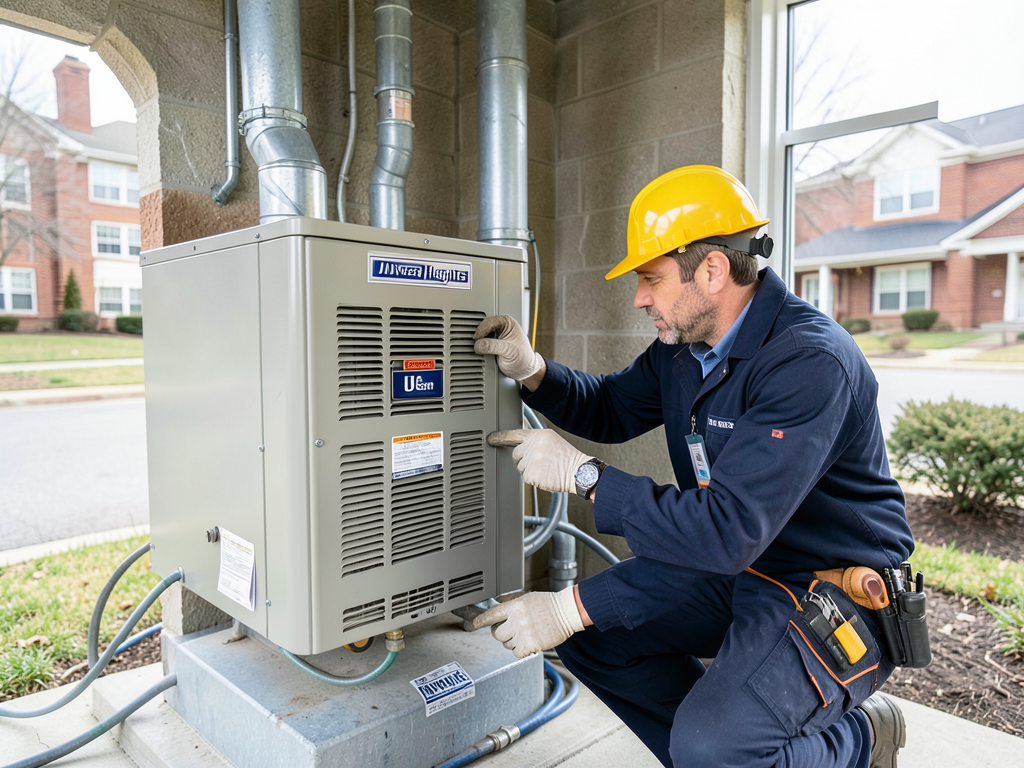
When your AC compressor seizes or burns out, United HVAC Buffalo dispatches certified technicians within the hour to diagnose the failure, prevent refrigerant loss, and restore cooling before heat damage spreads through your home.

Slider Image 1
Slider Image 2
Slider Image 3
Slider Image 4
Slider Image 5
Slider Image 7
Slider Image 8
Slider Image 9
Slider Image 10
Slider Image 11

Why Buffalo's Lake-Effect Heat Waves Kill AC Compressors Fast

Your air conditioner just shut down. The outdoor unit hums but nothing cools. You hear grinding, clicking, or nothing at all. That smell like burning wire. Your compressor failed.

Buffalo's sharp temperature swings wreck compressors faster than steady climates. Spring mornings dip to 45 degrees. Afternoons spike to 85. Your system cycles on and off constantly. That thermal stress cracks valves, burns windings, and seizes pistons. Add the humidity rolling off Lake Erie and you get condensation inside electrical components. Water and voltage do not mix. The result is compressor burnout.

A seized AC compressor does not fix itself. The refrigerant circuit is now contaminated with metal shavings and acid. If you restart the system, you destroy the new compressor within days. This is not a DIY repair. You need a full system flush, filter drier replacement, and proper evacuation before you install new equipment.

Ignoring the problem escalates fast. Refrigerant leaks into your yard. The evaporator coil freezes. Your furnace blower motor overheats trying to push air through ice. What started as a compressor issue becomes a four-figure disaster. Buffalo summers are short, but the heat is real. You need air conditioner compressor repair now, not next week.

United HVAC Buffalo handles broken AC compressor calls every day. We stock OEM compressors for most residential brands. We pull vacuum to 500 microns. We pressure-test before we charge. We do it right the first time because there is no second chance with compressor failure repair.

Why Buffalo's Lake-Effect Heat Waves Kill AC Compressors Fast
How We Replace a Seized Compressor Without Contaminating Your System

How We Replace a Seized Compressor Without Contaminating Your System

AC compressor replacement is not plug and play. The compressor is a sealed chamber. When it fails internally, metal particles circulate through the refrigerant lines. Those particles act like sandpaper inside your expansion valve and evaporator coil. If we just swap the compressor and recharge, the new unit fails within 72 hours. You pay twice.

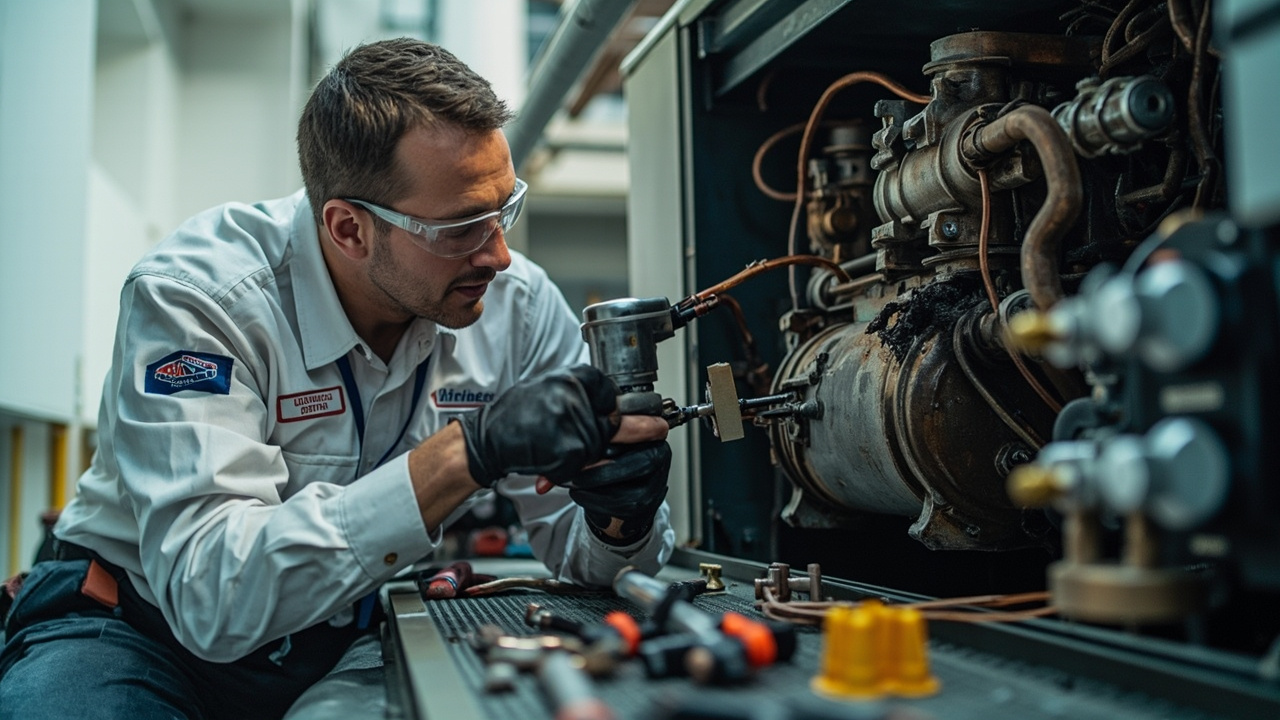
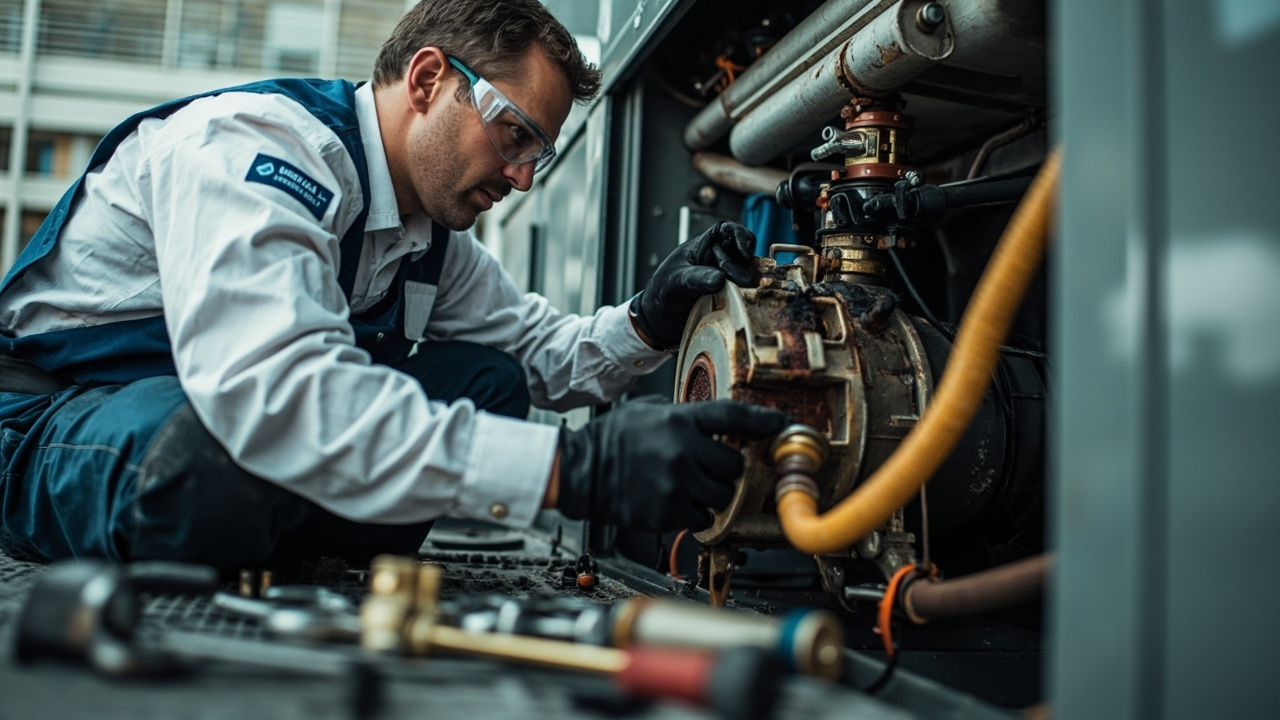
We start with a refrigerant recovery. We pull every ounce of contaminated R-410A or R-22 from the system and capture it in DOT-approved tanks. Next, we cut out the old compressor and inspect the suction line filter. If we see black sludge or metal flakes, we know acid contamination is present. That means the entire refrigerant circuit needs flushing with nitrogen or approved solvents.

We install a burnout filter drier on the liquid line. This oversized filter traps residual acid and moisture during the first few hours of operation. We install a new compressor with the correct tonnage and SEER rating for your outdoor unit. We braze all connections with nitrogen flow to prevent oxidation inside the copper. Dirty brazing creates scale. Scale creates blockages. Blockages create callbacks.

After the mechanical work, we pull vacuum. Most technicians stop at 15 minutes. We run the vacuum pump until the system holds 500 microns for 30 minutes. That proves there are no leaks and no moisture. Moisture in a refrigerant circuit forms hydrochloric acid. Acid eats compressor windings. We eliminate moisture completely.

We charge by subcooling and superheat, not by gauge pressure. We verify airflow across the evaporator coil. We check the start capacitor and contactor. Then we let the system run for 20 minutes and recheck all readings. This is how you replace a seized AC compressor and make it last.

What Happens During Your Emergency Compressor Repair Call

Compressor Failure Repair in Buffalo – Same-Day Emergency Service to Stop System Meltdown
01

Immediate Diagnostic Assessment

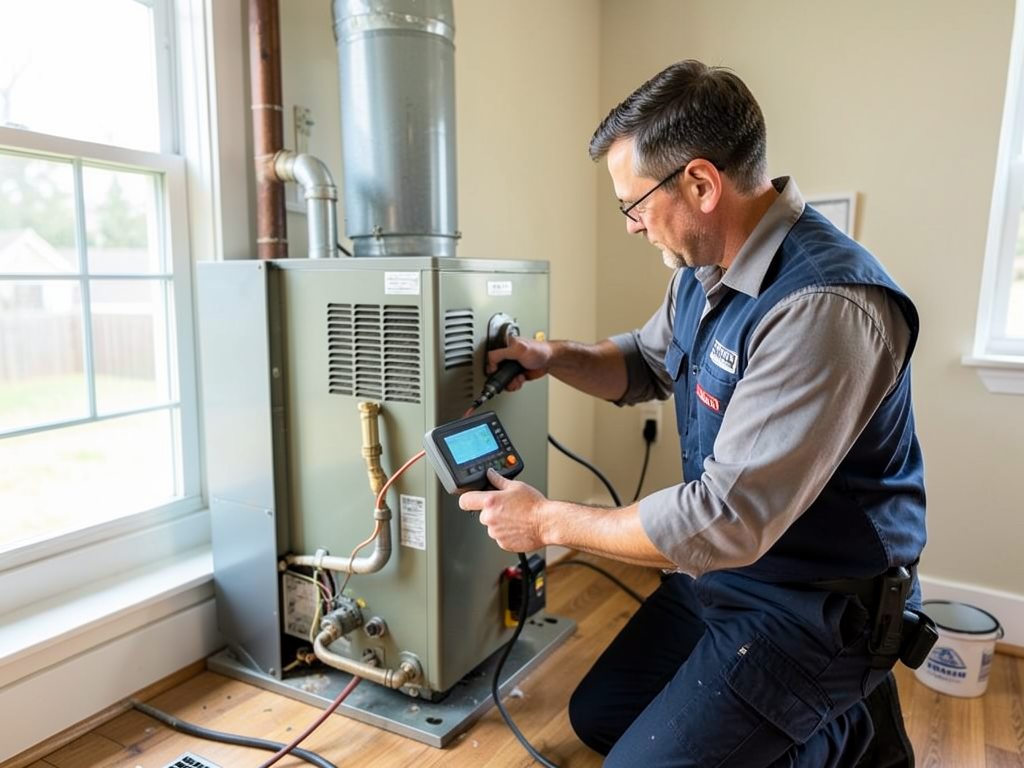
Our technician arrives in a fully stocked van within the hour. We test your compressor with a multimeter to confirm winding resistance and check for a short to ground. We measure amp draw on startup to identify mechanical seizure. We inspect the contactor, capacitor, and disconnect for electrical failure. We tell you exactly what failed and why before we touch a wrench.
02

Contamination Control and Replacement

We recover refrigerant, flush the system if needed, and install the correct replacement compressor for your unit. We use nitrogen purging during brazing to prevent oxidation. We install a burnout filter drier to capture residual acid. We pull a deep vacuum to 500 microns and hold for 30 minutes to verify zero leaks and zero moisture in the sealed system.
03

Performance Verification and System Test

We charge the system using subcooling and superheat measurements, not guesswork. We verify correct airflow, check electrical connections, and monitor compressor amp draw under load. We run the system through a full cooling cycle and recheck all refrigerant pressures. You get written documentation of all readings and a clear explanation of what we repaired and why it failed.

Why Buffalo Homeowners Call United HVAC for Compressor Failure Repair

Compressor replacement is the most expensive HVAC repair you will face. You need a team that does it correctly the first time. United HVAC Buffalo has been fixing broken AC compressors in Elmwood Village, North Buffalo, and South Buffalo for years. We know how Lake Erie humidity kills outdoor units. We know how older homes with undersized electrical panels trip breakers during startup. We know which brands use scroll compressors and which use reciprocating compressors, and we stock both.

Most companies hire subcontractors. We employ W-2 technicians with NATE certification and EPA 608 Universal licenses. They do not guess. They measure. They follow refrigerant circuit diagnostics step by step. They know that replacing a compressor without flushing the system is a guaranteed callback. They know that charging by pressure alone leaves you with poor cooling and high electric bills.

We operate out of Buffalo, not a call center in another state. When your compressor fails on a 90-degree Saturday, we answer. We dispatch. We arrive. We carry the parts you need in our vans because we know what breaks in this climate. We do not make you wait three days for an outdoor unit to ship from a warehouse in Ohio.

Buffalo homes are built close together. You share walls, fences, and property lines. If your outdoor unit leaks refrigerant into your neighbor's garden, you have a problem. If your compressor seizes and sprays oil across their deck, you have a bigger problem. We handle refrigerant recovery and disposal according to EPA regulations. We contain the mess. We protect your property and your relationships.

You will find cheaper quotes. You will not find better work. We flush systems. We pull proper vacuums. We verify our repairs with meters, not assumptions. That is how you fix a seized AC compressor and make it last 10 years, not 10 months.

What to Expect When You Call for Compressor Failure Repair

Emergency Response Time

We dispatch within the hour for compressor failure calls in the Buffalo metro area. Our technicians carry diagnostic meters, refrigerant recovery machines, and common replacement compressors in their vans. You are not added to a callback list. You are not waiting until Tuesday. If your compressor failed this morning, we arrive this afternoon. If it failed this evening, we are on the way. We run emergency service seven days a week because air conditioning failure does not follow business hours, and neither do we.

Full System Diagnostics

We test your compressor with a multimeter to check winding resistance and ground faults. We measure locked rotor amps and running amps. We inspect the start capacitor, run capacitor, and contactor for wear. We check refrigerant pressures on both the high side and low side to identify blockages or restrictions. We open the electrical disconnect and inspect for burnt wires or corrosion. We give you a written diagnostic report before we start repairs. You know what failed, why it failed, and what it takes to fix it.

Proper Refrigerant Circuit Restoration

We recover contaminated refrigerant and flush your system if acid or metal debris is present. We install a new compressor matched to your outdoor unit specifications. We braze with nitrogen flow to prevent oxidation. We pull vacuum to 500 microns and verify it holds for 30 minutes. We charge by superheat and subcooling, not by gauge pressure. We verify airflow across your evaporator coil. We test the system under load and recheck all readings. You get cooling that works and equipment that lasts.

Post-Repair System Monitoring

After we replace your compressor, we install a burnout filter drier to capture residual contaminants during the first 48 hours of operation. We provide written documentation of all refrigerant pressures, superheat, subcooling, and amp draw measurements. We give you a callback number for our service department. If you notice anything unusual in the first week, we return to verify system performance at no charge. Compressor replacement is a major repair. We stand behind our work because we do it right the first time.

Frequently Asked Questions

You Have Questions,
We Have Answers

Can a faulty compressor be fixed? +

Sometimes. A compressor with minor electrical faults or refrigerant leaks can be repaired if caught early. However, most compressor failures involve internal mechanical damage like burned windings, seized bearings, or valve failures that require full replacement. In Buffalo's harsh freeze-thaw climate, compressors work harder during extreme temperature swings, which accelerates wear. A technician will perform a diagnostic test to measure amp draw, check refrigerant levels, and inspect electrical connections. If repair costs exceed 50 percent of replacement value, replacing the compressor or entire condensing unit makes more financial sense. Call 24/7 for emergency diagnosis.

What is the $5000 rule for AC? +

The $5000 rule helps you decide between repair and replacement. Multiply your system's age by the repair cost. If the total exceeds $5000, replace the unit instead of repairing. For example, a 12-year-old system needing a $600 repair equals $7200, so replacement makes sense. Buffalo homeowners face additional considerations like equipment designed for our lake-effect snow and cold winters. Older systems use R-22 refrigerant, which is expensive and phased out. If your compressor fails and triggers the $5000 rule, upgrading to a high-efficiency system designed for northeastern winters will save you money on heating bills long-term.

What is the most common cause of compressor failure? +

Dirty condenser coils cause most compressor failures in Buffalo. When outdoor coils clog with cottonwood seeds, leaves, and road salt residue, airflow drops and the compressor overheats. This forces the motor to work harder, burning out windings. Low refrigerant from slow leaks is the second leading cause, making the compressor run without proper lubrication. Electrical issues like faulty capacitors or contactor failure also kill compressors by causing voltage spikes. Buffalo's temperature extremes stress components during startup cycles. Annual maintenance that includes coil cleaning, refrigerant checks, and electrical testing prevents 80 percent of compressor failures.

How much does it cost to fix an AC compressor? +

Compressor replacement in Buffalo ranges widely based on system type and refrigerant. The work requires refrigerant recovery, brazed connections, vacuum testing, and refrigerant recharge. Older systems using discontinued R-22 refrigerant cost significantly more than newer R-410A systems. If your unit is over 10 years old or requires extensive ductwork modifications, full system replacement often makes better financial sense than compressor-only repair. Emergency calls outside business hours carry premium rates. Multiple quotes help, but prioritize licensed contractors familiar with Buffalo's building codes and climate requirements. Insurance may cover compressor failure if caused by covered events like power surges.

Is it worth it to repair a compressor? +

It depends on age and efficiency. If your system is under 8 years old, compressor repair makes sense. Beyond 10 years, replacement is smarter. Buffalo winters demand reliable heat pumps and AC units. An old, repaired compressor may fail again within months, leaving you without heat during a January cold snap. Factor in refrigerant type. R-22 systems are obsolete and expensive to service. New high-efficiency compressors reduce electric bills by 30 percent and include warranties. If the compressor died from electrical surge, check if homeowner's insurance covers it. For units over a decade old, invest in replacement with proper cold-climate sizing.

What is the 3 minute rule for AC? +

The 3-minute rule prevents compressor damage during rapid cycling. After your AC shuts off, wait at least 3 minutes before restarting. This allows refrigerant pressures to equalize throughout the system. Restarting too quickly forces the compressor to start against high head pressure, which overloads the motor and trips breakers. Buffalo homeowners sometimes flip thermostats on and off during unpredictable spring weather, which damages compressors over time. Modern systems have built-in delay timers, but older units lack this protection. If your breaker trips repeatedly or the compressor struggles to start, you may have electrical damage requiring immediate repair to prevent total failure.

What is the average cost to replace a central AC unit? +

Central AC replacement in Buffalo costs more than national averages due to cold-climate equipment requirements and union labor rates. The price includes removal, new lineset installation, electrical upgrades, condensate drainage, thermostat, and startup. Larger homes or those requiring ductwork modifications pay more. High-efficiency units designed for Buffalo's temperature swings cost more upfront but save on winter heating and summer cooling bills. Installation timing matters. Schedule replacement during spring or fall for better availability and pricing. Emergency summer replacements during heatwaves cost more. Get multiple quotes from licensed contractors familiar with local permitting requirements and code compliance.

What is the average lifespan of an HVAC? +

HVAC systems last 15 to 20 years with proper maintenance in Buffalo. Lake-effect snow, road salt corrosion, and extreme temperature swings between summer humidity and winter cold shorten lifespan compared to milder climates. Furnaces tend to outlast AC units because heating components endure less stress. Systems installed in the early 2000s using R-22 refrigerant are nearing end-of-life and parts availability issues. Annual maintenance including filter changes, coil cleaning, and electrical testing extends lifespan significantly. Cheap builder-grade equipment fails sooner. If your system is over 12 years old and needs major repairs, replacement avoids repeated breakdowns during extreme weather.

Is HVAC system cost tax deductible? +

HVAC replacement qualifies for federal tax credits if you install high-efficiency equipment meeting ENERGY STAR standards. The Inflation Reduction Act offers credits up to 30 percent of installation costs for qualifying heat pumps and central AC systems. Buffalo homeowners benefit from these incentives when upgrading to cold-climate heat pumps that handle our winters. Keep all receipts and manufacturer certification statements for tax filing. Standard repairs and maintenance are not deductible unless the property is a rental or business. Consult a tax professional familiar with New York State energy incentives, which sometimes stack with federal credits for additional savings on qualifying installations.

What kills an AC compressor? +

Dirty coils, low refrigerant, and electrical failures kill most compressors in Buffalo. Restricted airflow from clogged filters or blocked outdoor units causes overheating. Refrigerant leaks remove lubrication and cooling, causing metal-on-metal grinding. Voltage spikes from storms or faulty capacitors burn windings. Contaminants like moisture or air in refrigerant lines create acid that corrodes internal components. Road salt spray corrodes outdoor unit connections, causing electrical shorts. Neglected maintenance accelerates failure. Running the system with a known refrigerant leak destroys the compressor within weeks. Power outages followed by surges when electricity returns can instantly fry compressor motors. Annual professional inspections catch these issues early.

How Buffalo's Freeze-Thaw Cycles and Lake Erie Humidity Destroy AC Compressors Early

Buffalo sees 40-degree temperature swings between morning and afternoon during spring and fall. Your air conditioner cycles on and off constantly as outdoor temperatures fluctuate. That thermal stress cracks compressor valves and wears piston rings faster than steady climates. Add the humidity that rolls off Lake Erie and condensation forms inside electrical components overnight. Water bridges connections inside the compressor contactor. The result is voltage spikes, burnt windings, and sudden compressor failure. AC compressor replacement in Buffalo happens more frequently because the weather punishes outdoor units year-round.

United HVAC Buffalo understands how local weather patterns affect HVAC equipment lifespan. We see the same failure modes across Allentown, Kaisertown, and Black Rock because the climate is consistent across the metro area. We know which brands hold up to freeze-thaw cycles and which fail early. We know how to flush contaminated refrigerant circuits and prevent acid buildup. We follow EPA refrigerant handling regulations and New York State mechanical codes. When you hire local technicians, you get professionals who understand why your compressor failed and how to prevent the next one from following the same path.

HVAC Services in The Buffalo Area

We are proud to serve the entire Buffalo area and its surrounding communities with our expert HVAC services. Our centrally located team allows us to respond quickly to your needs, whether you are in the city or a nearby suburb. We are committed to being your local, trusted resource for all things heating and cooling, and we look forward to serving you right where you are.

Address:
United HVAC Buffalo, 360 Delaware Ave, Buffalo, NY, 14202

Additional Services We Offer

Our news updates

Latest Articles & News from The Blogs

Managing Excessive Dust in Your South Buffalo Home During High Wind Events South Buffalo homes face unique dust challenges when…

Managing Excessive Dust in Your South Buffalo Home During High Wind Events

Managing Excessive Dust in Your South Buffalo Home During High Wind Events South Buffalo homes face unique dust challenges when…

Is it Better to Pay for a Monthly HVAC Maintenance Plan or Just Call When Something Breaks?

Is it Better to Pay for a Monthly HVAC Maintenance Plan or Just Call When Something Breaks? When your furnace…

The Homeowners Guide to Buying a New HVAC System for a Rental Property in University Heights

The Homeowners Guide to Buying a New HVAC System for a Rental Property in University Heights University Heights landlords face…

Contact Us

Call United HVAC Buffalo now at (716) 317-7757 for same-day compressor failure repair. We dispatch immediately, diagnose accurately, and restore cooling fast. Your air conditioner does not wait, and neither should you.