


North Tonawanda sits where Lake Erie meets the Niagara River, creating weather patterns that push HVAC systems to their limits. Winter temperatures regularly drop below 15 degrees, forcing furnaces to run continuously for weeks. Summer humidity from the waterways makes air conditioners work harder to remove moisture, not just cool air. This constant cycling wears out compressors, blower motors, and heat exchangers faster than in milder climates.
The freeze-thaw cycles damage outdoor condensing units. Ice forms around coils during winter, then melts and refreezes, bending fins and blocking airflow. Spring flooding near the river can reach ground-level HVAC equipment in lower areas like Gratwick Hose and Tonawanda Island. Salt air from winter road treatments corrodes copper lines and electrical connections faster than inland locations experience.
Homes built before 1980 in neighborhoods near Oliver Street and Payne Avenue often have undersized ductwork that restricts airflow. Newer construction near the I-190 corridor uses high-efficiency systems that require precise maintenance. Both extremes create service demands. Your system faces conditions that require local expertise to diagnose correctly.
We've repaired thousands of HVAC systems across North Tonawanda, learning which problems show up in which neighborhoods. Homes near the waterfront need different solutions than houses inland. We know how lake effect weather impacts equipment performance. We understand which furnace models handle the constant winter load and which AC units resist corrosion from humid summers.
Our technicians carry diagnostic equipment that identifies problems fast. We stock common parts for systems popular in this area, which means we fix most issues during the first visit instead of scheduling return trips. When we need specialty components, we source them quickly through regional suppliers, not distant warehouses that delay repairs for days.
We don't upsell replacements when repairs make sense. North Tonawanda has many solid older homes with HVAC systems that just need proper maintenance and occasional part replacement. We also recognize when a system has reached the end of its service life and explain your options clearly. Our pricing stays consistent throughout the year because we don't inflate rates during peak demand.
Every technician we send carries full licensing and insurance coverage. We follow New York State mechanical codes and pull permits when required for replacements or major modifications. Our work passes inspection the first time because we know what local inspectors expect. We guarantee all repairs and installations with written warranties that specify exactly what's covered.

Your furnace won't wait until Monday morning to quit, and neither will we. We answer emergency calls around the clock, every day of the year, and dispatch technicians immediately to North Tonawanda locations. Most emergency repairs get completed the same day you call, restoring heat or cooling before the situation becomes dangerous or causes property damage.

Our service vehicles stock parts for the HVAC brands most common in North Tonawanda homes. We carry motors, capacitors, contactors, thermostats, and control boards that fit popular systems. This preparation means we complete most repairs during the initial service call instead of ordering parts and returning days later while you suffer without heating or cooling.
We diagnose the problem first, then explain exactly what needs fixing and what it costs before starting any work. You receive a written estimate that breaks down parts and labor separately. We don't charge extra for nights, weekends, or holidays. The price we quote is the price you pay, with no surprise fees added to the final bill.
We've worked in every North Tonawanda neighborhood and know how location affects HVAC performance. Homes near the river face different challenges than properties inland. We understand which systems handle the humid summers and brutal winters best. This local experience helps us diagnose problems faster and recommend solutions that actually work in this specific climate.
United HVAC Buffalo handles every aspect of residential heating and cooling in North Tonawanda. We repair all major brands of furnaces, air conditioners, heat pumps, and ductless systems. We install new equipment when replacements make more sense than continued repairs. We maintain systems to prevent breakdowns before they happen.
Our service range covers emergency repairs when systems fail completely, routine maintenance that extends equipment life, and full replacements when you need upgraded efficiency or capacity. We work on forced air systems, boilers, radiant heat, central air conditioning, and zone control systems. Whether your home uses natural gas, electric, propane, or oil heating, our technicians have the training and tools to service it properly.
We approach every job by diagnosing the root cause, not just treating symptoms. A furnace that cycles on and off might have a failing limit switch, a clogged filter restricting airflow, or ductwork leaks causing pressure imbalances. We test systematically to identify the real problem, then fix it correctly. This thoroughness prevents callback visits and ensures your system runs reliably after we leave.
When your furnace quits on a February night or your central air fails during a July heat wave, we respond immediately. Emergency HVAC repair focuses on restoring comfort fast. Our technicians diagnose the failure, source the necessary parts, and complete repairs as quickly as possible. We handle no heat calls, no cooling emergencies, strange noises, burning smells, and system lockouts that leave you without climate control when you need it most.
Older HVAC systems eventually reach the point where replacement makes better financial sense than continued repairs. We install high-efficiency furnaces, air conditioners, heat pumps, and ductless systems sized correctly for your home's heating and cooling load. Installation includes proper ductwork modifications, electrical connections, condensate drainage, refrigerant line sets, and thermostat programming. We pull all required permits and ensure the installation passes New York State inspection requirements.
Regular HVAC maintenance catches small problems before they become expensive failures. We inspect and clean your system twice yearly, checking refrigerant pressures, testing electrical components, measuring airflow, examining heat exchangers for cracks, and replacing filters. Maintenance visits keep your equipment running efficiently, reduce energy bills, and extend system life. Members get priority scheduling and discounted rates on repairs when problems do occur.
The combination of extreme cold winters, humid summers, and proximity to water creates specific HVAC challenges in North Tonawanda. Lake effect snow dumps heavy loads on outdoor equipment. Spring flooding can reach ground-level condensing units. Salt spray from winter road treatments accelerates corrosion on exposed components.
Furnaces run continuously through January and February, cycling on and off thousands of times per season. This constant operation wears out igniters, gas valves, blower motors, and limit switches faster than moderate climates experience. Heat exchangers develop cracks from repeated thermal expansion and contraction. Draft inducer motors fail from accumulated exhaust residue.
Air conditioners battle high humidity that forces compressors to work harder removing moisture. Evaporator coils freeze when airflow drops from dirty filters or failing blower motors. Condensate drain lines clog with algae growth in the humid environment. Capacitors fail from electrical stress during startup. These problems show up predictably across North Tonawanda because the climate creates them. Recognizing the patterns helps us diagnose issues faster.
Ice forming on your indoor AC coil indicates restricted airflow or low refrigerant. Dirty filters block air movement, causing the coil temperature to drop below freezing. Refrigerant leaks reduce pressure, creating the same icing effect. We diagnose which problem you have, then fix it by replacing filters, sealing leaks, recharging refrigerant, or cleaning coils to restore proper airflow and cooling performance.
Heat exchangers crack from repeated heating and cooling cycles over many years. Cracks allow combustion gases to mix with household air, creating carbon monoxide danger. We test for cracks using camera inspection and combustion analysis. When we find damage, we explain whether repair or replacement makes better sense based on the furnace age and overall condition.
Capacitors provide the electrical boost motors need to start. When they fail, your AC compressor or blower motor won't run. You'll hear clicking or humming but no air movement. Capacitor failure happens more often during extreme temperatures when systems work hardest. We carry replacement capacitors sized for common North Tonawanda HVAC systems, allowing us to fix this problem during the first service visit.
Faulty thermostats cause short cycling, incorrect temperatures, and system failures. Old mechanical thermostats lose calibration. Digital models develop bad connections or dead batteries. We test thermostat operation against actual temperatures to verify accuracy. When replacement is needed, we install programmable or smart thermostats that improve comfort while reducing energy waste through automated temperature scheduling.
We answer your call with a real person, not a voicemail system. You explain the problem, and we ask specific questions to understand what's happening with your HVAC system. For emergencies, we dispatch a technician immediately. For routine service, we schedule at your convenience, often offering same-day or next-day appointments.
Our technician arrives in a clearly marked vehicle with your appointment confirmed by text or phone call. They introduce themselves, put on shoe covers, and ask you to describe the problem in detail. They listen to unusual sounds, check thermostat settings, and begin systematic diagnosis using testing equipment. They explain what they're checking and why.
Once they identify the problem, they explain what failed, why it happened, and what repair options exist. They provide a written estimate before starting any work. If you approve the repair, they complete it and test the system thoroughly to confirm proper operation. They clean up completely, dispose of old parts, and answer any questions about preventing future problems.
We explain problems in plain language without technical jargon that confuses rather than clarifies. You'll understand what broke, why it matters, and what happens if you don't fix it. We show you the failed parts when possible so you can see the damage yourself. If multiple repair options exist, we explain the differences in cost and longevity so you can make an informed decision about your home's comfort system.
Our technicians treat your property carefully. We use drop cloths and floor protection when carrying equipment through your home. We work efficiently to complete repairs as quickly as possible without rushing through important diagnostic steps. If we need to return for parts, we explain the timeline clearly and prioritize your callback. We arrive within the scheduled window and call ahead if delays occur.
Every repair comes with a written warranty covering parts and labor. If the same problem returns within the warranty period, we fix it at no additional charge. We test systems thoroughly before leaving to ensure proper operation. We remove all packaging materials, old parts, and debris. Your HVAC area looks cleaner after we finish than when we arrived. We provide maintenance recommendations to prevent future problems.
HVAC repair shouldn't be complicated or stressful. We've streamlined our service process to get your system working again as quickly as possible while keeping you informed at every step.
Call (716) 317-7757 and describe your HVAC problem. We gather key information about your system and symptoms, then dispatch a certified technician to your North Tonawanda location. For emergencies, we respond immediately. For scheduled maintenance or non-urgent repairs, we offer convenient appointment times that fit your schedule. You receive confirmation with the technician's estimated arrival time.
Our technician examines your HVAC system using diagnostic tools that measure temperatures, pressures, voltages, and airflow. They identify the failed component and explain what needs fixing. You receive a written estimate before any repair work begins. Once you approve, they complete the repair using quality parts and test the system thoroughly to confirm it's operating correctly and safely.
After completing the repair, we verify your heating or cooling system maintains proper temperatures and operates quietly. We review the work performed and provide maintenance recommendations to prevent future problems. You receive written documentation of the service, warranty information, and our direct contact number for any follow-up questions. We follow up after a few days to confirm everything continues working properly.
All HVAC work in North Tonawanda must comply with New York State Uniform Fire Prevention and Building Code, which adopts the International Mechanical Code with state-specific modifications. This code governs equipment installation, ductwork construction, ventilation requirements, and combustion air supply for fuel-burning appliances. Furnace installations require permits from the North Tonawanda Building Department, which inspects the work to verify code compliance.
Refrigerant handling follows EPA Section 608 regulations requiring technician certification for systems containing more than 50 pounds of refrigerant. Even smaller residential systems need proper recovery and recycling procedures. We use certified recovery equipment and document refrigerant additions to comply with federal tracking requirements. Improper refrigerant handling damages the environment and creates legal liability.
Gas line connections must meet National Fuel Gas Code standards for pipe sizing, pressure testing, and leak detection. We pressure test all gas connections at 15 PSI for 15 minutes minimum before connecting appliances. Condensate drainage requires proper trap configuration and drainage to approved locations, not just dumped on the ground where it causes foundation problems. Electrical connections follow National Electric Code requirements for circuit sizing, disconnect placement, and proper grounding.
Heat load calculations determine correct equipment sizing using Manual J methodology. Installing oversized equipment wastes energy and creates short cycling problems. Undersized systems can't maintain comfort during temperature extremes. We measure your home's square footage, insulation levels, window area, and orientation to calculate precise heating and cooling requirements. This engineering approach ensures your new system performs efficiently.
R-22 refrigerant production ended in 2020, making it expensive and scarce for older AC systems. Most repairs now use R-410A refrigerant in new equipment. You cannot mix refrigerant types without complete system replacement because they require different pressures and lubricants. When R-22 systems need major repairs, replacement often costs less than continued service on obsolete equipment.
Furnace efficiency is measured by AFUE rating showing what percentage of fuel becomes heat. Modern furnaces range from 80% to 98% AFUE. Air conditioner efficiency uses SEER rating, with higher numbers indicating better efficiency. New York doesn't mandate minimum efficiency levels beyond federal standards, but higher efficiency reduces operating costs significantly in North Tonawanda's climate with long heating and cooling seasons.
Furnaces typically last 15 to 20 years with proper maintenance. Air conditioners average 12 to 15 years. North Tonawanda's extreme weather and continuous operation often reduces these lifespans. A 20-year-old furnace approaching failure makes replacement more economical than major repairs. Newer systems offer better efficiency and reliability than keeping old equipment limping along with repeated repair costs.
Furnace and central air conditioning replacements require permits from North Tonawanda Building Department. The installation must pass inspection verifying proper venting, gas connections, electrical wiring, and condensate drainage. Contractors performing work without permits create liability for homeowners and often fail to meet code requirements. We handle all permitting and coordinate inspections as part of every installation project.
This video explains common HVAC problems in North Tonawanda, New York, including why heating and cooling systems fail more often in this climate. United HVAC Buffalo covers emergency repair symptoms, maintenance that prevents breakdowns, refrigerant transitions, efficiency ratings, and what homeowners should expect during service calls. The video provides practical guidance for residents facing furnace or air conditioner problems in the North Tonawanda area.
United HVAC Buffalo provides heating and cooling service throughout North Tonawanda, from the historic homes near Webster Street and Oliver Street to newer construction along the I-190 corridor near Sheridan Drive. We service properties in Gratwick Riverside Park area where lake effect weather impacts outdoor equipment more heavily. Homes near the Erie Canal and Niagara River face humidity challenges that affect air conditioning performance and require regular maintenance to prevent mold growth in ductwork.
The neighborhoods around Payne Avenue and Wheatfield Street contain many post-war homes with original HVAC systems now reaching replacement age. These properties often need ductwork modifications to accommodate modern high-efficiency equipment. We've upgraded hundreds of systems in this area, improving comfort while reducing energy costs through properly sized installations that match the heating and cooling loads.
Properties near Twin City Memorial Highway and Military Road experience road salt exposure that corrodes outdoor condensing units faster than inland locations. We recommend protective treatments and elevated mounting to extend equipment life in these areas. The Tonawanda Island community faces unique challenges with flood risk requiring elevated installations and special electrical considerations for outdoor equipment.
We serve commercial properties along Niagara Falls Boulevard and residential areas extending to the Amherst town line. Our service territory includes the entire North Tonawanda zip code 14120 and surrounding Erie County and Niagara County areas within rapid response distance. We know which HVAC contractors serve which neighborhoods and pride ourselves on faster response times than competitors dispatching from Buffalo or Niagara Falls. Our familiarity with North Tonawanda's street layout, traffic patterns, and property types means we arrive faster and diagnose problems more efficiently because we've worked in your neighborhood before.
HVAC system replacement expenses in North Tonawanda depend on your home size, equipment efficiency, and installation complexity. A complete system for an average home typically includes a furnace and air conditioner. Larger homes need more powerful equipment. High-efficiency models reduce long-term energy bills. Your home's existing ductwork condition affects total investment. Get quotes from three local contractors. Ask about financing options and seasonal promotions. Many North Tonawanda HVAC companies offer payment plans. System quality matters more than choosing the cheapest option. Better equipment lasts longer and performs more reliably during harsh winters.
Your home's square footage determines HVAC system size. North Tonawanda homes typically need 1 ton of cooling per 400-600 square feet. A professional load calculation considers insulation quality, window count, ceiling height, and home orientation. Oversized systems short-cycle and waste energy. Undersized systems run constantly and fail to maintain comfort. Your home's age affects sizing needs. Older homes with poor insulation need more capacity. New construction with modern insulation needs less. Schedule an in-home assessment. Technicians use Manual J calculations to determine exact requirements. Proper sizing saves money and extends equipment life.
Schedule HVAC maintenance twice yearly in North Tonawanda. Get furnace service each fall before heating season starts. Schedule air conditioner maintenance each spring before summer heat arrives. Regular maintenance prevents breakdowns during temperature extremes. Technicians clean components, check refrigerant levels, test safety controls, and identify worn parts. Dirty filters reduce efficiency and strain your system. Change filters every 1-3 months depending on usage. Maintenance plans often include priority service and repair discounts. Well-maintained systems last 5-10 years longer than neglected ones. Keep records of all service visits for warranty purposes.
HVAC system replacement expenses in North Tonawanda depend on your home size, equipment efficiency, and installation complexity. A complete system for an average home typically includes a furnace and air conditioner. Larger homes need more powerful equipment. High-efficiency models reduce long-term energy bills. Your home's existing ductwork condition affects total investment. Get quotes from three local contractors. Ask about financing options and seasonal promotions. Many North Tonawanda HVAC companies offer payment plans. System quality matters more than choosing the cheapest option. Better equipment lasts longer and performs more reliably during harsh winters.
Your home's square footage determines HVAC system size. North Tonawanda homes typically need 1 ton of cooling per 400-600 square feet. A professional load calculation considers insulation quality, window count, ceiling height, and home orientation. Oversized systems short-cycle and waste energy. Undersized systems run constantly and fail to maintain comfort. Your home's age affects sizing needs. Older homes with poor insulation need more capacity. New construction with modern insulation needs less. Schedule an in-home assessment. Technicians use Manual J calculations to determine exact requirements. Proper sizing saves money and extends equipment life.
Schedule HVAC maintenance twice yearly in North Tonawanda. Get furnace service each fall before heating season starts. Schedule air conditioner maintenance each spring before summer heat arrives. Regular maintenance prevents breakdowns during temperature extremes. Technicians clean components, check refrigerant levels, test safety controls, and identify worn parts. Dirty filters reduce efficiency and strain your system. Change filters every 1-3 months depending on usage. Maintenance plans often include priority service and repair discounts. Well-maintained systems last 5-10 years longer than neglected ones. Keep records of all service visits for warranty purposes.
Air conditioner freezing happens for several reasons. Dirty air filters restrict airflow over evaporator coils. Low refrigerant from leaks causes improper cooling cycles. Blocked return vents prevent proper air circulation. Your blower fan might be malfunctioning. North Tonawanda humidity affects freeze-up frequency. Turn off your AC immediately when you notice ice buildup. Let ice melt completely before restarting. Check and replace dirty filters first. Open all supply and return vents. If freezing continues, call a technician. Refrigerant leaks need professional repair. Running a frozen AC damages your compressor and costs more to fix.
New furnace installation in North Tonawanda takes 4-8 hours for straightforward replacements. Complex installations requiring ductwork modifications take 1-2 days. Your existing system type affects timing. Replacing an old furnace with a similar model goes faster. Upgrading to high-efficiency equipment or changing fuel types takes longer. Contractors need permits for some installations. Winter installations might take longer due to weather conditions. Schedule installation during mild weather when possible. Ask your contractor about timeline expectations. Experienced installers work efficiently and clean up thoroughly. Most North Tonawanda homes regain heating the same day.
Top HVAC brands for North Tonawanda winters include Carrier, Lennox, Trane, Rheem, and Bryant. These manufacturers build furnaces rated for extreme cold. Look for units with AFUE ratings above 95 percent for maximum efficiency. Two-stage and modulating furnaces provide better temperature control. Variable-speed blowers improve comfort and reduce noise. Quality heat exchangers last longer in harsh climates. Your installer's expertise matters as much as brand choice. Poor installation ruins good equipment. Choose brands with strong local service networks. Many manufacturers offer extended warranties. Ask about parts availability in your area.
North Tonawanda winters create extremely dry indoor air. Heating systems remove moisture from your home. Low humidity causes dry skin, bloody noses, static electricity, and respiratory irritation. Wood floors and furniture crack in dry conditions. Ideal indoor humidity ranges from 30-50 percent. Whole-home humidifiers attach to your furnace and add moisture automatically. They distribute humidity evenly throughout your house. Portable humidifiers work for single rooms. Test your home's humidity with an inexpensive hygrometer. High humidity promotes mold growth. Balance is important. Humidifiers reduce heating bills because moist air feels warmer.
Lower North Tonawanda heating bills by improving insulation first. Air leaks around windows and doors waste energy. Seal gaps with weatherstripping and caulk. Programmable thermostats reduce heating when you sleep or leave home. Lower your thermostat by 2-3 degrees. Add ceiling fans to circulate warm air downward. Close vents in unused rooms. Replace furnace filters monthly during heating season. Schedule annual furnace maintenance for peak efficiency. Upgrade to a high-efficiency furnace when replacing old equipment. Add attic insulation to R-49 or higher. Close curtains at night to reduce heat loss through windows.
HVAC systems in North Tonawanda last 15-25 years with proper maintenance. Furnaces typically last 15-20 years. Air conditioners last 12-15 years. Heat pumps last 10-15 years due to year-round use. North Tonawanda's cold winters stress heating equipment more than cooling systems. Salt air from nearby Lake Erie affects outdoor unit longevity. Regular maintenance extends system life significantly. Neglected systems fail years earlier. High-efficiency equipment often lasts longer due to better construction. Installation quality affects lifespan tremendously. Oversized systems wear out faster from short-cycling. Keep maintenance records to track your system's age and performance.
Many North Tonawanda HVAC companies provide emergency repair services. Local contractors offer 24/7 availability for heating failures during winter and cooling breakdowns in summer. Emergency services typically include evenings, weekends, and holidays. Response times vary by company and weather conditions. Search online for companies advertising emergency services. Read reviews about response times and service quality. Save multiple contractor numbers before emergencies happen. Some companies charge premium rates for after-hours calls. Regular maintenance customers often receive priority emergency service. Ask about emergency availability when choosing your HVAC contractor. Local companies respond faster than national chains.
Air conditioner freezing happens for several reasons. Dirty air filters restrict airflow over evaporator coils. Low refrigerant from leaks causes improper cooling cycles. Blocked return vents prevent proper air circulation. Your blower fan might be malfunctioning. North Tonawanda humidity affects freeze-up frequency. Turn off your AC immediately when you notice ice buildup. Let ice melt completely before restarting. Check and replace dirty filters first. Open all supply and return vents. If freezing continues, call a technician. Refrigerant leaks need professional repair. Running a frozen AC damages your compressor and costs more to fix.
New furnace installation in North Tonawanda takes 4-8 hours for straightforward replacements. Complex installations requiring ductwork modifications take 1-2 days. Your existing system type affects timing. Replacing an old furnace with a similar model goes faster. Upgrading to high-efficiency equipment or changing fuel types takes longer. Contractors need permits for some installations. Winter installations might take longer due to weather conditions. Schedule installation during mild weather when possible. Ask your contractor about timeline expectations. Experienced installers work efficiently and clean up thoroughly. Most North Tonawanda homes regain heating the same day.
Top HVAC brands for North Tonawanda winters include Carrier, Lennox, Trane, Rheem, and Bryant. These manufacturers build furnaces rated for extreme cold. Look for units with AFUE ratings above 95 percent for maximum efficiency. Two-stage and modulating furnaces provide better temperature control. Variable-speed blowers improve comfort and reduce noise. Quality heat exchangers last longer in harsh climates. Your installer's expertise matters as much as brand choice. Poor installation ruins good equipment. Choose brands with strong local service networks. Many manufacturers offer extended warranties. Ask about parts availability in your area.
North Tonawanda winters create extremely dry indoor air. Heating systems remove moisture from your home. Low humidity causes dry skin, bloody noses, static electricity, and respiratory irritation. Wood floors and furniture crack in dry conditions. Ideal indoor humidity ranges from 30-50 percent. Whole-home humidifiers attach to your furnace and add moisture automatically. They distribute humidity evenly throughout your house. Portable humidifiers work for single rooms. Test your home's humidity with an inexpensive hygrometer. High humidity promotes mold growth. Balance is important. Humidifiers reduce heating bills because moist air feels warmer.
Lower North Tonawanda heating bills by improving insulation first. Air leaks around windows and doors waste energy. Seal gaps with weatherstripping and caulk. Programmable thermostats reduce heating when you sleep or leave home. Lower your thermostat by 2-3 degrees. Add ceiling fans to circulate warm air downward. Close vents in unused rooms. Replace furnace filters monthly during heating season. Schedule annual furnace maintenance for peak efficiency. Upgrade to a high-efficiency furnace when replacing old equipment. Add attic insulation to R-49 or higher. Close curtains at night to reduce heat loss through windows.
HVAC systems in North Tonawanda last 15-25 years with proper maintenance. Furnaces typically last 15-20 years. Air conditioners last 12-15 years. Heat pumps last 10-15 years due to year-round use. North Tonawanda's cold winters stress heating equipment more than cooling systems. Salt air from nearby Lake Erie affects outdoor unit longevity. Regular maintenance extends system life significantly. Neglected systems fail years earlier. High-efficiency equipment often lasts longer due to better construction. Installation quality affects lifespan tremendously. Oversized systems wear out faster from short-cycling. Keep maintenance records to track your system's age and performance.
Many North Tonawanda HVAC companies provide emergency repair services. Local contractors offer 24/7 availability for heating failures during winter and cooling breakdowns in summer. Emergency services typically include evenings, weekends, and holidays. Response times vary by company and weather conditions. Search online for companies advertising emergency services. Read reviews about response times and service quality. Save multiple contractor numbers before emergencies happen. Some companies charge premium rates for after-hours calls. Regular maintenance customers often receive priority emergency service. Ask about emergency availability when choosing your HVAC contractor. Local companies respond faster than national chains.
We are proud to serve the entire Buffalo area and its surrounding communities with our expert HVAC services. Our centrally located team allows us to respond quickly to your needs, whether you are in the city or a nearby suburb. We are committed to being your local, trusted resource for all things heating and cooling, and we look forward to serving you right where you are.
Address:
North Tonawanda, NY, 14120
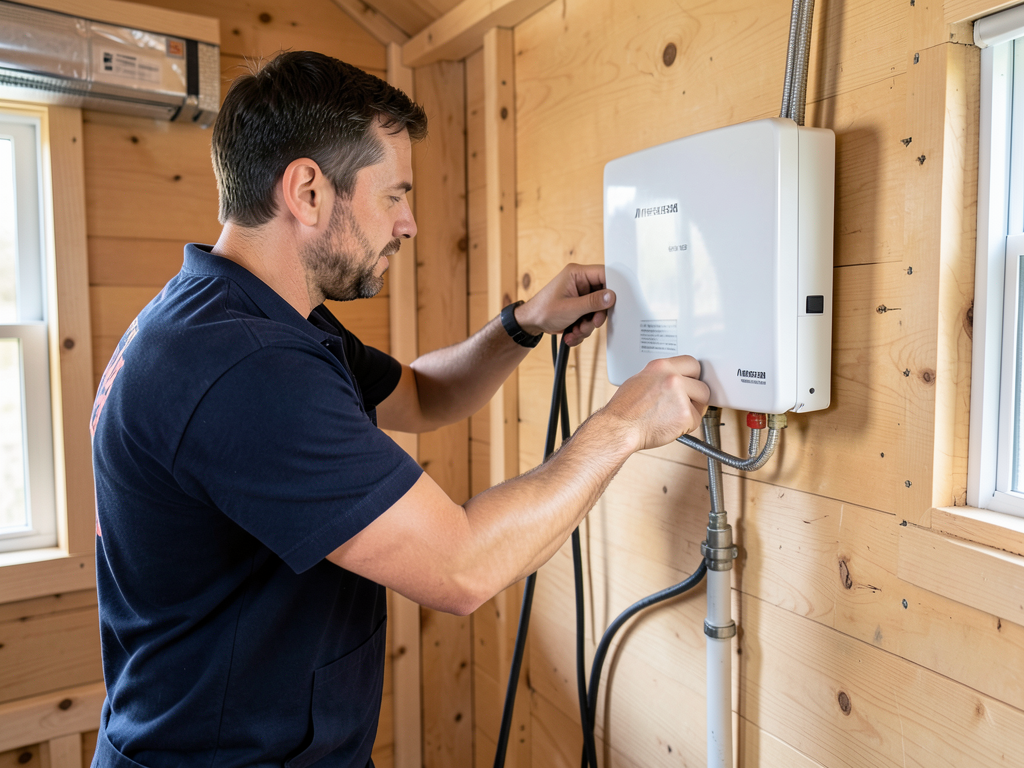
How to Heat a Small Accessory Dwelling Unit or Tiny Home in Williamsville Keeping a tiny home or accessory dwelling unit warm in Williamsville means understanding both the extreme Western New York climate and the…
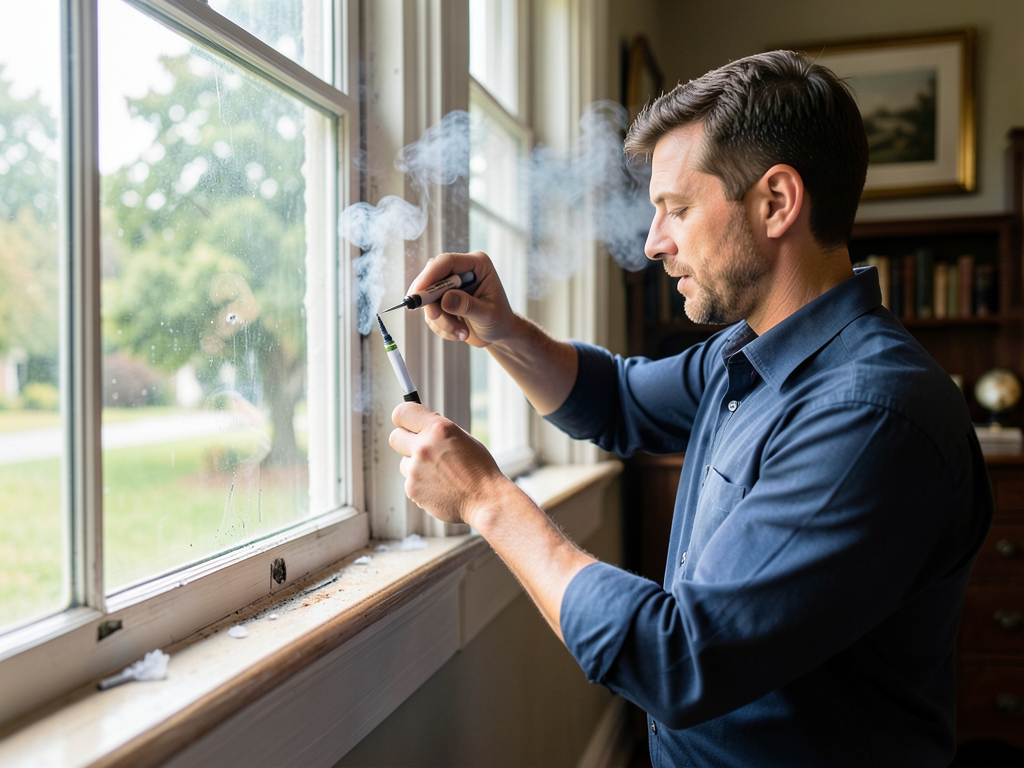
Managing Excessive Dust in Your South Buffalo Home During High Wind Events South Buffalo homes…
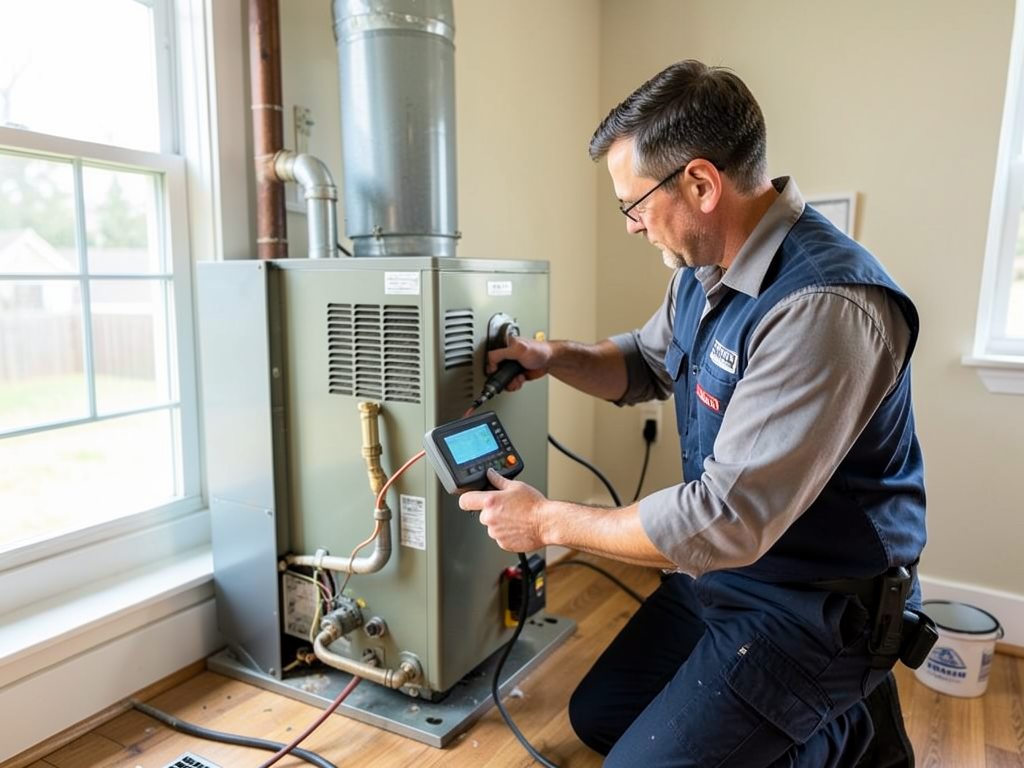
Is it Better to Pay for a Monthly HVAC Maintenance Plan or Just Call When…
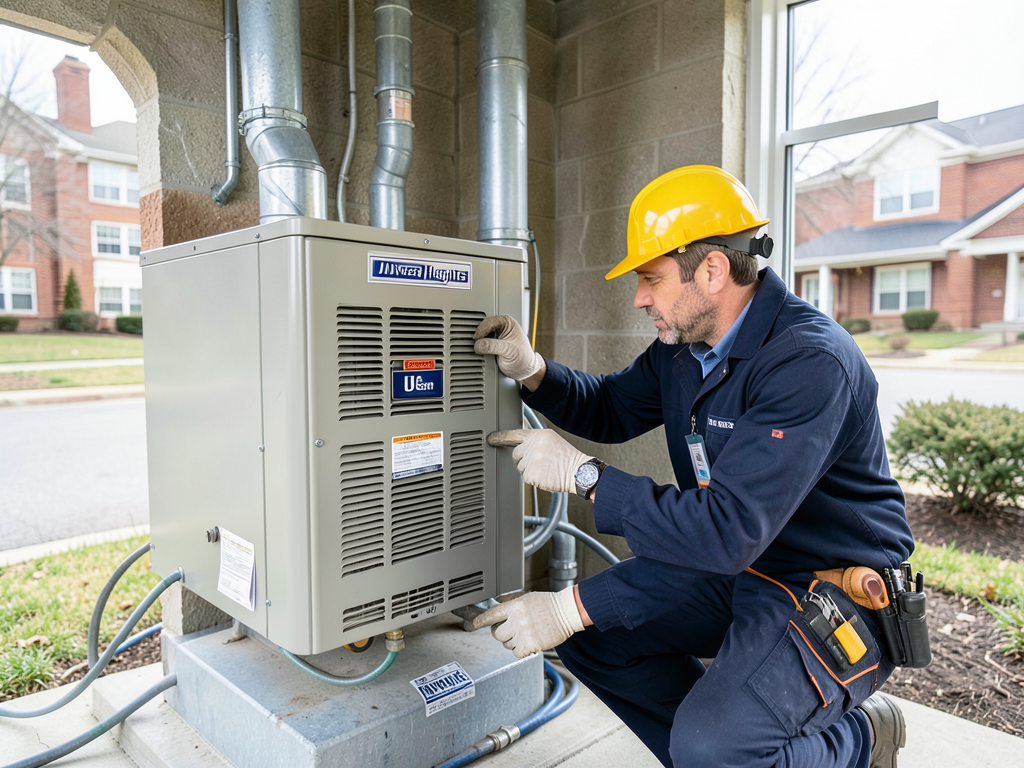
The Homeowners Guide to Buying a New HVAC System for a Rental Property in University…
Your comfort can't wait when heating or cooling fails. Call United HVAC Buffalo now at (716) 317-7757 for immediate dispatch to your North Tonawanda home. We answer 24/7 and respond fast with certified technicians ready to fix your system right the first time.