
The Real Cost of Installing Central Air in Older Elmwood Village Homes
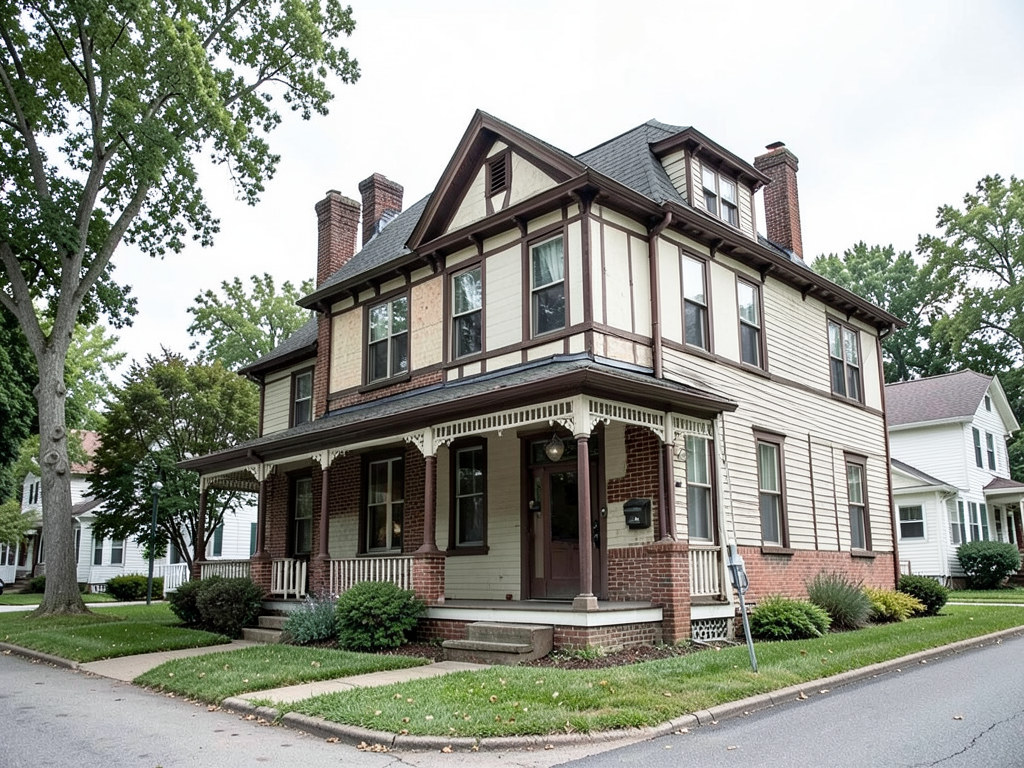
Installing central air in Elmwood Village’s historic homes comes with unique challenges and costs that homeowners need to understand before starting the project. The neighborhood’s 1920s and 1930s architecture with its narrow lots and balloon-frame construction creates specific retrofitting hurdles that affect both the installation process and your final price tag.
The real cost for central air installation in Elmwood Village typically ranges from $8,500 to $15,000 for a complete system but this varies significantly based on your home’s specific characteristics. Homes built before 1950 often lack existing ductwork requiring extensive modifications that can double your installation costs. The Buffalo climate with its high humidity summers and rapid temperature swings also influences system sizing and efficiency requirements.
Understanding these factors helps you budget accurately and avoid surprises during installation. This guide breaks down the real costs challenges and solutions for bringing modern cooling to Elmwood Village’s historic housing stock.
Why Elmwood Village Homes Present Unique Installation Challenges
Elmwood Village’s architectural character while charming creates specific HVAC installation obstacles. The neighborhood’s historic district designation means many homes cannot modify their exterior appearance limiting outdoor unit placement options. Additionally the narrow lots common in this area often restrict where technicians can position condensers without violating setback requirements.
Older construction methods also complicate installations. Many Elmwood Village homes use plaster and lath walls instead of modern drywall making duct routing more invasive. The balloon-frame construction common in 1920s builds creates large wall cavities that can be used for ductwork but accessing these spaces requires careful demolition and reconstruction.
Local building codes add another layer of complexity. Erie County requires mechanical permits for all HVAC installations and Elmwood Village’s historic district has additional review requirements for any exterior modifications. These regulatory hurdles can extend project timelines by several weeks.
Cost Breakdown by Installation Type
Understanding the different installation approaches helps you compare quotes accurately. Each method has distinct cost implications based on your home’s existing infrastructure and your comfort priorities.
Traditional ducted systems represent the most expensive option but provide whole-house cooling. These installations typically cost $12,000 to $18,000 in Elmwood Village due to the extensive ductwork required. The process involves cutting access points in walls running ducts through attic or basement spaces and often rebuilding sections of interior walls.
Ductless mini-split systems offer a more affordable alternative at $5,000 to $10,000. These systems eliminate the need for extensive ductwork by using individual wall-mounted units connected to an outdoor compressor. While less invasive mini-splits may not provide the same whole-house comfort as traditional systems particularly in larger Elmwood Village homes with high ceilings.
High-velocity systems occupy a middle ground at $9,000 to $14,000. These use small flexible ducts that can be routed through existing wall cavities with minimal demolition. The systems operate at higher pressures allowing them to deliver adequate cooling through smaller ducts. However they require specialized equipment and may produce more noise than traditional systems.
The True Cost of Ductwork in Historic Homes
Ductwork represents the single largest variable cost in Elmwood Village installations. Homes without existing ducts can expect to pay $3,000 to $8,000 just for the duct system depending on home size and complexity. The process involves not just material costs but also the labor for demolition routing and reconstruction.
Many Elmwood Village homes have limited space for conventional ductwork. Attics in these older homes often lack sufficient clearance and basements frequently have low ceilings that restrict duct routing options. These spatial constraints sometimes require creative solutions like running ducts through closets or building soffits to conceal ductwork.
Material quality significantly impacts both cost and performance. Standard sheet metal ductwork costs less but may not seal as effectively as modern flexible duct systems. High-efficiency homes benefit from properly sealed and insulated ducts which can add $1,000 to $2,000 to your project but reduce energy costs over time.
Permitting and Code Requirements in Erie County
Erie County’s mechanical permit process adds both time and cost to your installation project. The permit fee alone ranges from $150 to $300 but the real cost comes from ensuring your installation meets all current code requirements. These regulations exist to protect homeowners and ensure system efficiency.
NYS Uniform Fire Prevention and Building Code Section 1101.0 requires all HVAC installations to meet specific sizing and efficiency standards. This means your contractor must perform detailed load calculations rather than simply replacing existing equipment with similar-sized units. These calculations while adding upfront cost ensure your system operates efficiently and provides adequate cooling. NYS Uniform Fire Prevention and Building Code.
Electrical requirements often surprise homeowners. Many Elmwood Village homes have 60-amp electrical services that cannot support modern AC systems which typically require 30-amp dedicated circuits. Upgrading your electrical service can add $1,500 to $3,000 to your project though this investment improves your home’s overall electrical capacity.
Energy Efficiency and Operating Costs in Buffalo’s Climate
Buffalo’s climate creates specific efficiency challenges that affect both installation costs and long-term operating expenses. The region’s high summer humidity means systems must handle both cooling and dehumidification requiring larger or more efficient equipment than homes in drier climates.
SEER2 ratings the current efficiency standard directly impact your installation costs. Higher SEER2 units cost more upfront but can reduce monthly cooling costs by 20-30%. In Buffalo’s climate where cooling seasons are relatively short but intense the payback period for high-efficiency units typically ranges from 5 to 8 years.
Proper system sizing becomes critical in Elmwood Village’s older homes. Many of these houses have poor insulation and air sealing causing heat gain that oversized systems cannot effectively manage. A properly sized system while potentially more expensive initially operates more efficiently and provides better comfort than an oversized unit.
Available Rebates and Financial Incentives
NYSERDA’s Clean Heat Program offers substantial rebates that can offset installation costs by $1,000 to $4,000 for qualifying high-efficiency systems. These incentives specifically target heat pump installations which provide both heating and cooling capabilities. For Elmwood Village homeowners this represents significant savings on what would otherwise be a substantial investment. NYSERDA Clean Heat Program.
Federal tax credits under the Inflation Reduction Act provide additional savings of up to 30% on qualifying equipment capped at $2,000. These credits apply to both the equipment and installation costs making high-efficiency systems more financially accessible. However the application process requires careful documentation and timing your installation correctly.
Local utility rebates from National Grid and New York State Electric & Gas can provide additional $200 to $500 savings. These programs often have specific efficiency requirements and may only be available during certain times of year. Working with a contractor familiar with these programs ensures you maximize available incentives. National Grid rebates.
Seasonal Timing and Installation Windows
Timing your installation affects both cost and convenience. The optimal installation window in Buffalo runs from late September through early May when HVAC contractors have lighter schedules and may offer discounted rates. Installing during these shoulder seasons can save you 10-15% compared to peak summer pricing.
Emergency replacements during heat waves often cost 20-30% more due to premium pricing and rushed scheduling. Additionally material shortages during peak demand can delay projects and increase costs. Planning your installation during slower periods provides both financial and scheduling advantages.
Weather considerations also impact installation timing. Buffalo’s lake-effect snow can delay outdoor work particularly for condenser placement and electrical connections. Scheduling your installation for early spring or late fall minimizes weather-related delays and ensures your system is ready before summer heat arrives.
Comparing Installation Options: A Cost Analysis
| Installation Type | Initial Cost Range | Typical Timeline | Best For |
|---|---|---|---|
| Traditional Ducted | $12,000 – $18,000 | 3-5 days | Whole-house cooling needs |
| Ductless Mini-Split | $5,000 – $10,000 | 1-2 days | Room-by-room control |
| High-Velocity | $9,000 – $14,000 | 2-4 days | Minimal demolition preference |
Hidden Costs to Consider
Several costs often surprise Elmwood Village homeowners during the installation process. Understanding these potential expenses helps you budget accurately and avoid financial strain during your project.
Structural modifications represent a common unexpected expense. Many Elmwood Village homes require floor reinforcement to support new equipment particularly in attics or upper floors. These modifications can add $500 to $2,000 to your project depending on the extent of structural work required.
Electrical upgrades frequently exceed initial estimates. Beyond the basic circuit requirements older homes often need grounding system improvements or panel upgrades to meet current safety standards. These electrical improvements while necessary can add $1,000 to $3,000 to your installation costs.
Historic district compliance can create additional expenses through required architectural reviews and specialized installation techniques. Working in designated historic areas may require custom solutions that cost more than standard installations but preserve your home’s historic character.
Maintenance and Long-Term Operating Costs
Beyond installation costs understanding ongoing expenses helps you evaluate the true cost of ownership. Annual maintenance for central air systems typically costs $150 to $300 though this varies based on system complexity and local service rates.
Buffalo’s climate creates specific maintenance needs. The region’s high humidity requires more frequent filter changes and coil cleaning to maintain efficiency. Homes near the lake may experience faster corrosion of outdoor components potentially requiring earlier replacement of certain parts.
Energy costs represent the largest ongoing expense. A typical 2,000-square-foot Elmwood Village home might spend $300 to $500 annually on cooling though this varies based on system efficiency insulation quality and personal comfort preferences. High-efficiency systems can reduce these costs by 20-30% over their lifetime.
Making the Right Choice for Your Home
Selecting the appropriate system requires balancing multiple factors including your home’s characteristics your comfort preferences and your budget constraints. A professional load calculation provides the foundation for this decision by determining your home’s specific cooling requirements.
Consider your home’s existing infrastructure before selecting a system type. Homes with accessible attic or basement space often accommodate traditional ductwork more easily while homes with finished interiors may benefit from ductless or high-velocity options that minimize demolition.
Your long-term plans also influence the best choice. If you plan to stay in your Elmwood Village home for many years investing in a high-efficiency system with proper ductwork may provide the best return through lower operating costs and improved comfort. If you plan to move soon a less expensive option might make more financial sense.
Getting Accurate Quotes and Avoiding Common Pitfalls
Obtaining accurate quotes requires understanding what factors influence pricing and how to evaluate contractor proposals. Many Elmwood Village homeowners receive widely varying quotes for similar work often due to differences in equipment quality installation thoroughness and contractor experience with historic homes.
Request detailed written proposals that specify equipment brands efficiency ratings and scope of work. Avoid contractors who provide quotes without visiting your home as they cannot accurately assess your specific installation challenges. The cheapest quote often excludes necessary work or uses lower-quality equipment that costs more over time.
Check contractor credentials carefully. In New York HVAC contractors must hold specific licenses and insurance coverage. Ask for proof of workers’ compensation insurance and general liability coverage as these protect you from liability if injuries occur during installation.
Frequently Asked Questions
How long does central air installation take in Elmwood Village homes?
Most installations require 2-5 days depending on system type and home complexity. Traditional ducted systems take longest due to extensive ductwork installation while ductless systems can often be completed in a single day. Weather delays and permit processing can extend timelines by several weeks.
Can I install central air in a home without existing ductwork?
Yes but expect higher costs due to the extensive work required. Traditional ducted systems need new ductwork throughout your home while ductless mini-splits eliminate this requirement. High-velocity systems offer a compromise using smaller ducts that fit in existing wall cavities.
Are there financing options available for central air installation?
Many HVAC contractors offer financing through third-party lenders with terms typically ranging from 12 to 60 months. Additionally NYSERDA and federal programs provide low-interest loans for energy-efficient upgrades. Some contractors also accept credit cards though interest rates may be higher than specialized financing.
Ready to Upgrade Your Elmwood Village Home?
Central air installation in Elmwood Village requires careful planning and experienced contractors who understand the unique challenges of historic homes. The investment pays off through improved comfort increased home value and potentially lower energy costs when properly designed and installed.
Don’t let summer heat make your historic home uncomfortable. Call (716) 317-7757 today to schedule a free consultation and receive a detailed quote for your specific home. Our team specializes in Elmwood Village installations and can help you navigate the unique challenges of your historic property.
Pick up the phone and call (716) 317-7757 before the next heat wave hits. We’ll help you choose the right system for your home’s specific needs and ensure proper installation that preserves your home’s historic character while providing modern comfort.
{
“@context”: “https://schema.org”,
“@type”: “BlogPosting”,
“headline”: “The Real Cost of Installing Central Air in Older Elmwood Village Homes”,
“description”: “Discover the true costs of central air installation in Elmwood Village’s historic homes. Learn about ductwork challenges, local codes, and energy efficiency requirements.”,
“wordCount”: 2132,
“datePublished”: “2026-02-17T11:29:00.000Z”,
“dateModified”: “2026-02-17T11:29:00.000Z”,
“inLanguage”: “en-US”,
“mainEntityOfPage”: {
“@type”: “WebPage”,
“@id”: “https://unitedhvacbuffalo.com”
},
“publisher”: {
“@type”: “LocalBusiness”,
“name”: “United HVAC Buffalo”,
“url”: “https://unitedhvacbuffalo.com”
},
“author”: {
“@type”: “Organization”,
“name”: “United HVAC Buffalo”,
“url”: “https://unitedhvacbuffalo.com”
},
“image”: {
“@type”: “ImageObject”,
“url”: “https://unitedhvacbuffalo.com/wp-content/uploads/2026/03/the-real-cost-of-installing-central-air-in-older-e-1.png”
}
}
{
“@context”: “https://schema.org”,
“@type”: “HVACBusiness”,
“name”: “United HVAC Buffalo”,
“url”: “https://unitedhvacbuffalo.com”,
“address”: {
“@type”: “PostalAddress”,
“addressLocality”: “Buffalo”
},
“areaServed”: {
“@type”: “City”,
“name”: “Buffalo”
}
}
{
“@context”: “https://schema.org”,
“@type”: “FAQPage”,
“mainEntity”: [
{
“@type”: “Question”,
“name”: “How long does central air installation take in Elmwood Village homes?”,
“acceptedAnswer”: {
“@type”: “Answer”,
“text”: “Most installations require 2-5 days depending on system type and home complexity. Traditional ducted systems take longest due to extensive ductwork installation while ductless systems can often be completed in a single day. Weather delays and permit processing can extend timelines by several weeks.”
}
},
{
“@type”: “Question”,
“name”: “Can I install central air in a home without existing ductwork?”,
“acceptedAnswer”: {
“@type”: “Answer”,
“text”: “Yes but expect higher costs due to the extensive work required. Traditional ducted systems need new ductwork throughout your home while ductless mini-splits eliminate this requirement. High-velocity systems offer a compromise using smaller ducts that fit in existing wall cavities.”
}
},
{
“@type”: “Question”,
“name”: “Are there financing options available for central air installation?”,
“acceptedAnswer”: {
“@type”: “Answer”,
“text”: “Many HVAC contractors offer financing through third-party lenders with terms typically ranging from 12 to 60 months. Additionally NYSERDA and federal programs provide low-interest loans for energy-efficient upgrades. Some contractors also accept credit cards though interest rates may be higher than specialized financing.”
}
},
{
“@type”: “Question”,
“name”: “Ready to Upgrade Your Elmwood Village Home?”,
“acceptedAnswer”: {
“@type”: “Answer”,
“text”: “Central air installation in Elmwood Village requires careful planning and experienced contractors who understand the unique challenges of historic homes. The investment pays off through improved comfort increased home value and potentially lower energy costs when properly designed and installed.”
}
}
]
}
{
“@context”: “https://schema.org”,
“@type”: “BreadcrumbList”,
“itemListElement”: [
{
“@type”: “ListItem”,
“position”: 1,
“name”: “Home”,
“item”: “https://unitedhvacbuffalo.com”
},
{
“@type”: “ListItem”,
“position”: 2,
“name”: “Blog”,
“item”: “https://unitedhvacbuffalo.com/blog”
},
{
“@type”: “ListItem”,
“position”: 3,
“name”: “The Real Cost of Installing Central Air in Older Elmwood Village Homes”
}
]
}
{
“@context”: “https://schema.org”,
“@type”: “Service”,
“serviceType”: “HVAC”,
“provider”: {
“@type”: “LocalBusiness”,
“name”: “United HVAC Buffalo”,
“url”: “https://unitedhvacbuffalo.com”
},
“areaServed”: {
“@type”: “City”,
“name”: “Buffalo”
},
“description”: “Discover the true costs of central air installation in Elmwood Village’s historic homes. Learn about ductwork challenges, local codes, and energy efficiency requirements.”
}