
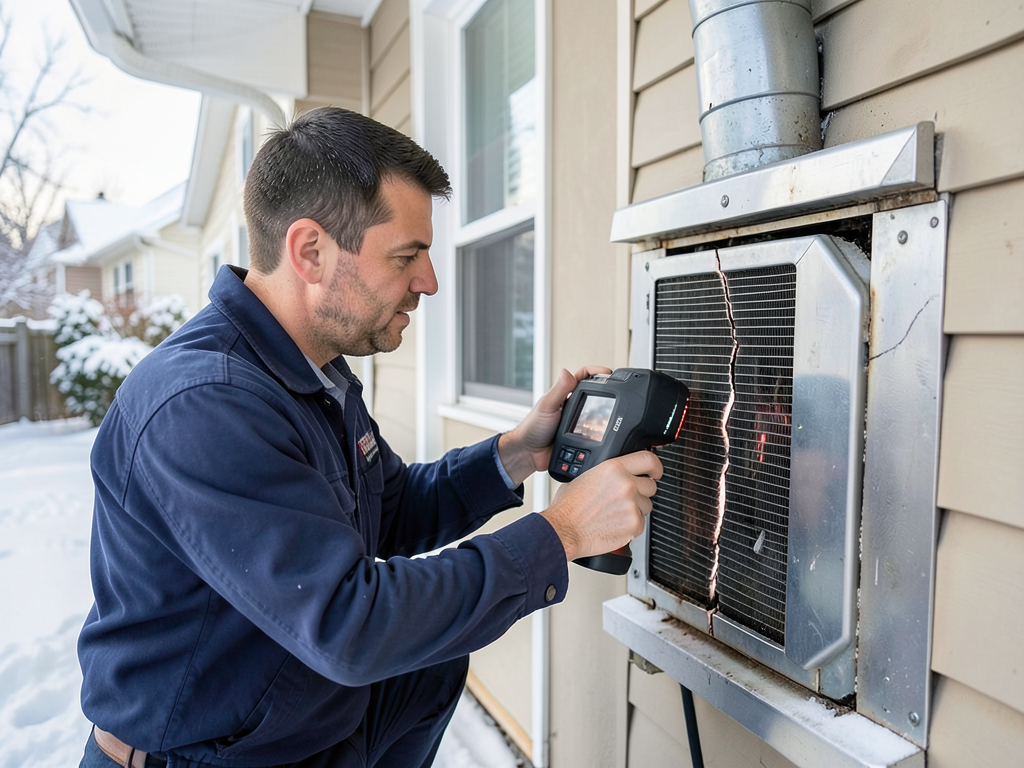
If your furnace is making a loud banging sound right now, you need to know if it’s dangerous and what’s causing it. In Buffalo’s brutal winters, a malfunctioning furnace isn’t just an inconvenience—it can be a serious safety hazard. This guide breaks down the most common causes of furnace banging noises, when you need immediate emergency service, and how our local technicians diagnose and fix these problems quickly. Choosing the Right HVAC Contractor for Your West Seneca Home Renovation.
Common Causes of Furnace Banging Noises
Understanding the specific type of banging sound helps identify the problem. Here are the three most frequent causes we see in Western New York homes:
Delayed Ignition (The ‘Boom’)
When you hear a loud boom or bang at startup, it’s often delayed ignition. This happens when gas builds up in the combustion chamber before igniting. The delayed ignition causes a small explosion that sounds like a gunshot.
Symptoms include:
- Single loud bang when furnace starts
- Flame rollout (visible flames coming from the front of the furnace)
- Yellow or orange flames instead of blue
This is a serious safety issue that can crack the heat exchanger or damage the combustion chamber. According to the National Fire Protection Association (NFPA) standards, delayed ignition requires immediate shutdown and professional inspection. National Fire Protection Association (NFPA).
Ductwork Expansion and Contraction (The ‘Pop’)
Buffalo’s extreme temperature swings cause metal ducts to expand and contract dramatically. When cold air from the return meets warm air from the furnace, thin metal ducts can flex and make popping or banging sounds. Emergency Furnace Repair in Amherst When Your Heat Goes Out at Night.
Characteristics of duct noise:
- Multiple quick pops as furnace cycles on
- Noise coming from ceiling or wall areas
- Often worse in older homes with undersized ducts
While usually not dangerous, persistent duct noise can indicate pressure imbalances or undersized ductwork that reduces efficiency.
Dirty Burners and Soot Buildup
Buffalo’s high-usage winters lead to soot and debris accumulation on furnace burners. When burners become dirty, gas doesn’t flow evenly, causing some ports to ignite late and create banging sounds. HVAC Buffalo.
Signs of dirty burners:
- Rattling or banging during operation
- Reduced heating efficiency
- Visible soot around burner area
Regular maintenance prevents this issue, but Buffalo’s long heating season means even well-maintained systems need annual cleaning.
Is a Banging Furnace Dangerous?
The short answer: it can be. Here’s how to tell if you need to shut off your furnace immediately:
Emergency shutdown required if you notice:
- Gas smell (rotten egg odor)
- Flame rollout from the furnace front
- Carbon monoxide detector alarm
- Black soot around the furnace
Schedule service soon if you have:
- Duct popping sounds
- Occasional banging that’s getting worse
- Reduced heating performance
A cracked heat exchanger, which can occur from delayed ignition, poses a serious carbon monoxide risk. The EPA mandates that all fuel-burning appliances be properly vented to prevent CO buildup in homes. EPA guidelines on fuel-burning appliances.
Buffalo Winter Troubleshooting: Lake Effect Snow Impact
Buffalo’s unique climate creates specific furnace challenges. Heavy lake effect snow can block exhaust vents, causing pressure fluctuations that lead to banging sounds. When snow accumulates around the vent pipe, it creates back pressure in the system.
Local factors affecting your furnace:
- Snow blocking intake or exhaust vents
- Rapid temperature changes causing metal fatigue
- High humidity leading to condensation issues
After heavy snowfalls, check that both intake and exhaust vents are clear. Blocked vents can cause the furnace to cycle improperly and create pressure-related banging sounds.
When to Call a Buffalo HVAC Professional
Use this checklist to decide if you need immediate service:
Call Now (716) 317-7757 if:
- You smell gas or hear a boom at startup
- Carbon monoxide detector sounds
- Banging is accompanied by flame rollout
- Your furnace is over 15 years old
Schedule Within 24 Hours if:
- Banging is getting progressively louder
- You notice reduced heating performance
- Noise occurs with every heating cycle
Our technicians carry diagnostic equipment to test for heat exchanger cracks, check gas pressure, and measure CO levels—critical safety checks for Buffalo homes.
Professional Diagnosis Process
When our technicians arrive, they follow a systematic diagnostic process:
- Safety Inspection
Check for gas leaks, CO levels, and visible damage. Test carbon monoxide detectors and inspect heat exchanger for cracks using infrared cameras.
- Sound Analysis
Identify the specific type of banging sound. Use combustion analysis tools to check gas pressure and ignition timing.
- Component Testing
Test gas valve operation, igniter function, and flame sensor. Check blower motor bearings for wear that could cause vibration.
- Vent System Check
Inspect intake and exhaust vents for blockages, especially after heavy snow. Verify proper venting according to NYS Mechanical Code Section 603.
Prevention and Maintenance Tips
Regular maintenance prevents most banging issues. Here’s what we recommend for Buffalo homeowners:
Annual Maintenance Checklist:
- Clean and inspect burners
- Check and adjust gas pressure
- Inspect heat exchanger for cracks
- Clean flame sensor
- Check blower motor operation
Buffalo’s heating season runs from October through April, putting significant stress on furnaces. Systems that run daily for six months need professional attention to prevent breakdowns.
Cost Factors for Furnace Repair in Buffalo
Repair costs vary based on the specific issue and your furnace’s age. Here’s what affects pricing:
| Repair Type | Typical Cost Range | Urgency Level |
|---|---|---|
| Igniter Replacement | $150-$300 | Low |
| Gas Valve Repair | $300-$500 | High |
| Heat Exchanger Replacement | $800-$2,500 | Emergency |
| Complete System Replacement | $3,000-$7,000 | Planned |
Emergency repairs during winter storms typically cost 20-30% more due to after-hours service calls.
FAQ Section
Can I fix a banging furnace myself?
No. Furnace repairs involve gas lines, electrical components, and combustion systems that require professional training. DIY repairs can create dangerous conditions and void manufacturer warranties.
How long can I wait to fix a banging furnace?
If the noise is from delayed ignition or you smell gas, shut off the system immediately and call for emergency service. For duct noise or dirty burners, you can wait 24-48 hours but should schedule service soon.
Will a banging furnace stop working completely?
Yes. Many banging issues worsen over time and can cause complete system failure. A cracked heat exchanger will cause the furnace to shut down automatically for safety.
Why Choose Local Buffalo Technicians
Buffalo’s unique climate requires technicians who understand local conditions. Our team knows how lake effect snow affects venting, how rapid temperature changes impact older systems, and what building codes apply to Erie County homes.
We stock common replacement parts in our service vehicles and offer 24/7 emergency service throughout the Buffalo metro area, including Amherst, Cheektowaga, and Orchard Park. Orchard Park Homeowners’ Guide to Replacing an Aging Heat Pump.
Emergency Service Availability
When your furnace makes dangerous banging sounds during a blizzard, you need help immediately. We provide:
- 24/7 emergency response
- Service within 2 hours for emergencies
- Upfront pricing with no hidden fees
- Warranty on all repairs
Don’t wait until your furnace fails completely. A small repair now prevents costly emergency service later.
Call for Professional Inspection
If your furnace is making loud banging sounds, don’t ignore it. What starts as a minor noise can become a major safety hazard. Our experienced technicians can diagnose the problem quickly and provide safe, effective repairs.
Call (716) 317-7757 today to schedule your inspection. We’ll identify the cause of the banging and recommend the right solution to keep your family safe and warm this winter.
Pick up the phone and call (716) 317-7757 before the next storm hits. Your safety is worth the call.
{
“@context”: “https://schema.org”,
“@type”: “BlogPosting”,
“headline”: “Why Your Buffalo Furnace is Making a Loud Banging Sound”,
“description”: “Loud banging from your furnace? Learn the 3 common causes and when to call for emergency repair in Buffalo’s harsh winters. Call (716) 317-7757 for 24/7 service.”,
“wordCount”: 1242,
“datePublished”: “2026-03-27T12:44:00.000Z”,
“dateModified”: “2026-03-27T12:44:00.000Z”,
“inLanguage”: “en-US”,
“mainEntityOfPage”: {
“@type”: “WebPage”,
“@id”: “https://unitedhvacbuffalo.com”
},
“publisher”: {
“@type”: “LocalBusiness”,
“name”: “United HVAC Buffalo”,
“url”: “https://unitedhvacbuffalo.com”
},
“author”: {
“@type”: “Organization”,
“name”: “United HVAC Buffalo”,
“url”: “https://unitedhvacbuffalo.com”
},
“image”: {
“@type”: “ImageObject”,
“url”: “https://unitedhvacbuffalo.com/wp-content/uploads/2026/03/why-your-buffalo-furnace-is-making-a-loud-banging-1.png”
}
}
{
“@context”: “https://schema.org”,
“@type”: “HVACBusiness”,
“name”: “United HVAC Buffalo”,
“url”: “https://unitedhvacbuffalo.com”,
“address”: {
“@type”: “PostalAddress”,
“addressLocality”: “Buffalo”
},
“areaServed”: {
“@type”: “City”,
“name”: “Buffalo”
}
}
{
“@context”: “https://schema.org”,
“@type”: “FAQPage”,
“mainEntity”: [
{
“@type”: “Question”,
“name”: “Is a Banging Furnace Dangerous?”,
“acceptedAnswer”: {
“@type”: “Answer”,
“text”: “The short answer: it can be. Here’s how to tell if you need to shut off your furnace immediately:”
}
},
{
“@type”: “Question”,
“name”: “Can I fix a banging furnace myself?”,
“acceptedAnswer”: {
“@type”: “Answer”,
“text”: “No. Furnace repairs involve gas lines, electrical components, and combustion systems that require professional training. DIY repairs can create dangerous conditions and void manufacturer warranties.”
}
},
{
“@type”: “Question”,
“name”: “How long can I wait to fix a banging furnace?”,
“acceptedAnswer”: {
“@type”: “Answer”,
“text”: “If the noise is from delayed ignition or you smell gas, shut off the system immediately and call for emergency service. For duct noise or dirty burners, you can wait 24-48 hours but should schedule service soon.”
}
},
{
“@type”: “Question”,
“name”: “Will a banging furnace stop working completely?”,
“acceptedAnswer”: {
“@type”: “Answer”,
“text”: “Yes. Many banging issues worsen over time and can cause complete system failure. A cracked heat exchanger will cause the furnace to shut down automatically for safety.”
}
}
]
}
{
“@context”: “https://schema.org”,
“@type”: “HowTo”,
“name”: “Professional Furnace Diagnosis”,
“step”: [
{
“@type”: “HowToStep”,
“position”: 1,
“name”: “Safety Inspection”,
“text”: “Check for gas leaks, CO levels, and visible damage. Test carbon monoxide detectors and inspect heat exchanger for cracks using infrared cameras.”
},
{
“@type”: “HowToStep”,
“position”: 2,
“name”: “Sound Analysis”,
“text”: “Identify the specific type of banging sound. Use combustion analysis tools to check gas pressure and ignition timing.”
},
{
“@type”: “HowToStep”,
“position”: 3,
“name”: “Component Testing”,
“text”: “Test gas valve operation, igniter function, and flame sensor. Check blower motor bearings for wear that could cause vibration.”
},
{
“@type”: “HowToStep”,
“position”: 4,
“name”: “Vent System Check”,
“text”: “Inspect intake and exhaust vents for blockages, especially after heavy snow. Verify proper venting according to NYS Mechanical Code Section 603.”
}
],
“image”: “https://unitedhvacbuffalo.com/wp-content/uploads/2026/03/why-your-buffalo-furnace-is-making-a-loud-banging-1.png”
}
{
“@context”: “https://schema.org”,
“@type”: “BreadcrumbList”,
“itemListElement”: [
{
“@type”: “ListItem”,
“position”: 1,
“name”: “Home”,
“item”: “https://unitedhvacbuffalo.com”
},
{
“@type”: “ListItem”,
“position”: 2,
“name”: “Blog”,
“item”: “https://unitedhvacbuffalo.com/blog”
},
{
“@type”: “ListItem”,
“position”: 3,
“name”: “Why Your Buffalo Furnace is Making a Loud Banging Sound”
}
]
}
{
“@context”: “https://schema.org”,
“@type”: “Service”,
“serviceType”: “HVAC”,
“provider”: {
“@type”: “LocalBusiness”,
“name”: “United HVAC Buffalo”,
“url”: “https://unitedhvacbuffalo.com”
},
“areaServed”: {
“@type”: “City”,
“name”: “Buffalo”
},
“description”: “Loud banging from your furnace? Learn the 3 common causes and when to call for emergency repair in Buffalo’s harsh winters. Call (716) 317-7757 for 24/7 service.”
}