
That Burning Smell Coming from Your Vents in an Old Buffalo Home
If you smell something burning when you turn on your heat in a Buffalo home, your first instinct is probably to panic. That’s a good instinct. Burning smells can signal anything from harmless dust to a serious electrical fire or gas leak. The key is knowing what you’re dealing with fast. HVAC Buffalo.
Here’s the bottom line: if you smell burning plastic, sulfur, or something metallic, turn off your system immediately and call (716) 317-7757. If it’s a faint dusty smell on the first cold day, it might just be normal. But when in doubt, shut it down and let a professional check it out.
Is It Normal? Understanding the ‘First Run’ Smell
Buffalo homes sit unused for months during summer. When you fire up the furnace for the first time in October or November, accumulated dust on the heat exchanger and burners can burn off. This creates a temporary burning smell that usually fades within an hour. Emergency Furnace Repair in Amherst When Your Heat Goes Out at Night.
How to tell the difference: A normal first-run smell is faint, dusty, and disappears quickly. A dangerous smell is persistent, sharp, or accompanied by smoke or carbon monoxide alarms going off. If you’re unsure, don’t wait. Turn off the system and call for emergency service.
5 Common Burning Smells and What They Mean
Different smells point to different problems. Here’s how to identify what you’re dealing with:
- Burning Plastic Smell
This usually indicates an electrical problem. A failing capacitor, melted wire insulation, or a short circuit in the control board can all produce this odor. Turn off the system immediately. This is a fire hazard.
- Rotten Egg Smell
This is the smell of natural gas. Gas companies add this odorant so you can detect leaks. If you smell this, evacuate your home immediately. Do not flip any switches or use your phone inside. Call your gas company from outside.
- Metallic or Ozone Smell
This often comes from an overheating blower motor. The bearings may be failing, causing the motor to work harder than it should. This can lead to motor failure or even a fire if left unchecked.
- Gunpowder Smell
This distinctive odor usually means a circuit board or fan motor has shorted out. The electrical components are literally burning. This requires immediate professional attention.
- Musty or Smoky Smell
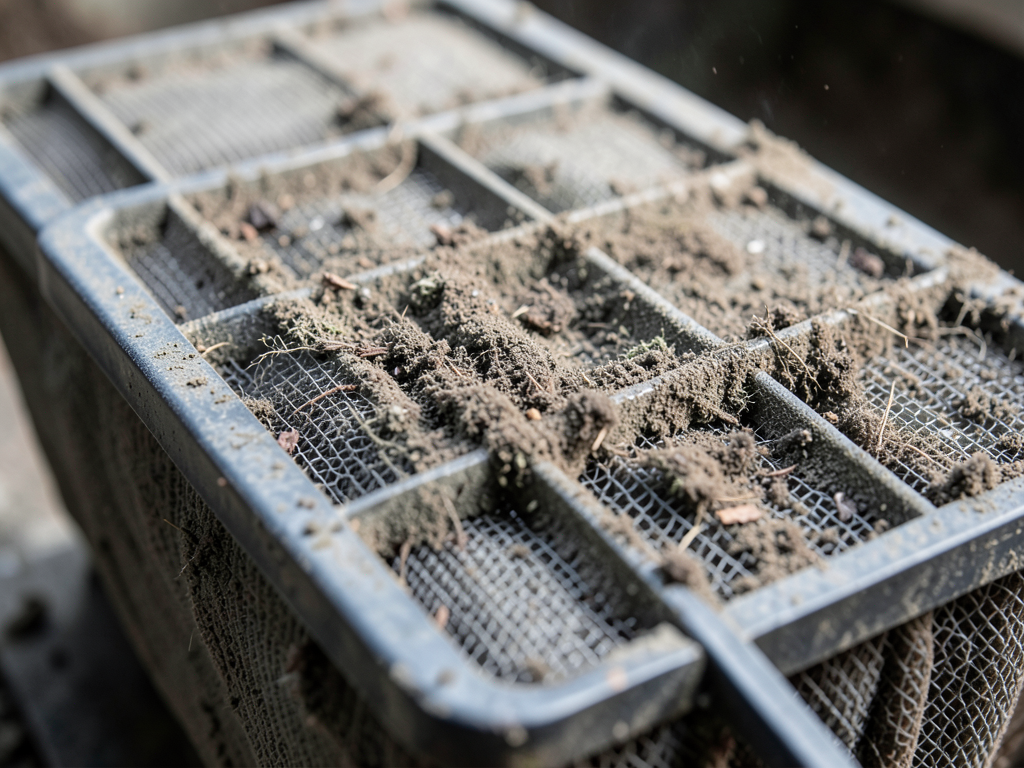
This often indicates a clogged air filter or blocked ductwork. When airflow is restricted, the heat exchanger can overheat and produce a burning smell. Change your filter first. If the smell persists, call for service.
Buffalo-Specific Heating Issues
Western New York’s climate creates unique challenges for heating systems. Our heavy lake-effect snow and rapid freeze-thaw cycles put extra stress on HVAC equipment.
Snow and ice can block exhaust vents on high-efficiency furnaces. When the vent is blocked, combustion gases back up into the home, creating a burning or chemical smell and potentially releasing carbon monoxide. This is especially dangerous in tightly sealed modern homes.
Older Buffalo homes often have aging electrical systems that weren’t designed for today’s HVAC equipment. Aluminum wiring, common in homes built before the 1970s, can overheat when paired with modern high-efficiency furnaces. This creates a fire risk that many homeowners don’t realize exists.
According to the New York State Uniform Fire Prevention and Building Code, all fuel-burning appliances must have proper venting to the outside. Blocked vents are a code violation and a serious safety hazard. If you’re unsure about your venting system, have it inspected before the heating season begins.
DIY Troubleshooting vs. When to Call a Pro
Some issues you can check yourself. Others require professional tools and training. Here’s how to tell the difference:
- Check Your Air Filter
A clogged 1-inch or 4-inch media filter restricts airflow. Replace it with a new one. If the smell goes away, you’ve solved the problem. If not, move to the next step.
- Inspect the Thermostat
Make sure it’s set to ‘Heat’ and the fan is on ‘Auto.’ Sometimes a stuck relay can cause the system to run when it shouldn’t, creating unusual smells.
- Look at the Outdoor Unit
For heat pumps, check if the fan is spinning. If you hear the compressor humming but the fan isn’t moving, the capacitor may have failed. This creates a burning smell and requires professional repair. Outdoor Unit Not Spinning.
- Check Your Breaker
If the system won’t turn on and you smell burning, the breaker may have tripped due to an electrical fault. Don’t just reset it. Call for service to find the underlying problem.
Call immediately if you notice any of these: persistent burning smell after changing the filter, smoke coming from vents, carbon monoxide detector alarms, or if the smell is accompanied by the system not heating properly.
Preventative Maintenance for WNY Homeowners
The best way to avoid burning smells and emergency repairs is annual preventative maintenance. In Buffalo, we recommend scheduling your furnace tune-up in early fall, before the first cold snap hits.
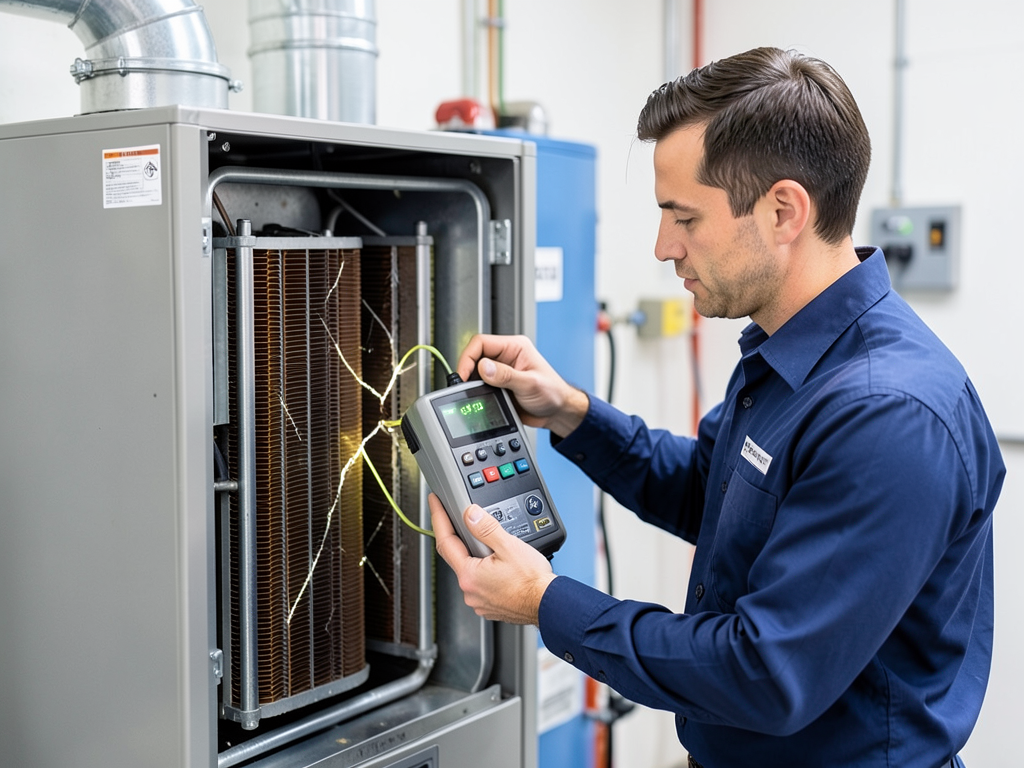
A professional maintenance visit includes cleaning the burners, checking the heat exchanger for cracks, testing the safety controls, and inspecting the electrical components. This catches problems before they create dangerous situations or leave you without heat during a blizzard.
Many Buffalo homeowners don’t realize that heat exchangers can develop cracks from the constant expansion and contraction of heating cycles. These cracks can allow carbon monoxide to leak into your home. A professional inspection with a combustion analyzer can detect these issues before they become life-threatening.
According to the Centers for Disease Control, carbon monoxide poisoning sends over 20,000 Americans to the emergency room each year. In Buffalo’s tightly sealed winter homes, this risk is even higher. Install carbon monoxide detectors on every level of your home and test them monthly.
Regular maintenance also keeps your system running efficiently, which saves money on your heating bills. A clean, well-tuned furnace can be 10-15% more efficient than a neglected one. In a Buffalo winter, that adds up to real savings.
Emergency Red Alert Checklist
When should you evacuate versus when can you wait for morning service? Here’s your emergency guide:
- Evacuate Immediately if you smell rotten eggs (gas), see smoke, hear loud popping sounds from the furnace, or if carbon monoxide detectors are alarming.
- Shut Down and Call if you smell burning plastic, gunpowder, or persistent electrical burning. Turn off the system at the thermostat and breaker.
- Monitor and Call in the Morning if it’s a faint dusty smell on first startup that goes away within an hour, or if changing the filter solves the problem.
When in doubt, err on the side of caution. A service call is much cheaper than fire damage or a hospital visit for carbon monoxide poisoning.
Frequently Asked Questions
How long should a burning smell last when I first turn on my heat?
A normal dust-burning smell should disappear within 30-60 minutes. If it persists longer or gets stronger, turn off the system and call for service.
Can I use my furnace if it smells like burning plastic?
No. Turn it off immediately and call (716) 317-7757. Burning plastic indicates an electrical problem that could cause a fire.
How often should I change my furnace filter in Buffalo?
Change 1-inch filters every 30-60 days during heating season. Change 4-inch media filters every 6 months. More frequent changes may be needed if you have pets or live near construction.
What’s the difference between a gas smell and a rotten egg smell?
Natural gas is odorless. Utility companies add mercaptan, which smells like rotten eggs, so you can detect leaks. Any rotten egg smell requires immediate evacuation.
How much does emergency furnace repair cost in Buffalo?
Emergency service calls typically start around $150-200, plus parts and labor. The exact cost depends on the problem and whether it’s during regular hours or after-hours.
Don’t let a burning smell turn into a dangerous situation. If you’re experiencing any unusual odors from your vents, call United HVAC Buffalo at (716) 317-7757. Our NATE-certified technicians are available 24/7 for emergency service throughout Buffalo, Amherst, Tonawanda, and the entire Western New York region. We’ll diagnose the problem quickly and get your home safe and comfortable again.
Pick up the phone and call (716) 317-7757 today. Your family’s safety is worth it. For more information, visit CDC carbon monoxide information. For more information, visit NYSERDA energy efficiency programs.
{
“@context”: “https://schema.org”,
“@type”: “BlogPosting”,
“headline”: “That Burning Smell Coming from Your Vents in an Old Buffalo Home”,
“description”: “Is that burning smell from your vents dangerous? Learn the 5 common causes in Buffalo homes and when to call for emergency HVAC service. 716-317-7757.”,
“wordCount”: 1406,
“datePublished”: “2026-03-28T10:36:00.000Z”,
“dateModified”: “2026-03-28T10:36:00.000Z”,
“inLanguage”: “en-US”,
“mainEntityOfPage”: {
“@type”: “WebPage”,
“@id”: “https://unitedhvacbuffalo.com”
},
“publisher”: {
“@type”: “LocalBusiness”,
“name”: “United HVAC Buffalo”,
“url”: “https://unitedhvacbuffalo.com”
},
“author”: {
“@type”: “Organization”,
“name”: “United HVAC Buffalo”,
“url”: “https://unitedhvacbuffalo.com”
},
“image”: {
“@type”: “ImageObject”,
“url”: “https://unitedhvacbuffalo.com/wp-content/uploads/2026/03/that-burning-smell-coming-from-your-vents-in-an-ol-1.png”
}
}
{
“@context”: “https://schema.org”,
“@type”: “HVACBusiness”,
“name”: “United HVAC Buffalo”,
“url”: “https://unitedhvacbuffalo.com”,
“address”: {
“@type”: “PostalAddress”,
“addressLocality”: “Buffalo”
},
“areaServed”: {
“@type”: “City”,
“name”: “Buffalo”
}
}
{
“@context”: “https://schema.org”,
“@type”: “FAQPage”,
“mainEntity”: [
{
“@type”: “Question”,
“name”: “How long should a burning smell last when I first turn on my heat?”,
“acceptedAnswer”: {
“@type”: “Answer”,
“text”: “A normal dust-burning smell should disappear within 30-60 minutes. If it persists longer or gets stronger, turn off the system and call for service.”
}
},
{
“@type”: “Question”,
“name”: “Can I use my furnace if it smells like burning plastic?”,
“acceptedAnswer”: {
“@type”: “Answer”,
“text”: “No. Turn it off immediately and call (716) 317-7757. Burning plastic indicates an electrical problem that could cause a fire.”
}
},
{
“@type”: “Question”,
“name”: “How often should I change my furnace filter in Buffalo?”,
“acceptedAnswer”: {
“@type”: “Answer”,
“text”: “Change 1-inch filters every 30-60 days during heating season. Change 4-inch media filters every 6 months. More frequent changes may be needed if you have pets or live near construction.”
}
},
{
“@type”: “Question”,
“name”: “What’s the difference between a gas smell and a rotten egg smell?”,
“acceptedAnswer”: {
“@type”: “Answer”,
“text”: “Natural gas is odorless. Utility companies add mercaptan, which smells like rotten eggs, so you can detect leaks. Any rotten egg smell requires immediate evacuation.”
}
},
{
“@type”: “Question”,
“name”: “How much does emergency furnace repair cost in Buffalo?”,
“acceptedAnswer”: {
“@type”: “Answer”,
“text”: “Emergency service calls typically start around $150-200, plus parts and labor. The exact cost depends on the problem and whether it’s during regular hours or after-hours.”
}
}
]
}
{
“@context”: “https://schema.org”,
“@type”: “HowTo”,
“name”: “Identifying Burning Smells”,
“step”: [
{
“@type”: “HowToStep”,
“position”: 1,
“name”: “Burning Plastic Smell”,
“text”: “This usually indicates an electrical problem. A failing capacitor, melted wire insulation, or a short circuit in the control board can all produce this odor. Turn off the system immediately. This is a fire hazard.”
},
{
“@type”: “HowToStep”,
“position”: 2,
“name”: “Rotten Egg Smell”,
“text”: “This is the smell of natural gas. Gas companies add this odorant so you can detect leaks. If you smell this, evacuate your home immediately. Do not flip any switches or use your phone inside. Call your gas company from outside.”
},
{
“@type”: “HowToStep”,
“position”: 3,
“name”: “Metallic or Ozone Smell”,
“text”: “This often comes from an overheating blower motor. The bearings may be failing, causing the motor to work harder than it should. This can lead to motor failure or even a fire if left unchecked.”
},
{
“@type”: “HowToStep”,
“position”: 4,
“name”: “Gunpowder Smell”,
“text”: “This distinctive odor usually means a circuit board or fan motor has shorted out. The electrical components are literally burning. This requires immediate professional attention.”
},
{
“@type”: “HowToStep”,
“position”: 5,
“name”: “Musty or Smoky Smell”,
“text”: “This often indicates a clogged air filter or blocked ductwork. When airflow is restricted, the heat exchanger can overheat and produce a burning smell. Change your filter first. If the smell persists, call for service.”
}
],
“image”: “https://unitedhvacbuffalo.com/wp-content/uploads/2026/03/that-burning-smell-coming-from-your-vents-in-an-ol-1.png”
}
{
“@context”: “https://schema.org”,
“@type”: “BreadcrumbList”,
“itemListElement”: [
{
“@type”: “ListItem”,
“position”: 1,
“name”: “Home”,
“item”: “https://unitedhvacbuffalo.com”
},
{
“@type”: “ListItem”,
“position”: 2,
“name”: “Blog”,
“item”: “https://unitedhvacbuffalo.com/blog”
},
{
“@type”: “ListItem”,
“position”: 3,
“name”: “That Burning Smell Coming from Your Vents in an Old Buffalo Home”
}
]
}
{
“@context”: “https://schema.org”,
“@type”: “Service”,
“serviceType”: “HVAC”,
“provider”: {
“@type”: “LocalBusiness”,
“name”: “United HVAC Buffalo”,
“url”: “https://unitedhvacbuffalo.com”
},
“areaServed”: {
“@type”: “City”,
“name”: “Buffalo”
},
“description”: “Is that burning smell from your vents dangerous? Learn the 5 common causes in Buffalo homes and when to call for emergency HVAC service. 716-317-7757.”
}