
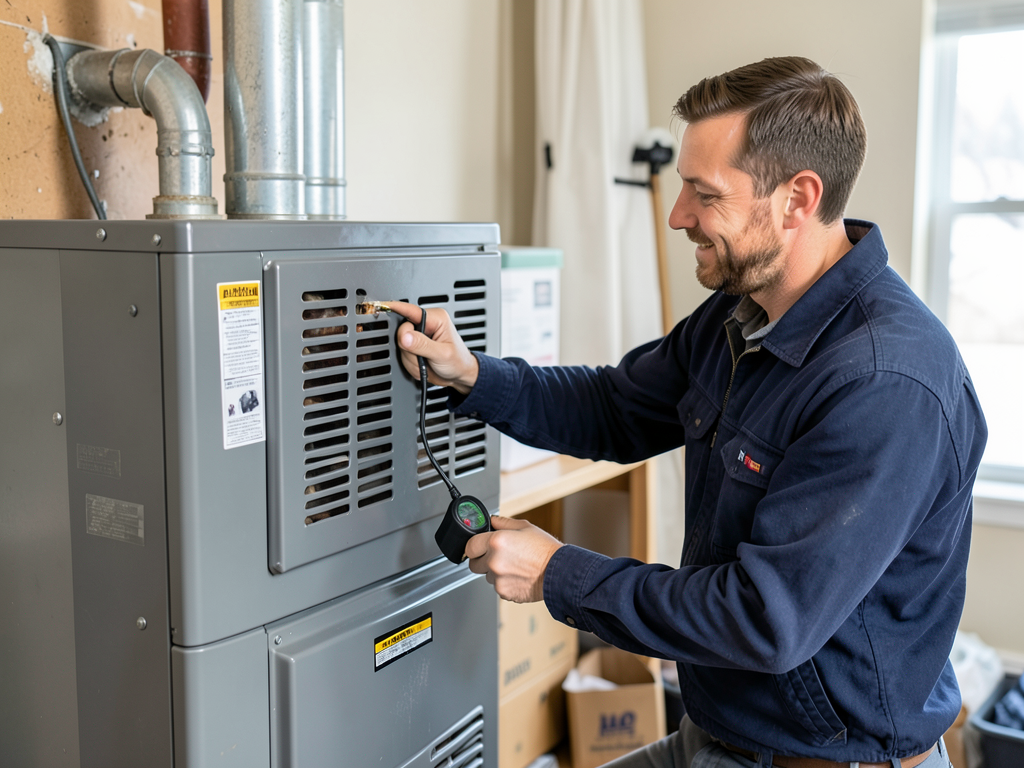
Winterizing Your HVAC System Before Leaving Your Buffalo Home for the Season
Leaving your Buffalo home for the winter without proper HVAC preparation can lead to frozen pipes, furnace failures, and thousands in damage. Lake-effect snow and sub-zero temperatures create unique challenges that require specific winterization steps. This guide covers everything you need to protect your home while you’re away, from basic DIY maintenance to professional inspections that prevent costly emergencies. Emergency Furnace Repair in Amherst When Your Heat Goes Out at Night.
Why Buffalo Winters Require Specialized HVAC Prep
Buffalo’s climate creates extreme conditions that standard winterization advice doesn’t address. The city averages over 90 inches of snow annually, with lake-effect storms dropping several feet in just hours. Wind chills routinely hit -20°F, and frozen condensate lines can shut down high-efficiency furnaces within 24 hours of a deep freeze. HVAC Buffalo.
Most importantly, many Buffalo homes have aging HVAC systems installed before modern efficiency standards. These units need specific attention to prevent failures during extended vacancy periods. A furnace that works fine when you’re home can develop dangerous issues when left unattended for months.. Read more about How to Select the Right High Efficiency Pool Heater for Your Tonawanda Backyard.
DIY Winterization Checklist for Homeowners
Before you leave, complete these essential steps to protect your HVAC system and home:
- Thermostat Programming
Set your thermostat to maintain 55°F minimum temperature. This prevents pipes from freezing while avoiding unnecessary heating costs. Modern smart thermostats allow remote monitoring and adjustment from anywhere.
- Air Filter Replacement
Install a fresh MERV 8-11 filter to ensure proper airflow during the winter months. Clean filters prevent system strain and reduce energy consumption by 5-15% according to ENERGY STAR guidelines. ENERGY STAR Heat Pump Guidelines.
- Outdoor Unit Protection
Clear all debris, leaves, and snow from around your outdoor condenser. For heat pumps, ensure the unit is elevated above expected snow levels. Do not cover the unit completely as this traps moisture and causes rust. Outdoor Unit Not Spinning.
- Exhaust and Intake Pipe Clearance
Check that all PVC exhaust and intake pipes are clear of snow and debris. Blocked pipes cause dangerous carbon monoxide buildup and system shutdowns. Mark pipe locations with bright flags for visibility. Choosing the Right HVAC Contractor for Your West Seneca Home Renovation.
- Water Supply Shutdown
Turn off the main water supply and drain all pipes. Open faucets to release pressure and prevent burst pipes if a small leak develops while you’re away.
- Humidifier Maintenance
Turn off and clean your whole-house humidifier. Empty the water reservoir and clean the evaporator pad to prevent mold growth during the dry winter months.
The Professional Maintenance Difference
Professional winterization goes far beyond basic homeowner tasks. A certified technician performs critical safety checks and system optimizations that prevent emergency failures:
| Professional Service | What It Prevents | Cost Savings |
|---|---|---|
| Heat Exchanger Inspection | Carbon monoxide leaks | Emergency service calls |
| Gas Pressure Testing | Incomplete combustion | Energy waste |
| Carbon Monoxide Testing | Safety hazards | Health risks |
| Electrical Component Check | System failures | Replacement costs |
| Condensate Line Cleaning | Freeze-ups | Water damage |
According to the International Mechanical Code Section 1101.2, all fuel-burning appliances require proper ventilation and safety controls. A professional inspection ensures your system meets these requirements before you leave.
Heat Pump vs. Furnace: Winterization Nuances
Heat pumps and traditional furnaces require different winterization approaches. Heat pumps need special attention to prevent ice buildup and maintain efficiency in sub-zero temperatures.. Read more about Ensuring Your Furnace Exhaust Doesn’t Get Blocked by Drifting Snow in East Amherst.
For heat pumps, ensure the defrost cycle functions properly and that the outdoor unit has adequate airflow. Modern cold-climate heat pumps can operate efficiently down to -15°F, but they need clean coils and proper refrigerant levels to do so.
Traditional furnaces require heat exchanger integrity checks and proper venting. Many Buffalo homes still use 80% efficient furnaces that produce significant condensate. These systems need drain line protection to prevent freeze-ups that can damage the heat exchanger.
Emergency Tips: What to Do if Your Heat Fails During a Blizzard
Even with proper preparation, emergencies happen. Here’s what to do if your heat fails while you’re away:
- Check your smart thermostat app for error codes
- Verify that exhaust pipes are clear of snow
- Check your circuit breaker for tripped switches
- Call for emergency service immediately
- Arrange for a neighbor to check on your home
Keep emergency contact numbers readily available. Local HVAC companies like United HVAC Buffalo offer 24/7 emergency service for situations exactly like this.
Local Building Code Requirements
Buffalo and Erie County enforce specific mechanical code requirements that affect winterization. The New York State Uniform Fire Prevention and Building Code requires: New York State Mechanical Code.
- Proper venting for all fuel-burning appliances
- Carbon monoxide detectors on every level
- Accessible shut-off valves for gas appliances
- Proper clearance around all HVAC equipment
Section 1103.4 of the Mechanical Code mandates that all exhaust systems maintain proper draft under all operating conditions. This becomes critical during lake-effect storms when wind patterns change rapidly.
Cost-Effective Winterization Strategies
Professional winterization typically costs $150-300, but this investment prevents thousands in potential damage. Consider these cost factors:
| Service | Average Cost | Potential Savings |
|---|---|---|
| Basic Tune-up | $150-200 | 10-15% energy savings |
| Complete Winterization | $250-300 | Prevents emergency calls |
| Smart Thermostat Install | $200-300 | Remote monitoring |
Many homeowners qualify for NYSERDA energy efficiency rebates that can offset winterization costs. Check with your utility provider about available programs before scheduling service.
Special Considerations for Older Buffalo Homes
Buffalo’s housing stock includes many homes built before 1940 with unique HVAC challenges. These homes often have:
- Poor insulation requiring higher thermostat settings
- Older ductwork prone to leaks
- Undersized systems struggling with modern efficiency demands
- Combustion air requirements that modern codes address
Homes in historic districts like Allentown or Elmwood Village may have additional restrictions on HVAC modifications. Always check with local preservation boards before making changes.
Timing Your Winterization Service
Schedule professional winterization in early November before the first major lake-effect storm. This timing allows for:
- Parts availability if replacements are needed
- Scheduling flexibility before peak demand
- Time to address any discovered issues
- Peace of mind before holiday travel
Emergency service calls during blizzards often cost 50-100% more than scheduled maintenance. Planning ahead saves both money and stress.
Insurance Considerations
Many insurance policies require proof of regular HVAC maintenance to cover winter damage claims. Document your winterization efforts with:
- Service receipts and inspection reports
- Thermostat programming screenshots
- Photos of cleared exhaust pipes
- Neighbor contact information
Some insurers offer premium discounts for homes with documented preventive maintenance programs.
Smart Home Integration
Modern smart home technology makes winter monitoring easier than ever. Consider installing:
- Smart thermostats with remote access
- Water leak detectors near HVAC equipment
- Temperature sensors in vulnerable areas
- Security cameras for visual inspection
These devices can alert you to problems before they become disasters, often through smartphone apps that work anywhere in the world.
Common Winterization Mistakes to Avoid
Even well-intentioned homeowners make these costly errors:
- Turning the thermostat completely off
- Covering heat pumps entirely with tarps
- Ignoring small maintenance issues
- Assuming newer systems don’t need winterization
- Waiting until the last minute to schedule service
Each of these mistakes can lead to expensive emergency repairs or complete system failures during the coldest months.
Creating Your Winterization Schedule
Develop a timeline that ensures nothing gets overlooked:
- 6 Weeks Before Departure
Schedule professional inspection and maintenance
- 4 Weeks Before Departure
Complete DIY checklist items
- 2 Weeks Before Departure
Test smart home monitoring systems
- 1 Week Before Departure
Final system check and adjustments
This schedule prevents the last-minute rush that leads to missed steps and potential problems.
Regional Weather Pattern Considerations
Buffalo’s unique geography creates weather patterns that affect HVAC performance:
- Lake-effect snow bands can drop 2-3 feet in hours
- Wind patterns shift rapidly during storms
- Temperature swings of 30-40 degrees occur within 24 hours
- Humidity levels affect heat pump efficiency
Understanding these patterns helps you prepare for the specific challenges your HVAC system will face while you’re away.
Long-Term System Protection
Proper winterization extends your HVAC system’s lifespan significantly. Well-maintained systems in Buffalo typically last:
- 15-20 years for furnaces
- 10-15 years for heat pumps
- 20-25 years for boilers
- 7-10 years for air conditioning components
Without proper winterization, these lifespans can be reduced by 30-50%, leading to premature replacement costs.
Final Pre-Departure Checklist
Before you leave, complete this final verification:
- Verify thermostat programming and battery backup
- Test all smoke and carbon monoxide detectors
- Confirm emergency contact information with your service provider
- Leave spare keys with a trusted neighbor
- Document all winterization steps with photos
Having this documentation provides peace of mind and protects you if any issues arise while you’re away.
Frequently Asked Questions
How cold should I set my thermostat when away for the winter?
Set your thermostat to maintain 55°F minimum temperature. This prevents pipe freezing while minimizing heating costs. Modern smart thermostats allow remote adjustments if temperatures drop unexpectedly.
Should I cover my outdoor AC unit for winter?
Do not cover your AC unit completely. Instead, clear debris and ensure proper drainage. Complete covers trap moisture and cause rust. For heat pumps, ensure the unit remains accessible for winter operation.
How often should I change my furnace filter before leaving for winter?
Replace your filter immediately before departure and consider using a high-quality filter rated for 90-day use. This ensures proper airflow throughout the winter months without requiring mid-season changes.
What’s the most common winter HVAC emergency in Buffalo?
Frozen condensate lines are the most frequent issue. When temperatures drop below 0°F, condensate can freeze in drain lines, causing system shutdowns and potential water damage when the ice thaws.
Can I winterize my HVAC system myself?
You can complete basic DIY steps, but professional inspection is essential for safety. A technician checks for gas leaks, carbon monoxide risks, and electrical issues that homeowners cannot safely diagnose.
How much does professional winterization cost in Buffalo?
Professional winterization typically costs $150-300 depending on system complexity. This investment prevents thousands in potential emergency repair costs and provides peace of mind during your absence.
What should I do if my heat fails while I’m away?
Check your smart thermostat app for error codes, verify exhaust pipes are clear, and call for emergency service immediately. Have a trusted neighbor check on your home if possible.
Are there any rebates available for winterization services?
Many utility companies and NYSERDA offer rebates for energy-efficient HVAC maintenance and upgrades. Check with your local utility provider about available programs before scheduling service.
How long does professional winterization take?
A complete professional winterization typically takes 1-2 hours depending on system complexity. Technicians inspect all components, clean critical parts, and test safety systems before completion.
Should I drain my boiler for winter if I’m leaving?
Never drain a hot water boiler completely. Instead, maintain minimum temperature settings and ensure proper antifreeze levels if required. Complete draining can damage the system and void warranties.
Take Action Before the First Snowfall
Winterizing your HVAC system isn’t optional in Buffalo’s harsh climate. The cost of proper preparation pales compared to emergency repairs, water damage, or frozen pipes. Don’t wait until the first lake-effect storm to discover problems.
Call (716) 317-7757 today to schedule your professional winterization service. Our certified technicians understand Buffalo’s unique challenges and will ensure your home stays protected all winter long. Pick up the phone and call (716) 317-7757 before the next storm hits. Your home’s safety and your peace of mind are worth the investment.
{
“@context”: “https://schema.org”,
“@type”: “BlogPosting”,
“headline”: “Winterizing Your HVAC System Before Leaving Your Buffalo Home for the Season”,
“description”: “Protect your Buffalo home from winter disasters with our complete HVAC winterization checklist. Learn how to prevent frozen pipes, furnace failures, and costly repairs while you’re away.”,
“wordCount”: 1872,
“datePublished”: “2026-04-14T08:18:00.000Z”,
“dateModified”: “2026-04-14T08:18:00.000Z”,
“inLanguage”: “en-US”,
“mainEntityOfPage”: {
“@type”: “WebPage”,
“@id”: “https://unitedhvacbuffalo.com”
},
“publisher”: {
“@type”: “LocalBusiness”,
“name”: “United HVAC Buffalo”,
“url”: “https://unitedhvacbuffalo.com”
},
“author”: {
“@type”: “Organization”,
“name”: “United HVAC Buffalo”,
“url”: “https://unitedhvacbuffalo.com”
},
“image”: {
“@type”: “ImageObject”,
“url”: “https://unitedhvacbuffalo.com/wp-content/uploads/2026/03/winterizing-your-hvac-system-before-leaving-your-b-1.png”
}
}
{
“@context”: “https://schema.org”,
“@type”: “HVACBusiness”,
“name”: “United HVAC Buffalo”,
“url”: “https://unitedhvacbuffalo.com”,
“address”: {
“@type”: “PostalAddress”,
“addressLocality”: “Buffalo”
},
“areaServed”: {
“@type”: “City”,
“name”: “Buffalo”
}
}
{
“@context”: “https://schema.org”,
“@type”: “FAQPage”,
“mainEntity”: [
{
“@type”: “Question”,
“name”: “How cold should I set my thermostat when away for the winter?”,
“acceptedAnswer”: {
“@type”: “Answer”,
“text”: “Set your thermostat to maintain 55°F minimum temperature. This prevents pipe freezing while minimizing heating costs. Modern smart thermostats allow remote adjustments if temperatures drop unexpectedly.”
}
},
{
“@type”: “Question”,
“name”: “Should I cover my outdoor AC unit for winter?”,
“acceptedAnswer”: {
“@type”: “Answer”,
“text”: “Do not cover your AC unit completely. Instead, clear debris and ensure proper drainage. Complete covers trap moisture and cause rust. For heat pumps, ensure the unit remains accessible for winter operation.”
}
},
{
“@type”: “Question”,
“name”: “How often should I change my furnace filter before leaving for winter?”,
“acceptedAnswer”: {
“@type”: “Answer”,
“text”: “Replace your filter immediately before departure and consider using a high-quality filter rated for 90-day use. This ensures proper airflow throughout the winter months without requiring mid-season changes.”
}
},
{
“@type”: “Question”,
“name”: “What’s the most common winter HVAC emergency in Buffalo?”,
“acceptedAnswer”: {
“@type”: “Answer”,
“text”: “Frozen condensate lines are the most frequent issue. When temperatures drop below 0°F, condensate can freeze in drain lines, causing system shutdowns and potential water damage when the ice thaws.”
}
},
{
“@type”: “Question”,
“name”: “Can I winterize my HVAC system myself?”,
“acceptedAnswer”: {
“@type”: “Answer”,
“text”: “You can complete basic DIY steps, but professional inspection is essential for safety. A technician checks for gas leaks, carbon monoxide risks, and electrical issues that homeowners cannot safely diagnose.”
}
},
{
“@type”: “Question”,
“name”: “How much does professional winterization cost in Buffalo?”,
“acceptedAnswer”: {
“@type”: “Answer”,
“text”: “Professional winterization typically costs $150-300 depending on system complexity. This investment prevents thousands in potential emergency repair costs and provides peace of mind during your absence.”
}
},
{
“@type”: “Question”,
“name”: “What should I do if my heat fails while I’m away?”,
“acceptedAnswer”: {
“@type”: “Answer”,
“text”: “Check your smart thermostat app for error codes, verify exhaust pipes are clear, and call for emergency service immediately. Have a trusted neighbor check on your home if possible.”
}
},
{
“@type”: “Question”,
“name”: “Are there any rebates available for winterization services?”,
“acceptedAnswer”: {
“@type”: “Answer”,
“text”: “Many utility companies and NYSERDA offer rebates for energy-efficient HVAC maintenance and upgrades. Check with your local utility provider about available programs before scheduling service.”
}
},
{
“@type”: “Question”,
“name”: “How long does professional winterization take?”,
“acceptedAnswer”: {
“@type”: “Answer”,
“text”: “A complete professional winterization typically takes 1-2 hours depending on system complexity. Technicians inspect all components, clean critical parts, and test safety systems before completion.”
}
},
{
“@type”: “Question”,
“name”: “Should I drain my boiler for winter if I’m leaving?”,
“acceptedAnswer”: {
“@type”: “Answer”,
“text”: “Never drain a hot water boiler completely. Instead, maintain minimum temperature settings and ensure proper antifreeze levels if required. Complete draining can damage the system and void warranties.”
}
}
]
}
{
“@context”: “https://schema.org”,
“@type”: “HowTo”,
“name”: “Winterization Checklist”,
“step”: [
{
“@type”: “HowToStep”,
“position”: 1,
“name”: “Thermostat Programming”,
“text”: “Set your thermostat to maintain 55°F minimum temperature. This prevents pipes from freezing while avoiding unnecessary heating costs. Modern smart thermostats allow remote monitoring and adjustment from anywhere.”
},
{
“@type”: “HowToStep”,
“position”: 2,
“name”: “Air Filter Replacement”,
“text”: “Install a fresh MERV 8-11 filter to ensure proper airflow during the winter months. Clean filters prevent system strain and reduce energy consumption by 5-15% according to ENERGY STAR guidelines. ENERGY STAR Heat Pump Guidelines.”
},
{
“@type”: “HowToStep”,
“position”: 3,
“name”: “Outdoor Unit Protection”,
“text”: “Clear all debris, leaves, and snow from around your outdoor condenser. For heat pumps, ensure the unit is elevated above expected snow levels. Do not cover the unit completely as this traps moisture and causes rust. Outdoor Unit Not Spinning.”
},
{
“@type”: “HowToStep”,
“position”: 4,
“name”: “Exhaust and Intake Pipe Clearance”,
“text”: “Check that all PVC exhaust and intake pipes are clear of snow and debris. Blocked pipes cause dangerous carbon monoxide buildup and system shutdowns. Mark pipe locations with bright flags for visibility. Choosing the Right HVAC Contractor for Your West Seneca Home Renovation.”
},
{
“@type”: “HowToStep”,
“position”: 5,
“name”: “Water Supply Shutdown”,
“text”: “Turn off the main water supply and drain all pipes. Open faucets to release pressure and prevent burst pipes if a small leak develops while you’re away.”
},
{
“@type”: “HowToStep”,
“position”: 6,
“name”: “Humidifier Maintenance”,
“text”: “Turn off and clean your whole-house humidifier. Empty the water reservoir and clean the evaporator pad to prevent mold growth during the dry winter months.”
}
],
“image”: “https://unitedhvacbuffalo.com/wp-content/uploads/2026/03/winterizing-your-hvac-system-before-leaving-your-b-1.png”
}
{
“@context”: “https://schema.org”,
“@type”: “BreadcrumbList”,
“itemListElement”: [
{
“@type”: “ListItem”,
“position”: 1,
“name”: “Home”,
“item”: “https://unitedhvacbuffalo.com”
},
{
“@type”: “ListItem”,
“position”: 2,
“name”: “Blog”,
“item”: “https://unitedhvacbuffalo.com/blog”
},
{
“@type”: “ListItem”,
“position”: 3,
“name”: “Winterizing Your HVAC System Before Leaving Your Buffalo Home for the Season”
}
]
}
{
“@context”: “https://schema.org”,
“@type”: “Service”,
“serviceType”: “HVAC”,
“provider”: {
“@type”: “LocalBusiness”,
“name”: “United HVAC Buffalo”,
“url”: “https://unitedhvacbuffalo.com”
},
“areaServed”: {
“@type”: “City”,
“name”: “Buffalo”
},
“description”: “Protect your Buffalo home from winter disasters with our complete HVAC winterization checklist. Learn how to prevent frozen pipes, furnace failures, and costly repairs while you’re away.”
}