
Why Your Vents are Blowing Cold Air When the Heat is On
When your furnace is running but cold air comes out of the vents it feels like a betrayal. You hear the system humming but your home stays chilly. This is one of the most common winter furnace complaints in Buffalo and it usually points to one of five root causes. Some you can check yourself in minutes while others need a trained technician. Before you call for emergency service run through this diagnostic guide to see if you can get warm air flowing again. Emergency Furnace Repair in Amherst When Your Heat Goes Out at Night.
Quick Checks Before You Call for Help
Start with the simplest possibilities. Set your thermostat to “Heat” mode and raise the temperature five degrees above the current room temperature. Wait three minutes. If you still feel cold air the fan setting may be set to “On” instead of “Auto.” In “On” mode the blower runs continuously even when the burners are off so unheated air circulates. Flip it to “Auto” and test again. Next check your air filter. A clogged filter blocks airflow across the heat exchanger causing the system to overheat and shut down burners early. If the filter looks gray and dusty replace it with a new MERV 8 or MERV 11 pleated filter. Finally look at your electrical panel. A tripped breaker or blown fuse can cut power to the ignition system leaving the blower to run empty. Reset the breaker if needed and listen for the click of the igniter.. Read more about How to Fix Airflow Issues and Cold Spots in Your Cheektowaga Ranch Home.
When the Flame Sensor Fails
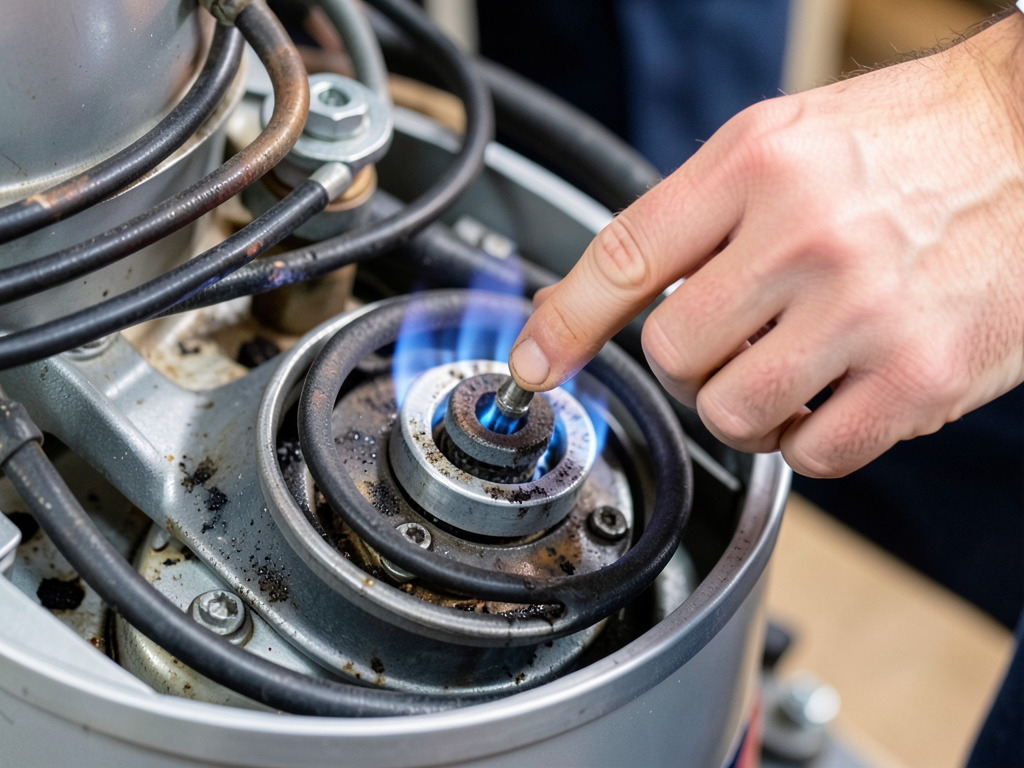
If the burners light but go out after a few seconds the flame sensor is likely dirty. This thin metal rod sits in the burner flame and tells the control board that ignition is successful. Over time soot coats the sensor and it cannot detect the flame so the board shuts off gas for safety. A technician cleans the sensor with fine emery cloth and tests the microamp signal. In Buffalo winters a failing flame sensor can leave you with intermittent heat or cold air for hours. If cleaning does not restore function the sensor needs replacement under NATE standards for gas furnace repair.
Pilot Light and Ignition Problems
Older furnaces use a standing pilot light while newer units have electronic igniters. If your pilot is out you will feel only cold air. Relight it following the instructions on your unit label but if it will not stay lit the thermocouple may be worn. Electronic igniters can crack or lose continuity and will not spark. A multimeter test confirms the failure. During lake-effect blizzards drafts can blow out pilot lights so inspect vent pipes for snow blockage. Clear any visible obstruction and check that the vent cap is intact. If the pilot still dies after cleaning the assembly the gas valve may need adjustment under NYS Mechanical Code Section 603.
Blocked Intake or Exhaust Pipes
High-efficiency furnaces vent through PVC pipes that exit near ground level. In Buffalo these pipes often sit just inches above snow drifts. When snow or ice blocks the intake the combustion air supply drops and burners may not light. A blocked exhaust causes dangerous backdraft. Use a broom to gently clear snow six inches away from pipe ends. Do not pour hot water on frozen pipes as the temperature shock can crack PVC. After clearing snow wait five minutes then restart the furnace. If the system runs normally you caught the problem early. If not the pressure switch may have tripped and need reset. Always keep a three-foot snow-free zone around vent pipes during winter. HVAC Buffalo.
Overheating and Limit Switch Lockout
When the heat exchanger gets too hot a limit switch cuts power to the burners. This often happens when airflow is restricted by a dirty filter or closed vents. The blower keeps running to cool the exchanger so you feel cold air. Once the exchanger cools the system tries to restart but if the underlying cause remains the cycle repeats. A limit switch lockout after three failed attempts requires a manual reset. This is not a DIY fix because it involves checking the heat exchanger for cracks. A cracked exchanger can leak carbon monoxide into your home. If you smell a faint metallic odor or see yellow burner flames shut off the system and call a professional immediately.
Gas Supply and Valve Issues
A furnace cannot make heat without gas. Check that the manual gas valve near the furnace is parallel to the pipe. If it is perpendicular the gas is off. Also confirm your home main gas valve is open. If gas is on but burners do not ignite the electronic gas valve may have failed. This part opens to allow gas flow when the thermostat calls for heat. A failed valve will click but not release gas. Testing requires a manometer to measure gas pressure. Low pressure from the street main during extreme cold snaps can also cause ignition problems. If neighbors report similar issues contact your gas utility. Never attempt to force a stuck valve or bypass safety controls.. Read more about Ensuring Your Furnace Exhaust Doesn’t Get Blocked by Drifting Snow in East Amherst.
What to Do Right Now in a Buffalo Winter Emergency
If your vents blow cold air during a sub-zero night take these steps immediately. First close all windows and exterior doors to trap existing heat. Move to a small interior room and seal it with towels under the door. Open cabinet doors under sinks to let warm air reach pipes and prevent freezing. If you have a fireplace or wood stove use it for emergency heat but keep a window slightly cracked for fresh air. Never use outdoor gas equipment indoors. Gather everyone in one room and use blankets for insulation. Call (716) 317-7757 for emergency service. A technician can often restore heat within two hours in most Buffalo neighborhoods. While waiting avoid opening exterior doors and minimize heat loss. Outdoor Unit Not Spinning.
Cost Factors for Furnace Repair in Western New York
Diagnostic service calls in Erie County typically range from $89 to $129. Flame sensor cleaning runs $150 to $250. A new igniter costs $200 to $350 installed. Gas valve replacement is $400 to $600. If the heat exchanger is cracked replacement is often $1500 to $3000. High-efficiency condensing furnace repairs may cost more due to complex venting and control boards. During peak winter months emergency after-hours rates add $100 to $200. Many Buffalo homeowners use seasonal maintenance plans to avoid these costly breakdowns. A fall tune-up can catch failing parts before they leave you in the cold.
Preventing Future Cold Air Problems
Schedule annual furnace maintenance before November. A technician will test the flame sensor, check gas pressure, inspect the heat exchanger, and clean the burners. Replace your air filter every one to three months depending on pets and dust. Keep all supply and return vents open and clear of furniture. Mark your intake and exhaust pipes with reflective stakes so snowplows do not bury them. In Buffalo lake-effect storms check vents every twelve hours. Consider a smart thermostat that alerts you to system problems before you feel the cold. If your furnace is over fifteen years old plan for replacement to avoid emergency repairs during the coldest months.
Frequently Asked Questions
Why does my furnace start with warm air then switch to cold?
This usually means the burners are shutting off early due to a dirty flame sensor or overheating. The blower keeps running to cool the system so you feel cold air after the initial warm burst.
Can a thermostat cause cold air from vents?
Yes. If set to “On” instead of “Auto” the fan runs constantly even when the burners are off. Also a failing thermostat may not signal the furnace to ignite.
How long should I wait after changing the filter before testing heat again?
Give the system five minutes after restoring power or changing the filter. This allows the control board to reset and the burners to ignite properly.
Is it safe to clear snow from furnace vents myself?
Yes if you use a broom and keep tools away from the pipes. Never use sharp objects or pressure washers. If you suspect ice blockage inside the pipe call a professional.
When should I replace instead of repair my furnace?
If your unit is over fifteen years old needs frequent repairs or shows a cracked heat exchanger replacement is usually more cost effective. Newer models also cut heating bills by up to thirty percent.
Comparing Common Cold Air Causes
| Cause | Symptoms | DIY Risk Level | Repair Cost Range |
|---|---|---|---|
| Thermostat set to “On” | Blower runs constant cold air | None – Easy fix | $0 |
| Clogged air filter | Weak airflow overheating | Low – Replace filter | $0 to $20 |
| Dirty flame sensor | Short burner cycles | Medium – Risk of damage | $150 to $250 |
| Snow blocked vents | No ignition or short cycling | Low – Clear snow carefully | $0 |
| Failed gas valve | No burner ignition click | High – Gas hazard | $400 to $600 |
Steps to Restore Heat When Vents Blow Cold
- Check Thermostat Mode
Set fan to “Auto” and raise heat setting five degrees.
- Inspect and Replace Filter
Replace if dirty to restore airflow.
- Verify Gas Supply
Check valve alignment and main supply.
- Clear Vent Pipes
Gently remove snow six inches around pipes.
- Reset System
Turn power off for 30 seconds then back on.
Call for Professional Help When You Notice These Signs
If you have tried the basic steps and still feel cold air it is time to call a professional. Other red flags include a yellow or flickering burner flame, a strong gas odor, or visible cracks around the furnace. If your carbon monoxide detector sounds evacuate and call for emergency repair. In Buffalo lake-effect conditions a failed furnace can drop indoor temperatures to freezing within hours risking frozen pipes and water damage. Do not wait until morning if you notice these warning signs. Call (716) 317-7757 for fast local service. A trained technician can diagnose the problem and restore heat safely even during a blizzard.
Why Choose a Local Buffalo Furnace Expert
Furnace repair in Buffalo is not the same as in other climates. Our heavy lake-effect snow, rapid temperature swings, and older housing stock create unique challenges. A local technician knows how snow drifts affect vent pipes and which furnace brands dominate in Tonawanda and West Seneca. They carry common parts on their truck and can restore heat faster than an out-of-town contractor. They also understand NYS energy rebates and can help you choose an efficient replacement if needed. When your vents blow cold air in a Western New York winter you need someone who treats it as an emergency and arrives prepared. That is the advantage of choosing a Buffalo-based HVAC team. Choosing the Right HVAC Contractor for Your West Seneca Home Renovation.
Don’t Stay Cold Another Night
Cold air from your vents when the heat is on is more than an inconvenience in Buffalo. It is a warning sign that something needs attention. Whether it is a simple thermostat setting or a failing gas valve the problem will not fix itself. Every hour you wait the temperature drops and the risk of frozen pipes rises. Take five minutes to run through the quick checks above. If heat does not return pick up the phone and call (716) 317-7757. Our local technicians are ready to restore your comfort and safety no matter the weather outside.
Frequently Asked Questions
Why does my furnace start with warm air then switch to cold?
This usually means the burners are shutting off early due to a dirty flame sensor or overheating. The blower keeps running to cool the system so you feel cold air after the initial warm burst.
Can a thermostat cause cold air from vents?
Yes. If set to “On” instead of “Auto” the fan runs constantly even when the burners are off. Also a failing thermostat may not signal the furnace to ignite.
How long should I wait after changing the filter before testing heat again?
Give the system five minutes after restoring power or changing the filter. This allows the control board to reset and the burners to ignite properly.
Is it safe to clear snow from furnace vents myself?
Yes if you use a broom and keep tools away from the pipes. Never use sharp objects or pressure washers. If you suspect ice blockage inside the pipe call a professional.
When should I replace instead of repair my furnace?
If your unit is over fifteen years old needs frequent repairs or shows a cracked heat exchanger replacement is usually more cost effective. Newer models also cut heating bills by up to thirty percent.
You may also find this helpful. Comparing the Best HVAC Brands for the Harsh Western New York Climate.
{
“@context”: “https://schema.org”,
“@type”: “BlogPosting”,
“headline”: “Why Your Vents are Blowing Cold Air When the Heat is On”,
“description”: “Cold air from your vents when the heat is on? Learn the top 5 causes and quick fixes for Buffalo homeowners. Call (716) 317-7757 for fast, local furnace repair.”,
“wordCount”: 2119,
“datePublished”: “2026-04-15T15:30:00.000Z”,
“dateModified”: “2026-04-15T15:30:00.000Z”,
“inLanguage”: “en-US”,
“mainEntityOfPage”: {
“@type”: “WebPage”,
“@id”: “https://unitedhvacbuffalo.com”
},
“publisher”: {
“@type”: “LocalBusiness”,
“name”: “United HVAC Buffalo”,
“url”: “https://unitedhvacbuffalo.com”
},
“author”: {
“@type”: “Organization”,
“name”: “United HVAC Buffalo”,
“url”: “https://unitedhvacbuffalo.com”
},
“image”: {
“@type”: “ImageObject”,
“url”: “https://unitedhvacbuffalo.com/wp-content/uploads/2026/03/why-your-vents-are-blowing-cold-air-when-the-heat-1.png”
}
}
{
“@context”: “https://schema.org”,
“@type”: “HVACBusiness”,
“name”: “United HVAC Buffalo”,
“url”: “https://unitedhvacbuffalo.com”,
“address”: {
“@type”: “PostalAddress”,
“addressLocality”: “Buffalo”
},
“areaServed”: {
“@type”: “City”,
“name”: “Buffalo”
}
}
{
“@context”: “https://schema.org”,
“@type”: “FAQPage”,
“mainEntity”: [
{
“@type”: “Question”,
“name”: “Why does my furnace start with warm air then switch to cold?”,
“acceptedAnswer”: {
“@type”: “Answer”,
“text”: “This usually means the burners are shutting off early due to a dirty flame sensor or overheating. The blower keeps running to cool the system so you feel cold air after the initial warm burst.”
}
},
{
“@type”: “Question”,
“name”: “Can a thermostat cause cold air from vents?”,
“acceptedAnswer”: {
“@type”: “Answer”,
“text”: “Yes. If set to \”On\” instead of \”Auto\” the fan runs constantly even when the burners are off. Also a failing thermostat may not signal the furnace to ignite.”
}
},
{
“@type”: “Question”,
“name”: “How long should I wait after changing the filter before testing heat again?”,
“acceptedAnswer”: {
“@type”: “Answer”,
“text”: “Give the system five minutes after restoring power or changing the filter. This allows the control board to reset and the burners to ignite properly.”
}
},
{
“@type”: “Question”,
“name”: “Is it safe to clear snow from furnace vents myself?”,
“acceptedAnswer”: {
“@type”: “Answer”,
“text”: “Yes if you use a broom and keep tools away from the pipes. Never use sharp objects or pressure washers. If you suspect ice blockage inside the pipe call a professional.”
}
},
{
“@type”: “Question”,
“name”: “When should I replace instead of repair my furnace?”,
“acceptedAnswer”: {
“@type”: “Answer”,
“text”: “If your unit is over fifteen years old needs frequent repairs or shows a cracked heat exchanger replacement is usually more cost effective. Newer models also cut heating bills by up to thirty percent.”
}
},
{
“@type”: “Question”,
“name”: “Why does my furnace start with warm air then switch to cold?”,
“acceptedAnswer”: {
“@type”: “Answer”,
“text”: “This usually means the burners are shutting off early due to a dirty flame sensor or overheating. The blower keeps running to cool the system so you feel cold air after the initial warm burst.”
}
},
{
“@type”: “Question”,
“name”: “Can a thermostat cause cold air from vents?”,
“acceptedAnswer”: {
“@type”: “Answer”,
“text”: “Yes. If set to \”On\” instead of \”Auto\” the fan runs constantly even when the burners are off. Also a failing thermostat may not signal the furnace to ignite.”
}
},
{
“@type”: “Question”,
“name”: “How long should I wait after changing the filter before testing heat again?”,
“acceptedAnswer”: {
“@type”: “Answer”,
“text”: “Give the system five minutes after restoring power or changing the filter. This allows the control board to reset and the burners to ignite properly.”
}
},
{
“@type”: “Question”,
“name”: “Is it safe to clear snow from furnace vents myself?”,
“acceptedAnswer”: {
“@type”: “Answer”,
“text”: “Yes if you use a broom and keep tools away from the pipes. Never use sharp objects or pressure washers. If you suspect ice blockage inside the pipe call a professional.”
}
},
{
“@type”: “Question”,
“name”: “When should I replace instead of repair my furnace?”,
“acceptedAnswer”: {
“@type”: “Answer”,
“text”: “If your unit is over fifteen years old needs frequent repairs or shows a cracked heat exchanger replacement is usually more cost effective. Newer models also cut heating bills by up to thirty percent.”
}
}
]
}
{
“@context”: “https://schema.org”,
“@type”: “HowTo”,
“name”: “How to Restore Heat When Vents Blow Cold”,
“step”: [
{
“@type”: “HowToStep”,
“position”: 1,
“name”: “Check Thermostat Mode”,
“text”: “Set fan to \”Auto\” and raise heat setting five degrees.”
},
{
“@type”: “HowToStep”,
“position”: 2,
“name”: “Inspect and Replace Filter”,
“text”: “Replace if dirty to restore airflow.”
},
{
“@type”: “HowToStep”,
“position”: 3,
“name”: “Verify Gas Supply”,
“text”: “Check valve alignment and main supply.”
},
{
“@type”: “HowToStep”,
“position”: 4,
“name”: “Clear Vent Pipes”,
“text”: “Gently remove snow six inches around pipes.”
},
{
“@type”: “HowToStep”,
“position”: 5,
“name”: “Reset System”,
“text”: “Turn power off for 30 seconds then back on.”
}
],
“image”: “https://unitedhvacbuffalo.com/wp-content/uploads/2026/03/why-your-vents-are-blowing-cold-air-when-the-heat-1.png”
}
{
“@context”: “https://schema.org”,
“@type”: “BreadcrumbList”,
“itemListElement”: [
{
“@type”: “ListItem”,
“position”: 1,
“name”: “Home”,
“item”: “https://unitedhvacbuffalo.com”
},
{
“@type”: “ListItem”,
“position”: 2,
“name”: “Blog”,
“item”: “https://unitedhvacbuffalo.com/blog”
},
{
“@type”: “ListItem”,
“position”: 3,
“name”: “Why Your Vents are Blowing Cold Air When the Heat is On”
}
]
}
{
“@context”: “https://schema.org”,
“@type”: “Service”,
“serviceType”: “HVAC”,
“provider”: {
“@type”: “LocalBusiness”,
“name”: “United HVAC Buffalo”,
“url”: “https://unitedhvacbuffalo.com”
},
“areaServed”: {
“@type”: “City”,
“name”: “Buffalo”
},
“description”: “Cold air from your vents when the heat is on? Learn the top 5 causes and quick fixes for Buffalo homeowners. Call (716) 317-7757 for fast, local furnace repair.”
}