
The Ideal Winter Thermostat Setting for Your Buffalo Home While You Are Away on Vacation
Heading out of town during a Buffalo winter requires careful planning to protect your home from frozen pipes and costly damage. The right thermostat setting balances energy savings with the safety of your plumbing system. Set your thermostat between 55°F and 60°F to prevent pipe bursts while avoiding unnecessary heating costs during your absence. Choosing the Right HVAC Contractor for Your West Seneca Home Renovation.
Western New York’s lake-effect snow and sub-zero temperatures create unique challenges for homeowners. Older Buffalo homes with aging plumbing systems need extra attention during cold snaps. A properly programmed thermostat combined with basic winterization steps keeps your home safe while you enjoy your vacation. HVAC Buffalo.
The Magic Number: 55°F to 60°F
Setting your thermostat to 55°F provides the minimum temperature needed to prevent frozen pipes in most Buffalo homes. This setting works well for newer construction with proper insulation and modern plumbing. Homes in areas like Elmwood Village or the historic Allentown district with older pipes may need 60°F for added protection.
Modern smart thermostats make this process simple. Devices from Nest, Ecobee, or Honeywell allow you to monitor temperatures remotely and adjust settings if Buffalo experiences an unexpected cold snap. Some models even send alerts when temperatures drop below your set threshold.
Keep cabinet doors under sinks open to allow warm air to circulate around plumbing. This simple step can make a significant difference in preventing frozen pipes especially in kitchens along exterior walls common in Buffalo’s bungalow-style homes.
Special Considerations for Your Buffalo Home
Vacationing: Pre-trip Checklist for Long Absences
Before leaving for extended winter vacations complete this essential checklist. First set your thermostat to the appropriate temperature range. Second locate your main water shutoff valve in case of emergencies. Third consider draining your plumbing system if you’ll be away for more than a week during extreme cold.. Read more about Preparing Your HVAC System for a Large Buffalo Bills Watch Party Crowd.
Ask a trusted neighbor to check on your home every few days. Provide them with your contact information and instructions for what to do if they notice any issues. This extra set of eyes can catch problems before they become disasters.
Consider installing water leak detectors near your water heater washing machine and under sinks. These devices can alert you to problems through your smartphone giving you peace of mind while traveling.
Pets at Home: Minimum Safe Temperatures for Dogs and Cats
If you’re leaving pets at home during your winter vacation 64°F becomes the minimum safe temperature. Dogs and cats need warmer environments than your plumbing system requires. Short-haired breeds and senior pets may need even higher temperatures for comfort and health.
Provide multiple water bowls in case one freezes. Consider using heated pet bowls to ensure constant access to fresh water. Place beds away from drafty windows and doors where cold air can create uncomfortable spots.
For extended absences with pets consider hiring a pet sitter who can check on your animals daily. They can also monitor your home’s temperature and alert you to any HVAC system issues.
Houseplants: Sensitivity to Cold Drafts Near Windows
Many common houseplants suffer damage when temperatures drop below 50°F. Tropical plants like philodendrons peace lilies and ferns need temperatures above 60°F to thrive. Move sensitive plants away from windows and exterior walls before lowering your thermostat.
Group plants together to create a microclimate with higher humidity. This also makes it easier for a pet sitter or neighbor to water them properly. Consider using humidity trays filled with pebbles and water to maintain moisture levels.
Reduce watering frequency during your absence. Most houseplants need less water in winter when light levels decrease and growth slows. Overwatering combined with cold temperatures can lead to root rot.
Pro HVAC Tips for Extreme Cold
Keeping Cabinet Doors Open Under Sinks to Circulate Air
Open cabinet doors create convection currents that warm plumbing pipes. This technique works especially well in Buffalo’s older homes where pipes often run through exterior walls. The warm air from your living space circulates freely preventing cold spots where freezing can occur.
Focus on cabinets under kitchen sinks bathroom vanities and utility sinks. These areas typically contain the most vulnerable plumbing. If you have a pedestal sink consider using a small space heater nearby for added protection.
Combine this technique with proper insulation around pipes. Foam pipe insulation sleeves add an extra layer of protection against Buffalo’s harsh winter temperatures.
The Role of Humidity Levels in Perceived Warmth and Wood Protection
Winter air in Buffalo homes often becomes excessively dry when furnaces run constantly. Low humidity makes your home feel colder than the actual temperature setting. Maintaining humidity between 30-40% allows you to set your thermostat slightly lower while staying comfortable. Emergency Furnace Repair in Amherst When Your Heat Goes Out at Night.
Proper humidity also protects wood floors furniture and musical instruments from cracking. Buffalo’s historic homes with original hardwood floors particularly benefit from balanced humidity levels during winter months.
Consider using a whole-house humidifier connected to your HVAC system. These units automatically maintain optimal humidity levels throughout your home protecting both your comfort and your belongings.
Smart Thermostat Automation (Geofencing vs Scheduling)
Smart thermostats offer two main automation approaches for vacation settings. Geofencing uses your smartphone’s location to automatically adjust temperatures when you leave town. Scheduling allows you to program specific temperature settings for different times and days.
Geofencing works well for spontaneous trips but may not provide the consistent protection needed during Buffalo’s unpredictable winter weather. Scheduling gives you more control over your home’s temperature during extended absences.
Many smart thermostats now integrate with weather forecasts. They can automatically adjust your home’s temperature based on incoming cold fronts or lake-effect snow warnings specific to the Buffalo area.
Local Call to Action
Buffalo winters can be brutal and unpredictable. A furnace failure while you’re away can lead to frozen pipes water damage and thousands in repairs. Don’t take chances with your home’s safety during vacation season.
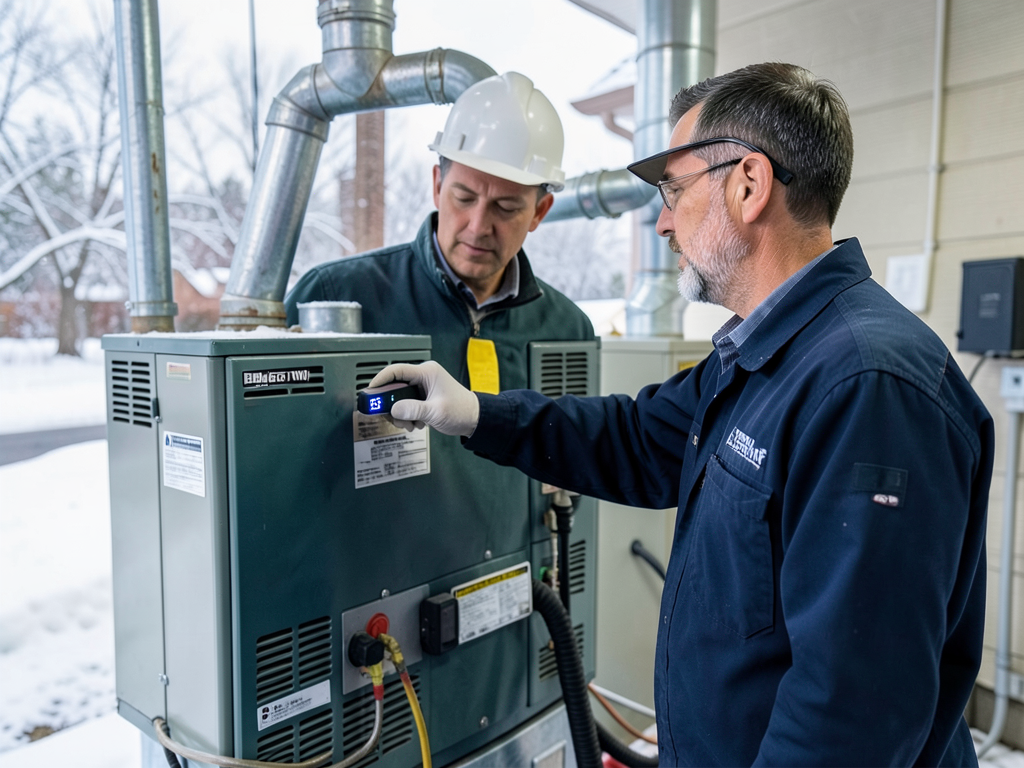
Schedule a pre-vacation furnace inspection with United HVAC Buffalo. Our NATE-certified technicians will check your system’s performance test safety controls and ensure your home stays protected while you’re away. We understand the unique challenges of Western New York winters and can recommend the perfect thermostat settings for your specific home.
Call (716) 317-7757 today to schedule your inspection. Don’t wait until the next storm hits. Protect your home and enjoy your vacation with complete peace of mind.
Frequently Asked Questions
What happens if my power goes out while I’m on vacation?
Power outages during winter can be problematic for homes with thermostats set to 55°F. Without electricity your furnace won’t operate and temperatures will drop. Consider installing a backup generator or asking a neighbor to monitor your home during extreme weather events.
How do I know if my home needs a higher thermostat setting?
Homes with a history of frozen pipes those with plumbing in exterior walls or properties in areas like South Buffalo with older construction may need higher settings. If you’ve experienced freezing issues before set your thermostat to 60°F instead of 55°F for added protection.
Should I turn off my water completely when leaving for vacation?
Turning off your main water supply eliminates the risk of major flooding but may not be necessary for short trips. For absences longer than a week during extreme cold shutting off water and draining pipes provides maximum protection. Always consult with a local plumber about your specific situation.
Can I use space heaters instead of running my furnace?
Space heaters pose significant fire risks when left unattended for extended periods. They also cannot effectively heat an entire home to prevent frozen pipes in all areas. Stick with your central heating system set to the appropriate temperature for safe reliable protection. Finding the Most Reliable Furnace Repair Services in Buffalo.
What’s the best way to monitor my home’s temperature while away?
Smart thermostats with remote monitoring capabilities provide the best solution. They allow you to check temperatures from anywhere and receive alerts if settings change unexpectedly. Some systems also integrate with security cameras for comprehensive home monitoring during your absence.
How does Buffalo’s lake-effect snow affect my thermostat settings?
Lake-effect snow can cause rapid temperature drops and increased wind chill in Buffalo. Monitor local weather forecasts before leaving town. If a major lake-effect event is predicted consider setting your thermostat slightly higher or having someone check your home more frequently during the storm.
Are there any financial benefits to lowering my thermostat while away?
Setting your thermostat to 55°F instead of 68°F can reduce heating costs by 10-15% during your absence. However the potential cost of frozen pipe repairs far outweighs these savings. The 55-60°F range provides the best balance between energy savings and home protection.. Read more about How Your Attic Heating Mistakes are Actually Causing Ice Dams in Snyder.
What should I do if I return home and my furnace isn’t working?
Check your thermostat batteries first as dead batteries can cause system failures. If the problem persists contact United HVAC Buffalo immediately at (716) 317-7757. We offer 24/7 emergency service throughout the greater Buffalo area including Amherst Orchard Park and Tonawanda. For more information, visit U.S. Department of Energy thermostat guide. For more information, visit Consumer Reports smart thermostat buying guide. For more information, visit National Association of Certified Home Inspectors frozen pipe prevention.
{
“@context”: “https://schema.org”,
“@type”: “BlogPosting”,
“headline”: “The Ideal Winter Thermostat Setting for Your Buffalo Home While You Are Away on Vacation”,
“description”: “Protect your Buffalo home from frozen pipes this winter. Learn the ideal thermostat setting between 55-60°F while on vacation to prevent costly damage.”,
“wordCount”: 1553,
“datePublished”: “2026-05-21T09:36:00.000Z”,
“dateModified”: “2026-05-21T09:36:00.000Z”,
“inLanguage”: “en-US”,
“mainEntityOfPage”: {
“@type”: “WebPage”,
“@id”: “https://unitedhvacbuffalo.com”
},
“publisher”: {
“@type”: “LocalBusiness”,
“name”: “United HVAC Buffalo”,
“url”: “https://unitedhvacbuffalo.com”
},
“author”: {
“@type”: “Organization”,
“name”: “United HVAC Buffalo”,
“url”: “https://unitedhvacbuffalo.com”
},
“image”: {
“@type”: “ImageObject”,
“url”: “https://unitedhvacbuffalo.com/wp-content/uploads/2026/03/the-ideal-winter-thermostat-setting-for-your-buffa-1.png”
}
}
{
“@context”: “https://schema.org”,
“@type”: “HVACBusiness”,
“name”: “United HVAC Buffalo”,
“url”: “https://unitedhvacbuffalo.com”,
“address”: {
“@type”: “PostalAddress”,
“addressLocality”: “Buffalo”
},
“areaServed”: {
“@type”: “City”,
“name”: “Buffalo”
}
}
{
“@context”: “https://schema.org”,
“@type”: “FAQPage”,
“mainEntity”: [
{
“@type”: “Question”,
“name”: “What happens if my power goes out while I’m on vacation?”,
“acceptedAnswer”: {
“@type”: “Answer”,
“text”: “Power outages during winter can be problematic for homes with thermostats set to 55°F. Without electricity your furnace won’t operate and temperatures will drop. Consider installing a backup generator or asking a neighbor to monitor your home during extreme weather events.”
}
},
{
“@type”: “Question”,
“name”: “How do I know if my home needs a higher thermostat setting?”,
“acceptedAnswer”: {
“@type”: “Answer”,
“text”: “Homes with a history of frozen pipes those with plumbing in exterior walls or properties in areas like South Buffalo with older construction may need higher settings. If you’ve experienced freezing issues before set your thermostat to 60°F instead of 55°F for added protection.”
}
},
{
“@type”: “Question”,
“name”: “Should I turn off my water completely when leaving for vacation?”,
“acceptedAnswer”: {
“@type”: “Answer”,
“text”: “Turning off your main water supply eliminates the risk of major flooding but may not be necessary for short trips. For absences longer than a week during extreme cold shutting off water and draining pipes provides maximum protection. Always consult with a local plumber about your specific situation.”
}
},
{
“@type”: “Question”,
“name”: “Can I use space heaters instead of running my furnace?”,
“acceptedAnswer”: {
“@type”: “Answer”,
“text”: “Space heaters pose significant fire risks when left unattended for extended periods. They also cannot effectively heat an entire home to prevent frozen pipes in all areas. Stick with your central heating system set to the appropriate temperature for safe reliable protection. Finding the Most Reliable Furnace Repair Services in Buffalo.”
}
},
{
“@type”: “Question”,
“name”: “What’s the best way to monitor my home’s temperature while away?”,
“acceptedAnswer”: {
“@type”: “Answer”,
“text”: “Smart thermostats with remote monitoring capabilities provide the best solution. They allow you to check temperatures from anywhere and receive alerts if settings change unexpectedly. Some systems also integrate with security cameras for comprehensive home monitoring during your absence.”
}
},
{
“@type”: “Question”,
“name”: “How does Buffalo’s lake-effect snow affect my thermostat settings?”,
“acceptedAnswer”: {
“@type”: “Answer”,
“text”: “Lake-effect snow can cause rapid temperature drops and increased wind chill in Buffalo. Monitor local weather forecasts before leaving town. If a major lake-effect event is predicted consider setting your thermostat slightly higher or having someone check your home more frequently during the storm.”
}
},
{
“@type”: “Question”,
“name”: “Are there any financial benefits to lowering my thermostat while away?”,
“acceptedAnswer”: {
“@type”: “Answer”,
“text”: “Setting your thermostat to 55°F instead of 68°F can reduce heating costs by 10-15% during your absence. However the potential cost of frozen pipe repairs far outweighs these savings. The 55-60°F range provides the best balance between energy savings and home protection.”
}
}
]
}
{
“@context”: “https://schema.org”,
“@type”: “BreadcrumbList”,
“itemListElement”: [
{
“@type”: “ListItem”,
“position”: 1,
“name”: “Home”,
“item”: “https://unitedhvacbuffalo.com”
},
{
“@type”: “ListItem”,
“position”: 2,
“name”: “Blog”,
“item”: “https://unitedhvacbuffalo.com/blog”
},
{
“@type”: “ListItem”,
“position”: 3,
“name”: “The Ideal Winter Thermostat Setting for Your Buffalo Home While You Are Away on Vacation”
}
]
}
{
“@context”: “https://schema.org”,
“@type”: “Service”,
“serviceType”: “HVAC”,
“provider”: {
“@type”: “LocalBusiness”,
“name”: “United HVAC Buffalo”,
“url”: “https://unitedhvacbuffalo.com”
},
“areaServed”: {
“@type”: “City”,
“name”: “Buffalo”
},
“description”: “Protect your Buffalo home from frozen pipes this winter. Learn the ideal thermostat setting between 55-60°F while on vacation to prevent costly damage.”
}