
Ductless AC Installation for Historical Homes in North Buffalo
North Buffalo’s historic homes built in the 1920s and 1930s often lack existing ductwork, making traditional central air conditioning installation invasive and expensive. Ductless mini-split systems offer a perfect solution for these charming homes on Hertel Avenue and around Delaware Park, providing efficient cooling without destroying plaster walls or original architectural details.. Read more about The Real Cost of Installing Central Air in Older Elmwood Village Homes.
These systems work exceptionally well in Buffalo’s humid continental climate, where summer temperatures regularly climb into the 80s and 90s with high humidity levels that make homes uncomfortable. The technology has advanced significantly, with modern cold-climate heat pumps now capable of operating efficiently even during Buffalo’s harsh winter months when temperatures drop below zero.
Beyond comfort, ductless systems provide significant energy savings compared to window units or portable air conditioners. They use inverter technology to adjust compressor speed based on cooling demand, reducing electricity consumption by up to 30% compared to traditional systems. This efficiency translates to lower utility bills during those muggy July and August months when air conditioning runs constantly. ENERGY STAR certified mini-split systems.
Why Historical Homes in North Buffalo Need Special Consideration
Many North Buffalo homes feature plaster walls, original woodwork, and architectural details that homeowners want to preserve. Installing traditional ductwork would require removing walls, ceilings, and potentially damaging irreplaceable features. Ductless systems eliminate this problem by requiring only a small three-inch hole for refrigerant lines.
The narrow lots and close proximity of homes in neighborhoods like Park Meadow and North Park create unique installation challenges. Outdoor condenser units must be placed carefully to comply with local setback requirements while minimizing noise for neighbors. Our technicians understand these constraints and can recommend optimal mounting locations that meet both building codes and homeowner preferences.
Older electrical systems in many North Buffalo homes may need upgrades to handle the electrical load of modern mini-split systems. Homes built before the 1960s often have 60-amp service panels that cannot support additional high-draw appliances. We assess each home’s electrical capacity during our initial consultation to ensure safe and code-compliant installation.
NYSERDA Rebates and Financial Incentives Available Now
Homeowners in Erie County can take advantage of substantial rebates through the NYSERDA Clean Heat Program. Current incentives offer up to $2,000 per indoor unit for qualifying high-efficiency mini-split installations. These rebates are designed to encourage the adoption of energy-efficient heating and cooling technologies throughout Western New York. NYSERDA Clean Heat Program.
The Inflation Reduction Act also provides federal tax credits of up to 30% of installation costs, capped at $2,000 for qualifying heat pump systems. These credits apply to both primary and secondary residences, making ductless installations more affordable for North Buffalo homeowners looking to upgrade their comfort systems.
Local utility companies like National Grid offer additional rebates for customers who install ENERGY STAR certified mini-split systems. These programs change periodically, but current offerings can reduce installation costs by several hundred dollars. Our team stays current on all available incentives and handles the paperwork to ensure you receive every available rebate.
Financing options through the New York State Energy Research and Development Authority make these systems accessible with low-interest loans spread over several years. Monthly payments often cost less than the energy savings achieved, making the investment cash-flow positive from day one.
Our Installation Process: From Assessment to Comfort
The installation process begins with a comprehensive home assessment where our technicians evaluate your home’s layout, insulation levels, and cooling needs. We use Manual J calculations to determine the exact BTU requirements for each zone, ensuring properly sized equipment that won’t short-cycle or waste energy.
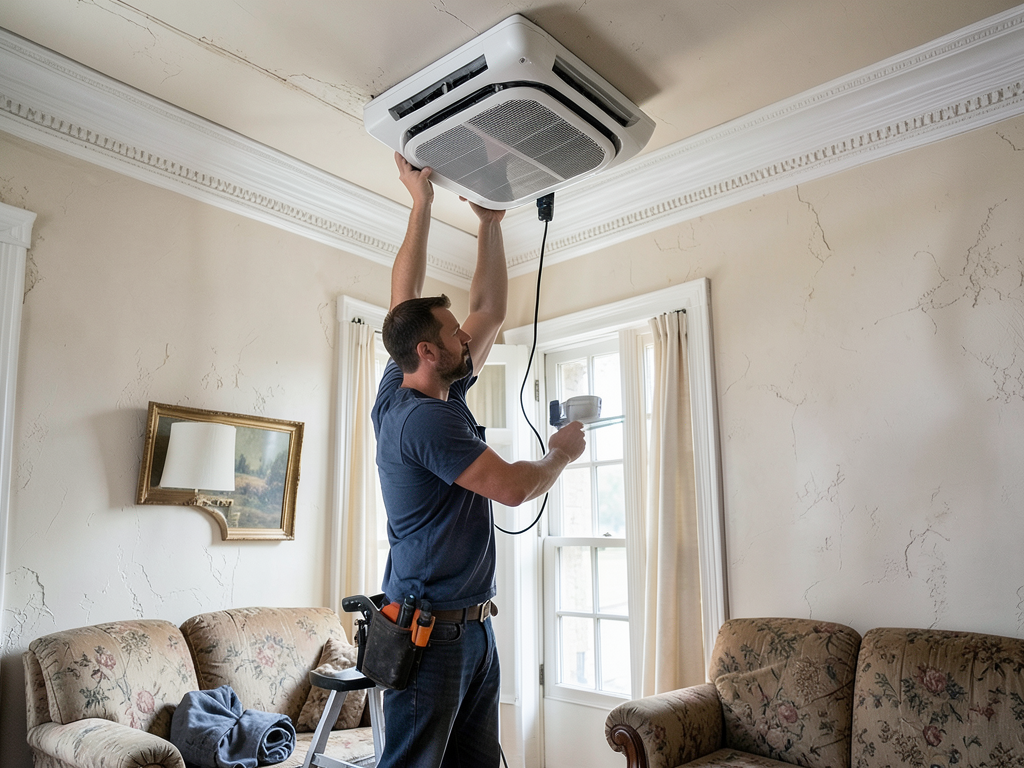
During the site survey, we identify optimal locations for indoor air handlers that maximize airflow while minimizing visual impact. In living rooms with high ceilings common in historical homes, we may recommend ceiling cassette units that recess into the ceiling for a clean, integrated appearance.
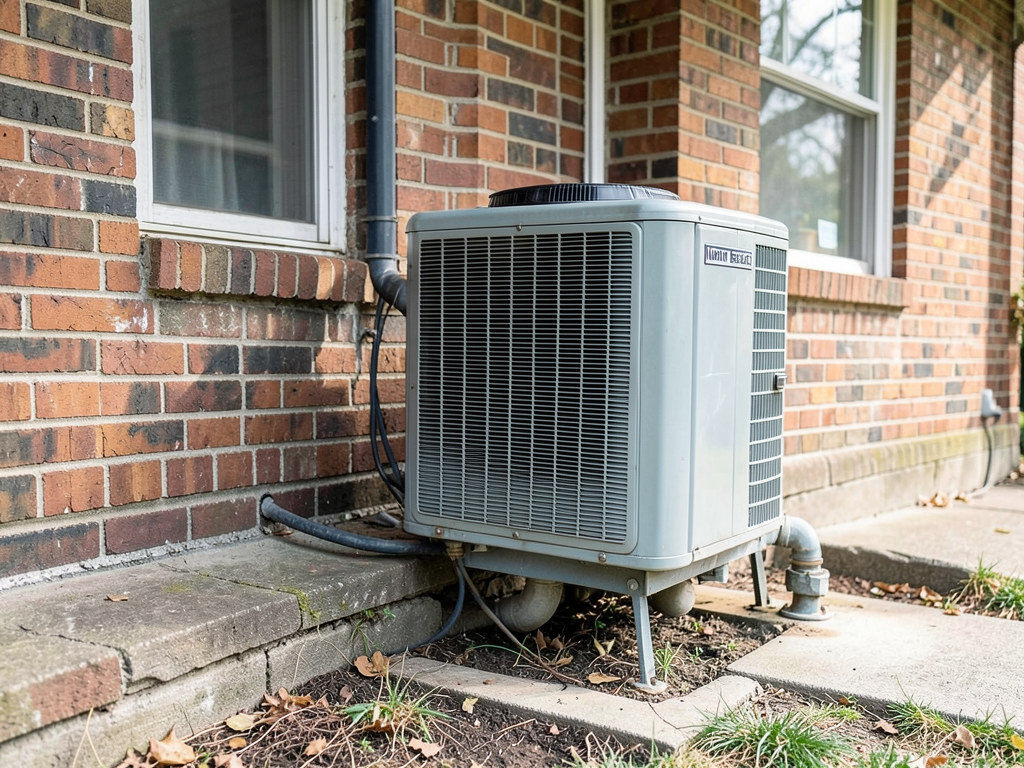
Outdoor condenser placement requires careful consideration of local building codes, which mandate specific clearances from property lines and windows. In North Buffalo’s dense residential areas, we often mount condensers on exterior walls using vibration-dampening brackets to minimize noise transmission to neighboring properties.
The actual installation typically takes one to two days depending on the number of zones and system complexity. Our technicians handle all required permits through the City of Buffalo Building Department, ensuring your installation meets all local mechanical code requirements.
Single-Zone vs. Multi-Zone Systems: Choosing What’s Right for Your Home
Single-zone systems work well for North Buffalo apartments, bungalows, or when cooling specific problem areas like second-floor bedrooms that trap heat. These systems use one outdoor condenser connected to a single indoor air handler, making them cost-effective for smaller applications or room additions.
Multi-zone systems become more economical when cooling three or more areas. A single outdoor unit can support up to eight indoor air handlers, each controlled independently for customized comfort throughout your home. This configuration reduces equipment costs and requires less outdoor space than multiple single-zone systems.
For North Buffalo’s typical two-story homes, we often recommend a two-zone system with one air handler serving the first floor and another handling the second floor. This setup addresses the natural temperature stratification that occurs in homes without central air, where upper floors become uncomfortably warm during summer months.
The decision between single and multi-zone systems also depends on your home’s construction. Homes with many small rooms may benefit from multiple single-zone units that can be targeted to specific areas, while open-concept layouts work well with fewer, larger air handlers.
Performance in Buffalo’s Extreme Weather Conditions
Modern cold-climate heat pumps use inverter-driven compressors and advanced refrigerants that maintain heating capacity even when outdoor temperatures drop to -13°F. This technology makes ductless systems viable year-round solutions for Buffalo homes, eliminating the need for separate heating and cooling systems.
During Buffalo’s humid summers, these systems excel at moisture removal. Most mini-splits can remove 2-3 pints of water per hour from indoor air, significantly improving comfort levels beyond what temperature alone provides. This dehumidification capability is particularly valuable in North Buffalo’s older homes that often have poor vapor barriers.
The systems include sophisticated defrost cycles that prevent ice buildup on outdoor coils during winter operation. Sensors monitor coil temperature and automatically switch to defrost mode when needed, ensuring continuous heating even during lake-effect snow events that blanket the region.
Energy efficiency ratings for cold-climate heat pumps typically range from 18-24 SEER for cooling and 9-12 HSPF for heating. These ratings exceed those of traditional air conditioners and furnaces, providing year-round energy savings that offset the higher initial investment.
Maintenance Requirements for Long-Term Reliability
Annual maintenance keeps your ductless system operating at peak efficiency. This service includes cleaning or replacing air filters, checking refrigerant levels, inspecting electrical connections, and cleaning indoor and outdoor coils. Regular maintenance prevents the 30% efficiency loss that dirty systems can experience over time.
Air filters in mini-split systems should be cleaned monthly during heavy use periods. Unlike central systems with whole-house filters, each indoor unit has its own filter that requires individual attention. Clean filters improve indoor air quality and prevent the musty odors that can develop when dust accumulates on coils.
Outdoor units need clear space around them for proper airflow. Buffalo’s heavy snowfall can bury condensers if not properly elevated. We install all outdoor units on minimum 12-inch pads above grade to prevent snow accumulation and ensure adequate drainage away from the foundation.
Professional maintenance includes checking for refrigerant leaks using electronic leak detectors. Even small leaks can reduce system efficiency by 10-15% and eventually lead to compressor failure if left unaddressed. Our technicians use industry-standard diagnostic tools to identify and repair leaks before they cause major problems.
Comparing Ductless to Other Cooling Options
Window units cost less upfront but typically last only 5-7 years compared to 15-20 years for mini-split systems. They also create security risks, block emergency exits, and provide inconsistent cooling with hot and cold spots throughout rooms. Their high noise levels make them unsuitable for bedrooms and home offices.
Portable air conditioners offer even less efficiency than window units, with SEER ratings often below 10 compared to 18+ for mini-splits. They require floor space, produce significant noise, and typically cool only small areas effectively. Their exhaust hoses create additional heat gain, reducing overall cooling effectiveness.
Traditional central air requires extensive ductwork that many North Buffalo homes cannot accommodate without major renovations. The installation cost for adding ducts to a finished home often exceeds the cost of a multi-zone ductless system while providing less zoning flexibility and higher energy losses through leaky ducts.
Geothermal systems offer excellent efficiency but require significant yard space for ground loops and have installation costs three to four times higher than ductless systems. They make sense for new construction but rarely for retrofitting existing North Buffalo homes with limited outdoor space.
- Assess Your Home’s Layout
Count the number of rooms needing cooling and note ceiling heights, window locations, and insulation quality. Open floor plans may need fewer air handlers than compartmentalized layouts.
- Calculate BTU Requirements
Use Manual J calculations or consult with our technicians to determine exact cooling needs. Undersized systems won’t cool effectively, while oversized units short-cycle and waste energy.
- Consider Zoning Needs
Identify areas with different usage patterns or solar exposure. Bedrooms may need cooling at night while living areas need daytime cooling, requiring separate zones for optimal comfort.
Common Installation Challenges in Historical Homes
Many North Buffalo homes built before 1940 have asbestos insulation in walls or around pipes. Our technicians are trained to identify potential asbestos-containing materials and will recommend testing before any invasive work begins. Safety always takes priority over installation speed.
Lead paint presents another concern in homes built before 1978. We use containment procedures and HEPA filtration when working in areas where paint disturbance might occur. This protects both our technicians and your family from lead exposure during installation.
Structural considerations become important when mounting indoor units. Plaster walls require special anchors and techniques different from modern drywall. We use mounting hardware specifically designed for older construction to ensure secure installation without damaging original materials.
Many historical homes have settled over the decades, creating uneven floors and walls that complicate level mounting. Our technicians use laser levels and precision measuring tools to ensure proper installation despite these irregularities, maintaining both function and aesthetics.
Energy Savings and Environmental Benefits
Ductless systems use R-410A or R-32 refrigerants that have zero ozone depletion potential, unlike older R-22 systems being phased out across the industry. These modern refrigerants also provide better heat transfer efficiency, contributing to the overall energy savings of the systems.
The inverter technology in mini-split compressors eliminates the power surges associated with traditional AC units starting up. This “soft start” feature reduces peak electrical demand, which can lower your utility bills if you’re on a time-of-use rate plan or have demand charges.
Many North Buffalo homeowners report 30-40% reductions in summer electricity bills after installing ductless systems. These savings come from both the higher efficiency of the equipment and the ability to cool only occupied rooms rather than the entire house.
The reduced energy consumption also means lower carbon emissions, especially important in New York State where electrical generation is increasingly from renewable sources. Each kilowatt-hour saved represents a direct reduction in fossil fuel consumption and greenhouse gas emissions.
Frequently Asked Questions
Do ductless systems work in Buffalo’s cold winters?
Yes, modern cold-climate heat pumps function effectively down to -13°F. They provide 100% of their rated heating capacity at 5°F and can operate continuously even during severe cold snaps. Most homeowners find they provide sufficient heating for the entire heating season.
How long does installation take?
Most single-zone installations complete in one day. Multi-zone systems typically require two days due to the additional indoor units and more complex refrigerant line routing. Both scenarios include electrical work, mounting, refrigerant charging, and system testing.
Will I need permits?
Yes, the City of Buffalo requires mechanical permits for all ductless installations. Our team handles all permit applications and inspections as part of our comprehensive service, ensuring your installation meets all local building codes and safety requirements.
What maintenance do these systems require?
Basic maintenance includes monthly air filter cleaning and annual professional service. The professional service checks refrigerant levels, cleans coils, inspects electrical connections, and tests system performance. Well-maintained systems typically operate at 95% efficiency even after 10 years.
Ready to Upgrade Your Home’s Comfort?
North Buffalo’s unique housing stock requires specialized knowledge and experience for successful ductless installation. Our team understands the specific challenges of working in historical homes, from plaster wall mounting to electrical system limitations.
We provide free in-home consultations to assess your cooling needs and recommend the most cost-effective solution for your specific situation. Our estimates include all equipment, installation, permits, and available rebates so you know the total investment upfront.
Don’t wait until summer heat makes your home unbearable. Call (716) 317-7757 today to schedule your free consultation and take the first step toward year-round comfort in your North Buffalo home. Our experienced technicians will show you exactly how ductless technology can solve your cooling challenges while preserving your home’s historic character.
Pick up the phone and call (716) 317-7757 before the next heat wave hits. Your comfort is too important to leave to chance, and our team is ready to deliver the efficient, reliable cooling solution your historical home deserves.
{
“@context”: “https://schema.org”,
“@type”: “BlogPosting”,
“headline”: “Ductless AC Installation for Historical Homes in North Buffalo”,
“description”: “Discover how ductless mini-splits solve cooling challenges in North Buffalo’s historic homes. Learn about rebates, installation, and energy savings specific to Buffalo’s climate.”,
“wordCount”: 2221,
“datePublished”: “2026-02-19T13:24:00.000Z”,
“dateModified”: “2026-02-19T13:24:00.000Z”,
“inLanguage”: “en-US”,
“mainEntityOfPage”: {
“@type”: “WebPage”,
“@id”: “https://unitedhvacbuffalo.com”
},
“publisher”: {
“@type”: “LocalBusiness”,
“name”: “United HVAC Buffalo”,
“url”: “https://unitedhvacbuffalo.com”
},
“author”: {
“@type”: “Organization”,
“name”: “United HVAC Buffalo”,
“url”: “https://unitedhvacbuffalo.com”
},
“image”: {
“@type”: “ImageObject”,
“url”: “https://unitedhvacbuffalo.com/wp-content/uploads/2026/03/ductless-ac-installation-for-historical-homes-in-n-1.png”
}
}
{
“@context”: “https://schema.org”,
“@type”: “HVACBusiness”,
“name”: “United HVAC Buffalo”,
“url”: “https://unitedhvacbuffalo.com”,
“address”: {
“@type”: “PostalAddress”,
“addressLocality”: “Buffalo”
},
“areaServed”: {
“@type”: “City”,
“name”: “Buffalo”
}
}
{
“@context”: “https://schema.org”,
“@type”: “FAQPage”,
“mainEntity”: [
{
“@type”: “Question”,
“name”: “Do ductless systems work in Buffalo’s cold winters?”,
“acceptedAnswer”: {
“@type”: “Answer”,
“text”: “Yes, modern cold-climate heat pumps function effectively down to -13°F. They provide 100% of their rated heating capacity at 5°F and can operate continuously even during severe cold snaps. Most homeowners find they provide sufficient heating for the entire heating season.”
}
},
{
“@type”: “Question”,
“name”: “How long does installation take?”,
“acceptedAnswer”: {
“@type”: “Answer”,
“text”: “Most single-zone installations complete in one day. Multi-zone systems typically require two days due to the additional indoor units and more complex refrigerant line routing. Both scenarios include electrical work, mounting, refrigerant charging, and system testing.”
}
},
{
“@type”: “Question”,
“name”: “Will I need permits?”,
“acceptedAnswer”: {
“@type”: “Answer”,
“text”: “Yes, the City of Buffalo requires mechanical permits for all ductless installations. Our team handles all permit applications and inspections as part of our comprehensive service, ensuring your installation meets all local building codes and safety requirements.”
}
},
{
“@type”: “Question”,
“name”: “What maintenance do these systems require?”,
“acceptedAnswer”: {
“@type”: “Answer”,
“text”: “Basic maintenance includes monthly air filter cleaning and annual professional service. The professional service checks refrigerant levels, cleans coils, inspects electrical connections, and tests system performance. Well-maintained systems typically operate at 95% efficiency even after 10 years.”
}
},
{
“@type”: “Question”,
“name”: “Ready to Upgrade Your Home’s Comfort?”,
“acceptedAnswer”: {
“@type”: “Answer”,
“text”: “North Buffalo’s unique housing stock requires specialized knowledge and experience for successful ductless installation. Our team understands the specific challenges of working in historical homes, from plaster wall mounting to electrical system limitations.”
}
}
]
}
{
“@context”: “https://schema.org”,
“@type”: “HowTo”,
“name”: “How to Choose the Right Ductless System”,
“step”: [
{
“@type”: “HowToStep”,
“position”: 1,
“name”: “Assess Your Home’s Layout”,
“text”: “Count the number of rooms needing cooling and note ceiling heights, window locations, and insulation quality. Open floor plans may need fewer air handlers than compartmentalized layouts.”
},
{
“@type”: “HowToStep”,
“position”: 2,
“name”: “Calculate BTU Requirements”,
“text”: “Use Manual J calculations or consult with our technicians to determine exact cooling needs. Undersized systems won’t cool effectively, while oversized units short-cycle and waste energy.”
},
{
“@type”: “HowToStep”,
“position”: 3,
“name”: “Consider Zoning Needs”,
“text”: “Identify areas with different usage patterns or solar exposure. Bedrooms may need cooling at night while living areas need daytime cooling, requiring separate zones for optimal comfort.”
}
],
“image”: “https://unitedhvacbuffalo.com/wp-content/uploads/2026/03/ductless-ac-installation-for-historical-homes-in-n-1.png”
}
{
“@context”: “https://schema.org”,
“@type”: “BreadcrumbList”,
“itemListElement”: [
{
“@type”: “ListItem”,
“position”: 1,
“name”: “Home”,
“item”: “https://unitedhvacbuffalo.com”
},
{
“@type”: “ListItem”,
“position”: 2,
“name”: “Blog”,
“item”: “https://unitedhvacbuffalo.com/blog”
},
{
“@type”: “ListItem”,
“position”: 3,
“name”: “Ductless AC Installation for Historical Homes in North Buffalo”
}
]
}
{
“@context”: “https://schema.org”,
“@type”: “Service”,
“serviceType”: “HVAC”,
“provider”: {
“@type”: “LocalBusiness”,
“name”: “United HVAC Buffalo”,
“url”: “https://unitedhvacbuffalo.com”
},
“areaServed”: {
“@type”: “City”,
“name”: “Buffalo”
},
“description”: “Discover how ductless mini-splits solve cooling challenges in North Buffalo’s historic homes. Learn about rebates, installation, and energy savings specific to Buffalo’s climate.”
}