
How Your Attic Heating Mistakes are Actually Causing Ice Dams in Snyder
Ice dams form when heat escapes from your attic, melting snow on your roof that refreezes at the eaves. In Snyder, NY, where lake-effect snow can dump over 80 inches annually, this freeze-thaw cycle creates thick ice barriers that force water under shingles and into your home. The real culprit isn’t your roof—it’s the heat leaking from your HVAC system and poor attic insulation creating a perfect storm for winter damage.
Most Snyder homeowners don’t realize their furnace ducts, improperly sealed attic bypasses, and inadequate ventilation are literally melting their roofs from the inside out. United HVAC Buffalo sees this pattern repeatedly in Snyder’s mix of 1960s split-levels and newer constructions near the SUNY Buffalo State campus. The good news: you can stop ice dams before they start by addressing these hidden heat sources. Emergency Furnace Repair in Amherst When Your Heat Goes Out at Night.
The Lake Effect Factor: Why Snyder Homes Are Especially Vulnerable
Snyder sits in a prime lake-effect snow belt, receiving 85-95 inches of snow annually compared to Buffalo’s 94 inches. The area’s mix of older homes near Harlem Road and newer developments off Maple Road creates unique challenges. Many Snyder homes built before 1980 lack modern vapor barriers, while post-2000 constructions often have complex rooflines that trap heat. HVAC Buffalo.
The freeze-thaw cycle here is brutal. When daytime temperatures hover around 30-35°F—common in Snyder winters—melting snow refreezes overnight, building ice dams that can grow several feet thick. Homes near the Kensington Expressway experience slightly warmer temperatures due to urban heat island effects, making ice dam formation even more unpredictable.. Read more about Making Your Second Floor Dormer Bedroom Actually Comfortable During a Heatwave.
The Surprising Role of Your HVAC System in Ice Dam Formation
Your heating system might be the invisible enemy creating ice dams. Ductwork running through unconditioned attic spaces can leak warm air, raising attic temperatures by 10-15°F above outdoor levels. In Snyder’s climate, that temperature difference is enough to melt snow on your roof while the eaves remain frozen. Outdoor Unit Not Spinning.
Leaky Ductwork: The Invisible Heat Source in Your Attic
According to the U.S. Department of Energy, the average home loses 20-30% of heated air through duct leaks. In Snyder’s older homes, that percentage can be much higher. We’ve found duct systems with gaps large enough to fit your fist, especially where flexible ducts connect to supply boots in the attic. U.S. Department of Energy duct sealing information.
The diagnostic process is straightforward but revealing. Using a duct blaster test, we pressurize your duct system and measure leakage. Homes in Snyder’s Harlem Road corridor often show 25-35% leakage rates—enough to keep attic temperatures in the 40s when it’s 20°F outside. That’s ice dam territory.
Furnace Placement and Attic Temperatures
Many Snyder homes have furnaces in unconditioned basements or crawl spaces. When supply ducts run through cold attic spaces, they create condensation that freezes and thaws repeatedly. This moisture can freeze inside ducts, reducing airflow and causing your furnace to work harder—creating even more heat in the attic.
The solution isn’t always replacing your furnace. Sometimes it’s as simple as adding duct insulation or sealing connections. We’ve seen cases where proper duct sealing reduced attic temperatures by 8-10°F, stopping ice dam formation entirely.
How to Identify an Ice Dam Before it Damages Your Snyder Home
Ice dams don’t appear overnight. They start as small icicles along your eaves, then grow into thick ice barriers that trap melting snow. Here’s what to look for in your Snyder home:
- Large icicles forming along roof edges, especially on north-facing slopes
- Ice buildup in gutters that extends onto the roof
- Water stains on interior ceilings near exterior walls
- Missing shingles or damaged roof edges where ice has pulled materials away
- Mildew smell in upper floor rooms during winter thaws
The most telling sign is temperature patterns. If snow melts on your roof but remains on your neighbors’ roofs, you have a heat problem. Use an infrared thermometer to check your attic temperature on a cold day—anything above 30°F when it’s 20°F outside indicates heat loss.
Long-term Solutions: Beyond Shoveling Your Roof
Roof raking and ice melting cables are temporary fixes that don’t address the root cause. Here’s how to permanently solve ice dam problems in Snyder homes:
Sealing Attic Bypasses and Ductwork
Attic bypasses are pathways where warm air escapes into your attic. Common culprits in Snyder homes include:
- Poorly sealed attic access hatches
- Plumbing vent stacks that penetrate the attic floor
- Electrical wiring holes that weren’t properly sealed
- Furnace flue penetrations with inadequate clearance
Sealing these bypasses can reduce heat loss by 15-25%. We use fire-rated sealant around flues and expanding foam for smaller gaps. The process takes 2-4 hours for most Snyder homes and costs significantly less than ice dam damage repairs.
Improving Ventilation: Soffit and Ridge Vent Optimization
Proper attic ventilation is critical in Snyder’s climate. Building codes require 1 square foot of net free ventilation area for every 300 square feet of attic floor space. Many older Snyder homes have less than half that amount.
The ideal ventilation system creates continuous airflow from soffit vents at the eaves to ridge vents at the peak. This keeps attic temperatures within 10°F of outdoor temperatures. We’ve seen cases where adding proper ventilation eliminated ice dams completely, even in homes with marginal insulation.
When to Call a Buffalo HVAC Professional for an Attic Audit
Not every ice dam problem requires a full HVAC replacement. Here’s when you should call United HVAC Buffalo for a professional assessment:. Read more about What a Professional Energy Audit Reveals About Your High Buffalo Heating Bills.
- Your energy bills spike during winter months
- You notice uneven heating or cold spots in your home
- Ice dams form repeatedly in the same locations
- Your home is over 20 years old with original HVAC equipment
- You’re planning a roof replacement and want to prevent future ice dams
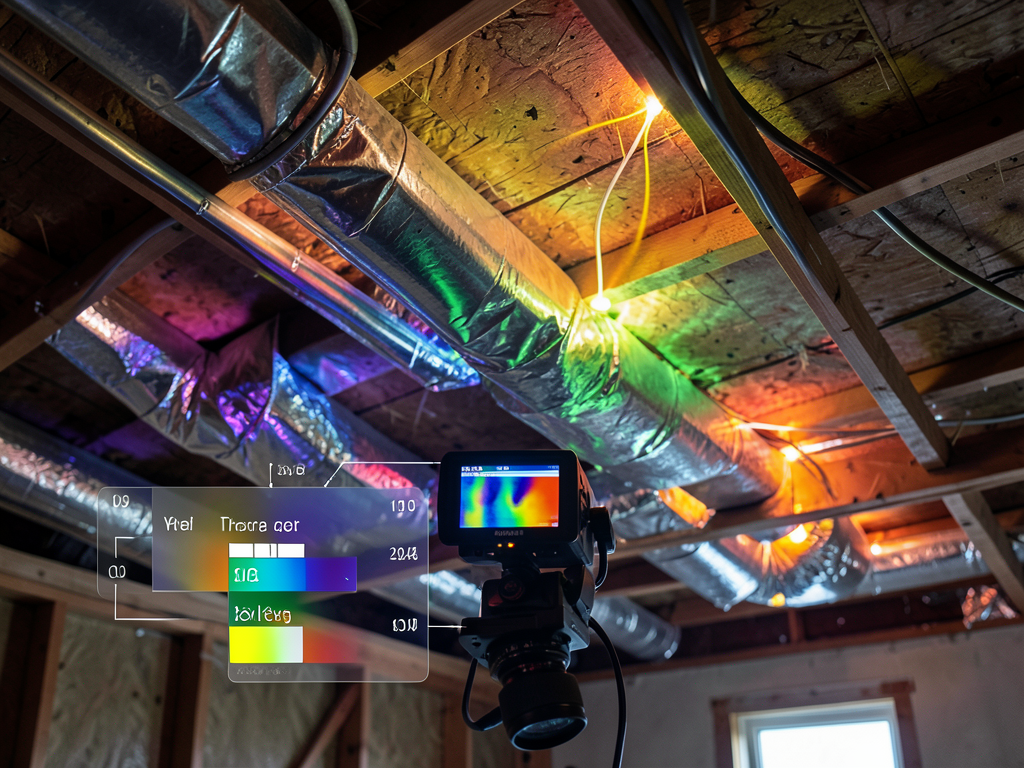
During an attic audit, we use thermal imaging cameras to identify heat leaks, perform duct leakage tests, and measure insulation levels. The process takes 1-2 hours and provides a roadmap for eliminating ice dams permanently.
The Cost-Benefit Analysis: Prevention vs. Repair
Ice dam damage repairs in Snyder typically cost $3,000-$8,000, including water damage restoration, roof repairs, and mold remediation. Prevention through HVAC improvements and attic sealing costs $1,500-$4,000 but eliminates future repair costs.
Consider this: a single ice dam incident can reduce your home’s value by 2-3% due to water damage history. In Snyder’s competitive real estate market, that’s $6,000-$15,000 in lost equity for a $300,000 home.
NYSERDA offers rebates for energy efficiency improvements that include duct sealing and insulation upgrades. These programs can offset 20-30% of prevention costs, making the investment even more attractive. NYSERDA energy efficiency rebate programs.
Frequently Asked Questions
Can ice dams form even with good insulation?
Yes. Even well-insulated attics can develop ice dams if there are duct leaks or inadequate ventilation. Heat from ductwork can raise attic temperatures significantly, regardless of insulation levels.
How long does it take to fix attic heating issues?
Most duct sealing and bypass repairs take 1-2 days. Ventilation improvements might require an additional day. You’ll see immediate improvements in attic temperature and ice dam prevention.
Will fixing my attic heating reduce my energy bills?
Absolutely. Sealing duct leaks and improving insulation typically reduces heating costs by 15-25%. Many Snyder homeowners report $200-$400 in annual savings after making these improvements.
Should I remove my gutters to prevent ice dams?
No. Gutters actually help prevent ice dams by providing a path for melting snow to drain. The problem isn’t your gutters—it’s the heat escaping into your attic that’s melting the snow in the first place.
How do I know if my attic is properly ventilated?
Proper ventilation should keep your attic within 10°F of outdoor temperatures. If your attic is significantly warmer than outside on a cold day, you likely need more ventilation or have heat leaks that need addressing.
Take Action Before the Next Snowstorm
Ice dams are a symptom of a larger problem: heat escaping where it shouldn’t. In Snyder’s harsh winters, that heat loss isn’t just costing you money—it’s actively damaging your home. The freeze-thaw cycles we experience can turn a small leak into thousands of dollars in water damage within days.
United HVAC Buffalo has been solving these problems for Snyder homeowners since 2010. We understand the unique challenges of lake-effect snow, older home construction, and the specific building patterns in your neighborhood. Our attic audits include thermal imaging, duct testing, and detailed recommendations tailored to your home’s construction.
Don’t wait until water is dripping through your ceiling. Call (716) 317-7757 today to schedule your attic inspection. Our team will identify heat leaks, recommend cost-effective solutions, and help you qualify for NYSERDA rebates that can reduce your investment by up to 30%.
Pick up the phone and call (716) 317-7757 before the next storm hits. Your roof—and your wallet—will thank you.
{
“@context”: “https://schema.org”,
“@type”: “BlogPosting”,
“headline”: “How Your Attic Heating Mistakes are Actually Causing Ice Dams in Snyder”,
“description”: “Learn how attic heat leaks create ice dams in Snyder homes. Discover hidden HVAC mistakes that cause roof damage and how United HVAC Buffalo can help.”,
“wordCount”: 1477,
“datePublished”: “2026-06-01T15:30:00.000Z”,
“dateModified”: “2026-06-01T15:30:00.000Z”,
“inLanguage”: “en-US”,
“mainEntityOfPage”: {
“@type”: “WebPage”,
“@id”: “https://unitedhvacbuffalo.com”
},
“publisher”: {
“@type”: “LocalBusiness”,
“name”: “United HVAC Buffalo”,
“url”: “https://unitedhvacbuffalo.com”
},
“author”: {
“@type”: “Organization”,
“name”: “United HVAC Buffalo”,
“url”: “https://unitedhvacbuffalo.com”
},
“image”: {
“@type”: “ImageObject”,
“url”: “https://unitedhvacbuffalo.com/wp-content/uploads/2026/03/how-your-attic-heating-mistakes-are-actually-causi-1.png”
}
}
{
“@context”: “https://schema.org”,
“@type”: “HVACBusiness”,
“name”: “United HVAC Buffalo”,
“url”: “https://unitedhvacbuffalo.com”,
“address”: {
“@type”: “PostalAddress”,
“addressLocality”: “Buffalo”
},
“areaServed”: {
“@type”: “City”,
“name”: “Buffalo”
}
}
{
“@context”: “https://schema.org”,
“@type”: “FAQPage”,
“mainEntity”: [
{
“@type”: “Question”,
“name”: “Can ice dams form even with good insulation?”,
“acceptedAnswer”: {
“@type”: “Answer”,
“text”: “Yes. Even well-insulated attics can develop ice dams if there are duct leaks or inadequate ventilation. Heat from ductwork can raise attic temperatures significantly, regardless of insulation levels.”
}
},
{
“@type”: “Question”,
“name”: “How long does it take to fix attic heating issues?”,
“acceptedAnswer”: {
“@type”: “Answer”,
“text”: “Most duct sealing and bypass repairs take 1-2 days. Ventilation improvements might require an additional day. You’ll see immediate improvements in attic temperature and ice dam prevention.”
}
},
{
“@type”: “Question”,
“name”: “Will fixing my attic heating reduce my energy bills?”,
“acceptedAnswer”: {
“@type”: “Answer”,
“text”: “Absolutely. Sealing duct leaks and improving insulation typically reduces heating costs by 15-25%. Many Snyder homeowners report $200-$400 in annual savings after making these improvements.”
}
},
{
“@type”: “Question”,
“name”: “Should I remove my gutters to prevent ice dams?”,
“acceptedAnswer”: {
“@type”: “Answer”,
“text”: “No. Gutters actually help prevent ice dams by providing a path for melting snow to drain. The problem isn’t your gutters—it’s the heat escaping into your attic that’s melting the snow in the first place.”
}
}
]
}
{
“@context”: “https://schema.org”,
“@type”: “BreadcrumbList”,
“itemListElement”: [
{
“@type”: “ListItem”,
“position”: 1,
“name”: “Home”,
“item”: “https://unitedhvacbuffalo.com”
},
{
“@type”: “ListItem”,
“position”: 2,
“name”: “Blog”,
“item”: “https://unitedhvacbuffalo.com/blog”
},
{
“@type”: “ListItem”,
“position”: 3,
“name”: “How Your Attic Heating Mistakes are Actually Causing Ice Dams in Snyder”
}
]
}
{
“@context”: “https://schema.org”,
“@type”: “Service”,
“serviceType”: “HVAC”,
“provider”: {
“@type”: “LocalBusiness”,
“name”: “United HVAC Buffalo”,
“url”: “https://unitedhvacbuffalo.com”
},
“areaServed”: {
“@type”: “City”,
“name”: “Buffalo”
},
“description”: “Learn how attic heat leaks create ice dams in Snyder homes. Discover hidden HVAC mistakes that cause roof damage and how United HVAC Buffalo can help.”
}