
Keeping Your HVAC System Healthy While Living with Pets in Tonawanda
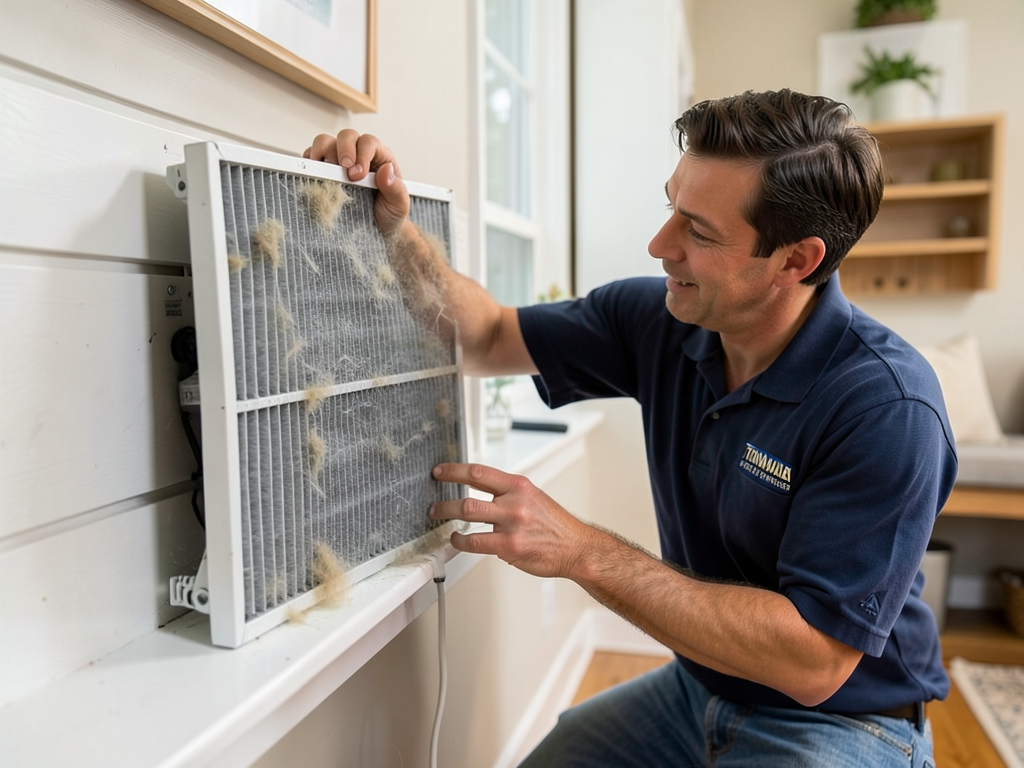
Living with pets in Tonawanda means dealing with year-round shedding cycles, especially during spring and fall when dogs and cats lose their winter coats. Your HVAC system works overtime to filter pet dander and hair, which can clog filters and strain components. In Western New York’s extreme seasonal shifts, from lake-effect snow to humid summers, pet owners need specific strategies to keep their heating and cooling systems running efficiently while maintaining healthy indoor air quality.
Why Tonawanda Pet Owners Face Unique HVAC Challenges
Tonawanda’s location along the Niagara River creates higher humidity levels than surrounding areas, especially during summer months. This moisture makes pet dander particles more airborne and sticky, causing them to cling to HVAC components. During winter, when homes stay sealed for months, dander accumulates rapidly inside ductwork and on evaporator coils.
The average Tonawanda home built between 1950 and 1980 has ductwork that wasn’t designed for today’s high-efficiency systems. Pet hair and dander get trapped in these older ducts, creating breeding grounds for bacteria and mold. This combination of aging infrastructure and pet ownership creates a perfect storm for HVAC inefficiency.
Choosing the Right Air Filter for Pet Dander Control
Not all air filters handle pet hair and dander equally. The MERV rating system measures a filter’s ability to trap particles, with higher numbers capturing smaller particles. For pet owners, the right balance between filtration and airflow is crucial. Choosing the Right HVAC Contractor for Your West Seneca Home Renovation.
| Filter Type | MERV Rating | Pet Hair Capture | Airflow Impact | Replacement Frequency |
|---|---|---|---|---|
| Basic Fiberglass | MERV 4-6 | Poor | Minimal | 30-60 days |
| Pleated Filter | MERV 8-11 | Good | Moderate | 60-90 days |
| High-Efficiency | MERV 13+ | Excellent | Significant | 30-60 days |
For most Tonawanda homes with pets, a MERV 11 pleated filter offers the best balance. It captures 85% of pet dander particles while maintaining adequate airflow for your system. Homes with multiple pets or allergy sufferers might benefit from MERV 13 filters, but these require more frequent changes to prevent system strain.
Impact of Buffalo’s Climate on Pet-Related HVAC Issues
Western New York’s climate creates specific challenges for pet owners. During summer humidity peaks, pet dander absorbs moisture and becomes heavier, settling on evaporator coils and reducing cooling efficiency. The New York State Energy Research and Development Authority (NYSERDA) recommends maintaining indoor humidity between 30-50% for optimal HVAC performance and pet comfort. NYSERDA.
Winter presents different problems. When outdoor temperatures drop below freezing, pets spend more time indoors, increasing dander production. The dry winter air causes static electricity, making pet hair cling to everything, including your HVAC components. This static charge can actually pull hair through filters and onto sensitive parts like blower motors. Outdoor Unit Not Spinning.
Protecting Your Outdoor AC Unit from Pet Damage
Many Tonawanda homeowners don’t realize that pet urine can corrode outdoor condenser coils. Dog urine contains ammonia and other chemicals that eat away at the aluminum fins, reducing heat transfer efficiency. A single dog marking the unit can cause thousands of dollars in damage over time.
Creating a barrier around your outdoor unit prevents this damage. Install a decorative fence or lattice that allows airflow but keeps pets away. Place the barrier at least 24 inches from the unit to maintain proper ventilation. For homes with multiple pets, consider a motion-activated sprinkler system that deters animals without harming them.
Outdoor units also collect pet hair that blows around the yard. During spring shedding season, this hair can clog the condenser coils, forcing your system to work harder. Regular cleaning with a garden hose on low pressure removes this buildup. Always shut off power to the unit before cleaning.
Indoor Air Quality Solutions for Multi-Pet Homes
Whole-home air purifiers connected to your HVAC system provide continuous filtration beyond what standard filters offer. These systems use HEPA filtration and activated carbon to remove pet dander, hair, and odors. The American Society of Heating, Refrigerating and Air-Conditioning Engineers (ASHRAE) recommends these systems for homes with allergy sufferers or multiple pets. ASHRAE.
UV germicidal lights installed in your ductwork kill bacteria, viruses, and mold spores that thrive on pet dander. These lights also neutralize the organic compounds that cause that distinctive “wet dog” smell. For Tonawanda’s humid climate, UV lights prevent mold growth on evaporator coils, which is especially important when pet hair provides additional organic material for mold to feed on.
Smart thermostats with air quality sensors can monitor particulate levels in your home. When dander counts spike during shedding season, these systems can automatically adjust fan speeds to increase filtration. Some models even integrate with air purifiers to create a comprehensive IAQ management system.
Monthly Maintenance Checklist for Tonawanda Pet Owners
Regular maintenance prevents most pet-related HVAC problems. Follow this monthly checklist to keep your system running efficiently:
- Check and Replace Air Filter
Inspect your air filter monthly during peak shedding seasons. Replace when visibly dirty, typically every 30-60 days for homes with pets.
- Clean Vents and Registers
Remove vent covers and vacuum inside ducts within reach. Pet hair accumulates here and restricts airflow.
- Inspect Outdoor Unit
Check for pet damage, debris buildup, or vegetation growing too close. Maintain 24-inch clearance around the unit.
- Test Carbon Monoxide Detectors
Pet-heavy homes need extra safety monitoring. Test detectors monthly and replace batteries annually.
- Listen for Unusual Noises
Strange sounds from your HVAC system often indicate pet hair clogging components. Address these issues promptly.
Professional Services That Benefit Pet Owners
Annual professional maintenance becomes even more critical when you have pets. A thorough cleaning includes removing pet hair from blower wheels, evaporator coils, and heat exchangers. Technicians can also check for corrosion on outdoor units caused by pet urine.
Duct cleaning every 3-5 years removes accumulated pet dander, hair, and dust from your ductwork. This service is especially valuable for older Tonawanda homes with original duct systems. The National Air Duct Cleaners Association (NADCA) recommends this frequency for homes with pets to maintain optimal airflow and indoor air quality.
Consider scheduling your professional maintenance during spring or fall when pets shed the most. This timing prevents the buildup of hair and dander during peak shedding seasons. Many HVAC companies offer discounted rates during these shoulder seasons.
Emergency Preparedness for Pet Owners
Western New York’s extreme weather creates emergency situations where HVAC systems and pet safety intersect. During summer power outages, pets can overheat quickly. Consider installing a whole-house generator or having window AC units available for emergency cooling. Emergency Furnace Repair in Amherst When Your Heat Goes Out at Night.
Winter emergencies require different preparation. Keep your thermostat at 65 degrees minimum when away to prevent pipes from freezing. Pets need consistent temperatures too, especially older animals or those with health conditions. Never let indoor temperatures drop below 60 degrees for extended periods.
Have a backup plan for HVAC failures. Know the location of your main water shutoff valve and how to turn off your gas supply if you smell gas. Keep emergency contact numbers for your HVAC company and veterinarian readily available.
Energy Efficiency Tips for Pet Owners
Pet owners often struggle with balancing comfort and efficiency. Setting your thermostat back 7-10 degrees while away saves energy, but pets need stable temperatures. Instead, adjust by 3-5 degrees and use ceiling fans to circulate air, which costs much less than maintaining extreme temperature swings.
Seal air leaks around windows and doors to prevent drafts that make your system work harder. This is especially important in older Tonawanda homes where settling has created gaps. Weatherstripping and caulk are inexpensive solutions that pay for themselves through energy savings.
Upgrade to a programmable or smart thermostat that creates pet-friendly temperature schedules. These devices learn your routine and adjust automatically, maintaining comfort for your pets while optimizing energy use. Some models even have pet-specific settings that prevent dangerous temperature extremes.
Common HVAC Problems Pet Owners Experience
Understanding common issues helps you identify problems early. Pet hair clogging air filters causes reduced airflow, making your system work harder and increasing energy bills. You might notice weak airflow from vents or your system running longer cycles than usual.
Pet dander accumulating on evaporator coils reduces cooling efficiency and can cause ice buildup. If you notice reduced cooling or see ice on refrigerant lines, dirty coils might be the culprit. This problem worsens in Tonawanda’s humid climate where moisture makes dander stickier.
Outdoor unit damage from pet urine shows as corroded fins and reduced efficiency. You might notice your AC running constantly without adequately cooling your home. This damage is often mistaken for normal wear and tear, but early detection can prevent expensive repairs.
Indoor Air Quality Testing for Pet Owners
Professional indoor air quality testing identifies specific pollutants affecting your home. These tests measure particulate matter, including pet dander, as well as volatile organic compounds (VOCs) from pet odors. The results help determine if your current filtration system is adequate or if upgrades are needed.
Many Tonawanda homes have elevated particulate levels due to the combination of pet ownership and older construction. Testing typically reveals dander levels 2-3 times higher than pet-free homes. This data helps HVAC professionals recommend targeted solutions like upgraded filtration or additional air cleaning devices.
Consider testing if family members experience increased allergy symptoms or if you notice persistent pet odors despite regular cleaning. These signs indicate your HVAC system might not be adequately handling the air quality demands of your household.
Long-Term Solutions for Pet-Friendly HVAC Systems
For serious pet owners, investing in HVAC upgrades designed for animal households makes sense. High-efficiency systems with variable-speed blowers maintain consistent airflow while using less energy. These systems also run longer at lower speeds, providing better filtration without the temperature swings that stress pets.
Zoned HVAC systems allow different temperature settings for different areas of your home. This feature is perfect for homes where pets have designated areas or where certain rooms need different temperatures. Zoning also improves overall efficiency by conditioning only occupied spaces.
Consider a heat pump system for year-round efficiency. Modern heat pumps work effectively in Western New York’s climate and provide both heating and cooling from a single unit. This eliminates the need for separate furnace and AC systems, reducing the places where pet hair and dander can accumulate.
Local Resources for Tonawanda Pet Owners
Tonawanda’s proximity to Buffalo means access to specialized HVAC services familiar with pet-related challenges. Local companies understand the specific issues caused by Western New York’s climate and can recommend solutions tailored to your home and pets. HVAC Buffalo.
The Erie County Department of Health provides guidelines for maintaining healthy indoor environments, including recommendations for homes with pets. They offer resources on air quality, humidity control, and ventilation that complement HVAC maintenance efforts.
Local pet stores and veterinarians often partner with HVAC companies to provide comprehensive solutions for pet owners. These partnerships can include discounted services, educational workshops, and coordinated maintenance schedules that address both pet health and HVAC efficiency.
Frequently Asked Questions
How often should I change my air filter if I have pets?
Most pet owners need to change filters every 30-60 days, depending on the number of pets and their shedding patterns. Homes with multiple pets or long-haired breeds may need monthly changes during peak shedding seasons.
Can pet hair really damage my HVAC system?
Yes, pet hair can clog filters, coat coils, and strain motors. Over time, this reduces efficiency and can cause system failures. Regular maintenance prevents most pet-related damage.
What’s the best way to protect my outdoor AC unit from my dog?
Install a decorative fence or barrier at least 24 inches from the unit. This prevents urine damage while maintaining proper airflow. Motion-activated deterrents can also help.
Should I get my ducts cleaned if I have pets?
Duct cleaning every 3-5 years removes accumulated pet dander and hair, improving airflow and indoor air quality. Homes with multiple pets or allergy sufferers might benefit from more frequent cleaning.
How can I reduce pet odors through my HVAC system?
UV germicidal lights, activated carbon filters, and whole-home air purifiers effectively neutralize pet odors. These systems work continuously to eliminate odors at their source rather than just masking them.
Is it worth upgrading to a high-efficiency HVAC system for pet ownership?
High-efficiency systems with variable-speed blowers provide better filtration and more consistent temperatures, which benefits both pets and energy bills. The investment typically pays for itself through energy savings and reduced maintenance costs.
What temperature should I set my thermostat for pet comfort?
Maintain 68-72 degrees Fahrenheit for most pets. Avoid extreme temperature swings and never let indoor temperatures drop below 60 degrees in winter or rise above 80 degrees in summer for extended periods.
Living with pets in Tonawanda doesn’t mean sacrificing HVAC efficiency or indoor air quality. With the right maintenance schedule, appropriate filtration, and professional support, you can keep both your pets and your HVAC system healthy for years to come.
Call (716) 317-7757 today to schedule your pet-friendly HVAC inspection. Our local technicians understand Tonawanda’s unique climate challenges and can recommend solutions that work for your home and your furry family members.
Don’t wait until your system fails during a Buffalo winter or summer heatwave. Pick up the phone and call (716) 317-7757 before the next season hits. Your pets depend on you, and you can depend on us for reliable, expert HVAC service. Finding the Most Reliable Furnace Repair Services in Buffalo.
{
“@context”: “https://schema.org”,
“@type”: “BlogPosting”,
“headline”: “Keeping Your HVAC System Healthy While Living with Pets in Tonawanda”,
“description”: “Learn how to protect your HVAC system from pet hair and dander in Tonawanda’s unique climate. Get expert tips on filtration, maintenance, and indoor air quality.”,
“wordCount”: 2241,
“datePublished”: “2026-03-30T13:30:00.000Z”,
“dateModified”: “2026-03-30T13:30:00.000Z”,
“inLanguage”: “en-US”,
“mainEntityOfPage”: {
“@type”: “WebPage”,
“@id”: “https://unitedhvacbuffalo.com”
},
“publisher”: {
“@type”: “LocalBusiness”,
“name”: “United HVAC Buffalo”,
“url”: “https://unitedhvacbuffalo.com”
},
“author”: {
“@type”: “Organization”,
“name”: “United HVAC Buffalo”,
“url”: “https://unitedhvacbuffalo.com”
},
“image”: {
“@type”: “ImageObject”,
“url”: “https://unitedhvacbuffalo.com/wp-content/uploads/2026/03/keeping-your-hvac-system-healthy-while-living-with-1.png”
}
}
{
“@context”: “https://schema.org”,
“@type”: “HVACBusiness”,
“name”: “United HVAC Buffalo”,
“url”: “https://unitedhvacbuffalo.com”,
“address”: {
“@type”: “PostalAddress”,
“addressLocality”: “Buffalo”
},
“areaServed”: {
“@type”: “City”,
“name”: “Buffalo”
}
}
{
“@context”: “https://schema.org”,
“@type”: “FAQPage”,
“mainEntity”: [
{
“@type”: “Question”,
“name”: “How often should I change my air filter if I have pets?”,
“acceptedAnswer”: {
“@type”: “Answer”,
“text”: “Most pet owners need to change filters every 30-60 days, depending on the number of pets and their shedding patterns. Homes with multiple pets or long-haired breeds may need monthly changes during peak shedding seasons.”
}
},
{
“@type”: “Question”,
“name”: “Can pet hair really damage my HVAC system?”,
“acceptedAnswer”: {
“@type”: “Answer”,
“text”: “Yes, pet hair can clog filters, coat coils, and strain motors. Over time, this reduces efficiency and can cause system failures. Regular maintenance prevents most pet-related damage.”
}
},
{
“@type”: “Question”,
“name”: “What’s the best way to protect my outdoor AC unit from my dog?”,
“acceptedAnswer”: {
“@type”: “Answer”,
“text”: “Install a decorative fence or barrier at least 24 inches from the unit. This prevents urine damage while maintaining proper airflow. Motion-activated deterrents can also help.”
}
},
{
“@type”: “Question”,
“name”: “Should I get my ducts cleaned if I have pets?”,
“acceptedAnswer”: {
“@type”: “Answer”,
“text”: “Duct cleaning every 3-5 years removes accumulated pet dander and hair, improving airflow and indoor air quality. Homes with multiple pets or allergy sufferers might benefit from more frequent cleaning.”
}
},
{
“@type”: “Question”,
“name”: “How can I reduce pet odors through my HVAC system?”,
“acceptedAnswer”: {
“@type”: “Answer”,
“text”: “UV germicidal lights, activated carbon filters, and whole-home air purifiers effectively neutralize pet odors. These systems work continuously to eliminate odors at their source rather than just masking them.”
}
},
{
“@type”: “Question”,
“name”: “Is it worth upgrading to a high-efficiency HVAC system for pet ownership?”,
“acceptedAnswer”: {
“@type”: “Answer”,
“text”: “High-efficiency systems with variable-speed blowers provide better filtration and more consistent temperatures, which benefits both pets and energy bills. The investment typically pays for itself through energy savings and reduced maintenance costs.”
}
},
{
“@type”: “Question”,
“name”: “What temperature should I set my thermostat for pet comfort?”,
“acceptedAnswer”: {
“@type”: “Answer”,
“text”: “Maintain 68-72 degrees Fahrenheit for most pets. Avoid extreme temperature swings and never let indoor temperatures drop below 60 degrees in winter or rise above 80 degrees in summer for extended periods.”
}
}
]
}
{
“@context”: “https://schema.org”,
“@type”: “HowTo”,
“name”: “Monthly HVAC Maintenance for Pet Owners”,
“step”: [
{
“@type”: “HowToStep”,
“position”: 1,
“name”: “Check and Replace Air Filter”,
“text”: “Inspect your air filter monthly during peak shedding seasons. Replace when visibly dirty, typically every 30-60 days for homes with pets.”
},
{
“@type”: “HowToStep”,
“position”: 2,
“name”: “Clean Vents and Registers”,
“text”: “Remove vent covers and vacuum inside ducts within reach. Pet hair accumulates here and restricts airflow.”
},
{
“@type”: “HowToStep”,
“position”: 3,
“name”: “Inspect Outdoor Unit”,
“text”: “Check for pet damage, debris buildup, or vegetation growing too close. Maintain 24-inch clearance around the unit.”
},
{
“@type”: “HowToStep”,
“position”: 4,
“name”: “Test Carbon Monoxide Detectors”,
“text”: “Pet-heavy homes need extra safety monitoring. Test detectors monthly and replace batteries annually.”
},
{
“@type”: “HowToStep”,
“position”: 5,
“name”: “Listen for Unusual Noises”,
“text”: “Strange sounds from your HVAC system often indicate pet hair clogging components. Address these issues promptly.”
}
],
“image”: “https://unitedhvacbuffalo.com/wp-content/uploads/2026/03/keeping-your-hvac-system-healthy-while-living-with-1.png”
}
{
“@context”: “https://schema.org”,
“@type”: “BreadcrumbList”,
“itemListElement”: [
{
“@type”: “ListItem”,
“position”: 1,
“name”: “Home”,
“item”: “https://unitedhvacbuffalo.com”
},
{
“@type”: “ListItem”,
“position”: 2,
“name”: “Blog”,
“item”: “https://unitedhvacbuffalo.com/blog”
},
{
“@type”: “ListItem”,
“position”: 3,
“name”: “Keeping Your HVAC System Healthy While Living with Pets in Tonawanda”
}
]
}
{
“@context”: “https://schema.org”,
“@type”: “Service”,
“serviceType”: “HVAC”,
“provider”: {
“@type”: “LocalBusiness”,
“name”: “United HVAC Buffalo”,
“url”: “https://unitedhvacbuffalo.com”
},
“areaServed”: {
“@type”: “City”,
“name”: “Buffalo”
},
“description”: “Learn how to protect your HVAC system from pet hair and dander in Tonawanda’s unique climate. Get expert tips on filtration, maintenance, and indoor air quality.”
}