
Why New HVAC Units Struggle Without Better Attic Insulation in Lackawanna Homes
When you invest in a new high-efficiency furnace or air conditioner for your Lackawanna home, you expect lower energy bills and consistent comfort. But many homeowners discover their shiny new equipment still struggles to keep up during Buffalo’s brutal winters and humid summers. The culprit often isn’t the HVAC unit itself—it’s the attic above your head. Emergency Furnace Repair in Amherst When Your Heat Goes Out at Night.
Your attic insulation acts as the thermal envelope that determines whether your new HVAC system can actually perform as designed. Without proper insulation, your expensive equipment works overtime, cycling on and off constantly, wearing out prematurely, and never achieving the efficiency promised by the manufacturer. In Lackawanna’s climate zone, this mismatch between equipment and building envelope can cost you hundreds of dollars annually.
Buffalo’s unique weather patterns—from lake-effect snow to summer humidity spikes—create extreme demands on HVAC systems. When your attic lacks adequate insulation, heated air escapes through the roof in winter, while scorching attic temperatures force your AC to work harder in summer. This constant thermal battle means your new unit never reaches its rated efficiency, and you’re left wondering why your energy bills remain stubbornly high despite the upgrade. HVAC Buffalo.
The relationship between attic insulation and HVAC performance is direct and measurable. Homes with proper R-49 to R-60 insulation in Lackawanna typically see HVAC equipment last 5-7 years longer than those with inadequate insulation. Additionally, properly insulated homes maintain more consistent temperatures between floors, eliminate cold spots near windows, and reduce the strain that causes short-cycling—where your system turns on and off repeatedly, never completing a full heating or cooling cycle.
Understanding this connection is crucial for Lackawanna homeowners. Your HVAC investment deserves a building envelope that supports its performance. Without addressing attic insulation first, you’re essentially putting a powerful engine in a car with flat tires—it might look impressive, but it won’t deliver the results you paid for.
The Science Behind Insulation and HVAC Efficiency
Heat transfer follows basic physics: warm air moves toward cold areas. In winter, your heated living space naturally tries to escape through the ceiling into your cold attic. Without proper insulation, this process accelerates, forcing your furnace to run continuously just to maintain temperature. The same principle applies in reverse during summer, when attic heat radiates downward into your living space.
Modern HVAC systems are designed with specific heat load calculations in mind. When insulation falls below recommended R-values for New York’s Climate Zone 5, the actual heat loss often exceeds what the system was sized to handle. This mismatch creates several problems: longer run times, increased wear on components, and comfort issues that no amount of thermostat adjustment can fix.
The air sealing component is equally critical. Even with good insulation, gaps around light fixtures, plumbing stacks, and attic access points allow conditioned air to escape. These bypasses can reduce insulation effectiveness by up to 50%, essentially creating thermal highways that bypass your insulation entirely. Professional air sealing identifies and eliminates these pathways before adding insulation.
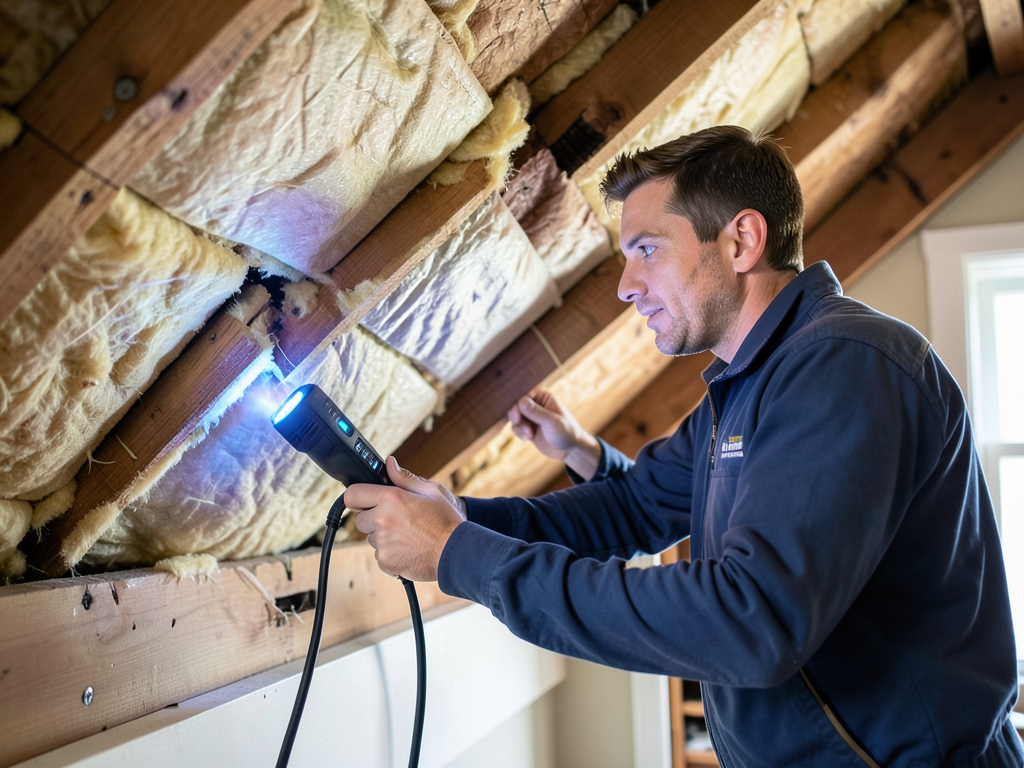
Thermal imaging audits reveal these hidden issues clearly. During a typical inspection, we use infrared cameras to detect temperature differences that indicate air leakage or missing insulation. You might see cold spots above bedrooms where heat is escaping, or hot zones near recessed lighting where conditioned air is leaking into unconditioned spaces.
The solution isn’t just adding more insulation—it’s creating a complete thermal barrier. This means proper R-value insulation combined with comprehensive air sealing, adequate ventilation to prevent moisture buildup, and addressing any existing moisture damage that could compromise new insulation performance.
Buffalo’s Climate Demands Higher R-Values
Lackawanna sits in New York’s Climate Zone 5, where building codes require minimum R-49 attic insulation, with R-60 recommended for optimal performance. These requirements reflect our harsh winters, where temperatures regularly drop below zero and heating demands are substantial. The R-value measures resistance to heat flow—higher numbers mean better insulation performance.
Lake-effect snow creates unique challenges for Lackawanna homes. Heavy, wet snow accumulation on roofs can lead to ice dam formation when attic heat melts snow from below. Proper insulation keeps the roof deck cold, preventing this melt-freeze cycle that damages shingles and causes water infiltration. Without adequate insulation, even the best roofing materials can fail.
Summer humidity in Buffalo presents different challenges. Attics can reach temperatures of 150°F or higher without proper ventilation and insulation. This extreme heat radiates downward, forcing air conditioners to work much harder than necessary. The temperature differential between your living space and attic can be 50-70 degrees, creating enormous thermal pressure on your building envelope.
Building code compliance is non-negotiable in Erie County. The New York State Uniform Fire Prevention and Building Code, specifically Section 502.1.3, mandates minimum insulation requirements for new construction and major renovations. For existing homes undergoing HVAC replacement, code compliance often requires bringing insulation up to current standards.
Energy audits conducted through NYSERDA’s Home Performance with ENERGY STAR program measure actual insulation performance. These diagnostic tests use blower door equipment to quantify air leakage and thermal imaging to identify insulation gaps. The data provides objective evidence of whether your attic meets code requirements and where improvements are needed. NYSERDA Home Performance with ENERGY STAR.
Signs Your Lackawanna Home Needs Better Insulation
Ice dams forming on your roof edges during winter are a clear warning sign. When snow melts from attic heat and refreezes at the eaves, it indicates heat loss through the ceiling. This pattern creates dangerous ice buildup that can damage gutters, lift shingles, and allow water to back up under roofing materials.
Uneven temperatures between floors suggest inadequate insulation. If your upstairs bedrooms are significantly colder in winter or hotter in summer compared to downstairs living areas, your attic insulation likely isn’t performing effectively. This temperature stratification forces your HVAC system to work harder, creating comfort issues throughout your home.
High National Fuel or NYSEG bills despite new HVAC equipment point to building envelope problems. When your energy consumption remains elevated after system upgrades, the issue often lies in heat loss through poorly insulated areas. Many Lackawanna homeowners discover their actual heating costs could be 30-40% lower with proper attic insulation.
Drafty rooms near exterior walls or ceilings indicate air leakage pathways. These drafts feel like cold air seeping in during winter, but they’re actually warm air escaping through gaps in your thermal envelope. Professional air sealing combined with insulation upgrades eliminates these comfort-robbing air movements.
Moisture problems in your attic signal insulation issues. When warm, moist air from your living space escapes into a cold attic, it condenses on cold surfaces, potentially causing mold growth, wood rot, and reduced insulation effectiveness. Proper air sealing and vapor barriers prevent this moisture migration that compromises both insulation and structural components.
Our Combined HVAC & Insulation Process
We begin every project with a comprehensive home energy assessment using thermal imaging and blower door testing. This diagnostic process identifies specific problem areas in your attic, from missing insulation to air leakage points. The assessment provides data-driven recommendations rather than guesswork, ensuring we address the actual issues affecting your home’s performance.
Air sealing comes first in our process. We seal gaps around plumbing penetrations, electrical fixtures, attic access points, and other bypasses using expanding foam, caulk, and weatherstripping. This step alone can reduce heating and cooling costs by 10-15% by eliminating the uncontrolled air movement that undermines insulation performance.
Insulation installation follows air sealing. We typically recommend blown-in cellulose for Lackawanna homes because it provides excellent R-value per inch, resists air movement, and is treated with fire retardants. For homes requiring higher R-values, we may use a combination of dense-pack cellulose and spray foam in critical areas. Ductless AC Installation for Historical Homes in North Buffalo.
Ventilation assessment ensures your attic can breathe properly. We check that soffit vents aren’t blocked by insulation and that ridge or gable vents provide adequate exhaust. Proper ventilation prevents moisture buildup that can degrade insulation and cause structural problems, while also helping regulate attic temperatures year-round.
HVAC system evaluation occurs after insulation improvements. With your building envelope optimized, we can accurately assess whether your existing equipment is properly sized or if replacement makes sense. Often, homes with improved insulation can use smaller, more efficient HVAC systems than originally installed.
The entire process typically takes 2-3 days for a complete attic insulation upgrade. We handle all necessary permits through Erie County, coordinate with your utility company if you’re participating in rebate programs, and provide documentation showing compliance with New York State building codes.
Local Rebates and Financing Options
NYSERDA’s Comfort Home Program offers substantial rebates for insulation improvements in Erie County. Homeowners can receive up to $5,000 in incentives for comprehensive energy upgrades, including attic insulation, air sealing, and HVAC improvements. These rebates are available through certified contractors who perform the required diagnostic testing and documentation.
National Fuel’s Smart Energy Savers Program provides additional incentives specifically for insulation projects. Rebates typically range from $400 to $1,200 depending on the scope of work and resulting energy savings. These programs require pre-approval and must be completed by participating contractors who understand the documentation requirements.
NYSEG and National Grid offer separate rebate programs for customers in their service territories. These utilities provide cash incentives for insulation improvements that reduce energy consumption. The programs often require a home energy assessment before work begins and verification testing after completion to confirm energy savings.
Federal tax credits remain available for energy efficiency improvements through 2026. The Energy Efficient Home Improvement Credit provides up to $1,200 annually for insulation, air sealing, and HVAC upgrades. These credits can be combined with utility rebates and state incentives for maximum financial benefit.
Financing options make these improvements affordable despite the upfront costs. Many Lackawanna homeowners use low-interest home improvement loans, utility on-bill financing, or manufacturer promotional financing to spread payments over time. The energy savings often offset a significant portion of monthly payments.
Our team handles all rebate paperwork and permit applications as part of our service. We understand the specific requirements for each program and ensure your project qualifies for maximum available incentives. This administrative support removes the complexity that often prevents homeowners from pursuing these valuable programs.
Comparing Insulation Materials for Buffalo Homes
| Material | R-Value per Inch | Cost per Sq Ft | Best Applications |
|---|---|---|---|
| Blown-in Cellulose | 3.2-3.8 | $1.50-2.50 | Attics, walls, irregular spaces |
| Fiberglass Batt | 2.9-3.8 | $0.80-1.50 | Between joists, standard cavities |
| Spray Foam (Open Cell) | 3.5-3.7 | $2.50-3.50 | Air sealing, irregular areas |
| Spray Foam (Closed Cell) | 6.0-7.0 | $3.50-5.00 | Moisture barriers, high R-value needs |
Blown-in cellulose dominates the attic insulation market in Western New York for several reasons. Its higher density provides better resistance to air movement than fiberglass batts, and the recycled paper content makes it environmentally friendly. The material’s ability to conform to irregular attic shapes ensures complete coverage without gaps.
Fiberglass batts remain popular for their lower cost and ease of installation in standard joist spacing. However, they require careful installation to avoid compression and gaps that reduce effectiveness. In attics with many obstructions or irregular framing, fiberglass often leaves thermal bridges that compromise overall performance.
Spray foam offers superior air sealing and higher R-values per inch, making it ideal for specific applications like rim joists, cathedral ceilings, or areas requiring moisture barriers. The higher cost limits its use to targeted applications rather than whole-attic coverage in most projects.
Material selection depends on your specific attic configuration, budget, and performance goals. We typically recommend blown-in cellulose for most Lackawanna homes because it provides the best balance of cost, performance, and ease of installation while meeting all building code requirements.
Ice Dam Prevention Through Proper Insulation
Ice dams form when heat escaping through your ceiling melts snow on the roof, which then refreezes at the colder eaves. This freeze-thaw cycle creates heavy ice buildup that can damage shingles, gutters, and even cause interior water damage. The primary cause is inadequate attic insulation allowing heat to reach the roof deck.
Proper insulation keeps the roof surface cold by preventing heat transfer from your living space. When the entire roof deck maintains a consistent temperature, snow melts evenly rather than creating the temperature differential that causes ice dam formation. This simple principle can prevent thousands of dollars in winter roof damage.
Ventilation works alongside insulation to prevent ice dams. Soffit vents draw cold air in at the eaves while ridge vents allow warm, moist air to escape at the peak. This airflow keeps the attic temperature close to the outside air temperature, preventing the warm spots that initiate ice dam formation.
Attic bypasses are often the hidden cause of ice dam problems. Even with good insulation, gaps around chimneys, plumbing vents, and light fixtures allow warm air to reach the attic. Professional air sealing identifies and closes these bypasses, addressing the root cause rather than just treating symptoms.
Roof rakes can help manage existing snow accumulation, but they don’t address the underlying insulation issues. While removing snow from roof edges can prevent immediate ice dam formation, proper insulation and air sealing provide the permanent solution that eliminates the problem entirely.
Many Lackawanna homeowners discover that addressing insulation issues prevents ice dam formation entirely. After proper insulation upgrades, they no longer need to climb ladders in freezing weather to remove snow, and their roofs remain free of the damaging ice buildup that plagued previous winters.
Energy Savings and ROI Calculations
Proper attic insulation in Lackawanna homes typically reduces heating costs by 15-25% and cooling costs by 10-15%. For a typical 2,000-square-foot home, this translates to annual savings of $300-600 on utility bills. The exact savings depend on your home’s current insulation levels, HVAC efficiency, and local energy rates.
Payback periods for attic insulation improvements generally range from 3-7 years. Factors affecting payback include insulation costs, available rebates, energy price increases, and your home’s specific characteristics. Homes with minimal existing insulation or older HVAC systems often see faster returns on investment.
Increased HVAC equipment lifespan provides additional financial benefits. When your heating and cooling systems don’t have to work as hard, they experience less wear and tear. This can extend equipment life by 5-7 years, delaying the substantial cost of system replacement and reducing maintenance expenses.
Improved comfort has measurable value beyond utility savings. Consistent temperatures throughout your home eliminate the need for space heaters, fans, or other supplemental heating and cooling devices. Better humidity control in summer can also reduce the workload on your air conditioner and improve indoor air quality.
Property value increases often accompany energy efficiency improvements. Energy-efficient homes command premium prices in the real estate market, and documentation of insulation improvements and utility savings can strengthen your negotiating position when selling your Lackawanna home.
Carbon footprint reduction represents another benefit of proper insulation. A typical insulation upgrade can reduce a home’s carbon emissions by 2-4 tons annually, contributing to environmental sustainability while also reducing dependence on fossil fuels for heating and cooling.
Frequently Asked Questions
How do I know if my attic insulation meets current code requirements?
Current New York State code requires R-49 minimum in attics, which typically means 15-20 inches of blown-in cellulose or fiberglass. You can measure your existing insulation depth and multiply by the material’s R-value per inch. However, professional assessment using thermal imaging provides more accurate evaluation of overall performance.
Can I add new insulation over existing insulation?
Yes, adding new insulation over existing material is often the most cost-effective approach. However, you should remove any wet, moldy, or compressed insulation first. Also, ensure existing insulation isn’t blocking soffit vents and that there’s no moisture damage that could compromise new insulation.
How long does professional attic insulation installation take?
Most attic insulation projects in Lackawanna homes take 1-2 days for a complete installation. This includes preparation, air sealing, insulation installation, and cleanup. Larger homes or those requiring extensive air sealing may take 2-3 days. We work efficiently to minimize disruption to your household.
Will new insulation help with summer cooling costs?
Absolutely. Proper attic insulation reduces heat gain in summer by preventing attic heat from radiating into your living space. Combined with adequate ventilation, this can reduce cooling costs by 15-20% and make your home more comfortable during Buffalo’s humid summer months.
Are there any health concerns with attic insulation?
Modern insulation materials are safe when properly installed. We use only code-compliant materials with fire retardants and proper vapor barriers. During installation, we contain dust and debris, and your family won’t need to leave the home. If your existing insulation contains asbestos or vermiculite, we’ll test and handle it according to EPA guidelines.
- Initial Contact
Call (716) 317-7757 or complete our online form to schedule your comprehensive home energy assessment. We’ll discuss your specific concerns and schedule a convenient time for our technician to visit.
- Professional Assessment
Our certified technician conducts thermal imaging scans, blower door testing, and visual inspection of your attic space. We identify air leaks, insulation gaps, and ventilation issues affecting your home’s performance.
- Detailed Proposal
We provide a written proposal outlining recommended improvements, expected energy savings, available rebates, and financing options. Our proposals include specific R-value targets and scope of work for your approval.
- Professional Installation
Our trained crews install insulation and complete air sealing according to manufacturer specifications and building codes. We handle all permits and coordinate with utility companies for rebate processing.
- Quality Verification
After installation, we conduct final testing to verify insulation performance and air sealing effectiveness. We provide documentation showing code compliance and assist with rebate applications.
Take Action Before Winter Hits
Don’t let another Buffalo winter force your HVAC system to work harder than necessary. The combination of proper attic insulation and efficient HVAC equipment can transform your home’s comfort while dramatically reducing energy costs. Many Lackawanna homeowners wait until their systems fail during a cold snap, but proactive improvements save money and prevent emergency situations.
Current NYSERDA rebates and federal tax credits make this the ideal time to address your home’s insulation needs. These incentives won’t last forever, and waiting means missing out on substantial savings that could cover a significant portion of your improvement costs. The sooner you act, the more you’ll save.
Our team understands the unique challenges of Lackawanna homes, from historic properties near the lake to newer constructions in the suburbs. We’ve helped hundreds of local homeowners improve their comfort and reduce their energy bills through comprehensive insulation and HVAC solutions tailored to Western New York’s demanding climate.
Ready to maximize your HVAC investment and improve your home’s comfort? Call (716) 317-7757 today to schedule your comprehensive energy assessment. Our experts will show you exactly how proper attic insulation can solve your comfort problems and reduce your energy bills. Don’t wait until the next cold snap—take control of your home’s performance now.
Pick up the phone and call (716) 317-7757 before the next storm hits. Your new HVAC system deserves the support of proper attic insulation, and your family deserves the comfort and savings that come with a properly sealed, insulated home. Let’s make your Lackawanna home as efficient as it should be.
United HVAC Buffalo – Serving Lackawanna, Orchard Park, West Seneca, and all of Erie County with expert insulation and HVAC solutions since 2010. Licensed, insured, and committed to your home’s comfort and efficiency. For more information, visit U.S. Department of Energy insulation guide.
{
“@context”: “https://schema.org”,
“@type”: “BlogPosting”,
“headline”: “Why New HVAC Units Struggle Without Better Attic Insulation in Lackawanna Homes”,
“description”: “Discover why Lackawanna homes need better attic insulation to maximize new HVAC efficiency. Learn about R-values, ice dams, and local rebates from Buffalo experts.”,
“wordCount”: 3226,
“datePublished”: “2026-03-15T12:04:00.000Z”,
“dateModified”: “2026-03-15T12:04:00.000Z”,
“inLanguage”: “en-US”,
“mainEntityOfPage”: {
“@type”: “WebPage”,
“@id”: “https://unitedhvacbuffalo.com”
},
“publisher”: {
“@type”: “LocalBusiness”,
“name”: “United HVAC Buffalo”,
“url”: “https://unitedhvacbuffalo.com”
},
“author”: {
“@type”: “Organization”,
“name”: “United HVAC Buffalo”,
“url”: “https://unitedhvacbuffalo.com”
},
“image”: {
“@type”: “ImageObject”,
“url”: “https://unitedhvacbuffalo.com/wp-content/uploads/2026/03/why-new-hvac-units-struggle-without-better-attic-i-1.png”
}
}
{
“@context”: “https://schema.org”,
“@type”: “HVACBusiness”,
“name”: “United HVAC Buffalo”,
“url”: “https://unitedhvacbuffalo.com”,
“address”: {
“@type”: “PostalAddress”,
“addressLocality”: “Buffalo”
},
“areaServed”: {
“@type”: “City”,
“name”: “Buffalo”
}
}
{
“@context”: “https://schema.org”,
“@type”: “FAQPage”,
“mainEntity”: [
{
“@type”: “Question”,
“name”: “How do I know if my attic insulation meets current code requirements?”,
“acceptedAnswer”: {
“@type”: “Answer”,
“text”: “Current New York State code requires R-49 minimum in attics, which typically means 15-20 inches of blown-in cellulose or fiberglass. You can measure your existing insulation depth and multiply by the material’s R-value per inch. However, professional assessment using thermal imaging provides more accurate evaluation of overall performance.”
}
},
{
“@type”: “Question”,
“name”: “Can I add new insulation over existing insulation?”,
“acceptedAnswer”: {
“@type”: “Answer”,
“text”: “Yes, adding new insulation over existing material is often the most cost-effective approach. However, you should remove any wet, moldy, or compressed insulation first. Also, ensure existing insulation isn’t blocking soffit vents and that there’s no moisture damage that could compromise new insulation.”
}
},
{
“@type”: “Question”,
“name”: “How long does professional attic insulation installation take?”,
“acceptedAnswer”: {
“@type”: “Answer”,
“text”: “Most attic insulation projects in Lackawanna homes take 1-2 days for a complete installation. This includes preparation, air sealing, insulation installation, and cleanup. Larger homes or those requiring extensive air sealing may take 2-3 days. We work efficiently to minimize disruption to your household.”
}
},
{
“@type”: “Question”,
“name”: “Will new insulation help with summer cooling costs?”,
“acceptedAnswer”: {
“@type”: “Answer”,
“text”: “Absolutely. Proper attic insulation reduces heat gain in summer by preventing attic heat from radiating into your living space. Combined with adequate ventilation, this can reduce cooling costs by 15-20% and make your home more comfortable during Buffalo’s humid summer months.”
}
}
]
}
{
“@context”: “https://schema.org”,
“@type”: “HowTo”,
“name”: “How to Schedule Your Insulation Assessment”,
“step”: [
{
“@type”: “HowToStep”,
“position”: 1,
“name”: “Initial Contact”,
“text”: “Call (716) 317-7757 or complete our online form to schedule your comprehensive home energy assessment. We’ll discuss your specific concerns and schedule a convenient time for our technician to visit.”
},
{
“@type”: “HowToStep”,
“position”: 2,
“name”: “Professional Assessment”,
“text”: “Our certified technician conducts thermal imaging scans, blower door testing, and visual inspection of your attic space. We identify air leaks, insulation gaps, and ventilation issues affecting your home’s performance.”
},
{
“@type”: “HowToStep”,
“position”: 3,
“name”: “Detailed Proposal”,
“text”: “We provide a written proposal outlining recommended improvements, expected energy savings, available rebates, and financing options. Our proposals include specific R-value targets and scope of work for your approval.”
},
{
“@type”: “HowToStep”,
“position”: 4,
“name”: “Professional Installation”,
“text”: “Our trained crews install insulation and complete air sealing according to manufacturer specifications and building codes. We handle all permits and coordinate with utility companies for rebate processing.”
},
{
“@type”: “HowToStep”,
“position”: 5,
“name”: “Quality Verification”,
“text”: “After installation, we conduct final testing to verify insulation performance and air sealing effectiveness. We provide documentation showing code compliance and assist with rebate applications.”
}
],
“image”: “https://unitedhvacbuffalo.com/wp-content/uploads/2026/03/why-new-hvac-units-struggle-without-better-attic-i-1.png”
}
{
“@context”: “https://schema.org”,
“@type”: “BreadcrumbList”,
“itemListElement”: [
{
“@type”: “ListItem”,
“position”: 1,
“name”: “Home”,
“item”: “https://unitedhvacbuffalo.com”
},
{
“@type”: “ListItem”,
“position”: 2,
“name”: “Blog”,
“item”: “https://unitedhvacbuffalo.com/blog”
},
{
“@type”: “ListItem”,
“position”: 3,
“name”: “Why New HVAC Units Struggle Without Better Attic Insulation in Lackawanna Homes”
}
]
}
{
“@context”: “https://schema.org”,
“@type”: “Service”,
“serviceType”: “HVAC”,
“provider”: {
“@type”: “LocalBusiness”,
“name”: “United HVAC Buffalo”,
“url”: “https://unitedhvacbuffalo.com”
},
“areaServed”: {
“@type”: “City”,
“name”: “Buffalo”
},
“description”: “Discover why Lackawanna homes need better attic insulation to maximize new HVAC efficiency. Learn about R-values, ice dams, and local rebates from Buffalo experts.”
}