
How to Improve Your Indoor Air Quality During the Long WNY Winter Months
Western New York winters trap pollutants inside tightly sealed homes for months. Your indoor air quality drops as humidity plummets and contaminants build up. This guide shows you exactly how to test your air, identify common Buffalo-area pollutants, and choose the right filtration or ventilation system for your family’s health. Choosing the Right HVAC Contractor for Your West Seneca Home Renovation.
Why Buffalo’s Winter Air Quality Creates Unique Health Challenges
Buffalo’s six-month heating season creates perfect conditions for poor indoor air. When temperatures drop below freezing Lake Erie’s moisture content changes dramatically affecting how your home retains heat and humidity. The average Buffalo home built before 1980 has significant air leakage but once sealed for winter those leaks become pollutant traps. HVAC Buffalo.
Local building practices compound the problem. Many Tonawanda and Cheektowaga homes use natural gas heating which produces combustion byproducts. Combined with pet dander from indoor animals and dust from forced air systems your indoor air can become more polluted than outdoor air even during lake-effect snow events. Outdoor Unit Not Spinning.
Common Indoor Air Pollutants Found in WNY Homes
Western New York’s specific climate and housing stock create unique air quality challenges. The following pollutants are most common in Buffalo-area homes during winter months.
| Pollutant | Source | Health Impact | Buffalo-Specific Factor |
|---|---|---|---|
| Particulate Matter PM2.5 | Dust cooking smoke | Respiratory irritation | Sealed homes trap winter dust |
| Volatile Organic Compounds | Cleaning products paint | Headaches dizziness | Modern low-VOC paints still off-gas |
| Carbon Monoxide | Gas appliances | Deadly poisoning | NYS requires CO detectors within 15 feet of sleeping areas |
| Radon Gas | Soil beneath foundation | Lung cancer risk | Erie County has moderate radon potential |
| Microbial Growth | High humidity condensation | Allergic reactions | Lake-effect moisture creates condensation on windows |
Testing Your Home’s Air Quality: What to Look For
Before investing in air quality solutions you need to understand what’s actually in your air. Professional testing reveals the specific contaminants affecting your family’s health.
- Visual Inspection
Check for condensation on windows which indicates high humidity. Look for mold spots in bathrooms and basements. Notice if you see excessive dust on surfaces within 24 hours of cleaning.
- Odor Assessment
Musty smells suggest microbial growth. Chemical odors indicate VOCs. Burning smells could mean electrical issues or combustion problems.
- Health Symptoms
Track when family members experience headaches congestion or fatigue. If symptoms improve when away from home you likely have indoor air quality issues.
- Professional Testing
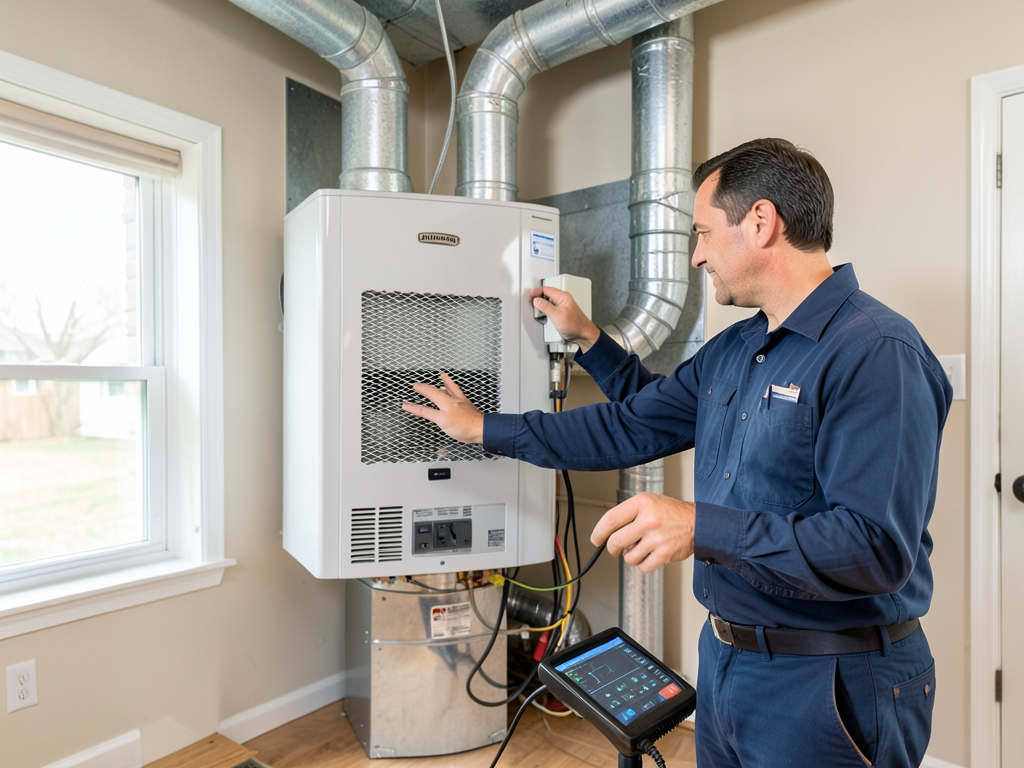
A certified technician uses calibrated equipment to measure particulate matter VOCs CO2 and humidity levels. Testing takes about one hour and provides specific data for your home.
HEPA Filtration Systems: Maximum Protection for Buffalo Homes
High-Efficiency Particulate Air filters remove 99.97% of particles 0.3 microns or larger. For Buffalo’s winter conditions this means removing dust pet dander and many allergens that get trapped indoors.
Whole-home HEPA systems install directly into your existing ductwork. Unlike portable units they clean all the air circulating through your home. The key advantage during WNY winters is continuous filtration without the noise and space requirements of multiple portable units. EPA Indoor Air Quality Information.
Buffalo’s older housing stock presents unique challenges. Many pre-1950 homes have asbestos insulation or lead paint dust. HEPA filtration becomes critical for removing these hazardous particles that standard filters miss. The EPA recommends MERV 13 or higher for homes with these concerns.
UV Germicidal Lights: Fighting Microbes in Your Ductwork
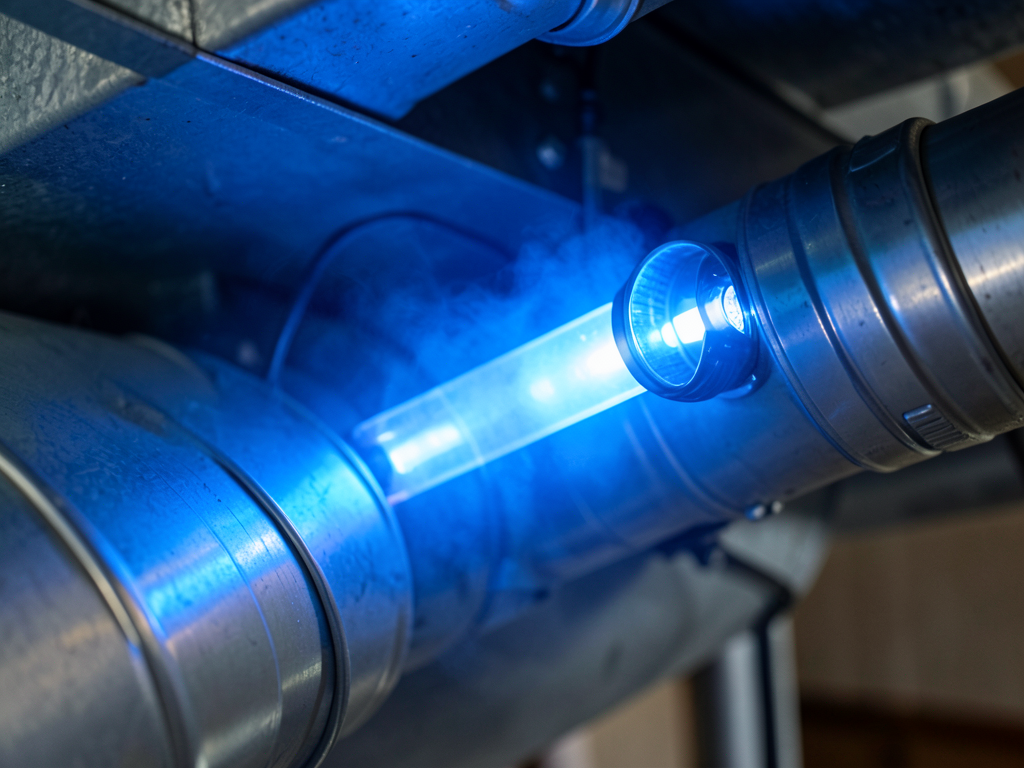
Ultraviolet light at 254 nanometers destroys bacteria viruses and mold spores. Installed inside your HVAC system UV lights continuously sanitize the air as it passes through.
Buffalo’s climate creates ideal conditions for microbial growth. When outdoor temperatures drop below freezing your home’s relative humidity often rises above 60% causing condensation in ductwork. This moisture combined with organic particles creates perfect breeding grounds for mold and bacteria.
UV systems use minimal electricity typically 40-60 watts. They work continuously so there’s no need to remember to turn them on or off. The lights need replacement every 12-24 months depending on usage and the specific model.
Energy Recovery Ventilators: Fresh Air Without Heat Loss
ERVs exchange stale indoor air with fresh outdoor air while transferring heat and moisture between the air streams. This solves the winter ventilation problem without wasting energy.
During Buffalo’s coldest months outdoor air can be 70 degrees colder than indoor air. Without an ERV bringing in fresh air means losing massive amounts of heat. An ERV can recover up to 80% of the energy that would otherwise be lost.
The system works by passing incoming and outgoing air through a heat exchanger core. In winter the warm indoor air preheats the cold incoming air. The process also transfers moisture helping maintain optimal humidity levels between 30-50%.
Whole-Home Humidifiers: Solving Buffalo’s Winter Dryness
Buffalo’s heated indoor air often drops below 20% relative humidity during winter. This causes static electricity dry skin and respiratory irritation. It also makes your home feel colder requiring higher thermostat settings.
Whole-home humidifiers connect to your HVAC system and add moisture as air circulates. Unlike portable units they maintain consistent humidity throughout your entire home. The water usage is minimal typically 3-6 gallons per day for an average home.
Proper humidity levels between 30-50% improve comfort and health. You’ll feel warmer at lower temperatures reducing heating costs. Wood furniture and musical instruments also benefit from stable moisture levels preventing cracking and warping.
Carbon Monoxide Detection and Prevention
Carbon monoxide is odorless colorless and deadly. New York State law requires CO detectors in all residential buildings. For Buffalo homes with natural gas heating this requirement is especially critical.
CO comes from incomplete combustion in gas furnaces water heaters and fireplaces. During winter when these appliances run continuously the risk increases. Blocked vents snow accumulation or equipment malfunction can cause dangerous CO buildup. Emergency Furnace Repair in Amherst When Your Heat Goes Out at Night.
Professional inspection includes checking heat exchanger integrity testing flue draft and verifying proper combustion. A cracked heat exchanger can release CO into your home’s air supply. Annual maintenance catches these issues before they become emergencies.
DIY Air Quality Improvements You Can Start Today
Professional solutions work best but several simple steps improve your indoor air immediately. These changes cost little but make measurable differences in air quality.
- Replace HVAC filters monthly during winter. Standard filters trap larger particles but need frequent changes when systems run constantly.
- Increase ventilation during activities that produce pollutants. Use exhaust fans when cooking and for 30 minutes after showering.
- Choose low-VOC cleaning products and paints. Many household chemicals release harmful compounds for weeks after application.
- Keep indoor humidity between 30-50% using a hygrometer. Too low causes dryness too high promotes mold growth.
- Remove shoes at the door to prevent tracking in outdoor pollutants and chemicals.
Choosing the Right Air Quality Solution for Your Buffalo Home
The best system depends on your specific home conditions and family health needs. Consider these factors when making your decision.
| Solution Type | Best For | Installation Cost | Annual Operating Cost |
|---|---|---|---|
| HEPA Filtration | Allergies asthma | $800-$1500 | $50-$100 |
| UV Light System | Microbial concerns | $400-$800 | $30-$50 |
| ERV System | Tight homes ventilation | $1200-$2500 | $75-$150 |
| Whole-Home Humidifier | Static dryness | $350-$800 | $40-$80 |
| CO Detection | Gas heating safety | $50-$200 | $10-$20 |
Professional Installation and Maintenance Requirements
Air quality systems require proper installation to function correctly. DIY installation often leads to reduced effectiveness or system damage. Professional installation ensures optimal performance and warranty protection. Ductless AC Installation for Historical Homes in North Buffalo.
Maintenance schedules vary by system type. HEPA filters need replacement every 6-12 months. UV bulbs lose effectiveness after 12-24 months even if they still produce visible light. ERV cores need cleaning every 2-3 years. Humidifier pads require seasonal replacement.
Buffalo’s specific conditions affect maintenance timing. Homes near Lake Erie experience more moisture-related issues requiring more frequent duct cleaning. Older homes with asbestos or lead paint need specialized handling during filter changes.
Emergency Air Quality Situations Requiring Immediate Attention
Some air quality issues pose immediate health risks. Recognizing these situations helps you respond quickly to protect your family.
Carbon monoxide exposure causes headache dizziness and nausea. If multiple family members experience these symptoms simultaneously evacuate immediately and call 911. Never re-enter until professionals declare it safe.
Strong chemical odors from your HVAC system indicate potential gas leaks or electrical problems. Turn off the system and call for emergency service. Do not operate any electrical switches which could create sparks.
Visible mold growth covering more than 10 square feet requires professional remediation. Small spots can be cleaned but extensive growth indicates underlying moisture problems that need addressing.
Long-Term Benefits of Improved Indoor Air Quality
Investing in air quality systems provides benefits beyond immediate health improvements. These systems protect your home’s structure and your family’s long-term wellbeing.
Proper humidity control prevents wood warping and cracking in floors furniture and musical instruments. This protection alone can offset the system’s cost over time. Electronic equipment also lasts longer in stable humidity environments.
Clean air reduces dust accumulation on surfaces and in ductwork. This means less frequent cleaning and reduced wear on your HVAC system. The energy savings from proper humidity control often pay for the system within 3-5 years.
Most importantly good indoor air quality supports better sleep reduces respiratory infections and improves overall quality of life. For families with asthma or allergies these benefits are even more significant.
Frequently Asked Questions
How often should I replace my HVAC filter during winter?
Replace standard 1-inch filters every 30-45 days during heavy heating season. High-efficiency filters may last 60-90 days but check monthly for visible dirt buildup.
Can poor indoor air quality make me sick?
Yes. Poor air quality causes headaches fatigue respiratory irritation and can trigger asthma attacks. Long-term exposure to certain pollutants increases risk of chronic health conditions.
What humidity level is best for winter in Buffalo?
Maintain 30-50% relative humidity. Below 30% causes dryness and static. Above 50% promotes mold growth and window condensation.
How do I know if I need a whole-home system vs portable units?
Homes over 1500 square feet or with multiple levels benefit most from whole-home systems. Portable units work for single rooms but require frequent maintenance and don’t address ductwork contamination.
Are UV lights safe for my family?
UV lights installed in HVAC systems are completely safe. The UV-C light is contained within the ductwork and cannot expose your family to harmful radiation.
Ready to breathe easier this winter? Call (716) 317-7757 today to schedule your indoor air quality assessment. Our certified technicians will test your home’s air identify specific pollutants and recommend the right solutions for your family’s needs. Don’t wait until health problems develop – take control of your indoor air quality now.
Pick up the phone and call (716) 317-7757 before the next cold snap hits. Your family deserves clean healthy air all winter long. For more information, visit ASHRAE Indoor Air Quality Standards.
{
“@context”: “https://schema.org”,
“@type”: “BlogPosting”,
“headline”: “How to Improve Your Indoor Air Quality During the Long WNY Winter Months”,
“description”: “Improve your home’s air quality this winter with expert HVAC solutions for Buffalo’s unique climate. Learn about HEPA filters, UV lights, ERVs and more.”,
“wordCount”: 1813,
“datePublished”: “2026-03-24T14:16:00.000Z”,
“dateModified”: “2026-03-24T14:16:00.000Z”,
“inLanguage”: “en-US”,
“mainEntityOfPage”: {
“@type”: “WebPage”,
“@id”: “https://unitedhvacbuffalo.com”
},
“publisher”: {
“@type”: “LocalBusiness”,
“name”: “United HVAC Buffalo”,
“url”: “https://unitedhvacbuffalo.com”
},
“author”: {
“@type”: “Organization”,
“name”: “United HVAC Buffalo”,
“url”: “https://unitedhvacbuffalo.com”
},
“image”: {
“@type”: “ImageObject”,
“url”: “https://unitedhvacbuffalo.com/wp-content/uploads/2026/03/how-to-improve-your-indoor-air-quality-during-the-1.png”
}
}
{
“@context”: “https://schema.org”,
“@type”: “HVACBusiness”,
“name”: “United HVAC Buffalo”,
“url”: “https://unitedhvacbuffalo.com”,
“address”: {
“@type”: “PostalAddress”,
“addressLocality”: “Buffalo”
},
“areaServed”: {
“@type”: “City”,
“name”: “Buffalo”
}
}
{
“@context”: “https://schema.org”,
“@type”: “FAQPage”,
“mainEntity”: [
{
“@type”: “Question”,
“name”: “How often should I replace my HVAC filter during winter?”,
“acceptedAnswer”: {
“@type”: “Answer”,
“text”: “Replace standard 1-inch filters every 30-45 days during heavy heating season. High-efficiency filters may last 60-90 days but check monthly for visible dirt buildup.”
}
},
{
“@type”: “Question”,
“name”: “Can poor indoor air quality make me sick?”,
“acceptedAnswer”: {
“@type”: “Answer”,
“text”: “Yes. Poor air quality causes headaches fatigue respiratory irritation and can trigger asthma attacks. Long-term exposure to certain pollutants increases risk of chronic health conditions.”
}
},
{
“@type”: “Question”,
“name”: “What humidity level is best for winter in Buffalo?”,
“acceptedAnswer”: {
“@type”: “Answer”,
“text”: “Maintain 30-50% relative humidity. Below 30% causes dryness and static. Above 50% promotes mold growth and window condensation.”
}
},
{
“@type”: “Question”,
“name”: “How do I know if I need a whole-home system vs portable units?”,
“acceptedAnswer”: {
“@type”: “Answer”,
“text”: “Homes over 1500 square feet or with multiple levels benefit most from whole-home systems. Portable units work for single rooms but require frequent maintenance and don’t address ductwork contamination.”
}
},
{
“@type”: “Question”,
“name”: “Are UV lights safe for my family?”,
“acceptedAnswer”: {
“@type”: “Answer”,
“text”: “UV lights installed in HVAC systems are completely safe. The UV-C light is contained within the ductwork and cannot expose your family to harmful radiation.”
}
}
]
}
{
“@context”: “https://schema.org”,
“@type”: “HowTo”,
“name”: “How to Test Indoor Air Quality”,
“step”: [
{
“@type”: “HowToStep”,
“position”: 1,
“name”: “Visual Inspection”,
“text”: “Check for condensation on windows which indicates high humidity. Look for mold spots in bathrooms and basements. Notice if you see excessive dust on surfaces within 24 hours of cleaning.”
},
{
“@type”: “HowToStep”,
“position”: 2,
“name”: “Odor Assessment”,
“text”: “Musty smells suggest microbial growth. Chemical odors indicate VOCs. Burning smells could mean electrical issues or combustion problems.”
},
{
“@type”: “HowToStep”,
“position”: 3,
“name”: “Health Symptoms”,
“text”: “Track when family members experience headaches congestion or fatigue. If symptoms improve when away from home you likely have indoor air quality issues.”
},
{
“@type”: “HowToStep”,
“position”: 4,
“name”: “Professional Testing”,
“text”: “A certified technician uses calibrated equipment to measure particulate matter VOCs CO2 and humidity levels. Testing takes about one hour and provides specific data for your home.”
}
],
“image”: “https://unitedhvacbuffalo.com/wp-content/uploads/2026/03/how-to-improve-your-indoor-air-quality-during-the-1.png”
}
{
“@context”: “https://schema.org”,
“@type”: “BreadcrumbList”,
“itemListElement”: [
{
“@type”: “ListItem”,
“position”: 1,
“name”: “Home”,
“item”: “https://unitedhvacbuffalo.com”
},
{
“@type”: “ListItem”,
“position”: 2,
“name”: “Blog”,
“item”: “https://unitedhvacbuffalo.com/blog”
},
{
“@type”: “ListItem”,
“position”: 3,
“name”: “How to Improve Your Indoor Air Quality During the Long WNY Winter Months”
}
]
}
{
“@context”: “https://schema.org”,
“@type”: “Service”,
“serviceType”: “HVAC”,
“provider”: {
“@type”: “LocalBusiness”,
“name”: “United HVAC Buffalo”,
“url”: “https://unitedhvacbuffalo.com”
},
“areaServed”: {
“@type”: “City”,
“name”: “Buffalo”
},
“description”: “Improve your home’s air quality this winter with expert HVAC solutions for Buffalo’s unique climate. Learn about HEPA filters, UV lights, ERVs and more.”
}